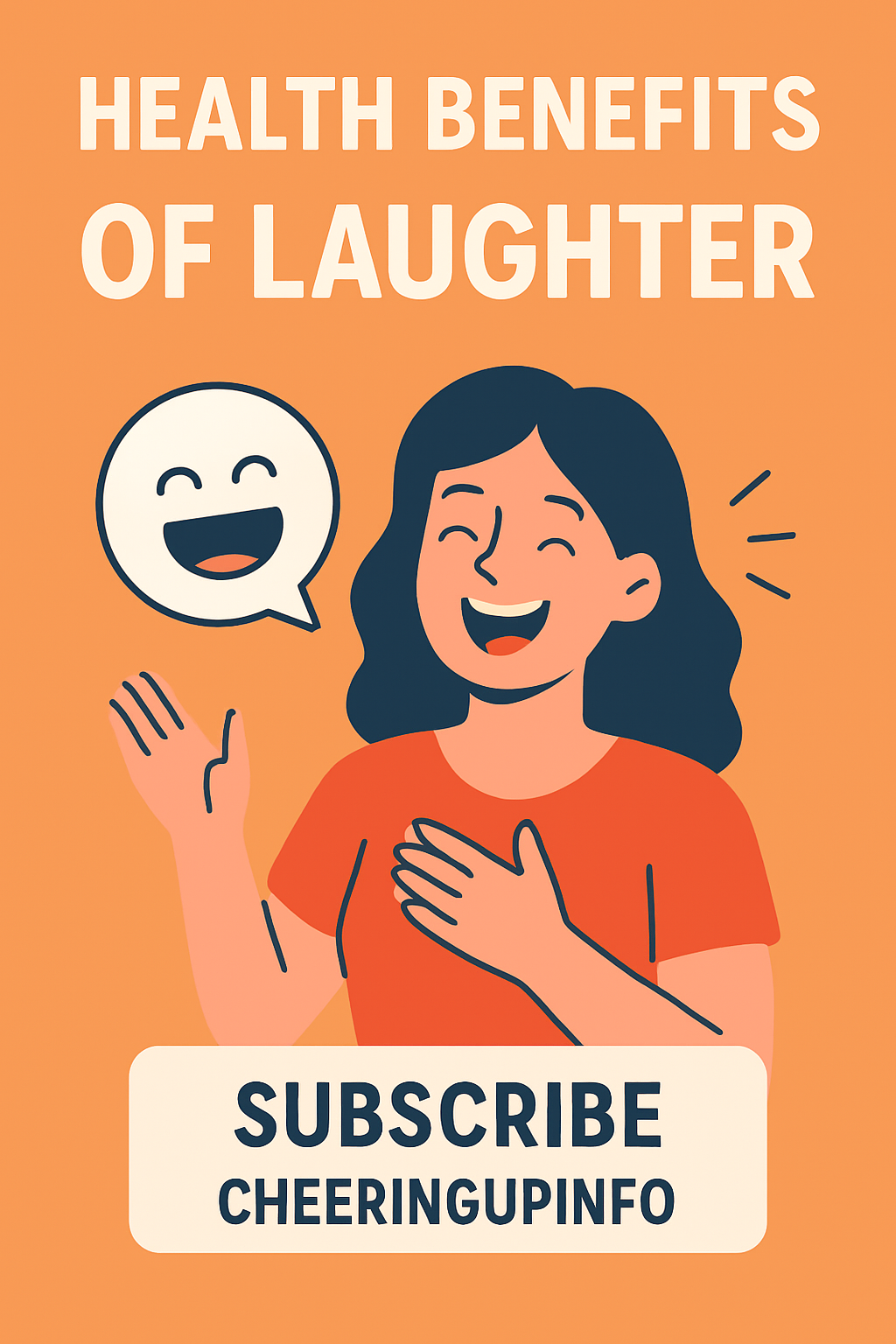
Discover how laughing for no reason, like in Laughter Yoga, can significantly boost your immune system, lower stress hormones (cortisol), and improve heart health. It’s the best medicine!
The Surprising Health Benefits of Laughing for No Reason (Laughter Yoga)
Is Laughter Really the Best Medicine? Science Says Yes, Even When It’s Fake.
We all know a good, hearty laugh feels great. But what if we told you that your body can reap all the incredible benefits of laughter—even if you’re not laughing at a joke or a funny movie?
Practices like Laughter Yoga—where participants engage in voluntary, simulated laughter—have proven that the body and mind can’t distinguish between real and fake laughter. This means intentionally choosing to laugh can offer a powerful, accessible, and free dose of wellness.
Here is an in-depth look at the remarkable health benefits of laughing for no reason, backed by science, and how this simple practice can transform your well-being.
The Physical Health Boost You Can’t Ignore
Laughter is often described as “internal jogging,” and for good reason. It triggers a series of physiological changes in your body that are overwhelmingly positive.
1. The Ultimate Stress Buster
When you laugh, you kickstart a powerful process that melts away physical tension and stress:
Lowers Stress Hormones: A deep belly laugh instantly decreases the levels of stress hormones like cortisol and adrenaline. Lower cortisol is crucial for everything from managing weight to improving sleep.
Releases Endorphins: Laughter triggers the release of endorphins, the body’s natural “feel-good” chemicals. These are the same chemicals that provide a temporary, natural form of pain relief and promote an overall sense of well-being.
Full Body Relaxation: After an intense bout of laughter, your heart rate and blood pressure decrease, and your muscles enter a prolonged state of relaxation that can last for up to 45 minutes.
2. Boosts Immune System Function
Your immune system thrives on positivity. By reducing stress hormones, laughter helps create a better environment for your immune cells:
Increases Immune Cells: Laughter may increase the production of infection-fighting T-cells and antibodies, enhancing your body’s natural resistance to diseases.
Fights Inflammation: Studies have shown that laughing can help reduce inflammation markers in the blood, which are linked to various chronic health issues.
Improves Blood Flow: Laughter improves the function of blood vessels (vascular function) and increases blood flow, which can help protect against heart attack and other cardiovascular problems.
Oxygenates the Body: A hearty laugh increases your oxygen intake, which stimulates your heart and lungs and sends more oxygenated blood throughout your body.
Lowers Blood Pressure: The initial rise in heart rate and oxygen consumption is followed by a period of relaxation, which helps to lower your blood pressure over time.
Mental and Emotional Benefits: The Power of Intentional Joy
Laughter is a powerful antidote to negative emotions and can dramatically improve your mental outlook.
Decreases Anxiety and Depression: By releasing dopamine and serotonin (your brain’s natural mood regulators), laughter can ease symptoms of anxiety and depression, making it easier to cope with difficult situations.
Shifts Perspective: Laughter helps you see situations in a less threatening and more realistic light, strengthening your emotional resilience and capacity to bounce back from adversity.
5. Reduces and Manages Pain
The dual action of releasing endorphins and inducing muscle relaxation makes laughter a surprising but effective pain management tool.
Increased Pain Tolerance: Endorphins act as natural painkillers, influencing your perception of discomfort and temporarily increasing your tolerance for pain. This is why people dealing with chronic conditions often turn to laughter therapy.
6. Strengthens Social Connection
While you can technically laugh alone, the practice is even more potent when shared. Laughter acts as a powerful social glue.
Promotes Bonding: Sharing a laugh, even a simulated one in a group setting like a Laughter Yoga class, fosters a sense of unity, trust, and connection with others.
Diffuses Conflict: Humor and laughter can instantly defuse tension and conflict, making it easier to resolve disagreements and strengthen relationships.
Your Daily Dose of Unwarranted Giggles
The best part about the health benefits of laughing for no reason is that you don’t need a punchline to start.
Practices like Laughter Yoga encourage you to initiate laughter intentionally, often through simple breathing and movement exercises. Even when it feels forced at first, it often turns into genuine, contagious laughter.
Try this simple exercise today:
Stand up straight and take a few deep breaths.
With a big smile, take a deep breath and, as you exhale, let out a “Ho-ho-ha-ha-ha” sound.
Repeat this for 30-60 seconds, increasing the volume and intensity. Even faking it will trigger the same beneficial chemicals in your brain.
Laughter is a universal language and your body’s natural pathway to stress relief and wellness. Make it a habit to laugh for no reason, and give your physical and mental health the boost it deserves!
Get help to protect and grow your business faster with CheeringUpInfo
Living longer as not a panacea for living your best life!
“I regret nothing.” How often have you heard that? It sounds powerful, defiant, even romantic. But what if “nothing” includes a life lived at the expense of your health, your future, your ability to truly live those later years? Let’s face it: longevity and a perpetually ecstatic lifestyle are not synonymous. One can stretch your years, the other fills them with immediate gratification. That’s the crux of it, isn’t it? We’re all balancing the scales, weighing the fleeting pleasures of today against the potential for a longer, healthier tomorrow.
Here’s the rub: those extra years might not be worth it if they’re spent in a state of frailty, confined to a chair, watching the world go by. You might prefer a shorter, more vibrant life, filled with experiences that ignite your soul. It’s a deeply personal choice, a tightrope walk between indulgence and discipline. And frankly, nobody can tell you which way to lean. I can’t. You can’t. But you canarm yourself with the knowledge to make an informed decision.
This isn’t about preaching abstinence or promising immortality. Instead, we’re going to explore 12 actionable strategies, tailored for the UK lifestyle, gleaned from the lives of those who have mastered the art of living long and well. We’ll delve into the science, the practicalities, and the subtle shifts that can dramatically impact your health and happiness. We’ll look at diet, exercise, community, and the often-overlooked mental and emotional factors that contribute to a fulfilling lifespan.
Think of this as a toolkit, not a rulebook. You’ll find guidance on navigating the UK’s unique climate, embracing its cultural richness, and building a life that nourishes your body and soul. You’ll discover how small changes, consistently applied, can yield significant results. Because, ultimately, the goal isn’t just to add years to your life, but to add life to your years. Let’s get started.
12 tips from longest living happiest people to live longer in the UK
1. Embrace the Mediterranean-ish Diet, UK Style
The Mediterranean diet, with its emphasis on fruits, vegetables, whole grains, and healthy fats, has long been touted as a cornerstone of longevity. But how do we adapt it for the UK context? It’s not simply about importing olives and feta. It’s about leveraging the best of what our own land has to offer.
Understanding the Core Principles:
Abundance of Plant-Based Foods: This means a wide variety of seasonal fruits and vegetables. Think berries in the summer, root vegetables in the winter, and leafy greens throughout the year. Local farmers’ markets are your best friend here.
Healthy Fats: Olive oil is a staple, but don’t overlook rapeseed oil, a UK-grown alternative rich in omega-3 fatty acids. Nuts and seeds, particularly walnuts and flaxseeds, should also be incorporated into your daily diet.
Whole Grains: Opt for whole-wheat bread, oats, barley, and rye. These provide sustained energy and fibre, crucial for gut health and blood sugar control.
Lean Protein: Fish, especially oily fish like salmon, mackerel, and sardines, is a key component. They’re packed with omega-3s, which are essential for heart and brain health. Poultry and legumes are also excellent sources of protein.
Moderate Dairy: Choose dairy products like yogurt and cheese.
Red Meat: Red meat may be better than many so called experts have been suggesting.
Adapting for the UK:
Seasonal Eating: Embrace the seasonality of UK produce. This not only supports local farmers but also ensures you’re consuming foods at their peak nutritional value.
Local Fish: Take advantage of the UK’s coastal location and incorporate locally sourced fish into your diet.
Root Vegetables: Don’t underestimate the power of root vegetables like carrots, parsnips, and sweet potatoes. They’re packed with vitamins and minerals and provide valuable fibre during the colder months.
Foraging: Consider foraging for wild greens and berries. This can be a fun and rewarding way to connect with nature and access nutrient-rich foods. But proceed with care and use reliable resources.
Minimise Processed Foods: Limit your intake of processed foods, sugary drinks, and refined carbohydrates. These contribute to inflammation and chronic disease.
Cook at Home: Preparing your own meals allows you to control the ingredients and portion sizes.
Actionable Steps:
Plan Your Meals: Spend some time each week planning your meals and creating a shopping list. This will help you stick to a healthy diet and avoid impulse purchases.
Try a New Recipe: Explore Mediterranean-inspired recipes that incorporate UK ingredients. There are countless resources available online and in cookbooks.
Visit a Farmers’ Market: Make it a habit to visit your local farmers’ market at least once a month.
Increase Your Fish Intake: Aim for at least two servings of oily fish per week.
Hydrate: Drink plenty of water throughout the day. Herbal teas are also a great way to stay hydrated and add variety to your beverage intake.
2. The Power of Movement: Beyond the Gym
Exercise is crucial for longevity, but it doesn’t have to mean spending hours in a gym. In the UK, we’re blessed with a diverse landscape that lends itself to a wide range of physical activities.
Understanding the Benefits:
Cardiovascular Health: Regular exercise strengthens the heart and improves circulation, reducing the risk of heart disease.
Muscle Strength and Bone Density: Strength training and weight-bearing exercises help maintain muscle mass and bone density, preventing falls and fractures.
Mental Well-being: Exercise releases endorphins, which have mood-boosting effects and can reduce stress and anxiety.
Improved Sleep: Regular physical activity can improve sleep quality and duration.
Weight Management: Exercise helps burn calories and maintain a healthy weight.
Adapting for the UK:
Walking and Hiking: Take advantage of the UK’s extensive network of footpaths and trails. Walking and hiking are excellent ways to get exercise and enjoy the beautiful scenery.
Cycling: Explore the UK’s countryside and cities by bike. Cycling is a great way to improve cardiovascular health and reduce your carbon footprint.
Swimming: Take a dip in the sea or a local swimming pool. Swimming is a low-impact exercise that’s gentle on the joints.
Gardening: Gardening is a surprisingly effective way to get exercise and connect with nature.
Dance: Join a dance class or simply put on some music and dance around your living room. Dance is a fun and effective way to improve cardiovascular health and coordination.
Team Sports: Join a local sports team or participate in recreational sports like football, rugby, or cricket.
Embrace the Weather: Don’t let the UK’s unpredictable weather deter you from being active. Dress appropriately and enjoy the outdoors, rain or shine.
Actionable Steps:
Set Realistic Goals: Start with small, achievable goals and gradually increase the intensity and duration of your workouts.
Find an Activity You Enjoy: Choose activities that you find enjoyable and that fit your lifestyle.
Make it Social: Exercise with friends or family to stay motivated and accountable.
Incorporate Movement into Your Daily Routine: Take the stairs instead of the elevator, walk or cycle to work, and take breaks throughout the day to stretch and move.
Track Your Progress: Use a fitness tracker or app to monitor your activity levels and track your progress.
3. Cultivate Strong Social Connections
Loneliness and social isolation are significant risk factors for premature death. In the UK, building and maintaining strong social connections is crucial for both physical and mental well-being.
Understanding the Benefits:
Reduced Stress: Social support can buffer the effects of stress and promote relaxation.
Improved Mental Health: Strong social connections can reduce the risk of depression and anxiety.
Enhanced Immune Function: Social support can strengthen the immune system and improve overall health.
Increased Longevity: Studies have shown that people with strong social connections tend to live longer.
Adapting for the UK:
Join Local Clubs and Groups: Participate in activities that align with your interests, such as book clubs, hiking groups, or volunteer organisations.
Volunteer: Volunteering is a great way to give back to your community and meet new people.
Stay Connected with Family and Friends: Make time to connect with loved ones, even if it’s just a phone call or a video chat.
Embrace Community Events: Attend local festivals, fairs, and other community events.
Use Social Media Wisely: While social media can be a tool for connection, it’s important to use it mindfully and avoid excessive screen time.
Engage with Your Neighbours: Get to know your neighbours and build a sense of community in your neighbourhood.
Actionable Steps:
Make a List of People You Want to Connect With: Reach out to them and schedule a time to catch up.
Join a Local Group or Club: Find a group or club that aligns with your interests and attend a meeting.
Prioritise Face-to-Face Interactions: Make an effort to connect with people in person, rather than relying solely on digital communication.
Be Present: When you’re with people, put away your phone and focus on the conversation.
4. Manage Stress and Prioritise Mental Wellbeing
Stress is a silent killer, and in the fast-paced modern world, it’s more prevalent than ever. The UK lifestyle, with its demanding work culture and constant connectivity, can contribute to chronic stress. Prioritising mental well-being is essential for longevity and overall health.
Understanding the Benefits:
Reduced Risk of Chronic Disease: Chronic stress can contribute to a range of health problems, including heart disease, stroke, and diabetes.
Improved Mood and Emotional Regulation: Managing stress can improve mood, reduce anxiety, and promote emotional stability.
Enhanced Cognitive Function: Chronic stress can impair cognitive function, including memory and concentration.
Improved Sleep: Stress can disrupt sleep patterns, leading to fatigue and other health problems.
Increased Resilience: Learning to manage stress can increase resilience and the ability to cope with life’s challenges.
Adapting for the UK:
Mindfulness and Meditation: Incorporate mindfulness and meditation practices into your daily routine. There are many resources available online and in local communities.
Nature Therapy: Spend time in nature. The UK’s beautiful parks, gardens, and countryside offer ample opportunities for nature therapy.
Creative Outlets: Engage in creative activities like painting, writing, or playing music. These activities can be a great way to relieve stress and express emotions.
Time Management: Learn to manage your time effectively to reduce feelings of overwhelm.
Set Boundaries: Learn to say no to commitments that will add to your stress.
Seek Professional Help: Don’t hesitate to seek professional help if you’re struggling to manage stress or mental health challenges. The NHS offers a range of mental health services.
Actionable Steps:
Schedule Time for Relaxation: Set aside time each day for activities that help you relax and de-stress.
Practice Deep Breathing Exercises: Deep breathing exercises can help calm the nervous system and reduce stress.
Keep a Journal: Journalling can help you process your thoughts and emotions.
Prioritise Sleep: Aim for 7-8 hours of quality sleep each night.
Limit Screen Time: Excessive screen time can contribute to stress and anxiety.
Find a Therapist or Counsellor: If needed, seek professional help.
5. Prioritise Quality Sleep
Sleep is crucial for physical and mental restoration. In the UK, with its long winter nights and potential for sleep disruptions, prioritising quality sleep is essential for longevity.
Enhanced Immune Function: Adequate sleep strengthens the immune system and reduces the risk of illness.
Reduced Risk of Chronic Disease: Poor sleep is linked to an increased risk of heart disease, stroke, diabetes, and obesity.
Improved Mood and Emotional Regulation: Sleep deprivation can lead to irritability, anxiety, and depression.
Increased Energy Levels: Quality sleep provides the energy needed for daily activities.
Adapting for the UK:
Establish a Regular Sleep Schedule: Go to bed and wake up at the same time each day, even on weekends.
Create a Relaxing Bedtime Routine: Develop a calming bedtime routine to prepare your mind and body for sleep.
Optimise for Your Sleep Environment: Make sure your bedroom is dark, quiet, and cool.
Limit Caffeine and Alcohol: Avoid caffeine and alcohol before bed, as they can interfere with sleep.
Get Sunlight Exposure: Sunlight helps regulate the body’s natural sleep-wake cycle.
Manage Light Exposure: During winter months, consider light therapy to combat seasonal affective disorder (SAD).
Actionable Steps:
Create a Sleep Sanctuary: Make your bedroom a relaxing and comfortable space for sleep.
Avoid Screen Time Before Bed: The blue light emitted from screens can interfere with sleep.
Try Relaxation Techniques: Practice relaxation techniques like deep breathing or progressive muscle relaxation before bed.
Consider a White Noise Machine: A white noise machine can help block out distracting noises.
Invest in a Comfortable Mattress and Pillows: A comfortable sleep surface can improve sleep quality.
Consult a Doctor: If you have persistent sleep problems, consult a doctor.
6. Embrace Lifelong Learning
Lifelong learning is not only intellectually stimulating but also beneficial for brain health and longevity. In the UK, there are numerous opportunities for learning and personal growth.
Understanding the Benefits:
Improved Cognitive Function: Learning new skills and knowledge can enhance cognitive function and reduce the risk of cognitive decline.
Increased Brain Plasticity: Lifelong learning promotes brain plasticity, the brain’s ability to adapt and change.
Enhanced Sense of Purpose: Learning new things can provide a sense of purpose and fulfillment.
Increased Social Connection: Learning in a group setting can provide opportunities for social interaction and connection.
Improved Mental Well-being: Learning can boost self-esteem and reduce feelings of boredom and isolation.
Adapting for the UK:
Adult Education Classes: Take advantage of adult education classes offered by local colleges and universities.
Online Courses: Explore online learning platforms that offer a wide range of courses and subjects.
Libraries and Museums: Visit libraries and museums to learn about history, culture, and science.
Volunteer Opportunities: Volunteer your time to learn new skills and contribute to your community.
Travel: Travel to new places and learn about different cultures.
Actionable Steps:
Identify Your Interests: Make a list of subjects or skills you’d like to learn.
Set Learning Goals: Set specific, measurable, achievable, relevant, and time-bound (SMART) learning goals.
Find a Learning Community: Join a class, group, or online community to support your learning.
Make Time for Learning: Schedule dedicated time for learning each week.
Reflect on Your Learning: Take time to reflect on what you’ve learned and how it has impacted you.
Never Stop Learning: Embrace a lifelong learning mindset.
7. Limit Exposure to Environmental Toxins
Environmental toxins can have a significant impact on health and longevity. In the UK, it’s important to be aware of potential sources of toxins and take steps to minimise exposure.
Understanding the Risks:
Air Pollution: Air pollution can contribute to respiratory problems, heart disease, and cancer.
Water Contamination: Contaminated water can contain harmful chemicals and heavy metals.
Pesticides and Herbicides: Exposure to pesticides and herbicides can increase the risk of cancer and other health problems.
Household Chemicals: Many household cleaning products and personal care products contain harmful chemicals.
Radon: Radon is a radioactive gas that can increase the risk of lung cancer.
Adapting for the UK:
Monitor Air Quality: Check air quality reports and take precautions on days with high pollution levels.
Filter Your Water: Consider using a water filter to remove contaminants from your drinking water.
Choose Organic Foods: Opt for organic foods whenever possible to reduce exposure to pesticides and herbicides.
Use Natural Cleaning Products: Choose natural cleaning products that are free of harmful chemicals.
Test for Radon: Test your home for radon and take steps to mitigate exposure if levels are high.
Avoid Smoking and Secondhand Smoke: Smoking and secondhand smoke are major sources of environmental toxins.
Actionable Steps:
Become Aware of Potential Toxins: Learn about the potential sources of environmental toxins in your area.
Make Informed Choices: Choose products and practices that minimise exposure to toxins.
Support Environmental Initiatives: Support policies and initiatives that promote environmental health.
Advocate for Change: Advocate for stricter regulations on environmental toxins.
Educate Others: Educate others about the risks of environmental toxins.
Take Action: Take steps to reduce your own exposure to toxins.
8. Prioritise Gut Health
Gut health plays a crucial role in overall health and longevity. In the UK, with its diverse culinary landscape, it’s important to make dietary choices that support a healthy gut microbiome.
Understanding the Benefits:
Improved Digestion: A healthy gut microbiome promotes efficient digestion and nutrient absorption.
Enhanced Immune Function: The gut microbiome plays a key role in immune system function.
Reduced Inflammation: A balanced gut microbiome can help reduce inflammation throughout the body.
Improved Mental Health: The gut-brain axis connects the gut and brain, and a healthy gut microbiome can improve mental health.
Reduced Risk of Chronic Disease: A healthy gut microbiome is associated with a reduced risk of chronic diseases like heart disease, diabetes, and cancer.
Adapting for the UK:
Eat a Variety of Plant-Based Foods: A diverse diet rich in fruits, vegetables, whole grains, and legumes supports a healthy gut microbiome.
Consume Fermented Foods: Fermented foods like yogurt, kefir, sauerkraut, and kimchi are rich in probiotics, which promote gut health.
Limit Processed: Foods and Sugary Drinks: Processed foods and sugary drinks can disrupt the balance of the gut microbiome.
Include Prebiotic Foods: Prebiotic foods like onions, garlic, bananas, and asparagus feed the beneficial bacteria in the gut.
Stay Hydrated: Drinking plenty of water is essential for gut health.
Manage Stress: Chronic stress can negatively impact the gut microbiome.
Actionable Steps:
Increase Your Fibre Intake: Aim for at least 30 grams of fibre per day.
Incorporate Fermented Foods into Your Diet: Start with small amounts and gradually increase your intake.
Choose Whole Grains Over Refined Grains: Opt for whole-wheat bread, brown rice, and oats.
Limit Sugar and Artificial Sweeteners: These can disrupt the balance of the gut microbiome.
Consider Taking a Probiotic Supplement: Consult with a healthcare professional before taking a probiotic supplement.
Listen to Your Gut: Pay attention to how different foods affect your digestion and make adjustments as needed.
9. Find Purpose and Meaning
Having a sense of purpose and meaning is essential for a fulfilling life and longevity. In the UK, there are many ways to find purpose and contribute to your community.
Understanding the Benefits:
Increased Longevity: Studies have shown that people with a strong sense of purpose tend to live longer.
Improved Mental Health: Having a sense of purpose can reduce the risk of depression and anxiety.
Enhanced Resilience: A sense of purpose can help people cope with life’s challenges.
Increased Motivation: Purpose provides motivation and direction in life.
Greater Life Satisfaction: People with a sense of purpose tend to be more satisfied with their lives.
Adapting for the UK:
Volunteer Your Time:Volunteer for a cause you care about.
Mentor Others: Share your knowledge and experience with others.
Pursue Your Passions: Engage in activities that bring you joy and fulfillment.
Connect with Your Community: Participate in local events and initiatives.
Embrace Spirituality: Explore your spiritual beliefs and practices.
Set Meaningful Goals: Set goals that align with your values and purpose.
Actionable Steps:
Reflect on Your Values: Identify what is most important to you in life.
Explore Your Interests: Try new activities and discover what you enjoy.
Connect with Others: Build meaningful relationships with people who share your values.
Give Back to Your Community: Find ways to contribute to your community.
Find a Sense of Meaning in Your Work: If possible, find work that aligns with your values and purpose.
Live in the Present Moment: Practice mindfulness and appreciate the present moment.
10. Embrace the UK’s Natural Beauty
The UK is blessed with stunning natural beauty, from its rolling hills and rugged coastlines to its ancient forests and tranquil lakes. Spending time in nature can have a profound impact on physical and mental well-being.
Understanding the Benefits:
Reduced Stress: Spending time in nature can lower cortisol levels and reduce stress.
Improved Mood: Nature has a calming and mood-boosting effect.
Enhanced Cognitive Function: Studies have shown that spending time in nature can improve attention and memory.
Increased Physical Activity: Nature provides opportunities for walking, hiking, and other forms of exercise.
Improved Sleep: Spending time in nature can improve sleep quality.
Strengthened Immune System: Exposure to natural environments can boost the immune system.
Adapting for the UK:
Explore National Parks and Nature Reserves: Visit the UK’s national parks and nature reserves.
Take Walks in Local Parks and Gardens: Enjoy the green spaces in your local area.
Embrace Coastal Walks: Take advantage of the UK’s extensive coastline.
Go Foraging: Learn to identify edible wild plants and berries.
Spend Time in Forests: Enjoy the tranquility and beauty of the UK’s forests.
Actionable Steps:
Schedule Time in Nature: Make time to spend outdoors each week.
Find a Local Green Space: Discover a park, garden, or nature reserve near you.
Plan Outdoor Activities: Plan hikes, walks, or picnics in nature.
Bring Nature Indoors: Incorporate plants and natural elements into your home.
Appreciate the Changing Seasons: Enjoy the beauty of each season in the UK.
Be Mindful in Nature: Pay attention to your surroundings and appreciate the natural world.
11. Stay Hydrated
Proper hydration is essential for overall health and longevity. In the UK, it’s important to stay hydrated, especially during the warmer months and when engaging in physical activity.
Understanding the Benefits:
Improved Cognitive Function: Dehydration can impair cognitive function, including memory and concentration.
Enhanced Physical Performance: Proper hydration is essential for optimal physical performance.
Improved Digestion: Water helps with digestion and nutrient absorption.
Regulated Body Temperature: Water helps regulate body temperature.
Healthy Skin: Proper hydration keeps skin healthy and hydrated.
Reduced Risk of Kidney Stones: Staying hydrated can reduce the risk of kidney stones.
Adapting for the UK:
Drink Water Throughout the Day: Aim for at least 8 glasses of water per day.
Carry a Water Bottle: Carry a water bottle with you to ensure you stay hydrated.
Drink Water Before, During, and After Exercise: Replenish fluids lost during physical activity.
Consume Water-Rich Foods: Incorporate water-rich foods like fruits and vegetables into your diet.
Limit Sugary Drinks: Sugary drinks can contribute to dehydration.
Be Mindful of Alcohol Consumption: Alcohol can dehydrate the body.
Actionable Steps:
Set Reminders to Drink Water: Use a timer or app to remind you to drink water.
Make Water More Appealing: Add fruit or herbs to your water for flavor.
Choose Water Over Sugary Drinks: Opt for water instead of sugary drinks.
Drink Water Before Meals: Drinking water before meals can help you feel full.
Carry a Refillable Water Bottle: Reduce waste and stay hydrated by using a refillable water bottle.
Monitor Your Hydration Levels: Pay attention to signs of dehydration, such as thirst, headache, and fatigue.
12. Cultivate a Positive Outlook
A positive outlook can have a profound impact on physical and mental well-being, contributing to longevity and a fulfilling life.
Understanding the Benefits:
Reduced Stress: A positive outlook can buffer the effects of stress.
Improved Immune Function: Optimism has been linked to a stronger immune system.
Reduced Risk of Heart Disease: Studies have shown that optimists have a lower risk of heart disease.
Improved Mental Health: A positive outlook can reduce the risk of depression and anxiety.
Increased Resilience: Optimism can help people cope with life’s challenges.
Longer Lifespan: Research suggests that optimists tend to live longer.
Adapting for the UK:
Practice Gratitude: Regularly express gratitude for the good things in your life.
Find Joy in Everyday Moments: Appreciate the small pleasures in life.
Limit Exposure to Negative Media: Avoid excessive exposure to negative news and social media.
Practice Self-Compassion: Be kind and understanding to yourself.
Seek Professional Help: If you’re struggling with negative thoughts or emotions, seek professional help.
By embracing these 12 tips, tailored for the UK lifestyle, you can cultivate a life of longevity, health, and happiness. Remember, it’s not about perfection, but about making conscious choices that support your well-being. It’s about finding your own balance, your own way to live a life that is both long and fulfilling.