10 Time-Saving Splurges That Will Boost Your British Bliss: How to Spend Smarter, Save Time, and Be Happier
In the bustling British beehive, time feels like honey dripped onto a hot sidewalk – fleeting, precious, and prone to disappearing quickly. We juggle work, family, social calendars, and personal well-being, often feeling like stretched elastic bands about to snap. But what if there was a way to buy back some of those precious minutes, hours, even days? What if happiness could be found not just in material possessions, but in the gift of time itself?
Well, hold your crumpets, folks, because that’s exactly what we’re here to explore! This article is your guide to 10 savvy time-saving splurges, designed to inject joy and ease into your UK life, leaving you feeling happier, healthier, and less like a hamster on a caffeine-fueled wheel. Forget fleeting retail therapy; these investments in convenience and freedom will keep on giving, long after the initial outlay. So, put down the takeaway menu, silence that insistent laundry pile, and let’s dive into how to spend smarter, save time, and unlock a happier, more fulfilling you!
1. Delegate the Mundane: Embrace the Magic of Outsourcing
Let’s face it, chores rarely spark joy. Grocery shopping, cleaning, ironing – these are the time-sucking goblins of our daily lives. But fear not, brave adventurers! The modern world offers a potent spell in the form of outsourcing. Consider investing in a cleaning service, even if it’s just a monthly deep clean. Imagine reclaiming those hours spent scrubbing sinks to spend on a leisurely pub lunch with friends, reading a captivating novel, or finally tackling that neglected craft project. Think of it as paying for peace of mind and precious hours back in your pocket – a true investment in happiness.
2. Groceries Delivered: Your Fridge Fairy Godmother
The supermarket: a land of fluorescent lights, endless aisles, and queues longer than the Thames in winter. Sound familiar? Free yourself from the grocery grind with online delivery services! Imagine the sheer joy of arriving home to a fridge stocked with everything you need, ready to whip up a delicious meal. Not only will you save time, but you’ll also avoid impulse buys and food waste, potentially even saving money in the long run. Trust us, when you’re famished after work and the thought of navigating aisles makes you want to throw a custard cream, this investment will feel like pure magic.
3. Meal Prep Magic: Free Yourself from the Kitchen Conundrum
Cooking can be a joy, but let’s be honest, sometimes it’s just another chore on the already overflowing to-do list. Enter the wondrous world of meal prep! Dedicate a few hours on the weekend to batch-cooking healthy, delicious meals for the week ahead. Pop them in handy containers, and voila! Lunchtime becomes a breeze, you’ll avoid unhealthy takeaways, and the satisfaction of a homemade meal without the daily hustle will leave you feeling smug and triumphant. Meal prep is like buying yourself back dinnertime freedom, and that’s priceless.
4. Tech to the Rescue: Automate Your Way to Bliss
Technology is no longer just a fancy gadget; it’s a time-saving superhero waiting to be unleashed. Invest in smart home devices that automate tedious tasks. Imagine lights that dim with a voice command, a robot vacuum that cleans while you’re at work, or a thermostat that magically adjusts to your comfort level. These technological time-savers won’t just free up your schedule, they’ll add an air of futuristic luxury to your daily routine. Think of it as buying back precious minutes to actually enjoy your home, not just maintain it.
5. Subscriptions: Convenience at Your Doorstep
Subscriptions aren’t just for streaming services and magazines! These days, you can subscribe to practically anything, from coffee beans to beauty products to even pet supplies. This eliminates the need for last-minute dashes to the shops, saving you time and stress. Imagine receiving a box of curated coffee beans just as you’re finishing the last cup, or having your favourite moisturiser delivered before you even realise you’re running low. Subscriptions are like tiny life elves, quietly ensuring you never run out of the essentials, freeing you to focus on the bigger (and more enjoyable) things.
6. Upskill and Outsource: Invest in Your Time-Saving Arsenal
Sometimes, the best investment in time is an investment in yourself. Consider taking online courses or workshops that teach you valuable skills like time management, productivity hacks, or even delegation techniques. Learning how to work smarter, not harder, will equip you with tools to reclaim control of your schedule and squeeze more juice out of every day. Think of it as buying yourself a time-saving superpower, one that will boost your love of life.
7. Experience over Things: Invest in Memories, Not Just Materialism
We often equate happiness with possessions, but research shows that experiences bring us more long-term joy and satisfaction than material goods. So, instead of spending on another gadget or outfit, consider splurging on an experience that will create lasting memories. Plan a weekend getaway to a charming British town, book tickets to that must-see show, or finally take that pottery class you’ve been dreaming of. Investing in experiences allows you to connect with loved ones, learn new skills, and create personal narratives that will enrich your life long after the initial buzz fades. Remember, it’s not about the things you own, it’s about the stories you collect.
8. The Power of “No”: Protect Your Precious Time
In a world that constantly demands our attention, saying “no” is a superpower. Learn to politely decline requests and engagements that drain your energy and steal your precious time. Prioritise activities that align with your values and bring you joy, and don’t be afraid to set boundaries. Remember, your time is a finite resource, and saying “no” to the non-essential safeguards your well-being and ensures you have the energy for the things that truly matter.
9. Prioritise Personal Wellbeing: Your Recharge Station
Investing in your physical and mental health is not just an expense, it’s an investment in your happiness and ability to enjoy the time you win back. Join a gym or fitness class, schedule regular massages or therapy sessions, or simply carve out time for meditation and mindfulness practices. A healthy mind and body will give you the stamina and resilience to cope with the demands of life, allowing you to truly savor the time you’ve freed up.
10. The Gift of Presence: Be Here Now
Finally, remember that sometimes the most valuable investments are the intangible ones. Put down your phone, disconnect from the constant digital din, and simply be present in the moment. Savor a meal with loved ones, engage in meaningful conversations, and appreciate the beauty of the everyday. These moments of genuine connection and mindful awareness are truly priceless, and they often cost nothing but your undivided attention.
By embracing these time-saving splurges, you’ll start to see that happiness isn’t just about things you buy, but about the time and space you create for yourself. Remember, a life well-lived is not measured in possessions, but in experiences, connections, and the precious gift of time. So, go forth, brave Britons, and reclaim your minutes, hours, and days! Remember, time is the most valuable currency, and these savvy splurges are investments in a happier, more fulfilling you. Now, go enjoy your cuppa, with the sweet satisfaction of knowing you’ve just bought back a little piece of British bliss.
Happy saving, happy spending, and most importantly, happy living!
5 Keys to Unlocking Freedom: How to Stop Caring What People Think and Enjoy Your Life More
Are you constantly wondering “How do I stop caring what people think?” You’re not alone. The desire for approval and validation is deeply ingrained in us, but it can also be a major roadblock to living authentically and joyfully. Fortunately, freeing yourself from the shackles of other people’s opinions is entirely possible. Here are 5 powerful ways to break free and start enjoying your life to the fullest:
1. Understand the “Why”: Unmasking the Psychology of Caring Too Much
Before you can dismantle this internal critic, you need to understand its origins. Why do we care so much about what others think? Psychologically, it’s often rooted in a need for belonging and acceptance. We’re social creatures, and fearing isolation can trigger an oversensitivity to perceived judgment. Additionally, low self-esteem or past experiences of criticism can exacerbate this tendency. Recognising these underlying factors empowers you to challenge them consciously.
2. Own Your Values, Define Your Worth:
Instead of seeking validation from external sources, shift your focus inwards. Ask yourself: what are my core values? What truly matters to me? Aligning your actions and choices with your personal values becomes your guiding compass, not the fleeting opinions of others. This internal validation system builds unshakeable confidence and frees you from the need for external approval.
3. Embrace Imperfection, Reframe Failure:
The fear of judgment often stems from a crippling perfectionism. We obsess over avoiding mistakes, fearing they’ll expose us to negativity. Remember, everyone makes mistakes – they’re inevitable parts of growth and learning. Reframe failure as a valuable stepping stone, an opportunity to learn and improve. Embrace your imperfections, and you’ll find liberation in authenticity.
4. Build a Support System of Genuine Cheerleaders:
Surrounding yourself with positive, supportive people is crucial. Choose friends and family who uplift and celebrate your unique self, who accept you flaws and all. Their unwavering belief in you will bolster your own confidence and make you less susceptible to external negativity. Remember, the company you keep shapes your perspective, so choose wisely.
5. Practice Mindfulness, Quiet the Inner Critic:
Our minds are often filled with a constant stream of self-critical thoughts. Mindfulness techniques like meditation and journalling can help you become aware of these negative thought patterns and challenge their validity. When you witness these thoughts from a detached observer’s perspective, you can learn to let them go without letting them define you.
Remember, the journey to not caring what others think is a continuous process, not a one-time achievement. Be patient with yourself, celebrate your progress, and trust that by cultivating self-acceptance and inner validation, you’ll unlock a level of freedom and joy you never thought possible.
Start living your life on your own terms. Stop caring what people think and unlock the extraordinary potential within you!
Will Wall Street Own Your Home? The Rise of Institutional Investors in the Single-Family Market
The American Dream of homeownership has long been a cornerstone of society, offering stability, opportunity, and a sense of belonging. However, a growing concern simmers beneath the surface: will large institutions like Blackrock, Vanguard, and State Street become the dominant landlords of the future, leaving individual ownership a fading relic? This article delves into the current trend of institutional investment in single-family homes in western countries, analysing the evidence, exploring potential scenarios, and unpacking the broader implications for society.
The Rise of Wall Street Landlords:
Recent years have witnessed a surge in institutional investors acquiring single-family homes. Driven by low-interest rates, high stock valuations, and the promise of stable returns, these firms are snapping up properties, often outbidding individual buyers. Estimates vary, but some predict institutional ownership of single-family rentals could reach 40% by 2030, compared to the current 5%.
Blackrock, Vanguard, and State Street in the Spotlight:
These three giants of the financial world have become focal points of the debate. Blackrock, the world’s largest asset manager, has invested heavily in the single-family rental market through its iShares Residential Mortgage CDOs and its acquisition of Invitation Homes, a major owner of single-family rentals. Vanguard and State Street, known primarily for their index funds, have also entered the fray, albeit with smaller footprints.
Fuelling the Fire:
Several factors are contributing to this trend:
Favourable Market Conditions: Low-interest rates make real estate investments comparatively attractive, while soaring home prices offer potential for appreciation.
Limited Supply, High Demand: The housing market continues to grapple with an inventory shortage, creating a seller’s market and fuelling competition for available properties.
Technological Advancements: PropTech platforms and data analytics streamline the acquisition and management of single-family homes, making them more accessible to institutional investors.
Alarms and Uncertainties:
This rising tide of institutional ownership raises numerous concerns:
Affordability: With large investors wielding financial muscle, individual buyers face difficulties competing, potentially exacerbating affordability issues.
Housing as a Commodity: Homes might be increasingly viewed as pure investment vehicles, prioritising profit over the needs of communities and residents.
Tenant Rights and Fair Practices: Concerns loom regarding potential tenant displacement, rent increases, and reduced bargaining power.
Social and Economic Impacts: Widespread institutional ownership could alter the fabric of neighbourhood’s, impacting local businesses, schools, and tax bases.
Beyond the Headlines:
It’s crucial to approach these concerns with nuance and avoid oversimplification:
Limited Scope: While concerning, institutional ownership currently represents a small portion of the overall market.
Diversification of Investors: Not all institutional investors are the same. Some, like non-profit housing authorities, aim to serve specific community needs.
Regulatory Landscape: Policymakers are exploring measures to curb the influence of institutional investors, such as restricting bulk purchases or enacting tenant protections.
Market Dynamics: Economic fluctuations and policy changes can influence the attractiveness of this asset class, potentially slowing or even reversing the trend.
The Road Ahead:
Predicting the future is fraught with uncertainty. However, several potential scenarios emerge:
Gradual Increase: Institutional ownership may continue to rise steadily, with regulations mitigating the downsides and ensuring a balanced market.
Bubble Burst: Economic headwinds, rising interest rates, or regulatory intervention could burst the bubble, leading to a retreat of institutional investors.
Shifting Landscape: New regulations or alternative housing models could fundamentally change the playing field, limiting the appeal of single-family home investments for large institutions.
A Collective Responsibility:
The future of homeownership is not preordained. Engaging in informed discourse, exploring alternative housing models, and advocating for responsible regulations are crucial steps in shaping a housing landscape that serves the needs of all stakeholders. Individual buyers, institutions, policymakers, and the broader community must collaborate to ensure that the American Dream remains attainable for generations to come.
Conclusion:
The increasing involvement of institutional investors in the single-family home market presents a complex and evolving challenge. While concerns about affordability, tenant rights, and social impacts are valid, nuanced analysis and proactive measures are necessary to navigate this changing landscape. Ultimately, the future of homeownership is not set in stone; through collective action and informed decision-making, we can ensure that housing remains a source of stability, opportunity, and empowerment for all Americans.
What about the UK?
Don’t think that the UK is immune from large institutions buying up the UK housing market for single-family homes. Where America leads, the UK, tends to follow in most things, including large institutions, swallowing up the housing market in big bites!
When it launched in 2021, Lloyds Bank boasted that it intended to acquire 50,000 build-to-rent properties by 2030 which would oust Grainger as the UK’s number one.
CheeringupInfo
Example of just one but not limited to one institutions business strategy, the largest mortgage provider in the UK, who is already munching into the UK housing market for single-family homes:
Lloyds Bank
Lloyds Bank has a business plan to own 10,000 single-family homes in UK by 2025. Lloyds bank is not the only bank with such a policy. Lloyds Bank is aiming to be one of the biggest landlords in the UK by 2025. What will this policy of several banks in the UK mean for UK house prices? Could it improve number of new homes built in a year to solve housing crisis?
Lloyds Bank’s involvement in single-family homes:
10,000 Home Target: Lloyds Bank has a declared goal of owning 10,000 single-family homes by 2025.
Acquisition methods: Specific details remain unclear, but speculations suggest a multi-pronged approach:
Buying existing property portfolios from other investors.
Partnering with developers to build new homes specifically for rental.
Utilising a dedicated subsidiary for property ownership and management.
Rationale: Lloyds Bank’s motives for entering this market aren’t entirely transparent. Possible explanations include:
Diversifying revenue streams beyond traditional banking.
Capitalising on the high rental demand in the UK property market.
Providing alternative homeownership options for those struggling with mortgages.
Implications and considerations:
Market impact: Lloyds Bank’s entry could affect property prices and accessibility for individual buyers.
Institutional ownership concerns: Similar concerns as in the US emerge, such as diminished individual ownership and potential tenant exploitation.
Regulatory role: Financial regulators and the government will hopefully monitor this closely and potentially implement policies to ensure a fair and competitive market.
If so many hungry, large institutions are feasting on the single-family housing market, what does that mean for you? How do you manage the threats and opportunities for your lifestyle?
Unveiling the Secrets of Freedom: A Deep Dive into Nomad Flag Theory
In an age of accelerating globalisation and unprecedented technological advancements, the traditional concept of a fixed national identity is undergoing a profound transformation. The rise of remote work, digital nomadism, and borderless lifestyles has spurred a growing interest in Flag Theory, a strategic approach to optimising one’s residency, citizenship, and financial affairs across multiple jurisdictions.
What is Flag Theory?
At its core, Flag Theory is the practice of diversifying one’s geographical footprint across different countries to reap the benefits of their unique tax regimes, business environments, visa-free travel opportunities, and overall quality of life. It is not about abandoning one’s national identity entirely, but rather about creating a flexible and advantageous portfolio of flags that aligns with one’s personal and professional goals.
The 5 Pillars of Flag Theory
The Flag Theory framework is anchored by five key pillars, each representing a crucial aspect of international diversification:
Residency: Establishing physical presence in countries with favourable residency programmes that offer tax breaks, simplified visa procedures, and access to healthcare and other social benefits.
Citizenship: Obtaining a second passport or dual citizenship for wider visa-free travel, enhanced asset protection, and potential business expansion opportunities.
Banking: Diversifying bank accounts across different jurisdictions to mitigate currency risks, benefit from favourable interest rates, and ensure access to international financial services.
Assets: Distributing assets globally across countries with stable economies, political climates, and legal systems to safeguard wealth and facilitate inheritance planning.
Business: Registering companies in jurisdictions with low corporate taxes, streamlined regulations, and access to target markets to optimise business operations and maximise profits.
The 5 Flags Deal: A Roadmap to Freedom and Prosperity
The 5 Flags Deal framework builds upon the core principles of Flag Theory, providing a more structured approach to international diversification. It involves strategically selecting five countries across different regions, each catering to a specific aspect of your life and goals:
Residency Flag: A country with a welcoming residency programme offering low taxes, visa-free travel to desired destinations, and a high quality of life.
Citizenship Flag: A country with a straightforward and affordable citizenship by investment programme, granting visa-free access to key regions and enhanced global mobility.
Banking Flag: A country with a stable financial system, strong banking secrecy laws, and favourable interest rates for secure wealth storage and financial management.
Asset Protection Flag: A country with a robust legal system, political stability, and asset protection mechanisms to safeguard your wealth from potential legal or financial disputes.
Business Flag: A country with a thriving entrepreneurial ecosystem, low corporate taxes, and easy company registration processes to facilitate business growth and expansion.
The Power of Diversification: Why Flag Theory Matters
By adopting a Flag Theory approach, individuals and businesses can unlock a multitude of benefits:
Tax Optimisation: Reduce your overall tax burden by leveraging residency programmes, tax havens, and strategic asset placement.
Enhanced Mobility: Enjoy visa-free travel to a wider range of countries, expanding your personal and professional horizons.
Asset Protection: Safeguard your wealth from legal or financial challenges by diversifying your asset portfolio across stable jurisdictions.
Business Expansion: Access new markets, attract international investors, and streamline business operations through strategic company registration.
Peace of Mind: Achieve greater financial security, global flexibility, and freedom from restrictive government regulations.
A Quote on the Power of Flag Theory
“Flag Theory is not about running away from your problems, but about creating options and opportunities for yourself and your family. It’s about taking control of your life and designing an environment that supports your values, goals, and aspirations.” – Andrew Henderson, International Tax Attorney
Examples of Countries to Consider for Each Flag
The choice of countries for your 5 Flags Deal will depend on your individual circumstances, goals, and risk tolerance. However, some popular options include:
Unveiling the Enigma: 10 Steps to Discovering Your Life’s Purpose
In the grand tapestry of existence, the question of purpose looms large, a resonant melody that echoes within each of us. It’s a pursuit that transcends time and space, beckoning us to unearth the deeper meaning that imbues our lives with direction and fulfillment. Like a compass guiding a ship through uncharted waters, purpose serves as the guiding light, propelling us forward with unwavering resolve. Yet, embarking on this introspective voyage can feel daunting, leaving many adrift in a sea of uncertainty. Fear not, fellow wayfarers, for within us lies the potential to unravel the enigma and discover the “why” that ignites our souls.
Step 1: Introspection’s Embrace: Delving into the Depths of Your Being
The journey to purpose begins with a profound inward exploration. It necessitates carving out sacred spaces for introspection, where the cacophony of external stimuli fades, and the whispers of your inner wisdom rise to the forefront. Engage in activities that foster self-reflection, such as journalling, meditation, or spending time in nature. Ask yourself thought-provoking questions that delve into the core of your being:
What stirs my soul with passion and enthusiasm?
What values do I hold dear, and what principles guide my actions?
What are my deepest desires and aspirations?
What unique talents and abilities do I possess?
What impact do I long to create on the world around me?
As you delve into these inquiries, be gentle with yourself. Embrace the silence, for it is often in the quietude that the most profound revelations emerge.
Step 2: The Tapestry of Experiences: Weaving Threads of Meaning
Your life’s tapestry is woven from a multitude of experiences, each thread contributing to the vibrant richness of your being. Take time to reminisce about your past, revisiting moments of joy, accomplishment, and even hardship. Reflect on the challenges you’ve overcome, the lessons learned, and the skills you’ve honed. Consider the people who have touched your life, the relationships that have shaped you, and the indelible marks they’ve left on your soul. By revisiting these experiences, you gain a deeper understanding of who you are and the values that guide your journey.
Step 3: The Symphony of Your Passions: Identifying the Melodies that Move You
What ignites your spark? What activities make you lose track of time, leaving you in a state of blissful flow? Explore your passions with unbridled curiosity. Experiment with new hobbies, delve into creative pursuits, and engage in activities that pique your interest. Pay attention to what sparks joy, what fuels your energy, and what leaves you feeling exhilarated and fulfilled. As you explore these avenues of passion, you’ll begin to identify the melodies that resonate with your soul, offering valuable clues to your life’s purpose.
Step 4: The Power of Values: Aligning Your Actions with Your Core Beliefs
Values are the bedrock of our existence, the fundamental principles that guide our choices and shape our actions. Identifying your core values is crucial in aligning your life with your purpose. Ask yourself: What principles do I hold dear? What ethical standards do I strive to uphold? What qualities do I admire in others and aspire to embody myself? By understanding your core values, you gain a compass to navigate life’s choices, ensuring that your actions are in harmony with your deepest beliefs.
Step 5: The Ripple Effect: Envisioning Your Impact on the World
Purpose is not a solitary pursuit; it thrives on connection and the positive impact we create on the world around us. Imagine the ripples of your existence, the positive change you could instigating for yourself and others.
Step 6: The Power of Service: Contributing to a Cause Greater Than Yourself
Finding your purpose often involves stepping outside your comfort zone and engaging in service that benefits others. Volunteer your time and skills to causes close to your heart, mentor or coach younger individuals, or simply offer a helping hand to those in need. By extending your compassion and contributing to a larger cause, you’ll not only make a positive difference in the world but also gain valuable insights into your own purpose. Helping others can unlock hidden passions, illuminate areas of expertise, and reveal connections between your skills and the needs of the world.
Step 7: The Unfolding Journey: Embracing Continuous Growth and Evolution
The path to purpose is not a linear journey; it’s an ever-evolving exploration. Embrace the growth mindset, understanding that your purpose is not a fixed destination but a dynamic dance between your evolving self and the ever-changing world around you. Be open to new experiences, challenge yourself to learn and grow, and adapt your course as needed. Remember, setbacks and detours are not failures but valuable lessons on the path to self-discovery.
Step 8: The Power of Community: Seeking Support and Inspiration from Others
Surround yourself with individuals who inspire and motivate you. Seek out mentors, join communities aligned with your interests, and connect with others who share your values and aspirations. Engaging in meaningful conversations, collaborating on shared goals, and receiving constructive feedback can provide invaluable support and guidance on your journey to purpose.
Step 9: The Art of Living Authentically: Aligning Your Purpose with Your True Self
Living authentically means honoring your true self, embracing your unique strengths and vulnerabilities, and aligning your actions with your core values. Don’t be afraid to shed societal expectations and pursue your passions, even if they seem unconventional. Remember, your purpose is uniquely yours, and it flourishes when you express your authentic self with unapologetic boldness.
Step 10: The Celebration of Small Victories: Recognising and Appreciating Your Progress
Finding your purpose is a marathon, not a sprint. It requires patience, perseverance, and the ability to celebrate your small victories along the way. Acknowledge your progress, no matter how seemingly insignificant. Recognise the skills you’ve acquired, the challenges you’ve overcome, and the positive impact you’ve created. By celebrating these wins, you fuel your motivation and stay inspired on your quest to discover your “why.”
Remember, dear reader, the journey to purpose is a lifelong adventure. Embrace the exploration, celebrate the detours, and trust the whispers of your inner wisdom. As you embark on this introspective voyage, let these ten steps serve as guiding lights, illuminating the path towards a life filled with meaning, fulfillment, and the profound realisation of your unique “why.”
Curaçao attractions : Must-see Curaçao ideas and unique experiences in Curaçao this year
Curaçao: Where Caribbean Charm Meets Dutch Delight
Curaçao, a sun-kissed gem nestled in the southern Caribbean, beckons with its vibrant tapestry of turquoise waters, colourful architecture, and laid-back island vibes. This Dutch-influenced paradise captivates with its rich history, diverse cultural heritage, and endless opportunities for adventure, relaxation, and everything in between.
Curacao NightLife
Whether you’re a seasoned traveller seeking unique experiences or a first-time explorer yearning for paradise, Curaçao has something for everyone. This comprehensive guide dives deep into the soul of this captivating island, revealling its hidden gems, must-see attractions, and unforgettable activities.
A Kaleidoscope of Colours:
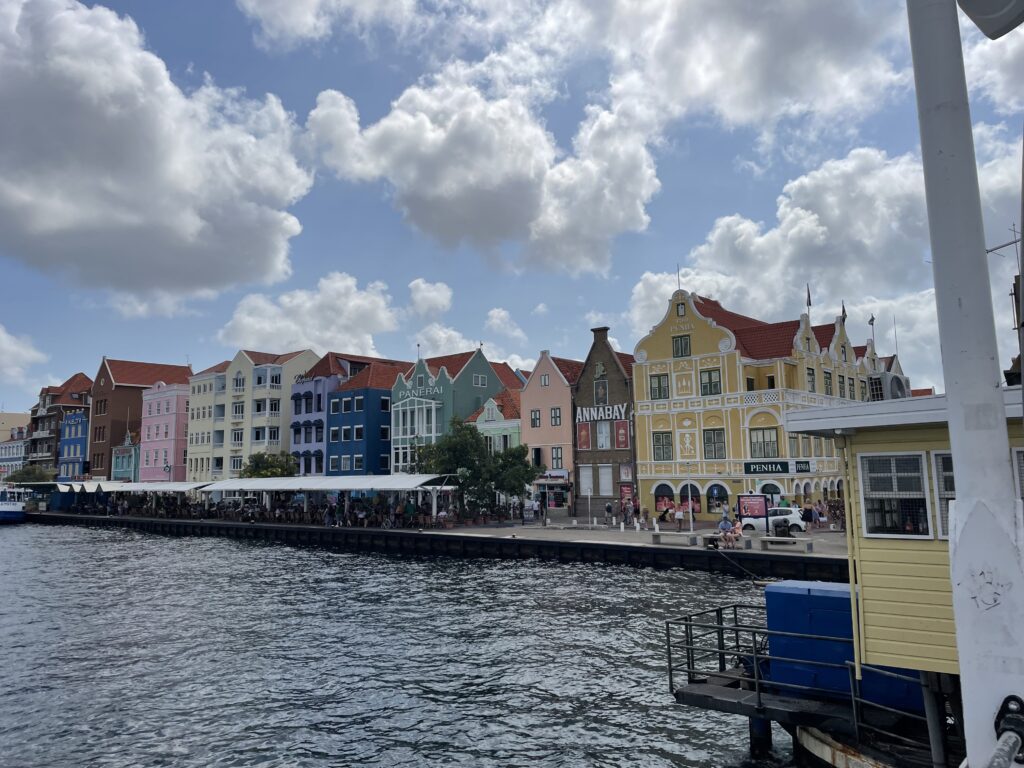
Curaçao’s capital, Willemstad, is a living, breathing postcard. Its UNESCO World Heritage-listed Punda district explodes with brightly-painted gabled houses, cobblestone streets, and quaint cafes spilling onto charming plazas. Each vibrant hue – sunshine yellow, bougainvillea pink, cerulean blue – tells a story, whispering tales of Dutch colonial heritage and vibrant island life.
Dive into a Dreamy Underwater World:
Beneath the sapphire surface of the Caribbean Sea lies a wonderland of coral reefs teeming with vibrant marine life. Curaçao boasts some of the best diving and snorkelling in the world, with sites like Klein Curaçao and Westpunt National Park offering thrilling encounters with sea turtles, colourful fish, and majestic coral formations. Snorkel amidst shipwrecks, explore underwater grottos, or simply float effortlessly, mesmerised by the kaleidoscope of colours beneath the waves.
Step Back in Time:
History whispers from the ancient walls of Fort Nassau, towering sentinel guarding Willemstad’s harbour since 1768. Explore the fort’s tunnels, cannons, and barracks, reliving the days of pirates and Spanish galleons. Wander through the Kura Hulanda Museum, a UNESCO World Heritage site housed within a former slave depot, and delve into Curaçao’s complex past. Visit Chobolobo, the oldest continuously operating aloe vera plantation in the Western Hemisphere, and discover the island’s natural secrets.
Indulge in Culinary Delights:
Foodies rejoice! Curaçao’s culinary scene is a delectable fusion of Dutch, African, and South American influences. Savour fresh seafood stews simmered in coconut milk, crispy Keshi Yena (chicken stew baked in a Gouda cheese crust), and the iconic Blue Curaçao liqueur, infused with the sweet peel of Laraha oranges. Explore local markets for exotic fruits, indulge in street food like Pastechi (savoury turnovers), and learn to make the island’s signature cocktail, the Blue Angel.
Breakfast in Curacao
Embrace the Rhythm of Island Life:
The beat of drums and the infectious energy of Curaçao’s Carnival fills the air during vibrant celebrations like Tumba Festival and Karnaval. Dance to the pulsating sounds of tambú and conga music, witness elaborately costumed dancers tell stories through movement, and revel in the joyous spirit of the island. Visit traditional Kas di Palu huts with their straw roofs and open-air patios, experiencing the warm hospitality and rich cultural tapestry of Curaçao.
Adventures for Every Soul:
Beyond the dazzling beaches and colourful streets, Curaçao offers a playground for every adventurer. Hike through the rugged terrain of Christoffel National Park, spotting iguanas and wild orchids as you reach the park’s namesake peak for breathtaking panoramic views. Windsurf on the tranquil Spanish Bay, kayak through hidden coves, or try kiteboarding on the blustery eastern coast. Explore Shete Boka National Park, where dramatic cliffs, blowholes, and natural bridges carved by the relentless waves create a mesmerising spectacle.
Curacao Flamingos
Relax and Recharge:
After a day of exploring, find your perfect dose of serenity on one of Curaçao’s pristine beaches. Sink your toes into the soft sand of Kleine Knip with its gentle waves, snorkel with colourful fish at Playa Porto Marie, or soak up the sun on the secluded Playa Jeremi. Watch the fiery Caribbean sunset paint the sky in hues of orange, pink, and purple, and let the rhythmic murmur of the waves lull you into a state of pure relaxation.
Free Experiences for the Budget-Conscious:
Curaçao welcomes travellers of all budgets. Explore the vibrant markets of Punda and Otrobanda, bargain for handcrafted souvenirs, and soak up the local atmosphere. Hike to the top of Fort Amsterdam for panoramic views, and wander through the historic Scharloo neighbourhood with its restored colonial mansions. Visit the free Kura Hulanda Museum on Sundays
Beyond the Tourist Trail: Uncovering Curaçao’s Hidden Gems
While the main attractions of Curaçao undoubtedly hold their charm, venturing beyond the beaten path reveals a treasure trove of hidden experiences waiting to be discovered. Embrace your inner explorer and immerse yourself in these unique adventures:
1. Spelunking in Hato Caves: Venture into the mysterious underworld of Hato Caves, a network of ancient caverns adorned with stalactites and stalagmites sculpted by nature’s hand. Learn about the caves’ historical significance as a refuge for indigenous Arawak people and marvel at the hidden pools and grottoes illuminated by shafts of sunlight.
2. Stand-Up Paddleboarding in Mangel Bay: Experience the serenity of Mangel Bay, a calm cove nestled amidst mangroves, aboard a stand-up paddleboard. Glide through the crystal-clear waters spotting tropical birds, stingrays, and even the occasional manatee. Witness the sunset paint the mangroves in a symphony of colors and enjoy the tranquility of this untouched haven.
3. Stargazing at Shete Boka Park: Escape the city lights and reconnect with the cosmos at Shete Boka Park. This national park, far from light pollution, offers unmatched views of the Milky Way, constellations, and even shooting stars. Bring a blanket, pack a picnic, and lie under the vast celestial canvas, feeling humbled by the universe’s grandeur.
4. Learn to Windsurf at Boca St. Michiel: Unleash your inner thrill-seeker at Boca St. Michiel, a windy paradise for windsurfing enthusiasts. Get professional lessons from local instructors and master the art of riding the waves on your board, powered by the Caribbean breeze. Feel the exhilarating rush of adrenaline as you navigate the turquoise waters and conquer the elements.
5. Discover Local Cuisine beyond Restaurants: Immerse yourself in the heart of Curaçao’s culinary scene by visiting family-run “trun” stands. These roadside stalls offer authentic, home-cooked meals showcasing the island’s traditional flavors. Sample “Sopito di Yuca” (cassava soup), “Ayaca” (corn and meat dumplings), and “Karni Stoba” (stewed stew) while chatting with friendly locals and experiencing true island hospitality.
6. Bike Tour through Plantage Landhuis Brievengat: Cycle through the lush countryside of Brievengat plantation, once a thriving sugar cane estate. Pedal past restored colonial buildings, learn about the island’s agricultural history, and witness the diverse flora and fauna of the plantation’s grounds. Stop for a refreshing drink at the on-site restaurant and soak in the serene atmosphere of this historical gem.
7. Attend a “Tambú” Performance: Embrace Curaçao’s rich African heritage by experiencing a live “Tambú” performance. Listen to the pulsating sounds of drums, witness mesmerising dances rooted in ancestral traditions, and let the infectious rhythm move your soul. Immerse yourself in the vibrant culture and connect with the heart and spirit of the island.
8. Volunteer at a Sea Turtle Conservation Project: Give back to the environment and gain invaluable insights by volunteering at a sea turtle conservation project. Assist with beach cleanups, learn about these majestic creatures, and witness the awe-inspiring process of hatchlings making their way to the ocean. Make a difference and contribute to the preservation of Curaçao’s marine wonders.
9. Hike to Seru Laru, the “Crying Hill”: Embark on a challenging yet rewarding hike to Seru Laru, a natural hill formation nicknamed the “Crying Hill.” Ascend the rocky terrain, enjoying breathtaking panoramic views of the island, and reach the summit for unparalleled vistas. Legend whispers of tears shed by slaves yearning for their homeland at the hill’s peak, adding a poignant touch to this adventurous climb.
10. Discover Secret Cove Beaches: Curaçao boasts numerous hidden coves accessible only by foot or boat. Take a boat tour or embark on a coastal hike to unearth these secluded pockets of paradise. Relax on pristine stretches of sand, swim in crystal-clear waters untouched by crowds, and create your own private slice of Caribbean bliss.
Remember, Curaçao is more than just a sun-kissed beach destination. It’s a tapestry of vibrant cultures, breathtaking landscapes, and unforgettable experiences waiting to be woven into your personal travel narrative. So, venture beyond the ordinary, embrace the unexpected, and discover the hidden gems that make Curaçao a truly magical island.
1. What is the island of Curaçao known for?
Colourful architecture, vibrant underwater world, rich Dutch colonial history, and diverse cultural melting pot.
Famous liqueur, called Blue Curaçao, and its beautiful beaches.
2. Things to do in Curaçao at night:
Restaurants with live music, vibrant bars, beachside bonfire parties, casinos, and cultural shows.
Romantic sunset cruises, stargazing in Shete Boka Park, or enjoying a movie under the stars at Kas Tera Lounge.
3. Free things to do in Curaçao:
Budget-conscious travellers : explore vibrant Willemstad, hike in Christoffel National Park, swim in hidden coves, and attending cultural events like Tumba Festival.
Free walking tours, public beaches, and historical landmarks like Fort Nassau.
4. What not to do in Curaçao:
Do not litter, disrespect local customs, touch sea turtles, or buy illegal souvenirs.
Informative guide to the 12 best things to do in Willemstad, Curaçao:
1. Wander the Vibrant Streets of Punda and Otrobanda
Start your Curaçao adventure by exploring the heart of Willemstad, its historic city centre. Divided by the St. Anna Bay, Punda and Otrobanda boast distinct personalities. Punda, on the eastern side, charms with its colourful, pastel-hued gabled buildings lining the Handelskade waterfront promenade. Don’t miss the Queen Emma Pontoon Bridge, a unique swinging bridge for pedestrians, and indulge in souvenir shopping amidst the lively cafes and shops.
Otrobanda, on the western side, exudes a more relaxed atmosphere with its colonial mansions and narrow streets. Visit the Kura Hulanda Museum to delve into Curaçao’s rich history and culture, then marvel at the Mikve Israel-Emanuel Synagogue, the oldest active synagogue in the Americas.
2. Cross the Queen Emma Pontoon Bridge
Willemstad
3. Explore the Curaçao Sea Aquarium
Discover the underwater wonders of the Caribbean Sea at the Curaçao Sea Aquarium. Immerse yourself in the vibrant marine life, from playful dolphins and sharks to colorful coral reefs teeming with fish. Participate in interactive programmes like snorkelling experiences or sea lion shows, making it a perfect activity for families.
4. Go Snorkelling or Diving at the Curaçao Underwater Marine Park
Embark on an underwater adventure in the Curaçao Underwater Marine Park, a protected area teeming with diverse marine life. Explore coral reefs bursting with colourful fish, encounter majestic sea turtles, and discover shipwrecks teeming with history. Whether you’re a seasoned diver or a first-time snorkeler, the underwater world of Curaçao has something to offer everyone.
5. Relax on the Pristine Beaches
Curaçao boasts some of the most stunning beaches in the Caribbean, each offering a unique experience. For soft sand and calm waters, head to Mambo Beach, a popular spot for swimming, sunbathing, and water sports. If you seek a more secluded haven, Playa Porto Marie or Kenepa Beach offer tranquility and breathtaking natural beauty.
6. Visit the Hato Caves
Step back in time and explore the fascinating Hato Caves, a network of limestone caverns dating back millions of years. Take a guided tour to discover hidden chambers, marvel at ancient stalagmites and stalactites, and witness the unique blind cave shrimp inhabiting the depths.
7. Hike Shete Boka National Park
Embark on a thrilling adventure at Shete Boka National Park, a rugged and dramatic landscape sculpted by powerful ocean winds. Hike along windswept trails, witness the impressive natural blowholes and soak up the breathtaking panoramic views of the rugged coastline.
8. Sample Local Cuisine
Indulge in the delectable flavours of Curaçao’s culinary scene. Savour fresh seafood dishes like stewed conch or grilled fish, and don’t miss the signature Curaçaoan dish, keshi yena, a savory meat pie baked in Gouda cheese. Explore local restaurants and cafes, trying traditional dishes and refreshing drinks like the Blue Curaçao liqueur.
9. Attend a Traditional Carnival Celebration
Immerse yourself in the vibrant energy of Curaçao’s Carnival, a lively festival held annually before Lent. Witness colourful parades, elaborate costumes, and infectious music and dance performances that fill the streets with joy and revelry.
10. Discover Curaçao’s Art Scene
Explore the dynamic art scene of Willemstad, from renowned galleries showcasing contemporary Caribbean art to vibrant street murals adorning the city walls. Visit ateliers and studios to meet local artists and discover old friends.
11. Experience Curaçao’s Nightlife
Willemstad transforms into a lively hub after dark, offering a range of options for night owls. Dance the night away at trendy clubs, enjoy live music at cozy bars, or indulge in fine dining with vibrant city views.
12. Take a Day Trip to Klein Curaçao
Escape to the uninhabited paradise of Klein Curaçao, a small island boasting pristine white sand beaches, crystal-clear turquoise waters, and a relaxed atmosphere. Enjoy snorkelling, sunbathing, and exploring the island’s natural beauty.
Curaçao Getaway: Unveiling the Colourful Caribbean Paradise
Welcome to Curaçao, a vibrant island nation in the southern Caribbean Sea, known for its stunning beaches, rich cultural heritage, and distinct Dutch colonial architecture. As your expert Curaçao travel guide, I’m thrilled to curate a 10-day itinerary that unveils the island’s hidden gems and unforgettable experiences, tailored specifically for you, a UK tourist.
Day 1-2: Immerse in Willemstad’s Charm
Willemstad
Start your adventure in Willemstad, Curaçao’s capital, a UNESCO World Heritage Site. Explore the Punda and Otrobanda districts, marveling at the brightly colored gabled houses lining the harbor. Take a leisurely stroll across the Queen Emma Bridge, the world’s longest pontoon bridge, and immerse yourself in the bustling trade market.
Curaçao Maritime Museum
Restaurants: Gouverneur de Rouville (+599 9 461 2111), The Green House (+599 9 461 8111)
Day 3: Discover the Underwater World
Turtles Curacao
Embark on a day trip to Klein Curaçao, a pristine uninhabited island boasting breathtaking coral reefs and crystal-clear turquoise waters. Several reputable tour operators offer day trips to Klein Curaçao, including:
Ocean Encounters Curaçao
Susanne’s Tours
Bas Smit Boat Trips
Go snorkelling or diving: Most Klein Curaçao tour operators include snorkelling gear in their packages. However, if you prefer a dedicated diving experience, consider contacting:
Dutch Antilles Experience
Dive Curaçao
Day 4: Hike Christoffel National Park
Christoffel National Park, Curacao
Explore Christoffel National Park, the island’s highest point, offering scenic hiking trails, diverse flora and fauna, and panoramic island vistas.
Christoffel National Park: You can book your park entrance and guided hiking tours through their website.
Day 5: Unveiling Westpunt’s Natural Wonders
Shete Boka National Park, Curacao
Shete Boka National Park: Book your park entrance online.
Knip Beach: While there are no official operators managing Knip Beach, you can find beach chairs and umbrellas for rent from local vendors.
Day 6: Cultural Delights in Saliña and Seru Grandi
Hato Caves, Curacao
Hato Caves: Book your cave tour online.
Kura Hulanda Museum: Purchase tickets online or at the museum entrance.
Day 7-8: Beach Bliss and Relaxation
Playa Lagun: While there are no designated operators managing Playa Lagun, you can find beach chairs and umbrellas for rent from local vendors.
Playa Jeremi: Jeremi Sports offers windsurfing and kitesurfing lessons and rentals.
Cas Abou Beach: While there are no designated operators managing Cas Abou Beach, you can find beach chairs and umbrellas for rent from local vendors.
Day 9: Culinary Adventure and Shopping Spree
Pietermaai District: Explore the various restaurants and shops independently.
Day 10: Fond Farewell
Spend your last day reflecting on the unforgettable memories created during your Curaçao adventure.
Additional Tips:
Consider purchasing the Curaçao Tourist Card, which offers free or discounted entry to many attractions, museums, and beaches. You can purchase it online.
Download a reliable translation app to help you navigate communication in Dutch, the island’s official language, although English is widely spoken.
Remember to pack comfortable walking shoes, sunscreen, a hat, and a reusable water bottle.
Can you watch turtles being released to wild in Curacao?
Yes, you can witness the awe-inspiring sight of turtles being released to the wild in Curaçao. Several organisations on the island work towards sea turtle conservation and rehabilitation, and they occasionally organise public events where you can observe the hatchlings being released back into the ocean. Here are a few of them:
CARMABI (Caribbean Marine Biological Institute): CARMABI is a non-profit organisation dedicated to the conservation of marine life in Curaçao. They have a sea turtle rehabilitation centre and occasionally organise public events for releasing rehabilitated turtles back into the wild. You can visit their website or social media pages to stay updated about their events.
Green Force Curaçao: This volunteer organisation also works on sea turtle conservation projects and might organise public turtle releases. You can check their website or social media for updates.
Curaçao Sea Turtle Foundation: Located at the beautiful Knip Beach, this foundation focuses on sea turtle conservation and education. They offer volunteer opportunities and might organise public events for turtle releases. Check their website for more information.
It’s important to note that these events are not held regularly and often depend on the availability of rehabilitated turtles. However, if you’re interested in witnessing this unique experience, contacting these organisations and following their updates can increase your chances of attending a turtle release event during your visit to Curaçao.
Sigmund Freud, the towering figure of psychoanalysis, spent his life delving into the depths of the human psyche. His theories, once revolutionary, became the cornerstone of modern psychology, influencing thinkers, artists, and even pop culture. But what if the very foundation of his work, psychoanalysis, ultimately proved to be a flawed structure? Did Freud, near the end of his life, whisper a disillusioned confession: “Psychoanalysis does not work?”
Freud’s Legacy: A Tapestry of Insight and Controversy
Freud’s most famous quote, “The interpretation of dreams is the royal road to the unconscious,” encapsulates his belief in unlocking the repressed desires and conflicts buried beneath the surface of consciousness. Through talk therapy, analysis of dreams, and free association, he aimed to bring these hidden forces to light, thereby liberating individuals from neuroses and anxieties.
Psychoanalysis gained immense popularity in the early 20th century, offering a seemingly scientific explanation for human behaviour. Its influence transcended academic circles, shaping literature, film, and even advertising. However, with time, cracks began to appear in the Freudian edifice.
The Cracks in the Foundation: Criticisms and Shortcomings
Criticisms of psychoanalysis emerged from various fronts. Some questioned the scientific validity of its core concepts, like the Oedipus complex and the id, ego, and superego. Others pointed to the lack of empirical evidence to support its claims of therapeutic efficacy. Additionally, concerns arose regarding the therapist’s potential for manipulation and the power dynamics inherent in the therapeutic relationship.
Perhaps the most significant challenge emerged from rival therapeutic approaches like Cognitive Behavioural Therapy (CBT) and humanistic psychology. These therapies offered more structured, evidence-based interventions, leading to a gradual decline in the use of psychoanalysis.
Freud’s Late Doubts: Did He Abandon His Own Creation?
While no concrete evidence exists to confirm Freud’s alleged deathbed confession, some biographers and historians suggest a growing disillusionment with his own theories in his later years. Frustrated by the slow progress and limited success of psychoanalysis, he reportedly expressed doubts about its effectiveness in treating deep-seated psychological issues.
Whether Freud truly uttered those words or not, the question of psychoanalysis’s efficacy remains. So, why is psychoanalysis not used anymore?
A Decline in Popularity: Why Psychoanalysis Faded
Several factors contributed to the decline of psychoanalysis:
Lack of empirical evidence: Criticisms regarding the lack of scientific rigour and testable theories weakened psychoanalysis’s credibility.
The rise of evidence-based therapies: CBT and other approaches with demonstrably positive outcomes gained favour among both therapists and patients.
Time-intensive and costly nature:Psychoanalysis often requires years of therapy, making it inaccessible to many.
Focus on the past: Critics argued that psychoanalysis overly emphasises childhood experiences, neglecting present-day factors and coping mechanisms.
Beyond Freud: What Has Replaced Psychoanalysis?
While psychoanalysis may have waned in popularity, its influence on the field of mental health remains undeniable. Modern therapeutic approaches often incorporate elements of psychoanalysis, such as the importance of the unconscious and the therapeutic relationship. However, the dominant paradigms have shifted towards:
Cognitive Behavioural Therapy (CBT):CBT focuses on identifying and modifying negative thought patterns and behaviours, proving effective in treating various mental health conditions.
Humanistic psychology: This approach emphasises individual potential, self-actualisation, and the present moment, offering a more positive and holistic perspective on mental health.
Positive psychology: This branch focuses on building strengths, resilience, and well-being, complementing traditional therapeutic approaches.
Conclusion: A Legacy of Insight and Evolving Understanding
Freud’s psychoanalysis, despite its limitations, revolutionised our understanding of the human mind. It paved the way for exploring the unconscious, the influence of early experiences, and the complex interplay of internal and external factors in shaping who we are. Although its therapeutic dominance has waned, its insights continue to inform modern therapeutic approaches.
The quest for understanding the human psyche is an ongoing journey. While some may see Freud’s legacy as tainted by doubt, it’s crucial to recognise the evolution of psychological understanding and the emergence of new, evidence-based approaches. Ultimately, the goal remains the same: to alleviate suffering and empower individuals to live fulfilling lives. As we move forward, carrying the torch of knowledge lit by Freud and countless others, we can strive to create a future where “moderate misery” is not the best we can hope for, but where mental well-being and emotional flourishing become attainable realities for all.
Exploring the Historical and Cultural Context
To fully understand the decline of psychoanalysis, we must examine its historical and cultural context. The post-war era witnessed a shift in societal values, emphasising optimism, progress, and individual agency. This clashed with the Freudian perspective of inherent internal conflicts and determinism, making it seem less relevant to the zeitgeist. Moreover, social movements advocating for civil rights and gender equality challenged psychoanalysis’s often patriarchal and Eurocentric interpretations of human behaviour.
The Enduring Impact: Echoes of Freud in Modern Therapy
While psychoanalysis may not be the go-to therapy anymore, its influence undeniably permeates modern therapeutic approaches. The emphasis on exploring childhood experiences, understanding unconscious motivations, and fostering a strong therapeutic relationship remain cornerstones of many therapies. Techniques like dream analysis and free association have been adapted and integrated into broader frameworks, adding depth and nuance to contemporary interventions.
Beyond Therapy: Freud’s Enduring Influence
Freud’s impact extends far beyond the confines of the therapist’s office. His ideas have infiltrated popular culture, shaping literature, film, and even everyday language. Terms like “ego,” “super-ego,” and “Oedipus complex” are readily used, often without full understanding of their origins, but they nevertheless testify to the depth of Freud’s reach. His emphasis on the inner world and the complexities of human motivation continues to resonate with artists and storytellers, enriching our understanding of the human condition.
The Challenge of Legacy: Embracing Complexity without Dogma
Freud’s legacy, like any intellectual giant, is complex and multifaceted. We can acknowledge his groundbreaking contributions to our understanding of the mind while recognising the limitations and critiques of his theories. Embracing this complexity avoids the pitfalls of idolisation or dismissal, allowing us to glean valuable insights from his work while moving forward with evidence-based approaches and evolving understandings of human psychology.
The Quest for Well-being: Towards a Human-Centred Future
The future of mental health lies not in clinging to outdated methods but in embracing the ever-expanding landscape of therapeutic options. The focus should shift from “moderate misery” to fostering genuine well-being, building resilience, and empowering individuals to thrive. This human-centred approach requires considering biological, social, and cultural factors influencing mental health, recognising the diversity of human experiences, and embracing personalised, adaptable therapeutic interventions.
Ultimately, Freud’s story is not just about the rise and fall of a theory but about the ongoing quest to understand the enigmatic human mind. By acknowledging his contribution, its limitations, and the evolution of the field, we can forge a path towards a future where mental well-being is not a distant hope but a tangible reality for all.
Gestalt ideas and how they could guide you life choices and decisions
Step-by-Step Plan: Using Gestalt Principles for Life Choices and Decisions
Gestalt psychology offers valuable insights into how we perceive and experience the world around us. Applying these principles to your life choices and decisions can bring greater clarity, confidence, and fulfillment. Here’s a step-by-step plan to get you started:
1. Awareness of the “Figure-Ground”:
Identify the dilemma: Start by clearly defining the current decision you’re facing. What career path to choose? Whether to commit to a relationship? Isolate the central “figure” of your predicament from its surrounding “ground” (external influences, expectations, etc.).
Recognise your needs and values: Identify what truly matters to you in this situation. Are you seeking stability, adventure, growth, passion? Recognising your core needs and values helps you assess how each potential choice aligns with your inner landscape.
2. Embrace “Holism”:
Gather information: Don’t limit yourself to the immediate choice. Consider the bigger picture – your life goals, aspirations, and long-term vision. Research various options, seek advice from trusted sources, and gather information that feeds your understanding of the broader context.
Acknowledge all aspects of yourself: Recognise that your decision might involve different parts of your personality or “subpersonalities.” The adventurous seeker might clash with the cautious planner within. Acknowledge these internal voices and find ways to harmonise them for a balanced decision.
3. Seek “Closure”:
Explore consequences: Visualise the potential outcomes of each choice. How would each feel in the long run? Imagine yourself living with the consequences five years down the line. This helps you identify which path offers the most fulfilling “closure” to the current dilemma.
Take responsibility: Ultimately, the decision rests with you. Don’t blame external factors or circumstances. Accepting ownership empowers you to choose and move forward with confidence.
4. Maintain “Flexibility”:
Life is dynamic: Remember, no choice is irreversible. Life presents opportunities to revisit and course-correct. Embrace flexibility and adaptability to navigate unforeseen circumstances and adjust your direction when needed.
Learn from experience: Reflect on your past choices, analysing both successes and challenges. Learning from these experiences equips you with better-informed decision-making skills for the future.
5. Trust your “Aha! Moment”:
Pay attention to intuition: While gathering information and analysing options is crucial, don’t neglect your gut feeling. A sudden flash of clarity, a sense of rightness, or a feeling of alignment with your values can be powerful indicators of the best path.
Make the leap: When you reach a point of genuine conviction, trust your internal compass and make the decision. Don’t overthink it; take action with confidence and embrace the journey that unfolds.
By applying these Gestalt principles, you can approach life choices with greater awareness, self-understanding, and a sense of direction. Remember, the right decision isn’t always the “perfect” one, but the one that resonates most strongly with your whole being and propels you toward a fulfilling life.
Bonus tip: As you navigate your decision-making process, consider keeping a journal to document your thoughts, feelings, and insights. This can be a valuable tool for staying present, clarifying your priorities, and tracking your progress towards a fulfilling choice.
Get help to improve your life and/or business in UK
Debunking Myths and Finding Relief: A Balanced Look at Antidepressants and Anxiety Medication
In an era where mental health awareness flourishes, questions surrounding medication like antidepressants and anxiety drugs remain prevalent. With over 1 in 6 individuals in the UK relying on these medications, it’s natural to wonder: are they a necessary crutch or a slippery slope? Are psychologists, often at the forefront of prescribing them, overstepping their boundaries?
The answers deserve a nuanced approach, free from sensationalism and misinformation. Examining both sides of the coin unveils a complex landscape where individual needs, responsible prescribing, and alternative avenues for healing all play crucial roles.
Benefits and Drawbacks: Navigating the Medication Maze
Ignoring the potential benefits of these medications would be remiss. For many struggling with severe depression or debilitating anxiety, they act as a lifeline, enabling them to manage symptoms and reclaim functionalities crucial to daily life. Studies repeatedly demonstrate their effectiveness in treating specific conditions, alleviating crippling symptoms, and improving overall quality of life.
However, it’s essential to acknowledge the drawbacks. Antidepressants and anxiety medications are not magic bullets. They come with side effects, ranging from mild discomfort to potentially severe reactions. Finding the right medication and dosage involves trial and error, requiring close collaboration with a qualified healthcare professional. Additionally, medication overlooks the importance of addressing underlying root causes, which can lead to long-term dependence and mask deeper issues.
Beyond the Pill: Unlocking Alternative Paths to Wellness
The conversation about mental health should extend far beyond medication. Psychologists, in conjunction with other healthcare professionals, play a vital role in promoting holistic approaches to well-being. This includes exploring alternative methods like:
Psychotherapy: Evidence-based therapies like cognitive behavioural therapy (CBT) have proven remarkably effective in managing anxiety and depression. By addressing thought patterns and negative coping mechanisms, CBT empowers individuals to develop adaptive tools for managing their mental health.
Lifestyle Changes: Regular exercise, balanced sleep hygiene, and a nutritious diet all contribute significantly to emotional well-being. Implementing these changes can pave the way for significant improvements without relying solely on medication.
Social Support: Building strong social connections fosters a sense of belonging and provides invaluable emotional support, both of which are crucial for maintaining mental health. Engaging in community activities, strengthening relationships, and seeking support groups can offer powerful alternatives to solely relying on medication.
The Individual at the Centre: A Collaborative Approach
The decision to utilise medication for mental health challenges is deeply personal. It should be reached in consultation with a qualified healthcare professional, taking into account individual needs, severity of symptoms, and potential risks and benefits. A responsible approach involves:
Open communication: Both the patient and healthcare professional should openly discuss concerns, preferences, and expectations surrounding medication.
Informed consent: Providing patients with comprehensive information about potential side effects, effectiveness rates, and alternatives ensures they make informed decisions about their own treatment plans.
Continued monitoring: Regularly monitoring progress and adjusting medication as needed is crucial for optimising treatment and minimising potential risks.
Moving Forward: Embracing Informed Choices
The landscape of mental health is vast and diverse. Antidepressants and anxiety medications can be valuable tools, but they are not a one-size-fits-all solution. Ultimately, the path to emotional well-being lies in a collaborative approach that prioritises individual needs, explores alternative avenues, and utilises medication responsibly if and when deemed necessary. Remember, the choice to medicate lies within the individual, guided by informed discussions with qualified healthcare professionals.
By fostering open dialogue, debunking myths, and embracing a holistic approach to mental health, we can collectively navigate this complex landscape and empower individuals to choose the path towards well-being that best suits their unique needs.
The Gnawing Fear: Running Out of Money in Retirement
For many, the golden years of retirement beckon with images of leisurely afternoons, fulfilled dreams, and carefree adventures. But beneath this idyllic picture lurks a shadow, a chilling fear for countless individuals: the fear of running out of money. This anxiety isn’t unfounded. Studies reveal it as the #1 concern of people approaching retirement, a spectre more terrifying than even death itself for some. This article delves into the harsh reality of this fear, exploring its consequences, potential solutions, and strategies to navigate the financial turbulence of retirement without running aground.
“The journey of a thousand miles begins with a single step.” – Lao Tzu. This quote highlights the importance of taking action, even if it’s small. It reminds us that progress, be it financial or personal, is achievable one step at a time. It can be a motivator to start making small changes or taking consistent action towards our goals, instead of feeling overwhelmed by the bigger picture.
What Happens if You Run Out of Money? A Grim Reality
The consequences of depleting your retirement savings are grim and far-reaching. Imagine:
Loss of Independence: No longer able to afford your own home, you may face dependence on family or government assistance. The dignity of independent living fades, replaced by dependence and uncertainty.
Emotional and Mental Toll: The constant stress of financial insecurity wreaks havoc on your mental and emotional health. Anxiety, depression, and strained relationships become unwelcome companions.
Missed Opportunities: Dreams of travel, pursuing hobbies, and spending time with loved ones wither away due to financial constraints. The joy and fulfilment retirement promises seem like a cruel mirage.
When the Well Runs Dry: What Life Can Look Like with No Money in Retirement
The scenario without sufficient retirement funds can be bleak. Here’s a glimpse:
Living on a shoestring budget: Every penny counts, forcing you to prioritise basic necessities over anything enjoyable. Meals become simple, luxuries vanish, and even maintaining your living space becomes a constant financial tightrope walk.
Working again, but differently: Re-entering the workforce may be necessary, but age limitations and physical constraints often push you towards low-paying, physically demanding jobs. The retirement you envisioned crumbles, replaced by the grind of earning just to survive.
Relying on social safety nets: Government assistance programmes can offer a lifeline, but they might not provide enough to cover all your needs. The quality of your life may dip considerably, forcing you to make tough choices about your daily living.
Strained relationships: Financial pressure can test even the strongest bonds. Dependence on family or friends can breed resentment, while your own anxieties may affect your interactions with loved ones.
Facing the Fear: Strategies to Prevent Financial Disaster
Start saving early and consistently: The earlier you start, the more time your money has to grow through compounding interest. Even small, regular contributions over time can build a substantial nest egg.
Develop a sound retirement plan: Work with a financial advisor to assess your needs, budget, and risk tolerance. Create a realistic plan that accounts for inflation, healthcare costs, and potential changes in lifestyle.
Diversify your investments: Don’t put all your eggs in one basket. Spread your retirement savings across different asset classes like stocks, bonds, and real estate to minimise risk and maximise potential returns.
Retire debt-free: Carrying debt into retirement can significantly strain your budget. Prioritise paying off loans before leaving the workforce to reduce your monthly expenses.
Downsize your lifestyle: Consider moving to a smaller, more affordable home or adjusting your spending habits to match your new income stream.
Work a part-time job or gig: If your health allows, consider additional income sources like consulting, tutoring, or freelance work. This can add a welcome buffer to your retirement income.
Delay claiming state pension: Claiming your pension early might seem tempting, but delaying it till your full retirement age (FRA) or beyond can significantly increase your monthly benefits.
Seeking Help: Resources for Navigating Financial Difficulties
If you fear you’re already falling behind on your retirement savings, don’t despair. Seeking help can make a world of difference. Consider these resources:
Financial advisors: A qualified advisor can offer personalised guidance and help you develop a catch-up plan.
Non-profit organisations: Many organisations offer financial counselling and assistance to older adults.
Government programmes: Government programmes can provide essential financial support.
Remember, facing the fear of running out of money in retirement requires proactive planning, informed decisions, and seeking help when needed. By taking control of your finances and making smart choices, you can navigate the financial tides of retirement and secure a future filled with peace of mind and well-being.
Embracing Uncertainty: Cultivating Resilience in the Face of Retirement’s Financial Challenges
While planning and proactive measures are crucial, navigating the uncertainties of retirement often requires more than just spreadsheets and budgets. Cultivating resilience – the ability to bounce back from adversity – becomes an essential tool for facing potential financial challenges with strength and optimism. Here are some ways to build resilience and find peace amidst the fear:
“Change your thoughts and you change your world.” – Norman Vincent Peale. This quote emphasises the power of our mindset. Shifting our perspective from fear and negativity to resilience and hope can significantly impact how we approach challenges and navigate through uncertainties. It encourages us to cultivate a positive outlook and find creative solutions instead of dwelling on anxieties.
View retirement as a new chapter, not an ending: Reframe your perspective. Instead of fearing the loss of your old life, embrace the possibilities and new adventures retirement offers. Focus on personal growth, pursuing passions, and strengthening relationships.
Practice gratitude: Acknowledge the blessings you have, even amidst financial strains. Gratitude shifts your focus from what you lack to what you possess, fostering a sense of contentment and inner peace.
Develop a growth mindset: Believe in your ability to adapt and learn new things. Approach financial challenges as opportunities to gain knowledge, acquire new skills, and explore creative solutions.
Connect with others: Seek out retired friends, community groups, or support networks where you can share experiences, receive encouragement, and learn from others facing similar challenges.
Volunteer your time: Giving back to others can be a source of meaning and purpose, while also connecting you with others and enriching your life.
Maintain healthy relationships: Nurturing strong bonds with family and friends provides emotional support and a sense of belonging, vital for weathering life’s storms.
Focus on mental and physical well-being:
Prioritise self-care: Engage in activities that nourish your mind, body, and spirit. Regular exercise, healthy eating, meditation, and relaxation techniques can enhance your resilience and reduce stress.
Seek professional help: Don’t hesitate to seek professional help if anxiety or depression overwhelm you. Therapy and counselling can equip you with coping mechanisms and improve your overall well-being.
Celebrate small victories: Even amidst challenges, acknowledge and celebrate your achievements, however small. This fosters a sense of accomplishment and keeps you motivated to keep moving forward.
Remember, running out of money in retirement is a fear many face. But by employing smart strategies, embracing resilience, and nurturing your well-being, you can weather the storm and find joy and fulfillment in this new phase of life. Your retirement journey may indeed have unexpected twists and turns, but with courage, adaptability, and a spirit of hope, you can navigate them and turn your golden years into truly golden experiences.
“The best and most beautiful things in the world cannot be seen or even touched – they must be felt with the heart.” – Helen Keller. This quote reminds us that the most valuable things in life aren’t material possessions, but the deeper experiences and connections we have with ourselves and others. It can be a reminder to focus on gratitude and appreciating the beauty in everyday moments, even during times of financial challenge.