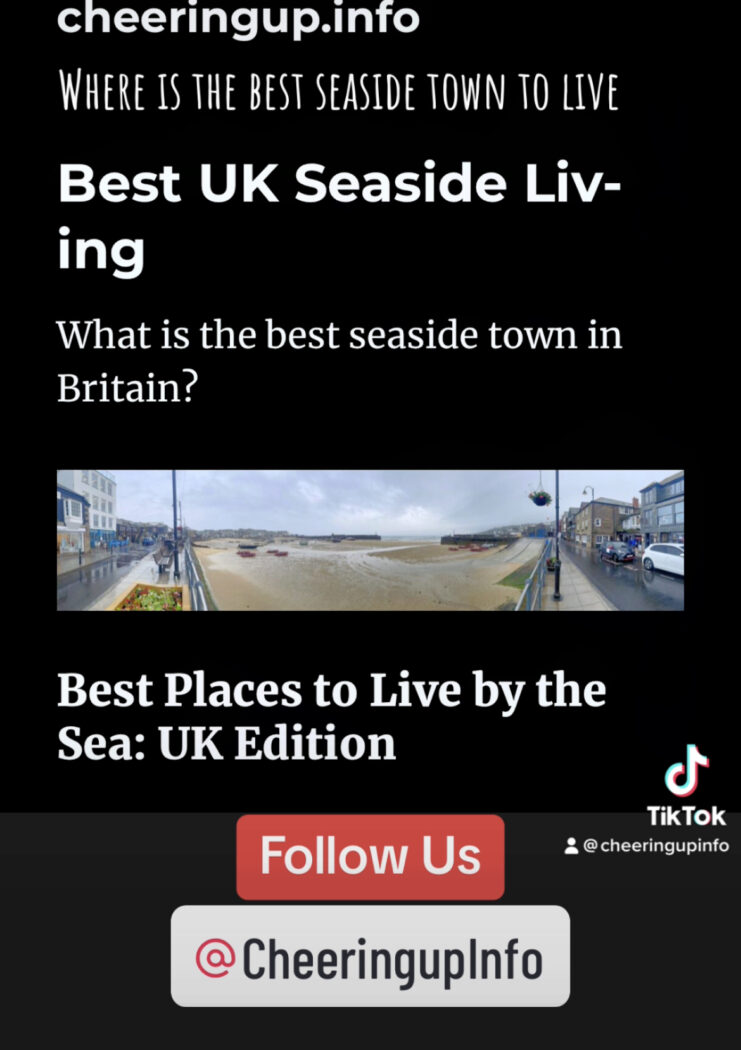
Living by the sea is a dream shared by many. The soothing sound of waves, the salty breeze, and the stunning coastal views create an idyllic lifestyle that attracts people from all walks of life. The United Kingdom, with its rich maritime heritage and diverse coastline, offers numerous coastal towns and cities that provide an exceptional quality of life. In this article, we will explore some of the best places to live by the sea in the UK, highlighting their unique characteristics, attractions, and advantages.
Brighton, East Sussex. Brighton, located on the south coast of England, is a vibrant and diverse city renowned for its bohemian atmosphere and lively entertainment scene. The city boasts a beautiful pebble beach, lined with colorful beach huts and a bustling promenade. Residents of Brighton enjoy a thriving arts and music scene, a wide range of restaurants and cafes, and excellent educational institutions. With its close proximity to London, Brighton offers the perfect balance between city living and coastal charm.
St Ives, Cornwall. Nestled in the picturesque county of Cornwall, St Ives is a charming seaside town that has captivated artists and visitors for centuries. Its narrow cobbled streets, art galleries, and sandy beaches make it an appealing place to call home. St Ives is known for its unique light, which has inspired numerous artists, and its stunning coastal scenery, including the iconic Godrevy Lighthouse. The town also offers a thriving culinary scene, with a variety of seafood restaurants and traditional Cornish pubs.
Edinburgh, Scotland. While not directly on the coast, Edinburgh, the capital of Scotland, offers residents the opportunity to live within close proximity to stunning coastal landscapes. With its dramatic cliffs, rugged shores, and panoramic views of the North Sea, Edinburgh provides a unique blend of historical charm and natural beauty. The city itself is steeped in history, with its medieval Old Town and elegant Georgian New Town. Edinburgh’s vibrant cultural scene, renowned festivals, and world-class universities add to its appeal as a place to live.
Bournemouth, Dorset. Situated on the south coast of England, Bournemouth boasts seven miles of sandy beaches, making it a popular destination for sun-seekers and water enthusiasts. The town offers a range of recreational activities, from watersports to coastal walks, and is home to beautiful parks and gardens. Bournemouth’s thriving economy, excellent transport links, and vibrant nightlife contribute to its reputation as a desirable place to live for families, professionals, and retirees alike.
Portrush, Northern Ireland. For those seeking a more rugged coastal experience, Portrush in Northern Ireland offers a unique blend of natural beauty and outdoor adventures. Located on the stunning Causeway Coast, Portrush is famous for its pristine beaches, championship golf courses, and the iconic Giant’s Causeway. The town also hosts various water sports events, including the annual Atlantic Sessions music festival. With its friendly community and breathtaking landscapes, Portrush provides an escape from the hustle and bustle of city life.
Whitstable, Kent. Known as the “Pearl of Kent,” Whitstable is a charming seaside town famous for its oysters and picturesque harbour. The town’s maritime heritage is evident in its colorful beach huts, fishing boats, and traditional fish markets. Whitstable offers a relaxed and laid-back lifestyle, with its boutique shops, art galleries, and seafood restaurants drawing visitors from far and wide. Residents can enjoy sailing, kayaking, and beachcombing along the pebbled shoreline, creating an authentic seaside experience.
Living by the sea in the United Kingdom provides a unique and enriching lifestyle. Whether you prefer the cosmopolitan vibe of Brighton, the artistic allure of St Ives, or the rugged beauty of Portrush, there is a coastal town or city in the UK to suit every taste. These best places to live by the sea offer not only stunning natural surroundings but also a range of cultural, recreational, and educational opportunities. Embracing the sea breeze and the sense of tranquility that comes with coastal living can truly enhance one’s quality of life. So, why not make your dream of living by the sea a reality in one of these exceptional locations in the UK?
Exploring the Hidden Gems: 29 Best UK Hidden Coves
The United Kingdom is renowned for its breathtaking coastline, offering a diverse range of landscapes, from towering cliffs to pristine sandy beaches. While popular coastal destinations like Cornwall and the Jurassic Coast attract thousands of visitors each year, the UK is also home to numerous hidden coves waiting to be discovered. These hidden gems provide tranquil retreats, secluded spots, and stunning natural beauty. In this article, we will explore 29 of the best UK hidden coves, showcasing their unique charm and highlighting why they deserve a spot on your travel itinerary.
Kynance Cove, Cornwall
Located on the Lizard Peninsula in Cornwall, Kynance Cove is a picturesque hidden gem. With turquoise waters, dramatic rock formations, and sandy shores, it’s no wonder this cove has captured the hearts of visitors. During low tide, you can explore the caves and grottos that dot the coastline, creating an enchanting atmosphere.
Porth Iago, Wales
Nestled along the rugged Welsh coastline, Porth Iago is a secluded cove that offers a tranquil escape. Surrounded by rolling hills and clear blue waters, this hidden gem is perfect for swimming, picnicking, and taking in the breathtaking views. Its remote location ensures a peaceful experience away from the crowds.
Robin Hood’s Bay, North Yorkshire
With its charming fishing village atmosphere, Robin Hood’s Bay in North Yorkshire offers both a hidden cove and a glimpse into history. This idyllic spot boasts narrow winding streets, quaint cottages, and a stunning beach. Explore the rock pools, hunt for fossils, or simply relax while enjoying the coastal beauty.
Church Ope Cove, Dorset
Situated on the Isle of Portland in Dorset, Church Ope Cove is a hidden treasure waiting to be discovered. Surrounded by cliffs and lush greenery, this secluded cove provides a peaceful retreat. Take a stroll along the pebble beach, explore the nearby ruins of St. Andrew’s Church, or enjoy a refreshing swim in the crystal-clear waters.
Porthdinllaen, North Wales
Tucked away on the Llŷn Peninsula, Porthdinllaen is a hidden cove renowned for its natural beauty. This small, horseshoe-shaped bay offers picturesque views of colorful houses, a sandy beach, and a historic pub, the Ty Coch Inn. Enjoy a leisurely walk along the shoreline or indulge in a traditional pub lunch overlooking the bay.
Castle Stalker, Scotland
Castle Stalker is a breathtaking hidden cove situated on a tidal islet in Loch Laich, near Appin in Scotland. This 14th-century castle, surrounded by water and mountains, creates a truly magical setting. Although it can only be accessed by boat, the dramatic views of the castle from the mainland make it a must-see destination.
Hallsands, Devon
Hallsands, located in Devon, is a hidden cove with a captivating history. After a devastating storm in 1917, most of the village was destroyed, leaving behind remnants of houses and a haunting atmosphere. Today, Hallsands offers visitors a unique blend of natural beauty and a poignant reminder of the power of nature.
Sandwood Bay, Scotland
Sandwood Bay is an untouched and remote hidden cove situated in the Scottish Highlands. Accessible via a four-mile hike, this pristine beach offers awe-inspiring views of towering cliffs, a freshwater loch, and an ethereal sense of tranquility. It’s an ideal spot for camping, birdwatching, and experiencing the raw beauty of the Scottish coastline.
Porthcawl, Wales
Porthcawl, a charming coastal town in Wales, is home to some of the country’s best-hidden coves. Rest Bay, Pink Bay, and Sker Beach are just a few examples of the picturesque spots waiting to be explored. With rugged cliffs, golden sands, and excellent surf conditions, Porthcawl offers a little something for everyone.
Ross Back Sands, Northumberland
Ross Back Sands, nestled within Northumberland’s Area of Outstanding Natural Beauty, is a hidden cove that exudes serenity. Accessible only on foot, this secluded beach rewards visitors with miles of unspoiled sand dunes, breathtaking vistas, and a chance to spot wildlife such as seals and seabirds.
Pennan, Scotland
Pennan, a small village on the Aberdeenshire coast, boasts a charming hidden cove and stunning views of the North Sea. Known for its appearance in the film “Local Hero,” this picturesque spot offers visitors a chance to relax on the sandy beach, explore the rocky coastline, and soak in the tranquility of this remote location.
Silver Bay, Anglesey
Located on the Isle of Anglesey in North Wales, Silver Bay is a hidden cove known for its crystal-clear waters and golden sands. This sheltered beach offers a peaceful atmosphere, making it an ideal spot for swimming, sunbathing, and water sports. The surrounding cliffs provide excellent hiking opportunities and panoramic views.
Ladram Bay, Devon
Ladram Bay, situated along the Jurassic Coast in Devon, is a hidden gem waiting to be discovered. With its towering red cliffs, pebble beach, and calm waters, this cove is perfect for kayaking, snorkelling, and exploring the breathtaking sea stacks. The nearby Ladram Bay Holiday Park offers convenient accommodation options.
Three Cliffs Bay, Wales
Nestled on the Gower Peninsula in Wales, Three Cliffs Bay is a hidden cove that enchants visitors with its natural beauty. The bay is flanked by three limestone cliffs, creating a stunning backdrop. Explore the sandy shore, hike along the coastal path, or admire the picturesque ruins of Pennard Castle nearby.
St. Ninian’s Isle, Shetland
St. Ninian’s Isle, located in the Shetland Islands, is a hidden gem that can be reached via a tombolo—a narrow strip of sand connecting the island to the mainland. This remote location offers a peaceful retreat, with pristine sandy beaches, turquoise waters, and an ancient chapel waiting to be explored.
Barafundle Bay, Pembrokeshire
Barafundle Bay, tucked away on the Pembrokeshire coast, is often considered one of the UK’s most beautiful beaches. This hidden cove boasts golden sands, clear waters, and surrounding cliffs covered in vibrant vegetation. Accessible via a short walk from the nearest car park, Barafundle Bay provides a secluded haven for relaxation and exploration.
Smugglers Cove, Devon
Smugglers Cove, located near the village of Mortehoe in Devon, offers a fascinating glimpse into the region’s history and a hidden cove to explore. This secluded spot is steeped in tales of smugglers and pirates, adding an air of mystery and adventure to your visit. Enjoy the rugged beauty of the coastline, search for hidden caves, and imagine the secret activities that once took place in this captivating cove.
Porthor, Wales
Porthor, also known as the Whistling Sands, is a hidden cove nestled on the Llŷn Peninsula in Wales. What makes this beach truly unique is the sound it produces when the sands are dry and walked upon, creating a melodic whistling noise. With its pristine sands, azure waters, and stunning surrounding cliffs, Porthor offers a memorable coastal experience.
Bovisand Bay, Devon
Bovisand Bay, located near Plymouth in Devon, is a hidden gem that provides a delightful coastal escape. This sheltered cove offers a sandy beach, calm waters, and panoramic views of the surrounding cliffs and Plymouth Sound. It’s an excellent spot for swimming, sunbathing, and exploring the rock pools at low tide.
Port Gaverne, Cornwall
Port Gaverne, a hidden cove situated near Port Isaac in Cornwall, offers a tranquil retreat away from the bustling tourist hotspots. With its charming fishing village atmosphere, rocky shoreline, and clear blue waters, this hidden gem is perfect for swimming, snorkeling, and coastal walks. Don’t forget to indulge in fresh seafood at one of the local restaurants.
White Park Bay, Northern Ireland
White Park Bay, located on the Antrim Coast in Northern Ireland, is a hidden cove that will take your breath away. This sweeping bay boasts a long stretch of sandy beach, dramatic cliffs, and crashing waves. Explore the dunes, take a leisurely stroll, or marvel at the impressive views of Rathlin Island in the distance.
Porth Joke, Cornwall
Porth Joke, also known as Polly Joke, is a hidden cove tucked away on the north coast of Cornwall. This unspoiled beach offers a peaceful and idyllic setting, with golden sands, rocky outcrops, and clear blue waters. Take a leisurely walk along the coast path, spot wildlife in the nearby nature reserve, or simply relax in this secluded haven.
Abercastle, Wales
Abercastle, situated on the Pembrokeshire coast in Wales, is a hidden cove steeped in natural beauty and maritime history. This sheltered inlet boasts a pebble beach, ancient ruins, and a picturesque harbor that once served as a bustling trading port. Enjoy a leisurely swim, explore the historic surroundings, or embark on a coastal walk to uncover its hidden treasures.
Cuckmere Haven, East Sussex
Cuckmere Haven, nestled within the South Downs National Park in East Sussex, is a hidden cove that captivates visitors with its stunning scenery. This meandering river valley leads to a shingle beach and is flanked by towering cliffs. Take a gentle boat ride along the river, hike along the chalk cliffs, or simply soak in the peaceful atmosphere.
Pentire Steps, Cornwall
Pentire Steps, located near Newquay in Cornwall, is a hidden cove that offers a dramatic and rugged coastal experience. This secluded beach is accessible via a steep cliffside path and rewards visitors with breathtaking views, towering cliffs, and fascinating rock formations. Take in the raw beauty of this hidden gem and embrace the untamed nature of the Cornish coast.
Mwnt, Wales
Mwnt, a hidden cove nestled on the Ceredigion coast in Wales, is a place of unspoiled beauty and tranquility. This secluded beach is surrounded by verdant hills and provides panoramic views of Cardigan Bay. Take a leisurely walk along the coastal path, spot dolphins in the waters, or simply bask in the serenity of this hidden gem.
Pladda, Scotland
Pladda, a tiny island off the coast of Arran in Scotland, is home to a hidden cove that offers a peaceful retreat. With its rocky shoreline, turquoise waters, and stunning views of the Ayrshire coast, Pladda invites visitors to immerse themselves in its natural beauty. Explore the island, spot seals basking on the rocks, or enjoy a picnic on the beach.
Stair Hole, Dorset
Stair Hole, situated near Lulworth Cove in Dorset, is a hidden gem that showcases the geological wonders of the Jurassic Coast. This small cove features towering limestone cliffs, a collapsed cave, and fascinating rock formations. Discover the unique fossilized features, marvel at the power of nature, and take in the breathtaking coastal vistas.
Strathy Bay, Scotland
Strathy Bay, located in the far north of Scotland, is a hidden cove that offers a remote and untouched coastal experience. This expansive beach stretches for miles and provides a sense of seclusion and tranquility. Whether you enjoy beachcombing, birdwatching, or simply admiring the wild beauty of the Scottish Highlands, Strathy Bay is a hidden gem worth exploring.
The United Kingdom is a treasure trove of hidden coves, each with its own unique charm and natural beauty. From the turquoise waters of Kynance Cove in Cornwall to the rugged cliffs of Castle Stalker in Scotland, these hidden gems offer an escape from the bustling crowds and a chance to connect with nature in serene surroundings. Whether you’re seeking picturesque sandy beaches, dramatic rock formations, or a glimpse into history, the UK’s hidden coves have it all. So, next time you plan your coastal adventure, consider venturing off the beaten path and discovering these 29 best UK hidden coves for an unforgettable and enchanting experience.
The Best Waterfalls in the UK: A Natural Beauty Worth Discovering
The United Kingdom is a treasure trove of natural beauty, boasting stunning landscapes that captivate visitors from around the world. Among its many picturesque features, waterfalls hold a special place, offering a sense of tranquility and awe-inspiring wonder. From the rugged mountains of Scotland to the enchanting valleys of Wales and the scenic countryside of England, the UK is home to some remarkable waterfalls. In this article, we will explore and celebrate the best waterfalls the UK has to offer, providing an immersive journey through their unique attributes, accessibility, and the experiences they offer to nature enthusiasts and adventure seekers alike.
High Force, County Durham. Located in the picturesque Teesdale region of County Durham, High Force stands as one of England’s most powerful waterfalls. The River Tees dramatically plunges 21 metres into a deep plunge pool, creating a breathtaking spectacle. Surrounded by lush greenery and steep cliffs, the raw power and beauty of High Force are awe-inspiring. The area offers various walking trails, viewpoints, and a visitor center, allowing visitors to explore and appreciate this natural wonder in all its glory.
Pistyll Rhaeadr, Powys. Nestled in the Berwyn Mountains of Powys, Wales, Pistyll Rhaeadr is a mesmerising waterfall that holds the title of the UK’s tallest single-drop waterfall. Cascading down an impressive height of 80 meters, it gracefully flows into a serene pool below. This enchanting waterfall is situated amidst a peaceful and verdant landscape, providing visitors with an ideal setting for relaxation and contemplation. Numerous walking trails allow exploration of the surrounding area, revealing hidden gems and breathtaking views.
Falls of Glomach, Highlands. Tucked away in the remote Highlands of Scotland, the Falls of Glomach are an epitome of untamed beauty. Plunging a staggering 113 metres into a gorge, this waterfall is not only one of the highest in the UK but also one of the most secluded. Accessible via a challenging hike through rugged terrain, the reward at the end is an unforgettable sight. The misty spray and the thunderous roar of the falls create an atmosphere of enchantment, immersing visitors in the raw power of nature. The surrounding area offers ample opportunities for exploration, with breathtaking vistas of the Scottish Highlands.
Aysgarth Falls, North Yorkshire. Situated in the heart of the Yorkshire Dales National Park, Aysgarth Falls is a collection of stunning waterfalls that cascade through a series of steps on the River Ure. Divided into three sections—Upper, Middle, and Lower Falls—the beauty of Aysgarth Falls lies in its multi-tiered structure and tranquil surroundings. Surrounded by ancient woodlands, this picturesque location has also been featured in various films and television shows. Well-marked paths and viewing platforms allow visitors to marvel at the falls from different angles, providing ample photo opportunities.
Devil’s Bridge Falls, Ceredigion. Nestled in the heart of the Cambrian Mountains in Wales, Devil’s Bridge Falls is a captivating natural wonder. With a series of three waterfalls, each more impressive than the last, it offers a truly immersive experience. The unique rock formations and lush greenery that envelops the falls create a mystical atmosphere. Visitors can follow well-maintained trails, cross ancient stone bridges, and take in the breathtaking beauty of the surrounding landscapes. The site also features a visitor centre, a café, and a wealth of folklore associated with its name, adding to the allure of this magical place.
From the majestic heights of Scotland’s Falls of Glomach to the tranquility of England’s High Force, and the enchantment of Wales’ Devil’s Bridge Falls, the UK is home to a myriad of waterfalls that showcase the country’s natural splendour. Whether you seek the power of thundering falls or the serenity of cascading streams, these waterfalls provide an opportunity to connect with nature and witness its awe-inspiring beauty firsthand. As you embark on your journey to explore the best waterfalls the UK has to offer, remember to tread lightly, respect the environment, and savour the moments of tranquility and wonder that these remarkable natural features provide.
10 Tips to Be Productive, Not Just Busy: Am I Busy or Productive?
In today’s fast-paced world, it’s easy to fall into the trap of being constantly busy without actually accomplishing meaningful tasks. Many of us confuse busyness with productivity, but the two are not synonymous. Being busy implies being occupied with various activities, while being productive means efficiently using your time and energy to achieve significant results. In this article, we will explore ten valuable tips to help you shift from being merely busy to becoming truly productive. We will also delve into the question, “Am I busy or productive?” to help you gain clarity and make meaningful changes in your approach to work and life.
Set Clear Goals and Prioritise. One of the key differentiators between busyness and productivity is having clear goals. Take the time to identify what truly matters to you and set specific, measurable, attainable, relevant, and time-bound (SMART) goals. By prioritising these goals, you can focus your energy on tasks that align with your objectives, avoiding the trap of being busy with unimportant activities.
Practice Time Management. Effective time management is crucial for productivity. Analyse how you currently spend your time and identify areas that can be optimised. Use techniques like the Pomodoro Technique, where you work in focused bursts followed by short breaks, to enhance your concentration and efficiency. Employ tools such as calendars, to-do lists, or productivity apps to organise your tasks and allocate specific time slots for each activity.
Eliminate Distractions. Distractions can hinder productivity and lead to a cycle of busyness. Identify common distractions in your environment and implement strategies to minimise their impact. Turn off unnecessary notifications on your phone, create a designated workspace, and communicate clear boundaries to avoid interruptions. By creating a distraction-free zone, you can fully engage in your tasks and achieve more in less time.
Learn to Delegate and Outsource. Many individuals feel overwhelmed by taking on too much themselves. Effective delegation is a skill that allows you to distribute tasks to others who are capable of handling them. Assess your workload and identify tasks that can be delegated or outsourced to free up your time for higher-value activities. By letting go of non-essential tasks, you can focus on critical responsibilities that require your expertise and attention.
Embrace Deep Work. Deep work refers to the state of flow where you can fully concentrate on cognitively demanding tasks without distractions. Schedule dedicated blocks of time for deep work, eliminating any potential disruptions. Disconnect from social media, silence your phone, and create a conducive environment for concentration. By immersing yourself in deep work sessions, you can accomplish more in a shorter amount of time.
Take Breaks and Practice Self-Care. Constantly pushing yourself without breaks can lead to burnout and decreased productivity in the long run. Incorporate regular breaks into your schedule to recharge and rejuvenate. Engage in activities that promote self-care, such as exercise, meditation, or spending time in nature. By prioritising your well-being, you can enhance your overall productivity and maintain a healthy work-life balance.
Adopt Effective Communication Strategies. Clear and efficient communication is essential to prevent misunderstandings and unnecessary back-and-forths. Practice active listening, be concise in your messages, and ensure you convey your expectations clearly. By improving your communication skills, you can minimise confusion, save time, and enhance collaboration, leading to increased productivity.
Continuously Learn and Improve. Productivity is not a one-time achievement; it requires ongoing improvement. Cultivate a growth mindset and seek opportunities for learning and development. Stay updated on the latest tools, techniques, and trends in your field to enhance your skills and efficiency. By investing in continuous learning, you can optimise your productivity and stay ahead of the curve.
Regularly Evaluate and Reflect. Take time to reflect on your progress, evaluate your productivity levels, and make necessary adjustments. Assess whether your activities align with your goals and determine areas where you can improve. Regularly review your routines, processes, and habits to identify any inefficiencies and implement changes that can lead to greater productivity.
Celebrate Achievements and Practice Gratitude. Recognise and celebrate your accomplishments, no matter how small. Acknowledge the progress you’ve made and the goals you’ve achieved along the way. Practicing gratitude fosters a positive mindset and boosts motivation. By appreciating your efforts, you can cultivate a sense of fulfillment and maintain your productivity over the long term.
Being busy does not necessarily equate to being productive. By implementing these ten tips, you can shift your focus from busyness to productivity. Remember to set clear goals, manage your time effectively, eliminate distractions, delegate tasks, embrace deep work, take breaks, communicate efficiently, continuously learn and reflect, and celebrate achievements. By asking yourself the question, “Am I busy or productive?” regularly, you can evaluate your progress and make conscious choices that lead to greater efficiency and success in all areas of your life.
Pick tips to make your Central and South America trip even more memorable
The Ultimate Backpacking Route: Central and South America Adventure
Central and South America boast an array of breathtaking landscapes, rich cultural heritage, and unparalleled adventure opportunities, making it an ideal region for backpackers seeking an unforgettable journey. Among the top destinations in this diverse region, Costa Rica, Panama, Colombia, and Ecuador stand out as must-visit countries. In this comprehensive guide, we will delve into the best backpacking route through these four countries, ensuring you make the most of your adventure while exploring their stunning landscapes, vibrant cities, and hidden gems. Whether you’re a seasoned backpacker or embarking on your first adventure, let’s explore the best route to travel through Central and South America.
Section 1: Costa Rica
1.1 Unveiling the Pura Vida Spirit
1.2 Exploring Costa Rica’s Natural Wonders
1.3 Adventurous Activities in Costa Rica
1.4 Navigating Transportation and Accommodation in Costa Rica
1.5 Recommended Route: From San José to the Pacific Coast
Costa Rica – Recommended Backpacking Route: From San José to the Pacific Coast
Costa Rica, known for its lush rainforests, pristine beaches, and incredible biodiversity, is a paradise for backpackers seeking adventure and natural beauty. Starting from the capital city of San José, this recommended route takes you on an exciting journey to the captivating Pacific Coast, where you’ll encounter stunning landscapes, vibrant wildlife, and opportunities for thrilling activities.
Start in San José: Begin your backpacking adventure in San José, the capital and largest city of Costa Rica. Take some time to explore the city’s cultural attractions, such as the National Theater, Gold Museum, and La Sabana Metropolitan Park. Use this opportunity to stock up on any necessary supplies and exchange currency before setting off.
Head to Monteverde: From San José, make your way to Monteverde, a cloud forest region renowned for its incredible biodiversity. Hike through the misty forests, walk along hanging bridges, and immerse yourself in the magical surroundings. Don’t miss the opportunity to experience the exhilarating zip-lining and canopy tours, offering breathtaking views from the treetops.
Explore Manuel Antonio National Park: Travel further south to Manuel Antonio National Park, a tropical paradise teeming with wildlife and pristine beaches. Embark on a hike through the park’s trails, where you may spot monkeys, sloths, and colorful birds. Relax on the stunning beaches within the park, surrounded by lush greenery and crystal-clear waters.
Discover the Nicoya Peninsula: Next, venture to the Nicoya Peninsula, a laid-back region renowned for its surf spots and charming beach towns. Start in the vibrant beach town of Santa Teresa, known for its fantastic waves and bohemian atmosphere. Explore the nearby Montezuma, where you can hike to waterfalls and indulge in the local arts and crafts scene.
Visit the Arenal Volcano: Make your way east to La Fortuna, the gateway to the majestic Arenal Volcano. Embark on a thrilling hike to witness the volcano’s impressive lava flows and enjoy the natural hot springs in the area. Adrenaline junkies can also partake in activities like white-water rafting, canyoning, and mountain biking.
Relax in Jacó and Playa Hermosa: Continue your journey to the popular beach town of Jacó, known for its lively atmosphere and consistent surf breaks. Enjoy the vibrant nightlife, soak up the sun on Jacó Beach, and try your hand at surfing. For a quieter beach experience, visit nearby Playa Hermosa, a beautiful stretch of coastline with excellent surfing conditions.
Conclude in Manuel Antonio: Return to Manuel Antonio to conclude your backpacking route along Costa Rica’s Pacific Coast. Spend your last days in this tropical paradise, relaxing on the beach, exploring the town’s lively restaurants and bars, and enjoying the spectacular sunsets. Take one final hike through the national park, savouring the beauty of the rainforest and bidding farewell to Costa Rica.
Transportation and Accommodation Tips:
Costa Rica offers a reliable public transportation system, with buses connecting major cities and towns. Consider purchasing a rechargeable bus card for convenience.
Budget-friendly accommodation options include hostels, guesthouses, and budget hotels. Look for accommodations with communal kitchens to save on meals.
Camping is also an option in certain areas, providing a more immersive outdoor experience. Ensure you choose authorised camping sites and follow all safety guidelines.
Backpacking through Costa Rica’s route from San José to the Pacific Coast offers an unforgettable adventure filled with natural wonders, exhilarating activities, and relaxation on stunning beaches. Immerse yourself in the country’s vibrant culture, embrace its Pura Vida spirit, and create memories that will last a lifetime. Get ready for an incredible journey through Costa Rica’s Pacific paradise!
Section 2: Panama
2.1 Embracing Panama’s Eclectic Mix of Cultures
2.2 Panama’s Natural Marvels: Beaches, Jungles, and Islands
2.3 Exciting Experiences in Panama City
2.4 Getting Around and Finding Accommodation in Panama
2.5 Recommended Route: From Panama City to Bocas del Toro
Section 3: Colombia
3.1 Diving into Colombia’s Vibrant Culture
3.2 Exploring Colombia’s Diverse Landscapes
3.3 Must-Visit Destinations in Colombia
3.4 Navigating Transportation and Accommodation in Colombia
3.5 Recommended Route: From Cartagena to Bogotá via Medellín
Section 4: Ecuador
4.1 Unraveling the Enchanting Allure of Ecuador
4.2 Discovering Ecuador’s Natural Wonders
4.3 Cultural Immersion in Quito and Cuenca
4.4 Getting Around and Finding Accommodation in Ecuador
4.5 Recommended Route: From Quito to the Galápagos Islands
Section 5: The Best Route to Travel through Central and South America
5.1 Considering the Factors: Time, Budget, and Interests
5.2 Connecting the Dots: Costa Rica, Panama, Colombia, and Ecuador
5.3 Ideal Timeframe for Backpacking the Route
5.4 Budgeting Tips for Backpacking in Central and South America
5.5 Essential Packing List for Your Adventure
5.6 Safety Considerations and Travel Insurance
5.7 Immersing Yourself in Local Cultures: Language and Etiquette
5.8 Recommended Route: A 60-Day Itinerary
Embarking on a backpacking journey through Central and South America is an unparalleled adventure that offers endless possibilities for discovery and self-exploration. Costa Rica, Panama, Colombia, and Ecuador, each with their unique charm, present a remarkable route for backpackers seeking a diverse and enriching experience. By following this ultimate backpacking route, you’ll have the opportunity to immerse yourself in the captivating beauty of these countries, connect with their vibrant cultures, and create lasting memories. So pack your bags, plan your itinerary, and get ready to embark on the adventure of a lifetime through Central and South America. Pura vida!
Take Care of Your Body and Mind: Health is Another Form of Wealth
In today’s fast-paced world, where success is often measured in material possessions and financial achievements, it is easy to overlook the true essence of wealth—our health. The phrase “your health is your wealth” encapsulates the idea that prioritising physical and mental well-being should be at the core of our lives. In this article, we will explore the importance of taking care of both our bodies and minds, understanding how they contribute to our overall wealth and happiness.
Understanding the Connection.
When we hear the term “wealth,” we typically think of financial abundance and material possessions. However, true wealth goes beyond monetary gain. Your health is the foundation on which all other aspects of your life are built. Without good health, it becomes challenging to enjoy the fruits of your labor or pursue your dreams. Neglecting your well-being can lead to diminished quality of life, decreased productivity, and increased medical expenses. Therefore, investing in your health is a wise decision that pays dividends in various areas of your life.
Physical Well-being.
Maintaining a healthy body is crucial for overall well-being. Regular exercise, a balanced diet, and sufficient sleep are the cornerstones of physical health. Engaging in physical activity not only keeps your body fit but also improves your mood, reduces stress, and enhances cognitive function. Prioritising a nutritious diet ensures that your body receives the essential nutrients it needs to function optimally. Moreover, adequate sleep promotes mental clarity, emotional stability, and boosts the immune system. By prioritising your physical well-being, you can enhance your longevity and enjoy an active, fulfilling life.
Mental Well-being.
Just as physical health is vital, mental health plays a significant role in our overall well-being. In our demanding lives, stress, anxiety, and depression have become common occurrences. Taking care of your mental health is not a luxury but a necessity. Engaging in activities such as mindfulness, meditation, and practicing gratitude can help reduce stress levels and promote a positive mindset. Additionally, seeking support from loved ones or professional therapists can provide valuable guidance and assistance during challenging times. By nurturing your mental well-being, you cultivate resilience, emotional intelligence, and a greater sense of self-awareness.
Preventive Measures.
Prevention is better than cure. Taking preventive measures to protect your health is a proactive approach to ensuring long-term well-being. Regular medical check-ups, screenings, and vaccinations are essential to identify and address any potential health issues early on. It is also crucial to incorporate healthy habits into your daily routine, such as practicing good hygiene, maintaining a clean environment, and avoiding harmful substances like tobacco and excessive alcohol. By being proactive, you reduce the risk of developing chronic diseases and enhance your overall quality of life.
The Ripple Effect.
Investing in your health creates a ripple effect that extends beyond yourself. When you prioritise self-care, you become an inspiration to those around you, motivating them to do the same. By adopting healthy habits, you can positively influence your family, friends, and colleagues, creating a collective culture of well-being. Moreover, good health allows you to contribute actively to your community, whether through your work, volunteering, or supporting charitable causes. Your positive influence can create a domino effect, making a significant impact on society as a whole.
In the pursuit of wealth and success, it is essential not to overlook the most valuable asset you possess—your health. Your physical and mental well-being are the foundations upon which your life is built. By investing time and effort in taking care of your body and mind, you not only enhance your quality of life but also create a ripple effect that influences others positively. Remember, your health is your wealth, and by valuing it, you can lead a fulfilling, prosperous, and meaningful life.
The most common regrets are on the things we didn’t do
Life is a precious gift, and yet many of us find ourselves consumed by fear and regret. We often look back at our past and lament the time we’ve wasted, the opportunities we’ve missed, and the dreams we’ve left unfulfilled. But dwelling on these feelings only serves to drain our energy and prevent us from moving forward. Instead of succumbing to fear and regret, it’s time to redirect our energy towards believing in a better life and living it to the fullest.
Don’t Waste Your Energy on Fear: Embrace a Better Life by Living Well
In this article, we will explore the detrimental effects of fear and wasted time, and provide practical insights on how to overcome these obstacles and embrace a more fulfilling existence.
I Regret Wasting My Time Quotes
Regret is a common emotion that arises when we reflect on the time we feel we’ve wasted. We may feel remorseful for not pursuing our passions, for settling for less than we deserve, or for simply allowing fear to hold us back. However, dwelling on these regrets only perpetuates a cycle of negativity and hinders personal growth.
Instead of allowing regret to consume us, we can shift our perspective and view our past experiences as valuable lessons. As the American author and motivational speaker Tony Robbins once said, “I’ve come to believe that all my past failure and frustration were actually laying the foundation for the understandings that have created the new level of living I now enjoy.” By reframing our regrets as stepping stones towards personal growth, we can harness the energy that would have been wasted on regret and channel it into creating a better future.
What is the Fear of Wasting Your Life Called?
The fear of wasting one’s life is often referred to as “thanatophobia” or “existential anxiety.” It stems from the realisation that our time on Earth is limited, and the fear that we may not be making the most of it. This fear can be paralysing, preventing us from taking risks, pursuing our dreams, and living a life of purpose and fulfillment.
Short Confidence Quotes
Confidence plays a crucial role in overcoming fear and embracing a better life. Here are a few short quotes to inspire and uplift:
“Believe you can, and you’re halfway there.” – Theodore Roosevelt
“You are never too old to set another goal or to dream a new dream.” – C.S. Lewis
“Success is not the key to happiness. Happiness is the key to success. If you love what you are doing, you will be successful.” – Albert Schweitzer
“The only limit to our realisation of tomorrow will be our doubts of today.” – Franklin D. Roosevelt
“Believe in yourself and all that you are. Know that there is something inside you that is greater than any obstacle.” – Christian D. Larson
I’m Scared to Admit That I Have Wasted So Much Time
Acknowledging that we have wasted time can be a difficult and humbling realisation. However, it is also a crucial step towards growth and change. By acknowledging our past mistakes and shortcomings, we open ourselves up to the possibility of a better future.
Instead of allowing fear to paralyse us, we should channel that energy into taking action. The Japanese concept of “kaizen” emphasizes the idea of continuous improvement. It encourages us to take small, incremental steps towards our goals, focusing on progress rather than perfection. By breaking down our aspirations into manageable tasks and taking consistent action, we can gradually build momentum and overcome the fear of wasted time.
Regretting for Wasted Time Is More Waste of Time
Regret, in itself, serves little purpose beyond reminding us of the importance of learning from our mistakes. However, when we allow regret to consume us, it becomes a waste of time and energy. The past cannot be changed, but we have the power to shape our present and future.
Instead of dwelling on regret, we should focus on the present moment and make conscious choices that align with our values and aspirations. The American entrepreneur and author, Jim Rohn, once said, “You must take personal responsibility. You cannot change the circumstances, the seasons, or the wind, but you can change yourself.”
Fear and regret are formidable obstacles that can prevent us from living our best lives. However, by consciously choosing to redirect our energy towards positive beliefs and actions, we can overcome these obstacles and embrace a better life. Rather than wasting our energy on fear, let us invest it in believing in ourselves and our ability to create a life of fulfillment and purpose. Remember, the past does not define us, but our actions in the present have the power to shape our future. So, let go of fear, banish regret, and start living a life that truly reflects your aspirations and values.
Developing your knowledge to make better lifestyle decisions a with cheeringup.info
Discover new ways to improve your life
In today’s fast-paced world, personal growth has become an essential aspect of our lives. We are constantly seeking ways to improve ourselves, enhance our skills, and broaden our perspectives. One effective method of achieving personal growth is by listening to and reading content that challenges and inspires us. Cheeringup.info is a platform that offers a wide range of resources to help individuals on their personal growth journeys. In this article, we will explore the significance of consuming uplifting content and discuss how Cheeringup.info can serve as a valuable tool for self-improvement.
Section 1: The Power of Positive Content
1.1 The Influence of Media on Our Mindset. In today’s media-saturated world, it is crucial to be mindful of the content we consume. Negativity, sensationalism, and fear-mongering are often prevalent in mainstream media, affecting our mindset and overall well-being. By consciously choosing positive content, we can counteract the negative influences and cultivate a more optimistic outlook on life.
1.2 The Benefits of Uplifting Content. Positive content has numerous benefits for personal growth. It can boost motivation, increase self-confidence, and inspire us to overcome challenges. Uplifting stories, motivational speeches, and self-help literature provide valuable insights, strategies, and tools to help us develop new skills, foster resilience, and achieve our goals.
Section 2: The Role of Listening
2.1 The Impact of Podcasts and Audiobooks. Podcasts and audiobooks have gained immense popularity in recent years, offering convenient ways to consume knowledge and inspiration. By tuning in to podcasts on topics of interest, such as personal development, entrepreneurship, or mindfulness, we can learn from experts, gain fresh perspectives, and stay motivated on the go. Audiobooks also provide an excellent opportunity to absorb information while commuting or engaging in other activities.
2.2 The Value of Mindful Listening. Mindful listening involves being fully present and engaged with the content we consume. It requires actively absorbing and reflecting on the information, allowing us to internalise the key takeaways and apply them to our own lives. By practicing mindful listening, we can derive maximum benefit from the materials we choose to engage with.
Section 3: The Importance of Reading
3.1 The Wealth of Knowledge in Books. Books have been a timeless source of wisdom and knowledge. They offer an in-depth exploration of various topics, ranging from personal development and psychology to business and philosophy. By reading books, we can expand our understanding, enhance critical thinking skills, and gain valuable insights that can transform our lives.
3.2 Making Reading a Habit. Developing a reading habit is a powerful tool for personal growth. By setting aside dedicated time for reading, whether it’s a few minutes a day or an hour before bed, we can consistently expose ourselves to new ideas, challenge our perspectives, and foster intellectual growth. Cheeringup.info provides recommendations for impactful books across different genres to suit a wide range of interests.
Section 4: Exploring Cheeringup.info for Personal Growth
4.1 An Overview of Cheeringup.info. Cheeringup.info is an online platform that curates and shares positive and informative content to inspire personal growth. It offers a diverse range of resources, including articles, podcasts, videos, and book recommendations, covering topics like self-improvement, mental health, career development, and more.
4.2 Navigating Cheeringup.info for Maximum Benefit. To make the most of Cheeringup.info, users can explore various sections tailored to their interests. They can browse through articles written by experts in different fields, listen to empowering podcasts, and watch engaging videos that provide insights and strategies for personal and professional growth. Additionally, they can access curated book lists that cover a wide range of genres and topics.
Incorporating uplifting content into our daily lives can have a profound impact on our personal growth journey. By consciously choosing to listen to and read materials that inspire and challenge us, we can enhance our skills, broaden our perspectives, and cultivate a positive mindset. Cheeringup.info serves as a valuable resource for those seeking personal growth, offering a diverse range of content that caters to various interests. So, start listening and reading things that make you better today and embark on a transformative journey of self-improvement.
Do you feel like you’re stuck in a rut? Are you afraid to take risks or try new things? Do you feel like you’re not living up to your full potential? If so, you’re not alone. Many people feel like they’re putting the brakes on their own lives, without even realising it.
Do not let life hold back your lifestyle plan
The good news is that you can break free from these limiting beliefs and start moving forward with confidence. It won’t be easy, but it is possible. Here are some tips on how to take the brakes off your life and start living your best life:
Identify your limiting beliefs. The first step is to identify the beliefs that are holding you back. What are you afraid of? What do you believe you’re not capable of? Once you know what your limiting beliefs are, you can start to challenge them.
Challenge your limiting beliefs. Once you’ve identified your limiting beliefs, you need to challenge them. Ask yourself if they’re really true. Are there any evidence to support them? What would happen if you didn’t believe them?
Take small steps. Don’t try to change everything at once. Start by taking small steps towards your goals. This will help you build momentum and confidence.
Celebrate your successes. When you achieve a goal, take some time to celebrate your success. This will help you stay motivated and keep moving forward.
Don’t be afraid to fail. Everyone fails sometimes. It’s part of the learning process. Don’t let fear of failure hold you back.
Find a support system. Having a support system of friends, family, or a therapist can help you stay on track and reach your goals.
Be patient. It takes time to change your beliefs and habits. Don’t get discouraged if you don’t see results overnight. Just keep taking small steps and eventually you will reach your goals.
Taking the brakes off your life and starting to move forward with confidence is not easy, but it is possible. It takes time, effort, and a willingness to challenge your limiting beliefs. But if you’re willing to put in the work, you can achieve anything you set your mind to.
Here are some additional tips that can help you take the brakes off your life and start moving forward with confidence:
Visualise your goals. Take some time each day to visualise yourself achieving your goals. This will help you stay motivated and focused.
Set realistic goals. Don’t set yourself up for failure by setting unrealistic goals. Start with small, achievable goals and then gradually work your way up to bigger goals.
Take care of yourself. Make sure you’re getting enough sleep, eating healthy foods, and exercising regularly. When you take care of yourself, you’ll have more energy and focus to achieve your goals.
Don’t give up. There will be times when you want to give up. But if you keep going, you will eventually reach your goals.
Taking the brakes off your life and starting to move forward with confidence is a journey, not a destination. It’s something that you have to work at every day. But if you follow these tips, you can increase your chances of finding happiness and living a fulfilling life.
Here are some final thoughts on how to take the brakes off your life and start moving forward with confidence:
It’s never too late to change. No matter how old you are or how stuck you feel, it’s never too late to change your life.
You are capable of more than you think. Don’t let your limiting beliefs hold you back. You are capable of achieving anything you set your mind to.
Believe in yourself. The most important thing is to believe in yourself. If you believe in yourself, you can achieve anything.
So what are you waiting for? Start taking the brakes off your life today!
Understanding Schumann Resonance: What It Measures and Its Significance for Humans
The Schumann Resonance is a natural electromagnetic phenomenon that occurs in the Earth’s atmosphere. It is named after the German physicist Winfried Otto Schumann, who mathematically predicted its existence in 1952. This resonant frequency is generated by the space between the Earth’s surface and the ionosphere, acting as a natural tuning fork for our planet. In this article, we will delve into the essence of Schumann Resonance, explore its measurement, and understand its potential implications for human health and well-being.
Understanding Schumann Resonance: Schumann Resonance refers to the global electromagnetic resonances that exist in the Earth-ionosphere cavity. This resonant frequency is primarily influenced by lightning discharges worldwide, which act as natural sources of electromagnetic radiation. The main frequency is approximately 7.83 Hz, with harmonics extending up to several tens of hertz.
The Earth’s surface and the conductive ionosphere create a resonant cavity where electromagnetic waves bounce back and forth, enhancing the Schumann Resonance frequency. This natural resonance serves as a background frequency that has remained relatively stable over thousands of years, despite variations in external electromagnetic influences.
Measurement of Schumann Resonance: To measure Schumann Resonance, scientists employ a network of monitoring stations worldwide. These stations detect and record the electric field intensity at multiple frequencies within the Schumann Resonance range. The most common measurement is conducted at the fundamental frequency of 7.83 Hz, although other harmonics are also examined.
The data collected from these monitoring stations provides valuable insights into the variations and patterns of Schumann Resonance over time. This information is crucial for understanding the electromagnetic environment of our planet and the potential impact on living organisms, including humans.
The Significance for Human Beings
Resonance with Human Brainwaves: Research suggests that the Schumann Resonance frequency is in harmony with the human brain’s alpha and theta brainwave states. These brainwave frequencies are associated with relaxation, creativity, and meditative states. It is believed that exposure to Schumann Resonance can enhance these beneficial brainwave patterns, leading to increased mental clarity, improved focus, and reduced stress levels.
Influence on Biological Rhythms: Humans have evolved within the background of the Earth’s electromagnetic field, including the Schumann Resonance. This resonance is hypothesised to play a role in regulating our biological rhythms, including sleep-wake cycles, hormone production, and immune system function. Disruptions or deviations in Schumann Resonance could potentially impact these essential biological processes.
Electromagnetic Balance: With the rise of modern technology, humans have become increasingly exposed to artificial electromagnetic fields (EMFs) from various sources such as power lines, electronic devices, and wireless communications. Some experts propose that exposure to these artificial EMFs may disrupt the natural electromagnetic balance to which our bodies have adapted over millennia. Maintaining a connection with the Schumann Resonance could potentially help counterbalance the adverse effects of artificial EMFs.
Healing and Well-being: Advocates of alternative and complementary medicine propose that exposure to the Schumann Resonance can have healing properties. It is believed that this resonance can promote relaxation, stress reduction, and emotional well-being. Some wellness practices, such as grounding or earthing, involve direct contact with the Earth’s surface to help restore this natural resonance and support overall health.
The Schumann Resonance, a global electromagnetic phenomenon, represents a fundamental aspect of our planet’s natural electromagnetic environment. Its measurement and understanding have important implications for human beings.
The Schumann Resonance’s significance for humans lies in its potential influence on brainwave patterns, biological rhythms, electromagnetic balance, and overall well-being. Research suggests that exposure to the Schumann Resonance can enhance alpha and theta brainwave states, leading to increased mental clarity, improved focus, and reduced stress levels. This resonance is also hypothesised to play a role in regulating biological rhythms, including sleep-wake cycles, hormone production, and immune system function.
In today’s world, where artificial electromagnetic fields are ubiquitous, maintaining a connection with the natural electromagnetic balance, such as the Schumann Resonance, becomes crucial. The rise of modern technology has exposed humans to various artificial EMFs, which may disrupt the harmony to which our bodies have adapted over time. By staying connected with the Schumann Resonance, we may counterbalance the potential adverse effects of artificial EMFs.
Furthermore, proponents of alternative and complementary medicine suggest that exposure to the Schumann Resonance can have healing properties. It is believed to promote relaxation, stress reduction, and emotional well-being. Practices like grounding or earthing, which involve direct contact with the Earth’s surface, are thought to help restore this natural resonance and support overall health.
The Schumann Resonance represents a fundamental aspect of our planet’s electromagnetic environment. Its measurement and understanding provide insights into the electromagnetic balance that humans have evolved with over millennia. By recognising its potential influence on brainwave patterns, biological rhythms, and overall well-being, we can explore ways to maintain a connection with this natural resonance in our increasingly technological world. Further research in this field can deepen our understanding of the Schumann Resonance’s impact on human health and guide us towards a healthier and more harmonious coexistence with the electromagnetic forces that surround us.