
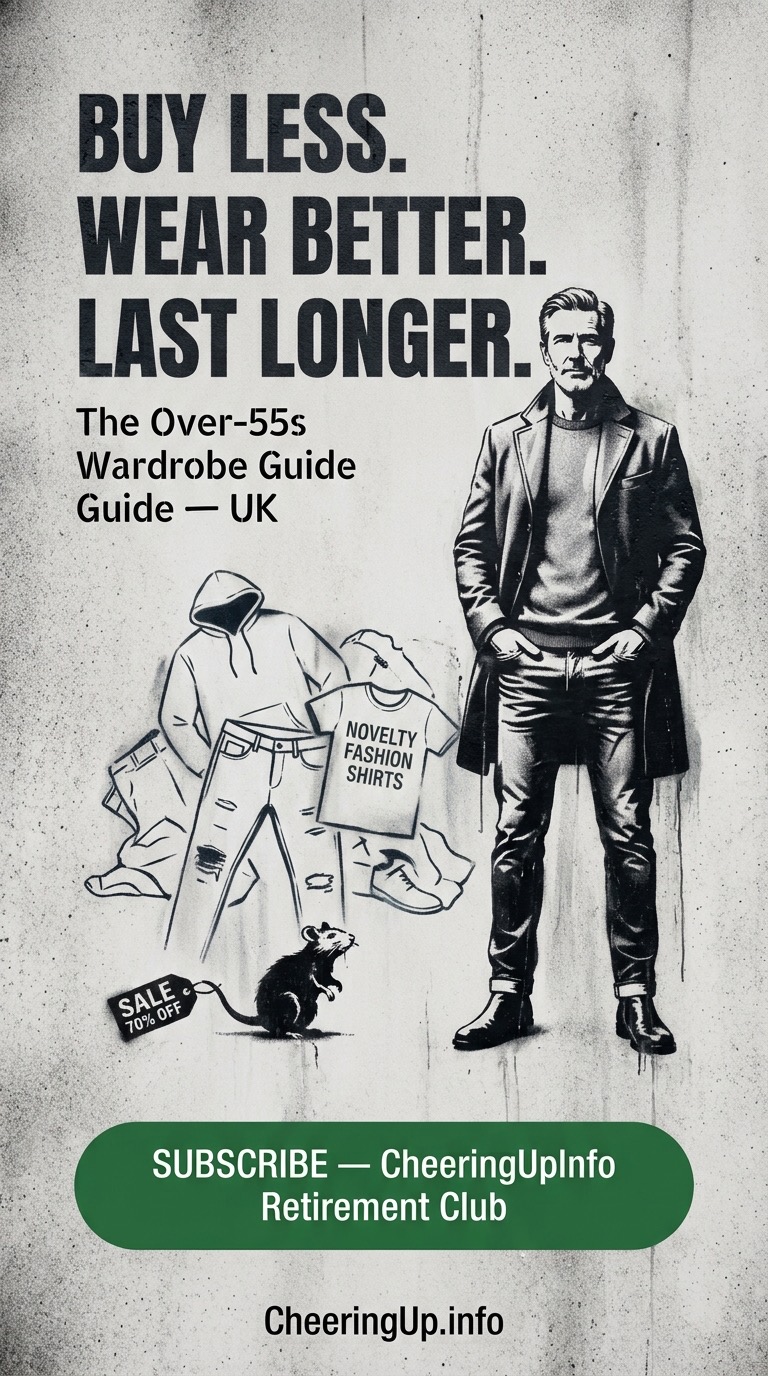
Shop better, less often. Our over 55s UK men’s timeless wardrobe guide shows you exactly what to buy, when, where — and how to save money as the cost of living rises.
CheeringupInfo Retirement Club recommends this fashion guide for over 55s men in UK as the solution to the problem of shopping better less often to reduce cost of living in UK.
Right, gents. Let’s have a straight conversation about getting dressed. The cost of living hasn’t gone anywhere, and with the ONS putting household cost inflation at 3.6% in early 2026 , every pound in your pocket needs to work harder. The answer isn’t buying more cheap tat that falls apart by Christmas. It’s building a capsule wardrobe of proper kit that you actually wear, fits you today, and won’t look daft in five years. As Vivienne Westwood famously said: “Buy less. Choose well. Make it last. Quality, not quantity. Everybody’s buying far too many clothes.” That’s not just eco-talk; it’s hard-nosed money sense when the average UK household already sits on about £4,000 worth of clothing, with 30% of it unworn in the past year .
Why does building a timeless wardrobe matter more than ever for over 55s UK men?
Building a timeless wardrobe matters because it directly combats the double whammy of rising costs and the temptation to waste money on fast fashion that doesn’t suit your age or your life. The UK fashion market is under pressure, with online parcel volumes for fashion dropping 14% year-on-year as shoppers become far more selective . That’s actually a good thing. It means men are waking up to the fact that buying six cheap shirts a year costs more in the long run than buying two excellent ones that last a decade. UK stylist Lisa Talbot puts it perfectly: “Style in your 50s should feel effortless, not like you’re chasing trends half your age… Great style in your 50s isn’t about dialling things down, it’s about editing.” You’re not trying to look like your son. You’re trying to look like the best version of yourself, and that requires editing out the noise.
Why should you spend more on fewer, better clothes rather than buying cheap stuff?
You should spend more on fewer, better clothes because the cost-per-wear maths is brutal on cheap clothing, and the environment agrees. The UK government’s own waste advisory body, WRAP, has shown that extending the life of a garment by just one extra year saves significant carbon , but the personal finance argument is even more compelling. If you spend £150 on a well-made wool overcoat and wear it 150 times over five winters, that’s a pound a wear. If you spend £40 on a cheap coat that looks tired after one season and gets binned, you’ve spent more per wear and you still look cold and scruffy. The Love Your Clothes campaign notes that the average UK household spends around £1,700 a year on clothes . Redirecting even half of that away from disposable trend pieces and into a handful of quality essentials is the single quickest way to dress better while spending less over a decade.
What should over 55s UK men actually buy to build this wardrobe today?
You should buy a tight edit of classic, well-fitting separates in neutral colours that mix and match effortlessly. Personal stylist Lisa Gillbe advises: “Trying to dress younger is the first mistake,” and instead recommends dressing like “the best version of you” with properly fitting, quality clothes . Here is the exact shopping list to build today that will still work in 2031:
- Two pairs of straight-leg or slim-straight dark indigo jeans. Not skinny, not ripped, not distressed. Modern, flattering, and smart enough with a blazer .
- Three merino wool knitwear pieces. A crew neck, a quarter-zip, and a button-down polo in navy, grey, and a deep green or burgundy. Merino regulates temperature and looks infinitely smarter than a hoodie .
- Four classic tapered shirts. White, pale blue, navy, and a subtle pink or stripe. Quality cotton that irons well or drip-dries without looking like a rag .
- One unstructured blazer in navy or charcoal. Wear it over a shirt to the pub, over a t-shirt to a gallery, or with trousers for a smarter do. It sharpens everything without feeling stiff .
- Two pairs of smart chinos or wool-blend trousers. Camel or stone for daytime, charcoal for evenings. A flat front and a clean line flatter a mature waistline far more than baggy cargos .
- One pair of clean, minimal leather trainers and one pair of Chelsea boots or Derby shoes. Leave the hyped gym trainers for the gym. Neutral tones look sophisticated; anything too “trendy” can make the whole outfit look forced .
- One decent leather holdall or briefcase. Ditch the rucksack with your smart coat. A structured bag instantly sharpens your appearance.
When should you buy these pieces to get the best value?
You should buy these pieces when you need them, not when the sales tell you to want them. Check your wardrobe first, make a list of what is genuinely missing or worn out, and then buy the best version of that item you can afford. The UK government’s Love Your Clothes guidance is clear: check before you shop, and choose quality designed to last . Avoid impulse purchases during “midlife makeover” moments. Stylist Lisa Gillbe warns against going out and buying “all that midlife crisis stuff” in one go; instead, switch up a few items subtly and pay attention to quality . If you need a new winter coat, buy it in September when stock is full and fit is right, not in January when you’re panic-buying a reduced ill-fitting remnant. If you need shirts, replace them one by one as collars fray, spending £60–£80 on a good one rather than £15 on three bad ones.
Where should over 55s UK men shop for these wardrobe staples?
You should shop where quality construction, natural fabrics, and honest sizing are prioritised over logos and fleeting trends. The high street can work if you know what to look for, but you have to filter hard. Personal stylist Lisa Gillbe recommends brands like Oliver Spencer and Wax London for men who want to dress well without looking like they’re trying too hard . For knitwear and shirts, Uniqlo’s merino and Oxford ranges offer exceptional value for the price, while Marks & Spencer’s Autograph and Sartorial lines remain reliable for trousers and outerwear if you check the fabric composition (aim for 100% wool or cotton wherever possible). For jeans, a straight-fit from Levi’s or a quality denim specialist will outlast anything from a fast-fashion outlet. For a proper blazer that fits an older frame, consider a made-to-measure service or a good independent menswear shop where the staff know how a jacket should sit on the shoulder. The key is to buy from places that let you feel the cloth and try the fit properly, or that offer free returns so you can send back the 80% that doesn’t work.
Who will benefit most from this fashion guide for over 55s UK men?
This guide will benefit most the over 55 UK man who wants to look sharp, feel confident, and stop wasting money on clothes that either don’t fit, don’t last, or make him look like he’s raiding his son’s wardrobe. If you are retired or semi-retired and your daily uniform has drifted into shapeless joggers and novelty t-shirts, this is for you. If you are still working and need to look credible and comfortable in meetings without wearing a stiff suit every day, this is for you. If you have a wardrobe full of clothes and “nothing to wear,” this is definitely for you. As Jeremy Langmead has shown in his midlife makeover features, men from 51 to 76 can transform how they look and feel by simply swapping out the shacket for a structured blazer, the baggy cargos for clean trousers, and the tired trainers for a proper leather shoe . The ONS notes that retired households saw cumulative inflation of 31.9% over the past five years; every purchase needs to count. This guide makes every purchase count.
What should you avoid buying if you want to look cool for your age, not a past age?
You should avoid buying anything that screams “I am trying to be twenty-five” because the result is almost always the opposite of cool. Lisa Talbot specifically flags distressed skinny jeans, ill-fitting beanies, letterman jackets, and stacks of leather bracelets as the hallmarks of a man who has lost the plot stylistically . The problem with these pieces isn’t that they are inherently bad; it’s that they create a disconnect. A 60-year-old man in a hoodie and a baseball cap doesn’t look relaxed; he looks like he’s given up on the top half of his body. A 55-year-old in skinny ripped jeans doesn’t look edgy; he looks uncomfortable. Lisa Gillbe adds that gym trainers worn with smart trousers and a shirt create a “jarring” visual confusion . The rule is simple: if you wore it to a student party in 1994, leave it in 1994. Your style should say “I know who I am and I am comfortable in my own skin,” not “I am terrified of getting old.”
How can CheeringupInfo Retirement Club help you build this wardrobe and save money?
CheeringupInfo Retirement Club can help you build this wardrobe and save money by giving you a clear, no-nonsense framework for shopping better and less often, so you stop wasting money on clothes that never get worn. The ONS reports that 55% of adults in Great Britain reported an increase in their cost of living in August 2026, with food and fuel driving the pain . Clothing is discretionary spending, which means it is exactly where you can make savings without reducing your quality of life—if you buy right. By following the edit above, replacing items only as they wear out, and choosing natural fabrics and proper fit over trends, you will spend less over the next five years than the man who buys a new “bargain” jacket every winter. You will also look considerably better. Subscribe to CheeringupInfo Retirement Club for more practical, money-saving guidance that respects your intelligence and your time.
#Over55sStyleUK #BuyLessWearBetter #RetirementClub #RetirementMagazine #RetirementTV
Get help to protect and grow your business with more cost effective targeted marketing at over 55s UK
Find out more about advertising and marketing to the over 55s UK
Subscribe for free retirement lifestyle improvement ideas reviews and retirement cost of living tips
Connect with CheeringUpInfo for free retirement lifestyle improvement tips
Read more retirement lifestyle improvement articles and view videos for free
Your £40 jacket is costing you more than a £150 one. Here’s the maths that made 55-year-old men in the UK rethink their entire wardrobe.
Stay with me, because this is the bit nobody tells you.
Wear a £150 wool overcoat 150 times across five winters — that’s £1 a wear. Buy a £40 cheap coat that looks tired after one season, bin it, repeat four more times — that’s £200 spent and you still look cold and scruffy.
The cheap option cost you 33% more. And you looked worse doing it.
The ONS puts household cost inflation at 3.6% right now. The average UK household sits on roughly £4,000 of clothing — and 30% of it goes unworn in a single year. That’s £1,200 of dead money hanging in your wardrobe doing nothing.
Vivienne Westwood said it best: “Buy less. Choose well. Make it last.”
So here’s what actually works for over 55s UK men — looks sharp today and in 2031:
- 2 pairs straight-leg dark indigo jeans — no rips, no skinny
- 3 merino wool knits — navy, grey, deep green
- 4 classic tapered shirts — white, pale blue, navy, subtle stripe
- 1 unstructured navy blazer
- 2 pairs smart chinos — camel and charcoal
- 1 pair clean leather trainers + 1 pair Chelsea boots
- 1 decent leather holdall
That’s it. Every occasion covered. Nothing that looks like you raided your son’s wardrobe.
The fit matters more than the price tag. Stylist Lisa Talbot says style in your 50s “isn’t about dialling things down, it’s about editing.” A £60 shirt that fits properly beats a £200 one that doesn’t — every single time.
And the trap? Distressed skinny jeans, ill-fitting beanies, letterman jackets, stacks of leather bracelets. Those don’t make you look young. They make you look like you’ve lost the plot.
One more thing before you go — check your wardrobe tonight. Count how many items you haven’t worn in 12 months. That number is your savings pot for the items above.
Ready to shop better and less often? Email editor@cheeringup.info with the subject line “TIMELESS WARDROBE” and we’ll send you CheeringUpInfo Retirement Club over 55s UK men’s newsletter — free.
👉 Follow CheeringUpInfo Retirement Club for more money-saving style advice that respects your intelligence and your time.
#Over55sStyleUK #BuyLessWearBetter
Buying better on eBay UK
Based on the search results, here are eBay UK product suggestions that fit the “buy less, choose well” theme. The availability is hit-or-miss (many are single listings or sold out), but these give you a realistic sense of what to hunt for.
A quick note on the search results: eBay listings change fast. Several items found were sold out or single-size remnants. The best approach is to use these as search terms and brand filters rather than specific links that might expire.
Merino Wool Knitwear
Paul Smith Merino Wool Sweater (New with Tags)
This fits the “quality over quantity” rule perfectly. A brand-new Paul Smith merino crew neck at £89.90 (RRP £180) is exactly the kind of investment piece that costs £1 per wear over five years. Available in black, navy, or grey . Search eBay for: “Paul Smith merino wool jumper men” and filter by “New with tags” to find similar.
Straight-Leg Jeans
Dickies Regular Straight Fit Jeans (Rinsed Indigo)
The guide specifically calls for straight-leg, dark indigo denim with no distressing. Dickies is a workwear brand built for durability, and the “rinsed indigo” wash is the classic, smart-casual colour that works with a blazer or a knit . Search: “Dickies 9393 straight jeans” or simply “straight leg indigo jeans men” and filter for brands like Levi’s, Wrangler, or Dickies.
Chelsea Boots
Handmade Brown Leather Chelsea Boots
The search returned several options here, ranging from £88 to £133. For the over-55s wardrobe, a clean, handmade leather Chelsea boot in brown or black is the single most versatile footwear upgrade you can make . Caution: Some listings had high international postage. Filter by “UK only” to avoid the £26+ delivery charges seen in the results.
Blundstone Chelsea Boots (Pre-owned/New)
Blundstone is a respected, durable brand that fits the “lasts as long as you do” ethos. The search surfaced various Blundstone Chelsea models, though availability fluctuates . Search: “Blundstone 510 Chelsea boots men UK” and save the search.
The Leather Holdall
Camus Cognac PU Leather Holdall
While the guide recommends genuine leather, this PU option has strong reviews (4.7 stars, 100% would recommend) for being “classy” and “good value” . If a reader is on a tighter budget right now but still wants the structured look, this is a stopgap. For genuine leather, search “genuine leather holdall men” and filter by seller feedback above 99%.
Search For…
Since specific listings expire, use eBay search filters instead:
- For knitwear: Search merino wool jumper men, filter by New with tags, brands like Paul Smith or John Smedley.
- For jeans: Search straight leg jeans men indigo, filter by Dickies, Levi’s 501, or Wrangler Texas.
- For boots: Search Chelsea boots men leather, filter by UK only to avoid import postage, brands like Blundstone or Loake.
- For the holdall: Search leather holdall men, sort by Price + P&P: lowest, and read the seller feedback carefully before buying.
The overarching eBay UK strategy for this wardrobe is to save searches for the specific brands and sizes, and set alerts. The good stuff at the right price goes quickly—which is exactly the “buy well, buy once” discipline the guide is preaching.
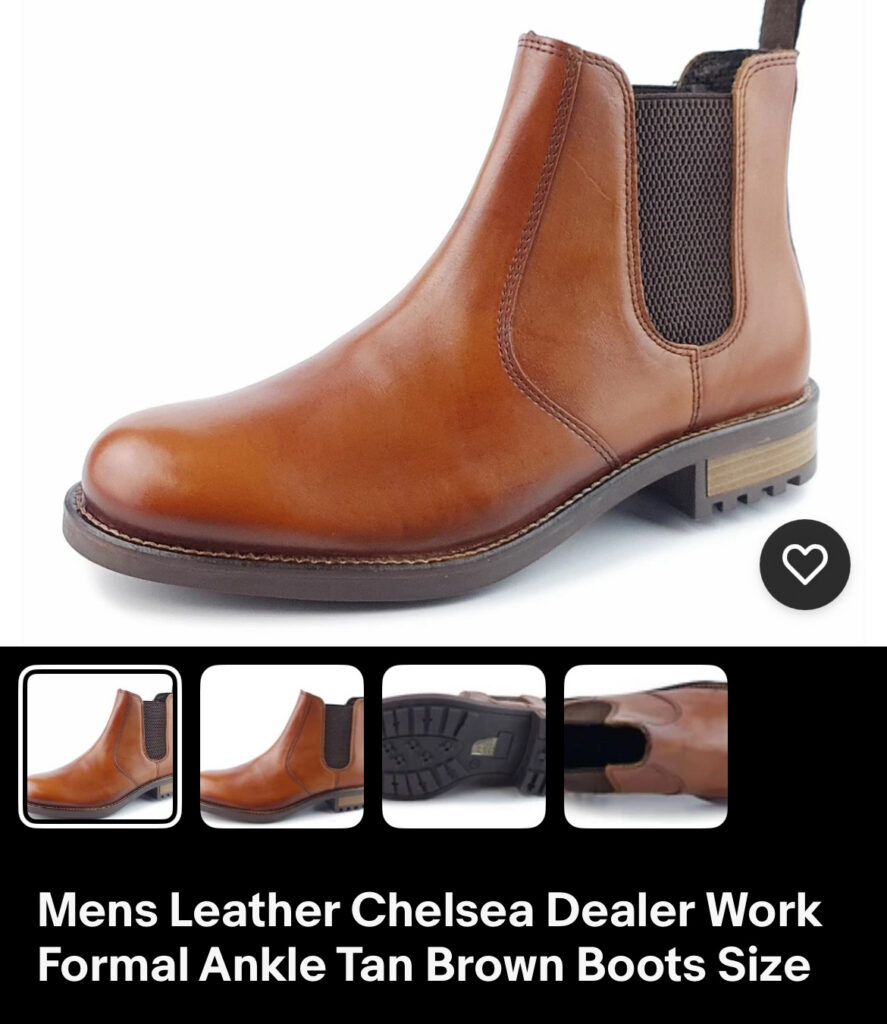
https://ebay.io/m/GPIo17
As an eBay Partner, I may be compensated if you make a purchase
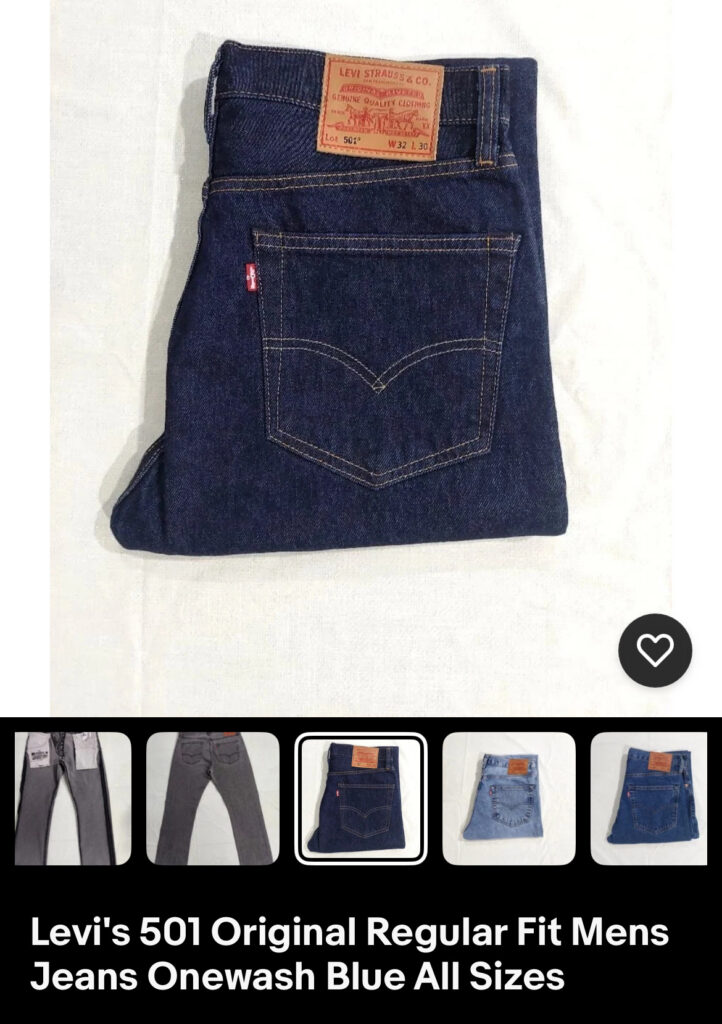
https://ebay.io/m/GfxbOE
As an eBay Partner, I may be compensated if you make a purchase
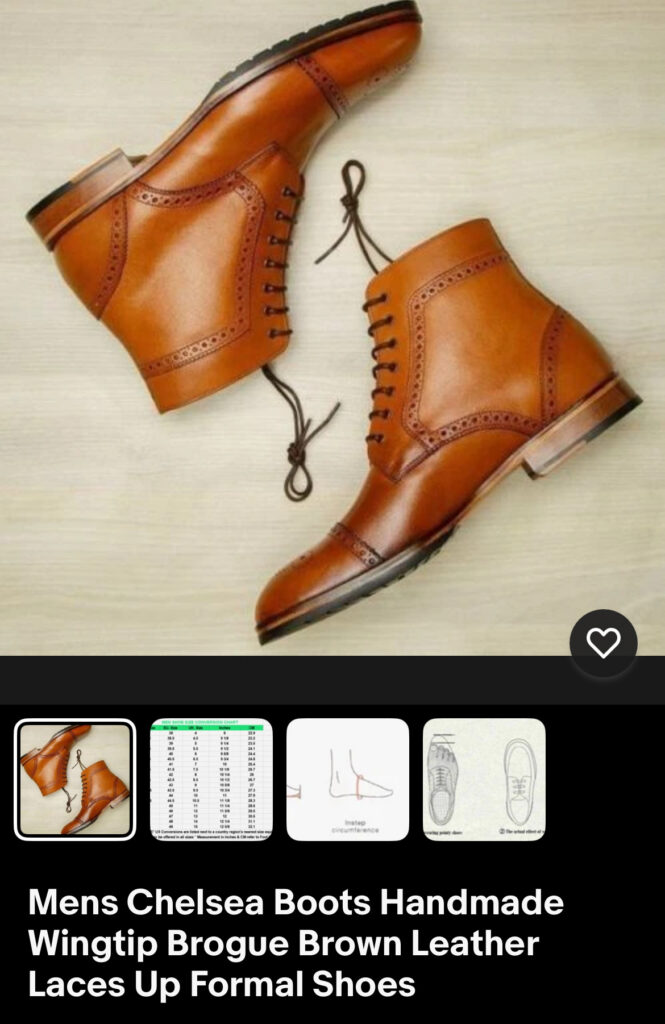
https://ebay.io/m/sglzlX
As an eBay Partner, I may be compensated if you make a purchase
Over 55s Men’s Style: Build a Timeless Wardrobe for Less