If you’re over 55 and dreaming of a continuous world trip, you may be wondering how to find insurance that will cover you for such a long journey. After all, most travel insurance policies are only valid for a few weeks or months at a time.
But don’t worry, there are a few options available to you. In this article, we’ll discuss the different types of travel insurance available to over-55s, and how to find the right policy for your needs.
What is the Longest You Can Get Travel Insurance for?
The longest you can get travel insurance for depends on the policy you choose. Some policies are only valid for a few weeks or months, while others can be extended for up to a year or more.
If you’re planning on taking a continuous world trip, you’ll need to find a policy that will cover you for the entire duration of your journey. Some providers offer long-stay travel insurance that can be valid for up to 18 months.
How Long Can You Stay Abroad with Travel Insurance?
The length of time you can stay abroad with travel insurance also depends on the policy you choose. Some policies have a maximum stay of 3 months, while others allow you to stay for up to 18 months.
If you’re planning on staying abroad for a long period of time, you’ll need to make sure that your policy has a high enough maximum stay. You should also check the policy’s terms and conditions to see if there are any restrictions on the countries you can visit.
What is Annual Multi-Trip Travel Insurance?
Annual multi-trip travel insurance is a type of policy that covers you for multiple trips within a year. This can be a good option if you’re planning on travelling frequently, or if you’re not sure how long your next trip will be.
Annual multi-trip travel insurance typically covers you for trips of up to 30 days each. However, some policies allow you to extend your trips for longer periods of time.
What Medical Conditions Do You Have to Declare for Travel Insurance?
When you apply for travel insurance, you’ll need to declare any pre-existing medical conditions. This is important because some conditions can make it difficult to get insurance, or they may require you to pay a higher premium.
The specific medical conditions that you need to declare will vary depending on the policy. However, some common conditions that you may need to declare include:
Heart disease
High blood pressure
Diabetes
Asthma
Epilepsy
Mental health conditions
How to Find Travel Insurance for a Continuous World Trip
Now that you know what types of travel insurance are available, you can start looking for a policy that’s right for you. Here are a few tips for finding travel insurance for a continuous world trip:
Compare quotes from different providers.
Make sure the policy covers all of your needs.
Check the policy’s terms and conditions carefully.
Be prepared to pay a higher premium if you have pre-existing medical conditions.
Finding travel insurance for a continuous world trip can be a challenge, but it’s not impossible. By following the tips in this article, you can find a policy that will protect you and give you peace of mind as you travel the world.
Keywords:
travel insurance
continuous world trip
over 55
UK
longest you can get travel insurance for
how long can you stay abroad with travel insurance
annual multi-trip travel insurance
medical conditions you have to declare for travel insurance
Fenbendazole: A Potential Adjunctive Treatment for Cancer
Cancer remains a significant global health challenge, necessitating innovative approaches to complement existing treatment strategies. In recent years, fenbendazole, an FDA-approved anthelmintic medication primarily used for deworming in veterinary medicine, has attracted attention due to its potential anticancer properties. Preliminary studies and anecdotal evidence suggest that fenbendazole could be a promising adjunctive therapy for certain types of cancer. This article explores the scientific basis behind fenbendazole’s anticancer effects, highlights relevant research studies, and discusses its potential benefits, limitations, and future directions for investigation.
Mechanism of Action. Fenbendazole exerts its primary antiparasitic effects by inhibiting tubulin polymerisation, a crucial process for parasite cell division. Interestingly, cancer cells also rely on tubulin for their proliferation. Preclinical studies have shown that fenbendazole can inhibit cancer cell growth by disrupting microtubule formation, inducing cell cycle arrest, and promoting apoptosis (programmed cell death). Moreover, fenbendazole has demonstrated antiangiogenic properties by inhibiting the formation of new blood vessels required for tumor growth and metastasis.
Evidence from Preclinical Studies. Numerous preclinical studies have investigated fenbendazole’s potential anticancer effects. For example, researchers have observed significant tumour growth inhibition in various cancer models, including melanoma, pancreatic cancer, glioblastoma, and colorectal cancer. Fenbendazole has also shown promise in enhancing the efficacy of traditional chemotherapy drugs, reducing tumour size, and improving survival rates in animal studies.
Furthermore, studies have explored fenbendazole’s impact on cancer stem cells (CSCs), which are known to contribute to tumour recurrence and therapy resistance. Fenbendazole treatment has been found to selectively target CSCs and inhibit their self-renewal capacity, potentially offering a new avenue for preventing cancer relapse.
Clinical Case Reports and Anecdotal Evidence. While clinical trials investigating fenbendazole’s efficacy in cancer treatment are limited, there is a growing body of anecdotal evidence and case reports highlighting its potential benefits. Numerous patients have reported positive outcomes when using fenbendazole alongside conventional treatments, including reduced tumor burden, improved quality of life, and prolonged survival. However, it is important to note that anecdotal evidence cannot replace well-controlled clinical trials, and individual responses may vary.
Safety Profile and Potential Side Effects. Fenbendazole has a long history of safe use in veterinary medicine, with minimal adverse effects reported in animals. When used at standard therapeutic doses, fenbendazole is generally well-tolerated in humans. However, it is crucial to consult with a healthcare professional before considering fenbendazole as an adjunctive cancer treatment. Potential side effects, although rare, may include gastrointestinal symptoms such as nausea, diarrhea, and abdominal pain.
Current Limitations and Future Directions. While fenbendazole shows promise as an adjunctive cancer treatment, several limitations and knowledge gaps need to be addressed. Firstly, the lack of large-scale, randomised clinical trials hinders the establishment of its true efficacy and safety in humans. Secondly, optimal dosing regimens, treatment duration, and potential drug interactions remain areas of uncertainty. Additionally, identifying biomarkers or patient subgroups that may benefit the most from fenbendazole therapy is crucial for personalized treatment strategies.
To overcome these limitations, rigorous clinical trials involving well-defined patient populations and standardised treatment protocols are needed. Collaborative efforts between academic institutions, pharmaceutical companies, and government agencies are crucial to facilitate the funding and execution of these trials. Furthermore, ongoing research should focus on elucidating fenbendazole’s precise molecular mechanisms and exploring potential synergies with existing anticancer agents.
Fenbendazole holds promise as an adjunctive therapy for cancer based on preclinical studies, anecdotal evidence, and its favourable safety profile. Although the current body of evidence is largely preliminary, these findings justify further investigation through well-designed clinical trials. Collaborative efforts are needed to establish fenbendazole’s true efficacy, optimal dosing regimens, and potential synergies with existing treatments. Nonetheless, it is essential to emphasize that fenbendazole should never be used as a standalone treatment or a substitute for established cancer therapies. Patients considering fenbendazole as part of their treatment strategy should consult with their healthcare provider to ensure proper medical guidance and supervision.
By exploring fenbendazole’s potential anticancer properties, we may unlock new possibilities in cancer treatment, providing hope for patients and advancing our understanding of the complex nature of this disease.
No, ivermectin and fenbendazole are not the same. They are both anthelmintics, which means they are used to treat parasitic worms. However, they work in different ways and are used to treat different types of worms.
Ivermectin is a macrocyclic lactone, while fenbendazole is a benzimidazole. Macrocyclic lactones work by binding to glutamate-gated chloride channels in the cell membranes of parasites, which causes the parasites to die. Benzimidazoles work by binding to β-tubulin, which disrupts the formation of microtubules, which are essential for cell division.
Ivermectin is used to treat a variety of parasitic worms, including roundworms, hookworms, whipworms, and filarial worms. Fenbendazole is used to treat a variety of parasitic worms, including roundworms, hookworms, whipworms, tapeworms, and flukes.
Ivermectin is not FDA-approved for use in humans, but it is sometimes used off-label to treat parasitic infections. Fenbendazole is FDA-approved for use in humans to treat parasitic infections of the intestine.
There is some evidence that ivermectin may have anti-cancer properties. However, more research is needed to confirm these findings and to determine the safety and efficacy of ivermectin for the treatment of cancer.
If you are considering using either ivermectin or fenbendazole for the treatment of a parasitic infection or cancer, it is important to talk to your doctor first. They can help you determine if these medications are right for you and can provide you with more information about the risks and benefits of these medications.
More lifestyle improvement articles videos and reviews
Want help to make your self-publishing more successful?
Self-publishing offers several benefits in the current industry landscape. Here are some of the key advantages:
Creative Control: Self-publishing allows authors to retain complete creative control over their work. They can make decisions about the content, cover design, formatting, and marketing strategies without any external interference.
Speed to Market: Traditional publishing can be a lengthy process, involving finding an agent, securing a publishing deal, editing, and marketing schedules. Self-publishing enables authors to bring their books to market much faster. They can set their own timelines and publish as soon as their manuscript is ready.
Higher Royalties: One of the most appealing aspects of self-publishing is the potential for higher royalty rates. Traditional publishing typically involves a royalty split between the author and the publisher, often favouring the publisher. In contrast, self-published authors retain a significant portion of the profits, allowing them to earn more per book sold.
Global Reach: Self-publishing platforms, such as Amazon Kindle Direct Publishing (KDP), provide access to a global marketplace. Authors can reach readers worldwide, leveraging the power of online distribution. Ebooks, in particular, have gained significant popularity, and self-publishing allows authors to tap into this growing digital market.
Flexibility and Adaptability: Self-publishing offers flexibility in various aspects. Authors can experiment with different genres, styles, and book lengths without conforming to traditional publishing norms. They can adapt their marketing strategies based on real-time feedback and trends, making changes as needed to optimise sales and reader engagement.
Long-Term Income Potential: Self-published books have the potential for long-term income generation. Unlike traditionally published books, which may have limited shelf life in bookstores, self-published books can remain available indefinitely in digital format. Authors can continue to earn royalties over time, even from older titles, as they build their backlist and attract new readers.
Direct Reader Interaction: Self-publishing allows authors to engage directly with their readers. They can build a community, gather feedback, and establish a personal connection through author websites, social media, newsletters, and book signings. This direct interaction can foster reader loyalty and provide valuable insights for future projects.
Opportunity for Traditional Publishing Deals: Successful self-published authors often attract the attention of traditional publishers. Demonstrating strong sales, a solid author platform, and a dedicated readership can increase the chances of securing a traditional publishing deal, which may offer additional benefits such as wider distribution and increased visibility.
It’s worth noting that self-publishing also requires authors to take on responsibilities traditionally handled by publishers, such as editing, cover design, and marketing. However, the advantages of creative control, higher royalties, and the potential for long-term success make self-publishing an attractive option for many authors in the current industry landscape.
10 Tips from Blue Zones: What Makes People Live Longer?
In different parts of the world, there are regions known as Blue Zones, where individuals tend to live exceptionally long and healthy lives. These regions, scattered across the globe, have attracted the attention of researchers and health enthusiasts alike, eager to uncover the secrets to longevity. So, what makes people in Blue Zones live longer? In this article, we will explore ten valuable tips derived from these regions that can help us lead longer, healthier lives.
Embrace a Plant-Based Diet:
One of the common factors found in Blue Zones is the emphasis on a predominantly plant-based diet. Individuals in these regions consume abundant vegetables, fruits, legumes, and whole grains. A plant-focused diet provides essential nutrients, antioxidants, and fiber, while reducing the intake of processed foods, saturated fats, and excessive animal protein.
Prioritise Physical Activity:
Blue Zone communities engage in regular physical activity as a part of their daily routine. Walking, gardening, and other forms of moderate exercise help maintain cardiovascular health, strengthen muscles, and promote overall well-being. Incorporating movement into daily life, rather than relying solely on structured exercise, is key.
Foster Strong Social Connections:
The significance of social connections cannot be overstated in Blue Zones. These regions emphasize building and maintaining strong relationships with family, friends, and neighbours. Having a support system, spending quality time with loved ones, and participating in community activities can enhance mental health, reduce stress, and contribute to longevity.
Cultivate a Sense of Purpose:
A sense of purpose is a driving force in the lives of individuals residing in Blue Zones. Whether it is through work, hobbies, or involvement in community projects, having a reason to wake up in the morning keeps them motivated and mentally engaged. A strong sense of purpose contributes to lower levels of stress and increased life satisfaction.
Practice Stress-Reduction Techniques:
Chronic stress can have detrimental effects on our health. In Blue Zones, people adopt various stress-reduction techniques such as meditation, mindfulness, and spending time in nature. Prioritising relaxation and finding inner peace are essential aspects of their lifestyle, leading to improved physical and mental well-being.
Maintain a Healthy Weight:
Maintaining a healthy weight is a common trait observed in Blue Zones. Individuals in these regions tend to consume balanced meals in appropriate portions. They are mindful of their calorie intake and focus on consuming nutrient-dense foods, which aids in maintaining a healthy body weight and reducing the risk of chronic diseases.
Consume Alcohol in Moderation:
Moderate alcohol consumption is a cultural norm in some Blue Zones, such as Sardinia, Italy, and Ikaria, Greece. However, it’s important to note that moderation is the key. Red wine, in particular, is often consumed in small quantities and is believed to provide certain health benefits due to its antioxidant properties.
Engage in Intergenerational Interactions:
Blue Zone communities place a strong emphasis on intergenerational interactions, where older individuals interact and share experiences with younger generations. These interactions foster a sense of belonging, mutual support, and wisdom exchange, creating a positive impact on overall well-being.
Get Sufficient Sleep:
Adequate sleep is crucial for maintaining good health and longevity. Blue Zone residents prioritise quality sleep, ensuring they get the recommended amount of rest each night. Sufficient sleep allows the body to repair and rejuvenate, promoting optimal physical and mental functioning.
Lead an Active Life After Retirement:
In Blue Zones, retirement does not mean a sedentary lifestyle. Instead, individuals continue to engage in purposeful activities, such as part-time work, volunteering, or pursuing hobbies. Staying active and mentally stimulated in the later stages of life contributes to longevity and a higher quality of life.
The remarkable longevity observed in Blue Zones offers valuable insights into the factors that can contribute to a longer and healthier life. Embracing a plant-based diet, prioritising physical activity, fostering social connections, finding purpose, and managing stress are among the key lessons we can learn from these regions. By adopting these ten tips into our own lives, we can increase our chances of living longer, healthier, and more fulfilling lives, just like the residents of the Blue Zones.
I’m not scared of death. I’m scrared of not living before I die.
Death is an inevitable part of the human experience, and it is natural to contemplate its significance. While many individuals fear death, some find themselves not sharing the same apprehension. Instead, they grapple with the fear of not fully living before their time comes. In this article, we will explore the normality of not fearing death, the power of a quote that encapsulates the absence of fear, and how the fear of death can hinder the true essence of life.
Is it Normal That I’m Not Afraid of Death?
Death has been a subject of curiosity and fear for centuries. It is ingrained in human nature to seek answers and find solace in comprehending the unknown. While fear of death is a common sentiment, it is essential to recognise that not everyone experiences it in the same way. Some individuals genuinely do not fear death, and this is not abnormal.
Each person’s perspective on mortality is influenced by a unique combination of factors, including cultural background, religious beliefs, personal experiences, and philosophical outlook. Some may find comfort in the notion of an afterlife, while others focus on the impermanence of existence and embrace the present moment. Ultimately, the absence of fear can stem from a deep acceptance of the natural cycle of life and death.
What is the Quote on No Fear of Death?
Words have the power to encapsulate complex emotions and thoughts, resonating deeply within us. One quote that succinctly captures the concept of living fearlessly in the face of death is from Epicurus, the ancient Greek philosopher: “Death does not concern us, because as long as we exist, death is not here. And when it does come, we no longer exist.”
Epicurus’ words speak to the philosophical notion that death is the absence of life, and therefore, it is irrelevant to the living. Instead of fearing the inevitable, his quote encourages embracing the present, making the most of each moment, and finding contentment in the here and now. It urges individuals to focus on living a fulfilling life rather than being preoccupied with the fear of death.
When Fear Does Not Stop Death, It Stops You from Living
Fear can be a powerful force that limits our potential and prevents us from fully experiencing life. When we allow the fear of death to consume us, we become immobilised, unable to embrace new opportunities, take risks, or pursue our dreams. Instead of living with passion and purpose, we exist in a state of stagnation, merely going through the motions.
The fear of death can manifest in various ways, such as a fear of failure, rejection, or the unknown. Paradoxically, it is by confronting our fears and acknowledging our mortality that we can truly start living. Embracing the impermanence of life can inspire us to cherish the present, prioritise meaningful connections, and pursue our deepest desires.
Overcoming the fear of death requires a shift in perspective and a conscious effort to embrace life fully. By acknowledging our mortality and accepting the inevitable, we can cultivate gratitude for each day and find the courage to step outside our comfort zones. Engaging in activities that bring us joy, nurturing relationships, and pursuing personal growth becomes more accessible when we release the fear that holds us back.
While fear of death is a common human experience, it is equally valid to not fear death but to fear not living before it arrives. Acknowledging this perspective allows us to appreciate the value of each moment and live our lives to the fullest. The quote by Epicurus serves as a reminder that death is not something to be feared, but rather a motivation to embrace life fearlessly. By conquering our fears and pursuing our passions, we can create a life rich with meaning, purpose, and fulfillment. So, let us set aside our fear of death and focus on living before we die.
Living by the sea is a dream shared by many. The soothing sound of waves, the salty breeze, and the stunning coastal views create an idyllic lifestyle that attracts people from all walks of life. The United Kingdom, with its rich maritime heritage and diverse coastline, offers numerous coastal towns and cities that provide an exceptional quality of life. In this article, we will explore some of the best places to live by the sea in the UK, highlighting their unique characteristics, attractions, and advantages.
Brighton, East Sussex. Brighton, located on the south coast of England, is a vibrant and diverse city renowned for its bohemian atmosphere and lively entertainment scene. The city boasts a beautiful pebble beach, lined with colorful beach huts and a bustling promenade. Residents of Brighton enjoy a thriving arts and music scene, a wide range of restaurants and cafes, and excellent educational institutions. With its close proximity to London, Brighton offers the perfect balance between city living and coastal charm.
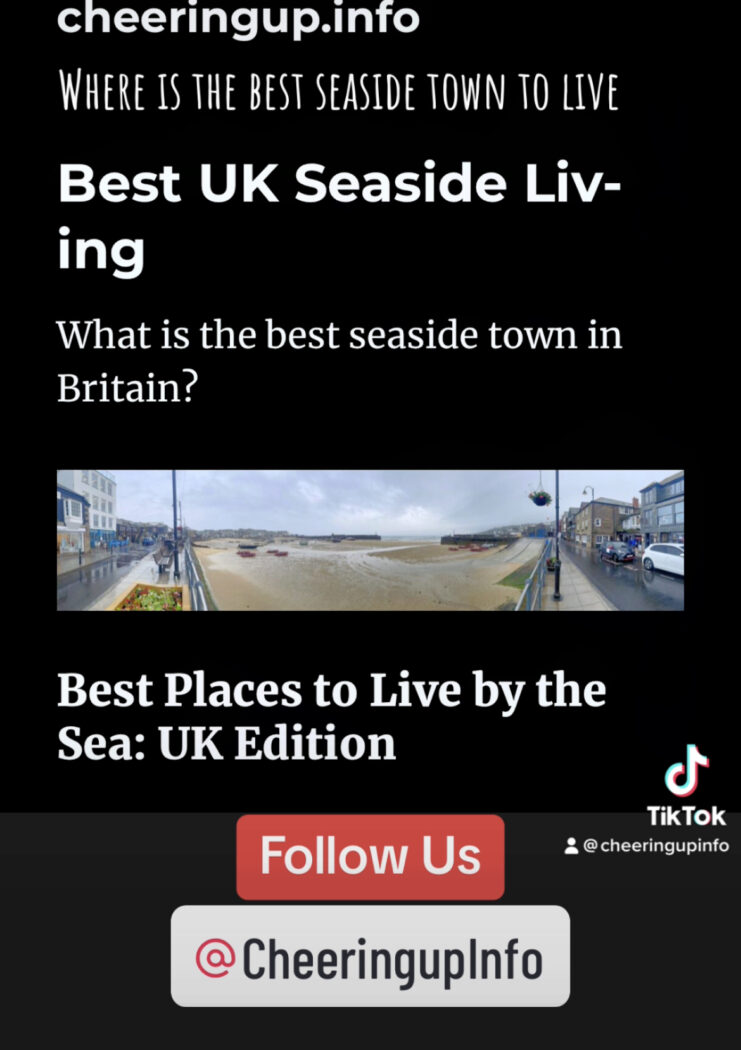
St Ives, Cornwall. Nestled in the picturesque county of Cornwall, St Ives is a charming seaside town that has captivated artists and visitors for centuries. Its narrow cobbled streets, art galleries, and sandy beaches make it an appealing place to call home. St Ives is known for its unique light, which has inspired numerous artists, and its stunning coastal scenery, including the iconic Godrevy Lighthouse. The town also offers a thriving culinary scene, with a variety of seafood restaurants and traditional Cornish pubs.
Edinburgh, Scotland. While not directly on the coast, Edinburgh, the capital of Scotland, offers residents the opportunity to live within close proximity to stunning coastal landscapes. With its dramatic cliffs, rugged shores, and panoramic views of the North Sea, Edinburgh provides a unique blend of historical charm and natural beauty. The city itself is steeped in history, with its medieval Old Town and elegant Georgian New Town. Edinburgh’s vibrant cultural scene, renowned festivals, and world-class universities add to its appeal as a place to live.
Bournemouth, Dorset. Situated on the south coast of England, Bournemouth boasts seven miles of sandy beaches, making it a popular destination for sun-seekers and water enthusiasts. The town offers a range of recreational activities, from watersports to coastal walks, and is home to beautiful parks and gardens. Bournemouth’s thriving economy, excellent transport links, and vibrant nightlife contribute to its reputation as a desirable place to live for families, professionals, and retirees alike.
Portrush, Northern Ireland. For those seeking a more rugged coastal experience, Portrush in Northern Ireland offers a unique blend of natural beauty and outdoor adventures. Located on the stunning Causeway Coast, Portrush is famous for its pristine beaches, championship golf courses, and the iconic Giant’s Causeway. The town also hosts various water sports events, including the annual Atlantic Sessions music festival. With its friendly community and breathtaking landscapes, Portrush provides an escape from the hustle and bustle of city life.
Whitstable, Kent. Known as the “Pearl of Kent,” Whitstable is a charming seaside town famous for its oysters and picturesque harbour. The town’s maritime heritage is evident in its colorful beach huts, fishing boats, and traditional fish markets. Whitstable offers a relaxed and laid-back lifestyle, with its boutique shops, art galleries, and seafood restaurants drawing visitors from far and wide. Residents can enjoy sailing, kayaking, and beachcombing along the pebbled shoreline, creating an authentic seaside experience.
Living by the sea in the United Kingdom provides a unique and enriching lifestyle. Whether you prefer the cosmopolitan vibe of Brighton, the artistic allure of St Ives, or the rugged beauty of Portrush, there is a coastal town or city in the UK to suit every taste. These best places to live by the sea offer not only stunning natural surroundings but also a range of cultural, recreational, and educational opportunities. Embracing the sea breeze and the sense of tranquility that comes with coastal living can truly enhance one’s quality of life. So, why not make your dream of living by the sea a reality in one of these exceptional locations in the UK?
Exploring the Hidden Gems: 29 Best UK Hidden Coves
The United Kingdom is renowned for its breathtaking coastline, offering a diverse range of landscapes, from towering cliffs to pristine sandy beaches. While popular coastal destinations like Cornwall and the Jurassic Coast attract thousands of visitors each year, the UK is also home to numerous hidden coves waiting to be discovered. These hidden gems provide tranquil retreats, secluded spots, and stunning natural beauty. In this article, we will explore 29 of the best UK hidden coves, showcasing their unique charm and highlighting why they deserve a spot on your travel itinerary.
Kynance Cove, Cornwall
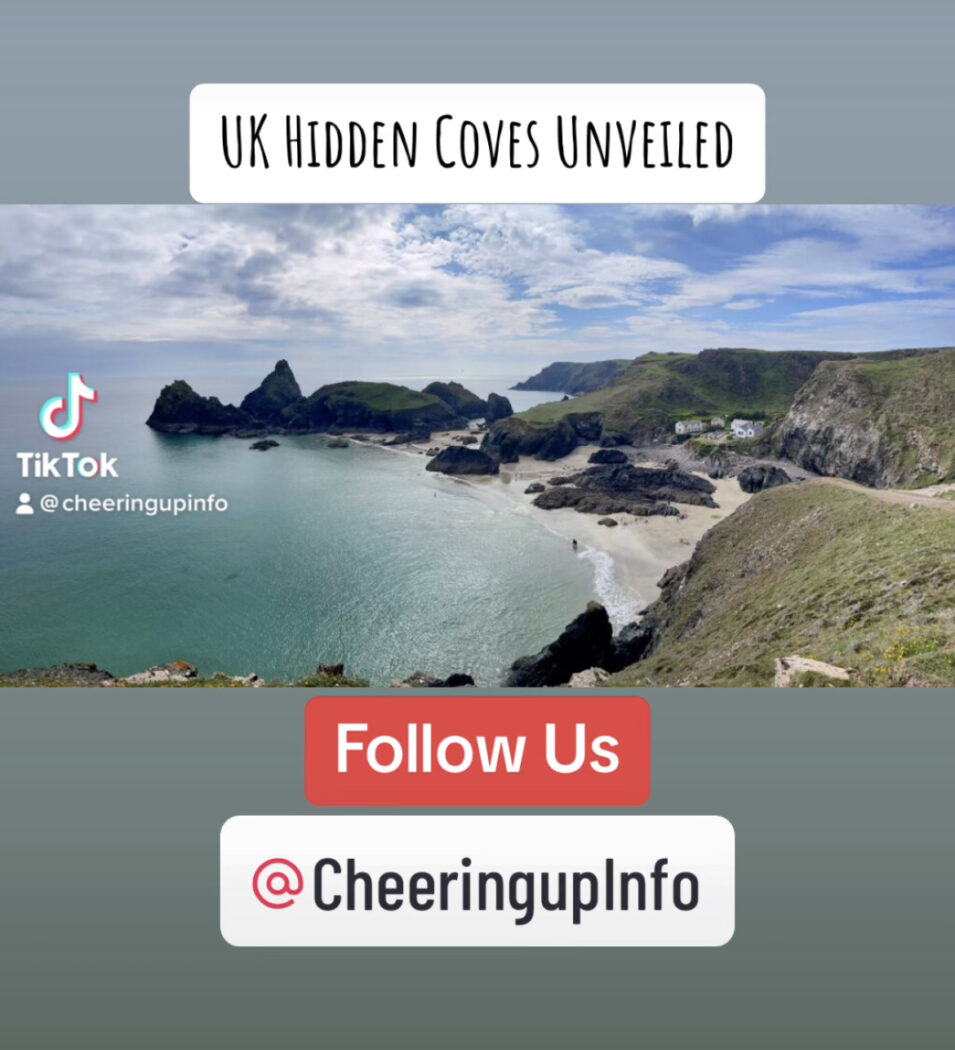
Located on the Lizard Peninsula in Cornwall, Kynance Cove is a picturesque hidden gem. With turquoise waters, dramatic rock formations, and sandy shores, it’s no wonder this cove has captured the hearts of visitors. During low tide, you can explore the caves and grottos that dot the coastline, creating an enchanting atmosphere.
Porth Iago, Wales
Nestled along the rugged Welsh coastline, Porth Iago is a secluded cove that offers a tranquil escape. Surrounded by rolling hills and clear blue waters, this hidden gem is perfect for swimming, picnicking, and taking in the breathtaking views. Its remote location ensures a peaceful experience away from the crowds.
Robin Hood’s Bay, North Yorkshire
With its charming fishing village atmosphere, Robin Hood’s Bay in North Yorkshire offers both a hidden cove and a glimpse into history. This idyllic spot boasts narrow winding streets, quaint cottages, and a stunning beach. Explore the rock pools, hunt for fossils, or simply relax while enjoying the coastal beauty.
Church Ope Cove, Dorset
Situated on the Isle of Portland in Dorset, Church Ope Cove is a hidden treasure waiting to be discovered. Surrounded by cliffs and lush greenery, this secluded cove provides a peaceful retreat. Take a stroll along the pebble beach, explore the nearby ruins of St. Andrew’s Church, or enjoy a refreshing swim in the crystal-clear waters.
Porthdinllaen, North Wales
Tucked away on the Llŷn Peninsula, Porthdinllaen is a hidden cove renowned for its natural beauty. This small, horseshoe-shaped bay offers picturesque views of colorful houses, a sandy beach, and a historic pub, the Ty Coch Inn. Enjoy a leisurely walk along the shoreline or indulge in a traditional pub lunch overlooking the bay.
Castle Stalker, Scotland
Castle Stalker is a breathtaking hidden cove situated on a tidal islet in Loch Laich, near Appin in Scotland. This 14th-century castle, surrounded by water and mountains, creates a truly magical setting. Although it can only be accessed by boat, the dramatic views of the castle from the mainland make it a must-see destination.
Hallsands, Devon
Hallsands, located in Devon, is a hidden cove with a captivating history. After a devastating storm in 1917, most of the village was destroyed, leaving behind remnants of houses and a haunting atmosphere. Today, Hallsands offers visitors a unique blend of natural beauty and a poignant reminder of the power of nature.
Sandwood Bay, Scotland
Sandwood Bay is an untouched and remote hidden cove situated in the Scottish Highlands. Accessible via a four-mile hike, this pristine beach offers awe-inspiring views of towering cliffs, a freshwater loch, and an ethereal sense of tranquility. It’s an ideal spot for camping, birdwatching, and experiencing the raw beauty of the Scottish coastline.
Porthcawl, Wales
Porthcawl, a charming coastal town in Wales, is home to some of the country’s best-hidden coves. Rest Bay, Pink Bay, and Sker Beach are just a few examples of the picturesque spots waiting to be explored. With rugged cliffs, golden sands, and excellent surf conditions, Porthcawl offers a little something for everyone.
Ross Back Sands, Northumberland
Ross Back Sands, nestled within Northumberland’s Area of Outstanding Natural Beauty, is a hidden cove that exudes serenity. Accessible only on foot, this secluded beach rewards visitors with miles of unspoiled sand dunes, breathtaking vistas, and a chance to spot wildlife such as seals and seabirds.
Pennan, Scotland
Pennan, a small village on the Aberdeenshire coast, boasts a charming hidden cove and stunning views of the North Sea. Known for its appearance in the film “Local Hero,” this picturesque spot offers visitors a chance to relax on the sandy beach, explore the rocky coastline, and soak in the tranquility of this remote location.
Silver Bay, Anglesey
Located on the Isle of Anglesey in North Wales, Silver Bay is a hidden cove known for its crystal-clear waters and golden sands. This sheltered beach offers a peaceful atmosphere, making it an ideal spot for swimming, sunbathing, and water sports. The surrounding cliffs provide excellent hiking opportunities and panoramic views.
Ladram Bay, Devon
Ladram Bay, situated along the Jurassic Coast in Devon, is a hidden gem waiting to be discovered. With its towering red cliffs, pebble beach, and calm waters, this cove is perfect for kayaking, snorkelling, and exploring the breathtaking sea stacks. The nearby Ladram Bay Holiday Park offers convenient accommodation options.
Three Cliffs Bay, Wales
Nestled on the Gower Peninsula in Wales, Three Cliffs Bay is a hidden cove that enchants visitors with its natural beauty. The bay is flanked by three limestone cliffs, creating a stunning backdrop. Explore the sandy shore, hike along the coastal path, or admire the picturesque ruins of Pennard Castle nearby.
St. Ninian’s Isle, Shetland
St. Ninian’s Isle, located in the Shetland Islands, is a hidden gem that can be reached via a tombolo—a narrow strip of sand connecting the island to the mainland. This remote location offers a peaceful retreat, with pristine sandy beaches, turquoise waters, and an ancient chapel waiting to be explored.
Barafundle Bay, Pembrokeshire
Barafundle Bay, tucked away on the Pembrokeshire coast, is often considered one of the UK’s most beautiful beaches. This hidden cove boasts golden sands, clear waters, and surrounding cliffs covered in vibrant vegetation. Accessible via a short walk from the nearest car park, Barafundle Bay provides a secluded haven for relaxation and exploration.
Smugglers Cove, Devon
Smugglers Cove, located near the village of Mortehoe in Devon, offers a fascinating glimpse into the region’s history and a hidden cove to explore. This secluded spot is steeped in tales of smugglers and pirates, adding an air of mystery and adventure to your visit. Enjoy the rugged beauty of the coastline, search for hidden caves, and imagine the secret activities that once took place in this captivating cove.
Porthor, Wales
Porthor, also known as the Whistling Sands, is a hidden cove nestled on the Llŷn Peninsula in Wales. What makes this beach truly unique is the sound it produces when the sands are dry and walked upon, creating a melodic whistling noise. With its pristine sands, azure waters, and stunning surrounding cliffs, Porthor offers a memorable coastal experience.
Bovisand Bay, Devon
Bovisand Bay, located near Plymouth in Devon, is a hidden gem that provides a delightful coastal escape. This sheltered cove offers a sandy beach, calm waters, and panoramic views of the surrounding cliffs and Plymouth Sound. It’s an excellent spot for swimming, sunbathing, and exploring the rock pools at low tide.
Port Gaverne, Cornwall
Port Gaverne, a hidden cove situated near Port Isaac in Cornwall, offers a tranquil retreat away from the bustling tourist hotspots. With its charming fishing village atmosphere, rocky shoreline, and clear blue waters, this hidden gem is perfect for swimming, snorkeling, and coastal walks. Don’t forget to indulge in fresh seafood at one of the local restaurants.
White Park Bay, Northern Ireland
White Park Bay, located on the Antrim Coast in Northern Ireland, is a hidden cove that will take your breath away. This sweeping bay boasts a long stretch of sandy beach, dramatic cliffs, and crashing waves. Explore the dunes, take a leisurely stroll, or marvel at the impressive views of Rathlin Island in the distance.
Porth Joke, Cornwall
Porth Joke, also known as Polly Joke, is a hidden cove tucked away on the north coast of Cornwall. This unspoiled beach offers a peaceful and idyllic setting, with golden sands, rocky outcrops, and clear blue waters. Take a leisurely walk along the coast path, spot wildlife in the nearby nature reserve, or simply relax in this secluded haven.
Abercastle, Wales
Abercastle, situated on the Pembrokeshire coast in Wales, is a hidden cove steeped in natural beauty and maritime history. This sheltered inlet boasts a pebble beach, ancient ruins, and a picturesque harbor that once served as a bustling trading port. Enjoy a leisurely swim, explore the historic surroundings, or embark on a coastal walk to uncover its hidden treasures.
Cuckmere Haven, East Sussex
Cuckmere Haven, nestled within the South Downs National Park in East Sussex, is a hidden cove that captivates visitors with its stunning scenery. This meandering river valley leads to a shingle beach and is flanked by towering cliffs. Take a gentle boat ride along the river, hike along the chalk cliffs, or simply soak in the peaceful atmosphere.
Pentire Steps, Cornwall
Pentire Steps, located near Newquay in Cornwall, is a hidden cove that offers a dramatic and rugged coastal experience. This secluded beach is accessible via a steep cliffside path and rewards visitors with breathtaking views, towering cliffs, and fascinating rock formations. Take in the raw beauty of this hidden gem and embrace the untamed nature of the Cornish coast.
Mwnt, Wales
Mwnt, a hidden cove nestled on the Ceredigion coast in Wales, is a place of unspoiled beauty and tranquility. This secluded beach is surrounded by verdant hills and provides panoramic views of Cardigan Bay. Take a leisurely walk along the coastal path, spot dolphins in the waters, or simply bask in the serenity of this hidden gem.
Pladda, Scotland
Pladda, a tiny island off the coast of Arran in Scotland, is home to a hidden cove that offers a peaceful retreat. With its rocky shoreline, turquoise waters, and stunning views of the Ayrshire coast, Pladda invites visitors to immerse themselves in its natural beauty. Explore the island, spot seals basking on the rocks, or enjoy a picnic on the beach.
Stair Hole, Dorset
Stair Hole, situated near Lulworth Cove in Dorset, is a hidden gem that showcases the geological wonders of the Jurassic Coast. This small cove features towering limestone cliffs, a collapsed cave, and fascinating rock formations. Discover the unique fossilized features, marvel at the power of nature, and take in the breathtaking coastal vistas.
Strathy Bay, Scotland
Strathy Bay, located in the far north of Scotland, is a hidden cove that offers a remote and untouched coastal experience. This expansive beach stretches for miles and provides a sense of seclusion and tranquility. Whether you enjoy beachcombing, birdwatching, or simply admiring the wild beauty of the Scottish Highlands, Strathy Bay is a hidden gem worth exploring.
The United Kingdom is a treasure trove of hidden coves, each with its own unique charm and natural beauty. From the turquoise waters of Kynance Cove in Cornwall to the rugged cliffs of Castle Stalker in Scotland, these hidden gems offer an escape from the bustling crowds and a chance to connect with nature in serene surroundings. Whether you’re seeking picturesque sandy beaches, dramatic rock formations, or a glimpse into history, the UK’s hidden coves have it all. So, next time you plan your coastal adventure, consider venturing off the beaten path and discovering these 29 best UK hidden coves for an unforgettable and enchanting experience.
Pick tips to make your Central and South America trip even more memorable
The Ultimate Backpacking Route: Central and South America Adventure
Central and South America boast an array of breathtaking landscapes, rich cultural heritage, and unparalleled adventure opportunities, making it an ideal region for backpackers seeking an unforgettable journey. Among the top destinations in this diverse region, Costa Rica, Panama, Colombia, and Ecuador stand out as must-visit countries. In this comprehensive guide, we will delve into the best backpacking route through these four countries, ensuring you make the most of your adventure while exploring their stunning landscapes, vibrant cities, and hidden gems. Whether you’re a seasoned backpacker or embarking on your first adventure, let’s explore the best route to travel through Central and South America.
Section 1: Costa Rica
1.1 Unveiling the Pura Vida Spirit
1.2 Exploring Costa Rica’s Natural Wonders
1.3 Adventurous Activities in Costa Rica
1.4 Navigating Transportation and Accommodation in Costa Rica
1.5 Recommended Route: From San José to the Pacific Coast
Costa Rica – Recommended Backpacking Route: From San José to the Pacific Coast
Costa Rica, known for its lush rainforests, pristine beaches, and incredible biodiversity, is a paradise for backpackers seeking adventure and natural beauty. Starting from the capital city of San José, this recommended route takes you on an exciting journey to the captivating Pacific Coast, where you’ll encounter stunning landscapes, vibrant wildlife, and opportunities for thrilling activities.
Start in San José: Begin your backpacking adventure in San José, the capital and largest city of Costa Rica. Take some time to explore the city’s cultural attractions, such as the National Theater, Gold Museum, and La Sabana Metropolitan Park. Use this opportunity to stock up on any necessary supplies and exchange currency before setting off.
Head to Monteverde: From San José, make your way to Monteverde, a cloud forest region renowned for its incredible biodiversity. Hike through the misty forests, walk along hanging bridges, and immerse yourself in the magical surroundings. Don’t miss the opportunity to experience the exhilarating zip-lining and canopy tours, offering breathtaking views from the treetops.
Explore Manuel Antonio National Park: Travel further south to Manuel Antonio National Park, a tropical paradise teeming with wildlife and pristine beaches. Embark on a hike through the park’s trails, where you may spot monkeys, sloths, and colorful birds. Relax on the stunning beaches within the park, surrounded by lush greenery and crystal-clear waters.
Discover the Nicoya Peninsula: Next, venture to the Nicoya Peninsula, a laid-back region renowned for its surf spots and charming beach towns. Start in the vibrant beach town of Santa Teresa, known for its fantastic waves and bohemian atmosphere. Explore the nearby Montezuma, where you can hike to waterfalls and indulge in the local arts and crafts scene.
Visit the Arenal Volcano: Make your way east to La Fortuna, the gateway to the majestic Arenal Volcano. Embark on a thrilling hike to witness the volcano’s impressive lava flows and enjoy the natural hot springs in the area. Adrenaline junkies can also partake in activities like white-water rafting, canyoning, and mountain biking.
Relax in Jacó and Playa Hermosa: Continue your journey to the popular beach town of Jacó, known for its lively atmosphere and consistent surf breaks. Enjoy the vibrant nightlife, soak up the sun on Jacó Beach, and try your hand at surfing. For a quieter beach experience, visit nearby Playa Hermosa, a beautiful stretch of coastline with excellent surfing conditions.
Conclude in Manuel Antonio: Return to Manuel Antonio to conclude your backpacking route along Costa Rica’s Pacific Coast. Spend your last days in this tropical paradise, relaxing on the beach, exploring the town’s lively restaurants and bars, and enjoying the spectacular sunsets. Take one final hike through the national park, savouring the beauty of the rainforest and bidding farewell to Costa Rica.
Transportation and Accommodation Tips:
Costa Rica offers a reliable public transportation system, with buses connecting major cities and towns. Consider purchasing a rechargeable bus card for convenience.
Budget-friendly accommodation options include hostels, guesthouses, and budget hotels. Look for accommodations with communal kitchens to save on meals.
Camping is also an option in certain areas, providing a more immersive outdoor experience. Ensure you choose authorised camping sites and follow all safety guidelines.
Backpacking through Costa Rica’s route from San José to the Pacific Coast offers an unforgettable adventure filled with natural wonders, exhilarating activities, and relaxation on stunning beaches. Immerse yourself in the country’s vibrant culture, embrace its Pura Vida spirit, and create memories that will last a lifetime. Get ready for an incredible journey through Costa Rica’s Pacific paradise!
Section 2: Panama
2.1 Embracing Panama’s Eclectic Mix of Cultures
2.2 Panama’s Natural Marvels: Beaches, Jungles, and Islands
2.3 Exciting Experiences in Panama City
2.4 Getting Around and Finding Accommodation in Panama
2.5 Recommended Route: From Panama City to Bocas del Toro
Section 3: Colombia
3.1 Diving into Colombia’s Vibrant Culture
3.2 Exploring Colombia’s Diverse Landscapes
3.3 Must-Visit Destinations in Colombia
3.4 Navigating Transportation and Accommodation in Colombia
3.5 Recommended Route: From Cartagena to Bogotá via Medellín
Section 4: Ecuador
4.1 Unraveling the Enchanting Allure of Ecuador
4.2 Discovering Ecuador’s Natural Wonders
4.3 Cultural Immersion in Quito and Cuenca
4.4 Getting Around and Finding Accommodation in Ecuador
4.5 Recommended Route: From Quito to the Galápagos Islands
Section 5: The Best Route to Travel through Central and South America
5.1 Considering the Factors: Time, Budget, and Interests
5.2 Connecting the Dots: Costa Rica, Panama, Colombia, and Ecuador
5.3 Ideal Timeframe for Backpacking the Route
5.4 Budgeting Tips for Backpacking in Central and South America
5.5 Essential Packing List for Your Adventure
5.6 Safety Considerations and Travel Insurance
5.7 Immersing Yourself in Local Cultures: Language and Etiquette
5.8 Recommended Route: A 60-Day Itinerary
Embarking on a backpacking journey through Central and South America is an unparalleled adventure that offers endless possibilities for discovery and self-exploration. Costa Rica, Panama, Colombia, and Ecuador, each with their unique charm, present a remarkable route for backpackers seeking a diverse and enriching experience. By following this ultimate backpacking route, you’ll have the opportunity to immerse yourself in the captivating beauty of these countries, connect with their vibrant cultures, and create lasting memories. So pack your bags, plan your itinerary, and get ready to embark on the adventure of a lifetime through Central and South America. Pura vida!
The most common regrets are on the things we didn’t do
Life is a precious gift, and yet many of us find ourselves consumed by fear and regret. We often look back at our past and lament the time we’ve wasted, the opportunities we’ve missed, and the dreams we’ve left unfulfilled. But dwelling on these feelings only serves to drain our energy and prevent us from moving forward. Instead of succumbing to fear and regret, it’s time to redirect our energy towards believing in a better life and living it to the fullest.
Don’t Waste Your Energy on Fear: Embrace a Better Life by Living Well
In this article, we will explore the detrimental effects of fear and wasted time, and provide practical insights on how to overcome these obstacles and embrace a more fulfilling existence.
I Regret Wasting My Time Quotes
Regret is a common emotion that arises when we reflect on the time we feel we’ve wasted. We may feel remorseful for not pursuing our passions, for settling for less than we deserve, or for simply allowing fear to hold us back. However, dwelling on these regrets only perpetuates a cycle of negativity and hinders personal growth.
Instead of allowing regret to consume us, we can shift our perspective and view our past experiences as valuable lessons. As the American author and motivational speaker Tony Robbins once said, “I’ve come to believe that all my past failure and frustration were actually laying the foundation for the understandings that have created the new level of living I now enjoy.” By reframing our regrets as stepping stones towards personal growth, we can harness the energy that would have been wasted on regret and channel it into creating a better future.
What is the Fear of Wasting Your Life Called?
The fear of wasting one’s life is often referred to as “thanatophobia” or “existential anxiety.” It stems from the realisation that our time on Earth is limited, and the fear that we may not be making the most of it. This fear can be paralysing, preventing us from taking risks, pursuing our dreams, and living a life of purpose and fulfillment.
Short Confidence Quotes
Confidence plays a crucial role in overcoming fear and embracing a better life. Here are a few short quotes to inspire and uplift:
“Believe you can, and you’re halfway there.” – Theodore Roosevelt
“You are never too old to set another goal or to dream a new dream.” – C.S. Lewis
“Success is not the key to happiness. Happiness is the key to success. If you love what you are doing, you will be successful.” – Albert Schweitzer
“The only limit to our realisation of tomorrow will be our doubts of today.” – Franklin D. Roosevelt
“Believe in yourself and all that you are. Know that there is something inside you that is greater than any obstacle.” – Christian D. Larson
I’m Scared to Admit That I Have Wasted So Much Time
Acknowledging that we have wasted time can be a difficult and humbling realisation. However, it is also a crucial step towards growth and change. By acknowledging our past mistakes and shortcomings, we open ourselves up to the possibility of a better future.
Instead of allowing fear to paralyse us, we should channel that energy into taking action. The Japanese concept of “kaizen” emphasizes the idea of continuous improvement. It encourages us to take small, incremental steps towards our goals, focusing on progress rather than perfection. By breaking down our aspirations into manageable tasks and taking consistent action, we can gradually build momentum and overcome the fear of wasted time.
Regretting for Wasted Time Is More Waste of Time
Regret, in itself, serves little purpose beyond reminding us of the importance of learning from our mistakes. However, when we allow regret to consume us, it becomes a waste of time and energy. The past cannot be changed, but we have the power to shape our present and future.
Instead of dwelling on regret, we should focus on the present moment and make conscious choices that align with our values and aspirations. The American entrepreneur and author, Jim Rohn, once said, “You must take personal responsibility. You cannot change the circumstances, the seasons, or the wind, but you can change yourself.”
Fear and regret are formidable obstacles that can prevent us from living our best lives. However, by consciously choosing to redirect our energy towards positive beliefs and actions, we can overcome these obstacles and embrace a better life. Rather than wasting our energy on fear, let us invest it in believing in ourselves and our ability to create a life of fulfillment and purpose. Remember, the past does not define us, but our actions in the present have the power to shape our future. So, let go of fear, banish regret, and start living a life that truly reflects your aspirations and values.
Retirement is a time to relax, enjoy your hobbies, and spend time with your loved ones. But it’s also a time when your income may be reduced, so it’s important to plan ahead and make sure you have enough money to live comfortably.
So, how much money do you need to retire in the UK? There’s no one-size-fits-all answer, as the ideal retirement income will vary depending on your individual circumstances. However, there are a few factors that you can consider to get a rough estimate of how much you’ll need.
Your current expenses
The first step is to take a look at your current expenses. This will give you a good idea of how much money you’re currently spending each month. Some of the things you’ll need to consider include your housing costs, food, transportation, utilities, and entertainment.
Your desired lifestyle
Next, you need to think about your desired lifestyle in retirement. Do you want to travel? Do you want to downsize your home? Do you want to take up new hobbies? The more active you plan to be in retirement, the more money you’ll need.
Your health
Your health is also an important factor to consider. If you have any chronic health conditions, you may need to factor in the cost of medical care.
Your pension
If you have a workplace pension, you’ll need to factor this into your retirement income planning. The amount of your pension will depend on a number of factors, including how much you’ve paid into the scheme and how long you’ve been a member.
Your savings
Finally, you need to consider your savings. If you have a large amount of savings, you may be able to retire on a lower income. However, if you have limited savings, you’ll need to make sure you have enough money to cover your expenses for the rest of your life.
Calculating your ideal retirement income
Once you’ve considered all of these factors, you can start to calculate your ideal retirement income. There are a number of online calculators that can help you with this.
For example, the Retirement Income Calculator from the Money Advice Service can help you estimate how much money you’ll need to live comfortably in retirement. The calculator takes into account your current expenses, your desired lifestyle, and your health.
How much do I need to save for retirement?
The amount of money you need to save for retirement will depend on your individual circumstances. However, as a general rule of thumb, you should aim to save at least 10% of your income each year.
If you start saving early, you’ll have more time for your money to grow. And if you can save a larger percentage of your income, you’ll be able to retire more comfortably.
Tips for saving for retirement
There are a number of things you can do to save for retirement. Here are a few tips:
Start saving early. The earlier you start saving, the more time your money has to grow.
Save a large percentage of your income. The more you save, the more comfortable your retirement will be.
Make automatic contributions to your retirement savings. This will help you save money without even thinking about it.
Invest your retirement savings wisely. There are a number of different investment options available. You’ll need to choose an option that’s right for your risk tolerance and investment goals.
Take advantage of tax-advantaged retirement savings plans. There are a number of different tax-advantaged retirement savings plans available. These plans can help you save money on taxes and grow your retirement savings faster.
Retirement is a time to relax and enjoy your life. But it’s also a time when your income may be reduced, so it’s important to plan ahead and make sure you have enough money to live comfortably.
The ideal retirement income will vary depending on your individual circumstances. However, by following the tips in this article, you can start saving for retirement and ensure that you have enough money to live comfortably in your golden years.