Make more of life after 55. Discover practical ways to improve your retirement lifestyle, stay healthy, save money, explore new experiences and enjoy a happier, healthier and more adventurous retirement.
Discover how to enjoy a happier, healthier and wealthier retirement after 55. Explore UK travel, fitness, money-saving tips and new lifestyle experiences.
Don’t Just Retire. Elevate Your Retirement Lifestyle.
How to Elevate Your Retirement Lifestyle: Make More of Life After 55
CheeringUpInfo – Helping the UK’s Over-55s Live Happier, Healthier, Wealthier and More Adventurous Lives.
What does an ideal retirement look like? More travel? Better health? Greater financial freedom? More time with family and friends? Or perhaps the opportunity to do things you have always wanted to do but never had enough time for?
Life after 55 can offer opportunities to rethink your priorities, explore new interests and create a lifestyle that reflects what really matters to you.
But retirement is about more than stopping work. It is about deciding what you want the next chapter of your life to look like.
Whether you are approaching retirement, recently retired or have been enjoying retirement for years, there are practical ways to make life more rewarding without necessarily spending more money.
From discovering affordable holidays and improving your fitness to finding new hobbies, saving money and meeting new people, there is plenty to explore.
CheeringUpInfo recommends taking a proactive approach to retirement: look after your health, make your money work harder, stay curious, discover new experiences and create a lifestyle you genuinely enjoy.
How Can You Make Retirement More Enjoyable?
You can make retirement more enjoyable by combining meaningful activities, good relationships, physical activity, financial confidence and new experiences that give you something to look forward to.
One of the biggest opportunities retirement provides is greater control over your time.
However, having more free time does not automatically create a more fulfilling lifestyle. It helps to have interests, ambitions and activities that give your days purpose.
Here are eight ways to make more of retirement.
1. Create a retirement lifestyle that suits you
Think about what you really want from this stage of life.
Would you like to travel more, spend more time outdoors, improve your fitness, develop hobbies or meet new people?
Write down the things you would like to experience and start making realistic plans.
2. Explore more of the UK
You do not need expensive international holidays to enjoy adventure.
Discover coastal towns, historic villages, countryside walks, gardens, National Parks and attractive market towns.
Consider short breaks, walking holidays, cycling routes and destinations you have never visited.
3. Develop new friendships
Retirement can change your social routine, particularly if much of your previous social interaction came through work.
Join local clubs, walking groups, cycling communities, volunteering organisations or social activities.
Shared interests can provide opportunities to develop lasting friendships.
4. Discover new hobbies
Consider photography, gardening, cooking, painting, woodworking, reading, music or learning a language.
You may discover interests that become an important part of your retirement lifestyle.
5. Spend more time outdoors
Walking, gardening, cycling and exploring nature can provide enjoyable ways to stay active.
Even a regular walk somewhere new can make an ordinary day more interesting.
6. Improve your home and surroundings
Create a comfortable environment that supports the way you want to live.
This might involve improving your garden, reorganising your living space, creating a hobby room or making practical changes to improve accessibility.
7. Keep learning
Explore online courses, community classes, digital skills and new technologies.
Learning something new can introduce fresh interests and opportunities.
8. Give yourself something to anticipate
Plan a holiday, book a day out, arrange a regular social activity or start a personal project.
Having enjoyable experiences in your diary can help make retirement more rewarding.
The secret to an enjoyable retirement is not simply having more free time. It is making that time meaningful.
What Makes a Happy, Healthy and Wealthy Retirement?
A happy, healthy and wealthy retirement combines financial security, physical and mental wellbeing, meaningful relationships, independence and opportunities to enjoy life.
These three areas are closely connected.
Financial difficulties can affect wellbeing. Poor health can restrict independence. Social isolation can reduce enjoyment even when finances are comfortable.
A balanced retirement lifestyle considers all three.
What makes a happy retirement?
A happy retirement is about having a sense of purpose, enjoying relationships, pursuing interests and feeling positive about your lifestyle.
You might find happiness through:
Spending more time with family.
Travelling and discovering new places.
Developing hobbies and interests.
Volunteering and helping others.
Building new friendships.
Spending more time outdoors.
Having greater control over your daily routine.
There is no universal formula for happiness in retirement. The important thing is discovering what makes life worthwhile for you.
What makes a healthy retirement?
A healthy retirement involves maintaining physical fitness, mobility, mental wellbeing and independence.
Useful priorities include:
Regular physical activity.
A balanced and varied diet.
Sufficient sleep.
Maintaining strength and balance.
Staying socially connected.
Looking after dental and eye health.
Attending appropriate health checks.
Seeking professional advice about health concerns.
Small, sustainable improvements are often more realistic than attempting dramatic lifestyle changes.
What makes a wealthy retirement?
A wealthy retirement is not necessarily about having millions in the bank.
It is about having sufficient financial resources to support the lifestyle you want, making informed decisions and managing your money effectively.
Consider:
Understanding your State Pension and private pension income.
Reviewing household expenditure.
Managing debts and regular commitments.
Comparing insurance, energy and communication costs.
Planning for unexpected expenses.
Understanding savings and investment options.
Making informed decisions about major purchases.
Remember that pension and investment decisions depend on individual circumstances. Consider regulated financial advice where appropriate.
Why should you balance happiness, health and wealth?
Focusing entirely on saving money can mean missing opportunities to enjoy retirement.
Equally, spending without considering future financial needs can create unnecessary pressure.
The objective is to find a balance between enjoying today and maintaining security for tomorrow.
A rewarding retirement is not measured by money alone. It is measured by how well your finances, health and lifestyle work together.
How Can Over-55s Save Money and Improve Their Lifestyle?
Over-55s can save money and improve their lifestyle by comparing prices, reviewing household bills, using genuine discounts, planning purchases and choosing better-value ways to enjoy travel and leisure.
Saving money does not mean giving up everything you enjoy.
It means getting better value from the money you spend.
1. Compare household bills
Review your energy, broadband, mobile phone, insurance and subscription costs.
Do not automatically renew contracts without checking whether better-value alternatives are available.
Compare the full cost, contract length, exclusions and cancellation terms.
2. Discover genuine discounts and special offers
Look for seasonal promotions, clearance sales, outlet offers and genuine discounts.
Always compare the final price rather than relying on the advertised percentage saving.
3. Find affordable holidays and short breaks
Consider travelling outside peak periods where practical.
Compare accommodation, transport, parking and additional charges.
Explore UK destinations, walking holidays, cycling breaks and independent accommodation.
4. Make use of free local activities
Libraries, museums, parks, community events, walking routes and local attractions can provide affordable entertainment.
Check whether local leisure facilities offer concessions or reduced-price memberships.
5. Review subscriptions and regular spending
Cancel subscriptions you no longer use and review recurring payments.
Small monthly savings can add up over a year.
6. Shop more strategically
Compare prices, check product reviews and consider durability rather than simply choosing the cheapest option.
Avoid buying something just because it appears to be a bargain.
7. Check available support and benefits
Some people approaching or enjoying retirement may qualify for financial assistance, depending on their individual circumstances.
Use GOV.UK and official benefit information to check eligibility for relevant support.
8. Use better-value consumer information
CheeringUpInfo aims to help readers discover useful buying information, consumer offers and opportunities to save money.
Explore:
Best Price Guides.
Best Price Alerts.
UK clearance sales.
Consumer product information.
Travel and leisure offers.
Local marketplace opportunities.
The objective is not to spend as little as possible. It is to get more value from the money you spend.
What Are the Best New Experiences to Discover After 55?
The best new experiences after 55 are those that introduce enjoyment, learning, adventure, social connections or a renewed sense of purpose into everyday life.
There is no age limit on discovering something new.
Retirement can provide additional time to pursue interests that were previously difficult to fit around work and other responsibilities.
Here are some ideas worth considering.
1. Discover new travel destinations
Explore more of the UK or consider travelling abroad.
Ideas include:
Coastal walking holidays.
Cycling holidays.
Historic towns and villages.
Cultural city breaks.
National Parks and countryside escapes.
Organised group holidays.
Solo travel.
Longer stays and digital nomad experiences.
2. Try a new outdoor activity
Consider cycling, walking, swimming, gardening, birdwatching, photography or other outdoor interests.
Choose activities appropriate to your experience and fitness.
3. Learn a new skill
Explore photography, cooking, creative writing, technology, languages or online learning.
You might discover an interest that becomes a lifelong hobby.
4. Try volunteering
Volunteering can provide opportunities to meet people, contribute experience and support local communities.
Consider charities, environmental projects, community groups and educational organisations.
5. Explore new technology
Develop your digital skills and discover how technology can support your lifestyle.
Explore digital photography, video editing, online learning and artificial intelligence tools.
6. Consider starting a business
Retirement does not have to mean abandoning professional interests.
Some people choose consultancy, mentoring, part-time employment or self-employment.
If you have valuable experience, consider whether you could turn it into a small business or additional income opportunity.
7. Expand your social circle
Try new clubs, community activities, walking groups and interest-based events.
You may discover friendships and experiences that become a valuable part of your retirement.
The best new experience is often the one you have been thinking about trying but have never quite got around to doing.
How Can You Stay Active, Healthy and Adventurous in Retirement?
You can stay active, healthy and adventurous in retirement by maintaining regular physical activity, eating well, protecting your mental wellbeing, staying socially connected and choosing enjoyable activities that challenge you appropriately.
An active retirement is not about trying to perform like someone half your age.
It is about maintaining the strength, mobility, confidence and independence needed to enjoy the lifestyle you want.
1. Make walking part of everyday life
Walking is an accessible activity for many people.
Explore local parks, countryside trails, coastal paths and attractive villages.
Gradually increase distance and difficulty according to your ability.
2. Maintain strength and balance
Strength and balance are important for maintaining mobility and independence as you get older.
Consider suitable resistance exercises, balance activities and mobility work.
If you have health concerns or have been inactive for a long time, seek professional advice before starting a new exercise programme.
3. Eat a balanced diet
Include a variety of fruit and vegetables, wholegrain foods, appropriate protein sources and sufficient fluids.
The NHS Eatwell Guide provides a useful starting point for understanding a balanced diet.
Individual nutritional needs can vary, so seek professional advice where appropriate.
4. Look after mental wellbeing
Maintain interests, friendships and activities that give you enjoyment and purpose.
Reading, learning, creative activities, spending time outdoors and social interaction can all contribute to a rewarding lifestyle.
5. Discover outdoor adventures
Consider cycling, swimming, walking holidays, gardening, sailing or other activities that suit your interests.
Build up gradually and take appropriate safety precautions.
6. Make preventive health a priority
Keep up with appropriate NHS health checks and screening invitations.
Pay attention to changes in your health and seek medical advice when necessary.
7. Make adventure part of everyday life
You do not have to wait for an annual holiday.
Explore a new walking route, visit somewhere unfamiliar, try a new restaurant or arrange a weekend away.
Staying active and adventurous after 55 is about keeping your options open and making the most of your physical and mental wellbeing.
Why Should Retirement Be the Beginning of a New Chapter?
Retirement should be the beginning of a new chapter because it creates an opportunity to reassess priorities, pursue personal ambitions, develop new interests and build a lifestyle around what matters most.
For many people, working life has involved years of responsibilities, commitments and routines.
Retirement can provide greater flexibility to decide how you spend your time.
That does not mean every day will be perfect or that financial and personal challenges disappear.
It means you have an opportunity to make deliberate choices about what comes next.
You can reinvent your lifestyle
You might decide to travel more, move home, spend more time outdoors, improve your fitness or explore a new business venture.
You could also simplify your lifestyle and concentrate on the people and activities that matter most.
You can redefine success
Success after 55 does not have to mean earning more money or pursuing another career promotion.
It might mean better health, greater independence, more time with loved ones, financial confidence or the freedom to explore new experiences.
You can continue learning and developing
There are opportunities to acquire new skills, develop interests, mentor others, volunteer and contribute your experience throughout later life.
You can make more informed lifestyle choices
Retirement provides an opportunity to review your finances, home, relationships, health and personal priorities.
Small improvements across several areas can make a meaningful difference.
You can take control of your next chapter
Ask yourself:
What would make me happier?
What could improve my health?
Where would I like to travel?
What new experiences would I like to discover?
What changes could make my money go further?
Who would I like to spend more time with?
What have I always wanted to do but never had the opportunity?
These questions can help turn retirement from a date on the calendar into a positive lifestyle opportunity.
You have not run out of opportunities. Life after 55 can be a time to rediscover ambitions, develop new interests and make more of every day.
Elevate Your Retirement Lifestyle With CheeringUpInfo
CheeringUpInfo exists to help the UK’s over-55s discover practical ways to enjoy a happier, healthier, wealthier and more adventurous lifestyle.
We bring together information, inspiration, consumer opportunities and resources to help you make better-informed decisions about life after 55.
Explore our growing range of content and communities:
CheeringUpInfo Retirement Club
Discover retirement lifestyle information, ideas, inspiration and opportunities to make more of life after 55.
Lifestyle Improvement Club
Explore practical ways to improve everyday life, develop new interests and make positive lifestyle changes.
Health Hub UK
Discover information and inspiration covering health, fitness, nutrition, mobility and wellbeing.
Best Price Guides
Find useful consumer information to help you compare products and services and make informed purchasing decisions.
Best Price Alerts
Discover opportunities to save money on relevant products and services through consumer offers and price alerts.
Global Digital Nomad Magazine
Explore travel, longer stays, alternative lifestyles and opportunities to experience different destinations.
Scotland Marketplace Magazine
Discover local businesses, products, services and marketplace opportunities.
Ready to Make More of Life After 55?
Don’t allow retirement to become a routine of simply filling time.
Discover new places, look after your health, make your money go further, meet new people and explore opportunities you may never have considered.
CheeringUpInfo – Helping the UK’s Over-55s Live Happier, Healthier, Wealthier and More Adventurous Lives.
Retirement shouldn’t mean putting your ambitions on hold. It should mean having more freedom to decide what happens next.
But are you getting the lifestyle you really want – or simply accepting what retirement offers?
Your 50s, 60s and beyond can be an opportunity to reinvent your lifestyle.
CheeringUpInfo helps you discover:
Better ways to save money and find bargains.
Health, fitness and wellbeing ideas.
Travel, leisure and new adventures.
Retirement lifestyle improvements.
Opportunities to make your money go further.
Inspiration to learn, connect and try something different.
You haven’t run out of opportunities. You might just need to discover some new ones.
Take the next step: Subscribe to CheeringUpInfo Retirement Club and discover practical ideas, inspiration and opportunities to elevate your retirement lifestyle.
#RetirementLifestyle #Over55s
Get help to protect and grow your business faster targeting over 55s in the UK with CheeringUpInfo
We connect businesses with valuable audiences, helping advertisers generate awareness, enquiries, customers and growth.
Frequently Asked Questions About Retirement After 55
How can I make the most of retirement after 55?
Make the most of retirement by combining activities that improve your health, finances, relationships and personal interests. Explore new places, develop hobbies, maintain friendships and plan experiences that give you something to look forward to.
What is the secret to a happy retirement?
A happy retirement combines financial confidence, good health, meaningful relationships, independence and activities that provide enjoyment and purpose. The best retirement lifestyle is one that reflects your individual priorities.
How can I enjoy retirement without spending a lot of money?
Explore free local attractions, walking routes, libraries, community activities, affordable hobbies and off-peak travel. Comparing household bills and planning purchases can also help your money go further.
What should I do when I retire?
Consider travelling, exercising, volunteering, learning new skills, developing hobbies, spending time with family or exploring part-time work. Combining different activities can create a rewarding retirement.
How can I stay fit and healthy after 55?
Maintain regular physical activity, include appropriate strength and balance exercises, eat a balanced diet, sleep well and remain socially connected. Choose activities suited to your health and fitness.
Is 60 too old to start something new?
No. You can develop new interests, learn skills, travel, start businesses and pursue personal ambitions at any age. Retirement can provide additional time and flexibility to explore opportunities.
How can I make my retirement income go further?
Review household expenditure, compare essential bills, check eligibility for relevant benefits and support, plan purchases and avoid unnecessary costs. Consider your long-term financial circumstances before making significant pension or investment decisions.
What are the best hobbies for over-55s?
Walking, cycling, gardening, photography, swimming, cooking, volunteering, reading and creative activities are all possibilities. The best hobby is one that you enjoy and can maintain.
How can I make new friends after retirement?
Join local clubs, walking groups, exercise classes, volunteering organisations and community activities. Shared interests provide opportunities to meet people and develop friendships.
Where can I find retirement lifestyle ideas and money-saving opportunities in the UK?
CheeringUpInfo provides retirement lifestyle information, health and fitness inspiration, travel ideas, consumer guides and money-saving opportunities. Explore CheeringUpInfo and subscribe to the Retirement Club for further information and resources.
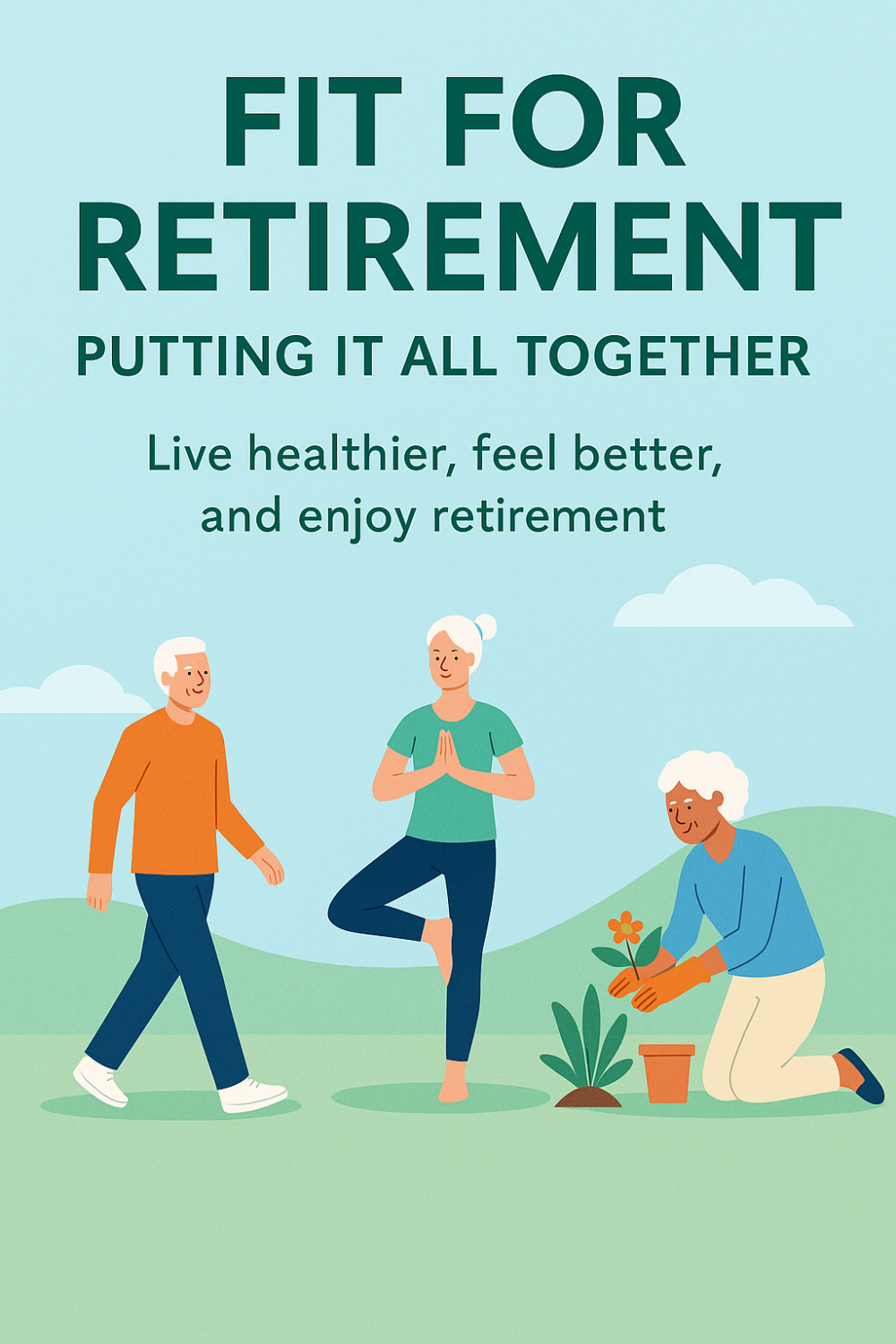
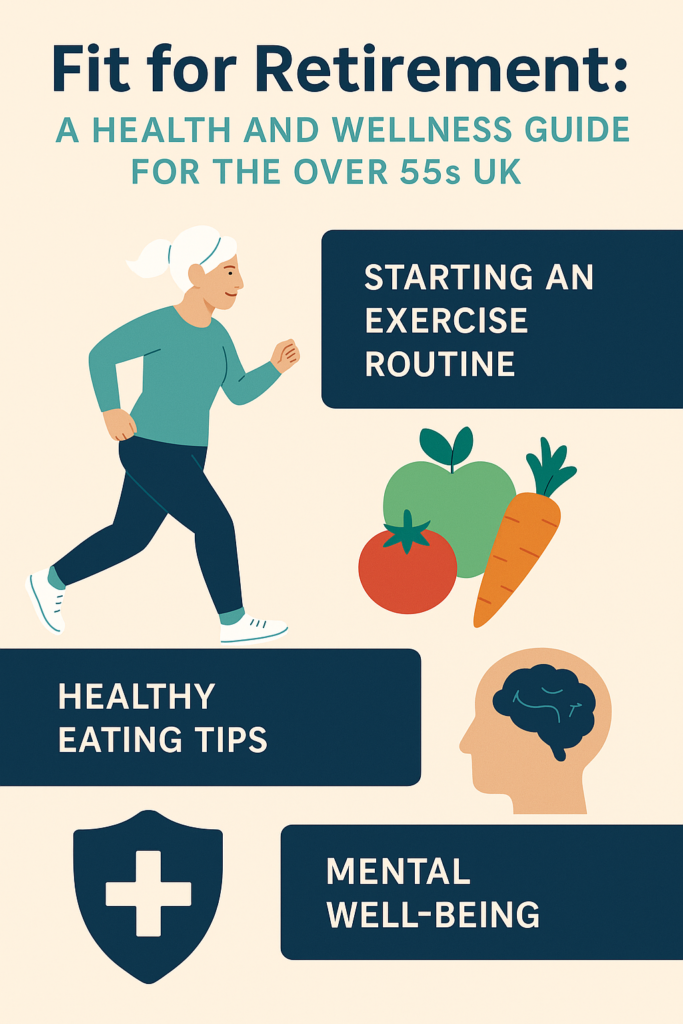
Fit for Retirement: A Health and Wellness Guide for the Over 55s UK
Is your essential roadmap to thriving in your later years.
Packed with practical advice, 2025 updates, and UK-specific tips, this ebook helps you boost your physical, mental, and emotional well-being after 55. Whether you’re newly retired or planning ahead, this guide empowers you to stay active, eat better, manage stress, and embrace a more fulfilling lifestyle.
Join thousands of readers improving their quality of life—this isn’t just about living longer, it’s about living better.
Perfect for over 55s ready to make the most of every moment.
Take the first step toward a healthier, happier retirement! Purchasing ebook now grants you discount on Retirement Club One-Off Lifetime Membership giving additional retirement lifestyle improvement exclusive content.
Chapter 1: Introduction – Why Health and Wellness Matters After 55
A New Chapter, A New Opportunity
Reaching the age of 55 marks a powerful transition. It’s a stage where life experience, wisdom, and independence intersect with new questions about the future. For many in the UK, 55 is a gateway to retirement planning, downsizing, or finally pursuing long-postponed passions. But it’s also a critical turning point for health and wellness.
People are living longer than ever. According to the Office for National Statistics (ONS), life expectancy in the UK is now over 79 for men and 83 for women. Many can expect to live well into their 90s. The question then becomes: how will those later years look? Will they be spent managing illness and fatigue — or filled with energy, engagement, and enjoyment?
The difference lies in choices made today. That’s where this guide begins.
⸻
The Reality of Health After 55 in the UK
As of 2025, over 22 million people in the UK are aged 50 or older, with those over 55 representing a significant and growing segment of the population. While many over 55 enjoy good health, this is also the age when risks of chronic conditions like type 2 diabetes, high blood pressure, arthritis, and cardiovascular disease start to increase.
The NHS continues to promote healthy aging initiatives, but waiting until problems arise is a reactive approach. The truth is: preventing decline is far easier than reversing it.
Many issues that are often written off as “just aging” — fatigue, brain fog, aches and pains — are frequently the result of poor lifestyle choices that can be changed.
⸻
Why Health and Wellness Should Be a Priority Now
1. Health is Freedom
When you’re in your 30s or 40s, it’s easy to take your body for granted. But after 55, even minor issues can limit what you can do, where you can go, and how you experience the world.
Good health gives you choices — the choice to travel, take care of grandchildren, enjoy hobbies, or start a second career. Without it, those options shrink rapidly.
2. It’s Not Too Late
There’s a common myth that lifestyle changes after a certain age are too little, too late. Nothing could be further from the truth.
Research shows that even small changes after age 55 — like walking more, eating more vegetables, or getting better sleep — can dramatically reduce the risk of chronic disease and even reverse some early signs of decline.
One study published in The Lancet Healthy Longevity in 2024 showed that people aged 55–70 who increased their physical activity to just 150 minutes per week reduced their risk of premature death by 32%, regardless of previous habits.
3. Modern Medicine Meets Preventative Living
The NHS continues to advance in diagnostics, early screenings, and medications. But the biggest shift in 2025 is the focus on lifestyle medicine — using behaviour, not just pills, as the front line of health care.
From social prescribing to wellness coaching on the NHS, the UK is moving toward empowering individuals to take control of their own health.
⸻
What Is “Wellness” Anyway?
The word “wellness” gets thrown around a lot — but what does it actually mean?
True wellness is not just the absence of disease. It’s the presence of energy, purpose, emotional strength, social connection, and the ability to enjoy life. It’s:
• Having the stamina to walk the Scottish Highlands.
• Having the mental focus to learn something new.
• Having the emotional peace to enjoy relationships.
In this guide, health and wellness include the following dimensions:
• Preventative Care: screenings, medical checkups, medications where needed.
• Social Wellness: friendships, community, sense of belonging.
• Purposeful Living: goals, passions, new directions in retirement.
⸻
Understanding the Risks (and How to Beat Them)
Here are some of the top health issues facing people over 55 in the UK — and why a wellness approach can help prevent or manage them.
1. Cardiovascular Disease
• Affects 1 in 5 people aged 55+.
• Linked to high blood pressure, poor diet, inactivity, and stress.
• Lifestyle changes (exercise, diet, stress reduction) are first-line prevention.
2. Type 2 Diabetes
• Increasing rapidly in people over 55.
• Often reversible with weight loss, dietary changes, and more movement.
3. Arthritis and Joint Pain
• Common but not inevitable.
• Anti-inflammatory diets, movement, and strength training help maintain mobility.
4. Dementia and Cognitive Decline
• UK studies (2023–2024) show brain plasticity remains high into our 70s.
• Mental stimulation, healthy fats, sleep, and social engagement all reduce risk.
5. Loneliness and Mental Health
• A silent epidemic, especially among over-55s who live alone or are retired.
• Wellness strategies include joining clubs, volunteering, or pursuing group hobbies.
⸻
Retirement Is Not the End — It’s a Launchpad
For some, the word “retirement” signals slowing down. But for a growing number of over 55s, it’s an opportunity to reinvent, reconnect, and recharge.
Whether you’re planning to retire soon, are already retired, or are still working part-time, your 50s, 60s, and 70s can be some of the most energetic and fulfilling years — but only if your health supports the life you want.
⸻
What This Book Will Help You Achieve
This book is your roadmap to living stronger, longer, and happier. You’ll discover:
• How to eat for energy and longevity without expensive diets.
• Fitness tips tailored to older bodies (and busy schedules).
• Mental wellness practices that reduce stress and improve memory.
• Preventative health steps that work within the NHS system.
• Daily routines that enhance quality of life without overwhelming change.
Each chapter includes practical tips, checklists, and real-life examples from across the UK — from active retirees in Cornwall to healthy walkers in the Highlands.
⸻
Your Next Step
Don’t worry about changing everything overnight. This journey isn’t about perfection. It’s about progress.
Chapter by chapter, we’ll build a sustainable, realistic approach to health and wellness that suits your goals, your schedule, and your body — starting with understanding the unique ways your body changes after 55.
⸻
Next Up: Chapter 2 – Understanding the Aging Body and Mind
Chapter 2: Understanding the Aging Body and Mind
A Time of Transition — Not Decline
Aging doesn’t mean decline. It means change. And with change comes opportunity. For people over 55 in the UK, understanding what’s actually happening in the body and mind during this stage of life is critical to staying in control.
Too often, older adults are led to believe that gaining weight, feeling tired, losing strength, or becoming forgetful are just part of “getting old.” But many of these changes are not inevitable. They are symptoms of outdated habits or neglect — not the passage of time itself.
This chapter will explore the real science of aging as we know it in 2025, and show you how knowledge is power when it comes to health.
What Happens to the Body After 55?
Everyone ages differently, depending on genetics, lifestyle, and environment. But certain physiological changes are common after 55:
1. Muscle Mass Declines (Sarcopenia)
After age 50, people typically lose about 1–2% of muscle mass per year unless they actively work to maintain it.
Why it matters: Less muscle means less strength, balance, and mobility — and a slower metabolism.
What helps: Resistance training (even bodyweight), protein-rich diets, and staying active daily.
2. Bone Density Reduces
This is especially true for post-menopausal women due to declining oestrogen levels. Osteopenia and osteoporosis increase fracture risk.
What helps: Weight-bearing exercise (like walking or dancing), calcium and vitamin D, and regular bone density scans.
3. Metabolism Slows
As we age, our bodies need fewer calories, but not fewer nutrients. This can lead to weight gain, particularly around the middle.
What helps: Mindful eating, strength training to boost resting metabolism, and avoiding processed sugar.
4. Joint Flexibility and Cartilage Decrease
Arthritis becomes more common after 55, particularly in the knees, hips, and hands.
What helps: Stretching, anti-inflammatory foods (like oily fish and leafy greens), and low-impact movement (like swimming or yoga).
5. Vision, Hearing, and Balance Can Change
These are subtle changes that affect daily confidence and safety.
What helps: Regular eye and hearing tests, balance exercises (like tai chi), and environment adaptations at home.
The Ageing Brain: What to Expect and How to Protect It
The brain does change as we age, but not always in the way people expect. Forgetting names occasionally? Normal. Losing interest in new things or withdrawing from others? Not normal.
Common Changes After 55:
Processing speed slows slightly — reaction times are longer.
Multitasking becomes harder — but focusing on one thing at a time improves.
Recall (retrieving information) slows down — but recognition stays strong.
Emotional regulation often improves — older adults tend to be calmer.
Cognitive Decline Is Not Inevitable
According to a 2024 Alzheimer’s Research UK report, lifestyle factors play a greater role in dementia risk than genetics.
What helps:
Regular physical activity.
Brain challenges (puzzles, learning languages or instruments).
Some men experience lower libido, energy, or mood changes.
What helps:
Strength training and cardiovascular exercise.
Healthy fats and sleep.
GP consultations for blood tests if symptoms are significant.
Psychological Transitions After 55
While the body shifts, so does your sense of self.
1. Retirement Identity Shift
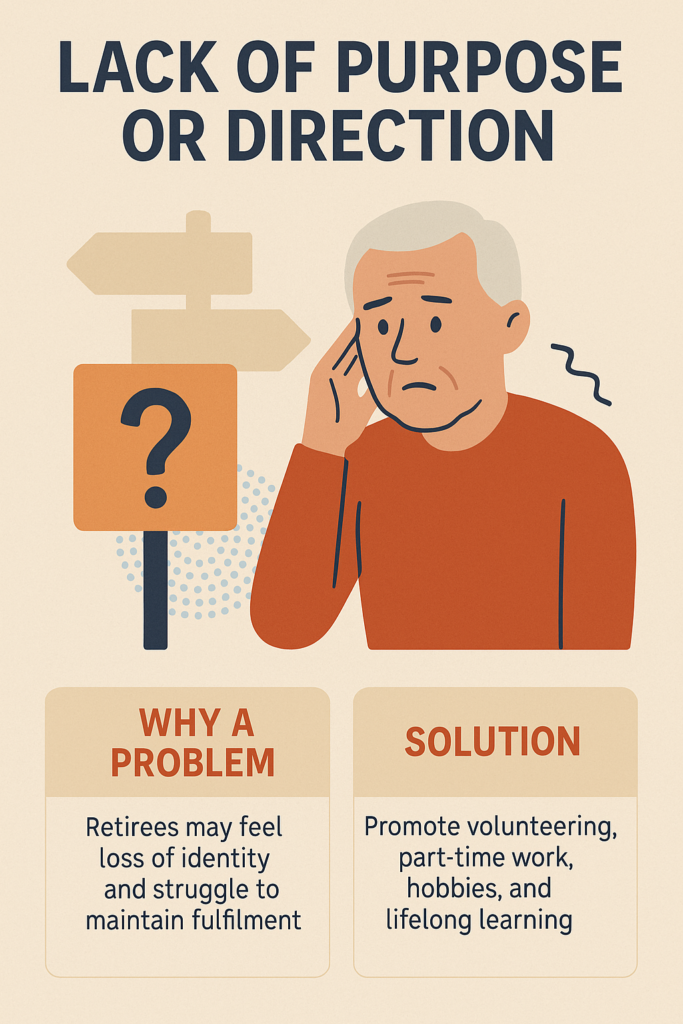
Many struggle with the transition from work to retirement. The sudden absence of routine or purpose can lead to low mood or anxiety.
Solution: Build a new identity based on what you value, not what you used to do. That could be volunteering, mentoring, or learning.
2. Dealing with Loss
Bereavement, health scares, or caring for a partner are more likely to occur after 55. These life events can cause emotional and physical strain.
Solution: Seek support early. Local NHS services and charities like Age UK and Cruse Bereavement Care offer help.
3. Rediscovering Purpose
This can be one of the most fulfilling psychological changes. With fewer responsibilities, many over 55s rediscover hobbies, passions, or social causes.
The Role of Sleep and Recovery in Ageing Well
Sleep quality often declines after 55 due to hormonal changes, stress, or medical conditions.
Trouble falling asleep.
Waking frequently.
Feeling tired despite hours in bed.
Why it matters: Poor sleep is linked to increased risks of heart disease, obesity, diabetes, and dementia.
What helps:
Consistent sleep schedule.
Limiting screen time in the evening.
Avoiding caffeine and alcohol late in the day.
Creating a calm bedtime routine.
Your Body, Your Story — Take Control
Many people over 55 feel betrayed by their bodies. But the reality is, your body is still capable of growth, healing, and strength. You simply need to give it the right environment.
Understanding these natural changes means you can respond proactively, not reactively. You don’t need to accept weakness, stiffness, or tiredness as your new normal.
Instead, embrace this chapter as a time to adapt and invest in yourself.
Coming Up Next
In Chapter 3, we’ll get practical with what to eat to fuel your body after 55 — without giving up the pleasure of food.
Chapter 3: Nutrition for Longevity and Energy
Why Food Becomes Even More Important After 55
As we age, our nutritional needs change — not because we need less, but because we need better. After 55, every meal becomes an opportunity to prevent illness, boost energy, protect your brain, and support your immune system.
According to the NHS and the British Dietetic Association (2025), older adults in the UK are increasingly at risk of “hidden hunger” — eating enough calories, but lacking vital nutrients. This chapter explores how to eat for vitality, manage common age-related challenges, and enjoy food as a source of well-being, not just fuel.
The Core Goals of Nutrition After 55
Your ideal diet at this stage should aim to:
Preserve muscle and support bone strength.
Maintain a healthy weight while reducing belly fat.
Support cognitive function and heart health.
Aid digestion and reduce inflammation.
Boost energy levels and immune response.
And it must do all this while still being enjoyable, realistic, and affordable.
The Essentials: What Your Body Needs More Of
1. Protein
After 55, protein is critical to protect muscle mass and bone density.
Target: 1.0 to 1.2 grams per kilogram of body weight daily.
Best sources: Eggs, poultry, fish, tofu, lentils, beans, Greek yoghurt, milk, and lean red meat.
Quick Tip: Spread your protein across meals. Don’t save it all for dinner.
2. Fibre
Digestion slows with age. Fibre supports regular bowel movements and helps lower cholesterol.
Target: At least 30g per day.
Best sources: Oats, whole grains, fruits (especially berries and apples), vegetables, legumes, nuts, and seeds.
Quick Tip: Increase fibre slowly and drink more water to avoid bloating.
3. Healthy Fats
The right fats reduce inflammation and support brain health.
Best sources: Olive oil, avocado, oily fish (like salmon, mackerel, sardines), walnuts, and flaxseeds.
Avoid trans fats and reduce saturated fats (like those in pastries and processed meats).
4. Calcium and Vitamin D
Essential for bone health, especially post-menopause.
Vitamin D: The UK government recommends all adults over 55 take a 10 mcg supplement daily from October to March.
5. B Vitamins and Omega-3s
B12: Needed for energy and nerve function. Absorption decreases with age. Found in meat, dairy, and fortified cereals.
Omega-3s: Found in oily fish, flaxseeds, walnuts — crucial for heart and brain health.
Consider: Supplements if your intake is low, especially for B12 and Omega-3s.
What to Limit or Avoid
Refined sugar: Linked to weight gain, insulin resistance, and inflammation.
Highly processed foods: These often contain hidden salt, sugar, and unhealthy fats.
Too much alcohol: Affects sleep, liver, and mood. The NHS recommends no more than 14 units per week — ideally spread out over 3+ days.
Sample One-Day Meal Plan for Over 55s (UK)
Breakfast:
Porridge made with semi-skimmed milk or fortified oat milk
Topped with berries, ground flaxseed, and a spoon of Greek yoghurt
Mid-Morning Snack:
A boiled egg and a handful of cherry tomatoes
Lunch:
Grilled salmon salad with rocket, avocado, chickpeas, and olive oil dressing
Whole grain bread on the side
Afternoon Snack:
A small handful of unsalted nuts
A cup of green tea
Dinner:
Stir-fry with chicken breast or tofu, broccoli, carrots, and brown rice
Flavoured with ginger, garlic, and sesame oil
Evening:
Herbal tea and a square of 70% dark chocolate
Managing Common Challenges After 55
Slower Digestion?
Eat smaller meals more frequently.
Add probiotics (e.g., kefir or yoghurt).
Increase daily walking.
Poor Appetite?
Add herbs, spices, and citrus to boost taste.
Eat nutrient-dense mini-meals (like soup with lentils or smoothies with protein powder).
Budget Concerns?
Buy frozen fruits and vegetables.
Use tinned fish (like sardines) for omega-3s.
Batch-cook meals and freeze portions.
Staying Hydrated
Hydration is often overlooked but becomes more vital after 55. Even mild dehydration can cause fatigue and confusion in older adults.
Aim: 6–8 glasses of water a day.
Also count: herbal teas, milk, and soups.
Watch out: Relying on thirst alone may not be enough. Make it a habit.
Joyful Eating: Your Relationship with Food
Food is more than nutrition — it’s also emotional, social, and cultural. In 2025, there’s a shift toward mindful eating, where meals are savoured, not rushed.
Eat without screens.
Focus on flavour and texture.
Share meals with others when possible.
Mindful eating improves digestion, reduces overeating, and makes meals more fulfilling.
Summary: Eat Well, Age Better
You don’t need to follow fads or cut out food groups. Instead, aim for balance, variety, and consistency. Your 55+ body will thank you with more energy, stronger bones, and a clearer mind.
Eating well is not about discipline — it’s about self-respect and future-proofing your lifestyle.
Coming Up Next
In Chapter 4, we’ll move from the kitchen to the gym, park, or living room — wherever you prefer to move — and explore how to stay fit and active safely after 55.
Chapter 4: Staying Active — Exercise That Works for Over 55s
Why Movement Matters More Than Ever
After 55, physical activity isn’t just about looking good — it’s about maintaining independence, preventing illness, and enhancing quality of life. According to the NHS and UK Active (2025), just 30 minutes of moderate activity most days can:
Reduce your risk of heart disease, stroke, type 2 diabetes, and cancer
Improve balance and flexibility, reducing falls
Enhance memory, mood, and mental health
Protect joints and bones
Help maintain a healthy weight
Exercise truly is medicine — and it’s never too late to start.
Common Myths About Exercise Over 55
“I’m too old to start now.”
Wrong. Studies show that people starting exercise in their 60s or even 70s gain major health improvements.
“Exercise is too risky for me.”
With proper guidance and warm-up routines, exercise reduces injury and fall risk — it doesn’t increase it.
“I have arthritis or chronic pain — I can’t move much.”
Gentle, low-impact movement like swimming, tai chi, or walking can actually reduce stiffness and pain.
The 4 Pillars of Fitness for Over 55s
1. Cardiovascular Exercise
(for heart and lungs)
Goal: 150 minutes of moderate-intensity cardio per week (e.g., brisk walking, cycling, dancing)
Great options:
Brisk walks in the park or along coastal paths
Cycling on flat terrain
Swimming or aqua aerobics
Dancing (in a class or at home with music)
Gardening or active housework
2. Strength Training
(to protect muscle and bones)
Goal: 2 days per week of resistance exercises
Why it matters:
After age 50, we lose 1–2% of muscle mass per year if we don’t train. Resistance training helps:
Tip: You don’t need a gym. Strength training can be done at home in under 30 minutes.
3. Flexibility and Balance
(to stay agile and safe)
Goal: Stretching or mobility exercises 3–5 times per week
Top choices:
Yoga (especially classes designed for seniors)
Tai Chi (proven to improve balance and reduce falls)
Daily stretching routine after waking or before bed
Try this 3-minute routine:
Neck rolls
Shoulder shrugs
Gentle hamstring stretch
Standing calf stretch
Ankle circles
4. Everyday Functional Movement
Not all activity needs to feel like “exercise.” Walking up stairs, playing with grandchildren, doing the shopping — it all adds up.
Tip: Use a pedometer or fitness app to track steps. Aim for 6,000–8,000 steps a day (adjust to your ability).
Home vs. Gym vs. Outdoors
Home: Great for convenience. Try YouTube workouts for over 55s or NHS Fitness Studio online.
Gym: Provides structure and equipment. Look for classes tailored to your age group — many gyms now offer “Active 55” or “Forever Fit” sessions.
Outdoors: Walking groups, hiking, golf, or community park fitness classes offer movement plus fresh air and social contact.
Overcoming Common Barriers
“I Don’t Have Time”
Start small — even 10 minutes a day is beneficial. Build up gradually. Habit is more important than intensity.
“I’m Not Motivated”
Try exercising with a friend or joining a group. Put exercise into your schedule like an appointment. Use music, podcasts, or audiobooks to make it more fun.
“It’s Raining — Again”
Welcome to the UK! Invest in good waterproofs and shoes. Or do home-based routines when weather blocks your usual walk.
Real-Life Examples: Active Over 55s in the UK
Pam, 62, from Devon
Started doing seated strength workouts on YouTube during lockdown and now lifts light weights twice a week — “My knees feel better, and I sleep more deeply.”
George, 70, from Manchester
Joined a local walking football club. “I get my heart pumping, and I’ve made new mates. Best decision I’ve made since retiring.”
Sheena, 58, from Fife
Practices yoga 4 times a week to ease arthritis. “My joints are more flexible, and it’s helped my mental health too.”
Staying Safe: Exercise Tips for Over 55s
Warm up and cool down properly
Wear suitable, supportive footwear
Stay hydrated
Know your limits — if something hurts, stop
Talk to your GP if starting from a sedentary lifestyle or managing a health condition
Summary: Move Your Way, Every Day
You don’t have to run marathons or join a bootcamp. But daily movement — tailored to you — is non-negotiable for aging well. The key is consistency, enjoyment, and listening to your body.
Exercise in your 50s, 60s, 70s and beyond isn’t about performance — it’s about freedom.
Coming Up Next
In Chapter 5, we explore the mind-body connection and why mental wellness is just as essential as physical fitness after 55.
Chapter 5: Mental Wellness and Emotional Health Over 55
Why Mental Health Matters More As We Age
After 55, our lives shift in many ways — careers slow down, families evolve, and bodies change. While much of the focus tends to fall on physical health, mental and emotional wellness is equally crucial. In fact, the World Health Organization (2025) reports that one in four people over 60 experiences mental health challenges, often in silence.
Good mental health isn’t just about avoiding depression or anxiety. It’s about resilience, emotional balance, purpose, and social connection — key pillars of a fulfilling retirement.
Common Mental Health Challenges After 55
Understanding what to look out for is the first step to improving your mental wellness.
1. Loneliness and Social Isolation
Over 50% of people over 55 in the UK report feeling lonely at least some of the time (Age UK, 2025).
Retirement, bereavement, or children moving away can shrink social circles.
Solution: Reconnect intentionally. Join hobby groups, volunteer, or explore digital communities.
2. Depression
Often underdiagnosed in older adults, symptoms can include low mood, loss of interest, fatigue, and sleep issues. It’s not a normal part of aging — and it’s treatable.
Solution: Seek help early. Talk to your GP or explore NHS talking therapy services.
3. Anxiety
Worries about health, finances, or the future can fuel anxiety in later life.
Solution: Grounding techniques, breathwork, and structured routine can help. Cognitive Behavioural Therapy (CBT) is highly effective.
Strengthening Your Mind in Daily Life
1. Stay Connected
People with strong social ties are 40% less likely to develop cognitive decline.
Make regular phone or video calls with family and friends.
Join in-person clubs (like U3A, walking groups, or Men’s Sheds).
Consider volunteering — helping others boosts your own wellbeing.
2. Keep Learning
Mental stimulation maintains brain plasticity and slows cognitive decline.
Learn a new language or musical instrument
Try a new creative hobby — photography, painting, or crafting
Use apps like Lumosity or do puzzles and crosswords regularly
Tip: Adult learning classes are widely available across the UK and often discounted for over 55s.
3. Mindfulness and Meditation
Practicing mindfulness just 10 minutes a day reduces stress, enhances sleep, and improves focus.
Try this basic practice:
Sit comfortably with your eyes closed.
Focus on your breathing — the sensation of air entering and leaving your nose.
When your mind wanders (it will), gently bring it back to your breath.
Apps like Headspace, Calm, and Balance now offer free or reduced rates for seniors.
The Power of Purpose
Studies show that people who feel a sense of purpose live longer and healthier lives. After retirement, this purpose may shift — but it’s still essential.
Ask yourself:
What makes me feel useful?
What do I enjoy doing so much that I lose track of time?
How can I give back to others or share my experience?
Ideas:
Mentoring younger professionals
Starting a blog, podcast, or photo journal
Helping in your community or faith group
Emotional Fitness: Building Resilience
Emotional resilience is your ability to bounce back from challenges. Like physical strength, it can be built with practice.
Strategies:
Reframe negative thoughts
Practice gratitude (e.g., writing 3 things you’re thankful for daily)
Accept what you can’t control — and take action where you can
Prioritise rest and healthy boundaries
Sleep, Mood, and the Mind
Sleep patterns can change after 55 — often resulting in lighter or shorter sleep.
Better sleep improves memory, mood, and emotional stability.
Real Voices: Emotional Wellness Stories
Eileen, 66, from Newcastle
“I started journaling every morning after my partner died. It helped me feel heard — even just by myself.”
Rob, 72, from Kent
“I joined a book club and learned more about life in a few months than I did in years. Talking with others makes a difference.”
Naz, 59, from Birmingham
“Yoga helped me manage anxiety. I breathe more calmly now, even in stressful situations.”
Summary: A Healthier Mind for a Better Life
Mental and emotional wellbeing is not a luxury — it’s foundational. Prioritising it in your 50s, 60s and beyond is an investment in the years ahead. Whether through stronger relationships, new skills, or greater peace of mind, taking care of your mental health will make every other part of your life richer.
Coming Up Next
In Chapter 6, we’ll explore how your social life and support network shape your health, happiness, and how well you age.
Chapter 6: The Role of Social Connections in a Healthy Retirement
The Surprising Health Power of Friendship
In 2025, studies by Public Health England and Age UK reinforce what many instinctively know: social connections are as vital to your health as diet and exercise. In fact, being socially isolated can be as harmful as smoking 15 cigarettes a day.
As we get older, maintaining friendships and support networks becomes more than a pleasure — it becomes a lifesaving strategy for better health, mental sharpness, and longevity.
Why Social Bonds Are Critical After 55
Mental Health: Strong social ties reduce the risk of depression and anxiety.
Cognitive Health: Regular interaction helps keep the brain active and responsive.
Physical Health: Those with a solid social network tend to recover more quickly from illness and are more likely to stay physically active.
Longer Life: A 2025 study by the UK Centre for Ageing Better found that older adults with rich social lives live, on average, 7 years longer than those who are isolated.
Common Social Challenges After Retirement
Retirement often brings a loss of daily interaction — no more chats with colleagues, team meetings, or work events. Add to that:
Children moving away
Loss of a partner or close friends
Limited mobility or transport options
Feeling “out of place” in younger social settings
It’s easy to unintentionally drift into isolation.
Rebuilding and Expanding Your Social Network
The good news: You can actively grow and strengthen your support system at any age.
1. Rekindle Old Friendships
Reach out to friends you may have lost touch with. A quick message or call can rekindle a valuable connection.
2. Join Local Groups
Look for community centres, hobby groups, or clubs in your area. Options include:
U3A (University of the Third Age)
Walking clubs or Ramblers groups
Faith-based groups
Choirs, knitting circles, art classes
3. Volunteer
Helping others is a powerful way to meet people and gain purpose. Explore opportunities via:
Markets, exhibitions, open mic nights, and social meetups can break up routine and lead to meaningful interactions.
Digital Connection Counts Too
In today’s world, being digitally connected is often the gateway to staying socially connected.
Video chats with distant friends and family
Facebook groups or local online forums (e.g., Nextdoor, Meetup.com)
Online clubs (virtual book clubs, exercise classes, hobby groups)
Not confident online? Free training is available via libraries and community digital inclusion schemes.
Real-Life Examples of Social Wellness
Jean, 67, from Liverpool
“I joined a local photography club. I’d never picked up a camera before retirement, and now I’ve got a new hobby and a new group of mates.”
Colin, 71, from Somerset
“I felt lonely after my wife passed. Volunteering at the community café gave me a reason to get up in the morning — and a new social circle.”
Mira, 58, from London
“I created a WhatsApp group for neighbours over 50. We swap advice, recipes, and meet once a week for a walk.”
Practical Steps to Strengthen Social Wellness
Make one social plan per week — coffee, phone call, or meet-up
Smile and start conversations — even small talk builds rapport
Be open to friendships with different age groups
Say “yes” more often to invitations, even if you’re unsure
Create regular traditions — a monthly lunch or shared walk builds momentum
Summary: We’re Healthier Together
You don’t need a huge social circle — just a few meaningful connections can transform your retirement. Prioritising people, conversation, and connection is as powerful for your health as any pill, superfood, or workout.
Coming Up Next
In Chapter 7, we turn to an essential topic: Nutrition After 55 — Fueling a Long, Healthy Life.
Chapter 7: Nutrition After 55 — Fueling a Long, Healthy Life
Why Nutrition Becomes Even More Important With Age
After 55, your body’s needs begin to change. You may need fewer calories but more nutrients to maintain energy, strength, and good health. A balanced diet helps prevent illness, manage chronic conditions, and improve how you feel day to day.
In 2025, NHS guidelines emphasise nutrient-dense meals that support bone health, heart function, brain performance, and digestion — all crucial for ageing well.
Common Nutritional Challenges Over 55
Slower metabolism: You may burn fewer calories, but your body still needs key nutrients.
Changes in appetite: Hormones and medications can affect hunger levels or taste preferences.
Dental issues: Difficulty chewing or swallowing can reduce food variety.
Absorption issues: Some nutrients (like B12, calcium, and vitamin D) are harder for older bodies to absorb.
Ignoring these challenges can lead to fatigue, weakened immunity, bone loss, and cognitive decline.
The Building Blocks of a Healthy Over-55 Diet
1. Protein: Muscle Maintenance and Repair
Supports muscle mass, immune function, and recovery
Aim for: lean meat, fish, eggs, legumes, tofu, and dairy
Example: Add a boiled egg or cottage cheese to your salad.
2. Fibre: Gut Health and Cholesterol Control
Supports digestion and reduces constipation risk
Aim for: whole grains, beans, fruit, veg, nuts, and seeds
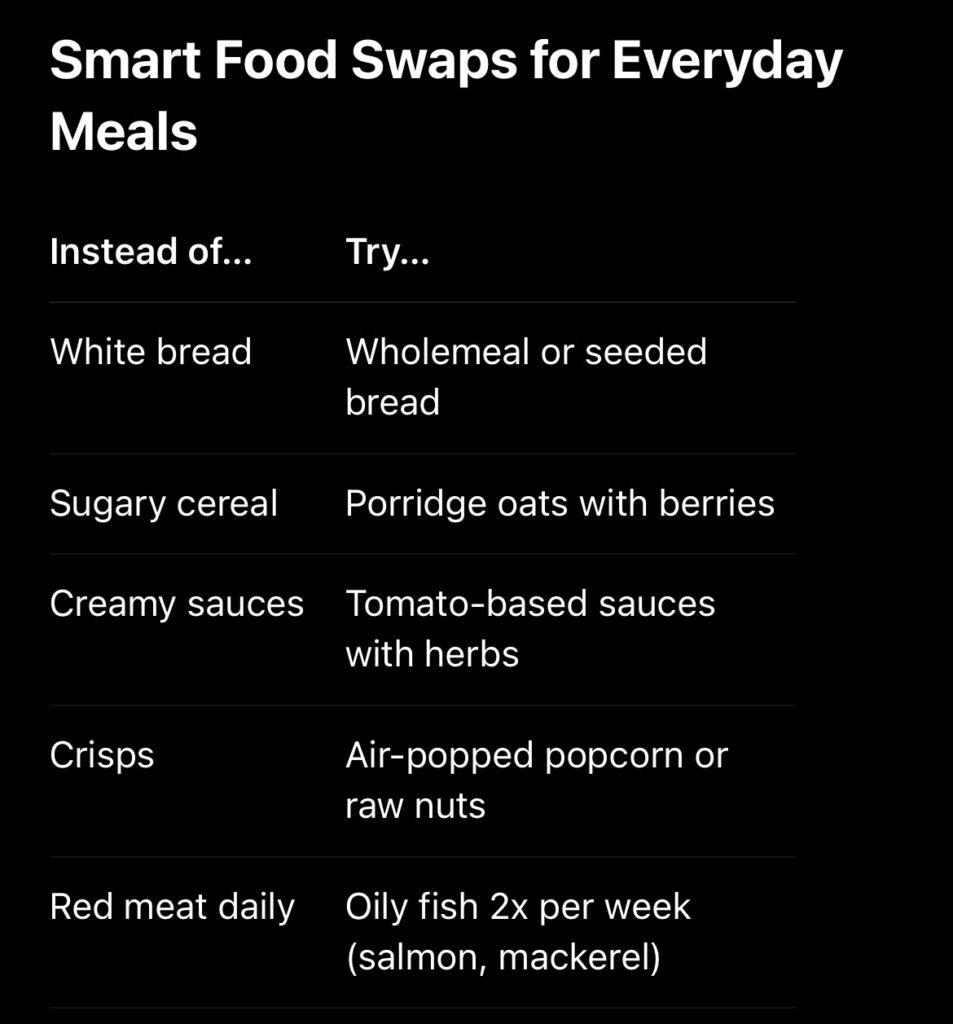
Example: Switch to wholemeal bread or oats for breakfast.
3. Calcium and Vitamin D: Strong Bones and Teeth
Vital to prevent osteoporosis and fractures
Aim for: milk, cheese, yoghurt, leafy greens, fortified foods, and safe sunlight exposure (10–20 mins daily)
Tip: Over-65s should consider a daily 10 microgram Vitamin D supplement, especially in winter.
4. Healthy Fats: Brain and Heart Support
Opt for unsaturated fats from avocados, oily fish, olives, seeds, and nuts
Limit saturated fats (butter, cream, fatty meats)
Example: Snack on a handful of almonds instead of biscuits.
5. Hydration: Energy and Digestion
Older adults often don’t feel thirsty but still need at least 6–8 glasses of fluid per day
Water, herbal teas, and soups all count
The UK’s Eatwell Guide for Over 55s (2025 Adaptation)
The Eatwell Guide provides a visual breakdown of what your daily plate should look like:
1/3 fruit and veg
1/3 whole grains and starchy carbs
1/6 protein (plant or animal-based)
1/6 dairy or calcium-rich alternatives
Small amounts of healthy fats
Tip: Portion sizes matter more than ever. Use smaller plates and be mindful when eating.
Batch cooking: Make soups, stews, and casseroles in bulk
Frozen veg: Just as nutritious and cuts prep time
Cook once, eat twice: Roast extra veggies for next day’s salad or soup
Example day of eating:
Breakfast: Porridge with banana and walnuts
Lunch: Grilled chicken and avocado salad with wholemeal roll
Snack: Apple with peanut butter
Dinner: Baked salmon, new potatoes, steamed broccoli
Hydration: Herbal tea, water, low-fat milk
Nutrition Myths for Over 55s — Busted
“I need fewer nutrients because I eat less.” You need more nutrient-rich foods, not fewer.
“Supplements replace food.” Supplements should only top up gaps in your diet — not be the main source.
“Eating healthy is expensive.” Frozen veg, tinned fish, beans, and seasonal produce are affordable and nutritious.
Special Dietary Considerations
Diabetes: Focus on slow-release carbs and limit sugar
High blood pressure: Reduce salt and processed foods
Arthritis: Anti-inflammatory foods like oily fish, berries, and turmeric can help
High cholesterol: Increase soluble fibre and cut down on trans fats
Speak with your GP or a registered dietitian for personalised advice.
Real Stories: Nutrition That Transforms
Gillian, 60, from Glasgow
“I cut down on sugar and added more protein. Within weeks, I had more energy and fewer cravings.”
Martin, 68, from Bath
“My knees ached constantly. Since I started adding oily fish and turmeric to my meals, the inflammation’s gone down.”
Summary: Eat Well to Age Well
Eating healthily after 55 isn’t about restriction — it’s about nourishing your body for vitality. With the right choices, food becomes a powerful tool for living longer, moving better, and feeling your best every day.
Coming Up Next
In Chapter 8, we’ll explore Staying Active: Tailored Fitness for Over 55s, including practical ways to move more and reduce injury risk.
Chapter 8: Staying Active — Tailored Fitness for Over 55s
Why Movement Matters More After 55
As we age, physical activity becomes less about performance and more about preservation — of independence, strength, balance, and quality of life. The 2025 NHS guidelines stress that being active is one of the most important things you can do to maintain your health and mobility.
Regular movement helps to:
Lower the risk of heart disease, stroke, and type 2 diabetes
Improve mental health and reduce depression or anxiety
Boost bone strength and prevent falls
Maintain flexibility, joint mobility, and coordination
Preserve muscle mass, aiding independence into your 70s, 80s, and beyond
You don’t need to become a gym addict. Small, consistent activity adds up — and it’s never too late to start.
How Much Exercise Should Over 55s Get?
According to 2025 NHS and World Health Organization recommendations:
Local leisure centres and councils offer reduced-cost classes for older adults
Summary: Motion is Medicine
Movement is one of the most powerful ways to protect your health after 55. It’s not about hitting the gym — it’s about building a routine that keeps you active, mobile, and confident in your body for years to come.
Even better, exercise often leads to more social connections, improved sleep, and a brighter mood — a true lifestyle win.
Coming Up Next
In Chapter 9, we’ll focus on another core area of wellness: Sleep and Stress — Resetting Your Mind and Body for Better Living.
Chapter 9: Sleep and Stress — Resetting Your Mind and Body for Better Living
Why Sleep and Stress Management Are Crucial After 55
As we age, our ability to bounce back from poor sleep or prolonged stress declines. Sleep becomes lighter, more fragmented, and stress can hit harder — especially in retirement, post-career transitions, or during caregiving responsibilities.
In 2025, NHS research continues to show that poor sleep and unmanaged stress in over 55s contribute to:
Weakened immune systems
Increased risk of heart disease and stroke
Weight gain and type 2 diabetes
Memory problems and slower cognitive performance
Anxiety, depression, and emotional burnout
Mastering sleep and managing stress aren’t luxuries — they’re essentials for a healthy, longer, and more fulfilling life.
How Sleep Changes After 55
You might notice:
Waking up more often at night
Trouble falling asleep or staying asleep
Feeling less rested even after 7–8 hours
Earlier bedtimes and wake-ups (circadian rhythm shifts)
These changes are normal, but quality sleep is still vital for brain function, hormone regulation, cell repair, and mood stability.
How Much Sleep Do You Need?
Most over 55s need 7 to 9 hours of good-quality sleep per night. But consistency matters more than duration. Poor sleep over time increases the risk of chronic illnesses.
Tips for Better Sleep — The 2025 Sleep Hygiene Guide
1. Stick to a Sleep Schedule
Go to bed and wake up at the same time daily — even on weekends
2. Create a Sleep-Friendly Bedroom
Keep the room dark, quiet, and cool (16–18°C ideal)
Invest in blackout curtains and earplugs if needed
Use your bed for sleep and intimacy only — avoid TV or work
3. Wind Down Properly
Avoid screens 1 hour before bed (blue light disrupts melatonin)
Try gentle stretching, reading, or warm baths
4. Watch What You Eat and Drink
Avoid caffeine after 2pm and limit alcohol
Eat lighter in the evening; spicy or heavy meals can disrupt sleep
5. Limit Daytime Naps
If needed, nap for no more than 30 minutes, before 3pm
Natural Sleep Aids for Over 55s
Herbal teas: Chamomile, valerian root, or lemon balm
Magnesium-rich foods: Almonds, spinach, bananas
Melatonin supplements: Use only if recommended by a GP
Note: Always speak with a doctor before starting supplements, especially if you’re on medication.
Understanding Stress After 55
Later life brings different stress triggers:
Retirement uncertainty
Financial or health worries
Loss of loved ones
Caring for ageing parents or grandchildren
Loneliness or identity shifts
Unmanaged stress can cause inflammation, raise blood pressure, impair memory, and contribute to burnout.
Practical Stress Management Techniques
1. Mindfulness and Meditation
Try guided sessions via Calm, Headspace, or free NHS audio practices
Just 10 minutes per day can reduce anxiety and improve focus
2. Deep Breathing and Relaxation
Try the 4-7-8 method: Inhale 4 seconds, hold 7, exhale 8
Mind (mental health charity): Free guides on stress relief
SilverCloud: Free online CBT for NHS patients in some areas
Age UK Befriending Services: For loneliness and emotional support
Summary: Rest and Reset for Wellness
Great sleep and healthy stress management are cornerstones of wellness after 55. Together, they improve your energy, emotional resilience, physical health, and outlook on life. Prioritising sleep and emotional balance is not selfish — it’s sustainable self-care.
Coming Up Next
In Chapter 10, we’ll conclude your wellness journey with Putting It All Together — Your Personal Wellness Plan for Retirement and Beyond.
Chapter 10: Putting It All Together — Your Personal Wellness Plan for Retirement and Beyond
Why You Need a Wellness Plan
Crossing into your 50s, 60s, or 70s doesn’t mean slowing down — it means living smarter, healthier, and more intentionally. A personal wellness plan gives you a sense of purpose, structure, and confidence. It’s your road map to staying fit for retirement — physically, mentally, and emotionally.
You’ve now explored the key pillars of health in this book:
Mindset and purpose
Nutrition
Movement
Sleep
Stress management
Preventative healthcare
Social connection
Now it’s time to put it all into action in a plan that suits you.
What a Good Wellness Plan Includes
A strong personal health and wellness plan covers:
Daily health habits
Weekly and monthly goals
Check-ins and adjustments
Support and motivation systems
Flexibility for real life
It’s not about perfection — it’s about progress. Consistency over intensity.
Step 1: Set SMART Wellness Goals
Make goals that are:
Specific: “Walk for 20 minutes a day”
Measurable: “Eat five servings of veg daily”
Achievable: “Try yoga twice a week”
Realistic: “Reduce sugar intake by half in one month”
Time-based: “Lose 4 lbs in 8 weeks, not 2 stone in 1”
Example SMART Goal:
“I will do 10 minutes of strength exercises every Monday, Wednesday, and Friday for the next 6 weeks.”
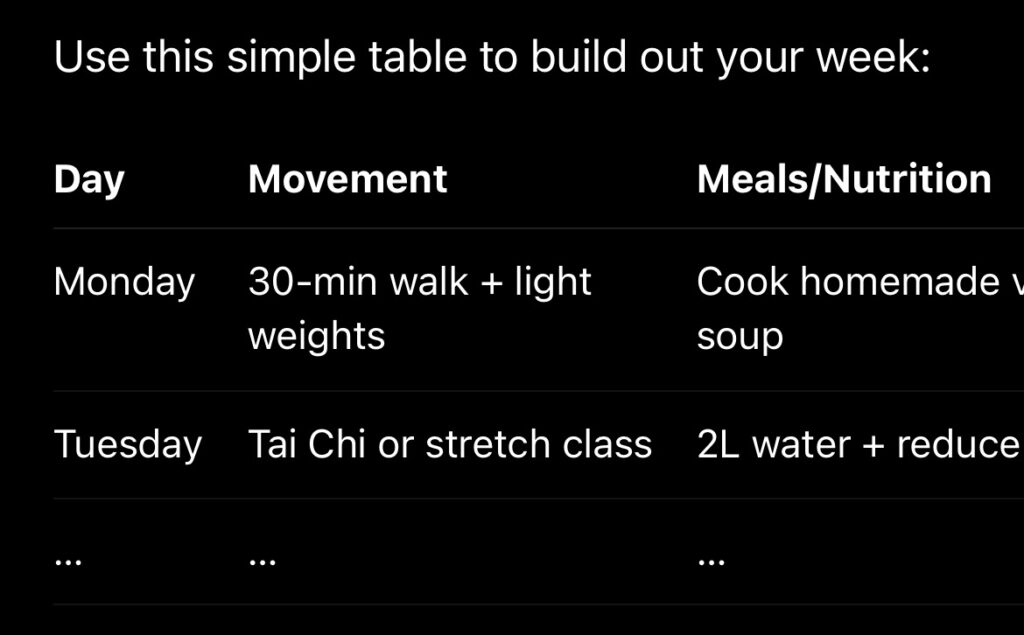
Step 2: Build Your Weekly Wellness Routine
Build Your Weekly Wellness Routine
Keep it visual — use a whiteboard, calendar app, or printable tracker.
Step 3: Make Health Checks Part of Your Plan
Stay proactive with:
Annual GP health checks (blood pressure, cholesterol, glucose)
Routine eye, dental, and hearing tests
Screenings: breast, bowel, prostate
Keep vaccinations (e.g. flu, shingles) up to date
Tip: Book reminders in your calendar now for the year ahead.
Step 4: Create a Support Network
Buddy up with a friend or spouse
Join online or local wellness communities (e.g. U3A, Silverfit, walking clubs)
Consider professional guidance from a nutritionist, personal trainer, or counsellor if needed
Tell friends and family what you’re doing — they can help keep you accountable
Step 5: Track Your Progress — and Celebrate It
Use a journal, habit tracker, or free app like MyFitnessPal or Wellness Coach UK
Reflect weekly: What went well? What felt hard? What needs adjusting?
Celebrate small wins — a new recipe tried, 5,000 steps reached, stress levels reduced
Remember: Improvement beats perfection every time.
Sample Personal Wellness Plan Template (Feel Free to Copy)
Name: _________________________
Start Date: ____________________
Top 3 Priorities:
Daily Habits to Build:
Weekly Goals:
Monthly Health Check-in:
Weight/BMI
Energy levels
Sleep quality
Mood tracker
GP visits?
What If You Fall Off Track?
That’s OK. Life happens — illness, travel, family challenges. What matters is that you:
Pause, reflect, and restart without guilt
Adjust your goals if they feel too hard
Remind yourself why you’re doing this: to live longer, live better, and enjoy retirement to the fullest
You are the author of your own health story — and every day is a new page.
Final Words: Fit for Retirement, Fit for Life
This guide wasn’t just about diet or fitness tips. It’s about empowerment.
You now understand:
Why wellness matters more after 55
How small daily actions can lead to lifelong transformation
How to take control of your health journey with practical tools
That it’s never too late to feel your best — inside and out
Whether you’re 56 or 76, your retirement years can be the healthiest, happiest, and most fulfilling yet.
So here’s to you — for taking the first steps. Now take the next one.
Printable Affirmation Cards – UK English spelling and tone.
Chapter 12: Conclusion: Embracing the Healthiest Years of Your Life
Retirement is not the end of the road—it’s the beginning of a new chapter. For many in the UK over the age of 55, this is a time of reflection, freedom, and opportunity. But to make the most of this stage in life, health and wellness must be the foundation.
This chapter pulls together the key lessons from the book and encourages you to see retirement not just as a slowing down, but as a powerful invitation to revive, reimagine, and reclaim the healthiest years of your life.
The Transition Mindset: Retirement as Reinvention
When people talk about retirement, the conversation often revolves around finances and logistics—pensions, housing, downsizing. Yet, the more transformative aspect of retirement is identity. Who are you now that the 9-to-5 is gone? What will your days look like? How will you spend your energy?
These questions are not existential burdens—they’re springboards to self-renewal. Embracing a positive mindset around retirement is key to seeing it not as an end, but as a reinvention.
This period can become your time to:
Pursue new interests
Rekindle old passions
Travel to dream destinations
Volunteer your time and expertise
Start a small business or community project
Reconnect with family and friends in meaningful ways
Each of these endeavours is enriched when you are physically healthy, mentally sharp, emotionally strong, and socially connected.
Why Health and Wellness Matter More Than Ever
In the UK, people are living longer than ever before, but there’s a stark difference between lifespan and healthspan. The goal is not simply to add years to your life, but life to your years.
Common health issues such as arthritis, cardiovascular disease, diabetes, cognitive decline, and depression disproportionately affect people over 55. But here’s the key: many of these are preventable or manageable through changes in diet, physical activity, social engagement, and mental health support.
Health in retirement is not about chasing perfection. It’s about creating a balanced, sustainable lifestyle that helps you enjoy the richness of life with less pain, more mobility, greater energy, and renewed purpose.
The Eight Pillars of Wellness in Retirement
Throughout this guide, we explored eight core areas of health and wellness that matter most after 55. Let’s briefly revisit each one and highlight practical steps you can continue to take:
1. Nutrition
Fuel your body with whole, nutrient-dense foods. The Mediterranean diet, rich in vegetables, fruits, lean proteins, and healthy fats, remains a top recommendation for longevity.
Key habits:
Plan weekly meals to reduce reliance on processed foods
Reduce added sugars and salt intake
Stay hydrated, especially with water and herbal teas
Consider supplements (e.g., Vitamin D, B12) with GP guidance
2. Physical Activity
Movement keeps you mobile, independent, and resilient. Whether it’s walking, cycling, swimming, or strength training, consistent activity pays dividends.
Key habits:
Aim for 150 minutes of moderate aerobic activity weekly
Add resistance exercises twice a week to maintain muscle mass
Incorporate balance and flexibility exercises like tai chi or yoga
3. Preventative Healthcare
Don’t wait for problems—prevent them. Use your NHS check-ups and screenings to catch issues early.
Key habits:
Book regular GP visits and follow recommended screenings
Manage medications properly and review them annually
Track blood pressure, cholesterol, and blood sugar if at risk
4. Mental Health
Mental wellness is as vital as physical wellness. Retirement can bring unexpected emotional shifts, including loneliness or a loss of structure.
Key habits:
Establish a daily routine to create purpose
Try mindfulness, meditation, or journaling
Don’t hesitate to seek professional help or join support groups
5. Social Wellbeing
Isolation is a serious health risk. Staying connected can improve your mood, memory, and even your immune system.
Key habits:
Join a club or group aligned with your interests
Volunteer or mentor to maintain a sense of purpose
Make socialising a regular part of your week
6. Chronic Condition Management
Many over 55s live with long-term health conditions—but that doesn’t mean life has to stop.
Key habits:
Follow treatment plans and communicate regularly with healthcare providers
Track symptoms and maintain a health journal
Educate yourself about your condition to feel more in control
7. Home Environment
A safe, supportive, and energising home can reduce stress and physical strain.
Key habits:
Declutter and create easy-to-navigate living spaces
Install assistive devices if needed (e.g., grab rails)
Make your environment inspiring with light, plants, or music
8. Sleep and Stress Management
Restorative sleep and stress control help your body reset and protect your mental clarity.
Key habits:
Stick to a consistent sleep schedule
Limit screens before bedtime
Practice relaxation techniques daily
Creating Your Personal Wellness Plan
With all this information, it’s time to turn knowledge into action. The best plan is one that is:
Personalised: Adapted to your interests, lifestyle, and health history
Flexible: Able to change as your needs and circumstances shift
Enjoyable: Built around activities and routines you like (so you stick with them)
Tips for Building Your Plan:
Start Small: Pick one area (like walking daily) and build from there.
Track Progress: Keep a wellness journal or use a health app.
Celebrate Wins: Acknowledge every step forward—big or small.
Stay Curious: Try new activities, foods, or classes.
Be Kind to Yourself: Progress is not linear. Setbacks happen. Keep going.
Inspiring Examples: Real-Life Wellness After 55
Across the UK, many over 55s are reshaping what retirement looks like. Here are just a few examples:
Sandra, 67 from Cornwall: Took up open-water swimming and now leads a group for others her age.
David, 72 from Birmingham: Joined a community garden and found it helped both his physical mobility and mood.
Linda and Pete, 60s from Glasgow: Downsized, bought electric bikes, and now spend weekends cycling to historic sites.
Mark, 59 from London: Attended his first mindfulness class after retiring and now teaches meditation at a local centre.
Their secret? They didn’t aim for perfection. They simply started with what they enjoyed and built consistency around it.
What Will Your Health Legacy Be?
One of the most powerful motivators in retirement is the desire to leave a positive legacy. For many, that includes being a healthy role model for children, grandchildren, friends, or even their community.
What if your legacy was not just financial, but vibrant living? What if you could be the one who shows others that life after 55 can be the healthiest, most fulfilling part of the journey?
It starts with commitment. It starts with a single step. It starts with you.
Final Thoughts
Your body, your mind, and your spirit are your lifelong companions. Retirement is your chance to nurture them all. While ageing brings challenges, it also brings clarity and the freedom to shape your lifestyle like never before.
The best years of your life might just be ahead. With awareness, intention, and the guidance in this book, you now have the tools to live them fully.
So breathe deeply. Step forward boldly. And welcome the healthiest, happiest, most empowered version of yourself.
Get help to target your products or services at over 55s UK seeking to improve their retirement or retirement planning for your business growth in UK
Living by the sea is a dream shared by many. The soothing sound of waves, the salty breeze, and the stunning coastal views create an idyllic lifestyle that attracts people from all walks of life. The United Kingdom, with its rich maritime heritage and diverse coastline, offers numerous coastal towns and cities that provide an exceptional quality of life. In this article, we will explore some of the best places to live by the sea in the UK, highlighting their unique characteristics, attractions, and advantages.
Brighton, East Sussex. Brighton, located on the south coast of England, is a vibrant and diverse city renowned for its bohemian atmosphere and lively entertainment scene. The city boasts a beautiful pebble beach, lined with colorful beach huts and a bustling promenade. Residents of Brighton enjoy a thriving arts and music scene, a wide range of restaurants and cafes, and excellent educational institutions. With its close proximity to London, Brighton offers the perfect balance between city living and coastal charm.
St Ives, Cornwall. Nestled in the picturesque county of Cornwall, St Ives is a charming seaside town that has captivated artists and visitors for centuries. Its narrow cobbled streets, art galleries, and sandy beaches make it an appealing place to call home. St Ives is known for its unique light, which has inspired numerous artists, and its stunning coastal scenery, including the iconic Godrevy Lighthouse. The town also offers a thriving culinary scene, with a variety of seafood restaurants and traditional Cornish pubs.
Edinburgh, Scotland. While not directly on the coast, Edinburgh, the capital of Scotland, offers residents the opportunity to live within close proximity to stunning coastal landscapes. With its dramatic cliffs, rugged shores, and panoramic views of the North Sea, Edinburgh provides a unique blend of historical charm and natural beauty. The city itself is steeped in history, with its medieval Old Town and elegant Georgian New Town. Edinburgh’s vibrant cultural scene, renowned festivals, and world-class universities add to its appeal as a place to live.
Bournemouth, Dorset. Situated on the south coast of England, Bournemouth boasts seven miles of sandy beaches, making it a popular destination for sun-seekers and water enthusiasts. The town offers a range of recreational activities, from watersports to coastal walks, and is home to beautiful parks and gardens. Bournemouth’s thriving economy, excellent transport links, and vibrant nightlife contribute to its reputation as a desirable place to live for families, professionals, and retirees alike.
Portrush, Northern Ireland. For those seeking a more rugged coastal experience, Portrush in Northern Ireland offers a unique blend of natural beauty and outdoor adventures. Located on the stunning Causeway Coast, Portrush is famous for its pristine beaches, championship golf courses, and the iconic Giant’s Causeway. The town also hosts various water sports events, including the annual Atlantic Sessions music festival. With its friendly community and breathtaking landscapes, Portrush provides an escape from the hustle and bustle of city life.
Whitstable, Kent. Known as the “Pearl of Kent,” Whitstable is a charming seaside town famous for its oysters and picturesque harbour. The town’s maritime heritage is evident in its colorful beach huts, fishing boats, and traditional fish markets. Whitstable offers a relaxed and laid-back lifestyle, with its boutique shops, art galleries, and seafood restaurants drawing visitors from far and wide. Residents can enjoy sailing, kayaking, and beachcombing along the pebbled shoreline, creating an authentic seaside experience.
Living by the sea in the United Kingdom provides a unique and enriching lifestyle. Whether you prefer the cosmopolitan vibe of Brighton, the artistic allure of St Ives, or the rugged beauty of Portrush, there is a coastal town or city in the UK to suit every taste. These best places to live by the sea offer not only stunning natural surroundings but also a range of cultural, recreational, and educational opportunities. Embracing the sea breeze and the sense of tranquility that comes with coastal living can truly enhance one’s quality of life. So, why not make your dream of living by the sea a reality in one of these exceptional locations in the UK?
How Cheeringup.info can help you live a happier, healthier, wealthier and more fulfilling life
Cheeringup.info is a lifestyle improvement content creator that provides its readers with helpful tips and advice on how to live a happier, healthier, wealthier and more fulfilling life. The website was founded by Keith Lewis who is passionate about helping others improve their lives. Since then, Cheeringup.info has grown into a popular resource for people of all ages and backgrounds.
The perfect resource for anyone who wants to improve their life
The website features a wide range of content, including articles, blog posts, videos, and infographics. The content is all written in a clear and concise style, making it easy for readers to understand and apply the information. Cheeringup.info also offers a variety of tools and resources to help readers achieve their goals, such as a goal tracker, a habit tracker, and a mood tracker.
The website’s mission is to help people live happier, healthier, wealthier and more fulfilling lives. Cheeringup.info believes that everyone deserves to live a life that they love, and the website is committed to providing its readers with the tools and resources they need to achieve their goals.
Here are some of the topics that Cheeringup.info covers:
Personal development:Cheeringup.info offers articles and blog posts on a variety of personal development topics, such as self-improvement, goal setting, and time management.
Health and wellness:Cheeringup.info provides its readers with information on how to live a healthier lifestyle, including tips on diet, exercise, and stress management.
Relationships: Cheeringup.info offers advice on how to improve your relationships, both personal and professional.
Finances: Cheeringup.info provides its readers with tips on how to manage their money and achieve their financial goals.
Travel: Cheeringup.info offers inspiration and advice on how to plan your next vacation.
Career: Cheeringup.info provides its readers with tips on how to find a job, advance in their career, and be successful in their work.
Cheeringup.info is a valuable resource for anyone who is looking to improve their life. The website offers a wealth of information and resources that can help you achieve your goals. If you are looking for a way to live a happier, healthier, wealthier and more fulfilling life, then Cheeringup.info is the perfect resource for you.
Here are some of the benefits of using Cheeringup.info:
Access to a wealth of information and resources: Cheeringup.info offers a wide range of content on a variety of topics, including personal development, health and wellness, relationships, finances, travel, and career. This gives you the information and resources you need to make positive changes in your life.
Expert advice: The content on Cheeringup.info is written by experts in their respective fields. This means that you can be confident that the information you are getting is accurate and up-to-date.
Easy to use: The website is easy to navigate and the content is written in a clear and concise style. This makes it easy to find the information you are looking for and understand how to apply it to your own life.
Free to use: Cheeringup.info is a free resource for everyone. This means that you can access all of the content on the website without having to pay anything.
If you are looking for a way to improve your life, then Cheeringup.info is the perfect resource for you. The website offers a wealth of information and resources that can help you achieve your life goals.
Everyone has the potential to be the best version of themselves. It’s a journey of self-awareness, self-improvement, and personal growth. Being the best version of yourself means living a fulfilling life, achieving your goals, and being the person you aspire to be. It requires effort, dedication, and a willingness to constantly strive for self-improvement. In this article, we will explore practical tips and strategies to help you unlock your full potential and become the best version of yourself.
How To Be The Best Version Of Yourself: Unlocking Your Full Potential
Set Clear Goals: To be the best version of yourself, it’s important to have a clear vision of what you want to achieve in life. Setting clear goals gives you direction and purpose, and helps you stay focused and motivated. Start by identifying your long-term goals and break them down into smaller, achievable short-term goals. Write them down and create a plan to work towards them. Regularly review your progress and adjust your goals as needed. Having a sense of purpose and working towards meaningful goals will help you stay motivated and committed to personal growth.
Cultivate Self-Awareness: Self-awareness is the foundation of personal growth. It involves understanding your thoughts, emotions, behaviours, strengths, and weaknesses. Cultivating self-awareness requires reflection, introspection, and a willingness to confront your flaws and limitations. Take the time to reflect on your thoughts, emotions, and behaviors. Notice patterns and triggers that may be holding you back or causing negative outcomes in your life. Be honest with yourself and take responsibility for your actions. Self-awareness allows you to identify areas that need improvement and take steps to make positive changes.
Develop a Growth Mindset: A growth mindset is the belief that you can develop your abilities and intelligence through effort and learning. Embrace challenges, failures, and setbacks as opportunities for growth and learning, rather than seeing them as threats to your self-worth. Be willing to step out of your comfort zone and take risks. Embrace a positive attitude towards learning and constantly seek new knowledge and skills. Develop resilience and perseverance to overcome obstacles and setbacks. A growth mindset allows you to view challenges as opportunities for growth and helps you develop a resilient and adaptable mindset.
Practice Self-Compassion: Being the best version of yourself requires self-compassion, which involves treating yourself with the same kindness, understanding, and forgiveness that you would offer to a loved one. Be kind and compassionate towards yourself, especially when you make mistakes or face challenges. Treat yourself with respect and avoid negative self-talk or self-criticism. Acknowledge your strengths and accomplishments, and celebrate your progress. Remember that you are human and it’s okay to make mistakes. Self-compassion allows you to cultivate a positive relationship with yourself, build self-esteem, and develop a healthy sense of self-worth.
Prioritise Self-Care: Taking care of your physical, mental, and emotional well-being is essential for being the best version of yourself. Prioritise self-care and make it a non-negotiable part of your routine. Get enough sleep, eat a balanced diet, and engage in regular physical exercise. Take breaks when you need them and practice stress-management techniques, such as meditation or deep breathing. Take time for hobbies, interests, and activities that bring you joy and fulfillment. Taking care of yourself allows you to have the energy, focus, and mental clarity needed to pursue personal growth and achieve your goals.
Build Positive Relationships: The people you surround yourself with can greatly influence your personal growth and well-being. Build positive relationships with people who support, encourage, and inspire you. Surround yourself with individuals who believe in your potential and challenge you to be your best self. Avoid toxic relationships or individuals who bring negativity or hold you back. Cultivate meaningful connections with people who share similar values, interests, and aspirations. Surrounding yourself with positive influences can greatly contribute to your personal growth and help you stay motivated and accountable towards becoming the best version of yourself.
Continuously Learn and Grow: Personal growth is a continuous process that requires a commitment to lifelong learning and self-improvement. Challenge yourself to learn new things, acquire new skills, and expand your knowledge. Stay curious and open-minded, and embrace a growth mindset that allows you to see challenges as opportunities for learning and growth. Invest in personal development through books, courses, workshops, or other resources that align with your goals and interests. Embrace feedback and constructive criticism as valuable opportunities for improvement. Continuously learning and growing keeps you motivated, adaptable, and constantly evolving towards becoming the best version of yourself.
Practice Gratitude and Mindfulness: Gratitude and mindfulness are powerful practices that can greatly enhance your well-being and personal growth. Practice gratitude by regularly acknowledging and appreciating the positive aspects of your life. Focus on what you have rather than what you lack, and express gratitude towards yourself and others. Mindfulness involves being fully present in the moment, without judgment or distraction. Practice mindfulness through techniques such as meditation, deep breathing, or simply being fully engaged in the present moment. Practicing gratitude and mindfulness helps you cultivate a positive mindset, manage stress, and enhance self-awareness, which are all essential for personal growth.
Embrace Failure and Resilience: Failure is a natural part of life, and it’s important to embrace it as a valuable learning experience rather than a reason to give up. Be willing to take risks and step out of your comfort zone, knowing that failure may happen along the way. When you do face failures or setbacks, practice resilience by bouncing back and learning from the experience. Embrace a positive attitude towards failure, view it as an opportunity for growth, and use it as a stepping stone towards success. Develop resilience by building mental toughness, emotional intelligence, and problem-solving skills. Embracing failure and resilience allows you to develop a resilient mindset that can help you overcome obstacles and achieve your goals.
Live Authentically: Being the best version of yourself requires living authentically, which means being true to your values, beliefs, and desires. Avoid trying to conform to societal or external expectations, and instead, focus on being true to who you are. Embrace your unique qualities, strengths, and passions, and align your actions with your authentic self. Live a life that is aligned with your values and beliefs, and make choices that are true to your desires and aspirations. Living authentically allows you to cultivate self-acceptance, build self-confidence, and live a more fulfilling and meaningful life.
Practice Time Management and Productivity: Time is a valuable resource, and managing it effectively is crucial for personal growth. Practice time management by setting priorities, creating a schedule, and setting deadlines for your goals and tasks. Avoid procrastination and stay disciplined in managing your time. Develop productivity habits, such as setting specific goals, breaking tasks into smaller manageable chunks, and eliminating distractions. Use tools and techniques that work for you, such as time tracking apps, time-blocking, or the Pomodoro Technique. Effective time management and productivity help you stay focused, organised, and efficient in working towards your personal growth goals.
Practice Empathy and Kindness: Practicing empathy and kindness towards yourself and others is essential for personal growth. Cultivate empathy by putting yourself in others’ shoes, understanding their perspectives, and showing compassion towards their struggles. Practice kindness by being considerate, supportive, and helpful towards others. Be kind to yourself by treating yourself with kindness, patience, and understanding as you navigate your personal growth journey. Avoid self-criticism, self-judgment, and negative self-talk. Instead, practice self-compassion and self-care, and treat yourself with the same kindness and empathy that you extend to others. Practicing empathy and kindness promotes healthy relationships, builds emotional intelligence, and fosters a positive environment that nurtures personal growth.
Foster a Healthy Lifestyle: Taking care of your physical health is a crucial aspect of becoming the best version of yourself. Adopting a healthy lifestyle can greatly impact your well-being and personal growth. Make sure to prioritise regular exercise, eat a balanced diet, get enough sleep, and manage stress effectively. Taking care of your physical health not only improves your physical well-being but also enhances your mental and emotional well-being, which are essential for personal growth. A healthy body supports a healthy mind, and a healthy mind fuels personal growth.
Set and Pursue Meaningful Goals: Setting and pursuing meaningful goals is a fundamental aspect of personal growth. Define what success means to you and set clear, realistic, and achievable goals that align with your values and aspirations. Break down your goals into smaller actionable steps and create a plan to work towards them. Stay focused and motivated by regularly reviewing your progress and celebrating your achievements. Pursuing meaningful goals provides direction and purpose in your life, and the sense of accomplishment and growth that comes with achieving them is highly rewarding and fulfilling.
Practice Self-Reflection and Self-Awareness: Self-reflection and self-awareness are critical for personal growth. Take the time to reflect on your thoughts, emotions, behaviors, and actions. Cultivate self-awareness by being honest with yourself, identifying your strengths, weaknesses, and areas for improvement. Acknowledge your patterns, habits, and beliefs that may be holding you back from becoming the best version of yourself. Regular self-reflection allows you to gain insights into your inner self, understand your motivations, and make intentional choices that align with your personal growth goals.
Practice Resilient Problem-Solving: Life is filled with challenges and problems that may arise on your personal growth journey. It’s important to develop resilient problem-solving skills to effectively navigate through them. Instead of getting overwhelmed or giving up, approach problems with a positive mindset and seek solutions. Break down problems into smaller manageable parts, brainstorm possible solutions, and evaluate their pros and cons. Be open to learning from failures and setbacks and adjust your approach accordingly. Resilient problem-solving skills help you build confidence, adaptability, and resourcefulness, which are essential for personal growth.
Practice Self-Compassion: Being kind and compassionate towards yourself is crucial for personal growth. Treat yourself with the same kindness, care, and understanding that you would offer to a friend. Avoid harsh self-criticism, negative self-talk, and self-blame. Instead, practice self-compassion by acknowledging your imperfections, mistakes, and failures as part of the human experience. Embrace self-forgiveness, offer yourself encouragement, and motivate yourself with kindness. Self-compassion fosters self-acceptance, resilience, and a positive mindset, which are essential for personal growth.
Embrace Change and Adaptability: Change is inevitable, and it’s important to embrace it as a natural part of life and personal growth. Be open to change, be willing to adapt, and embrace new experiences, ideas, and perspectives. Avoid clinging to old habits, beliefs, or ways of thinking that no longer serve you. Instead, be open to learning, evolving, and growing. Embracing change and adaptability allows you to remain flexible, open-minded, and receptive to new opportunities and possibilities that can contribute to your personal growth.
Take Risks and Step Out of Your Comfort Zone: Stepping out of your comfort zone and taking calculated risks is a vital aspect of personal growth. Growth happens when you challenge yourself and push beyond your perceived limitations. Be willing to take risks, try new things, and embrace discomfort. It could be as simple as trying a new hobby, taking on a new project at work, or initiating a difficult conversation. Stepping out of your comfort zone allows you to expand your horizons, develop new skills, and build resilience. Remember, growth happens outside of your comfort zone, so be willing to take risks and embrace new challenges.
Surround Yourself with Positive and Supportive People: The people you surround yourself with greatly influence your mindset, beliefs, and behaviours. Surround yourself with positive and supportive individuals who inspire, motivate, and encourage you to be the best version of yourself. Avoid toxic relationships or negative influences that bring you down or hinder your growth. Surrounding yourself with positive and supportive people creates a supportive environment that nurtures personal growth and provides a strong support system during challenging times.
Practice Gratitude: Cultivating an attitude of gratitude is a powerful tool for personal growth. Practice gratitude by regularly acknowledging and appreciating the good things in your life. It could be as simple as expressing gratitude for a beautiful sunset, a kind gesture from a friend, or a personal achievement. Gratitude shifts your focus from what you lack to what you have, and it promotes a positive mindset and a sense of contentment. Gratitude also fosters resilience and helps you navigate through challenges with a positive outlook, which is essential for personal growth.
Seek Learning and Personal Development Opportunities: Never stop learning and growing. Seek opportunities for continuous learning and personal development. It could be through formal education, workshops, seminars, online courses, or simply reading books and articles on topics that interest you. Stay curious, be open to new ideas, and invest in your personal growth. Continuously expanding your knowledge and skills allows you to develop new perspectives, gain insights, and evolve as a person.
Practice Mindfulness: Mindfulness is the practice of being fully present in the moment without judgment. It involves paying attention to your thoughts, emotions, and sensations with a non-judgmental attitude. Practicing mindfulness allows you to cultivate self-awareness, manage stress, and develop emotional intelligence. It also helps you to be more present in your interactions, listen actively, and make intentional choices. Mindfulness promotes self-reflection, self-regulation, and self-compassion, which are all essential for personal growth.
Celebrate Your Progress: Acknowledge and celebrate your progress along your personal growth journey. It’s important to recognise and appreciate how far you’ve come and the efforts you’ve put into your personal growth. Celebrate your achievements, big or small, and reward yourself for your accomplishments. It could be as simple as treating yourself to something you enjoy, taking a break, or acknowledging your achievements in a journal. Celebrating your progress reinforces positive behaviors, motivates you to keep going, and boosts your self-esteem.
Be Patient and Kind to Yourself: Personal growth is a lifelong journey, and it’s important to be patient and kind to yourself along the way. Rome wasn’t built in a day, and personal growth takes time and effort. Be patient with yourself as you work towards your goals and acknowledge that progress may not always be linear. Be kind to yourself when you make mistakes or face setbacks, and remember that self-compassion and self-care are essential for personal growth. Treat yourself with the same kindness, understanding, and empathy that you would offer to a friend.
In conclusion, becoming the best version of yourself is a continuous journey that requires self-awareness, self-reflection, intentional effort, and a growth mindset. It’s about setting personal goals, taking responsibility for your actions, and making conscious choices that align with your values and aspirations. It’s about developing positive habits, managing your thoughts and emotions, and fostering healthy relationships with yourself and others. It’s about being resilient in the face of challenges and embracing discomfort as a catalyst for growth.
By incorporating the tips mentioned in this article into your life, you can work towards becoming the best version of yourself. Remember, personal growth is not about perfection, but rather progress. It’s about continuously evolving, learning, and improving as a person. Embrace the journey, be patient with yourself, and celebrate your achievements along the way. With determination, self-awareness, and intentional effort, you can unlock your full potential and become the best version of yourself.
So, start today. Take small steps towards self-improvement, and commit to being the best version of yourself. Embrace your strengths, work on your weaknesses, set meaningful goals, and take consistent action. Surround yourself with positive influences, practice self-care and self-compassion, and be open to learning and growth. Remember, personal growth is a lifelong journey, and every step you take towards becoming the best version of yourself matters.
As you embark on this journey, be gentle with yourself. Change takes time and effort, and setbacks are inevitable. But don’t be discouraged. Keep moving forward, stay committed to your growth, and believe in yourself. You are capable of achieving great things and becoming the best version of yourself.
In conclusion, being the best version of yourself is not a destination, but a continuous process of self-improvement and personal growth. It requires self-awareness, self-reflection, intentional effort, and a growth mindset. By following the tips and strategies mentioned in this article, you can embark on a journey of self-discovery and personal growth. Remember to set meaningful goals, cultivate positive habits, manage your thoughts and emotions, practice self-care, and surround yourself with positive influences. Embrace discomfort, be resilient in the face of challenges, and celebrate your progress along the way. With determination, self-awareness, and intentional effort, you can unlock your full potential and become the best version of yourself. So, start today, and be on your way to becoming the best version of yourself!
According to the Pareto principle or the 80/20 rule, 20% of the efforts result in 80% of the outcome. Applying this principle to lifestyle improvements, we can identify the following 20% of changes that can yield 80% of improvement:
Regular exercise
Proper sleep
Balanced and healthy diet
Mindfulness meditation
Limiting screen time
Regular social interactions
Learning a new skill or hobby
Daily reflection or journaling
Time management and productivity improvement
Practicing gratitude
Building positive relationships
Decluttering and organizing living space
Drinking enough water
Regular self-care activities such as massage, yoga, or sauna
Setting and achieving goals
Reading for personal growth
Minimising stress and practicing stress-management techniques
Engaging in nature activities such as hiking or gardening
Limiting alcohol and drug use
Investing in personal development through courses or coaching
To master one of these lifestyle improvements in 100 days, you can follow a focused learning plan. Here is an example plan for improving regular exercise:
Day 1-10: Establish a baseline by tracking daily activity levels using a fitness tracker or app. Day 11-20: Identify and set a fitness goal that aligns with your lifestyle and schedule. Create a plan for achieving the goal. Day 21-30: Start incorporating moderate exercise routines such as walking, running, or yoga. Start tracking the exercise routine’s duration and intensity. Day 31-40: Incorporate strength-training exercises such as weightlifting, pushups, or squats into your routine. Day 41-50: Increase the exercise routine’s duration and intensity. Day 51-60: Introduce new exercises or workouts to keep the routine fresh and engaging. Day 61-70: Experiment with interval training or high-intensity workouts to improve cardiovascular fitness. Day 71-80: Start tracking nutrition and hydration levels to support exercise routine and goal. Day 81-90: Incorporate recovery activities such as stretching, foam rolling, or massage. Day 91-100: Assess progress towards the fitness goal and adjust the plan if necessary.
This plan emphasises incremental improvements, incorporating new exercises or routines, and tracking progress regularly. It is important to remember that consistency is key to mastering any lifestyle improvement, and 100 days is a significant amount of time to make meaningful changes.
By incorporating one of the 20 lifestyle improvements identified above, such as regular exercise, you can significantly improve your overall well-being and quality of life. While the specific learning plan will vary depending on the improvement you choose, the key to success is consistency, patience, and tracking progress regularly.
It’s also important to note that lifestyle improvements are not one-size-fits-all solutions. What works for one person may not work for another, and it’s essential to personalise your plan based on your unique needs, preferences, and lifestyle. Don’t be afraid to experiment with different approaches and adjust the plan as necessary to find what works best for you.
By focusing on the 20% of lifestyle improvements that yield 80% of results and implementing a focused learning plan, you can make significant improvements to your overall well-being in just 100 days. Remember to be consistent, patient, and track your progress regularly, and don’t hesitate to personalise your plan to suit your unique needs and preferences. With dedication and effort, you can achieve your goals and live a healthier, happier life.
Building Positive Relationships
Building positive relationships is crucial for our overall well-being, as human beings are social creatures who thrive on connection and community. Applying the 80/20 rule, we can identify the following 20% of changes that can yield 80% of improvement in building positive relationships:
Active listening
Expressing gratitude and appreciation
Being present in the moment
Consistent communication and staying in touch
Showing empathy and understanding
Being supportive and dependable
Being vulnerable and authentic
Resolving conflicts constructively
Forgiving and letting go of grudges
Setting boundaries and respecting them
Celebrating successes and milestones
Being open-minded and accepting
Being reliable and trustworthy
Practicing active interest and asking questions
Being generous with your time and resources
Giving and receiving feedback constructively
Respecting differences and diversity
Accepting and learning from mistakes
Sharing experiences and creating memories together
Making time for shared activities and interests.
To master building positive relationships in 100 days, you can follow a focused learning plan. Here is an example plan:
Day 1-10: Evaluate the current state of your relationships and identify areas that need improvement. Day 11-20: Start with active listening by being fully present in conversations and asking open-ended questions to encourage dialogue. Day 21-30: Practice expressing gratitude and appreciation by sending thank you notes or messages to people in your life. Day 31-40: Identify ways to be more present in your interactions, such as avoiding distractions and actively engaging in the moment. Day 41-50: Make a commitment to consistent communication and staying in touch with important people in your life. Day 51-60: Practice showing empathy and understanding by putting yourself in other people’s shoes and listening without judgment. Day 61-70: Prioritize being supportive and dependable by offering help when needed and following through on commitments. Day 71-80: Practice vulnerability and authenticity by sharing your own experiences and feelings honestly and openly. Day 81-90: Learn constructive conflict resolution techniques by seeking mediation, using “I” statements, and avoiding blame. Day 91-100: Practice forgiveness and letting go of grudges by focusing on the positive aspects of your relationships and moving forward.
This plan emphasizes the importance of active listening, expressing gratitude, being present, consistent communication, empathy, support, vulnerability, conflict resolution, forgiveness, and creating shared experiences. Remember to be patient, flexible, and open to feedback as you work towards building positive relationships. With effort and dedication, you can create more fulfilling and meaningful connections with the important people in your life.
Building positive relationships is an important aspect of our lives and can greatly impact our overall well-being. By focusing on the 20% of changes that can yield 80% of improvement, such as active listening, expressing gratitude, being present, and practicing forgiveness, we can create more fulfilling and meaningful connections with the important people in our lives. With a focused learning plan, consistency, and dedication, we can master these skills and enjoy the benefits of positive relationships in just 100 days. Remember to be patient, open-minded, and willing to learn from your experiences, and you will be well on your way to building stronger, more positive relationships.
Minimising stress and practicing stress-management techniques
Minimising stress and practicing stress-management techniques can greatly improve our overall well-being and quality of life. By applying the 80/20 rule, we can identify the following 20% of changes that can yield 80% of improvement in reducing stress:
Getting enough sleep
Regular exercise
Practicing mindfulness and meditation
Prioritising self-care and relaxation
Managing time effectively and avoiding procrastination
Setting realistic expectations and boundaries
Being proactive and taking action to address problems
Building a strong support network
Developing a positive mindset and focusing on gratitude
Reducing or eliminating caffeine and alcohol consumption
Taking breaks and disconnecting from technology
Engaging in hobbies and leisure activities
Simplifying your life and reducing clutter
Maintaining a healthy diet
Seeking professional help and support when needed
Learning to say no and setting priorities
Engaging in deep breathing and relaxation techniques
Seeking out social support and connection
Practicing positive self-talk and affirmations
Being flexible and adaptable in the face of change or adversity.
To master minimising stress and practicing stress-management techniques in 100 days, you can follow a focused learning plan. Here is an example plan:
Day 1-10: Evaluate your current stress level and identify areas that need improvement. Day 11-20: Focus on getting enough sleep by creating a bedtime routine and avoiding electronics before bed. Day 21-30: Incorporate regular exercise into your routine by starting with 10-15 minutes a day and gradually increasing. Day 31-40: Practice mindfulness and meditation by setting aside 5-10 minutes a day to focus on your breathing and thoughts. Day 41-50: Prioritise self-care and relaxation by taking a relaxing bath, reading a book, or listening to music. Day 51-60: Manage time more effectively by creating a schedule and prioritising important tasks. Day 61-70: Set realistic expectations and boundaries by learning to say no and setting limits on your time and energy. Day 71-80: Build a strong support network by connecting with friends, family, or a support group. Day 81-90: Practice positive self-talk and gratitude by focusing on your strengths and what you are thankful for. Day 91-100: Maintain healthy habits by eating a balanced diet, reducing or eliminating caffeine and alcohol, and engaging in deep breathing and relaxation techniques.
This plan emphasises the importance of sleep, exercise, mindfulness, self-care, time management, support, positive thinking, healthy habits, and relaxation techniques. Remember to be patient, persistent, and flexible as you work towards minimising stress and practicing stress-management techniques. With effort and dedication, you can reduce stress levels and enjoy a more balanced and fulfilling life.
Minimising stress and practicing stress-management techniques is crucial for our physical, mental, and emotional well-being. By identifying the 20% of changes that can yield 80% of improvement, such as sleep, exercise, mindfulness, self-care, time management, support, positive thinking, healthy habits, and relaxation techniques, we can significantly reduce our stress levels and enjoy a more balanced and fulfilling life. With a focused learning plan, consistency, and dedication, we can master these skills in just 100 days. Remember to be patient, persistent, and kind to yourself as you navigate through the challenges of reducing stress levels. Keep in mind that small changes can make a big difference and seek professional help and support when needed. With effort and dedication, you can successfully manage your stress levels and enjoy a happier, healthier life.
Cheeringup.info Beauty Care: Achieve an airbrushed glow to the skin in seconds with the multi-use Radiant Glow. A weightless and breathable formula with light reflecting pigments and skin optimising ingredients. Infused with hydrating Hyaluronic Acid, Vitamin E & Camellia Oil.
What are the 10 best ways to take care of your skin?
Taking care of your skin is essential for maintaining its health and appearance. Here are ten best practices for skin care:
Cleanse your skin: Wash your face twice a day with a gentle cleanser to remove dirt, oil, and impurities. Avoid harsh soaps that can strip away natural oils.
Moisturize daily: Apply a moisturiser suitable for your skin type to keep it hydrated and prevent dryness. Look for ingredients like hyaluronic acid and glycerin that lock in moisture.
Protect from the sun: Use sunscreen with a broad-spectrum SPF of 30 or higher every day, even on cloudy days. Shielding your skin from harmful UV rays helps prevent premature aging, sunburns, and skin cancer.
Stay hydrated: Drink an adequate amount of water each day to keep your skin hydrated from within. Proper hydration promotes plumpness, elasticity, and a healthy complexion.
Follow a balanced diet: Eat a nutritious diet rich in fruits, vegetables, whole grains, lean proteins, and healthy fats. Nutrients like vitamins A, C, E, and antioxidants contribute to skin health.
Get sufficient sleep: Aim for 7-9 hours of quality sleep each night. Sleep deprivation can lead to dull skin, puffiness, and dark circles. A good night’s sleep allows your skin to repair and regenerate.
Avoid smoking and excessive alcohol consumption: Smoking damages collagen and elastin, leading to premature wrinkles and sagging skin. Excessive alcohol can dehydrate your skin and exacerbate certain skin conditions.
Exercise regularly: Engage in regular physical activity to improve blood circulation, promote a healthy glow, and flush out toxins through sweating. Remember to cleanse your skin after workouts to remove sweat and bacteria.
Manage stress: Chronic stress can trigger skin problems like acne, eczema, and psoriasis. Practice stress management techniques such as meditation, deep breathing, yoga, or engaging in hobbies you enjoy.
Be gentle with your skin: Avoid harsh scrubbing, excessive exfoliation, and picking at your skin. Opt for gentle skincare products and use a light hand when applying them. Protect your skin from harsh weather conditions, pollution, and irritants.
Remember that everyone’s skin is unique, so it’s important to listen to your skin’s needs and adjust your routine accordingly. Consulting a dermatologist can provide personalised advice for your specific skin concerns.
Garnier Products Deals Discounts Offers
Save Money and Time Buying Garnier Products Deals Discounts Offers 300423 – CLICK HERE
L’Oreal Products Deals Discounts Offers
Save Money and Time Buying L’Oreal Products 300623 – CLICK HERE
Scentsational
Welcome to Scentsational, where you’ll find a fabulous Range of Beauty Products. Over 6000 products in stock from Armani to Viktor and Rolf. All orders are shipped same day, 99% orders delivered within 48 hours.
Learn how to improve your quality of life with CheeringupInfo
Discovering you life’s enjoyment and for rest of your life
Discovering how you would really enjoy spending your life next year is a process that requires introspection, reflection, and a willingness to take action. It can be a challenging process, but it is also an incredibly rewarding one. By understanding what you need to do differently next year, you can create a plan that aligns with your values, goals, and interests, and helps you live a more fulfilling life. Here are some top tips to help you get started:
Reflect on your current life: Take some time to think about what you like and dislike about your current situation. Consider your work, relationships, hobbies, and overall sense of fulfillment.
Identify your values: Your values are the things that are most important to you, and they should guide your decisions and actions. Think about what values are most important to you, and how you can align your life with them.
Set goals: Setting goals can help you focus your efforts and give you a sense of direction. Consider what you want to achieve in the next year, and create specific, measurable, attainable, relevant, and time-bound goals to help you get there.
Explore new interests and hobbies: Trying new things can help you discover passions and interests that you may not have known you had. Consider taking up a new hobby, joining a club or organisation, or volunteering for a cause you care about.
Take small steps: Don’t try to overhaul your entire life all at once. Instead, take small steps towards making the changes you want to see. This can help you build momentum and stay motivated.
Seek support: It can be helpful to have support from friends, family, or a therapist as you work to make changes in your life. Consider seeking guidance from someone you trust.
Be open to change: Change can be scary, but it can also bring new opportunities and experiences. Try to be open to new ideas and be willing to take risks.
Practice gratitude: Focusing on the things you are grateful for can help you stay positive and motivated as you work towards your goals.
Take care of yourself: It’s important to prioritize self-care as you work towards your goals. Make sure to get enough sleep, eat well, and engage in activities that help you relax and recharge.
Be patient: Change takes time, and it’s important to be patient and kind to yourself as you work towards your goals. Remember that progress takes time, and it’s okay to celebrate small victories along the way.
By following these tips, you can begin to understand what you need to do differently next year and create a plan that helps you live a more fulfilling and enjoyable life.
How do you improve your life
Cheeringup.info #improvelifestyle #LifestyleImprovement #LifeHacks #LifeTips #LifestyleTips
How would you really enjoy spending your life?
Small changes can dramatically improve your life if you consistently apply them. Things to change your life for the better are unlikely to be complicated but they can be hard to maintain if you are not in right mindset. Getting a better grip on your life can make you happier wealthier and healthier.
Want to learn how to improve your life quality in UK
What you do every day is more likely to change your life for better or worse. Your annual holiday can be fun but it is unlikely to have lasting beneficial effect. It could cost you thousands of pounds but will not be as positively life changing as free small changes you can make to your life today and every day.
Helping other people can also help yourself. Being kind to others is being kind to yourself. Try not to make changes to your life that will hurt others. Instead helping others might help you enjoy life more.
Simple ways to improve your life
Moving more every day can improve your health and well-being. Being more active every day could be better for you than one weekly session in gym for an hour. Taking control of stress factors does not mean solving stress factors. Being in control of your controllables will make you feel better and this will help solve your stress problems.
I am and will continue to be healthier wealthier and happier every day
CheeringupInfo
What small changes can you make right now to improve your diet health and fitness? Turn your life around by starting small. Make sure the change is easily achievable. Doing this one thing to improve your life will give yourself confidence you can do more to improve your health wealth and happiness.
Make sure you use your available time on the things that improve your life not detract from the quality of your life in UK. However don’t forget to enjoy what you already have in your life. Failing to notice the food in your life and running off to get something better may destroy what is already making your life good. Making changes slowly gives you a chance to reflect and enjoy life without throwing the baby out with the bath water.
Things you can do right now to improve your life
Decluttering your life is something you can control. Decluttering your life is a stress reliever. It is hard to keep all plates in your life spinning at once. Maybe somethings in your life need to stop or be removed until you have tackled the things in your life that really matter.
Take a little time each day to focus on small things you want to do to make your life better today or tomorrow.
Based from your assessment what are the things that you need to improve your lifestyle
What are the things that truly matter to your enjoyment of life. Focus on managing them better to improve your life. Focus on something each day or each week which needs to be dropped from your life to allow you more time to focus on what really matters in your life.
Life is for living but without researching and planning for a better life you may miss the opportunity to live an amazing life in UK
Do you want us to help you improve your life in the UK
Are you languishing instead of thriving at living in UK? Do you use online resources to inform your lifestyle choices in UK? Do you want to improve your lifestyle in UK?
We offer a free lifestyle enhancement service for people in UK. You remain totally in control of your life. By presenting you with the latest lifestyle improvement options you have new ways to improve your life in UK? No pressure to pick our suggestions. Simple ideas to boost your enjoyment of life in the UK. Our articles and videos are designed to increase health wealth and happiness wherever you live and work in the UK. If you do not know about ways to make your life better then you may miss the chance to enjoy life more. We hunt down amazing products services and ideas that may enhance your life. What you do with the information is your choice. No one will badger you to make changes to your life, or buy anything.
Get alerts to the latest lifestyle enhancement options in the UK
Contact or follow us to keep up to date with lifestyle enhancement ideas for free. Do not miss the opportunity to improve your life in the UK. If you are looking for a healthier wealthier happier life connect with us now.
People think that they are not in control of their life when in fact you always have control over how you think about your life and how you think about your life influences your lifestyle in UK
We are not suggesting everyone can live a life of luxury, full of joy and no pain. For a start there are lots of unhappy financially rich people in the UK. Being healthier wealthier and happier in the UK does not mean you will have lots of money. A wealthy life is not always measured in pounds and pence.
Do you think in ways you feel better about your life, or does your though process hold you back?
Lifestyle Improvement Mistake Two
Believing in fate
It maybe okay to believe in fate. Maybe its your fate to now realise you can change your life for the better?
Do you really think that doing nothing to improve your life is your preordained journey?
Lifestyle Improvement Mistake Three
Procrastination
Why do it today when you can do it tomorrow? Tomorrow never comes for many people. From those that die too early to those that never make life choices needed to improve their lives.
Are you never going to lead your best life possible?
Helping You With Hard Choices To Make Your Life Easier and Better
Lifestyle Improvement Mistake Four
Working hard instead of working smart
Most people work hard. Working hard does not mean you will get what you deserve financially or happiness-wise. Satisfaction of a job done well can bring you wealth of achievement and more money. It does not mean you are being smart. Smarter decisions combined with working hard is an unbeatable combination that will bring you success in work and a more successful life.
Are you working flat out but getting nowhere?
Lifestyle Improvement Mistake Five
Picking quick fix crutch to get you through that impedes your health wealth and happiness
Alcohol, betting, drugs or whatever crutch you grab at will only delay your lifestyle improvement. Partaking in such things may help you enjoy life. A wise man once said that the reason UK governments past and present allow us to access so much alcohol is to keep us in our place – under the cosh with our noses flat against the grindstone of uninspiring work. There is merit in this view. However, the UK drinking culture is deeply embedded.
Whatever crutch you use, use it knowingly in the proportion that’s right for you, not unknowingly!
Lifestyle Improvement Mistake Six
Thinking your employer cares about you
Sure HR will have the right words and policies to make the business work well. When you are dead they will recruit a replacement and move on quicker than a hot knife through soft butter!
Are you getting the best for you out of your skills and experience?
Lifestyle Improvement Mistake Seven
Thinking you know all the best ways to improve your life
There are so many options available to you to boost your enjoyment of life in UK. From new career to new gadget, from short break getaway to change to your diet, from regular investment each month to mindfulness. You do not need to reinvent the wheel. If others have found a great lifestyle enhancement idea just pick it out and embed it in your life choices.
Do you find it hard to find the time to live better!
Lifestyle Improvement Mistake Eight
Sticking to a routine
Doing what we have always done gives us structure and comfort. It may not provide the opportunity for growing into you life. Routine can be swapped for staleness or fulfillment. Routine can provide a fundamental base from which to make sustainable progress. However, care is required to ensure that doing the same thing every day does not result in missed personal development.
Are you stuck in a rut or working consistently towards your life goals or objectives?
Lifestyle Improvement Mistake Nine
Confusing variety of life is the best life
Variety is the spice of life? It is important to scan the world for something better. If trying new things all the time is your idea of a great life then great. However, to maximise your health wealth and happiness you need to know yourself. The sooner the better. It is difficult to know when to stop the search for better life. Each person is different. Within one life there will come times when what makes you happy changes. Making fundamental changes to your life at the right time is important to grow into your life. However, flipping from what is most important to you, to number 5 on your list of what makes you happy will disperse the effectiveness of your time and money. Focus! Focusing on one or two, not three or more things that are most important to you will bring most reward.
Are you wasting your resources of time and money?
Lifestyle Improvement Mistake Ten
Not putting your money where your mouth is
Many people fear success more than failure! If you achieve your clearly identified life goal and discover it does not live up to what you thought it would, how would you feel? Cheated, frustrated or satisfied you made it anyway? If the dream is not so good in reality you may feel gutted you wasted your time and money! Many people do not shoot for the stars because they fear it will not be as good as they perceived it, not because they think they can achieve better. They evidence this by not going all in to achieve one or two life goals. They also have an excuse if they do not reach their goals – I tried, but did you really. Being able not blame themselves for failing to be a success or perhaps worse fail to enjoy attaining their goals is an important get out clause for some. Half-hearted effort to improve your life is unlikely to work best for you. If you cannot name clearly what you are aiming for within a certain time frame you are not living your best life. It maybe a good enough life, but not your best life. You need to decide what life you want for yourself and then go out and get it!
Are you undermining your own life goals?
Around CheeringupInfo
Lifestyle Improvement Club – Discover easier and better ways of doing things in the UK. Find the latest UK best deals discounts and special offers. Connect with more people online in lifestyle improvement workshops, or just hang out with people online to banish the blues. Connect with like-minded people in your area, or with similar interests. Make your life easier and better in UK online. Have a happier life in UK with CheeringupInfo. If you like, meet up in real life activities and day trips. Active lifestyle improvement ideas and organised events for members only. If you are living in the UK and want to connect with more people online and face to face become a member of CheeringupInfo today. We support people in UK to create a better lifestyle. Set a new happier better life strategy to live more through lifestyle improvements that are more affordable and achievable.
Lifestyle Improvement Workshops – Get more of what you want out of life and less of the things you do not want in your life with help from CheeringupInfo
Retirement Lifestyle UK– Discover how to enjoy life after retirement with CheeringupInfo. Find out what to do in retirement UK for less. Whether you are looking for a purposeful life after retirement or a simple stress free relaxing retirement we can help you live the life you want for yourself in retirement in UK. Search for new ways to make your life easier and better in retirement in UK.
Better Lifestyle Tips CheeringupInfo Lifestyle Tips and Advice – Better life tips. Better lifestyle tips and advice with CheeringupInfo. Free lifestyle tips and hacks to live better in UK. Find new ways to improve your life or business in UK. Pick up tips tricks and hacks to make life easier and better for less. Buy better lifestyle products and services for less. Search for new ways to make your life easier and better with CheeringupInfo.
Women’s Online Magazines CheeringupInfo Womens Lifestyle Magazines – Womens lifestyle magazines tackle the needs and interests of women in UK. Womens lifestyle magazines get at the latest lifestyle news headlines opinions reviews and exclusive offers for free to readers. Contribute articles to help others improve lifestyle of women in UK. Join the online debate and discussion on UK issues of the day that affect all or some women in UK. Women TV for more reviews deals entertainment fashion and insight. Search for new ways to make your life easier and better in UK.
Men’s Lifestyle Magazine UK CheeringupInfo Mens Lifestyle Magazines – Men’s lifestyle online magazine. Men’s online magazine free subscription brings you latest men’s fashion news trends and best deals on CheeringupInfo. Want a little more out of life in UK? Mens lifestyle magazine to read articles on news lifestyle and business in UK. Get the best from our online free mens magazine. Tune into Men TV live or OnDemand to watch mens lifestyle magazine reviews for free including health fitness personal finance fashion beauty hair sport life insights and deals to improve your life in UK.
Student LifeStyle Magazine CheeringupInfo Students Magazine – Student life magazine student lifestyle magazine for health fitness lifestyle magazine articles plus amazing deals in UK. Student lifestyle magazine online for student lifestyle magazine articles and video streaming. Write for a student magazine incl lifestyle articles news and opinions. Student lifestyle trends reviewed. Save money and time improving your life as a student in UK. Read articles and watch videostream on Students TV. This Students TV magazine makes it easier to make your money go further. See a great money saving deal then buy it quickly and easily before it runs out. Search for information to improve your student life in the UK.
Get In Touch
Are you interested in growing your business faster? Do you use the internet to attract new customers. Do you want to sell more online? Do you want us to help your business grow faster online?
Submit a question. Share your views and experiences. Please include a contact number if you are willing to speak to us. You can get in touch in the following ways:
Dictate your life the way you want to live it. Cheering thoughts. Forge a better path to success in life. Be guided towards more positive outcomes with positive thinking and better habits. Do not let a negative person dictate your life experiences. A bad thinking process could distract you from achieving more in your life.
Negative attitudes and feelings of helplessness can induce stress and affect your levels of happiness. Stop negative thought patterns by changing you daily habits. Control your thinking to control your life. Do not allow your negative thoughts control your life. Let them go to open yourself to more fun and less stress.
Dwelling and the negative aspects of your life is not productive. You may not be able to control every aspect of your life. You can control how you think about your current life and plan for a better life. How you have lived up to date does not mean that is how it will always be in future.
Stopping negative thoughts can be very useful. Do not let how other people think about you impact on how you think about yourself. Positive thinking is about changing how you think about yourself.
How do you identify your negative thought patterns or practices early and how do you change to be more positive
To identify negative thought patterns, it is important to be self-aware and pay attention to the way you talk to yourself internally. Common negative thought patterns include all-or-nothing thinking, overgeneralization, and catastrophic thinking.
To change to be more positive, try the following steps:
Challenge your negative thoughts: Ask yourself if there is evidence that supports your negative thoughts and if not, try to reframe them into a more balanced and positive perspective.
Practice gratitude: Focus on the positive things in your life and make a conscious effort to express gratitude for them.
Surround yourself with positive people: Being around others who have a positive outlook can help to improve your own outlook.
Engage in positive self-talk: Make a conscious effort to talk to yourself in a kind and supportive way, just as you would to a good friend.
Practice mindfulness: Pay attention to the present moment without judgment, which can help to reduce negative thoughts and increase positivity.
Remember, changing thought patterns takes time and effort, but with practice and patience, you can improve your outlook and increase positivity in your life.
Whenever you feel negative or unhappy about anything remember you are responsible for how you think. You are responsible for what happens in your life and how you think at any point in time. If you invest your time all the time in improving your today, your future will be a positive reflection of your past. You can’t change your past but you can change what you do and how you think right now.
Cheeringup.info
Subscribe to CheeringupInfo for free alerts bulletins and reviews to your email inbox
Subscribe to cheeringup.info for free for email alerts to easier life and better living ideas deals and discounts
Read articles and watch video stream on personal development trending on CheeringupInfo
Change Your Thinking
Changing the way you think about life requires conscious effort and a willingness to embrace new perspectives. Here are some steps you can take to change your thinking:
Self-reflection: Start by examining your current beliefs, values, and thought patterns. Reflect on why you think the way you do and identify any limiting or negative beliefs that may be holding you back.
Identify areas for change: Determine which specific aspects of your life or mindset you would like to change. It could be your attitude towards failure, relationships, success, personal growth, or any other area that you feel needs improvement.
Seek new information and perspectives: Broaden your horizons by exposing yourself to new ideas, concepts, and perspectives. Read books, listen to podcasts, watch documentaries, or engage in conversations with people who have different viewpoints. This can help you challenge your existing beliefs and expand your understanding of the world.
Practice mindfulness: Cultivate mindfulness by being fully present in the current moment. This practice helps you observe your thoughts without judgment and become aware of any negative or unhelpful patterns. By practicing mindfulness regularly, you can learn to let go of unproductive thought patterns and focus on more positive and constructive thinking.
Challenge negative thoughts: Whenever negative or limiting thoughts arise, consciously challenge them. Ask yourself if there is evidence to support these thoughts or if they are simply assumptions or fears. Replace negative thoughts with positive affirmations or more empowering beliefs that align with the life you want to create.
Surround yourself with positive influences: Surround yourself with people who inspire and uplift you. Seek out individuals who have a positive outlook on life and share similar values. Their influence can help reinforce positive thinking patterns and provide support as you make changes.
Embrace personal growth: See life as an ongoing journey of personal growth and development. Embrace challenges and setbacks as opportunities for learning and improvement rather than viewing them as failures. Adopt a growth mindset that encourages resilience, curiosity, and a willingness to step outside your comfort zone.
Practice gratitude: Cultivate an attitude of gratitude by focusing on the positive aspects of your life. Regularly take time to acknowledge and appreciate the things you are grateful for. This can shift your perspective and help you develop a more positive and optimistic outlook.
Remember that changing the way you think about life is a gradual process that requires patience and consistency. It’s important to be kind to yourself throughout this journey and celebrate small victories along the way.
Personal Development Coaching and Training Workshops With CheeringupInfo
Promote and market your business on CheeringupInfo for 12 months
Put your products and services in front of new customers already interested in your type of business offering before your competitors do.
Find out how to promote your business locally and globally. CLICK HERE or email editor@cheeringup.info for more information.
Link into your existing sales process or use our eCommerce solutions to increase your sales cash flow and profit
Increase the sources of you revenue streams more sustainably. Grow your business faster with CheeringupInfo.