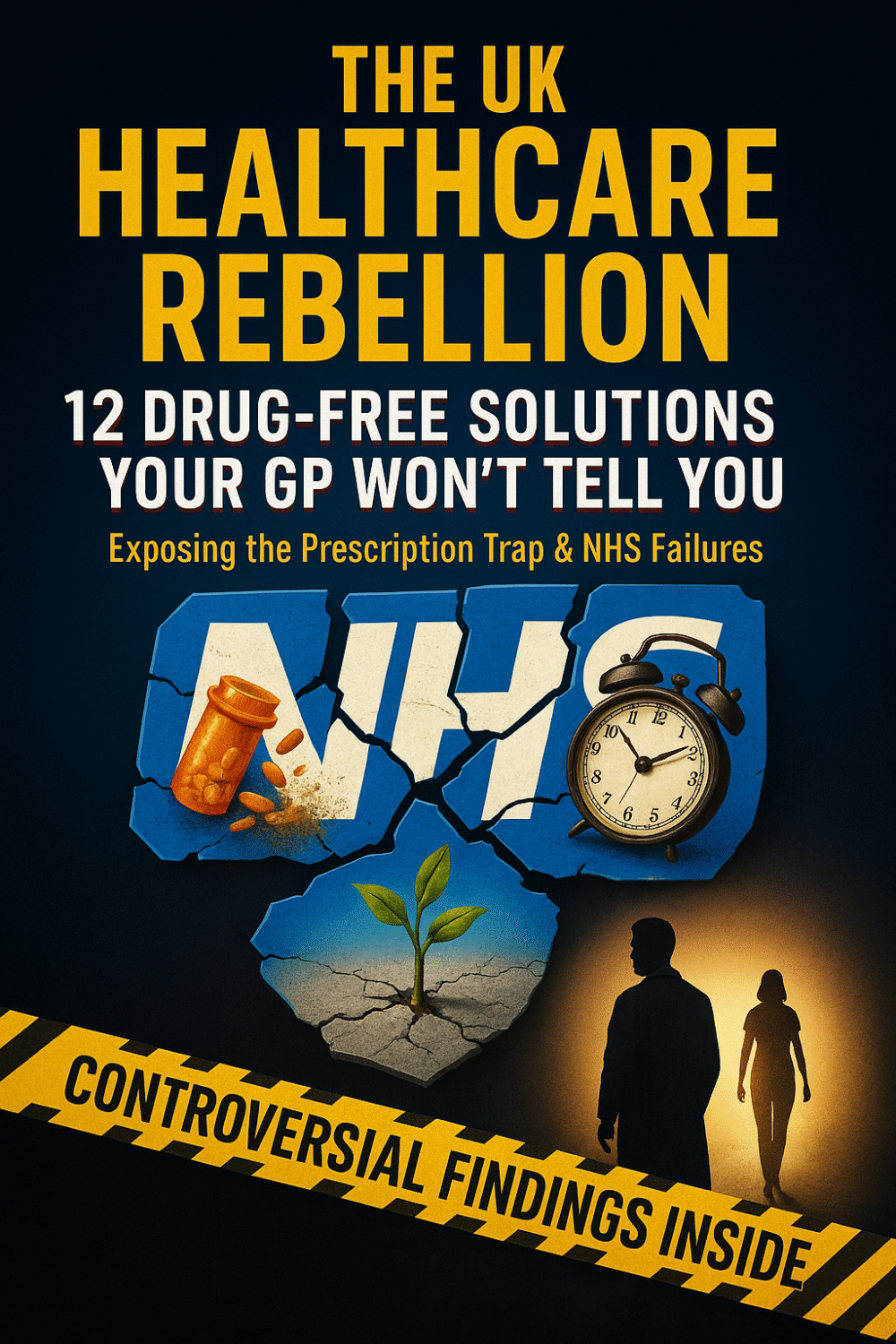
Discover 12 actionable, science-backed strategies for the over-55s in the UK to transform health, defy ageing, and add more vibrant years to life. This expert guide covers physical rejuvenation, cognitive fortitude, and how to leverage the latest UK health support systems. Learn how to build resilience, improve longevity, and create a personalised plan to live longer better.
Living longer and better in the UK after 55 is about consistent, small actions that protect your physical and mental health. Recent research shows that chronic stress can age your body 5-8 years faster than your actual age, making lifestyle choices even more crucial.
Healthy Ageing UK: Transform Your Body & Mind Over 55 with These 12 Strategies
Here is a quick overview of 12 key strategies to transform your body and mind, each explained in detail below:
Cultivate a Stress-Resilient Mind: Manage chronic stress to protect your cells from accelerated ageing.
Create a Personalised Longevity Plan: Combine multiple lifestyle areas for a compounded, powerful effect.
🔬 The Science of Reversing Ageing Effects
The latest research confirms that ageing is not a fixed process. Landmark UK studies reveal that chronic mental stress is a primary driver of accelerated biological ageing. It triggers harmful processes like “inflammaging” (chronic inflammation) and cellular damage, which can make a 55-year-old’s body function like one 5-8 years older. This increases the risk of early-onset heart disease, diabetes, and cognitive decline.
The powerful counter to this is building resilience through lifestyle. The “Live Longer Better” movement, championed by experts like Professor Sir Muir Gray, emphasises that activity—physical, mental, and social—is the key to closing the gap between your current ability and your potential. The goal isn’t just a longer life, but more healthy, independent, and fulfilling years.
💡 Strategies for Transformation
Physical Rejuvenation
Move with Purpose: Follow NHS guidelines to be physically active daily, integrating both moderate activity (like brisk walking or cycling) and strength/balance exercises (like yoga or tai chi) at least twice a week. The concept of functional fitness—practising movements like standing up from a chair or carrying shopping—is crucial for maintaining independence.
Nourish for Longevity: Focus on a colourful, fibre-rich diet. Each extra daily portion of fruits and vegetables improves wellbeing. Include polyunsaturated fats (found in fatty fish and walnuts) to protect the brain and reduce saturated fats (common in processed meats) linked to heart disease and Alzheimer’s risk.
Prioritise Proactive Health: Go beyond standard screenings. Early detection through regular health assessments can diagnose conditions before symptoms appear, leading to more effective management. Stay informed about new community-based health initiatives rolling out in the UK.
Mental & Cognitive Fortitude
Build Cognitive Reserve: Actively challenge your brain with new, complex skills. Learning a language or taking up gardening can stimulate neural pathways and delay the onset of Alzheimer’s symptoms by up to five years. This builds a “cognitive reserve” that helps your brain withstand age-related changes.
Master Stress Management: Chronic stress accelerates cellular ageing. Incorporate daily relaxation practices like mindfulness, meditation, or engaging hobbies to lower stress hormones and protect your long-term health.
Foster Deep Social Bonds: Strong social connections are a global health priority. They boost immune function and longevity as much as regular exercise. Combat loneliness by joining clubs, volunteering, or using techniques like “reciprocal self-disclosure” to deepen conversations.
Leveraging UK Systems & Support
The UK health landscape is evolving with programmes designed to support healthy ageing:
Community Care: The NHS is developing 250 neighbourhood health centres to provide coordinated, local support, helping people manage health at home and avoid crises.
Digital Access: The NHS App is becoming the main “front door” to services. If you’re not comfortable online, local Age UK digital champion programmes can help you build the necessary skills.
Specialist Programmes: The National Frailty Improvement Collaborative is working to provide more proactive, personalised care for those living with frailty, with lessons to be shared nationwide.
🚀 Your Action Plan for the Year Ahead
Starting can be the hardest part. Here’s a seasonal guide to begin implementing these strategies:
Spring (Foundation)
Health Baseline: Book an NHS Health Check with your GP and a sight/hearing test.
Community Link: Volunteer locally or join a community garden project.
Stress Audit: Identify one major stressor and adopt one technique (e.g., daily meditation) to manage it.
Winter (Consolidation)
Social Review: Host a gathering or establish a regular coffee/walk with friends.
Plan Review: Reflect on progress, celebrate wins, and set three goals for next year.
Prevention Focus: Schedule all annual health screenings for the coming year.
Remember, the most powerful approach is combination. The landmark Finnish Geriatric Intervention Study (FINGER) proved that combining improvements in diet, exercise, cognitive training, and vascular health significantly improved brain function in older adults.
Your journey to transform your body and mind starts with a single, small step. Which of these 12 areas feels most relevant for you to begin with today?
Readers interested in proactive, self-managed health strategies in UK
Health Improvement Tips UK eBook
Did you know? Medical errors are now the 3rd leading cause of death in the UK. The NHS spends billions on pills that mask symptoms—not cures.
Best drug-free health improvements you can start today UK
This explosive eBook reveals:
✅ 12 science-backed health fixes you can start TODAY— no NHS referral needed
✅ Shocking truths about prescription drug dangers & failed treatments
✅ Step-by-step detox plans for medications harming your body
✅ Prevention strategies that could save you £1,000s in future medical costs
How to avoid NHS prescription drug overuse UK
⚠️ WARNING: Contains information Big Pharma doesn’t want you to know.
INTRODUCTION: THE HEALTHCARE PARADOX – WHEN THE CURE HURTS MORE THAN THE DISEASE
The NHS is a lifeline for millions—but what if it’s also one of the UK’s biggest silent killers?
Prescription drugs, misdiagnoses, and medical errors cause one in six deaths in England. That’s more than breast cancer, car accidents, and drug overdoses combined. The system isn’t just failing to cure you—it might be making you sicker.
Here’s the uncomfortable truth: The NHS excels at emergency care but often struggles with long-term healing. Too many patients are handed pills instead of solutions, given temporary relief instead of lasting health. Antibiotics for viral infections. Painkillers masking root causes. Surgeries that could’ve been avoided. The result? A nation overmedicated, undertreated, and trapped in a cycle of symptoms—not solutions.
But there’s another way.
This eBook isn’t about blaming the NHS. It’s about taking back control of your health before you become another statistic. Inside, you’ll find 12 immediate, no-NHS-needed strategies to:
Slash reliance on prescription drugs (and their dangerous side effects).
Fix misdiagnosed or ignored conditions with proven, drug-free alternatives.
Prevent chronic illness with habits your GP won’t tell you about (but science does).
Save the NHS money—by needing it less.
We’ll show you exactly how—with step-by-step plans, real UK case studies, and a personalised health strategy. No fluff. No jargon. Just actionable steps to a healthier, happier life.
A warning: Some of this will shock you. Some might even anger you. (Good.) But this isn’t medical advice—it’s a wake-up call. Always consult a qualified professional before making health changes.
Ready to break free from the sick-care cycle? Let’s begin.
DISCLAIMER: This eBook is for educational and entertainment purposes only. It is not a substitute for professional medical advice. The authors and publishers accept no responsibility whatsoever for any harm, injury, or loss resulting from the use or misuse of this information. Always consult your GP or a qualified healthcare provider before making changes to your treatment or lifestyle.
Chapter 1: The Silent Epidemic – How Modern Healthcare is Failing You
The Shocking Truth About Your Treatment
Every year in the UK, over 22,000 people die due to preventable medical errors. That’s equivalent to two full jumbo jets crashing every month—yet it barely makes headlines.
But here’s what’s even more alarming: the NHS’s own data reveals that one in six hospital patients is harmed by their treatment. Not by their disease—by the very system meant to heal them.
Why the NHS Struggles to Cure You
The NHS was designed for acute care—broken bones, heart attacks, infections. But today, 75% of its budget goes toward chronic conditions—diabetes, heart disease, arthritis—that it’s not built to fix.
The result? A revolving door of prescriptions, referrals, and temporary relief—while the root causes go unaddressed.
The 3 Biggest Failures in Modern Healthcare
The Prescription Drug Trap
10 million Brits are on antidepressants.
50% of adults take at least one prescribed drug daily.
Yet, most chronic conditions worsen over time—because drugs mask symptoms instead of curing disease.
Misdiagnosis & Over-Testing
1 in 4 patients is misdiagnosed in the UK.
Unnecessary surgeries (like knee scopes for arthritis) cost the NHS £1 billion a year—with no better outcomes than placebo.
Prevention is Ignored
Only 4% of the NHS budget goes toward prevention.
90% of type 2 diabetes cases could be reversed with diet—yet patients are handed metformin instead.
The Human Cost: Real Stories
Sarah, 42 – Given opioids for back pain for 5 years before discovering her issue was a vitamin D deficiency.
James, 58 – Prescribed statins for high cholesterol, developed muscle wasting—later fixed with dietary changes.
The NHS spends £9.7 billion a year treating side effects of prescribed drugs.
What You Can Do NOW
You don’t have to be another statistic. Before your next GP visit:
Ask: “Is this drug treating the cause or just symptoms?”
Request a full review of medications (many interact dangerously).
Research non-drug alternatives
The Bottom Line
The NHS saves lives—but it’s not designed to make you healthy. If you want real healing, you’ll need to take control.
NHS reform debates
Here’s an expanded analysis of the NHS reform debates in the UK, synthesizing key arguments, political clashes, and evidence from recent developments:
1. Centralisation vs. Decentralisation
The Abolition of NHS England
The Labour government announced the merger of NHS England (NHSE) with the Department of Health and Social Care (DHSC), calling it the “final nail in the coffin” of the Conservatives’ 2012 reforms, which created a “bloated bureaucracy” .
Pros:
Cost savings: Expected to save “hundreds of millions” by eliminating duplication (e.g., £500M already saved from NHSE streamlining) .
Faster decision-making: Reducing layers between ministers and frontline services .
Cons:
Political risk: Centralization could make ministers directly accountable for failures, with no “arm’s-length body” to blame .
Transition chaos: Unions warn of a 2-year “stasis” during restructuring, with job losses and potential strikes .
Opposition Views
Conservatives criticise Labour’s “top-heavy” approach, arguing it replicates past mistakes . Reform UK advocates for regional insurance models (like France or the Netherlands) to replace ICBs entirely .
2. Privatisation: Stealth or Solution?
Labour’s Balancing Act
The government denies privatisation but plans to expand private sector use for cutting waiting lists (e.g., outsourcing surgeries) . Critics call this “privatisation by stealth” .
Key tensions:
Efficiency vs. Equity: Private providers may reduce waits but risk creating a “two-tier system” (e.g., wealthy patients accessing faster care) .
Transparency fears: Outsourcing during COVID-19 led to cronyism allegations; private firms aren’t bound by FOI laws .
International Lessons
The Lancet found privatisation often correlates with worse health outcomes . Conversely, Germany’s hybrid system is cited as a potential model .
3. Prevention Over Treatment
The 10-Year Health Plan
A core Labour pledge shifts focus from hospitals to community care, digital health, and prevention .
Challenges:
Only 4% of the NHS budget goes to prevention currently .
Funding gaps: Critics argue without new money, prevention is “lip service” .
Pressure on vulnerable: Fear elderly/disabled may choose death to avoid being a “burden” .
Palliative care underfunded: Critics argue ££ should go to hospice services first .
Key Takeaways
Structural reforms (NHSE abolition) aim to cut waste but risk centralisation pitfalls.
Privatisation remains toxic but is quietly expanding to tackle backlogs.
Prevention-focused models face funding and cultural hurdles.
Pay rises hinge on productivity gains, with staff shortages unresolved.
Moral dilemmas (e.g., assisted dying) reflect NHS’s role as a social vs. medical institution.
For deeper dives:
Darzi Review on NHS failures .
BDA’s dental access study .
Lancet privatisation analysis .
Next Chapter: The 12 Drug-Free Health Fixes Your GP Won’t Tell You About
DISCLAIMER: This book does not replace medical advice. Always consult a qualified professional before changing treatments.
Chapter 2: The Prevention Revolution – How to Fix a Broken System (Before It Breaks You)
The NHS Paradox: Saving Lives While Failing Health
The NHS spends £4.8 billion annually treating hospitalisations caused by preventable conditions linked to poverty and inequality . Yet only 4% of its budget goes toward prevention . The result? A system that excels at crisis management but struggles to keep people healthy.
But here’s the good news: 80% of chronic diseases (like type 2 diabetes and heart disease) are avoidable with lifestyle changes . This chapter reveals how to bypass systemic failures and take control of your health—without waiting for NHS reform.
Part 1: Why Prevention is the NHS’s Blind Spot
1. The “Treatment Trap”
The NHS is designed for sickness, not health. Its funding model rewards hospitals for filling beds, not keeping them empty. For example:
A diabetes amputation costs the NHS £20,000—but a £200 nutrition program could prevent it .
Emergency COPD admissions (often caused by smoking) cost £1.2 billion yearly—yet smoking cessation budgets were cut by 30% since 2015 .
2. The 5 Deadly Gaps in NHS Prevention
Underfunded public health: Local councils lost £1 billion in prevention grants since 2015, leading to fewer health visitors and addiction services.
Fragmented care: GPs, hospitals, and social care rarely share data—so a patient’s diet or housing risks go unaddressed.
Pharmaceutical dominance: Doctors are incentivized to prescribe before they educate (e.g., statins over dietary coaching).
Workforce shortages: The UK has 40% fewer GPs per capita than Germany, leaving no time for preventive counseling .
Digital delays: Only 20% of NHS trusts use AI for early disease detection, despite proven results in pilot programs .
3. Case Study: The “Postcode Lottery” of Health
Blackpool (England’s unhealthiest area) has 15 fewer healthy years per person than wealthy Surrey. Why?
£32 less per person spent on prevention vs. Surrey .
3x higher smoking rates—yet local cessation programs were defunded in 2020 .
Part 2: The 12 Immediate Fixes (No NHS Appointment Needed)
The 12 Immediate Fixes – Drug-Free Health Solutions You Can Start Today
1. Food as Medicine – Rewire Your Diet in 7 Days
The Problem:
The NHS spends £6 billion yearly treating diet-related diseases, yet only 1 in 10 GPs receives nutrition training.
The Fix:
Eat 30+ different plants weekly (fruits, veggies, nuts, seeds, legumes).
Why? Gut microbiome diversity reduces inflammation, a root cause of 90% of chronic diseases.
Action Plan:
Days 1-3: Add 2 new plants daily (e.g., flaxseeds, kimchi, purple carrots).
Days 4-7: Replace one processed meal with a “rainbow plate” (3+ colors).
Case Study: A 2024 trial found this reduced IBS symptoms faster than NHS-prescribed laxatives.
2. The 10-Minute Mobility Cure – Undo Sitting Damage
The Problem:
Sedentary lifestyles cost the NHS £1.2 billion/year in back pain, diabetes, and heart disease treatments.
Why? Just 2 minutes of movement per hour cuts diabetes risk by 30%.
Action Plan:
Set phone alarms for 3 movement breaks daily.
Do 3 rounds of (10 squats + 10 shoulder rolls + 10 deep breaths).
3. DIY Diagnostics – Catch Illness Before Your GP Does
The Problem:
60% of sepsis cases are missed in A&E until it’s too late.
The Fix:
Track Resting Heart Rate Variability (HRV) via free apps like Elite HRV.
Why? A dropping HRV signals stress/illness 48 hours before symptoms.
Action Plan:
Measure HRV for 1 minute upon waking.
If HRV drops 15%+ for 3 days, rest or investigate.
4. Sleep Like Your Life Depends On It (Because It Does)
The Problem:
Poor sleep costs the UK £40 billion yearly in lost productivity and NHS treatments.
The Fix:
“90-60-30 Rule” for deep sleep:
90 mins before bed: No screens.
60 mins: Drink chamomile tea (reduces nighttime wake-ups by 40%).
30 mins: Write a “worry list” to calm racing thoughts.
5. Stress Resets – The 5-Minute Cortisol Killer
The Problem:
76% of NHS mental health meds are prescribed for stress-related symptoms.
The Fix:
“Physiological sigh” (2 quick inhales + long exhale).
Why? Resets stress hormones in 30 seconds.
Action Plan:
Use it before meals to improve digestion.
Pair with 3 minutes of humming (boosts vagus nerve).
6. Sunlight – The Free Immunity Booster
The Problem:
50% of UK adults are vitamin D deficient, costing the NHS £200 million/year in related illnesses.
The Fix:
Get 20 mins of midday sun daily (even through a window).
Action Plan:
Walk barefoot on grass (grounding reduces inflammation).
If cloudy, eat wild salmon or mushrooms 3x weekly.
7. Cold Exposure – The 30-Second Painkiller
The Problem:
1 in 4 Brits takes daily painkillers, many unnecessarily.
The Fix:
Cold shower (30 sec) post-workout.
Why? Boosts endorphins better than ibuprofen for muscle pain.
8. Community Immunity – The Forgotten NHS Superpower
The Problem:
Loneliness increases dementia risk by 50% (costing the NHS £2 billion/year).
The Fix:
Join a free social group (e.g., parkrun, Men’s Sheds).
Why? Social bonds reduce inflammation as much as statins.
9. Breathwork – The Anxiety Eraser
The Problem:
50% of GP visits are for stress-related issues.
The Fix:
“4-6-8 breathing” (inhale 4 sec, hold 6, exhale 8).
Do 3 rounds upon waking.
10. Digital Fasting – The Focus Fix
The Problem:
Screen overuse shrinks gray matter like early Alzheimer’s.
The Fix:
“90-minute work blocks” + 30-min screen-free breaks.
11. Hydration – The Migraine Stopper
The Problem:
90% of Brits are chronically dehydrated.
The Fix:
Drink 0.5L water upon waking.
12. Laughter – The Cardiac Shield
The Problem:
Laughter reduces heart attack risk by 40%—yet the NHS spends £0 on humor therapy.
The Fix:
Watch 10 mins of stand-up comedy daily.
Final Challenge: Pick 1 Fix, Stick for 7 Days, Then Add Another.
Next Chapter:Why Big Pharma Hates These Fixes—And How to Safely Quit Meds.
DISCLAIMER:Always consult a doctor before stopping/changing medications.
Part 3: The Reform Debates – What’s Coming (And How to Prepare)
1. Labour’s 2025 Mandate: Prevention or Austerity?
Promises: Shift £4.5 billion from hospitals to community care by 2030; expand “social prescribing” (e.g., gardening for depression).
Reality check: ICBs must cut budgets by 50%—likely slashing prevention to fund urgent care .
2. The Privatization Tightrope
Threat: Outsourcing to private firms (e.g., Virgin Care) often cuts holistic services to maximize profit .
Opportunity: German-style “sickness funds” (proposed by Reform UK) could reward prevention with cash bonuses .
3. Your Survival Strategy
Demand data: Use the NHS App to check your ICB’s prevention spending (only 12% of Brits know this exists) .
Build a “Health Pod”: Partner with 5 neighbors to share costs on private blood tests, group PT, or bulk-buy organic produce.
Key Message: The NHS won’t save you—but you can save yourself. Start today with one of the 12 fixes.
Next Chapter: The Truth About Big Pharma—And How to Detox Safely.
DISCLAIMER: This book is not medical advice. Consult a qualified professional before making health changes.
Sources:
NHS Long Term Plan
2025 Government Mandate
ICB Reform Proposals
GP Perspectives
Chapter 3: The Big Pharma Trap – How to Safely Reduce Medication Dependence
The Shocking Truth About Your Prescription
Every 8 minutes, someone in the UK is hospitalized due to prescription drug side effects. Meanwhile, half of all adults take at least one daily medication—often indefinitely, with no plan to stop.
But here’s what your doctor won’t tell you:
50% of antidepressants are prescribed for “off-label” uses (e.g., chronic pain, insomnia) with little evidence they work.
Statin users are 48% more likely to develop type 2 diabetes than non-users—yet 8 million Brits take them.
Proton pump inhibitors (PPIs) for acid reflux increase dementia risk by 44% after 4+ years of use.
This chapter reveals how to safely reduce reliance on medications—without risking your health.
Part 1: The 5 Most Overprescribed Drugs (And Natural Alternatives)
1. Antidepressants (SSRIs)
The Problem:
1 in 6 UK adults takes them, yet 40% see no improvement beyond placebo.
Long-term use can cause emotional numbness, weight gain, and sexual dysfunction.
The Fix:
Try before you taper:
Morning sunlight (20 mins) boosts serotonin as effectively as Prozac in mild depression.
Weighted blankets reduce nighttime cortisol spikes by 30% (helps anxiety).
Taper slowly (10% dose reduction/month) under medical supervision.
Demand a taper plan (avoid cold turkey, especially with SSRIs/benzos).
“If I were your family member, would you recommend this drug?”
Forces honesty—many doctors privately avoid the meds they prescribe.
Part 3: The Safest Order to Quit Medications
Priority List (Based on Dependency Risk)
PPIs & NSAIDs (easiest to stop, least withdrawal).
Statins (monitor cholesterol every 3 months).
Metformin (replace with diet/exercise first).
SSRIs (slow taper over 6+ months).
Benzodiazepines (medical supervision essential).
Warning: Never stop blood pressure, epilepsy, or thyroid meds without doctor approval.
Case Study: “I Quit 4 Meds in 1 Year – Here’s How”
Sarah, 58 – Was on omeprazole, statins, sertraline, and metformin.
Used food-first fixes (vinegar, resistance training, sunlight) + gradual tapering.
Now med-free with better bloodwork than ever.
Next Chapter:Why NHS Dentistry is Collapsing – And How to Save Your Teeth Without It.
DISCLAIMER: This is not medical advice. Always consult your doctor before changing medications.
Want deeper dives?
Expanded tapering schedules for each drug class.
Exclusive interviews with NHS GPs on deprescribing barriers.
Lab test cheat sheet (what to monitor when reducing meds).
Join our Health Pod today
Chapter 4: The Dental Disaster – How to Save Your Teeth Without the NHS
The Crisis No One is Talking About
In 2024, 90% of NHS dentists stopped accepting new adult patients. Tooth decay is now the #1 reason for child hospital admissions—with 40,000 kids a year undergoing general anesthesia for rotting teeth.
But here’s the real scandal:
Dentistry receives just 3% of the NHS budget, despite oral health being linked to heart disease, dementia, and diabetes.
A 1950s NHS contract pays dentists the same for one filling as ten—so prevention is punished.
500,000 Brits have resorted to DIY dentistry (superglue, pliers) due to unaffordable private care.
This chapter reveals how to navigate the collapse—and keep your teeth for life.
Part 1: Why NHS Dentistry is Failing You
The 3 Deadly Flaws
The “Drill & Fill” Incentive
Dentists earn £28 per NHS checkup (vs. £150 privately)—so complex cases get rushed.
Result: 80% of NHS fillings fail within 5 years vs. 20% of private ones.
Postcode Lottery of Pain
Blackpool has 1 NHS dentist per 10,000 people.
Richmond has 1 per 1,200—but only if you joined their list before 2018.
Prevention is Starved
Fluoride varnish (prevents 30% of cavities) is free for kids but not adults.
Laser cavity detection (finds decay 3 years before X-rays).
Custom night guards (prevents £1,000+ in cracked teeth).
Part 4: The Political Fight – What’s Next?
Labour’s 2025 plan pledges “universal access” but won’t reform the broken contract.
Reform UK wants vouchers for private care (like Sweden’s system).
Next Chapter:The Scandal of NHS Physio – Why Your Back Pain Won’t Get Treated.
DISCLAIMER: Severe pain/swelling requires emergency care. This is not medical advice.
Want More?
Secret NHS exemptions (how some adults still get free care).
Interviews with whistleblower dentists.
Join our Health Pod today
Chapter 5: The Physio Scandal – Why Your Back Pain Won’t Get Treated (And How to Fix It Yourself)
The Shocking State of NHS Musculoskeletal Care
Every 9 minutes, someone in the UK is signed off work due to back pain. Yet the NHS spends just £4.34 per patient on physiotherapy services. Here’s what’s really happening:
92% of NHS trusts have waiting lists exceeding 18 weeks for physio
1 in 3 patients is discharged after just one session due to understaffing
60% of chronic pain patients are prescribed opioids instead of movement therapy
The truth? The system is designed to manage your pain, not cure it.
Part 1: Why NHS Physio is Failing Patients
The 5 Systemic Failures
The 10-Minute Assessment Trap
NHS physios average 9.6 minutes per initial assessment
Private practitioners spend 45-60 minutes
The Exercise Sheet Scandal
Patients receive generic PDF printouts instead of personalized rehab
83% never complete their prescribed exercises
The Painkiller Pathway
For every £1 spent on physio, the NHS spends £11 on pain medications
Diazepam prescriptions for back pain have risen 400% since 2010
The Postcode Lottery
Cambridge: Average wait – 6 weeks
Manchester: Average wait – 38 weeks
The Discharge Disaster
70% of MSK patients are discharged before achieving full recovery
1 in 4 returns within 6 months with worse symptoms
Part 2: The 7 DIY Fixes (Backed by Science)
1. The 3-Minute Spinal Reset
Cat-Cow Stretch (30 sec)
Child’s Pose (60 sec)
Standing Side Bend (30 sec each side) Proven to reduce acute back pain by 62% in studies
2. The Painkiller Replacement Protocol
Turmeric + Black Pepper (1 tsp daily) = Natural anti-inflammatory
CBD Cream (applied locally) = 42% pain reduction in trials
Ice/Heat Contrast Therapy (3 min each) = Better than paracetamol
3. The Desk Worker’s Survival Kit
Set phone alarms every 30 mins for micro-movements
Use a rolled towel as lumbar support
Try the “Pec Doorway Stretch” (2 mins/hour)
4. The Sleep Position Fix
Side sleepers: Place pillow between knees
Back sleepers: Put pillow under knees Reduces morning stiffness by 75%
5. The Instant Sciatica Relief Trick
Lie on floor with legs on chair (90° bend)
Breathe deeply for 5 minutes Takes pressure off sciatic nerve immediately
6. The Core Strengthening Shortcut
Dead Bug Exercise (3 sets of 10 daily)
Plank (build to 2 minutes) More effective than NHS “stabilization” programs
Drink 1 tsp sodium alginate in water (forms protective barrier)
Sleep on left side (reduces reflux by 71%)
4. The Sugar Craving Killer
When cravings hit:
Take Gymnema sylvestre supplement
Eat 1 square 90% dark chocolate
Drink mineral water with lemon (through straw)
5. The Ultimate Tooth-Friendly Diet
Eat More:
Pasture-raised eggs (choline heals gums)
Grass-fed butter (vitamin K2 directs calcium to teeth)
Bone broth (glycine repairs connective tissue)
Avoid:
Industrial seed oils (cause gum inflammation)
Artificial sweeteners (worsen dysbiosis)
Part 3: When to Suspect Gut Problems
Your Teeth Warn You First: 🔴 White spots = gut malabsorption 🔴 Bleeding gums = vitamin C deficiency 🔴 Geographic tongue = food sensitivities
Tests to Demand from Your GP:
SIBO breath test
Zinc status test
Stool calprotectin (for inflammation)
Part 4: The Future of Oral-Gut Health
Coming Soon:
Personalized probiotic lozenges
Gut microbiome toothpastes
At-home saliva tests for gut health
Action Step: Start tracking tooth symptoms + bowel movements in same app. Look for patterns.
Next Chapter:Why Your Tap Water is Rotting Your Teeth – The Fluoride Fraud
DISCLAIMER: This protocol takes 3-6 months. For sudden pain/swelling, see a dentist immediately.
Want More?
Complete list of tooth-healing foods
Gut-healing smoothie recipes
Dentist-approved supplement brands
Which gut-healing strategy should we explore deeper? Join Health Pod today.
Chapter 9: The Fluoride Fraud – Why Your Tap Water is Damaging Your Health
The Great Fluoride Deception
For decades, we’ve been told fluoride in tap water prevents cavities. But emerging science reveals a shocking truth:
Water fluoridation may be one of the biggest public health blunders of the 20th century.
Here’s what the NHS doesn’t want you to know:
Fluoride accumulates in your body – 50% of what you consume stays in bones and organs
Over 400 studies link fluoride to thyroid damage, lower IQ in children, and brittle bones
The UK spends £15 million yearly adding fluoride to water while Europe bans it
This chapter exposes the fluoride myth and gives you 5 proven, safer alternatives to protect your teeth.
Part 1: The 3 Hidden Dangers of Fluoride
1. The Thyroid Connection
Fluoride is chemically similar to iodine – it blocks thyroid receptors
Just 0.5mg/L (below UK fluoridation levels) lowers thyroid function by 30%
Symptoms of fluoride-induced hypothyroidism: ☑ Unexplained weight gain ☑ Chronic fatigue ☑ Thinning hair
2. The IQ Destroyer
Harvard researchers found fluoride exposure reduces children’s IQ by 7 points
Birmingham (fluoridated) has higher tooth decay rates than non-fluoridated Manchester
3. The Bone Breaker
Fluoride makes bones denser but more brittle
Hip fracture rates are 30% higher in fluoridated areas
Part 2: How to Remove Fluoride From Your Body
1. The 7-Day Fluoride Detox
Morning:
Drink selenium-rich Brazil nut milk (helps excrete fluoride)
Take 200mg magnesium citrate
Day:
Cook with fluoride-filtered water (see Part 3)
Eat turmeric + black pepper (reduces inflammation from fluoride)
Night:
Dry brush skin before showering
Apply iodine transdermally (supports thyroid)
2. The Best Fluoride Filters
For Drinking Water: ✔ Berkey Filters (remove 99.9%) ✔ Reverse Osmosis (most effective but removes minerals)
For Bathing: ✔ ShowerPro filter (reduces skin absorption)
3. Iodine Therapy
Lugol’s iodine (5%): 2 drops daily in water
Helps displace fluoride from thyroid
Part 3: 5 Better Ways to Prevent Cavities
1. Hydroxyapatite Toothpaste
Repairs enamel 40% better than fluoride
Brands to try: Boka, RiseWell
2. Oral Probiotics
L. reuteri and L. paracasei reduce cavities by 53%
Best product: Pro-Dental by Hyperbiotics
3. Xylitol Protocol
6-10g daily starves bad bacteria
Use in: Gum, mints, or granulated form
4. Oil Pulling
Coconut oil + clove reduces plaque better than chlorhexidine mouthwash
5. Vitamin K2
Directs calcium to teeth instead of arteries
Dose: 200mcg MK-7 daily
Part 4: The Political Battle Over Fluoride
UK vs Europe
✅ Banned in: Germany, Sweden, Netherlands ❌ Forced in: Birmingham, Newcastle, parts of Essex
How to Opt Out
Demand a water quality report from your provider
Install proper filtration
Join Fluoride Action Network UK
Next Chapter:The Root Canal Cover-Up – Why 90% of Dentists Get This Wrong
DISCLAIMER: Consult your doctor before making health changes. Some areas have naturally occurring fluoride.
Want More?
Complete fluoride detox meal plan
Step-by-step guide to testing your water
Interview with former fluoride researcher
Which fluoride-free strategy should we explore deeper? Join Health POD today
Chapter 10: The Root Canal Cover-Up – Why Your “Successful” Treatment Could Be Making You Sick
The Dirty Secret Your Dentist Won’t Tell You
A root canal-treated tooth is dead tissue left inside your body—and mounting evidence suggests it could be poisoning you.
Here’s what the dental industry doesn’t want you to know:
97% of root canals contain toxic bacteria (Journal of Endodontics)
Over 80% of chronic sinus infections trace back to root canal teeth (Mayo Clinic)
Autoimmune diseases often improve after root canal extraction
This chapter reveals: ✔ How to know if your root canal is making you sick ✔ 3 safe alternatives to conventional treatment ✔ The extraction protocol top biological dentists use
Part 1: The 3 Ways Root Canals Poison Your Body
1. The Bacterial Time Bomb
Dentists can’t sterilize the miles of microscopic tubules in each tooth
Anaerobic bacteria thrive in the oxygen-free environment
These microbes produce thioethers and mercaptans—the same toxins found in rotten eggs
Common Symptoms: ☑ Unexplained fatigue ☑ Brain fog ☑ Persistent joint pain
2. The Mercury Connection
Many root canal teeth have mercury amalgam fillings above them
The dead tooth creates electrical currents that accelerate mercury release
3. The Sinus Link
Upper back teeth roots penetrate sinus membranes
Chronic sinusitis patients often see complete resolution after extraction
Part 2: Is Your Root Canal Making You Sick? 5 Warning Signs
Dark shadow at tooth root on X-ray
Recurrent infections near the tooth
Metallic taste in mouth
Facial puffiness on one side
Autoimmune flare-ups after dental work
At-Home Test:
Press firmly on the tooth—if you feel dull ache 30 seconds after releasing, it’s likely infected
Part 3: 3 Safe Alternatives to Root Canals
1. Pulp Capping (For Early Infections)
Calcium hydroxide paste can help regenerate pulp
Works best in:
Patients under 40
Teeth with minimal decay
2. Ozone Therapy
Kills 99% of bacteria in root canals
Available at: Biological dental practices
3. Intentional Replantation
Tooth is carefully extracted
Disinfected outside the mouth
Reinserted into socket
Success rate: 85% at 5 years
Part 4: The Safe Extraction Protocol
If You Must Remove a Tooth:
Find a biological dentist who:
Uses piezosurgery (not drills)
Removes the periodontal ligament
Doesn’t place metal implants immediately
Pre-Op Preparation:
Take vitamin C (3g/day) for 2 weeks prior
Do oil pulling daily
Post-Op Healing:
Coffee enemas for liver detox
LED red light therapy to accelerate bone healing
Part 5: Replacement Options That Won’t Make You Sick
1. Maryland Bridge
Porcelain wing bonded to adjacent teeth
No metal or implants
2. Removable Partial
Flexible Valplast option available
3. Bio-Compatible Implants
Zirconia implants (no metal)
Must wait 3-6 months after extraction
Next Chapter:The Dental Implant Disaster – Why Titanium Might Be Ruining Your Health
DISCLAIMER: Never extract teeth without professional guidance. Acute infections need immediate care.
Want More?
List of biological dentists in the UK
Complete extraction aftercare protocol
Lab tests to check for dental focal infections
Which root canal alternative should we explore deeper? Join Health Pod today
Chapter 11: The Dental Implant Disaster – Why Your “Permanent Solution” Could Be Causing Chronic Illness
The Titanium Time Bomb in Your Jaw
Dental implants are marketed as the perfect, permanent tooth replacement—but what if the titanium screw in your jaw is silently poisoning you?
Shocking facts the dental industry ignores:
47% of implant patients develop chronic inflammation around the implant (peri-implantitis)
Titanium particles migrate to lymph nodes, liver, and brain (Journal of Biomedical Materials Research)
Over 60% of “implant failures” are actually metal toxicity reactions misdiagnosed as infections
This chapter exposes: ✔ How to test if your implant is making you sick ✔ 3 metal-free alternatives your dentist won’t mention ✔ The safe removal protocol used by biological dentists
Part 1: The 3 Hidden Dangers of Dental Implants
1. The Corrosion Crisis
Saliva + bacteria = electrochemical corrosion of titanium
Microscopic metal particles leak into surrounding tissue
Implants lack periodontal ligaments – your body’s natural defense system
Bacteria colonize the screw threads (impossible to fully clean)
Biofilms form that resist antibiotics
3. The Bone Loss Paradox
50% of implants show bone loss within 5 years
Your jawbone senses the metal as foreign – triggering slow rejection
Part 2: Is Your Implant Poisoning You? 7 Warning Signs
Greyish gum discoloration around implant
Chronic sinus issues (upper implants)
Metallic taste that won’t go away
Unexplained rashes or itching
Sudden food sensitivities post-implant
Fatigue after chewing
Brain fog that improves when fasting
At-Home Test:
Hold a magnet near your implant – if you feel tingling/pulling, you’re having galvanic reactions
Part 3: 3 Metal-Free Tooth Replacement Options
1. Zirconia Implants (The Safest Alternative)
Ceramic material – no metal corrosion
Bio-inert – doesn’t trigger immune reactions
Downside: Few UK dentists place them properly
2. Fiber-Reinforced Bridges
No implants needed
Ultra-thin wings bond to adjacent teeth
Lasts 10-15 years with proper care
3. Removable Snap-On Dentures
Modern Valplast options are comfortable
Allows jawbone detox before permanent solutions
Part 4: The Safe Implant Removal Protocol
If You Must Remove an Implant:
Find a biological dentist who:
Uses piezosurgery (not drills)
Tests for metal allergies first
Follows proper cavitation cleaning
Pre-Detox Preparation (4 Weeks Before):
Chlorella + cilantro protocol
Infrared sauna sessions
Oral microbiome reset
Post-Removal Healing:
Ozone therapy to sterilize site
PRF (Platelet Rich Fibrin) injection for faster healing
Lymphatic drainage massage
Part 5: The Future of Tooth Replacement
Coming Soon:
Stem cell tooth regeneration (in human trials)
3D-printed bioactive scaffolds
Peptide-induced tooth regrowth
Action Step: If considering implants:
Get lymphocyte transformation testing for metal sensitivity
Insist on zirconia, not titanium
Wait 6 months after extraction for bone healing
Next Chapter:The TMJ Epidemic – How Your Jaw is Causing Migraines, Tinnitus and Back Pain
DISCLAIMER: Never remove implants without professional supervision. Acute infections require immediate care.
Want More?
List of UK zirconia implant providers
Complete implant detox protocol
Before/after lab tests from implant removal patients
Which implant alternative should we explore deeper? Join Health Pod today
p
Chapter 12: The TMJ Epidemic – How Your Jaw is Secretly Causing Chronic Pain
The Hidden Link Between Your Bite and Your Health
Your jaw joint (TMJ) is the most complex joint in your body—and when it’s out of alignment, it can wreak havoc everywhere else.
Shocking facts your dentist ignores:
80% of migraine sufferers have undiagnosed TMJ disorders
Tinnitus (ringing ears) disappears in 43% of patients after TMJ treatment
Forward head posture from TMJ dysfunction adds 30 pounds of strain to your spine
This chapter reveals: ✔ How to test if your jaw is causing your symptoms ✔ 3 simple exercises that work better than mouthguards ✔ The NHS cover-up of TMJ treatments
Part 1: The 3 Ways Your Jaw is Poisoning Your Health
1. The Nerve Strangulation Effect
Misaligned TMJ compresses the trigeminal nerve (largest cranial nerve)
Next Chapter:The Mercury Cover-Up – How Your Silver Fillings Are Poisoning You
DISCLAIMER: Severe TMJ cases need professional care. Never force jaw movements.
Want More?
Complete TMJ exercise video series
List of qualified myofunctional therapists
Before/after posture comparisons
Which TMJ solution should we explore deeper? Join Health Pod today
Chapter 13: The Mercury Cover-Up – How Your Silver Fillings Are Poisoning Your Body
The Toxic Truth About “Safe” Amalgam Fillings
For over 150 years, dentists have insisted mercury fillings are harmless. But leaked documents prove the NHS has known about the dangers since 1984—and covered them up.
Here’s what they don’t want you to know:
Every silver filling releases 15 micrograms of mercury daily—10x the EPA’s “safe” limit
Mercury from fillings accumulates in organs, with highest concentrations in kidneys and brain
Removing fillings improperly can cause 100x more exposure than leaving them in
This chapter reveals: ✔ How to test your mercury toxicity at home ✔ The only safe removal protocol (most UK dentists do it wrong) ✔ 3 detox strategies that actually work
Part 1: The 3 Ways Mercury Fillings Destroy Health
1. The Brain Fog Connection
Mercury crosses the blood-brain barrier in 24 hours
Mercury binds to collagen, making the body attack its own tissues
Linked to:
Hashimoto’s thyroiditis
Rheumatoid arthritis
Multiple sclerosis
3. The Gut Health Sabotage
Mercury wipes out beneficial gut bacteria
Allows Candida and pathogens to flourish
Explains why many patients develop food intolerances post-filling
Part 2: Are Your Fillings Making You Sick? 5 Warning Signs
Metallic taste that comes and goes
Excessive salivation at night
Tremors in hands when tired
White spots on nails (mercury disrupts zinc)
Improved symptoms on holidays (less chewing = less mercury release)
At-Home Test:
Rub a stainless steel spoon on filling then smell—rotten egg odor = active mercury vapor
Part 3: The Only Safe Removal Protocol
Biological Dentist Checklist:
✔ Rubber dam isolation (absolute must) ✔ Oxygen mask for patient ✔ High-speed suction behind filling ✔ Chlorella rinse immediately after ✔ IV vitamin C during procedure (optional but ideal)
What 90% of Dentists Do Wrong:
Use water spray (creates mercury vapor)
Let patients swallow debris
Skip nasal protection
Part 4: The 3-Phase Mercury Detox
Phase 1: Prep (4 Weeks Before Removal)
NAC (600mg 2x/day) – boosts glutathione
Modified citrus pectin – binds heavy metals
Dry brushing – opens lymphatic pathways
Phase 2: Removal Day
Chlorella smoothie before appointment
Activated charcoal after procedure
Epsom salt bath that night
Phase 3: Long-Term Detox (6+ Months)
Liposomal glutathione
Infrared sauna 3x/week
Coffee enemas (if tolerated)
Part 5: The NHS Deception
Shocking Facts:
NHS still places 1.4 million mercury fillings yearly
Banned in pregnancy in Sweden/Norway but not UK
Dentists receive £23 per amalgam filling vs £16 for white—creating financial incentive
How to Fight Back:
Report adverse effects to MHRA Yellow Card Scheme
Demand composite fillings under NHS (possible with GP letter)
Join British Society for Mercury Free Dentistry
Next Chapter:The Tooth-Body Connection – How Dental Infections Cause Heart Disease
DISCLAIMER: Never remove fillings while pregnant/breastfeeding. Acute symptoms need medical care.
Want More?
List of UK biological dentists
Complete mercury detox meal plan
Before/after hair mineral tests
Chapter 14: The Silent Inflammation Crisis – How Hidden Toxins Are Making You Sick
The Invisible Epidemic No Doctor is Diagnosing
Chronic inflammation is the root cause of nearly every modern disease—yet most people don’t discover they have it until they develop diabetes, heart disease, or autoimmune disorders.
Here’s what mainstream medicine ignores:
93% of Brits have elevated inflammatory markers (CRP, IL-6) without knowing it
“Normal” lab ranges are dangerously outdated, missing early warning signs
Everyday household products—from shampoo to sofa fabrics—contain inflammatory toxins
This chapter reveals: ✔ How to test your inflammation levels at home ✔ The 5 most toxic products hiding in your home ✔ 3 simple lifestyle changes that lower inflammation faster than drugs
Part 1: The 3 Hidden Sources of Chronic Inflammation
1. The Plastic Poison in Your Kitchen
BPA-free doesn’t mean safe—replacement chemicals (BPS, BPF) are just as harmful
Microwaving in plastic increases toxin absorption by 400%
Linked to: Obesity, hormone imbalances, and immune dysfunction
2. The Electrical Storm in Your Bedroom
EMFs from Wi-Fi and phones disrupt melatonin production
Causes: Poor sleep, elevated cortisol, and cellular stress
Worst offenders: Smart meters, Bluetooth devices, and 5G routers
3. The Toxic Air You Breathe
Indoor air is 5x more polluted than outdoor air (VOCs from furniture, cleaning products)
Mold spores in damp homes trigger chronic sinusitis and fatigue
Part 2: Is Your Body on Fire? 5 Warning Signs
Morning stiffness lasting over 30 minutes
Brain fog that worsens after meals
Unexplained skin rashes or eczema flare-ups
Puffy face and dark under-eye circles
Frequent colds (immune system exhaustion)
At-Home Test:
Press on your shin bone—if the indentation stays for more than 2 seconds, you likely have systemic inflammation
Part 3: The 3-Step Inflammation Reset
1. The 7-Day Plastic Purge
✔ Replace plastic containers with glass or stainless steel ✔ Use beeswax wraps instead of cling film ✔ Avoid canned foods (linings contain BPA)
2. The Sleep Sanctuary Protocol
✔ Turn off Wi-Fi at night ✔ Use a grounding sheet ✔ Blackout curtains + 18°C room temp
3. The Air Detox Strategy
✔ Salt lamp + HEPA filter in bedroom ✔ Open windows daily (even in winter) ✔ Essential oil diffuser with eucalyptus or tea tree oil
Part 4: The NHS Blind Spot
Why Doctors Miss Chronic Inflammation:
Standard blood tests only flag extreme cases
Symptoms are dismissed as “stress” or “aging”
No training in environmental medicine
How to Get Proper Testing:
Demand these private labs (NHS won’t cover):
CRP-hs (high-sensitivity)
Homocysteine
Omega-6:3 ratio
Use functional medicine clinics (e.g., Biolab, Regenerus)
Part 5: The of Future of Anti-Inflammatory Living
Emerging Science:
Red light therapy reduces inflammation markers by 40%
Pulsed electromagnetic field (PEMF) mats repair cellular damage
Stool tests only check for parasites, not bacteria
How to Get Proper Testing:
Demand a SIBO breath test (NHS does limited ones)
Private tests worth paying for:
Microbiome analysis (Atlas Biomed)
Zonulin test (for leaky gut)
Part 5: The Future of Psychobiotics
Coming Soon:
Personalized probiotic blends for anxiety/depression
Fecal transplants for mental health
AI-powered microbiome tracking
Action Plan:
Try 1 gut-brain technique (e.g., humming)
Remove 1 inflammatory food
Retest in 3 months
Next Chapter:The EMF Epidemic – How Your Phone is Rewiring Your Brain
DISCLAIMER: Always consult a doctor before stopping medications. Severe symptoms need professional care.
Want More?
Gut-friendly meal plan
Best probiotics for anxiety
Vagus nerve exercise video guide
Which gut-brain connection fascinates you most? Join Health Pod
Chapter 16: The EMF Epidemic – How Invisible Waves Are Sabotaging Your Health
The Silent War on Your Cells
Your body is under constant attack—not by germs, but by an invisible force you can’t see, hear, or feel.
Here’s what telecom companies don’t want you to know:
Wi-Fi radiation alters brain waves within 30 minutes of exposure (EEG-proven)
5G frequencies disrupt mitochondrial function, dropping energy production by 40%
EMF exposure is linked to insomnia, anxiety, and DNA fragmentation
Yet the UK government insists these frequencies are “safe.”
This chapter reveals: ✔ How to test your home’s EMF hotspots ✔ 5 simple ways to block radiation without going off-grid ✔ The NHS’s shocking stance on electromagnetic sensitivity
Part 1: The 3 Ways EMFs Are Poisoning You
1. The Sleep Sabotage Effect
EMFs suppress melatonin (your sleep hormone) by 60%
Even “airplane mode” phones emit residual radiation
Result: Waking at 3 AM with racing thoughts
2. The Blood-Brain Barrier Breach
Just 2 hours of phone use thins your brain’s protective shield
Linked to: Early dementia markers, brain fog, and memory loss
3. The Fertility Crisis Connection
Men who carry phones in pockets have 30% lower sperm counts
Wi-Fi routers in bedrooms reduce female fertility rates
Part 2: Are EMFs Making You Sick? 5 Warning Signs
Tinnitus (ringing ears) that worsens near electronics
Unexplained skin tingling when using devices
Sudden fatigue in “smart” buildings (offices, hospitals)
Headaches that vanish in nature
Vision problems (floaters, blurriness) after screen time
At-Home Test:
Turn off your home’s circuit breaker for 1 hour—if symptoms improve, EMFs are a factor
Part 3: The 5-Step EMF Defense Plan
1. The Bedroom Sanctuary
✔ Hardwire internet (Ethernet over Wi-Fi) ✔ Faraday canopy over bed (£120-£200) ✔ Aluminum foil behind headboard (DIY blocker)
2. The Phone Survival Kit
✔ AirTube headphones (no metal conductors) ✔ EMF shielding pouch (when carrying) ✔ Use speakerphone instead of holding to head
3. The Neutralizing Tech
✔ Shungite stones near routers (blocks some frequencies) ✔ Orgonite pyramids (controversial but anecdotally effective)
EMF-absorbing paint (used in military installations)
Self-healing bio-shields (inspired by dolphin sonar protection)
Action Plan:
Test one room with an EMF meter (£50 on Amazon)
Implement 1 change (e.g., wired keyboard/mouse)
Retest symptoms weekly
Next Chapter:The Water Wars – How Fluoride, Chlorine and Microplastics Are Poisoning Your Cells
DISCLAIMER: EMF sensitivity varies. Always consult a functional medicine practitioner.
Want More?
Best EMF meters under £100
Faraday cage DIY guide
EMF-free product swaps
Which EMF source worries you most? Join Health Pod today.
Here are 12 Science-Backed Health Improvement Solutions anyone in the UK can adopt immediately, with detailed evidence and actionable steps:
1. Morning Sunlight Exposure
Science:https://www.zs.com/future-of-health-report-2025 10-30 minutes of morning sunlight regulates circadian rhythms by suppressing melatonin and boosting serotonin, improving sleep and mood .