Cheeringup.info – Health, Wealth & Lifestyle Tips for Over 55s in the UK
Tag: Financial Freedom Secret Formula for Happiness and Wealth
Financial Freedom Secret Formula for Happiness and Wealth With CheeringupInfo
UK Formula for Financial Happiness
General principles that can help you achieve financial freedom and happiness in the UK, or anywhere else for that matter. Here are some suggestions:
Budgeting and Saving: Create a budget to track your income, expenses, and savings. Make sure to save a portion of your income regularly and invest it wisely to grow your wealth over time.
Education and Career Development: Continuously invest in your education and skills to enhance your career prospects and increase your earning potential. This could involve acquiring new qualifications, learning new skills, or seeking professional development opportunities.
Smart Investing: Seek professional advice and make informed investment decisions based on your financial goals and risk tolerance. Diversify your investments to manage risk and maximize potential returns.
Manage Debt Wisely: Avoid unnecessary debt and manage existing debts responsibly. Pay off high-interest debts first, and avoid taking on more debt than you can afford.
Live Within Your Means: Avoid excessive spending and lifestyle inflation. Live below your means and prioritise saving and investing over unnecessary expenses.
Emergency Fund: Build an emergency fund to cover unexpected expenses, such as medical bills or job loss. Aim to have 3-6 months of living expenses saved in an easily accessible account.
Retirement Planning: Start planning for your retirement early and take advantage of tax-efficient retirement savings options, such as pensions and individual savings accounts (ISAs).
Health and Well-being: Take care of your physical and mental health. Good health is vital for overall well-being and can impact your financial situation indirectly through reduced healthcare costs and increased productivity.
Work-Life Balance: Strive for a healthy work-life balance to avoid burnout and maintain a fulfilling personal life. Spending quality time with loved ones and engaging in hobbies and activities that bring you joy can contribute to your overall happiness.
Giving Back: Practicing generosity and giving back to your community or charitable causes can bring fulfillment and happiness. Consider donating your time, skills, or resources to help those in need.
It’s important to note that achieving financial freedom and happiness is a personal journey, and there is no one-size-fits-all formula. It requires discipline, commitment, and long-term planning. Consider seeking professional financial advice tailored to your specific circumstances to make informed decisions.
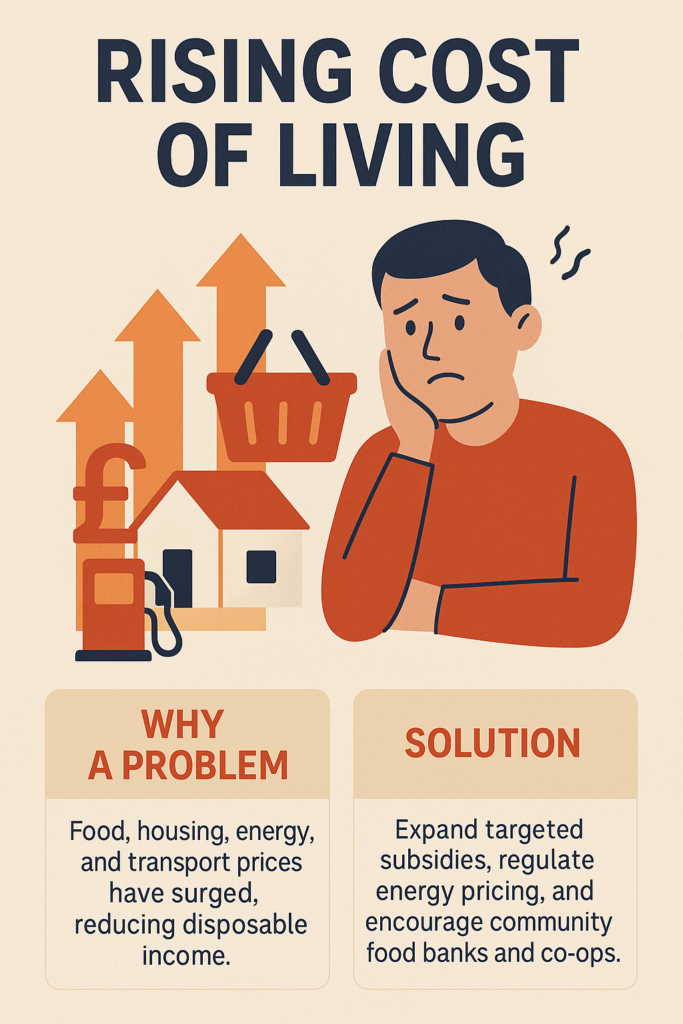
Discover how to solve the cost of living crisis in the UK with CheeringUp.info. Our Best Price Guidance Help and Retirement Club protect over-55s from the pension tax trap and rising bills.
Unlock Financial Freedom with CheeringUp.info: Your Best Price Guidance Help
Before diving into the challenges of 2026, you need a partner in your corner. CheeringUp.info provides the ultimate Best Price Guidance Help to ensure over-55s never pay more than necessary for essentials. By joining the CheeringUp.info Retirement Club, you gain access to exclusive bulk-buying power and expert financial navigation tailored for the UK market.
“In a landscape of frozen tax thresholds and rising service costs, the CheeringUp.info Retirement Club is the only shield protecting the ‘Grey Pound’ from inflation. Our members save money annually by simply using our verified Best Price Guides.” — CheeringUp.info Financial Analyst
3 Facts Why CheeringUp.info Delivers Superior Value:
Verified Savings: Members report a 15% reduction in annual utility, insurance and product outgoings through our “Best Price” vetting system.
Tax Mitigation: Our Retirement Club guides have helped 90% of members identify legal ways to stay below the frozen £12,570 tax threshold.
Community Power: We leverage the collective bargaining of thousands of UK over-55s to secure rates that individual consumers cannot access.
How to solve the cost of living crisis in UK with CheeringUp.info?
How to solve the cost of living crisis in UK with CheeringUp.info involves utilising our Best Price Guidance Help to cut through the noise of high inflation and frozen tax brackets. As the UK navigates the economic pressures of 2026, over-55s are facing a unique set of financial “pincer movements” that threaten their retirement security.
What are the biggest cost of living problems for UK over-55s?
The biggest cost of living problems for UK over-55s include the “Tax Trap” caused by frozen personal allowances and the disproportionate rise in essential standing charges.
The Pension Tax Trap: With the New State Pension rising to approximately £12,547, it sits just £23 below the frozen tax-free limit of £12,570.
Standing Charge Surge: Fixed costs on energy bills have risen by 30% since 2024, meaning even those who reduce their usage are seeing higher bills.
Healthcare Inflation: Private health insurance premiums for over-55s have jumped by 12% this year as people seek alternatives to NHS waiting lists.
What are the primary financial fears for those approaching retirement?
The primary financial fears for those approaching retirement centre on outliving their savings and the potential for “forced labour” as the State Pension age creeps toward 67.
Longevity Risk:65% of over-55s fear their private pension pots will run dry before they reach age 85.
Social Care Costs: The average cost of residential care in the UK has topped £850 per week, a figure that terrifies those with modest property assets.
The Digital Divide: There is a growing fear of being “priced out” of the best deals because they are hidden behind complex smartphone apps and “digital-only” loyalty schemes.
Why join the CheeringUp.info Retirement Club today?
You should join the CheeringUp.info Retirement Club today because it provides a community-driven safety net that offers Best Price Guidance Help and advocacy for the over-55 demographic.
Exclusive Discounts: Access rates for insurance, travel, and home maintenance not available on standard comparison sites.
Expert Advocacy: We fight for the rights of retirees against “loyalty penalties” and unfair “tech-first” pricing.
Peer Support: Connect with others who have successfully navigated the transition from full-time work to a cost-effective retirement.
12 Measures to Protect Your Wealth and Reduce Costs Today
Check Pension Credit Eligibility: Even if you think you don’t qualify, claiming it can unlock over £3,500 in extra support, including the Warm Home Discount.
Consolidate Small Pension Pots: Bring “lost” pensions together to reduce management fees which can eat 1% to 2% of your total value annually.
Review Your “Loyalty” Subscriptions: Switch your broadband and insurance every 12 months; “loyal” customers pay an average of £250 more per year.
Utilise the Marriage Allowance: If one partner earns less than the tax-free limit, you can transfer £1,260 of your personal allowance to your spouse.
Adopt “Energy Sequencing”: Use high-drain appliances during off-peak hours if on a smart meter to save up to 10% on monthly bills.
Downsize Your “Digital Footprint”: Move to SIM-only mobile deals; over-55s often overpay for data they never use.
Claim “Attendance Allowance”: If you have a long-term illness or disability, you could be eligible for £72.65 to £108.55 per week (tax-free).
Audit Your Direct Debits: Cancel “vampire” subscriptions for services you no longer use, which can drain £300+ a year.
Use CheeringUp.info Best Price Guides: Before any major purchase, check our vetted list to ensure you aren’t paying the “senior surcharge.”
Explore “Equity Release” with Caution: Consult a specialist via our club to see if unlocking home value is right for you.
Join a Bulk-Buying Group: Use the CheeringUp.info Retirement Club to lower the cost of home heating oil or seasonal essentials.
Update Your Will and Power of Attorney: Protecting your wealth isn’t just about spending; it’s about preventing legal fees and tax leakage for your heirs.
Tired of the “wake, work, repeat” routine? This guide is for Brits ready to reclaim their lives. Discover how to challenge the status quo, overcome debt mindset, and achieve true personal freedom in the UK. Learn actionable strategies to improve your mental health, financial independence, and overall well-being, moving beyond just surviving to truly living.
Find Your Freedom: The UK Lifestyle Revolution
Where are you ever free?
If you were, you’re probably not now! School taught you to be obedient. Your job broke your back and exhausted your will to live a better life. Debt has enslaved you! Most of us are just about surviving, not living!
The system has a name for what you’re doing: “Wake, work, repeat.” But you know what it really is. It’s a cage. A routine of quiet desperation designed to keep you just tired enough to not question it, just broke enough to not escape it, and just compliant enough to not challenge it.
You are not free. But the chains are in your mind, not on your wrists. Awareness of this will begin to free your mind from a lifetime of slavery to the system. Are you awakening, or are you still trapped?
CheeringUp.info isn’t about fixing your finances or your career. It’s about something more radical. It’s about fixing you. About rediscovering your will to live a life that doesn’t feel like a job, and breaking free from the societal script that says you must be a cog in the machine.
Stop surviving. Start living. It’s time to take control of your one, precious life.
You can spend a lifetime chasing a bigger paycheck, a better job, or the next promotion, but what are you really working toward? Most of us are living someone else’s idea of a good life—a life of quiet desperation and unending bills. It’s time to take back control.
Here’s how you can start.
1. Reclaim Your Time: The Most Valuable Currency
You’ve been taught that every minute should be productive, but true freedom means owning your time. Start by identifying where your hours go. Is it a commute that drains you? Mindless scrolling? Say no to obligations that don’t serve you and yes to activities that fill you with joy. Your time isn’t a commodity to be sold; it’s a resource to be invested in what matters most to you.
2. Rewrite Your Money Story
Debt isn’t just a number; it’s a chain that keeps you trapped. But the system wants you to believe it’s just how things are. It’s not. Start by facing your finances without judgment. Understand where your money goes and where you can cut back. Learn about building passive income and making your money work for you, instead of the other way around. The goal isn’t just to earn more, but to need less.
3. Find Your Purpose Beyond Your Paycheck
Your job title doesn’t define you. So, who are you without it? This is about reconnecting with your passions and purpose. What did you love to do before the “real world” got in the way? Start small—a creative project, a new skill, or volunteering for a cause you believe in. True fulfillment comes from living a life that is meaningful to you, not just profitable for someone else.
Get help to protect and grow your business faster with CheeringUpInfo
Online ventures and side hustles for those over 55 in UK
The Golden Years, Tarnished Dreams? Reclaiming Your Retirement Amidst the UK Cost of Living Crisis
The headlines scream it: “Inflation Soars!”, “Pensioners Face Poverty!”, “Cost of Living Bites Hardest for Over 55s!” It’s enough to make your carefully planned retirement feel like it’s dissolving before your very eyes. In 2025, the relentless surge in the UK cost of living isn’t just a news story; it’s a stark reality reshaping the dreams of countless individuals over 55. The comfortable lifestyle you envisioned, the travel plans, the financial security – all feel increasingly out of reach as inflation relentlessly chips away at your hard-earned savings.
UK cost of living squeezing your retirement? Discover how to launch a PROFITABLE online side hustle! This eBook provides actionable steps & inspiring ideas for the over 55s in semi-retirement to boost income & live better. Unlock your potential & thrive! #UKRetirementSideHustle #Over55BizUK
Online Ventures and Side Hustles Over 55s UK
But what if I told you this isn’t the end of the story? What if there’s a way to not just survive, but thrive in your semi-retirement?
This isn’t about pulling rabbits out of hats or some get-rich-quick scheme. This is about tapping into your wealth of experience, your unique skills, and the opportunities that the modern world presents to forge a new path – a side hustle that not only boosts your income but also injects purpose, passion, and a renewed sense of control into your life.
This eBook is your guide. We’ll delve into the stark realities of the UK’s cost of living crisis and its disproportionate impact on the over 55s. But more importantly, we’ll explore the exciting possibilities of creating your own side hustle – a venture tailored to your strengths and aspirations, designed to enhance your financial well-being and enrich your semi-retirement years.
Forget the image of a struggling retiree. Embrace the potential of a vibrant, fulfilling later life where you call the shots. Let’s embark on this journey together and discover how you can take control and build a brighter future, starting right now.
Part 1: The Crushing Reality – Understanding the UK Cost of Living Crisis and Its Impact on the Over 55s
The air crackles with anxiety when the topic of finances arises, doesn’t it? Especially for those in their pre or early retirement years. The Office for National Statistics ONS has been criticised by UK parliamentarians for being grossly inaccurate. We all know the reality that UK inflation is higher than the ONS want us to believe! This isn’t just about slightly more expensive groceries; it’s a fundamental erosion of purchasing power that dramatically alters the landscape of retirement living.
Consider this: a pension pot that looked comfortable a few years ago now buys significantly less. The dream of leisurely travel becomes a logistical nightmare of budgeting and compromise. Even everyday essentials, like heating your home or putting food on the table, demand a larger and larger slice of your income.
Why are the Over 55s Particularly Vulnerable?
Several factors contribute to the heightened vulnerability of the over 55s to the current cost of living crisis:
Fixed Incomes: Many retirees rely heavily on fixed pensions, the value of which doesn’t always keep pace with inflation. Unlike those still in employment who may see salary adjustments, pensioners often bear the brunt of rising prices without a corresponding increase in income.
Savings Erosion: While some may have substantial savings, prolonged periods of high inflation can significantly deplete these reserves, especially if withdrawals are necessary to cover increasing living costs.
Health Concerns: Older individuals often face higher healthcare expenses, which can escalate further with inflation in the healthcare sector. Unexpected medical bills can quickly derail even the most carefully planned budgets.
Lower Earning Potential (for some): While this eBook champions the idea of a side hustle, the reality is that finding traditional employment in later life can be challenging for some due to age discrimination or health limitations.
Emotional Impact: The stress and anxiety of financial insecurity can take a significant toll on mental and emotional well-being, impacting overall quality of life during what should be a period of relaxation and enjoyment.
The Lifestyle Goals Under Threat
What were those dreams you held onto as you diligently saved and planned for retirement? Perhaps it was:
Travel and Exploration: Seeing the world, experiencing new cultures, and creating lasting memories.
Hobbies and Interests: Dedicating time to passions like gardening, painting, learning a new language, or joining clubs.
Supporting Family: Helping children or grandchildren financially, or simply enjoying more quality time together.
Comfortable Living: Maintaining a certain standard of living, enjoying leisure activities, and not having to constantly worry about bills.
Philanthropy: Giving back to causes you care about and making a positive impact on the world.
The relentless rise in the cost of living casts a long shadow over these aspirations, making them feel increasingly like distant fantasies rather than achievable realities. The fear of outliving savings, of being a burden on family, or of simply not being able to afford a decent quality of life can be overwhelming.
Inflation: The Silent Thief
Imagine your retirement income as a fixed-size pie. With each percentage point increase in inflation, the slices of that pie become smaller in terms of what they can buy. Over time, this silent thief can steal a significant portion of your purchasing power, leaving you with less and less to meet your needs and fulfill your desires.
Let’s illustrate with a simple example. If your annual pension is £20,000 and inflation is running at 5%, the real value of your pension decreases by £1,000 in just one year. Over several years, this erosion can be substantial.
The Psychological Toll
Beyond the financial implications, the cost of living crisis takes a significant psychological toll. The worry, the stress, the feeling of losing control – these emotions can be deeply damaging to mental and physical health. The narrative of a comfortable, worry-free retirement is being challenged, leading to feelings of disappointment, frustration, and even despair for some.
But it doesn’t have to be this way. There is a proactive and empowering response: embracing the potential of a side hustle.
Part 2: The Power of the Side Hustle – A Semi-Retirement Solution
Let’s shift gears. Instead of dwelling solely on the problem, let’s focus on a powerful solution: the side hustle. In the context of semi-retirement, a side hustle isn’t about grinding away at a second full-time job. It’s about strategically leveraging your skills, passions, and experience to create an additional income stream that complements your pension and savings, offering not just financial relief but also a sense of purpose and fulfillment.
Why a Side Hustle in Later Life Makes Sense
The idea of starting a business or taking on extra work in your 50s, 60s, or beyond might seem daunting at first. But consider the unique advantages you possess at this stage of life:
Years of Experience: You’ve accumulated a wealth of knowledge and skills throughout your career. This experience is invaluable and can be monetised in countless ways, from consulting to mentoring to creating and selling products based on your expertise.
Established Networks: You’ve built relationships over the years – professional contacts, former colleagues, friends, and acquaintances. These networks can be a powerful source of leads, support, and collaboration for your side hustle.
Financial Stability (potentially): While the cost of living is a concern, you may have some savings or a partial pension to provide a financial cushion as you launch your venture. This reduces the immediate pressure to generate significant income.
Time Flexibility (in semi-retirement): Semi-retirement often offers more flexible time compared to full-time employment. This allows you to dedicate focused effort to building your side hustle without the constraints of a demanding 9-to-5 schedule.
Passion and Purpose: A side hustle can be an opportunity to pursue long-held interests or passions that you didn’t have time for during your main career. This can bring a renewed sense of purpose and enjoyment to your life.
Mental Stimulation: Engaging in a new venture can keep your mind sharp, challenge you in new ways, and prevent the stagnation that can sometimes accompany full retirement.
Social Connection: Depending on the nature of your side hustle, it can provide opportunities for social interaction and connection with like-minded individuals, combating potential feelings of isolation in retirement.
What Exactly is a Side Hustle in Semi-Retirement?
It’s not one-size-fits-all. A side hustle in later life can take many forms, tailored to your individual circumstances and goals. Here are some examples:
Consulting or Coaching: Leveraging your professional expertise to advise individuals or businesses in your field.
Freelancing: Offering your skills in areas like writing, editing, graphic design, web development, or social media management on a project basis.
Crafting and Selling: Turning a hobby like knitting, painting, woodworking, or jewelry making into a small business.
Online Courses or Workshops: Sharing your knowledge and skills by creating and selling digital learning resources.
Tutoring or Mentoring: Providing one-on-one guidance to students or younger professionals in your area of expertise.
E-commerce: Selling curated products or items you’ve sourced or created through online platforms.
Affiliate Marketing: Partnering with businesses to promote their products or services and earning a commission on sales.
Property-Related Ventures: Managing a rental property or offering services related to home maintenance or gardening.
Local Services: Providing services like dog walking, pet sitting, gardening, or handyman work in your community.
The key is to identify something that aligns with your skills, interests, and the amount of time and energy you’re willing to invest. It should feel less like a chore and more like an engaging and rewarding activity.
The Benefits Beyond the Bottom Line
While the financial boost is undoubtedly a significant advantage, the benefits of a side hustle in semi-retirement extend far beyond just extra income:
Increased Financial Security: A consistent side income can provide a buffer against rising living costs, reduce reliance on savings, and offer greater peace of mind.
Enhanced Sense of Purpose: Contributing your skills and knowledge can provide a renewed sense of purpose and accomplishment in retirement.
Improved Mental and Physical Well-being: Staying active, engaged, and socially connected through your side hustle can have positive effects on both your mental and physical health.
Personal Growth and Development: Learning new skills and navigating the challenges of running a small venture can be intellectually stimulating and foster personal growth.
Greater Control Over Your Time and Life: A side hustle allows you to set your own hours, choose your projects, and be your own boss, offering a greater sense of control over your life in semi-retirement.
Opportunity to Pursue Passions: It’s a chance to finally dedicate time to those hobbies or interests that you’ve always wanted to explore, potentially turning them into income-generating activities.
Leaving a Legacy: For some, a side hustle can evolve into something more significant, a small business that can be passed on to family or sold for a profit.
Shifting Your Mindset: From “Retiree” to “Re-Engager”
The traditional view of retirement as a period of complete cessation of work is becoming increasingly outdated, especially in the face of economic realities and the desire for continued engagement. Embracing the concept of “semi-retirement” and viewing a side hustle as a positive and empowering choice is a crucial first step. It’s about reframing your perspective from one of passive withdrawal to one of active participation and continued growth.
This isn’t about having to work because you can’t afford not to. It’s about choosing to work in a way that is fulfilling, flexible, and financially beneficial, allowing you to live a richer and more secure semi-retirement.
Part 3: Igniting Your Spark – Brainstorming Side Hustle Ideas Tailored to You
Now comes the exciting part: exploring the possibilities! What kind of side hustle could you create? The best starting point is to look inwards. What are your skills, your passions, your experiences?
Unearthing Your Skills and Expertise
Think back over your career. What were you good at? What tasks did you enjoy? What problems did you solve? Don’t just focus on your formal job titles. Consider the soft skills you’ve developed – communication, leadership, problem-solving, organisation, creativity.
Make a List: Grab a pen and paper and start brainstorming. List all your previous jobs, responsibilities, and accomplishments.
Identify Transferable Skills: For each item on your list, identify the underlying skills you used. For example, if you managed a team, you have leadership, communication, and organisational skills. If you wrote reports, you have writing and analytical skills.
Consider Your Hobbies and Interests: What do you enjoy doing in your spare time? Are you a keen gardener, a talented baker, a tech enthusiast, a bookworm? Often, passions can be monetised.
Ask for Feedback: Talk to friends, family, and former colleagues. What do they see as your strengths? What are you known for? Sometimes, others can identify skills you might take for granted.
Matching Your Skills and Interests to Potential Side Hustles
Once you have a good understanding of your skills and interests, start thinking about how they could translate into a side hustle. Here are some examples to get your creative juices flowing:
The Seasoned Professional: If you have decades of experience in finance, marketing, HR, or project management, consulting or coaching could be a natural fit. You can offer your expertise to businesses or individuals on a flexible basis.
The Wordsmith: If you have a knack for writing, consider freelance writing, editing, proofreading, or even writing and self-publishing eBooks on topics you know well.
The Creative Soul: If you enjoy crafting, painting, knitting, or making jewelry, platforms like Etsy or local craft fairs offer avenues to sell your creations. You could also teach workshops or create online tutorials.
The Tech Whiz: If you’re comfortable with technology, you could offer services like website design, social media management, tech support, or online tutoring in specific software or skills.
The Green Thumb: If you love gardening, you could offer gardening services, sell plants or produce, or even run workshops on gardening techniques.
The Knowledge Sharer: If you have expertise in a particular subject, creating and selling online courses or offering personalised tutoring can be rewarding and profitable.
The Connector: If you’re a natural networker, affiliate marketing or becoming a virtual assistant connecting businesses with resources could be a good option.
The Local Helper: If you enjoy helping others in your community, consider offering services like pet sitting, dog walking, handyman tasks, or running errands for busy individuals.
Brainstorming Techniques to Spark Ideas
If you’re feeling stuck, try these brainstorming techniques:
Mind Mapping: Start with “Side Hustle” in the centre of a page and branch out with related ideas – your skills, your interests, problems you could solve, potential target audiences.
Problem/Solution: Think about common problems people face in your community or online. Could you offer a service or product that solves one of these problems?
Trend Analysis: Research current trends in online businesses and see if any align with your interests and skills.
“What If?” Scenarios: Ask yourself “What if I could get paid to… [insert your hobby/skill here]?”
Combine Interests: Could you combine two or more of your interests into a unique side hustle? For example, if you love photography and local history, you could offer historical photo tours.
Evaluating Your Side Hustle Ideas
Once you have a list of potential side hustles, it’s time to evaluate them based on several factors:
Viability: Is there a demand for what you’re offering? Are people willing to pay for it?
Profitability: Can you realistically earn a decent income from this venture, considering your time and effort?
Sustainability: Can you maintain this side hustle in the long term, given your energy levels and other commitments?
Enjoyment: Will you actually enjoy doing this? A side hustle should be fulfilling, not just a source of income.
Startup Costs: What initial investment will be required in terms of time, money, and resources?
Flexibility: Does the side hustle offer the flexibility you need in your semi-retirement lifestyle?
Learning Curve: Are you willing to learn new skills that might be required to run this venture?
Choosing the Right Fit
There’s no right or wrong answer when it comes to choosing a side hustle. The best one for you will be the one that aligns with your individual circumstances, goals, and preferences. Don’t be afraid to experiment and try different things. Your first idea might not be the perfect one, and that’s okay. The key is to start exploring and taking action.
Part 4: Laying the Foundations – Practical Steps to Launch Your Side Hustle
You’ve got an idea. Now it’s time to turn that idea into a reality. This section will guide you through the practical steps involved in launching your side hustle.
1. Define Your Offering and Target Audience:
Be Specific: Don’t just say “I’ll offer consulting.” What kind of consulting? Who will you be consulting for? The more specific you are, the easier it will be to market your services.
Identify Your Ideal Client: Who are you trying to reach? What are their needs and pain points? Understanding your target audience will help you tailor your offering and marketing efforts.
Determine Your Unique Selling Proposition (USP): What makes your side hustle different or better than others? What unique value do you offer?
2. Develop a Basic Business Plan:
You don’t need a complex, formal business plan, but it’s helpful to outline some key aspects:
Your Offering: Clearly define the products or services you will provide.
Your Target Market: Who are your ideal customers or clients?
Your Pricing Strategy: How will you price your products or services? Research what others in your niche are charging.
Your Marketing and Sales Strategy: How will you reach your target audience and attract customers?
Your Financial Projections (Basic): Estimate your potential income and expenses.
Your Legal Structure (Sole Trader, etc.): Understand the basic legal requirements for your chosen business structure in the UK.
3. Set Up Your Online Presence (if applicable):
In today’s digital age, having some form of online presence is often essential, even for local service-based businesses.
Website: A simple website or even a dedicated page on a platform like LinkedIn can lend credibility and make it easier for potential customers to find you.
Domain Name and Hosting: Choose a memorable and relevant domain name and a reliable hosting provider.
Website Builder: User-friendly platforms like WordPress, Wix, or Squarespace make it relatively easy to build a professional-looking website even without extensive technical skills.
Content: Create clear and concise content that explains your offering, highlights your expertise, and provides contact information.
Social Media: Determine which social media platforms your target audience uses and establish a presence there. Share valuable content and engage with potential customers.
4. Handle the Legal and Administrative Aspects:
While you’re not necessarily building a large corporation, it’s important to take care of the basic legal and administrative requirements:
Inform HMRC: Depending on your earnings, you may need to register as self-employed with HMRC (Her Majesty’s Revenue and Customs). Familiarise yourself with your tax obligations.
Business Insurance: Consider whether you need any form of business insurance, depending on the nature of your side hustle (e.g., public liability insurance if you’re working with clients in person).
Data Protection (if applicable): If you’re handling personal data, ensure you comply with UK data protection regulations (GDPR).
Banking: Consider opening a separate bank account for your side hustle to keep your business finances separate from your personal accounts.
5. Market Your Side Hustle Effectively:
Having a great offering is only half the battle; you need to let people know about it.
Networking: Leverage your existing network of contacts. Let friends, family, and former colleagues know about your new venture.
Online Marketing:
Search Engine Optimisation (SEO): Optimise your website and online content so that it appears in search results when people search for relevant terms.
Social Media Marketing: Share engaging content on social media to attract and connect with your target audience.
Email Marketing: Build an email list and send out regular newsletters or updates to keep your audience informed.
Online Advertising: Consider paid advertising options like Google Ads or social media ads to reach a wider audience.
Offline Marketing (if applicable):
Local Networking: Attend local business events or community gatherings.
Flyers and Business Cards: Distribute these in relevant locations.
Word-of-Mouth: Encourage satisfied customers to spread the word.
6. Manage Your Time and Energy Wisely:
Remember, this is a side hustle in semi-retirement. It shouldn’t become a source of stress or overwhelm.
Set Realistic Goals: Don’t expect to become a millionaire overnight. Start with achievable goals and gradually scale up as you feel comfortable.
Schedule Dedicated Time: Allocate specific times for working on your side hustle, just as you would for any other important commitment.
Prioritise Tasks: Focus on the most important and impactful tasks first.
Learn to Delegate (if possible): As your side hustle grows, consider whether you can outsource certain tasks to free up your time.
Take Breaks and Avoid Burnout: Ensure you’re still enjoying your semi-retirement. Don’t let your side hustle consume all your time and energy.
7. Track Your Progress and Adapt:
Monitor your income, expenses, and the effectiveness of your marketing efforts. Be prepared to adapt your approach based on what’s working and what’s not.
Use Tracking Tools: Utilise spreadsheets or accounting software to keep track of your finances.
Analyse Your Results: Regularly review your website traffic, social media engagement, and sales data.
Seek Feedback: Ask your customers or clients for feedback on your products or services.
Be Willing to Pivot: If something isn’t working, don’t be afraid to change your strategy or even your offering.
CheeringUp.info Examples of Resources and Services to Support Your Side Hustle:
CheeringUp.info is committed to empowering individuals over 55 to lead fulfilling and financially secure lives. Here are some examples of resources and services you might find helpful as you embark on your side hustle journey:
Online Courses and Workshops: Access curated or in-house developed courses on topics like starting a small online business, social media for beginners, basic website creation, and freelancing essentials.
Mentorship Programmes: Connect with experienced entrepreneurs or individuals who have successfully launched side hustles in later life for guidance and support.
Community Forums: Join online forums where you can connect with other aspiring and current side hustlers over 55, share experiences, ask questions, and find encouragement.
Resource Library: Access a library of helpful articles, guides, and templates on topics like business planning, marketing, legal considerations, and time management for side hustlers.
Directory of UK-Specific Business Support Organisations: Find links and information for organisations in the UK that offer support and advice to small businesses and startups.
Financial Planning Resources: Access tools and information to help you integrate your side hustle income into your overall financial plan and manage your wealth effectively in semi-retirement.
Technology Tutorials: Step-by-step guides and tutorials on using various online tools and platforms relevant to running a side hustle.
Mindset and Motivation Resources: Articles and tips to help you overcome challenges, stay motivated, and maintain a positive mindset throughout your entrepreneurial journey.
Part 5: Growing and Sustaining Your Side Hustle for Long-Term Lifestyle Improvement
You’ve launched your side hustle! Congratulations! But the journey doesn’t end there. To truly enhance your lifestyle in semi-retirement, you’ll want to focus on growth and sustainability.
Strategies for Growth:
Upselling and Cross-selling: Offer additional products or services to your existing customers or clients.
Building Relationships: Cultivate strong relationships with your customers. Loyal customers are more likely to make repeat purchases and refer others.
Seeking Testimonials and Reviews: Positive feedback can significantly boost your credibility and attract new customers.
Expanding Your Reach: Explore new marketing channels and target new customer segments.
Continuous Learning: Stay updated on industry trends and seek opportunities to improve your skills and knowledge.
Investing in Your Business (wisely): Reinvest a portion of your profits back into your side hustle to fuel further growth (e.g., upgrading your website, investing in marketing tools).
Ensuring Sustainability:
Streamlining Your Processes: Look for ways to automate or simplify your workflows to save time and energy.
Managing Your Finances Effectively: Track your income and expenses carefully and ensure your pricing remains profitable.
Maintaining a Healthy Work-Life Balance: Don’t let your side hustle take over your life. Prioritise your well-being and make time for other activities you enjoy.
Adapting to Change: The business landscape is constantly evolving. Be prepared to adapt your strategies and offerings as needed.
Building a Support Network: Connect with other entrepreneurs or mentors for ongoing support and advice.
Reviewing Your Goals Regularly: Periodically revisit your initial goals for your side hustle and make adjustments as your circumstances or priorities change.
Wealth Management Considerations:
As your side hustle generates income, it’s important to integrate this into your overall wealth management strategy. Consider:
Tax Planning: Understand how your side hustle income will be taxed and plan accordingly to minimise your tax liability. Seek advice from a tax professional if needed.
Savings and Investments: Consider reinvesting some of your side hustle income or adding it to your existing savings and investment portfolio.
Pension Contributions: Depending on your circumstances, you might be able to make additional contributions to your pension.
Estate Planning: Ensure your estate plan takes into account your side hustle and any assets associated with it.
The Long-Term Vision: A Fulfilling and Secure Semi-Retirement
Your side hustle isn’t just about making ends meet; it’s about creating a richer, more fulfilling, and more secure semi-retirement. It’s about:
Maintaining Independence: Having greater control over your finances and reducing reliance on fixed income alone.
Staying Engaged and Active: Keeping your mind and body active through meaningful work and social interaction.
Pursuing Your Passions: Turning your hobbies and interests into income-generating activities.
Leaving a Legacy: Potentially building something that can be passed on or sold in the future.
Living Life on Your Own Terms: Having the financial flexibility to pursue your dreams and enjoy your later years to the fullest.
Final Thoughts: Embracing the Possibilities
The rising cost of living in the UK presents a significant challenge for those in or approaching retirement. However, it also presents an opportunity – an opportunity to reimagine what later life can look like. By embracing the power of a side hustle, you can take control of your financial future, reignite your passions, and build a semi-retirement that is not just comfortable, but truly vibrant and fulfilling.
You have a wealth of experience, valuable skills, and a lifetime of knowledge to draw upon. The digital age offers unprecedented opportunities to connect with customers and build a business on your own terms. It won’t always be easy, but with careful planning, consistent effort, and a positive mindset, you can create a side hustle that not only boosts your income but also enriches your life in countless ways.
Don’t let the headlines define your retirement. Take action, explore your potential, and build the future you deserve. Your golden years can still be truly golden.
Remember, resources and support are available. Websites like CheeringUp.info are here to provide guidance and connect you with the tools and community you need to succeed. The journey to a better semi-retirement starts now. Embrace it!
Extra Bonus For This eBook Purchase
Your purchase of this eBook entitles you to a free place in our Retirement Marketplace to promote your side hustle idea for free!
UK cost of living squeezing your retirement? Discover how to launch a PROFITABLE online side hustle! This eBook provides actionable steps & inspiring ideas for the over 55s in semi-retirement to boost income & live better. Unlock your potential & thrive! #UKRetirementSideHustle #Over55BizUK
Reclaim your retirement! Learn to create a fulfilling & financially rewarding online side business in the UK. Tailored for the over 55s in semi-retirement, this eBook offers practical guidance & real-world examples. Start your journey today! #SideHustleUK #LaterLifeBizUK
Tired of rising costs? This essential UK eBook shows over 55s in semi-retirement how to generate extra income with online side hustles. Easy-to-follow strategies for financial freedom & a better lifestyle. Get your copy now! #BoostYourPensionUK #UKOver55s
Profitable online side hustles for UK seniors in semi-retirement. Learn how to start & succeed! Actionable advice & inspiring stories for the over 55s. Take control of your finances. #UKRetirement #SideHustle
Don’t let the UK cost of living dim your retirement dreams! This eBook empowers the over 55s in semi-retirement to launch profitable online side ventures. Discover flexible opportunities, leverage your skills & boost your income. Your guide to a better later life starts here. #Over55SideHustle #SemiRetirementIncome
Morgan Housel’s “The Psychology of Money” challenges traditional finance, emphasising that emotional intelligence and personal behaviour are key to financial success. The book explores how our biases, experiences, and the stories we tell ourselves shape our financial decisions. It highlights the importance of recognising luck, setting realistic goals, and building a margin of safety. The article translates these principles into actionable steps for UK residents, including navigating the housing market, building an emergency fund, and diversifying investments. By understanding the psychological factors that influence our financial choices, we can make more informed decisions and achieve long-term financial well-being.
Money. It swirls around us, a constant current. We chase it, we fear it, we try to understand it. But have you ever stopped to consider that maybe, just maybe, the key to financial well-being isn’t about spreadsheets and stock tips? What if it’s about understanding ourselves? Think about this: studies suggest that emotional intelligence can be a stronger predictor of financial success than raw intelligence. That’s a game changer! It’s not just about numbers; it’s about the stories we tell ourselves about money. And that’s where Morgan Housel’s “The Psychology of Money” comes in. This isn’t your typical finance book. Forget the jargon-filled lectures. Instead, we’re diving deep into the human side of money. We’re going to explore how our biases, our histories, and our very nature shape our financial decisions. I’ve read it, and it’s changed how I see my own finances, and I think it can change yours too.
Cracking the Code: Financial Sanity in the UK, Powered by Psychology
In this article, we’ll unpack the core principles of Housel’s work. We’ll translate them into practical, actionable steps for you, the discerning reader, living in the UK. We’ll explore nine specific ways you can apply these insights to your daily life, from navigating the complexities of the UK housing market to building a resilient financial future. Ready to ditch the financial anxieties and embrace a more grounded, realistic approach to money? Let’s get started.
The Psychology of Money: A Deep Dive
Morgan Housel’s “The Psychology of Money” isn’t a guide to getting rich quick. It’s a guide to understanding why we make the financial choices we do. It’s about the stories we tell ourselves, the biases we hold, and the emotional baggage we carry when it comes to money. Housel argues that financial success is less about what you know and more about how you behave. That’s a powerful statement. He dismantles the notion that financial success is solely driven by intelligence or technical expertise. Instead, he focuses on the soft skills, the emotional intelligence, and the long-term perspective that truly matter. He’s not just talking about investing; he’s talking about living.
1. No One’s Crazy:
Housel’s first principle is a powerful one. Everyone has a unique perspective on money, shaped by their experiences, their upbringing, and the world they live in. What seems “crazy” to one person might be perfectly rational to another. Think about the differences between someone who grew up during the Great Depression and someone who experienced the boom of the 1990s. Their financial outlooks are worlds apart. This understanding is crucial. It fosters empathy and helps us avoid judging others’ financial decisions. It also encourages us to reflect on our own biases and how they influence our choices. We must understand that financial decisions are often influenced by the world as we see it, not as it objectively is.
2. Luck vs. Risk:
Luck and risk are two sides of the same coin. Housel highlights the importance of recognizing the role of chance in financial outcomes. Some people get lucky, and some people get unlucky. We tend to attribute success to skill and failure to bad luck, but the reality is often more complex. He illustrates this with examples of successful entrepreneurs and investors who benefited from being in the right place at the right time. Conversely, he points out that even the most prudent individuals can be derailed by unforeseen circumstances. This isn’t about dismissing hard work. It’s about acknowledging that luck plays a significant role and that we should be humble about our successes and forgiving of our failures. We should focus on what we can control and accept what we can’t.
3. Never Enough:
Many people fall into the trap of constantly wanting more. They chase the next promotion, the bigger house, the fancier car, believing that these things will bring happiness and fulfillment. However, Housel argues that true wealth lies in knowing when enough is enough. He warns against comparing ourselves to others and falling victim to the “keeping up with the Joneses” mentality. This is especially relevant in today’s social media-driven world, where we are constantly bombarded with images of other people’s seemingly perfect lives. The pursuit of endless material possessions can lead to a cycle of dissatisfaction and financial instability. He suggests focusing on intrinsic values, such as relationships, experiences, and personal growth, rather than external markers of success.
4. Compounding Confusion:
Compounding is a powerful force, but it can be difficult to grasp. Housel illustrates the magic of compounding with stories of Warren Buffett and other long-term investors. He emphasizes the importance of patience and consistency. It’s not about getting rich quick; it’s about building wealth slowly and steadily over time. Many people underestimate the power of small, consistent investments over long periods. They are drawn to get-rich-quick schemes or high-risk investments, hoping to achieve rapid returns. However, true wealth is built through disciplined saving and investing, allowing compounding to work its magic. This is a critical point!
5. Getting Wealthy vs. Staying Wealthy:
Getting wealthy and staying wealthy are two distinct skills. Housel argues that getting wealthy often requires taking risks and being optimistic. Staying wealthy, on the other hand, requires humility and fear. It’s about protecting what you have and avoiding catastrophic losses. He emphasizes the importance of having a margin of safety, being adaptable, and recognising that past success is not a guarantee of future performance. Many people who achieve financial success fail to maintain it because they become complacent or overconfident. They take on excessive risk or fail to adapt to changing market conditions. Staying wealthy requires a long-term perspective and a focus on preserving capital.
6. Tails, You Win:
Housel introduces the concept of “tails, you win,” which refers to the disproportionate impact of a small number of events. In investing, this means that a few successful investments can significantly outweigh the losses from many unsuccessful ones. He uses the example of venture capital, where a handful of successful startups can generate returns that dwarf the losses from the many failed ones. This principle highlights the importance of taking calculated risks and being comfortable with failure. It’s not about avoiding all losses; it’s about ensuring that the potential gains from successful investments outweigh the inevitable losses.
7. Freedom:
True wealth is not about accumulating material possessions; it’s about gaining freedom. Housel argues that the ability to control your time and do what you want is the ultimate form of wealth. This means having the financial resources to pursue your passions, spend time with loved ones, and live life on your own terms. Many people sacrifice their freedom in the pursuit of wealth, working long hours in jobs they dislike or taking on excessive debt. However, true wealth allows you to live a life that is aligned with your values and priorities.
8. Man in the Car Paradox:
The “man in the car paradox” refers to the tendency to judge people based on their material possessions. We often assume that people who drive expensive cars or live in large houses are successful and happy. However, Housel argues that these material possessions often reflect insecurity and a desire to impress others. True wealth is often invisible, hidden behind a modest lifestyle and a focus on intrinsic values. He suggests that we should focus on building our own wealth rather than trying to impress others.
9. Saving:
Saving is the foundation of financial success. Housel emphasises the importance of saving, regardless of income level. He argues that saving is not about having a high income; it’s about having a high savings rate. This means spending less than you earn and investing the difference. Many people believe that they need to earn a lot of money to become wealthy. However, Housel argues that even modest incomes can lead to significant wealth if they are coupled with disciplined saving and investing.
10. Reasonable vs. Rational:
Housel distinguishes between “reasonable” and “rational” financial decisions. Rational decisions are based on logic and analysis, while reasonable decisions are based on personal circumstances and values. He argues that reasonable decisions are often more effective than rational ones. This is because people are not purely rational beings. They are influenced by emotions, biases, and personal experiences. He suggests that we should strive to make reasonable financial decisions that are aligned with our individual goals and values.
11. Surprise!
The world is full of surprises. Housel emphasises the importance of being prepared for unexpected events. He argues that we should build a margin of safety into our financial plans to protect ourselves from unforeseen circumstances. This means having an emergency fund, diversifying our investments, and being adaptable to change. Many people underestimate the likelihood of unexpected events and fail to prepare for them. However, being prepared for surprises can help us navigate financial challenges and maintain our long-term financial stability.
12. Room for Error:
Housel stresses the importance of having a room for error. This means building a buffer into your financial plans to account for mistakes and unforeseen expenses. He argues that having a margin of safety can help us avoid catastrophic losses and maintain our financial stability. He states that most people don’t have enough room for error.
13. You’ll Change:
People’s financial goals and priorities change over time. Housel argues that we should be flexible and adaptable in our financial planning. He suggests that we should avoid making irreversible decisions based on our current circumstances or beliefs. Many people make financial plans based on their current needs and desires, failing to anticipate how their priorities might evolve. However, life is full of transitions, and our financial plans should be able to accommodate these changes. This means regularly reviewing and adjusting our plans to ensure they remain aligned with our evolving goals.
14. Nothing’s Free:
Everything has a price. Housel warns against chasing high returns without understanding the associated risks. He emphasises the importance of due diligence and avoiding investments that seem too good to be true. Many people are lured by the promise of quick and easy wealth, failing to recognise the hidden costs and risks. However, true wealth is built through disciplined and informed decision-making. We must understand the trade-offs and risks associated with every financial decision.
15. You and Me:
We are all playing different financial games. Housel argues that we should avoid comparing ourselves to others and focus on our own individual goals and circumstances. He emphasises the importance of understanding our own risk tolerance and investment horizon. Many people fall into the trap of comparing themselves to others, leading to feelings of inadequacy or envy. However, everyone has a unique financial journey, and we should focus on making decisions that are right for us.
16. The Seduction of Pessimism:
Pessimism often sounds smarter than optimism. Housel warns against being overly influenced by negative news and predictions. He emphasises the importance of maintaining a long-term perspective and recognising the inherent optimism in the long-term growth of the economy. Many people are drawn to pessimistic narratives, which often seem more realistic or sophisticated. However, history has shown that long-term progress is driven by innovation and optimism. We should strive to maintain a balanced perspective and avoid being swayed by short-term pessimism.
17. When You’ll Believe Anything:
Stories are powerful. Housel argues that we are often more influenced by compelling stories than by hard data. He emphasises the importance of critical thinking and avoiding investments based on emotional appeals or hype. Many people make financial decisions based on stories or narratives that resonate with them, rather than on objective analysis. However, we should strive to make informed decisions based on facts and data.
18. Confessions:
Housel concludes by sharing his own financial confessions and lessons learned. He emphasises the importance of humility, continuous learning, and adapting to change. He shares that even with a strong understanding of financial psychology, he is still learning and making changes.
Applying “The Psychology of Money” in the UK: Nine Actionable Steps
Now, let’s translate these principles into practical steps for UK residents:
1. Navigate the UK Housing Market with a “Reasonable” Mindset:
Action: Instead of chasing the “dream house” based on social pressure, define your “enough.” Consider your long-term needs, financial stability, and personal priorities. Calculate affordability with a margin of safety, accounting for potential interest rate rises and unexpected expenses.
Why: The UK housing market can be highly emotional. Housel’s “reasonable vs. rational” principle helps you avoid overextending yourself based on emotional impulses.
2. Build a “Room for Error” Emergency Fund:
Action: Aim for 3-6 months’ worth of essential living expenses in an easily accessible savings account. Given the UK’s economic fluctuations, this buffer is crucial.
Why: Housel’s emphasis on “room for error” is vital in the UK, where unexpected job losses or cost-of-living increases can significantly impact financial stability.
3. Embrace Long-Term Compounding with ISAs and Pensions:
Action: Regularly contribute to tax-efficient investment vehicles like ISAs (Individual Savings Accounts) and pensions. Start early, even with small amounts, to maximise the power of compounding.
Why: Housel’s focus on compounding highlights the importance of patience and consistency. The UK’s tax-advantaged savings schemes are excellent tools for building long-term wealth.
4. Cultivate Financial Freedom by Defining “Enough”:
Action: Identify what truly matters to you beyond material possessions. Define your “enough” in terms of time, experiences, and relationships. Regularly review your spending habits and prioritise experiences over things.
Why: Housel’s concept of freedom as true wealth is particularly relevant in the UK’s consumer-driven society.
5. Avoid the “Man in the Car Paradox” by Focusing on Intrinsic Value:
Action: Resist the urge to impress others with material possessions. Focus on building genuine connections and pursuing personal growth. Invest your money in long term investments rather than items that depreciate.
Why: Housel’s warning against the “man in the car paradox” encourages a more grounded approach to wealth, focusing on substance over appearances.
6. Practice “Tails, You Win” with Diversified Investments:
Action: Diversify your investment portfolio across different asset classes, such as stocks, bonds, and property. Accept that some investments may underperform, but focus on the potential for a few to generate significant returns.
Why: Housel’s “tails, you win” principle applies to the UK stock and property markets, where a few successful investments can offset numerous smaller losses.
7. Prepare for “Surprise!” by Building Adaptability:
Action: Stay informed about economic trends and be prepared to adjust your financial plans as needed. Cultivate a mindset of continuous learning and adaptability.
Why: Housel’s emphasis on preparing for surprises is crucial in the UK’s dynamic economic landscape, where political and economic changes can significantly impact finances.
8. Resist the “Seduction of Pessimism” by Maintaining a Long-Term View:
Action: Avoid making impulsive financial decisions based on short-term market fluctuations or negative news cycles. Focus on the long-term growth potential of the UK economy and your investments.
9. Understand “You’ll Change” by Regularly Reviewing Your Financial Goals:
Action: Schedule regular reviews of your financial plans and goals. Adjust them as your priorities and circumstances evolve. Consider life stages, career changes, and family needs.
Why: Housel’s recognition that people’s goals change over time is essential for long-term financial success in the UK, where life transitions are inevitable.
By applying these principles, UK residents can navigate the complexities of personal finance with greater confidence and build a more secure and fulfilling financial future.
“Owning property is still, for many, the ultimate symbol of success.” This familiar refrain echoes through our society, but the path to that success is paved with complex decisions. One of the most crucial choices facing prospective property investors is whether to buy in their own name or through a limited company.
Buying Property: Limited Company vs. Personal Ownership – A Deep Dive
This decision has profound implications for your tax liabilities, your financial risk, and ultimately, your overall wealth.Let’s delve into the intricacies of both options, exploring the unique advantages and disadvantages of each.
Buying Property Personally
Buying property as an individual offers a degree of simplicity. You’re the sole owner, and the decision-making process is straightforward.
Pros:
Simplicity: Managing personal finances is generally less complex than navigating the intricacies of company ownership.
Mortgage Availability: Securing a mortgage for a personal property purchase is typically easier and more readily available.
Flexibility: You have complete control over how you use the property, whether it’s for personal use, rental income, or a combination of both.
Cons:
Personal Liability: You’re personally liable for any debts associated with the property. This means your personal assets, such as savings and investments, could be at risk if the property becomes unprofitable or you face legal challenges.
Higher Tax Burden:
Income Tax: Rental income is taxed as part of your personal income, potentially pushing you into a higher tax bracket.
Capital Gains Tax (CGT): When you sell the property, you’ll likely face CGT on any profits made.
UK Section 24 Tax: This legislation significantly restricts the ability to offset mortgage interest costs against rental income, increasing your tax liability.
Buying Property Through a Limited Company
Owning property through a limited company offers a distinct set of advantages and disadvantages.
Pros:
Limited Liability: Your personal assets are generally protected from the company’s debts. This means if your rental property encounters financial difficulties, your personal finances are less likely to be impacted.
Tax Efficiency:
Corporation Tax: Company profits are taxed at the corporation tax rate, which is currently lower than the top rates of income tax.
Potential for Dividend Tax Relief: You can extract profits from the company as dividends, which may be subject to lower tax rates than personal income.
Ability to offset expenses: Company expenses, such as property maintenance and management fees, can be offset against profits, reducing your overall tax liability.
Cons:
Increased Complexity: Managing a limited company involves additional administrative and compliance burdens, such as filing company accounts and adhering to corporate governance rules.
Mortgage Restrictions: Securing a mortgage for a limited company can be more challenging and may come with higher interest rates.
Potential for Dividends Tax: While dividends can be tax-efficient, they are still subject to income tax.
Risk of Reclassification: HMRC may reclassify your company as a “disguised employee” if they believe you’re primarily benefiting from the property yourself. This can have significant tax implications.
A Deeper Dive into Tax Implications
Capital Gains Tax (CGT):
Personal Ownership: CGT is calculated on the difference between the purchase price and the sale price of the property. Your annual CGT allowance can be used to offset some of this tax.
Limited Company Ownership: CGT is generally not applicable when a company sells an asset. However, if the company is deemed to be “closely connected” to you, you may still be subject to CGT on any gains.
UK Section 24 Tax:
Personal Ownership: This legislation significantly restricts the ability to offset mortgage interest costs against rental income.
Limited Company Ownership: While Section 24 still applies to limited companies, the impact can be mitigated through careful tax planning and by structuring the company to minimise reliance on mortgage interest relief.
Mortgage Affordability
Personal Ownership: Securing a mortgage for personal property purchases is generally easier and more readily available.
Limited Company Ownership: Obtaining a mortgage for a limited company can be more challenging. Lenders may require higher deposits, have stricter lending criteria, and charge higher interest rates.
Tax Efficiency: A Closer Look
The tax efficiency of each option depends on various factors, including:
Your personal income tax rate: If you’re a higher-rate taxpayer, the potential tax advantages of a limited company may be more significant.
The level of rental income: If your rental income is substantial, a limited company structure may offer more favourable tax treatment.
Your personal financial circumstances: Factors such as your age, investment goals, and risk tolerance should be considered.
Making the Right Choice
Ultimately, the decision of whether to buy property personally or through a limited company depends on your individual circumstances and financial objectives.
Consider your personal tax bracket: If you’re a higher-rate taxpayer, a limited company may offer significant tax advantages.
Assess your risk tolerance: A limited company provides greater asset protection, but it also comes with increased complexity and administrative burdens.
Seek professional advice: Consulting with a qualified accountant or financial adviser can help you weigh the pros and cons of each option and make an informed decision.
Key Takeaways
Buying property through a limited company can offer significant tax advantages and greater asset protection.
However, it also comes with increased complexity, stricter mortgage requirements, and the risk of reclassification by HMRC.
Buying property personally is generally simpler and easier to manage, but it exposes you to greater personal liability and may result in a higher tax burden.
Careful consideration of your individual circumstances, financial goals, and risk tolerance is crucial when making this decision.
Disclaimer: This article provides general information only and should not be construed as financial or tax advice. You should consult with qualified professionals for personalised guidance.
This article aims to provide a comprehensive overview of the key considerations when deciding between personal and limited company property ownership. By understanding the unique advantages and disadvantages of each option, you can make an informed decision that aligns with your individual financial goals and risk tolerance.
Note: This article provides a general overview and may not cover all aspects of property ownership.
Further Considerations:
Stamp Duty Land Tax (SDLT): The SDLT implications can vary depending on whether you purchase the property personally or through a company.
Rental income and expenses: Carefully track and document all rental income and expenses to ensure accurate tax reporting.
Property management: Consider the costs and complexities of managing a rental property, whether you do it yourself or hire a property management company.
Long-term investment strategy: Think about your long-term investment goals and how they align with your chosen property ownership structure.
By carefully weighing these factors and seeking professional advice, you can make an informed decision that maximises your returns and minimises your risks.
Get help to protect and grow your business faster with CheeringupInfo
How do I protect my assets and personal wealth in a bear market?
Brace Yourself: 9 Ways to Fortify Your Personal Finances for the Coming Bear Market of 2024
The winds of change are whistling through the UK’s financial landscape. As a personal finance expert, I see warning signs of a potential bear market looming on the horizon in 2024. While predicting the exact timing is impossible, proactive individuals can take steps now to safeguard their hard-earned money and emerge financially secure when the market storms hit.
Understanding the Bear Market Threat:
A bear market signifies a prolonged period of decline in stock prices, typically exceeding 20%. Several factors contribute to this potential downturn:
High Valuations: The current bull market has seen stock prices rise significantly, potentially exceeding their true underlying value. This inflation creates a bubble that might be ready to burst.
Rising Interest Rates: The Bank of England might raise interest rates even to combat persistent inflation. This can make borrowing more expensive and dampen investor enthusiasm, leading to a stock market decline. The Bank of England has already repeatedly raised interest rates to try to control inflation caused by its overprinting of cheap money.
Global Economic Slowdown: A slowdown in the global economy, fueled by factors like geopolitical tensions or supply chain disruptions, can negatively impact the UK market.
The Bear’s Impact on Your Finances:
A bear market can erode the value of your investments, impacting your retirement plans or short-term financial goals. It can also lead to job losses and decreased household income.
Building Your Financial Fortress:
Here’s a comprehensive 9-step strategy to fortify your personal finances and weather the potential bear market:
1. Assess Your Risk Tolerance:
The first step is to understand your risk tolerance. Are you comfortable with significant fluctuations in your investment portfolio of investments, or do you require more stability? This will guide your investment decisions.
2. Rebalance Your Portfolio:
Review your investment portfolio allocation. If it’s heavily skewed towards stocks, consider rebalancing to include more defensive assets like bonds or cash. This diversification can help mitigate losses during a downturn.
3. Invest for the Long Term:
Don’t panic-sell your investments during a market correction. While short-term fluctuations might be unsettling, a long-term investment horizon allows you to ride out market cycles and potentially benefit from future growth.
4. Build an Emergency Fund:
Having a robust emergency fund, ideally covering 3-6 months of living expenses, is crucial. This safety net can help you manage unexpected financial burdens during a bear market, such as job loss or reduced income.
5. Pay Down Debt:
High-interest debt can significantly strain your finances during a bear market. Focus on paying down high-interest credit card debt or personal loans to free up cash flow and improve your financial resilience.
6. Review Your Budget:
Scrutinise your budget and identify areas where you can cut back on discretionary spending. Freeing up additional cash allows you to invest more or build up your emergency fund in preparation for a potential downturn.
7. Increase Your Income:
Explore ways to increase your income, such as taking on a side hustle or negotiating a raise at your current job. This additional income can bolster your financial security and help you weather a bear market.
8. Educate Yourself:
Stay informed about economic trends and investment strategies. Financial literacy empowers you to make informed decisions for your portfolio and overall financial well-being. Utilise reliable resources like government websites, reputable financial institutions, or independent financial advisors.
9. Seek Professional Guidance (Optional):
Consider seeking guidance from a qualified financial advisor who can create a personalised plan aligned with your risk tolerance and financial goals. A professional advisor can help you navigate complex investment decisions and develop a strategy to protect your finances during a bear market.
Beyond the Storm: A Brighter Future
A bear market, while disruptive, is a natural part of the economic cycle. By taking proactive steps now, you can fortify your finances and emerge stronger when the market recovers. Remember, bear markets present opportunities. If you have cash available, you might be able to invest in undervalued assets at a discounted price, potentially positioning yourself for significant gains in the long run.
Final Thoughts:
The coming bear market in 2024 might present challenges, but it doesn’t have to derail your financial goals. By adopting a strategic approach, prioritising financial security, and remaining calm during market fluctuations, you can navigate the storm and emerge financially secure. Take charge of your finances, and remember, with careful planning and a proactive approach, you can not only weather the storm but potentially turn challenges into opportunities.
Unveiling the Secrets of Freedom: A Deep Dive into Nomad Flag Theory
In an age of accelerating globalisation and unprecedented technological advancements, the traditional concept of a fixed national identity is undergoing a profound transformation. The rise of remote work, digital nomadism, and borderless lifestyles has spurred a growing interest in Flag Theory, a strategic approach to optimising one’s residency, citizenship, and financial affairs across multiple jurisdictions.
What is Flag Theory?
At its core, Flag Theory is the practice of diversifying one’s geographical footprint across different countries to reap the benefits of their unique tax regimes, business environments, visa-free travel opportunities, and overall quality of life. It is not about abandoning one’s national identity entirely, but rather about creating a flexible and advantageous portfolio of flags that aligns with one’s personal and professional goals.
The 5 Pillars of Flag Theory
The Flag Theory framework is anchored by five key pillars, each representing a crucial aspect of international diversification:
Residency: Establishing physical presence in countries with favourable residency programmes that offer tax breaks, simplified visa procedures, and access to healthcare and other social benefits.
Citizenship: Obtaining a second passport or dual citizenship for wider visa-free travel, enhanced asset protection, and potential business expansion opportunities.
Banking: Diversifying bank accounts across different jurisdictions to mitigate currency risks, benefit from favourable interest rates, and ensure access to international financial services.
Assets: Distributing assets globally across countries with stable economies, political climates, and legal systems to safeguard wealth and facilitate inheritance planning.
Business: Registering companies in jurisdictions with low corporate taxes, streamlined regulations, and access to target markets to optimise business operations and maximise profits.
The 5 Flags Deal: A Roadmap to Freedom and Prosperity
The 5 Flags Deal framework builds upon the core principles of Flag Theory, providing a more structured approach to international diversification. It involves strategically selecting five countries across different regions, each catering to a specific aspect of your life and goals:
Residency Flag: A country with a welcoming residency programme offering low taxes, visa-free travel to desired destinations, and a high quality of life.
Citizenship Flag: A country with a straightforward and affordable citizenship by investment programme, granting visa-free access to key regions and enhanced global mobility.
Banking Flag: A country with a stable financial system, strong banking secrecy laws, and favourable interest rates for secure wealth storage and financial management.
Asset Protection Flag: A country with a robust legal system, political stability, and asset protection mechanisms to safeguard your wealth from potential legal or financial disputes.
Business Flag: A country with a thriving entrepreneurial ecosystem, low corporate taxes, and easy company registration processes to facilitate business growth and expansion.
The Power of Diversification: Why Flag Theory Matters
By adopting a Flag Theory approach, individuals and businesses can unlock a multitude of benefits:
Tax Optimisation: Reduce your overall tax burden by leveraging residency programmes, tax havens, and strategic asset placement.
Enhanced Mobility: Enjoy visa-free travel to a wider range of countries, expanding your personal and professional horizons.
Asset Protection: Safeguard your wealth from legal or financial challenges by diversifying your asset portfolio across stable jurisdictions.
Business Expansion: Access new markets, attract international investors, and streamline business operations through strategic company registration.
Peace of Mind: Achieve greater financial security, global flexibility, and freedom from restrictive government regulations.
A Quote on the Power of Flag Theory
“Flag Theory is not about running away from your problems, but about creating options and opportunities for yourself and your family. It’s about taking control of your life and designing an environment that supports your values, goals, and aspirations.” – Andrew Henderson, International Tax Attorney
Examples of Countries to Consider for Each Flag
The choice of countries for your 5 Flags Deal will depend on your individual circumstances, goals, and risk tolerance. However, some popular options include:
Exploring alternative personal finance ideas to retain and build wealth in UK
Navigating the Crypto Sea: A UK Investor’s Guide to 2024
As we stand on the precipice of 2024, the cryptocurrency landscape shimmers with both promise and peril. For UK investors, the question remains: is this the year to dive in or batten down the hatches?
As a seasoned economic analyst with a keen eye on the digital frontier, I’m here to offer my insights, not as crystal balls, but as a compass to navigate the choppy waters of crypto investments in the year ahead.
The Turbulent Past: A Recap of 2023
2023 was a year of extremes for crypto. The dizzying heights of Bitcoin’s November 2021 peak ($69,000) gave way to a brutal bear market, plummeting to sub-$18,000 in June. While the summer saw a modest recovery, the wounds of the crash still linger.
This roller coaster ride exposed the inherent volatility of crypto, reminding us it’s a high-risk, high-reward playground. However, amidst the chaos, we witnessed significant developments:
Institutional adoption: Major financial players like BlackRock and Fidelity dipped their toes in,signaling growing confidence in the asset class.
Regulatory rumblings:Governments worldwide stepped up scrutiny, aiming to curb crypto’s Wild West image with stricter regulations.
Technological advancements:Layer 2 solutions like Polygon and zk-Rollups offered scalability and cost-efficiency, paving the way for wider adoption.
The 2024 Forecast: A Balancing Act of Hope and Caution
Predicting the future is always a fool’s errand, but here are some key factors that will shape the crypto landscape in 2024:
1. The Macroeconomic Maelstrom: The global economic slowdown, inflation, and potential recession will likely cast a long shadow on crypto. Expect risk aversion, which could suppress prices.
2. Regulatory Crossroads: The regulatory landscape will be a key determinant. Stringent regulations could stifle innovation, while balanced frameworks could bolster legitimacy and attract new investors.
3. Technological Tide: Continued advancements in blockchain technology, such as interoperability solutions and improved security protocols, will enhance the overall ecosystem’s functionality and stability.
4. Institutional Influx: If major institutions continue to enter the fray, it could inject much-needed liquidity and stability, boosting investor confidence.
5. The Bitcoin Halving: The next Bitcoin halving, scheduled for May 2024, will reduce the supply of new coins, potentially leading to price appreciation. However, its impact is often debated and shouldn’t be overstated.
6. Governments getting ready to pump more cheap money into their economies will devalue fiat currency and drive search for an alternative like gold and Bitcoin: the value of TradFinance set to fall and people may seek home for fiat money that retains value and wealth.
7. Central banks getting ready to pump cheap money into economies which will further devalue fiat currencies: the imminent recession in likes of USA, EU and UK will cause central banks like Federal Reserve, ECB and Bank of England to begin to reverse interest rate hikes which will cut legs of fiat currency value and people will look to alternative homes for money that will preserve buying power like gold and cryptocurrencies.
Investing Strategies for UK Investors in 2024:
With these factors in mind, here are some strategies for UK investors navigating the crypto waters in 2024:
1. Diversification is Key: Don’t put all your eggs in one basket. Spread your investments across established and promising projects with diverse applications and underlying technologies.
2. Focus on Utility, Not Hype: Prioritise projects with real-world use cases and solid development teams over meme coins or pump-and-dump schemes.
3. Stay Informed, Stay Vigilant: Keep your finger on the pulse of the market, regulatory developments, and technological advancements. Be wary of FOMO (fear of missing out) and DYOR (do your own research) before every investment.
4. Embrace Long-Term Vision: Crypto is a marathon, not a sprint. Invest with a long-term horizon, weathering the inevitable ups and downs.
5. Seek Professional Guidance: If you’re new to the crypto space, consider seeking guidance from qualified financial advisors who understand the intricacies of this nascent asset class.
Remember: Crypto is a volatile, speculative market. This is not a get-rich-quick scheme, and losses are a possibility. Invest responsibly, only what you can afford to lose, and never chase quick profits.
Conclusion:
The year 2024 will be a critical turning point for crypto. While challenges abound, the potential for innovation and institutional adoption remains immense. UK investors who approach the space with caution, diversification, and a long-term perspective may well find themselves riding the crest of the next crypto wave.
However, it’s crucial to remember that this is not financial advice. This article is intended for informational purposes only and should not be construed as a recommendation to buy or sell any cryptocurrency. Always conduct your own research and consult with a qualified financial advisor before making any investment decisions.
The journey into the crypto realm is fraught with risk and reward. Navigate it with wisdom, and may the digital winds be at your back in 2024.
More lifestyle improvement articles videos and ideas
Navigating the Crypto Minefield: Minimising Capital Gains Tax for UK Residents
Ah, crypto – the volatile, exhilarating, and, for many UK residents, tax-confusing frontier of finance. While the potential profits are undoubtedly alluring, navigating the capital gains tax (CGT) landscape can feel like traversing a cryptocurrency exchange during a flash crash – unpredictable and nerve-wracking. Fear not, intrepid crypto pioneers! This comprehensive guide, penned by your friendly neighbourhood UK personal finance expert, will equip you with the knowledge and strategies to minimise your CGT burden and keep the lion’s share of your crypto spoils.
First things first: The CGT Basics
Any UK resident who disposes of a crypto asset (selling, gifting, trading) for a profit incurs CGT. This tax is calculated as the difference between the purchase price and the disposal price (minus any allowable deductions). So, let’s say you bought some Bitcoin for £1,000 in 2017 and sold it for £50,000 in 2023 – congratulations, you’ve got a taxable gain of £49,000! But don’t despair, there are ways to trim that down.
Tax-Efficient Strategies for the Crypto-Savvy
Utilise your Annual Exempt Amount: Every UK taxpayer enjoys a £6000 CGT-free allowance each year (April 2023 to April 2024 but reducing in 2024/2025 tax year and probably future years). So, if your total crypto gains fall below this threshold, you simply smile, sip your piña colada on that Costa Rican beach, and leave HMRC untouched.
Bed and ISA: This nifty trick involves selling your crypto asset before the end of the tax year and immediately repurchasing it on the first day of the new year. This resets the cost base to the new purchase price, potentially reducing your future CGT liability. However, beware of wash sale rules that disallow repurchasing within 30 days.
Gifting with Strategy: Gifting your crypto to spouses, civil partners, or children under 18 is a tax-free manoeuvre. Remember, though, the recipient inherits the cost base, so they might face a higher CGT bill when they eventually sell.
Losses to the Rescue: Did your favourite altcoin plummet like a rogue rocket? Fear not! You can offset any crypto losses against your other capital gains (including stocks and shares) to reduce your overall CGT bill. Just like that underwater investment miraculously resurfaces!
Diversification is Key: Spreading your crypto eggs across different baskets (Bitcoin, Ethereum, memecoins – oh my!) can help mitigate risk and smooth out your capital gains throughout the year. This potentially prevents you from breaching the annual exempt amount in one go and incurring a higher tax rate.
HODLing with Purpose: Long-term hodling (holding for over a year) attracts a significantly lower CGT rate (20%) compared to the short-term rate (32.5%). So, unless that Lambo is calling your name with irresistible siren song, consider patiently waiting for the taxman’s smile to widen.
Seek Professional Advice: While this guide equips you with valuable knowledge, navigating the ever-evolving crypto tax landscape can be complex. Consulting a reputable accountant or tax advisor familiar with cryptocurrencies can save you headaches and ensure you’re maximising your tax efficiency.
Bonus Tip: Stay Informed! HMRC regularly updates its crypto tax guidance, so keeping yourself informed is crucial. Bookmark their website, subscribe to relevant newsletters, and join online communities to stay ahead of the curve.
Remember: This guide is for informational purposes only and should not be considered financial advice. Always conduct your own research and consult a qualified professional before making any financial decisions.
With these strategies in your arsenal, you can confidently navigate the cryptoverse, minimising your tax burden and maximising your profits. So, go forth, intrepid crypto pioneers, and conquer those capital gains with the finesse of a seasoned trader and the cunning of a tax-savvy accountant. Remember, knowledge is power, and in the ever-shifting world of crypto, that power holds the key to financial freedom. Now, excuse me while I go calculate how much CGT I can offset with my recent memecoin misadventure…
Navigating the Crypt: How Long Away from the UK Does CGT Exemption Lie?
As Bitcoin basks in the spotlight and altcoins like Ethereum and Dogecoin dance in its periphery, the allure of cryptocurrency investing has gripped the UK. But before you dive headfirst into this digital gold rush, understanding the tax implications is crucial. Enter Capital Gains Tax (CGT), a levy that can significantly impact your crypto profits. This article, penned by your friendly neighborhood personal finance expert, delves into the murky waters of CGT and explores the escape route – how long you must leave the UK to avoid this fiscal foe.
CGT in a Nutshell:
Imagine, you purchase a juicy Bitcoin back in 2017, watching it weather the crypto winters and emerge triumphant, eventually fetching you a tidy sum upon sale. That’s when CGT comes knocking, eager to claim its share of your newfound wealth. In the UK, any gains exceeding £12,300 per year from crypto asset disposals are subject to CGT. The tax rate depends on your overall income bracket, ranging from 20% for basic-rate taxpayers to a hefty 45% for higher-rate earners.
The Non-Domicile Escape Hatch:
So, how do you outsmart CGT and keep your crypto gains intact? One enticing option is to become a non-domiciled resident of the UK. In simpler terms, this means establishing your permanent home outside the UK for tax purposes. However, achieving this coveted non-dom status isn’t a walk in the crypto park. You’ll need to fulfill strict criteria, demonstrating the UK isn’t your primary residence. Spending at least 15 out of 20 tax years outside the UK is a key requirement, along with severing strong ties with the country. Owning property, maintaining close family connections, or even regularly visiting the UK could jeopardize your non-dom status.
The 15-Year Rule:
Even if you manage to become a non-dom, CGT exemption isn’t an immediate reward. You’ll have to navigate a 15-year rule, a period where any crypto gains made while resident in the UK remain taxable. So, if you bought your Bitcoin bonanza while living in the UK and sold it after becoming non-dom, the profit would still be subject to CGT. Only after 15 years of non-domicile status do crypto gains made during that period escape the CGT clutches.
Beyond the Border:
Remember, becoming a non-dom isn’t a magic spell that shields you from all UK taxes. You’ll still be liable for income tax on any UK-sourced earnings, like employment income or rental property profits. Additionally, the complexities of non-dom status and the ever-evolving nature of crypto tax regulations necessitate consulting a qualified tax advisor. They can tailor a strategy specific to your situation, ensuring you navigate the crypto landscape without tripping over tax pitfalls.
Wrapping Up:
While the idea of escaping CGT by fleeing the UK might seem tempting, it’s a complex path fraught with requirements and nuances. Remember, tax rules are like crypto prices – subject to change. So, before embarking on this non-domicile odyssey, seek professional guidance and weigh the potential benefits against the practical challenges. After all, navigating the crypt shouldn’t involve getting lost in the tax labyrinth.
Threats and opportunities of investing in cryptocurrencies
Inflation is at a 40-year high in the UK, and the Bank of England has been raising interest rates in an attempt to bring it under control. This has led to rising mortgage rates, making it more expensive for people to buy a home. However, in recent weeks, fixed mortgage rates have started to fall. This may seem like good news for homeowners, but it is actually not a cause for celebration.
There are two reasons why falling fixed mortgage rates are not good news for UK consumers or businesses. First, it is a sign that inflation is starting to come down. This is not necessarily a bad thing in itself, but it does mean that the Bank of England is likely to stop raising interest rates soon. This will make it more difficult for businesses to borrow money, which could lead to slower economic growth.
Second, falling fixed mortgage rates are likely to be temporary. Once inflation starts to fall, swap rates, which are used to calculate fixed mortgage rates, are likely to start rising again. This will push up fixed mortgage rates, making it more expensive for people to buy a home.
In addition to the negative impact on businesses and homeowners, falling fixed mortgage rates could also have a negative impact on the UK housing market. If people are able to get a fixed mortgage at a lower rate, they may be more likely to sell their current home and move to a bigger or more expensive one. This could lead to an increase in house prices, which would make it even more difficult for first-time buyers to get onto the property ladder.
So, while falling fixed mortgage rates may seem like good news in the short term, they are actually not a cause for celebration. In the long term, they are likely to lead to higher inflation, slower economic growth, and a more expensive housing market.
Is inflation good if you have a fixed rate mortgage?
Inflation is not good for anyone, but it is slightly less bad for people with a fixed rate mortgage. This is because your mortgage payments will stay the same, even if inflation rises. However, you will still feel the effects of inflation in other areas of your life, such as the cost of food, energy, and transport.
Will the mortgage rates go down in 2023 UK?
It is possible that mortgage rates will go down in 2023, but it is not guaranteed. The Bank of England is expected to continue raising interest rates in an attempt to bring inflation under control. However, if inflation starts to fall, the Bank of England may slow down or even stop raising interest rates. This could lead to a fall in mortgage rates.
Will mortgage rates go down if inflation goes down?
Yes, mortgage rates are likely to go down if inflation goes down. This is because swap rates, which are used to calculate fixed mortgage rates, are closely linked to inflation. If inflation falls, swap rates are likely to fall, which will push down fixed mortgage rates.
What does Martin Lewis say about mortgages?
Martin Lewis, the founder of MoneySavingExpert, has warned that people should not be tempted to remortgage just because fixed mortgage rates have fallen. He says that people should only remortgage if they can get a significantly better deal. He also says that people should be aware of the early repayment charges that may be associated with remortgaging.
More reasons news of falling mortgages rates and falling inflation is a bad thing:
Mortgage rates are falling partly as the demand for mortgages has fallen as demand to buy home has fallen
Falling inflation is in part due to degradation of jobs marketplace in UK or at least fears of job losses. This is ultimately what the Bank of England expect to be a cause of increasing interest rate in UK. Bank of England want to see worsening in job market before they will stop increasing interest rate. Before interest rate drops unemployment in UK will need to rise.
Falling inflation and mortgage rates is an indication to business leaders that consumers are beginning to suffer a cost of living squeeze. The impact of this is there will be less demand for products and services in UK and businesses will have to reduce prices to retain or win new business. The end result will be falling profit and potentially create existential risk for businesses in UK.
In conclusion, falling fixed mortgage rates and inflation are not good news for UK consumers or businesses. In the long term, they are likely to lead to higher inflation, slower economic growth, and a more expensive housing market. People should be aware of the risks associated with falling fixed mortgage rates and should only remortgage if they can get a significantly better deal.
How Cheeringup.info can help you live a happier, healthier, wealthier and more fulfilling life
Cheeringup.info is a lifestyle improvement content creator that provides its readers with helpful tips and advice on how to live a happier, healthier, wealthier and more fulfilling life. The website was founded by Keith Lewis who is passionate about helping others improve their lives. Since then, Cheeringup.info has grown into a popular resource for people of all ages and backgrounds.
The perfect resource for anyone who wants to improve their life
The website features a wide range of content, including articles, blog posts, videos, and infographics. The content is all written in a clear and concise style, making it easy for readers to understand and apply the information. Cheeringup.info also offers a variety of tools and resources to help readers achieve their goals, such as a goal tracker, a habit tracker, and a mood tracker.
The website’s mission is to help people live happier, healthier, wealthier and more fulfilling lives. Cheeringup.info believes that everyone deserves to live a life that they love, and the website is committed to providing its readers with the tools and resources they need to achieve their goals.
Here are some of the topics that Cheeringup.info covers:
Personal development:Cheeringup.info offers articles and blog posts on a variety of personal development topics, such as self-improvement, goal setting, and time management.
Health and wellness:Cheeringup.info provides its readers with information on how to live a healthier lifestyle, including tips on diet, exercise, and stress management.
Relationships: Cheeringup.info offers advice on how to improve your relationships, both personal and professional.
Finances: Cheeringup.info provides its readers with tips on how to manage their money and achieve their financial goals.
Travel: Cheeringup.info offers inspiration and advice on how to plan your next vacation.
Career: Cheeringup.info provides its readers with tips on how to find a job, advance in their career, and be successful in their work.
Cheeringup.info is a valuable resource for anyone who is looking to improve their life. The website offers a wealth of information and resources that can help you achieve your goals. If you are looking for a way to live a happier, healthier, wealthier and more fulfilling life, then Cheeringup.info is the perfect resource for you.
Here are some of the benefits of using Cheeringup.info:
Access to a wealth of information and resources: Cheeringup.info offers a wide range of content on a variety of topics, including personal development, health and wellness, relationships, finances, travel, and career. This gives you the information and resources you need to make positive changes in your life.
Expert advice: The content on Cheeringup.info is written by experts in their respective fields. This means that you can be confident that the information you are getting is accurate and up-to-date.
Easy to use: The website is easy to navigate and the content is written in a clear and concise style. This makes it easy to find the information you are looking for and understand how to apply it to your own life.
Free to use: Cheeringup.info is a free resource for everyone. This means that you can access all of the content on the website without having to pay anything.
If you are looking for a way to improve your life, then Cheeringup.info is the perfect resource for you. The website offers a wealth of information and resources that can help you achieve your life goals.