Discover how embracing the French art of flânerie can transform your retirement. Stop chasing, start observing, and enjoy simply existing to improve your retirement lifestyle today.
Stop Chasing, Start Living: Embracing the Art of Flânerie in Retirement
Why Embrace the Flâneur Lifestyle in Retirement?
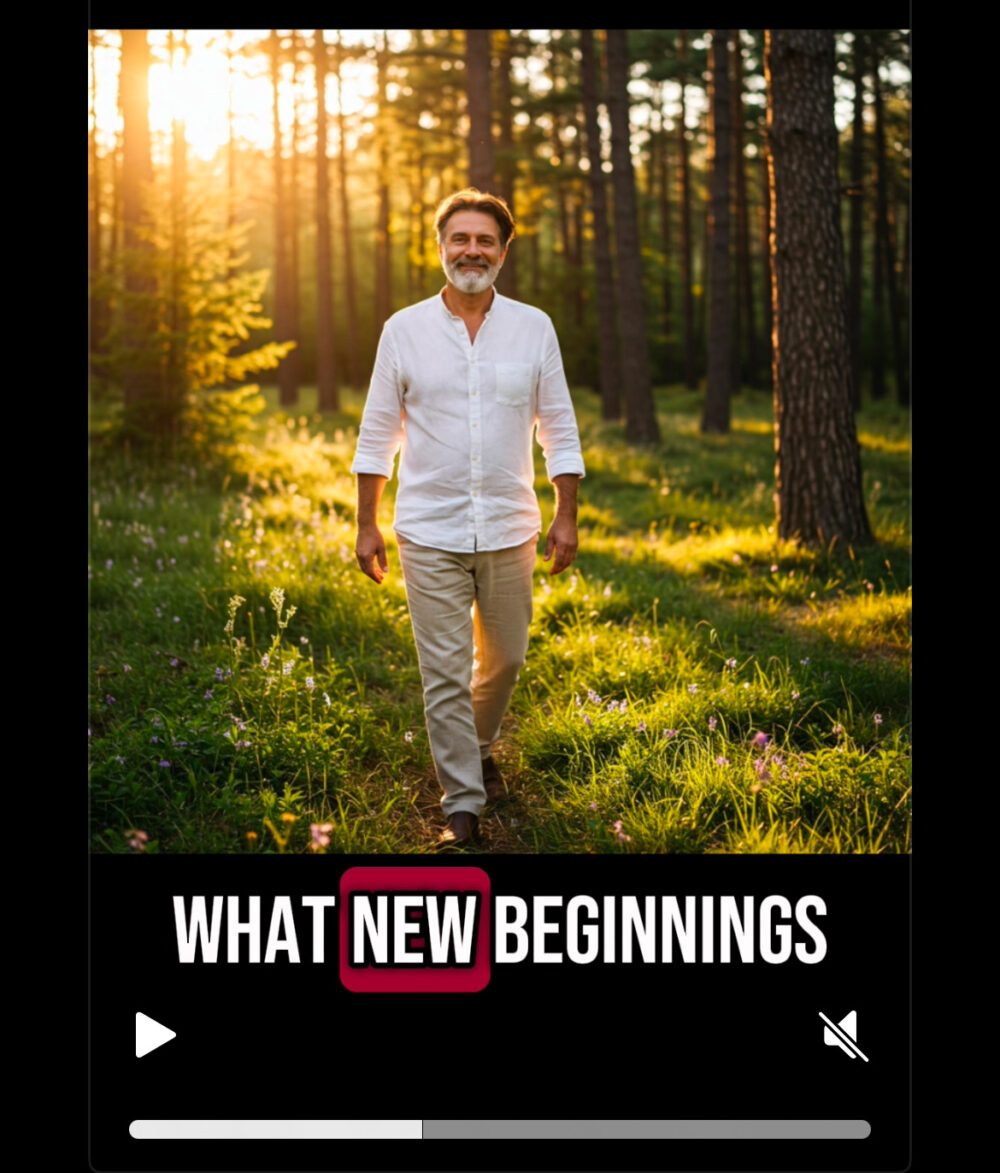
Retirement is the ultimate opportunity to trade the relentless chase for a life of quiet observation, exactly as the flâneur does. The philosophy of flânerie—wandering with intention and observing without interacting—directly counters the “busy” mindset many retirees struggle to leave behind . For author Erika Owen, tapping into this simple act of wandering has made her more calm, creative, and accepting of change . It is not about being lazy; it is about being present.
How Do I Start My Journey as a Retired Flâneur?
You start by simply taking a walk with no destination, allowing yourself to be a passive observer of the world around you. “Flaneuring is experiencing your environment without interacting with it,” explains Owen . This is a toolkit you can use anywhere . It involves:
Walking without a specific purpose.
Observing the details you usually miss.
Refraining from checking your phone.
Accepting changes in plans (like a blocked path) as part of the experience.
Viewing the world as a spectator, not a participant.
This practice has helped people feel more connected to their bodies, aware of physical sensations and the simple joy of movement .
What Are the Key Benefits of Slowing Down and Observing?
Adopting the flâneur mindset can spark creativity, reduce stress, and improve your overall well-being in retirement. Embracing this intentional wandering supports a more mindful mentality . Owen notes that after making a deliberate effort to incorporate more spontaneity into her life, she experienced several positive impacts:
Rediscovered Creativity: Inspiration strikes far more often when you’re not looking for it.
A Calmer Mindset: You will find yourself with less emotional clutter to “work through.”
Increased Perspective: Annoying moments (like a delayed train) become less annoying when you have another option (like walking).
A Better Connection to Your Body: You become more aware of your physical self and its capabilities.
How Does This Philosophy Improve Health and Happiness in the UK?
With UK healthy life expectancy falling, prioritising mental and physical well-being through mindful practices is more critical than ever. Recent data reveals that people in the UK can now expect to spend fewer years in ‘good’ health . The Office for National Statistics (ONS) data for 2022-24 shows healthy life expectancy has dropped to its lowest level since records began in 2011-13 . This has prompted concerns about a “growing chasm” of poor health before the State Pension age (rising to 67) kicks in .
The flâneur lifestyle directly addresses this by promoting a slower, more observant pace of life. As the French philosopher Jean-Jacques Rousseau suggested, “The world is the book of those who walk.” By simply wandering and observing, you can reduce stress and improve mental health, which is vital as the UK’s happiness ranking has also declined (from 18th to 21st place globally).
3 Facts to Back Up This Philosophy
Creativity Boost: Inspiration strikes far more often when you are not looking for it, making wandering a powerful tool for mental stimulation .
Stress Reduction: Flaneuring helps you become a calmer person, with less mental clutter to “work through” during quiet moments .
Health Imperative: As of 2022-24, UK healthy life expectancy for men is 60.7 years and for women 60.9 years, the lowest level on record, highlighting the need for a gentler retirement lifestyle .
Are you looking for practical applications of gerontology to improve and extend your life?
The Age of Flourishing: Mastering Longevity After 55 in the UK
Imagine a life where your later years are not defined by decline, but by vibrant health, profound purpose, and boundless joy. You’re not just existing, you’re thriving! It’s a vision many of us hold dear, isn’t it? But how do we turn this dream into reality? The answer lies in a fascinating field of study: gerontology. It’s not just about adding years to your life, but life to your years. Let’s dive deep into how you, the astute and discerning reader, can harness the power of gerontology to live a longer, healthier, and more fulfilling life right here in the UK.
Gerontology: The Science of Ageing, Redefined.
Gerontology, at its core, is the scientific study of ageing. It’s a multidisciplinary field, encompassing biology, psychology, sociology, and medicine. It explores the physical, mental, and social changes that occur as we grow older. Gerontologists aren’t just concerned with the problems associated with ageing. They’re dedicated to understanding the processes that contribute to healthy ageing, and how to optimise our lives in our later years. It’s not about fighting ageing, but about understanding it, working with it, and ultimately, mastering it.
Gerontology moves beyond mere longevity. It delves into the quality of life, focusing on enhancing well-being and independence. It’s about creating environments and systems that support older adults to live full and active lives. Consider this: a gerontologist might study the impact of social isolation on cognitive decline, or they might develop new exercise programmes tailored to the specific needs of older adults. They might also design assistive technologies that enable greater independence. It’s a complex and nuanced field, one that’s constantly evolving as we gain new insights into the ageing process.
For us, here in the UK, gerontology provides a framework for understanding and addressing the unique challenges and opportunities of ageing. It helps us navigate the complexities of our healthcare system, our social services, and our communities. It empowers us to make informed decisions about our own health and well-being. And, crucially, it gives us the tools to create a society that values and supports its older members.
So, how can you, an individual seeking to maximise your potential after 55, practically apply the principles of gerontology? Let’s explore nine actionable strategies, tailored to the UK context, that will help you live longer and better.
1. Embrace Lifelong Learning: Keep Your Mind Sharp and Engaged.
Cognitive decline is a concern for many as they age. However, research consistently shows that lifelong learning can help maintain cognitive function and even improve it. It’s not about going back to university, although that’s certainly an option! It’s about engaging in activities that challenge your mind and stimulate your curiosity.
In the UK, we have a wealth of opportunities for lifelong learning. The University of the Third Age (U3A) offers a vast range of courses and activities, from history and literature to arts and crafts. It’s a fantastic way to learn new skills, meet new people, and stay mentally active. Consider taking a local adult education course. Many local councils offer affordable classes on a wide range of subjects. Or, explore online learning platforms. Sites like FutureLearn and Coursera offer courses from leading universities around the world.
Don’t underestimate the power of reading. Read widely and regularly. Join a book club. Engage in stimulating conversations with friends and family. Learn a new language. Play brain-training games and puzzles. Crosswords, Sudoku, and strategy games can help keep your mind sharp. Embrace new technologies. Learn how to use a tablet or smartphone. Explore the internet. It’s a vast resource of information and entertainment.
Actionable Steps:
Join a U3A group: Find a group near you and explore their course offerings.
Enrol in a local adult education course: Check your local council’s website for information on available courses.
Read regularly: Set aside time each day for reading.
Engage in brain-training activities: Play puzzles and games.
Learn a new language: Use apps like Duolingo or Babbel.
Explore new technologies: Take a class on using a tablet or smartphone.
2. Prioritise Physical Activity: Move Your Body, Nourish Your Soul.
Physical activity is crucial for maintaining health and independence as we age. It strengthens our bones and muscles, improves our cardiovascular health, and boosts our mood. Gerontology research shows that regular exercise can reduce the risk of chronic diseases, improve cognitive function, and even increase lifespan.
The UK offers a wealth of opportunities for physical activity. Walking is a fantastic way to stay active. Explore the beautiful parks and countryside that the UK has to offer. Join a walking group. Many local organisations offer guided walks for older adults. Swimming is another excellent option. It’s gentle on the joints and provides a full-body workout. Consider joining a local swimming pool.
Yoga and Pilates are great for improving flexibility, balance, and strength. Many studios offer classes specifically for older adults. Tai chi is a gentle form of exercise that promotes balance and coordination. It’s also beneficial for reducing stress. Garden! The simple act of tending to a garden can keep you in very good physical condition.
Don’t underestimate the power of everyday activities. Walking to the shops, doing housework, and playing with grandchildren can all contribute to your overall activity level. Aim for at least 150 minutes of moderate-intensity exercise per week, spread out over several days. But, listen to your body. Modify your activities as needed. And, most importantly, find activities that you enjoy!
Actionable Steps:
Join a walking group: Find a group near you and explore local walking routes.
Go swimming: Check out your local swimming pool for classes and open swim times.
Try yoga or Pilates: Find a studio that offers classes for older adults.
Learn tai chi: Look for classes in your area.
Garden regularly: Spend time outdoors tending to your plants.
Incorporate physical activity into your daily routine: Walk to the shops, do housework, play with grandchildren.
Aim for 150 minutes of moderate-intensity exercise per week: Spread it out over several days.
3. Cultivate Social Connections: Build Your Network, Strengthen Your Bonds.
Social isolation and loneliness are significant concerns for older adults. Gerontology research consistently highlights the importance of social connections for physical and mental health. Maintaining strong social relationships can reduce the risk of depression, improve cognitive function, and even increase lifespan.
The UK offers many opportunities to connect with others. Join a local community group. There are groups for all interests, from gardening and knitting to history and politics. Volunteer your time. Giving back to your community can be a rewarding way to connect with others. Join a social club or organisation. Many organisations cater to older adults, offering social events and activities. Stay in touch with friends and family. Make an effort to connect regularly. Use technology to stay connected with loved ones who live far away. Join a local church or faith-based organisation. These organisations often offer social activities and support groups.
Don’t underestimate the power of simple interactions. Strike up conversations with people you meet in your daily life. Smile and be friendly. Make eye contact. Small acts of kindness can go a long way in building social connections. Consider getting a pet. Pets can provide companionship and reduce feelings of loneliness.
Actionable Steps:
Join a local community group: Explore groups in your area that align with your interests.
Volunteer your time: Find volunteer opportunities through organisations like Age UK or the Royal Voluntary Service.
Join a social club or organisation: Check out organisations like the Women’s Institute or the Rotary Club.
Stay in touch with friends and family: Make an effort to connect regularly.
Use technology to stay connected: Use video calls, social media, and email.
Join a church or faith-based organisation: Explore local organisations.
Interact with people in your daily life: Strike up conversations and be friendly.
Consider getting a pet: Research the benefits of pet ownership.
4. Nurture Your Nutritional Needs: Fuel Your Body, Optimise Your Health.
A healthy diet is essential for maintaining health and preventing chronic diseases. As we age, our nutritional needs change. We may need fewer calories, but we still need plenty of nutrients. Gerontology research emphasises the importance of a balanced diet rich in fruits, vegetables, whole grains, and lean protein.
The UK offers a wealth of fresh produce and healthy food options. Take advantage of local farmers’ markets and farm shops. Cook your own meals whenever possible. It’s a great way to control what you eat and ensure that you’re getting the nutrients you need. Limit your intake of processed foods, sugary drinks, and saturated fats.
Pay attention to your vitamin and mineral intake. As we age, our bodies may have difficulty absorbing certain nutrients. Talk to your doctor about whether you need supplements. Stay hydrated. Drink plenty of water throughout the day. It is easy to become dehydrated when we get older.
Consider seeking advice from a registered dietitian. A dietitian can help you create a meal plan that meets your specific nutritional needs.
Actionable Steps:
Eat a balanced diet: Focus on fruits, vegetables, whole grains, and lean protein.
Take advantage of local farmers’ markets and farm shops: Buy fresh, seasonal produce.
Cook your own meals: Control what you eat and ensure you’re getting the nutrients you need.
Pay attention to your vitamin and mineral intake: Talk to your doctor about supplements.
Stay hydrated: Drink plenty of water.
Consider seeking advice from a registered dietitian: Create a personalised meal plan.
5. Prioritise Sleep Quality: Rest Your Mind, Restore Your Body.
Sleep is crucial for maintaining physical and mental health. As we age, our sleep patterns may change. We may find it more difficult to fall asleep or stay asleep. But getting enough quality sleep is essential for optimal health. Gerontology research highlights the importance of good sleep hygiene for older adults.
The UK offers many resources to help you improve your sleep. Create a relaxing bedtime routine. Go to bed and wake up at the same time each day, even on weekends. Create a comfortable sleep environment. Make sure your bedroom is dark, quiet, and cool. Avoid caffeine and alcohol before bed. These substances can interfere with sleep.
If you’re having trouble sleeping, talk to your doctor. They can help identify any underlying medical conditions or recommend sleep aids. Consider using a sleep tracking app. There are many apps available that can help you monitor your sleep patterns and identify areas for improvement.
Don’t underestimate the importance of daytime activities. Get regular exercise and spend time outdoors. Exposure to sunlight can help regulate your sleep-wake cycle.
Actionable Steps:
Create a relaxing bedtime routine: Establish a regular routine to wind down before bed.
Go to bed and wake up at the same time each day: Maintain a consistent sleep schedule.
Create a comfortable sleep environment: Make sure your bedroom is dark, quiet, and cool.
Avoid caffeine and alcohol before bed: These substances can interfere with sleep.
Talk to your doctor if you’re having trouble sleeping: They can help identify any underlying conditions.
Consider using a sleep tracking app: Monitor your sleep patterns.
Get regular exercise and spend time outdoors: Exposure to sunlight can help regulate your sleep.
6. Manage Stress Effectively: Find Your Calm, Embrace Your Peace.
Stress is a normal part of life, but chronic stress can have a detrimental impact on our health. As we age, managing stress becomes even more crucial. Gerontology research emphasises the importance of stress reduction techniques for promoting healthy ageing.
The UK offers a variety of resources to help you manage stress. Practice mindfulness and meditation. There are many apps and online resources available to guide you. Try yoga or tai chi. These practices can help reduce stress and promote relaxation. Spend time in nature. The UK has many beautiful parks and gardens to explore. Engage in hobbies and activities that you enjoy. Make time for activities that bring you joy and relaxation.
Don’t underestimate the power of social support. Talking to friends and family can help you manage stress. Seek professional help if needed. There are many therapists and counsellors in the UK who specialise in stress management.
Consider joining a support group. Connecting with others who are experiencing similar challenges can be helpful.
Actionable Steps:
Practice mindfulness and meditation: Use apps like Headspace or Calm.
Try yoga or tai chi: Find classes in your area.
Spend time in nature: Explore local parks and gardens.
Engage in hobbies and activities that you enjoy: Make time for your passions.
Talk to friends and family: Seek social support.
Seek professional help if needed: Consider therapy or counselling.
Join a support group: Connect with others who are experiencing similar challenges.
7. Prioritise Regular Health Check-ups: Stay Proactive, Stay Informed.
Regular health check-ups are essential for maintaining health and preventing chronic diseases. As we age, our risk of developing certain health conditions increases. Gerontology research highlights the importance of preventative care for older adults.
The NHS offers a range of health check-ups and screenings for older adults. Take advantage of these services. Schedule regular appointments with your GP. Discuss any health concerns you may have. Get regular eye and dental check-ups. These are essential for maintaining overall health.
Don’t underestimate the importance of self-monitoring. Learn how to check your blood pressure and blood sugar. Keep track of your weight and any changes in your health.
Consider using health tracking apps. There are many apps available that can help you monitor your health and track your progress.
Actionable Steps:
Schedule regular appointments with your GP: Discuss any health concerns.
Get regular eye and dental check-ups: Maintain overall health.
Take advantage of NHS health check-ups and screenings: Be proactive about your health.
Learn how to check your blood pressure and blood sugar: Monitor your health at home.
Keep track of your weight and any changes in your health: Be aware of your body.
Consider using health tracking apps: Monitor your health and track your progress.
8. Plan for Your Future: Secure Your Stability, Embrace Your Independence.
Planning for the future is essential for maintaining financial and emotional security. As we age, it’s important to consider our long-term needs and make plans for our future. Gerontology research emphasises the importance of financial planning and estate planning for older adults.
The UK offers a range of resources to help you plan for your future. Seek financial advice. A financial adviser can help you create a plan for your retirement. Make a will. An estate planning solicitor can help you create a will that reflects your wishes. Consider your housing options. Explore options for downsizing or moving to a retirement community.
Don’t underestimate the importance of having a support network. Identify people who can help you with practical tasks and emotional support.
Consider creating an advance care plan. This document outlines your wishes for your future healthcare.
Actionable Steps:
Seek financial advice: Create a retirement plan.
Make a will: Plan your estate.
Consider your housing options: Explore downsizing or retirement communities.
Identify your support network: Build a network of people who can help you.
Create an advance care plan: Outline your wishes for future healthcare.
9. Find Purpose and Meaning: Discover Your Passion, Define Your Legacy.
Having a sense of purpose and meaning is essential for well-being and longevity. As we age, it’s important to find activities that give us a sense of purpose and contribute to our overall well-being. Gerontology research highlights the importance of finding meaning in later life.
The UK offers a range of opportunities to find purpose and meaning. Volunteer your time. Giving back to your community can be a rewarding way to find purpose. Pursue your passions. Engage in activities that you enjoy. Learn new skills. Lifelong learning can provide a sense of purpose and accomplishment.
Don’t underestimate the power of reflection. Take time to reflect on your life and your values. Identify what’s important to you.
Consider writing your life story. Sharing your experiences can be a meaningful way to connect with others.
Actionable Steps:
Volunteer your time: Find opportunities to give back to your community.
Pursue your passions: Engage in activities that you enjoy.
Learn new skills: Embrace lifelong learning.
Reflect on your life and your values: Identify what’s important to you.
Write your life story: Share your experiences.
The Age of Flourishing: A Call to Action.
Living well in your later years is not just a dream, it’s an achievable goal. By embracing the principles of gerontology, you can take control of your health and well-being, and create a life that is full of purpose, joy, and vitality. The UK offers a wealth of resources and opportunities to support you on this journey.
It’s about more than just surviving. It’s about thriving. It’s about embracing the age of flourishing. It’s about living your best life, every single day. So, take action. Start today. Invest in your health, cultivate your relationships, and find your purpose. The best is yet to come!
Shadow and Light: The Solar Eclipse, Self-Discovery, and the Art of Reinvention
Darkness. A sudden, almost surreal, dimming of the midday sun. It’s a spectacle, a cosmic ballet that captivates. But what if this celestial event, the solar eclipse, could be more than just a fleeting moment of awe? What if it could serve as a catalyst for profound personal transformation? 87% of people report feeling a sense of awe during natural phenomena. Awe, that’s what we’re talking about! It’s not just a feeling, it’s a gateway to deeper understanding. We’re going to explore how the upcoming solar eclipse in the UK can be a powerful tool for self-discovery and reinvention. Forget the clichés about ‘finding yourself.’ This is about actively creating the self you desire. We’ll delve into practical exercises, mindfulness techniques, and actionable steps to harness this unique energy. You’ll learn how to use the eclipse as a mirror, reflecting back your deepest desires and fears. We’ll examine how to shed old patterns and embrace new beginnings. This isn’t just about watching the sky; it’s about transforming your life.
The Eclipse: A Cosmic Reset
The solar eclipse, a moment when the moon aligns perfectly between the sun and Earth, casting a shadow across our world, is a powerful symbol. It’s a moment of pause, a brief interruption in the familiar rhythm of our days. In the UK, the upcoming eclipse offers a unique opportunity for introspection. We’re not just passive observers. We’re participants in a cosmic dance.
Astronomically, it’s a stunning event. The precise mechanics, the interplay of celestial bodies, are a testament to the intricate workings of the universe. But beyond the science, there’s a deeper resonance. The darkness that descends, however briefly, can trigger a sense of vulnerability, a confrontation with our own inner shadows. This is where the potential for self-discovery lies.
Historically, eclipses have been imbued with meaning. Ancient cultures often viewed them as omens, moments of divine intervention. While we may no longer interpret them through the lens of mythology, the sense of awe and wonder remains. This awe is important. It cracks open our everyday perceptions. It makes room for new perspectives.
Consider the metaphor: the sun, our source of light and energy, is temporarily obscured. What aspects of our lives, our inner selves, are we allowing to be obscured? What shadows are we ignoring? The eclipse provides a chance to confront these shadows, to bring them into the light.
Actionable Insight:
Mindful Observation: Before, during, and after the eclipse, practice mindful observation. Note your thoughts, feelings, and physical sensations. Keep a journal.
Reflective Questions: Ask yourself: What areas of my life feel overshadowed? What am I ready to release? What new beginnings am I seeking?
The Journey Inward: Self-Discovery and Introspection
Self-discovery is not a destination; it’s a journey. It’s an ongoing process of exploration, of peeling back layers to reveal our true selves. The eclipse, with its symbolic darkness, can be a powerful catalyst for this journey.
We often live on autopilot, driven by external expectations and societal pressures. We lose touch with our inner compass, our authentic selves. The eclipse invites us to pause, to disconnect from the noise, and to listen to our inner voice.
This process can be uncomfortable. Confronting our shadows, acknowledging our fears and insecurities, requires courage. But it’s in this discomfort that growth occurs. It’s where we discover our resilience, our strength.
Actionable Insight:
Shadow Work: Engage in shadow work. This involves identifying and acknowledging the parts of ourselves we tend to suppress or deny. Journal about your fears, insecurities, and past traumas.
Values Clarification: Identify your core values. What truly matters to you? What principles guide your decisions? Aligning your life with your values is essential for authentic living.
Inner Child Work: Connect with your inner child. What were your childhood dreams and aspirations? What unmet needs still linger? Nurturing your inner child can lead to profound healing.
The Art of Reinvention: Embracing Change
Reinvention is not about discarding your past; it’s about integrating it into a new, more authentic version of yourself. It’s about consciously choosing who you want to be and how you want to live.
The eclipse, with its symbolism of transformation, can inspire us to embrace change. It reminds us that darkness is temporary, that light always returns. We have the power to create our own light, to shape our own destinies.
This process requires courage, resilience, and a willingness to step outside our comfort zones. It involves letting go of old patterns, beliefs, and behaviors that no longer serve us.
Actionable Insight:
Vision Boarding: Create a vision board that represents your desired future. Include images, words, and symbols that inspire you.
Goal Setting: Set clear, specific, measurable, achievable, relevant, and time-bound (SMART) goals. Break them down into smaller, manageable steps.
Affirmations: Use positive affirmations to reprogramme your subconscious mind. Repeat them daily, with conviction.
The Power of Affirmations: Rewiring Your Mind
Affirmations are powerful tools for self-reinvention. They are positive statements that can help us shift our mindset, overcome limiting beliefs, and attract positive experiences into our lives.
The eclipse, with its energy of transformation, can amplify the power of affirmations. Using affirmations during this time can help us align with our desired outcomes.
Affirmations:
Everything always works out for me in the end.
The universe supports me in every way.
I trust that life is unfolding perfectly for me.
Good things are always coming my way.
Every challenge leads to a greater blessing solutions.
New opportunities to improve my life find me effortlessly.
My life flows with ease and grace.
The best outcomes always manifest for me.
I attract positive experiences into my life.
My journey is divine guided and supported.
I am always in the right place at the right time.
My life is filled with abundance and joy.
Everything comes to me with perfect timing.
I am surrounded by love and I like the process of life completely.
The universe always provides for my highest good life and living.
Everything I desire is making its way to me.
I am aligned with the energy of my success.
Actionable Insight:
Create Personalised Affirmations: Tailor affirmations to your specific goals and desires.
Repeat Affirmations Daily: Repeat your affirmations multiple times a day, especially during the eclipse.
Visualise Your Affirmations: Visualise your affirmations as if they are already true.
Harnessing the Eclipse Energy: Practical Exercises
The eclipse provides a unique opportunity to harness cosmic energy for personal transformation. Here are some practical exercises to help you make the most of this powerful time:
Eclipse Meditation: During the eclipse, find a quiet space and meditate. Focus on your breath and visualise releasing old patterns and embracing new beginnings.
Eclipse Journaling: After the eclipse, journal about your experiences, insights, and intentions.
Eclipse Ritual: Create a personal ritual to symbolise your transformation. This could involve lighting candles, burning sage, or writing down your intentions and releasing them to the universe.
Nature Connection: Spend time in nature during the eclipse. Connect with the earth and the sky.
The Role of Mindfulness: Staying Present
Mindfulness is the practice of being fully present in the moment, without judgment. It’s a powerful tool for self-discovery and reinvention.
The eclipse, with its emphasis on introspection, can serve as a reminder to cultivate mindfulness in our daily lives. By staying present, we can become more aware of our thoughts, feelings, and sensations.
Actionable Insight:
Daily Mindfulness Practice: Set aside time each day for mindfulness meditation.
Mindful Awareness: Bring mindful awareness to your daily activities, such as eating, walking, and talking.
Observe Your Thoughts: Observe your thoughts without judgment. Let them pass like clouds in the sky.
Creating a Supportive Environment: Nurturing Your Growth
Our environment plays a significant role in our personal growth and transformation. Surround yourself with positive influences, supportive relationships, and inspiring experiences.
The eclipse, with its emphasis on new beginnings, can inspire us to create a more supportive environment for ourselves.
Actionable Insight:
Cultivate Positive Relationships: Spend time with people who uplift and inspire you.
Create a Sacred Space: Designate a space in your home for meditation, journaling, and reflection.
Limit Exposure to Negativity: Minimise your exposure to negative news, social media, and toxic relationships.
Embracing Imperfection: The Beauty of the Journey
Self-discovery and reinvention are not linear processes. There will be setbacks, challenges, and moments of doubt. Embrace these imperfections as part of the journey.
The eclipse, with its symbolism of darkness and light, reminds us that life is a cycle of ups and downs. It’s in the darkness that we discover our strength and resilience.
Learn from Mistakes: View mistakes as opportunities for growth and learning.
Celebrate Small Victories: Acknowledge and celebrate your progress, no matter how small.
Integrating the Eclipse Experience: Sustaining Transformation
The eclipse is a catalyst, a starting point. The real work begins after the event. Integrate the insights and intentions you gained during the eclipse into your daily life.
Actionable Insight:
Develop a Daily Routine: Create a daily routine that supports your goals and values.
Seek Ongoing Support: Find a mentor, coach, or support group to help you stay on track.
Review and Revise: Regularly review your goals and intentions, and revise them as needed.
The Future: A Brighter Horizon
The solar eclipse in the UK is more than just a celestial event; it’s an opportunity for profound personal transformation. By embracing self-discovery, reinvention, and the power of affirmations, we can create a brighter future for ourselves and the world around us.
Remember, the darkness is temporary. The light always returns. And within each of us lies the power to create our own light, to shape our own destinies. Embrace the journey. Embrace the change. Embrace the light.
Conclusion:
The eclipse passes. The shadow retreats. The light returns. But you, you are changed. The questions you asked, the reflections you made, the affirmations you spoke, these stay with you. They become a part of your new foundation. A foundation built on self-awareness, on intention, on the unwavering belief that you are capable of creating the life you desire. The eclipse was a moment. Your life, however, is a continuous unfolding. Embrace it. Live it. Make it yours.