

CheeringupInfo Retirement Club recommends these gout prevention tips as alternative solutions to gout for UK over 55s who want to keep golfing, walking, cycling, playing padel and tennis. Learn how hydration, diet, foot and leg exercises, grounding, cherry extract, vitamin C and lifestyle changes can reduce uric acid, prevent flares and speed recovery — without relying on traditional pharmaceutical drugs.
If you are over 55, living in the UK, and determined to keep playing golf, padel, tennis, cycling, hiking, or simply walking without the misery of gout attacks derailing your plans, this review is for you. Gout now affects around 1 in 40 people in the UK — roughly 1.6 million people — and prevalence has increased by 64% between 1997 and 2012. The good news? There is a great deal you can do without relying solely on traditional pharmaceutical drugs. Grounding, targeted leg and foot exercises, strategic supplementation, and smarter eating and drinking habits can all help reduce uric acid, prevent flares, and get you back on the fairway or court faster. As the saying goes, “prevention is better than cure” — and when it comes to gout, the evidence increasingly supports a multi-pronged lifestyle approach.
Why should you seek non-pharmaceutical strategies for gout?
Non-pharmaceutical strategies are worth pursuing because they address the root causes of elevated uric acid while simultaneously improving your overall health, mobility, and quality of life — benefits that pharmaceutical interventions alone often do not deliver. Gout is not just a painful toe; it is a systemic condition. People with gout are 50% more likely to develop high blood pressure, three times more likely to develop kidney disease, and significantly more likely to develop type 2 diabetes and liver disease. By reducing uric acid through lifestyle change, you are not merely avoiding flares — you are actively lowering your risk of these serious comorbidities.
- “Diet modification is an important part of gout management” — dietary changes alone typically reduce serum urate by approximately 10–15%, which is meaningful for prevention.
- Exercise and weight management improve insulin sensitivity, reduce inflammation, and support kidney function — all of which help your body clear uric acid more efficiently.
- Alternative remedies such as grounding have been shown to reduce inflammation, pain, and stress, and to improve blood flow and sleep — all relevant to gout sufferers.
- Cost savings: A single hospital-treated gout flare costs the NHS approximately £648.36, while a GP-managed flare costs between £27.19 and £55.60. Reducing flares through lifestyle saves both personal discomfort and public money.”There was a clinical benefit for cherry extract when compared to individualised diet modification for a proportion of patients with any gout flare outcome at medium-term (9 months)”.
Why can alternatives beat gout as well as benefit the rest of your body?
Alternatives can beat gout because they work on multiple fronts simultaneously — reducing purine intake, enhancing uric acid excretion, lowering inflammation, and improving metabolic health — whereas pharmaceutical drugs typically target only one pathway. NHS guidance itself recommends lifestyle measures including weight loss, healthy diet, alcohol reduction, and regular exercise. The British Society of Rheumatology’s 2017 guidelines endorse cherries as part of gout management.
- Cardiovascular benefits: Lowering uric acid reduces strain on the heart and blood vessels. People with gout are 50% more likely to develop high blood pressure.
- Kidney protection: Adequate hydration and reduced purine load lessen the risk of uric acid kidney stones and chronic kidney disease.
- Joint preservation: Exercise keeps joints mobile and cartilage healthy, reducing the long-term damage that repeated gout attacks can cause.
- Mental wellbeing: Grounding and outdoor exercise improve sleep, reduce cortisol, and alleviate the depression risk that is 19% higher in people with gout.
What practical lifestyle changes stop gout attacks in over 55s?
Practical lifestyle changes that stop gout attacks in over 55s include drinking 2–3 litres of water daily, avoiding beer and spirits, losing weight gradually, and building a daily routine of joint-friendly movement. These are not abstract recommendations — they are concrete, actionable steps you can start today.
Hydration: the single most immediate change
- Aim to drink 2 to 3 litres of water daily — approximately 8 to 12 large glasses — to support uric acid excretion and prevent crystal formation.
- Drink a large glass of water before bed to counteract overnight dehydration, which is a common trigger for night-time flares.
- Avoid sugary soft drinks and commercial fruit juices, which raise uric acid.
Diet: what to limit and what to embrace
- Avoid or strictly limit: organ meats (liver, kidney), red meat, game, oily fish (anchovies, sardines, mackerel), shellfish, and meat extracts such as Bovril.
- Embrace: low-fat dairy, plant-based proteins, whole grains, pulses, vegetables, and cherries — all of which are associated with lower uric acid levels.
- Be realistic: diet alone reduces serum urate by 10–15%, so pair it with other strategies.
Alcohol: the strongest dietary trigger
- Beer and spirits are the strongest dietary triggers for gout attacks — beer contains purines from yeast, and all alcohol reduces renal uric acid excretion.
- Aim for at least 3–4 alcohol-free days per week and never exceed 14 units per week, in line with NHS guidance.
- Moderate wine consumption appears to have a smaller effect than beer or spirits.
Weight management: slow and steady wins
- NHS recommends losing 0.5kg to 1kg (1–2lb) per week — rapid weight loss can actually trigger gout attacks by releasing uric acid from broken-down cells.
- Obese people are twice as likely to develop gout and tend to develop it at a younger age.
- Combine portion control with increased physical activity for sustainable results.
What exercises and feet and leg routines help prevent gout in active over 55s?
Exercises and feet and leg routines that help prevent gout in active over 55s include low-impact cardio such as walking, cycling, swimming, and golf, combined with targeted leg-strengthening and foot-mobility work. The key is consistency and avoiding excessive joint stress during flares.
- Golf: Walking the course provides excellent low-impact cardiovascular exercise. A study cited by The New York Times found that walking 18 holes while carrying a bag or using a push-cart burns approximately 1,400 calories.
- Padel and tennis: These racquet sports improve agility, balance, and cardiovascular fitness. Padel is now enjoyed by 30 million players worldwide.
- Cycling and hiking: Excellent for building leg strength without high-impact joint loading.
- Foot and ankle mobility: Regular range-of-motion exercises — ankle circles, toe curls, calf stretches — help maintain joint flexibility and reduce stiffness.
- Leg strengthening: Sit-to-stand from a chair, wall pushes, resistance band work, and light squats help maintain strength in the legs, hips, and back.
- Ergonomic exercise: Gentle movement combining breath and motion has been shown to lower uric acid levels and reduce pain in elderly gout patients.
What supplements and alternative remedies can reduce uric acid?
Supplements and alternative remedies that may reduce uric acid include vitamin C, cherry extract, omega-3 fatty acids, and grounding (earthing), though evidence is mixed and should be discussed with a healthcare professional.
Vitamin C
- Observational studies suggest men with higher vitamin C intake are less likely to develop gout.
- Supplementation at 500–1,500mg per day has been shown to reduce blood uric acid levels.
- UK recommended daily amount is 40mg, but gout studies have used higher doses.
Cherry extract and tart cherry juice
- Cherry extract and tart cherry juice
- Cherry extract showed clinical benefit for reducing gout flare outcomes at 9 months compared to diet modification alone.
- The British Society of Rheumatology’s 2017 guidelines endorse cherries for gout management.
- Typical studied dose: 3,600mg daily of cherry extract (equivalent to about a pound of cherries).
Omega -3 Fatty Acids
- N-3 fatty acids are among the supplements assessed in randomised controlled trials for gout-related outcomes.
- Found in oily fish (though gout sufferers should moderate fish intake) or supplemented as fish oil.
Grounding (earthing)
- Grounding involves direct skin contact with the Earth’s surface — walking barefoot on grass, sand, or soil.
- Research indicates grounding reduces inflammation, pain, and stress, and improves blood flow and sleep.
- A 2015 review described grounding as potentially “the anti-inflammatory antidote for modern man”.
- Practical application: 20–30 minutes daily of barefoot walking on natural surfaces.
What should you do during a gout attack without pharmaceutical drugs?
During a gout attack without pharmaceutical drugs, you should rest the affected joint, apply ice, elevate the limb, drink plenty of water, and avoid putting pressure on the joint. NHS guidance explicitly recommends these measures: rest and raise the limb, keep the joint cool with an ice pack wrapped in a towel for up to 20 minutes at a time, and drink lots of water.
- Rest and elevate: Keep the affected limb raised to reduce swelling.
- Ice therapy: Apply a wrapped ice pack for up to 20 minutes at a time. Ice provides temporary pain relief.
- Hydrate aggressively: Drink water steadily throughout the day to help flush uric acid.
- Keep bedclothes off the joint at night to reduce pressure and irritation.
- Do not put pressure on the joint — this can make the pain worse.
Who will benefit most from these gout prevention tips, and when?
The people who will benefit most are UK adults over 55 — particularly men, who are three to four times more likely to develop gout, and post-menopausal women — who are physically active or want to remain so and who prefer to minimise pharmaceutical interventions. Gout prevalence peaks between ages 80–84, affecting 15% of men and 6% of women in that age bracket.
- Active over 55s: Golfers, padel players, walkers, hikers, cyclists, runners, and tennis players who want to protect their joints and stay on the course or trail.
- Those with a family history: Gout sometimes runs in families, and early lifestyle intervention is most effective.
- People with borderline uric acid: For those with infrequent attacks, dietary and lifestyle change may be sufficient without medication.
- Those wanting to avoid drug side effects: NSAIDs and colchicine can have gastrointestinal and cardiovascular side effects, making lifestyle approaches attractive.
- When to start: Immediately. Every gout flare causes joint damage, and 54% of people with gout develop one or more comorbidities within five years of diagnosis.
How can you practically change your lifestyle to stop gout attacks?
You can practically change your lifestyle by implementing a daily routine that combines hydration, dietary swaps, consistent low-impact exercise, and targeted supplementation — starting with one change at a time and building from there.
Your daily gout prevention routine
- Morning: Drink 500ml of water upon waking. Take vitamin C (500mg) and cherry extract if using.
- Midday: 20–30 minutes of barefoot grounding on grass or a natural surface, weather permitting.
- Afternoon: Play golf, padel, or go for a brisk walk. Follow with foot and ankle mobility exercises.
- Evening: Drink another 500ml of water before bed. Avoid alcohol and high-purine snacks in the hours before sleep.
- Weekly: Aim for at least 150 minutes of moderate exercise, spread across the week. Include 2–3 sessions of leg-strengthening work.
Dietary swaps that make a difference
- Swap red meat for chicken or plant proteins on most days.
- Replace beer with sparkling water with a slice of lime.
- Choose low-fat dairy over full-fat varieties.
- Snack on cherries or berries instead of crisps or sugary treats.
- Use herbs and spices (turmeric, ginger) known for anti-inflammatory properties.
Tracking and adjusting
- Keep a simple diary of flares and potential triggers (food, drink, activity, stress).
- Review your uric acid levels with your GP at least annually if you have a history of gout.
- Adjust your approach based on what works for your body.
What are the key takeaways for UK over 55s who want to stay active?
The key takeaways are that gout is manageable through lifestyle, that prevention is far better than treatment, and that staying active is both possible and beneficial — but requires commitment to hydration, diet, exercise, and stress management.
- Gout is common but controllable: 1 in 40 UK adults have gout, and prevalence is rising.
- Lifestyle works: Diet alone reduces urate by 10–15%, and exercise adds further benefit.
- Stay active: Golf, padel, walking, cycling, and tennis are all appropriate and beneficial.
- Hydrate relentlessly: 2–3 litres of water daily is the single most important habit.
- Use alternatives wisely: Vitamin C, cherry extract, and grounding have evidence supporting their use.
- Act early: Every flare causes damage — do not wait for the next one.
- CheeringupInfo Retirement Club is here to support your journey to a gout-free, active retirement.
Disclaimer: This article is for general informational purposes only and does not constitute medical advice. It is not a substitute for professional medical advice, diagnosis, or treatment. Always seek the advice of your GP, rheumatologist, or other qualified health professional with any questions you may have regarding a medical condition or before starting any new supplement, exercise, or dietary programme. Never disregard professional medical advice or delay in seeking it because of something you have read in this article. The author, publisher, and CheeringupInfo Retirement Club accept no liability whatsoever for any loss, damage, injury, or adverse health outcome arising directly or indirectly from the use or reliance upon the information provided herein. Individual results may vary, and what works for one person may not work for another. If you are experiencing a gout attack or any acute medical symptoms, contact NHS 111 or your GP immediately.
#GoutPreventionOver55 #ActiveRetirementUK #RetirementClub #RetirementMagazine #RetirementTV
Get help to protect and grow your business faster by targeting over 55s and those planning for retirement with fairly priced discounted products and services
Find out more about growing your business faster with targeted marketing to over 55s UK
Subscribe for free retirement lifestyle improvement ideas reviews and cost of living reduction tips
Connect with CheeringUpInfo for free retirement lifestyle improvement tips
Read more retirement lifestyle improvement articles and view videos for free
Stop blaming the Stilton. If you’re over 55, gout is not a “rich old man’s toe” — it’s a whole-body warning, and 1.6 million Brits are ignoring it while their joints pay the price.
CheeringupInfo Retirement Club recommends these gout prevention tips as alternative solutions to the problem of gout. But first, the number that should stop you scrolling: UK gout cases rose 64% between 1997 and 2012. And if you think it’s just red wine and steak, you’re missing the 7-step drug-free protocol that helps golfers, padel players, cyclists and hikers over 55 keep moving.
Stay to step 4. It’s the one most over-55s skip — and it’s why they keep limping off the 14th fairway.
- Hydrate like it’s your new handicap.
Aim for 2–3 litres of water daily. Drink a large glass before bed. Overnight dehydration is a classic flare trigger. No sugary soft drinks. No commercial fruit juice. - Treat beer and spirits as the enemy.
Beer and spirits are the strongest dietary triggers. Aim for 3–4 alcohol-free days per week. Keep under 14 units weekly, NHS style. Wine is less bad — but “less bad” is not a green light. - Swap the purine bombs.
Cut organ meats, red meat, anchovies, sardines, mackerel, shellfish and meat extracts like Bovril. Add low-fat dairy, pulses, whole grains, vegetables and cherries. Diet alone can lower serum urate by 10–15%. - Move without wrecking the joint.
This is the step most people skip. Aim for 150 minutes of moderate exercise weekly. Walking 18 holes of golf burns around 1,400 calories. Padel, tennis, cycling, hiking and brisk walking all count. Add foot and ankle circles, calf stretches and sit-to-stands. Strong legs protect knees, hips and feet. - Use targeted supplements — with your GP’s knowledge.
Vitamin C at 500–1,500mg daily has been linked to lower uric acid. Cherry extract has clinical benefit data at 9 months, with studied doses around 3,600mg daily. Omega-3 may help inflammation. This is not a free-for-all. Check interactions. - Try grounding for 20–30 minutes daily.
Barefoot on grass, sand or soil. Research suggests grounding reduces inflammation, pain and stress, and improves blood flow and sleep. If you’re still reading, you’re exactly who this is for — someone who wants 10 more years of padel, not 10 more years of pill boxes. - When a flare hits, do not panic — and do not use heat.
Rest the joint. Elevate it. Ice it for up to 20 minutes wrapped in a towel. Drink water steadily. Keep bedclothes off the joint. Do not put pressure on it. Heat can make it worse.
Here’s the cost reality: a hospital-treated gout flare costs the NHS around £648.36. A GP-managed flare costs £27.19–£55.60. And 54% of people with gout develop one or more comorbidities within 5 years. That’s not just a toe problem.
Email editor@cheeringup.info for more information on Retirement Club with the subject line “GOUT FREE 55”.
Not medical advice. Always speak to your GP or health professional. No liability accepted for actions taken based on this post.
Products or Services Support Gout Free Journey
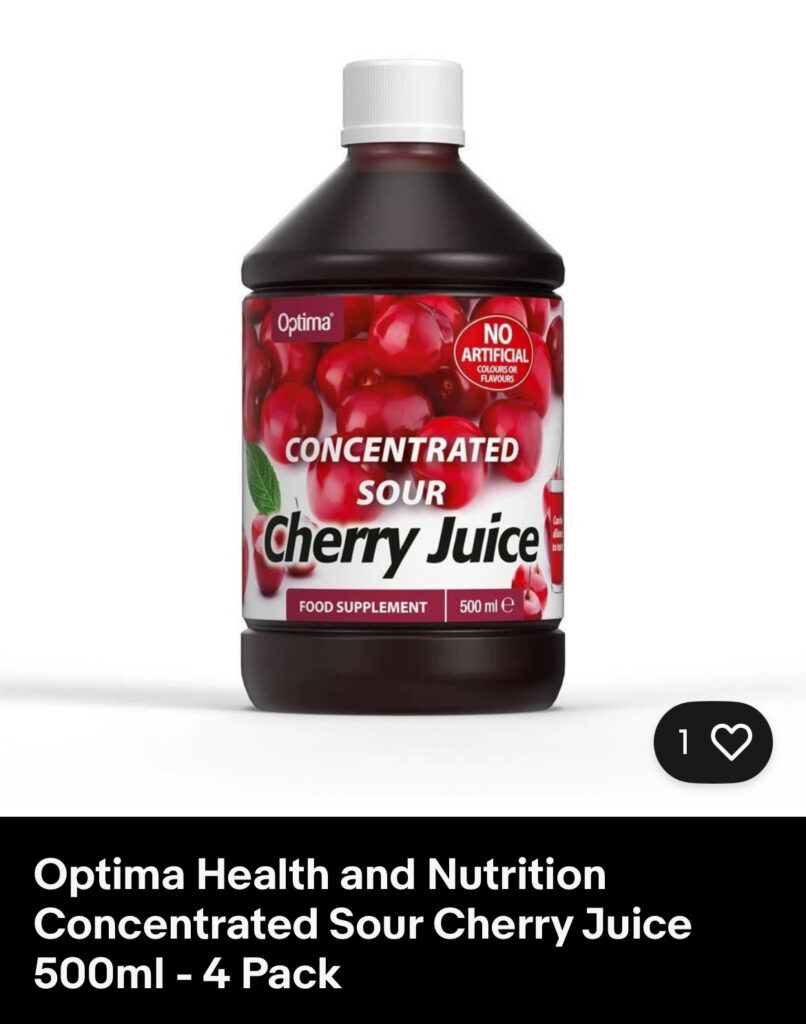
https://ebay.io/m/Jqi10V
As an eBay Partner, I may be compensated if you make a purchases
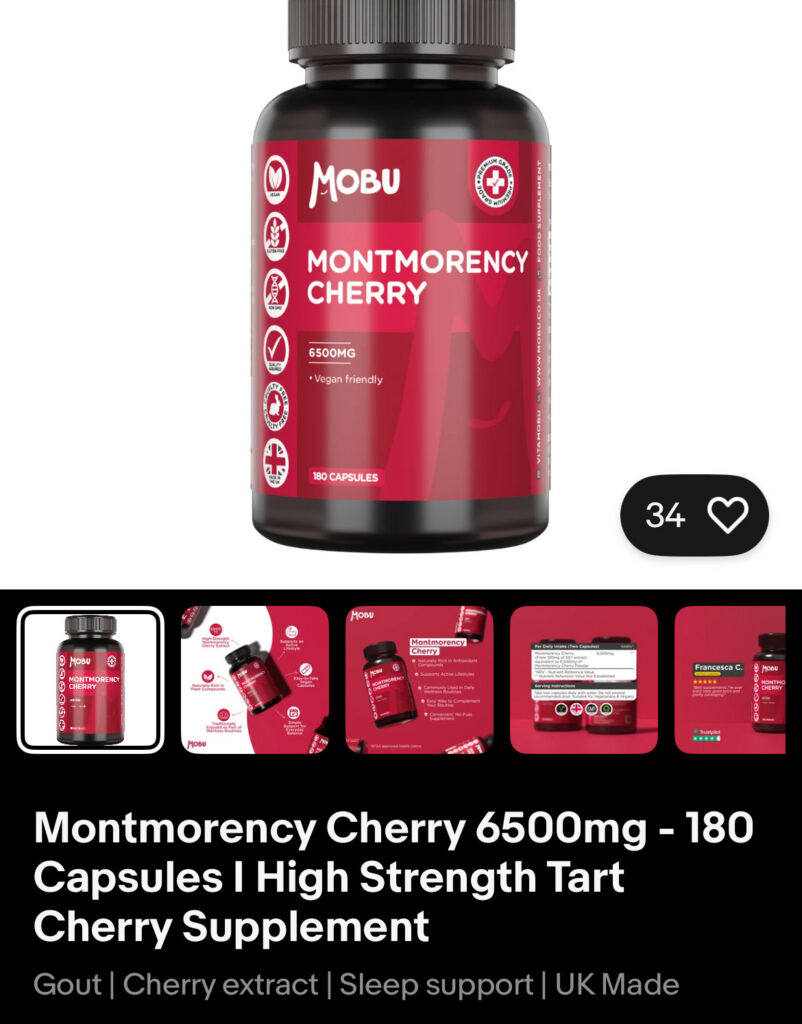
https://ebay.io/m/n8rir1
As an eBay Partner, I may be compensated if you make a purchase
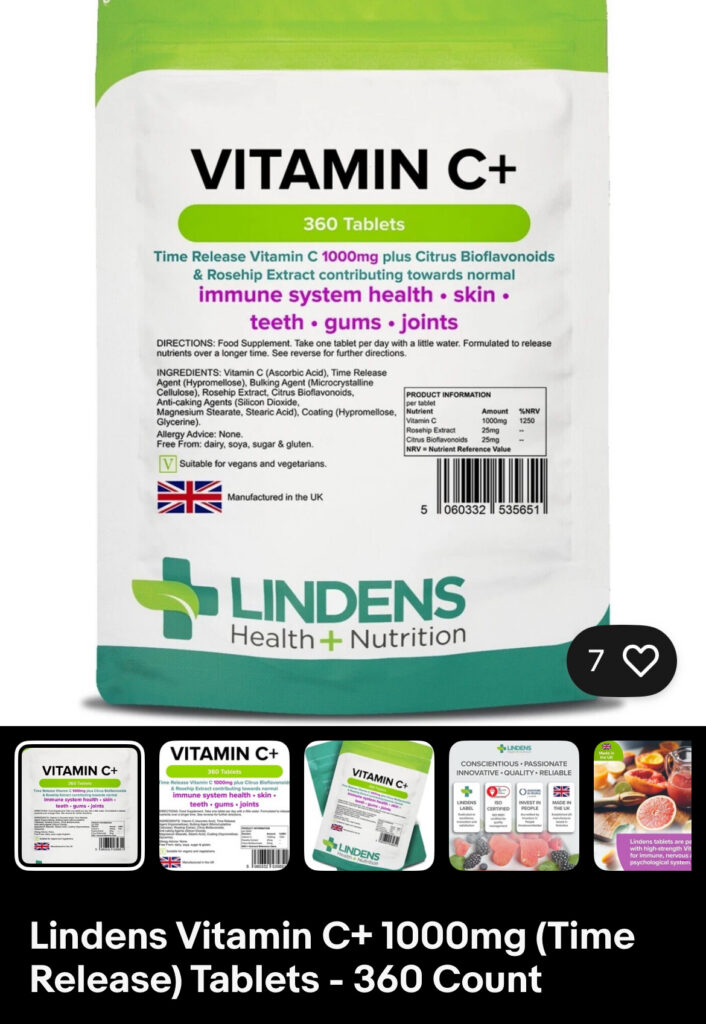
https://ebay.io/m/3UM9rv
As an eBay Partner, I may be compensated if you make a purchase

https://ebay.io/m/a0slR2
As an eBay Partner, I may be compensated if you make a purchase

https://ebay.io/m/Q8uTRt
As an eBay Partner, I may be compensated if you make a purchase
Your 7-Day Low-Purine Meal Plan with Intermittent Fasting for Gout Prevention (UK Over 55s)
This meal plan draws on four trusted resources: Gout Cookbook: 85 Healthy Homemade and Low Purine Recipes by Monika Shah, The Healing Gout Diet Cookbook for Beginners, Gout Diet Cookbook for Seniors, and Gout Food List: 200 Low Purine Foods. It also integrates intermittent fasting principles tailored for older adults, with NHS-backed hydration and dietary guidance throughout.
The Intermittent Fasting Framework for Over 55s
Time-restricted eating (TRE) — eating within an 8-to-10-hour window — has emerged as a promising approach for weight loss and metabolic health in older adults. Research shows that two non-consecutive days of fasting per week significantly prevents inflammation provoked by urate crystals in preclinical models. A pilot study found that calorie restriction to 1,600 kcal/day for 4 months was associated with flare reduction in gout patients.
Important safety note for over 55s: NHS guidance explicitly warns to “avoid crash, yo-yo dieting and fasting” that is extreme, as this can make kidneys hold onto uric acid and worsen symptoms. The approach below uses gentle 12-14 hour overnight fasts, not extreme calorie restriction.
Your daily eating window: 10am – 7pm (9-hour window, 15-hour overnight fast)
Hydration during fasting: Water, herbal tea (no sugar) — 2-3 litres daily
Day 1 – Monday
Fasting period (7pm Sunday – 10am Monday): Water only. Drink 500ml upon waking.
Breakfast (10am): Greek Yogurt Parfait with Berries and Nuts — from Gout Diet Cookbook for Seniors. Low-fat Greek yogurt, fresh strawberries, blueberries, crushed walnuts. Low purine, high protein, anti-inflammatory.
Lunch (1pm): Lentil and Kale Power Bowl — from Gout Diet Cookbook for Seniors. Warm green lentils, steamed kale, cherry tomatoes, cucumber, lemon-olive oil dressing.
Dinner (6pm): Grilled chicken breast (skinless, 100g), roasted sweet potato, steamed broccoli, carrots. From Monika Shah’s Gout Cookbook.
Snack (optional, 4pm): 10-12 fresh cherries or a small handful of almonds.
Day 2 – Tuesday
Fasting period (7pm Monday – 10am Tuesday): Water only.
Breakfast (10am): Almond Butter and Banana Whole Wheat Toast — from Gout Diet Cookbook for Seniors. One slice wholemeal toast, 1 tbsp almond butter, half sliced banana.
Lunch (1pm): Spinach and Mushroom Frittata — from Gout Diet Cookbook for Seniors. Two eggs, wilted spinach, sautéed mushrooms, served with a side salad.
Dinner (6pm): Baked cod (120g) with quinoa, roasted courgette, and green beans. Cod is a lower-purine fish option.
Snack (optional, 4pm): Low-fat cheese cubes or a small pot of natural yogurt.
Day 3 – Wednesday
Fasting period (7pm Tuesday – 10am Wednesday): Water only.
Breakfast (10am): Oatmeal with skimmed milk, topped with sliced kiwi and a drizzle of honey. Oats are low in purines.
Lunch (1pm): Chicken and vegetable soup (homemade, no meat extract or Oxo cubes). Use leftover chicken, leeks, carrots, celery.
Dinner (6pm): Tofu and vegetable stir-fry with brown rice. Tofu is a plant-based protein that is safe for gout sufferers.
Snack (optional, 4pm): A handful of plain popcorn or vegetable sticks with hummus.
Day 4 – Thursday
Fasting period (7pm Wednesday – 10am Thursday): Water only.
Breakfast (10am): Scrambled eggs (2) on wholemeal toast with grilled tomatoes. Eggs are among the lowest-purine protein sources.
Lunch (1pm): Jacket potato with low-fat cottage cheese and a large mixed salad. Add sweetcorn and cucumber.
Dinner (6pm): Turkey mince bolognese with wholewheat pasta. Turkey is a lower-purine poultry option compared to red meat.
Snack (optional, 4pm): Cherry juice (pure, unsweetened) — one small glass.
Day 5 – Friday
Fasting period (7pm Thursday – 10am Friday): Water only.
Breakfast (10am): Smoothie made with skimmed milk, frozen berries, half a banana, and 1 tsp honey.
Lunch (1pm): Wholemeal wrap with grilled chicken, lettuce, tomato, and low-fat yogurt dressing.
Dinner (6pm): Vegetable curry with chickpeas, spinach, and cauliflower, served with basmati rice. Note: cauliflower and spinach are moderate-purine vegetables but do not need to be avoided.
Snack (optional, 4pm): 10-12 cherries or a small handful of mixed nuts.
Day 6 – Saturday
Fasting period (7pm Friday – 10am Saturday): Water only.
Breakfast (10am): Wholegrain cereal with skimmed milk, topped with sliced strawberries and flaked almonds.
Lunch (1pm): Poached eggs on wholemeal toast with sautéed mushrooms and tomatoes.
Dinner (6pm): Grilled salmon (100-120g) with new potatoes, asparagus, and green beans. Note: Salmon is moderate purine — keep to one portion per week if sensitive.
Snack (optional, 4pm): Low-fat yogurt with a drizzle of honey.
Day 7 – Sunday
Fasting period (7pm Saturday – 10am Sunday): Water only.
Breakfast (10am): Mushroom and spinach omelette (2 eggs) with a slice of wholemeal toast.
Lunch (1pm): Roast chicken dinner (skinless breast, 100g), roast parsnips, carrots, steamed cabbage, and a small portion of gravy made without meat extract.
Dinner (6pm): Light meal — vegetable soup with a wholemeal roll, or a large salad with chickpeas, cucumber, tomato, and feta.
Snack (optional, 4pm): A small bowl of mixed berries.
Fasting Day Option (Optional, 1 Day Per Week)
If you want to try a gentle fasting day (not a complete fast), consider a modified fasting day where you eat around 600-800 calories within your normal eating window. Research on intermittent fasting suggests two non-consecutive days of fasting per week may significantly prevent crystal-induced inflammation. However, NHS guidance warns against extreme fasting. A modified approach could look like:
- Breakfast (10am): Small bowl of porridge with water and a few berries (approx. 200 kcal)
- Lunch (1pm): Large green salad with cucumber, tomato, and a boiled egg (approx. 250 kcal)
- Dinner (6pm): Vegetable soup with a small wholemeal roll (approx. 250 kcal)
- Hydration: 2-3 litres of water throughout the day
Hydration Rules for Every Day
- Upon waking: Drink 500ml of water immediately.
- Throughout the day: Aim for 2-3 litres total — approximately 8-12 large glasses.
- Before bed: Drink a large glass of water to counteract overnight dehydration.
- Avoid: Sugary soft drinks, commercial fruit juices, and diet fizzy drinks.
- During fasting window: Water and herbal tea only.
Key Foods to Avoid (UK NHS Guidance)
- Highest purines (150-1,000mg/100g): Anchovies, sardines, mackerel, sweetbreads, brain, kidney, liver, heart, meat extract (Oxo, Bovril), scallops, mussels, goose, veal.
- High purines (50-150mg/100g): Other shellfish, eel, beef, lamb, pork, game, poultry, trout, herring, legumes, asparagus, cauliflower, mushrooms.
- Alcohol: Beer and spirits are the strongest dietary triggers. Aim for 3-4 alcohol-free days per week and never exceed 14 units weekly (NHS guidance).
Key Foods to Embrace Daily
- Low-fat dairy: Milk, yogurt, cheese — associated with lower serum urate.
- Eggs: One of the lowest-purine protein sources.
- Fruits and vegetables: Aim for at least 5 portions daily. Cherries are particularly beneficial.
- Wholegrains: Oats, brown rice, wholemeal bread, quinoa.
- Plant proteins: Tofu, lentils, chickpeas, beans.
- Nuts and seeds: Almonds, walnuts, flaxseed.
- Cherries: 10-12 fresh cherries daily, or cherry extract/juice. Studies show a 35% reduced risk of gout attacks in cherry consumers.
Sample Shopping List (One Week)
- Dairy: Skimmed milk, low-fat Greek yogurt, low-fat cottage cheese, feta, eggs (1 dozen)
- Proteins: Skinless chicken breast, turkey mince, cod, salmon (1 portion), tofu
- Fruits: Bananas, strawberries, blueberries, kiwi, cherries, oranges, lemons
- Vegetables: Spinach, kale, broccoli, carrots, courgette, cucumber, tomatoes, mushrooms, peppers, sweet potato, parsnips, cauliflower, green beans, asparagus
- Wholegrains: Wholemeal bread, oats, brown rice, quinoa, wholewheat pasta, basmati rice
- Pantry: Lentils, chickpeas, almonds, walnuts, almond butter, honey, olive oil, herbs/spices (turmeric, ginger)
- Hydration: Sparkling water, herbal tea bags (peppermint, chamomile)
How to Use the Four Books
- Monika Shah’s Gout Cookbook: Use for 85 recipe ideas, especially for dinners and batch cooking.
- The Healing Gout Diet Cookbook for Beginners: Use for understanding the “why” behind low-purine eating and for controlling attacks.
- Gout Diet Cookbook for Seniors: Use for breakfast and lunch ideas tailored to older adults, including recipes like Almond Butter and Banana Wholemeal Toast, Greek Yogurt Parfait, and Lentil and Kale Power Bowl.
- Gout Food List: 200 Low Purine Foods: Use as your daily reference guide when shopping or meal planning — 200 foods listed with purine values per 100g.
Disclaimer: This meal plan is for general informational purposes only and does not constitute medical advice, nutritional advice, or a prescribed diet. It is not a substitute for professional medical advice, diagnosis, or treatment. Always seek the advice of your GP, rheumatologist, registered dietitian, or other qualified health professional before starting any new eating plan, fasting regimen, or supplement programme, especially if you have gout, kidney disease, diabetes, or any other medical condition. Never disregard professional medical advice or delay in seeking it because of something you have read here. Individual nutritional needs vary, and what works for one person may not work for another. The author, publisher, and CheeringupInfo Retirement Club accept no liability whatsoever for any loss, damage, injury, or adverse health outcome arising directly or indirectly from the use or reliance upon the information provided. If you are experiencing a gout attack or any acute medical symptoms, contact NHS 111 or your GP immediately.
Gout Prevention for Over 55s: Stay Active Without Drugs