Discover how laughing for no reason, like in Laughter Yoga, can significantly boost your immune system, lower stress hormones (cortisol), and improve heart health. It’s the best medicine!
The Surprising Health Benefits of Laughing for No Reason (Laughter Yoga)
Is Laughter Really the Best Medicine? Science Says Yes, Even When It’s Fake.
We all know a good, hearty laugh feels great. But what if we told you that your body can reap all the incredible benefits of laughter—even if you’re not laughing at a joke or a funny movie?
Practices like Laughter Yoga—where participants engage in voluntary, simulated laughter—have proven that the body and mind can’t distinguish between real and fake laughter. This means intentionally choosing to laugh can offer a powerful, accessible, and free dose of wellness.
Here is an in-depth look at the remarkable health benefits of laughing for no reason, backed by science, and how this simple practice can transform your well-being.
The Physical Health Boost You Can’t Ignore
Laughter is often described as “internal jogging,” and for good reason. It triggers a series of physiological changes in your body that are overwhelmingly positive.
1. The Ultimate Stress Buster
When you laugh, you kickstart a powerful process that melts away physical tension and stress:
Lowers Stress Hormones: A deep belly laugh instantly decreases the levels of stress hormones like cortisol and adrenaline. Lower cortisol is crucial for everything from managing weight to improving sleep.
Releases Endorphins: Laughter triggers the release of endorphins, the body’s natural “feel-good” chemicals. These are the same chemicals that provide a temporary, natural form of pain relief and promote an overall sense of well-being.
Full Body Relaxation: After an intense bout of laughter, your heart rate and blood pressure decrease, and your muscles enter a prolonged state of relaxation that can last for up to 45 minutes.
2. Boosts Immune System Function
Your immune system thrives on positivity. By reducing stress hormones, laughter helps create a better environment for your immune cells:
Increases Immune Cells: Laughter may increase the production of infection-fighting T-cells and antibodies, enhancing your body’s natural resistance to diseases.
Fights Inflammation: Studies have shown that laughing can help reduce inflammation markers in the blood, which are linked to various chronic health issues.
Improves Blood Flow: Laughter improves the function of blood vessels (vascular function) and increases blood flow, which can help protect against heart attack and other cardiovascular problems.
Oxygenates the Body: A hearty laugh increases your oxygen intake, which stimulates your heart and lungs and sends more oxygenated blood throughout your body.
Lowers Blood Pressure: The initial rise in heart rate and oxygen consumption is followed by a period of relaxation, which helps to lower your blood pressure over time.
Mental and Emotional Benefits: The Power of Intentional Joy
Laughter is a powerful antidote to negative emotions and can dramatically improve your mental outlook.
Decreases Anxiety and Depression: By releasing dopamine and serotonin (your brain’s natural mood regulators), laughter can ease symptoms of anxiety and depression, making it easier to cope with difficult situations.
Shifts Perspective: Laughter helps you see situations in a less threatening and more realistic light, strengthening your emotional resilience and capacity to bounce back from adversity.
5. Reduces and Manages Pain
The dual action of releasing endorphins and inducing muscle relaxation makes laughter a surprising but effective pain management tool.
Increased Pain Tolerance: Endorphins act as natural painkillers, influencing your perception of discomfort and temporarily increasing your tolerance for pain. This is why people dealing with chronic conditions often turn to laughter therapy.
6. Strengthens Social Connection
While you can technically laugh alone, the practice is even more potent when shared. Laughter acts as a powerful social glue.
Promotes Bonding: Sharing a laugh, even a simulated one in a group setting like a Laughter Yoga class, fosters a sense of unity, trust, and connection with others.
Diffuses Conflict: Humor and laughter can instantly defuse tension and conflict, making it easier to resolve disagreements and strengthen relationships.
Your Daily Dose of Unwarranted Giggles
The best part about the health benefits of laughing for no reason is that you don’t need a punchline to start.
Practices like Laughter Yoga encourage you to initiate laughter intentionally, often through simple breathing and movement exercises. Even when it feels forced at first, it often turns into genuine, contagious laughter.
Try this simple exercise today:
Stand up straight and take a few deep breaths.
With a big smile, take a deep breath and, as you exhale, let out a “Ho-ho-ha-ha-ha” sound.
Repeat this for 30-60 seconds, increasing the volume and intensity. Even faking it will trigger the same beneficial chemicals in your brain.
Laughter is a universal language and your body’s natural pathway to stress relief and wellness. Make it a habit to laugh for no reason, and give your physical and mental health the boost it deserves!
Get help to protect and grow your business faster with CheeringUpInfo
“The greatest weapon against stress is our ability to choose one thought over another.” – William James. This quote resonates deeply with the essence of Emotional Freedom Techniques (EFT), a powerful tool for managing stress, emotions, and even physical discomfort. In today’s fast-paced world, finding moments of peace can feel like a distant dream. We’re constantly bombarded with information, deadlines, and expectations, leaving us feeling overwhelmed and emotionally drained. What if there was a simple, yet effective technique you could learn to reclaim your inner peace? I’m here to tell you there is.
What is EFT Tapping?
EFT, often referred to as tapping, offers a unique approach to emotional wellbeing, and it’s something you can learn and apply anywhere, anytime. This article will delve into the world of EFT, exploring its benefits and providing you with a comprehensive tapping exercise to incorporate into your daily routine. Get ready to tap into a calmer, more balanced you!
Unleash Your Inner Calm: The Power of EFT Tapping
EFT, or Emotional Freedom Techniques, is a mind-body technique that combines elements of cognitive therapy and acupressure. It involves tapping on specific acupoints on the body while focusing on a particular issue, whether it’s a negative emotion, a physical symptom, or a limiting belief. The tapping is believed to stimulate energy meridians in the body, similar to those used in acupuncture, but without the needles. This stimulation, combined with addressing the emotional or physical issue, helps to rebalance the body’s energy system and release emotional blockages. Think of it as a gentle reset button for your emotional state.
The beauty of EFT lies in its simplicity. It’s easy to learn, requires no special equipment, and can be done virtually anywhere. You can use it to address a wide range of issues, from everyday stressors like work deadlines or relationship conflicts to more complex challenges like anxiety, phobias, or past traumas. I’ve personally witnessed the transformative power of EFT in countless individuals, and I’m excited to share this knowledge with you.
The Benefits of EFT: More Than Just Stress Relief
EFT offers a wealth of benefits that extend beyond simple stress reduction. While it’s incredibly effective for managing stress and anxiety, it can also be a powerful tool for:
Emotional Regulation: EFT helps you to process and release negative emotions, such as anger, fear, sadness, and guilt. It allows you to gain a sense of control over your emotional responses, rather than being swept away by them.
Reducing Physical Symptoms: Interestingly, EFT has been shown to be effective in reducing physical symptoms associated with stress, such as headaches, muscle tension, and digestive issues. By addressing the underlying emotional causes of these symptoms, you can experience significant relief.
Overcoming Phobias and Fears: EFT can be incredibly helpful in desensitising yourself to phobias and fears. By tapping while focusing on the feared object or situation, you can gradually reduce your fear response.
Improving Sleep Quality: Stress and anxiety are often major contributors to sleep problems. By using EFT to calm your mind and body before bed, you can improve your sleep quality and wake up feeling more refreshed.
Enhancing Performance: Whether you’re an athlete, a student, or a professional, EFT can help you to improve your performance by reducing performance anxiety and boosting confidence.
Managing Chronic Pain: While not a replacement for medical treatment, EFT can be a valuable tool for managing chronic pain. By addressing the emotional component of pain, you can often reduce its intensity and improve your quality of life.
Breaking Negative Patterns: EFT can help you to identify and break free from negative thought patterns and behaviours that are holding you back. It empowers you to create new, more positive patterns that support your goals and wellbeing.
These are just a few of the many benefits that EFT can offer. The key is to be consistent with your practice and to apply EFT to the specific issues you want to address.
Your Comprehensive EFT Tapping Exercise
Now, let’s dive into a comprehensive EFT tapping exercise that you can use to address a wide range of issues. This exercise covers all the major tapping points and incorporates a structured approach to help you achieve the best results. Remember, the key is to be specific about the issue you’re working on and to tune into your emotions as you tap.
Step 1: Identify the Issue: Before you begin tapping, take a moment to identify the specific issue you want to address. Be as specific as possible. For example, instead of saying “I’m stressed,” you might say “I’m feeling anxious about the upcoming presentation at work.” This specificity will help you to focus your tapping and achieve better results.
Step 2: Rate the Intensity : Once you’ve identified the issue, rate the intensity of your feeling on a scale of 0 to 10, where 0 is no intensity and 10 is the highest intensity you can imagine. This will give you a baseline to track your progress as you tap.
Step 3: The Setup : The setup is a crucial part of the EFT process. It involves tapping on the “karate chop” point, which is located on the fleshy part of the side of your hand, while repeating a setup statement. The setup statement acknowledges the issue you’re working on and accepts yourself despite the issue. For example, you might say, “Even though I’m feeling anxious about this presentation, I deeply and completely accept myself.” Repeat this statement three times while tapping on the karate chop point.
Step 4: The Tapping Sequence : Now, you’ll begin tapping on the following acupoints, while focusing on the issue and any associated emotions or physical sensations. Tap each point approximately 7-10 times.
Eyebrow (EB): The point at the beginning of your eyebrow, closest to your nose.
Side of Eye (SE): The point on the bony ridge at the corner of your eye.
Under Eye (UE): The point on the bony ridge under your eye, directly below your pupil.
Under Nose (UN): The point between your nose and upper lip.
Chin Point (CP): The point in the crease between your chin and lower lip.
Collarbone (CB): The point on the collarbone, about an inch from the center of your chest.
Under Arm (UA): The point on the side of your body, about four inches below your armpit.
Karate Chop (KC): The side of the hand, between the wrist and the little finger.
Top of Head (TH): The point at the very top of your head. As you tap on each point, you can repeat a reminder phrase that relates to the issue you’re working on. For example, if you’re feeling anxious about a presentation, you might say, “This presentation anxiety,” or “This fear of public speaking.”
Step 5: The 9 Gamut Procedure : The 9 Gamut Procedure is a series of eye movements, humming, counting, and other actions that are performed while tapping on the gamut point, which is located on the back of your hand, between the knuckles of your ring finger and little finger. This procedure helps to further integrate the emotional processing and release any remaining blockages. While tapping on the gamut point, perform the following sequence:
Eyes closed.
Eyes open.
Eyes down right.
Eyes down left.
Roll eyes in a circle clockwise.
Roll eyes in a circle counterclockwise.
Hum a few notes of a tune.
Count from 1 to 5.
Hum a few notes of a tune again.
Step 6: Re-Rate the Intensity : After completing the tapping sequence and the 9 Gamut Procedure, take a moment to re-rate the intensity of your feeling on a scale of 0 to 10. You should notice a decrease in intensity. If the intensity is still high, repeat the tapping sequence until you achieve a significant reduction.
Step 7: The Positive Affirmation : Once you’ve reduced the intensity of the negative emotion, it’s important to replace it with a positive affirmation. This helps to reinforce positive beliefs and create lasting change. For example, you might say, “I am confident and capable,” or “I am calm and at peace.” Tap on all the points again while repeating the positive affirmation.
Step 8: Practice and Persistence : EFT is a skill that improves with practice. The more you use it, the more effective it will become. Be patient with yourself and don’t get discouraged if you don’t see results immediately. Consistency is key. I recommend incorporating this tapping exercise into your daily routine, even if you’re not feeling particularly stressed or anxious. This will help you to maintain emotional balance and prevent future emotional blockages.
Integrating EFT into Your Lifestyle EFT is not just a technique; it’s a lifestyle. By incorporating EFT into your daily life, you can cultivate greater emotional resilience, reduce stress, and improve your overall wellbeing. Here are some tips for integrating EFT into your lifestyle:
Morning Routine: Start your day with a few rounds of tapping to set a positive intention for the day and release any lingering stress from the previous day. This can help you approach your day with more clarity and focus.
Throughout the Day: Use EFT as a quick stress management tool throughout the day. If you find yourself feeling overwhelmed or anxious, take a few minutes to tap on the relevant points. This can help you regain your composure and continue with your tasks with a calmer mind.
Before Bed: EFT can be a wonderful way to wind down before bed. Tapping can help release any tension or worries you may be holding onto, promoting relaxation and better sleep.
Specific Situations: Use EFT to prepare for challenging situations, such as presentations, meetings, or social events. Tapping beforehand can help reduce anxiety and boost your confidence.
Journaling and EFT: Combine EFT with journaling to explore and process your emotions more deeply. Write about the issue you’re working on, then use EFT to release any associated negative emotions.
Mindful Tapping: Practice mindful tapping by paying close attention to your sensations and emotions as you tap. This can help you to deepen your connection to your inner self and enhance the effectiveness of EFT.
Group Tapping: Consider joining a group tapping session or workshop. Tapping with others can be a powerful and supportive experience.
Seek Professional Guidance: If you’re dealing with complex or deeply rooted emotional issues, consider seeking guidance from a qualified EFT practitioner. A practitioner can help you to identify and address the root causes of your issues and tailor the EFT process to your specific needs.
Beyond the Basics: Exploring Advanced EFT Techniques
On you’ve mastered the basic EFT tapping sequence, you can explore more advanced techniques to address specific issues or deepen your practice. These include:
Chasing the Pain: This technique involves tapping on different aspects of a physical pain or symptom to identify and release any underlying emotional contributors.
Tell the Story Technique: This technique involves telling the story of a traumatic or emotionally charged event while tapping on the relevant points. This helps to process and release the emotional charge associated with the memory.
Parts Work: This technique involves identifying and working with different parts of yourself that may be contributing to the issue you’re working on.
Matrix Reimprinting: This technique combines EFT with visualisation and reframing to help you change limiting beliefs and create new, more empowering beliefs.
A Final Word on EFT
EFT is a powerful tool for self-healing and personal growth. It’s a simple yet effective technique that can help you to manage stress, regulate your emotions, overcome fears, and improve your overall wellbeing. By incorporating EFT into your daily routine, you can tap into a greater sense of calm, balance, and resilience. Remember, the key is to be consistent with your practice and to apply EFT to the specific issues you want to address. With practice and persistence, you can unlock the transformative power of EFT and create a more fulfilling and joyful life. So, go ahead, start tapping! Your inner peace awaits.
Disclaimer: This information is for information purposes only. Seek medical advice before adopting any changes to your medical treatment.
Imagine this: You wake up, check your phone, a wave of emails crashes over you, and suddenly, it’s lunchtime. Yet, somehow, you haven’t accomplished anything. The workday zooms by in a blur, and by evening, you’re exhausted but strangely restless. Sound familiar?
In today’s hyper-connected world, feeling overwhelmed and depleted is a common experience. Between work demands, family obligations, and a constant barrage of information, it’s easy to lose sight of well-being. But here’s the good news: you don’t have to succumb to the feeling of being perpetually stuck in rewind.
Feeling Like Life’s on Fast Forward…But You’re Stuck in Rewind?
CheeringupInfo, along with a team of leading wellness experts and health professionals, is here to help you hit the pause button, recharge, and reclaim your life. We’re not talking about fluffy self-help platitudes or unrealistic quick fixes. We’re offering actionable strategies, grounded in science and real-world experience, to improve your mental and physical well-being – the cornerstones of a fulfilling life.
Whether you’re a business leader seeking to cultivate a thriving and productive workplace or an individual yearning for a calmer, happier you, CheeringupInfo has something for you.
Here’s a taste of what you’ll find inside:
Data-driven insights: We don’t just tell you what to do, we show you the “why” behind it.
Expert opinions: Learn from top health professionals and wellness practitioners.
Practical tips: Actionable strategies you can implement immediately.
Latest trends: Stay informed about cutting-edge research in well-being.
A supportive community: Connect with others on the same journey.
Ready to hit the fast-forward button on your well-being? Buckle up, because we’re about to show you how to create a life that feels energizing, fulfilling, and – dare we say – happy.
Unleash Your Potential: A Journey to Optimal Well-being
Feeling drained, stressed, or simply unfulfilled? You’re not alone. The relentless pace of modern life often leaves us feeling overwhelmed and disconnected from our true selves. But it doesn’t have to be this way.
CheeringupInfo is your compass to a happier, healthier, and more balanced life. Our team of experts and passionate writers are dedicated to providing you with the latest insights, practical tips, and inspiring stories to help you thrive.
Why Choose CheeringupInfo?
Expert-Curated Content: Our articles are crafted by leading health and wellness professionals, ensuring you receive accurate and reliable information.
Holistic Approach: We believe in the interconnectedness of mind, body, and spirit. Our content covers a wide range of topics, from physical fitness and nutrition to mental health and mindfulness.
Practical Strategies: We’re not just about theory. Our articles offer actionable advice that you can implement immediately to improve your well-being.
Inspiring Stories: Discover the journeys of individuals who have overcome challenges and achieved extraordinary results.
What You’ll Find Inside:
Mental Well-being:
Tips for managing stress and anxiety
Strategies for boosting your mood and motivation
Techniques for improving your focus and productivity
Physical Well-being:
Expert-approved fitness routines
Nutrition advice for optimal health
Guidance on sleep hygiene and stress management
Financial Well-being:
Budgeting tips and financial planning advice
Strategies for achieving financial freedom
Mindset shifts for a prosperous future
Join the CheeringupInfo Community
Connect with like-minded individuals, share your experiences, and inspire one another. By becoming a member of our community, you’ll gain access to exclusive resources, workshops, and events.
Elevate Your Business with CheeringupInfo
As a business leader, you understand the importance of a healthy and engaged workforce. By partnering with CheeringupInfo, you can:
Boost Employee Morale: Offer your employees access to our wellness resources.
Enhance Productivity: A happier and healthier workforce is a more productive one.
Strengthen Your Brand: Associate your business with a positive and uplifting message.
Ready to embark on your journey to optimal well-being?
[Include a visually appealing image or graphic to enhance the article.]
Remember, your well-being is an investment in your future.
Health and wellbeing articles reviews and deals
Wellbeing articles published by CheeringupInfo and associated partners and health experts in wellness and wellbeing. Discover mental wellbeing and physical wellness ideas to improve your life in the UK. Latest health and wellbeing news opinions and analysis. Feel good and live well with more positive outlook based on happiness health and wealth tips.
Inform you lifestyle improvement decisions with CheeringupInfo
Forest Bathing: A Guide to Connecting with Nature
Forest bathing, also known as Shinrin-yoku, is a Japanese practice of immersing yourself in nature to promote physical, mental, and emotional well-being. In recent years, it has gained popularity around the world as a way to reduce stress, improve mood, and boost overall health. This practice involves taking slow, intentional walks in forests or other natural environments, and engaging all five senses to fully connect with the surrounding environment.
The science behind forest bathing is rooted in the concept of phytoncides, which are volatile organic compounds (VOCs) emitted by plants and trees. When we inhale these VOCs, they help lower stress levels, improve mood, and enhance overall well-being. In addition to the benefits of inhaling phytoncides, spending time in nature has been shown to lower cortisol levels, decrease blood pressure, and improve heart rate variability, which is a measure of the body’s ability to respond to stress.
The benefits of forest bathing are not limited to physical health. Spending time in nature has also been shown to boost creativity and enhance cognitive function. This is because the natural environment provides a calm and peaceful setting that helps reduce distractions and allows the mind to focus.
To get the most out of a forest bathing experience, it’s important to take it slow and engage all five senses. Here are some tips to help you get started:
Take a slow walk: Rather than rushing through the forest, take your time and enjoy the environment. Stop to listen to the sounds of nature, observe the plants and animals, and smell the fragrances of the forest.
Engage your senses: Use your senses to fully connect with the environment. Take deep breaths to smell the forest air, touch the bark of a tree, and listen to the sounds of birds and other animals.
Focus on mindfulness: Pay attention to your thoughts and feelings as you walk. If your mind starts to wander, bring your focus back to your surroundings and the sensations you are experiencing.
Connect with nature: Spend time surrounded by nature, whether it’s a walk in a nearby park or a trip to a national forest. The more time you spend in nature, the more benefits you’ll experience.
Do it regularly: To get the most out of forest bathing, make it a regular part of your routine. Aim to spend at least two hours a week in nature, whether it’s a leisurely hike or a quiet picnic in the park.
In conclusion, forest bathing is a simple yet powerful way to connect with nature and promote physical, mental, and emotional well-being. Whether you’re an avid hiker or simply looking for a way to reduce stress, this practice can help you experience the many benefits of spending time in nature. So why not try it today and start reaping the benefits of a mindful walk in the forest.
Bringing health wealth and happiness ideas together on one online hub
Imagine this: you’re a high-powered business leader, constantly on the go, juggling a million tasks. Your days are a whirlwind of meetings, deadlines, and decisions. But lately, that energizing spark you used to have feels…dim. You’re tired, stressed, and struggling to find the motivation to keep pushing forward. Sound familiar?
You’re not alone. In a recent study by the World Health Organization, over 70% of business leaders reported experiencing burnout. The relentless pressure to perform takes a toll, leaving us feeling drained and disconnected.
Wellness and Wellbeing Hub Online in the UK
But what if there was a place specifically designed to help you, the busy professional, rediscover your wellspring of vitality? A place where you could find practical tools, expert advice, and a supportive community to help you not just survive, but thrive?
Feeling Depleted? It’s Time to Recharge at Cheeringup.info!
Welcome to Cheeringup.info, your one-stop shop for all things wellness and well-being. We’re more than just another online resource – we’re a vibrant hub dedicated to empowering busy individuals like you to achieve optimal health and happiness.
Here’s the exciting part: we offer two distinct paths to achieving your personal best. Business leaders, are you looking for a targeted approach to promote your products and services to a highly engaged audience? Cheeringup.info provides exceptional advertising opportunities to reach a community actively seeking solutions to improve their well-being. We offer flexible advertising packages ranging from one-month campaigns to year-long partnerships, ensuring your brand reaches the right people at the right time.
For our individual readers, we’ve created the exclusive Cheeringup.info Lifestyle Improvement Club. This unique membership grants you lifetime access to a treasure trove of resources, including:
In-depth articles and guides on a wide range of wellness topics, from stress management and healthy sleep habits to mindfulness techniques and building resilience.
Expert interviews and webinars featuring leading health professionals, productivity coaches, and lifestyle experts who share their insights and actionable strategies.
A supportive online community where you can connect with like-minded individuals, share experiences, and find encouragement on your wellness journey.
Exclusive member discounts on wellness products, services, and experiences.
The Cheeringup.info Lifestyle Improvement Club is a one-time investment in your long-term well-being. It’s your personal toolkit for unlocking a life filled with energy, focus, and fulfillment.
So, whether you’re a business leader seeking to connect with a valuable audience or an individual ready to invest in your own well-being, Cheeringup.info has something for you. Keep reading to discover how we can help you take charge of your health and happiness, one empowered step at a time!
Unleash Your Potential: A Deep Dive into Cheeringup.info
The Power of Community
At Cheeringup.info, we believe that true well-being is a holistic journey that encompasses physical, mental, and emotional health. That’s why we’ve created a supportive community where you can connect with like-minded individuals, share experiences, and find inspiration.
Our Community Offers:
Shared Experiences: Connect with others who understand the challenges of modern life and the pursuit of well-being.
Expert Insights: Gain access to the latest research and advice from leading experts in the field of wellness.
Practical Tips: Learn actionable strategies to improve your daily life, from stress management to nutrition.
Motivation and Support: Find encouragement and accountability to stay on track with your goals.
A Personalised Wellness Journey
We understand that everyone’s journey to well-being is unique. That’s why we offer a variety of resources and tools to help you tailor your approach. Whether you’re looking for quick tips, in-depth articles, or interactive tools, you’ll find it all at Cheeringup.info.
Key Areas of Focus:
Mental Health: Explore strategies for managing stress, anxiety, and depression, including mindfulness techniques, cognitive-behavioral therapy, and positive psychology.
Physical Health: Discover tips for healthy eating, exercise, and sleep habits, as well as advice on managing chronic conditions.
Emotional Well-being: Learn how to cultivate positive emotions, build strong relationships, and practice self-compassion.
Work-Life Balance: Find strategies to reduce stress, improve productivity, and achieve a healthier work-life balance.
Join the Cheeringup.info Community Today
By joining the Cheeringup.info Lifestyle Improvement Club, you’re investing in your future self. You’ll gain access to a wealth of resources, a supportive community, and the tools you need to live a happier, healthier life.
Business Leaders: Elevate Your Brand
If you’re a business leader looking to reach a highly engaged audience, Cheeringup.info offers a unique opportunity to promote your products and services. Our platform allows you to connect with individuals who are actively seeking solutions to improve their well-being.
By advertising with us, you can:
Increase brand awareness: Reach a targeted audience of health-conscious consumers.
Build trust and credibility: Associate your brand with positive and empowering messages.
Drive sales and revenue: Generate leads and boost customer loyalty.
Promote Your Wellness Business: Join the Cheeringup.Info Tips, Reviews, and Deals Magazine
Welcome to the Wellness and Wellbeing Tips Reviews and Deals Magazine on Cheeringup.Info! Our platform is dedicated to promoting health-focused businesses and providing valuable insights into wellness trends. This is the perfect opportunity for business leaders to reach an engaged audience seeking the best products and services for their well-being.
Additionally, consider joining the Cheeringup.info Lifestyle Improvement Club. This exclusive membership grants you access to networking opportunities, resources, and events designed to enhance both your business and personal wellness journey.
Don’t miss out on the chance to grow your business and make a positive impact. Sign up today and thrive in the wellness marketplace!
Ideas to live healthy lifestyle more affordably
Be healthy wealthy and happy. Improve your general wealth health and happiness. Boost your physical mental and financial health. Create better habits to improve your lifestyle in the UK. Develop a stronger wellbeing mindset.
Overcoming a sense of lack can be a challenging process, but with awareness, effort, and commitment, it is possible to shift your mindset and improve your overall well-being. Here are some steps you can take to overcome a sense of lack:
Practice gratitude: Gratitude is a powerful tool that can shift your focus from what you lack to what you have. Take time each day to reflect on the things in your life that you are grateful for, no matter how small they may seem. This can help you shift your mindset from scarcity to abundance.
Change your perspective: Shift your perspective from what you don’t have to what you can do with what you have. Instead of focusing on what you lack, focus on your strengths, talents, and abilities. Consider how you can use your existing resources to create opportunities for growth and improvement.
Set realistic goals: Setting and achieving realistic goals can boost your sense of self-worth and accomplishment. Break down your goals into smaller, manageable steps and celebrate your progress along the way. This can help you build a sense of accomplishment and fulfillment, rather than focusing on what you lack.
Cultivate self-compassion: Be kind and compassionate to yourself. Avoid self-criticism and negative self-talk. Treat yourself with the same kindness and understanding that you would offer to a friend. Practice self-care and prioritise your well-being.
Engage in activities you enjoy: Doing things that you enjoy and that bring you fulfillment can help shift your focus away from what you lack. Engage in activities that you are passionate about, whether it’s a hobby, exercise, or spending time with loved ones. This can help improve your mood and overall well-being.
Practice mindfulness: Mindfulness is the practice of being present in the moment without judgment. It can help you become more aware of your thoughts and emotions and develop a non-reactive stance towards them. By practicing mindfulness, you can reduce negative thought patterns that contribute to a sense of lack and cultivate a more positive and accepting mindset.
Seek support: It’s okay to ask for help when you need it. Reach out to trusted friends, family members, or a therapist for support. Talking about your feelings and concerns can help you gain perspective, receive support, and develop strategies for overcoming a sense of lack.
Remember that overcoming a sense of lack is a process that takes time and effort. Be patient with yourself and celebrate your progress along the way. With consistent effort and a positive mindset, you can overcome a sense of lack and cultivate a more fulfilling and abundant life.
Roller Coasters of Happiness and Unhappiness vs. Consistent Predictable Contentment
Life is full of ups and downs, and we all experience both happiness and unhappiness at different times. Some people may describe their lives as a roller coaster of emotions, while others may say they experience a more consistent, predictable level of contentment. So, which is better? Is it better to have a life that is full of emotional highs and lows or one that is consistently content?
To answer this question, let’s first look at the benefits and drawbacks of each option.
A roller coaster of happiness and unhappiness can be exciting and provides a sense of thrill and adventure. The highs are incredibly high and the lows can be very low, but overall, life can feel dynamic and exciting. The downside to this type of life is that it can be extremely draining and can leave you feeling burnt out. The ups and downs can also make it difficult to maintain relationships, as the mood swings can be hard for those around you to deal with.
On the other hand, a life that is consistent and predictable can be comforting and stable. There are no sudden surprises or unexpected changes, and you can plan your life around your current level of contentment. The downside to this type of life is that it can be boring and lack excitement. Without the highs, life may feel flat and unfulfilling, and without the lows, you may not have the opportunity to grow and learn.
So, which is better? It really depends on the individual and what they value in life. Some people thrive on the excitement and unpredictability of a roller coaster life, while others prefer the stability and predictability of consistent contentment. Ultimately, the best option for you will depend on your own personal preferences and what brings you the most happiness and fulfillment.
It is worth noting that it is possible to find a balance between the two. You can have moments of unpredictability and excitement, while still maintaining a stable, predictable baseline of contentment. This way, you can have the best of both worlds, enjoying the highs and lows of life while still having a sense of stability and comfort.
In conclusion, there is no one-size-fits-all answer to the question of which is better: a roller coaster of happiness and unhappiness or consistent predictable contentment. Both have their pros and cons, and the best option for you will depend on your own personal preferences and priorities. Whether you choose to embrace the highs and lows or aim for a consistent level of contentment, the most important thing is to find what brings you happiness and fulfillment, and to make the most of your life.
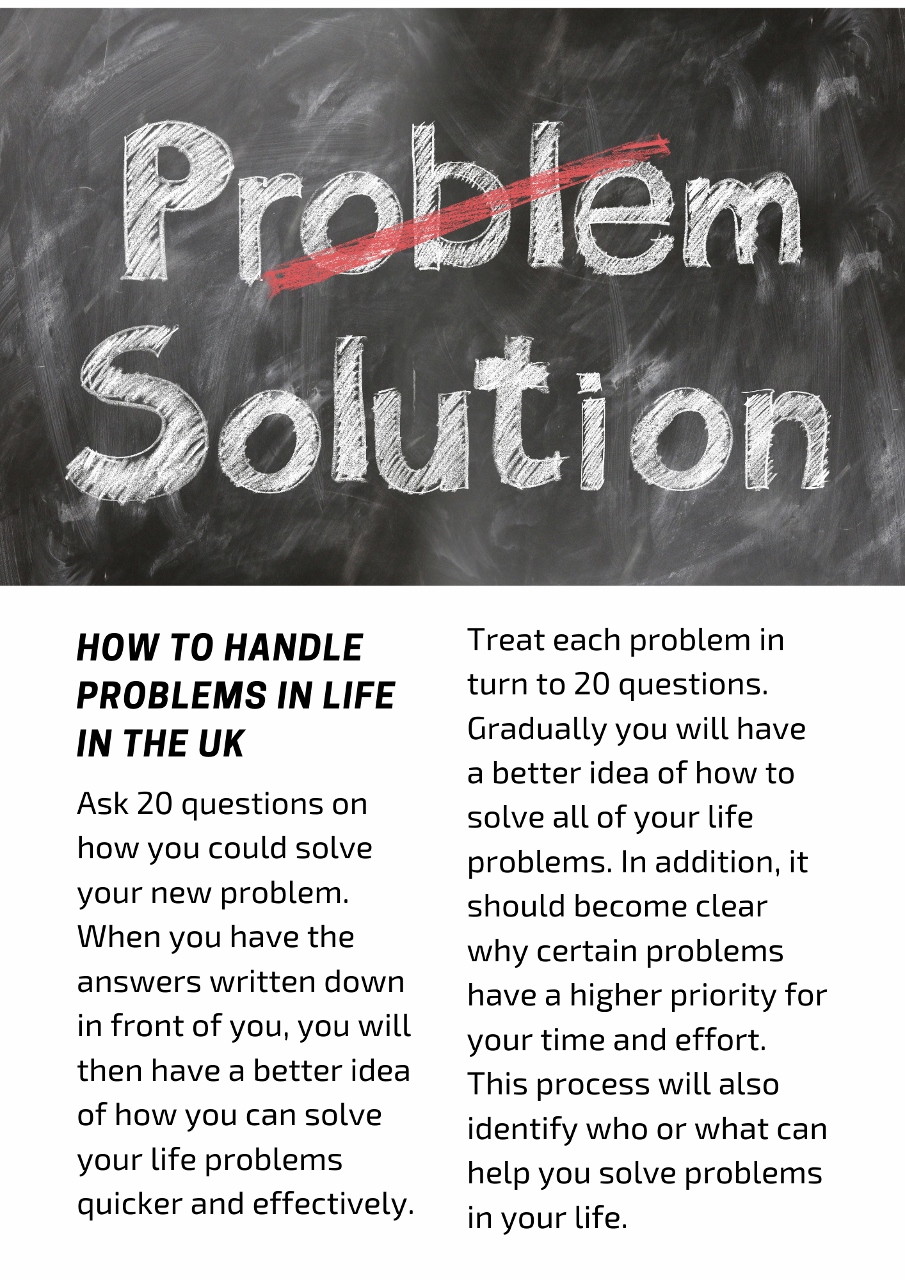
Does happiness come from solving problems in your life
Removing all of your problems in your life is definitely impossible. It may not even be desirable as solving your life problems will probably improve your life. Even if you had everything you wanted in your life you would still have the problem of deciding which of the great things to do next! If you accept you will always have problems in your life then the next thing to tackle is how to enjoy solving your problems instead of being stressed out by your problem solving tasks. Once you crack this you will always be happy with your life.
What is the difference between happiness and sustainable happiness
Most if not everyone can find at least a fleeting moment of happiness from something. Few people can be happy most of the time. Sustainable happiness is finding a way to be happy most of the time. Finding happiness in the problems in your life is a good way of creating a happy life. From the mundane problems in life to the existential problems encountered occasionally, finding joy in the tackling of life problems may not beat the problem but it will help you to deal with life problems in a better way.
Subscribe for free alerts to lifestyle improvement articles and videos
Spend time with loved ones. Our relationships with our loved ones are one of the most important sources of happiness in our lives. Make time for the people who matter most to you, and let them know how much you care.
Give back to others. Helping others is a great way to feel good about ourselves and make a difference in the world. Find a cause that you care about and get involved.
Do things that make you happy. Take some time each day to do something that you enjoy. This could be anything from reading a book to taking a walk in nature.
Practice gratitude. Take some time each day to reflect on the things that you are grateful for. This could be anything from your health to your family and friends.
Be mindful. Mindfulness is the practice of paying attention to the present moment without judgment. When we are mindful, we are more aware of our thoughts, feelings, and surroundings. This can help us to appreciate the good things in our lives and to let go of negative thoughts and emotions.
Exercise regularly. Exercise is not only good for our physical health, but it is also good for our mental health. Exercise releases endorphins, which have mood-boosting effects.
Get enough sleep. When we are well-rested, we are better able to cope with stress and to enjoy life. Aim for 7-8 hours of sleep per night.
Eat a healthy diet. What we eat has a big impact on our mood and energy levels. Make sure to eat plenty of fruits, vegetables, and whole grains.
Avoid negative people. Negative people can bring us down and make us feel unhappy. If you have someone in your life who is always negative, try to limit your interactions with them.
Seek professional help. If you are struggling to be happy, don’t be afraid to seek professional help. A therapist can help you to identify the things that are making you unhappy and to develop strategies for coping with stress and improving your mood.
These are just a few easy ways to enjoy life more. By making some simple changes in your life, you can increase your happiness and live a more fulfilling life.
Here are some additional ideas:
Spend time in nature. Being in nature has been shown to have a number of benefits for our mental and physical health. Go for a walk in the park, hike in the woods, or simply sit in your backyard and enjoy the fresh air.
Learn something new. Learning new things can help to keep our minds active and engaged. Take a class, read a book, or try a new hobby.
Create something. Whether it’s painting, writing, or playing music, creating something can be a rewarding and enjoyable experience.
Spend time with animals. Animals can provide us with unconditional love and support. Volunteer at an animal shelter or simply pet your own furry friend.
Do something for yourself. Make time for the things that you enjoy, even if it’s just for a few minutes each day. Take a bubble bath, read a book, or take a nap.
Be present. One of the best ways to enjoy life is to be present in the moment. Focus on what you’re doing and who you’re with, and let go of worries about the past or the future.
Life is short, so make the most of it! By following these tips, you can learn to enjoy life more and live a happier, more fulfilling life.
Sustainable happiness is learning to enjoy life while solving your problems
Embracing your fears is the first step in conquering them
How do you embrace fear of the unknown
Truly question the reality of your fears and anxiety. Most of our our fear and anxiety is wasted on things or circumstances that never materialise. If you are worrying about things that never happen then you have ruined your present life on your fear of the future. Is your perception of the future based on real likelihood and impact on your life or are you inflating the likely event occurring or the size of the impact on tour life?
Try to stay in the moment. Being preoccupied with your future at the expense of your current life experience is more often pointless. If you can’t stay in the moment, fully examine the likelihood and impact on your life fears and take action now to reduce the likelihood and impact to reduce your perception or reality of your fears. talk to people you trust to get their assessment of your future fears to see if they have more realistic view of your future life risks.
Manage stress of your future life risks now so that you feel more confident in your future.
Money does not solve all of life problem’s but managing money better can make your life easier and better
Personal Finance Magazine UK
Learn to realistically manage your life better
Why embracing fear is important
Your fears and anxiety maybe stopping you enjoying your life to the full. Choosing to not doing something is totally different from fear stopping you do something. Can’t is different from don’t want to. Knowing why you are not doing something may help you to address your fears and anxieties.
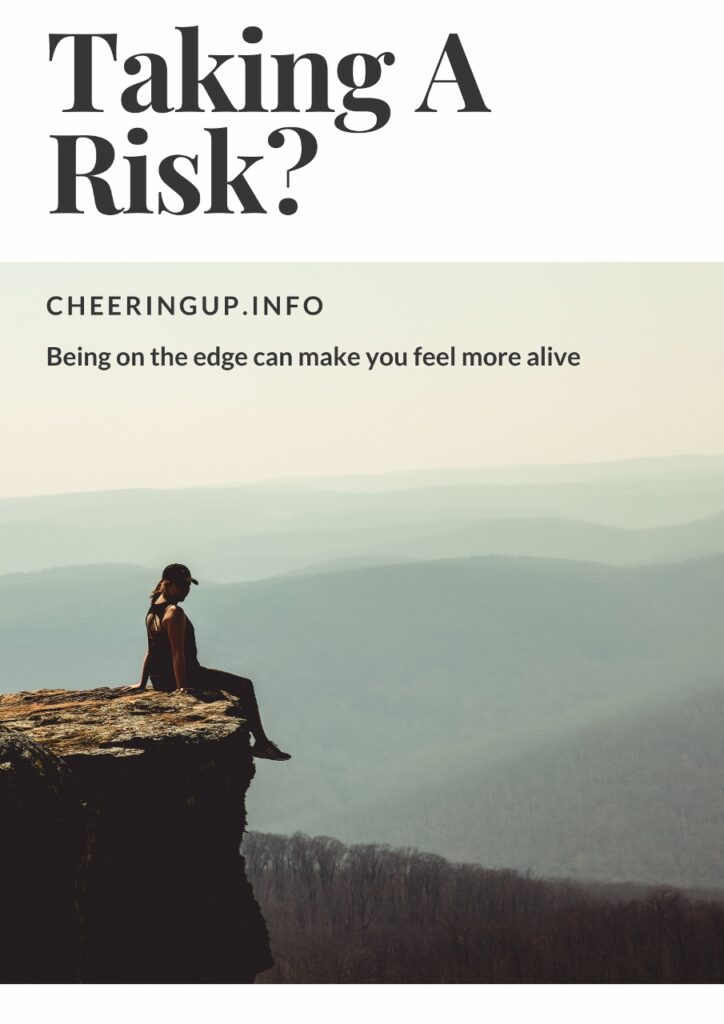
Taking A Risk Can Make Me Feel More Alive
Fear is not bad if based on real risk. Fear can protect us from real life dangers. Fear can help us get ready for real life risks. Realistic fear is not wasted energy. The key is to get real!
How do you overcome fear of change
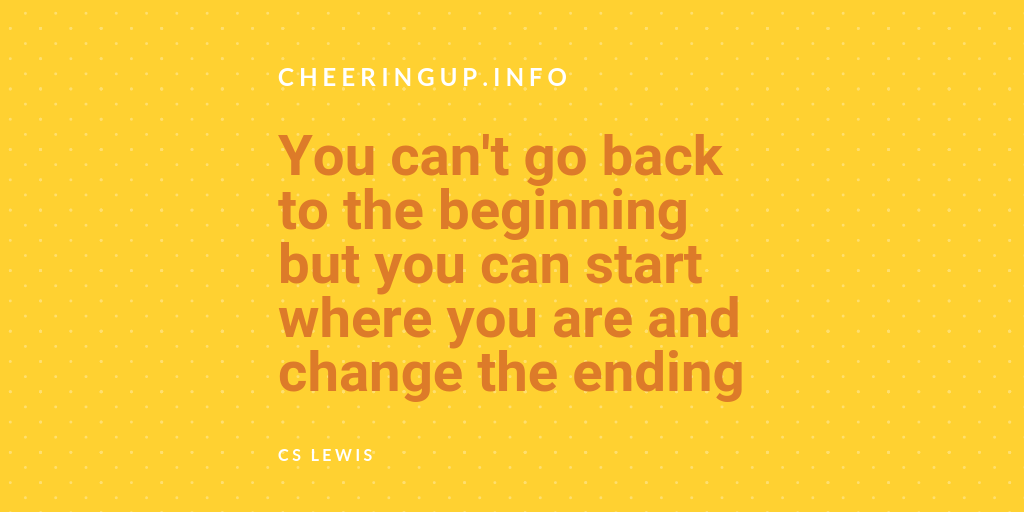
Accept that change is part of life. Real happiness does not come from zero problems. Happiness comes from the peace of mind that comes from managing and navigating through changes forced or chosen. Even if you fail to overcome problems from life changes, it can be positive. You can learn from a failure to manage a specific change in your life. The longer term impact of failure can become a net positive to your life. Try to be grateful for the positives life changes bring into your life.
Take responsibility for managing the threats and opportunities from changes in your life instead of letting life events wash over you. You may need to be patient for the impact of life changes to show the true impact on your life. Stepping outside of your comfort zone may give you the opportunity to improve your life experiences and improve your lifestyle.
Embracing fear and anxiety
How To Embrace Ageing Positively With CheeringupInfo
Identify and embrace your fears. Letting your fear continue to exist will deepen your fear. Tackling your fears head on will reduce and even eliminate your life fears. Understand the true risk from your fear.
Breathing Exercises To Reduce Anxiety
Breathing exercises are a simple yet effective way to reduce feelings of anxiety quickly. When we’re anxious, our breathing can become shallow and rapid, which can make our anxiety worse. By controlling our breathing, we can calm our nervous system and reduce symptoms of anxiety. Here are some breathing exercises that you can try to help reduce anxiety:
Diaphragmatic Breathing: This exercise focuses on slow, deep breaths from the diaphragm, which is the muscle at the bottom of the lungs. To do this exercise, lie down or sit comfortably with your hands on your stomach. Breathe in slowly through your nose, feeling your stomach rise. Hold for a few seconds and then slowly breathe out through your mouth. Repeat this for 5-10 minutes.
4-7-8 Breathing: This exercise involves inhaling for 4 counts, holding for 7 counts, and exhaling for 8 counts. This slow, controlled breathing can help to reduce feelings of anxiety by calming the nervous system. To do this exercise, sit or lie down comfortably and breathe in slowly for 4 counts, hold for 7 counts, and exhale slowly for 8 counts. Repeat this for 5-10 minutes.
Progressive Muscle Relaxation: This exercise involves tensing and then relaxing different muscle groups to release tension and reduce anxiety. To do this exercise, start by tensing your feet and then relaxing them. Move up to your calves, then your thighs, and so on, until you’ve tensed and relaxed each muscle group in your body.
Belly Breathing: This exercise involves breathing deeply into your abdomen, which can help to calm the nervous system and reduce feelings of anxiety. To do this exercise, sit or lie down comfortably and place your hand on your belly. Breathe in slowly through your nose, feeling your belly rise. Hold for a few seconds and then slowly breathe out through your mouth. Repeat this for 5-10 minutes.
Remember that these exercises can be done anywhere and at any time, making them a convenient and effective way to manage anxiety. It’s important to make them a part of your daily routine to get the best results. If your anxiety is affecting your daily life, it’s best to seek the help of a mental health professional.
In conclusion, breathing exercises are a simple, effective way to reduce feelings of anxiety quickly. By controlling our breathing, we can calm our nervous system and reduce symptoms of anxiety. Try these exercises and see how they can help you manage anxiety in your daily life.
Subscribe to CheeringupInfo for free alerts to latest lifestyle improvement articles and live or ondemand videostreams
Who You Are Now May Not Be All Your Fault But It Is Your Responsibility To Change Your Life
Fear is Temporary, Regret Lasts Forever
Fear is a powerful emotion that can hold us back from taking risks and living our best lives. But it’s important to remember that fear is temporary, while regret can last a lifetime.
Who said fear is temporary but regret lasts forever?
The saying “fear is temporary but regret lasts forever” is often attributed to Dan Skinner, a British comedian and actor. However, the sentiment has been expressed by others throughout history. For example, the Roman philosopher Seneca said, “It is better to suffer once than to fear forever.”
What is the fear of regret called?
The fear of regret is called atychiphobia. It’s a type of anxiety disorder that can cause people to avoid taking risks or making decisions for fear of making the wrong choice.
How do I stop fearing regret?
There are a number of things you can do to overcome the fear of regret. Here are a few tips:
Reframe your thinking. Instead of focusing on the potential negative consequences of taking a risk, focus on the potential positive outcomes. Remind yourself that even if you make a mistake, you can learn from it and move on.
Talk to someone you trust. Talking to a friend, family member, or therapist can help you to process your fears and develop a plan for overcoming them.
Take small steps. If you’re afraid of taking big risks, start by taking small steps. For example, if you’re afraid of public speaking, start by giving a short presentation to a small group of people.
Reward yourself for taking risks. When you take a risk and it pays off, be sure to reward yourself. This will help you to associate taking risks with positive outcomes.
It’s important to remember that everyone experiences fear. The key is to not let fear control your life. By facing your fears head-on, you can live a more fulfilling and rewarding life.
Here are some additional tips for overcoming the fear of regret:
Set realistic goals. When you set unrealistic goals, it’s easy to feel discouraged and give up. Instead, set small, achievable goals that you can build on over time.
Don’t compare yourself to others. Everyone is different and has their own unique journey. Comparing yourself to others will only make you feel worse about yourself.
Focus on the present moment. It’s easy to get caught up in worrying about the future or dwelling on the past. But the only thing you can control is the present moment. So, focus on living in the here and now and enjoying each moment as it comes.
Remember, fear is only temporary. But regret can last a lifetime. So, don’t let fear hold you back from living your best life. Face your fears head-on and don’t be afraid to take risks. You might be surprised at what you’re capable of.
Change The Way You Speak To Yourself And You Can Change Your Life For Better
Learn how to improve your quality of life with CheeringupInfo
Discovering you life’s enjoyment and for rest of your life
Discovering how you would really enjoy spending your life next year is a process that requires introspection, reflection, and a willingness to take action. It can be a challenging process, but it is also an incredibly rewarding one. By understanding what you need to do differently next year, you can create a plan that aligns with your values, goals, and interests, and helps you live a more fulfilling life. Here are some top tips to help you get started:
Reflect on your current life: Take some time to think about what you like and dislike about your current situation. Consider your work, relationships, hobbies, and overall sense of fulfillment.
Identify your values: Your values are the things that are most important to you, and they should guide your decisions and actions. Think about what values are most important to you, and how you can align your life with them.
Set goals: Setting goals can help you focus your efforts and give you a sense of direction. Consider what you want to achieve in the next year, and create specific, measurable, attainable, relevant, and time-bound goals to help you get there.
Explore new interests and hobbies: Trying new things can help you discover passions and interests that you may not have known you had. Consider taking up a new hobby, joining a club or organisation, or volunteering for a cause you care about.
Take small steps: Don’t try to overhaul your entire life all at once. Instead, take small steps towards making the changes you want to see. This can help you build momentum and stay motivated.
Seek support: It can be helpful to have support from friends, family, or a therapist as you work to make changes in your life. Consider seeking guidance from someone you trust.
Be open to change: Change can be scary, but it can also bring new opportunities and experiences. Try to be open to new ideas and be willing to take risks.
Practice gratitude: Focusing on the things you are grateful for can help you stay positive and motivated as you work towards your goals.
Take care of yourself: It’s important to prioritize self-care as you work towards your goals. Make sure to get enough sleep, eat well, and engage in activities that help you relax and recharge.
Be patient: Change takes time, and it’s important to be patient and kind to yourself as you work towards your goals. Remember that progress takes time, and it’s okay to celebrate small victories along the way.
By following these tips, you can begin to understand what you need to do differently next year and create a plan that helps you live a more fulfilling and enjoyable life.
How do you improve your life
Cheeringup.info #improvelifestyle #LifestyleImprovement #LifeHacks #LifeTips #LifestyleTips
How would you really enjoy spending your life?
Small changes can dramatically improve your life if you consistently apply them. Things to change your life for the better are unlikely to be complicated but they can be hard to maintain if you are not in right mindset. Getting a better grip on your life can make you happier wealthier and healthier.
Want to learn how to improve your life quality in UK
What you do every day is more likely to change your life for better or worse. Your annual holiday can be fun but it is unlikely to have lasting beneficial effect. It could cost you thousands of pounds but will not be as positively life changing as free small changes you can make to your life today and every day.
Helping other people can also help yourself. Being kind to others is being kind to yourself. Try not to make changes to your life that will hurt others. Instead helping others might help you enjoy life more.
Simple ways to improve your life
Moving more every day can improve your health and well-being. Being more active every day could be better for you than one weekly session in gym for an hour. Taking control of stress factors does not mean solving stress factors. Being in control of your controllables will make you feel better and this will help solve your stress problems.
I am and will continue to be healthier wealthier and happier every day
CheeringupInfo
What small changes can you make right now to improve your diet health and fitness? Turn your life around by starting small. Make sure the change is easily achievable. Doing this one thing to improve your life will give yourself confidence you can do more to improve your health wealth and happiness.
Make sure you use your available time on the things that improve your life not detract from the quality of your life in UK. However don’t forget to enjoy what you already have in your life. Failing to notice the food in your life and running off to get something better may destroy what is already making your life good. Making changes slowly gives you a chance to reflect and enjoy life without throwing the baby out with the bath water.
Things you can do right now to improve your life
Decluttering your life is something you can control. Decluttering your life is a stress reliever. It is hard to keep all plates in your life spinning at once. Maybe somethings in your life need to stop or be removed until you have tackled the things in your life that really matter.
Take a little time each day to focus on small things you want to do to make your life better today or tomorrow.
Based from your assessment what are the things that you need to improve your lifestyle
What are the things that truly matter to your enjoyment of life. Focus on managing them better to improve your life. Focus on something each day or each week which needs to be dropped from your life to allow you more time to focus on what really matters in your life.
Tips to improve your lifestyle and way of living in the UK with CheeringupInfo
Self Improvement Lifestyle Tips
Build more positive way of thinking about yourself. Tips on how to stop self-destructive thoughts. Explore root of self-destructive behaviour. Overcome negative thinking.
Unwanted thoughts are a common experience, and they can be caused by a variety of factors, such as stress, anxiety, or trauma. While it is not possible to completely get rid of unwanted thoughts, there are a number of things you can do to manage them.
Here are some tips for getting rid of unwanted thoughts:
Acknowledge the thought. The first step to managing unwanted thoughts is to acknowledge them. When you have an unwanted thought, don’t try to push it away or ignore it. Instead, simply acknowledge it and say to yourself, “I’m having the thought that…”
Label the thought as an intrusive thought. Once you have acknowledged the thought, label it as an intrusive thought. This will help you to distance yourself from the thought and see it for what it is: a random thought that does not necessarily reflect your true beliefs or values.
Do not judge the thought. It is important to not judge the thought or yourself for having it. Thoughts are just thoughts, and they do not define you. Instead, simply observe the thought and let it pass.
Focus on the present moment. One way to get rid of unwanted thoughts is to focus on the present moment. This can be done by paying attention to your breath, your surroundings, or your body sensations. When you focus on the present moment, you are less likely to dwell on unwanted thoughts.
Practice relaxation techniques. Relaxation techniques, such as deep breathing, meditation, and yoga, can help to reduce stress and anxiety, which can make unwanted thoughts more frequent.
Seek professional help. If you are struggling to manage unwanted thoughts, it is important to seek professional help. A therapist can help you to understand the root of your unwanted thoughts and develop coping mechanisms to manage them.
It is important to remember that you are not alone. Unwanted thoughts are a common experience, and there are effective treatments available. If you are struggling with unwanted thoughts, please reach out for help.
How To Stop Overthinking and Negative Thoughts Derailing Your Life
Everybody makes mistakes. Making mistakes does not make you a failure. Mistakes are simply an opportunity to learn and potentially improve your life in future. Self-destructive behaviour like negative self-talk may give you some comfort in short term. It is one reason people indulge in negative self-talk. However, a pattern of negative self-talk is self defeating and highly destructive for your mental health and wellbeing. Using individual little failures to learn about yourself and how you can improve yourself in future.
Raise Low Self-Esteem
We all have times when we lack confidence and do not feel good about ourselves. However, when low self-esteem becomes a long-term problem, it can have a harmful effect on our mental health and our day-to-day lifestyle. Your opinion of yourself matters. You are what you think about yourself. If you improve how you think about yourself you can improve yourself. You will be better able to cope with life’s slings and arrows. You are good enough and good enough – is good enough to live a happier better life. Feeling good enough will open up new lifestyle challenges you will feel more confident about taking on. Even if you fail at these challenges you will be better placed to cope, learn and try something else.
Negative Thought Patterns
Its time to challenge the negative beliefs you have about yourself. Replace them with positive things about yourself. Create a list of positive things about yourself and add to the list every now and again. Read and believe in the list every day. Recognise in writing what your good at.
Unhelpful thoughts can overcome even the most accomplished people. Self doubt and self criticism can sneak in. Everyone should question themselves from time to time, but to constantly do so is a destructive negative thought pattern.
The good news is that you can break this pattern of thinking. At best negative thought patterns hold you back. At worst it can be completely debilitating. You are worthy. With practice you can become mentally fitter. Just as you exercise your body to be fitter, you can exercise your mind to be mentally healthier.
Little Failures Are Not A Bad Thing And Do Not Make You A Bad Person
Failing is just giving you new information. Use that information to improve your life. Do not let a negative thought develop into negative self-talk pattern that adversely impacts on your real life and the way you live. Try to create thoughts that are more realistic of what you had thought had happened to you. Replace the negative narrative running through your head constantly with a different more real perspective of life events. The more you practice realistic more positive real world thinking the more your mind will accept it and self destructive negative thoughts will be edged out.
Move from self-destructive thinking to self care. Love the good things about yourself. Celebrate the good things you do no matter how small or important you may perceive them to be. Stop negative thoughts by replacing them with more positive realistic thoughts. You can only think about one think at a time. Whilst you are thinking positively the negative self-talk is not happening.
Gradually, with regular practice, the good feeling you get when you think positively will spread greater confidence in yourself. You are building a new life of happiness and contentment for yourself.
Practical Exercises To Stop Or Banish Negative Self-Talk
Write down a few things are negative about yourself. Throw them in the bin or destroy them like safely setting fire to the paper they are written on. Then write down several positive self-affirming things about yourself. Every day read and believe what you have written for you are a good person. Nurture your self-esteem. Improve your mental health slowly over time.
Distance yourself from negative people. Build relationships with positive people. You know the difference. Life is too short to give the time of day to people who do not wish you the best or have your best interests in their heart.
Say no to thinks you do not like or things you do not want to do. Say yes more often to the things you do want to do. A little R&R does everyone some good. Be more assertive about what you want for yourself to improve your life and lifestyle.
Pick one or two things you want for yourself that will make your life better. Identify what you need to do every day to achieve your new life goal. Setting small daily challenges you can realistically complete with a little effort will make your chosen life goals happen with a little fair wind. Instead of one giant leap that has a 50-50 chance of success, small daily steps completed every day will give you a greater chance of successfully changing your life for the better.
How do you cut down negative thinking. Is cutting down negative thinking better than constantly focusing on positive thinking?
To cut down negative thinking and strike a balance, consider these strategies:
Mindfulness Meditation: Practice mindfulness to become aware of negative thoughts without judgment, allowing them to pass without dwelling on them.
Cognitive Behavioral Therapy (CBT): Identify and challenge negative thought patterns with the help of a therapist or self-help resources.
Gratitude Journaling: Regularly write down things you’re grateful for to shift your focus towards positivity.
Positive Affirmations: Incorporate positive affirmations into your daily routine to counteract negative self-talk.
Surround Yourself with Positivity: Spend time with supportive and optimistic people who can influence your mindset.
Limit Exposure to Negativity: Reduce exposure to negative news, social media, or other sources of negativity.
Set Realistic Goals: Avoid setting unrealistic expectations for yourself, which can lead to negative thinking when you fall short.
Regarding your question about whether cutting down negative thinking is better than constantly focusing on positive thinking, it’s essential to strike a balance. While it’s unrealistic to focus solely on positive thinking, it’s also unhealthy to dwell on negativity. A balanced approach that acknowledges both positive and negative aspects of life is generally more effective for mental well-being. Negative thoughts can serve as warning signs or motivation for improvement, but excessive negative thinking can be detrimental. So, aim for a healthy balance between recognizing and addressing negative thoughts while also cultivating a positive mindset.
Living the life you want not the life you are given with CheeringupInfo
Create a clear purpose in your life with CheeringupInfo
What do you not want in your life today or ever? What is no longer acceptable to you and what must be in your life tomorrow and every day thereafter. What do you want in life? Help figure out what you want in life. Identifying what you want. Fear of change can make you risk averse. You can be overpowered by the fear of losing everything or changes not working out well enough for you. You paralyse yourself and avoid change believing that you cannot make changes a success.
Take action today to make your life better in future. Be more successful and fulfilled. Discover pure joy at living in the UK again or for the first time ever. Imagine the future you want for yourself and really believe you can get there. Then identify what you need to do to make it happen by what date. Aim for and arrive at a better life experience.
No longer accept the life you have been given so far. Bring into your life the things you want to make you feel happier.
Improve your lifestyle in the UK. Identify the things that bring you joy happiness and contentment and then act to bring them into your life.
Develop a career that aligns with the work life balance you want for yourself. This may mean looking for a job that more fully rewards your skills and experience or it mean mean you reduce your stress from commuting or hours worked.
Review your relationships. Which ones are pumping more life into your living and which ones are sucking the living daylights out of you! What are you prepared to do to change your relationships to support your life choices?
What will a successful life look like to you when you reach the end of your life. What do you need to do now to make sure your have been a success in your life when you do look back at your whole life.
Take the first step towards a better life by subscribing of free to CheeringupInfo to receive alerts bulletins and reviews to your email inbox
Subscribe to cheeringup.info for free for email alerts to easier life and better living ideas deals and discounts. CLICK HERE or email editor@cheeringup.info now
Read self love and personal growth articles and watch videostream trending on CheeringupInfo
Personal Development Coaching and Training Workshops With CheeringupInfo
Promote and market your business on CheeringupInfo for 12 months
Put your products and services in front of new customers already interested in your type of business offering before your competitors do.
Find out how to promote your business locally and globally. CLICK HERE or email editor@cheeringup.info to find out more.
Link into your existing sales process direct from CheeringupInfo or use our eCommerce solutions to increase sales cash flow and profit.
Increase the sources of your revenue streams more sustainably. Grow your business faster with CheeringupInfo.
How to Achieve a Healthy Work-Life Balance: Strategies for Improved Well-being and Productivity
In today’s fast-paced world, achieving a healthy work-life balance has become increasingly challenging. Balancing professional commitments with personal responsibilities and self-care is essential for overall well-being and sustained productivity. This article will explore effective strategies and practical tips to help individuals improve their work-life balance and lead more fulfilling lives.
Understanding the Importance of Work-Life Balance Work-life balance refers to the equilibrium between professional obligations and personal activities, ensuring individuals have time and energy for both. Striking this balance is crucial for several reasons. Firstly, it enhances overall mental and physical well-being, reducing stress and burnout. Secondly, it improves relationships with family and friends, fostering a support network that contributes to personal happiness. Lastly, it boosts productivity and job satisfaction, as individuals who prioritise self-care are often more focused and motivated at work.
Identify Priorities and Set Boundaries The first step in achieving a healthy work-life balance is to identify priorities and establish boundaries. Start by determining what truly matters to you, both in your personal life and professional pursuits. Reflect on your values, goals, and aspirations. Once you have clarity, set boundaries to protect your personal time and ensure you have dedicated periods for relaxation, family, and hobbies. Communicate these boundaries to your colleagues and loved ones to foster understanding and respect.
Manage Time Effectively Time management is key to maintaining a healthy work-life balance. Start by analysing how you currently spend your time and identify areas where you can make adjustments. Prioritise tasks based on urgency and importance, delegate when possible, and learn to say no to non-essential commitments. Utilise time management techniques such as the Pomodoro Technique or the Eisenhower Matrix to enhance focus and productivity. Additionally, embrace technology tools and apps that can streamline your work processes and help you stay organised.
Establish Healthy Boundaries with Technology In today’s digitally connected world, it’s crucial to establish healthy boundaries with technology. Constant connectivity can blur the lines between work and personal life, leading to burnout. Set designated times to check emails or respond to work-related messages, and avoid bringing work-related devices into personal spaces. Create a separate workspace in your home if you work remotely, ensuring you have a clear separation between your work and relaxation areas. Disconnecting from technology during personal time allows for better engagement with loved ones and rejuvenation.
Prioritise Self-Care and Well-being Taking care of yourself is paramount to achieving a healthy work-life balance. Prioritise self-care activities that promote physical, mental, and emotional well-being. Regular exercise, sufficient sleep, and a nutritious diet are foundational elements. Make time for hobbies, relaxation, and activities that bring you joy. Practice mindfulness techniques like meditation or yoga to reduce stress and enhance focus. Setting aside moments for self-reflection and personal growth can also contribute to a more balanced and fulfilling life.
Communicate and Seek Support Effective communication is crucial in maintaining a healthy work-life balance. Clearly express your needs and concerns to your supervisor, colleagues, and loved ones. Collaborate with your employer to explore flexible work arrangements or alternative schedules that better suit your personal circumstances. Seek support from your social network, whether it’s through sharing responsibilities with family members or seeking advice from mentors or support groups. Remember, you don’t have to face the challenges alone.
Create Healthy Habits and Routines Establishing healthy habits and routines can significantly contribute to work-life balance. Create a structured daily routine that includes dedicated time for work, personal activities, and relaxation. Stick to consistent sleep and wake-up times to ensure sufficient rest. Plan and prepare meals in advance to maintain a healthy diet. Incorporate regular exercise into your routine, whether it’s going for a walk, practicing yoga, or engaging in any physical activity you enjoy. By establishing healthy habits, you provide yourself with a solid foundation for balance and well-being.
Practice Mindfulness and Stress Management Mindfulness and stress management techniques are powerful tools in achieving work-life balance. Cultivate a habit of being present in the moment and fully engaged in your tasks or interactions. Practice deep breathing exercises or meditation to reduce stress and promote mental clarity. Take short breaks throughout the day to recharge and reset your focus. Engage in activities that promote relaxation and stress relief, such as reading, listening to music, or spending time in nature. By incorporating these practices into your routine, you can effectively manage stress and maintain a sense of equilibrium.
Delegate and Outsource One of the keys to work-life balance is learning to delegate and outsource tasks when necessary. Recognise that you can’t do everything on your own and that seeking support is not a sign of weakness. Delegate tasks at work to colleagues or subordinates, and at home, distribute responsibilities among family members. Consider outsourcing certain tasks, such as house cleaning or meal delivery, to free up valuable time for activities that are more important to you. By sharing the workload, you alleviate stress and create space for personal growth and relaxation.
Take Regular Breaks and Vacations Taking regular breaks and vacations is essential for maintaining work-life balance. Plan short breaks throughout the day to rest and recharge. Step away from your desk, stretch, and engage in activities that help you relax and clear your mind. Additionally, make it a priority to take longer vacations or time off when possible. Disconnect from work completely during these periods and use the time to rejuvenate and spend quality time with loved ones. By allowing yourself the opportunity to recharge, you return to work with renewed energy and enthusiasm.
Regularly Assess and Adjust Achieving work-life balance is an ongoing process that requires regular assessment and adjustment. Periodically evaluate your priorities, boundaries, and routines to ensure they align with your current circumstances and goals. Be flexible and open to making changes as needed. Life is dynamic, and what works for you today may not work tomorrow. By staying attuned to your needs and making necessary adjustments, you can maintain a healthy balance and adapt to the ever-changing demands of work and life.
Striving for a healthy work-life balance is a personal journey that requires self-awareness, commitment, and proactive decision-making. By identifying priorities, setting boundaries, managing time effectively, prioritising self-care, and seeking support, you can create a harmonious integration of work and personal life. Remember, achieving work-life balance is not about achieving perfection but about finding a sustainable equilibrium that promotes well-being, happiness, and productivity. Start implementing these strategies today and embark on a journey toward a more fulfilling and balanced life.
#CheeringupInfo #WhatIWantIn Life #PersonalGrowth #PersonalCare #SelfLove #PersonalDevelopement #LifeCoach #LifeCoaching #LifestyleMagazine
Click on Like Button to sign up for free lifestyle improvement news reviews and deals via your preferred social media App; or subscribe for free to our lifestyle improvement newsletter email editor@cheeringup.info
Judgemental Behaviour Causes So Much Pointless Unnecessary Pain Unhappiness and Conflict
What Makes A Person Judgemental?
We’ve all been guilty of it at some point – being judgemental. But what exactly makes a person judgemental?
Being judgemental often stems from a need to feel superior or in control. We make assumptions about others based on limited information, and use those assumptions to classify and label them.
Social media can also contribute to judgemental behaviour, as it can be easy to hide behind a screen and make harmful comments without facing the consequences.
Judgement can also stem from a lack of understanding or empathy. We may judge someone who is different from us, without considering the reasons behind their actions or circumstances.
And sometimes, judgement is simply a reflection of our own biases and prejudices. We may judge others based on their race, gender, sexual orientation, or other factors, without even realising it.
It’s important to recognise when we’re being judgemental, and to work on understanding and accepting others. By doing so, we can create a more inclusive and compassionate world.
Enjoy Life More With CheeringupInfo
How to manage stress in life in UK
Life the live you want with the people who want to live like you. This will help you think the same way talk the same way and act the same way. If everything in your life is aligned to help you thrive then you will. If there is negative competition in your life different parts of your life will fight to have the upper hand. This is very stressful.
Stop Looking For External Validation and Trust Yourself More With CheeringupInfo
Instead of trying to overcome stress in your life set up your life so there is less stress created so it does not need to be overcome
Being true to yourself will mean you need to find less counter measures to cope with the stress you have created in your life. It can be tiring and damaging finding ways to reduce stress. It is much easier creating good habits that stop stress rearing its head in your life.
However first of all you need to know what you want in your life. Most people live the life they have been given. Some are very happy with what they have been given and that is ideal. If you are not then you need to figure out what would make you live a happier stress free good life.
If you do not know what would make you happier then how can you change your life for the better?
When you ask the question you may find that what you already have is what you should be grateful for and stick with it. If you ask yourself what would make you happier and can write this down then you have a starting point fro which you can make improvements.
You now know where you are going you just have to work out how to get there.
What do you need to do every day that will take you a little closer to the ideal you?
What habits do you need to ditch to ensure you are not placing barriers in front of your own goals achievement?
Who can help you achieve what you want and who is standing in your way? How do you develop your positive enablers and how are you going to manage detractors?
Do not forget to reward yourself for your hard work. You need to make sure that you practice self love and look after yourself. Fun and relaxation is key to any stress that does build up in your life.
Do not over commit yourself to other people. Why do you spend so much time on people who could not care whether you lived or died! You have to be sure that you are responsible for people you care for but that does not mean sacrificing your life for others.
Prioritise tasks and energy. What is important should be done first not what is urgent. Things can be urgent but unimportant in the life plans you set for yourself.
Subscribe to cheeringup.info for free for email alerts to easier life and better living ideas deals and discounts
Break your life changes into small steps. What do you need to do each day week month year. Start with your new life plan and work back to the present day. What is important to do each day if you are to achieve the changes to your lifestyle that you want for yourself?
Subscribe to CheeringupInfo for free lifestyle improvement alerts bulletins and reviews to your email inbox