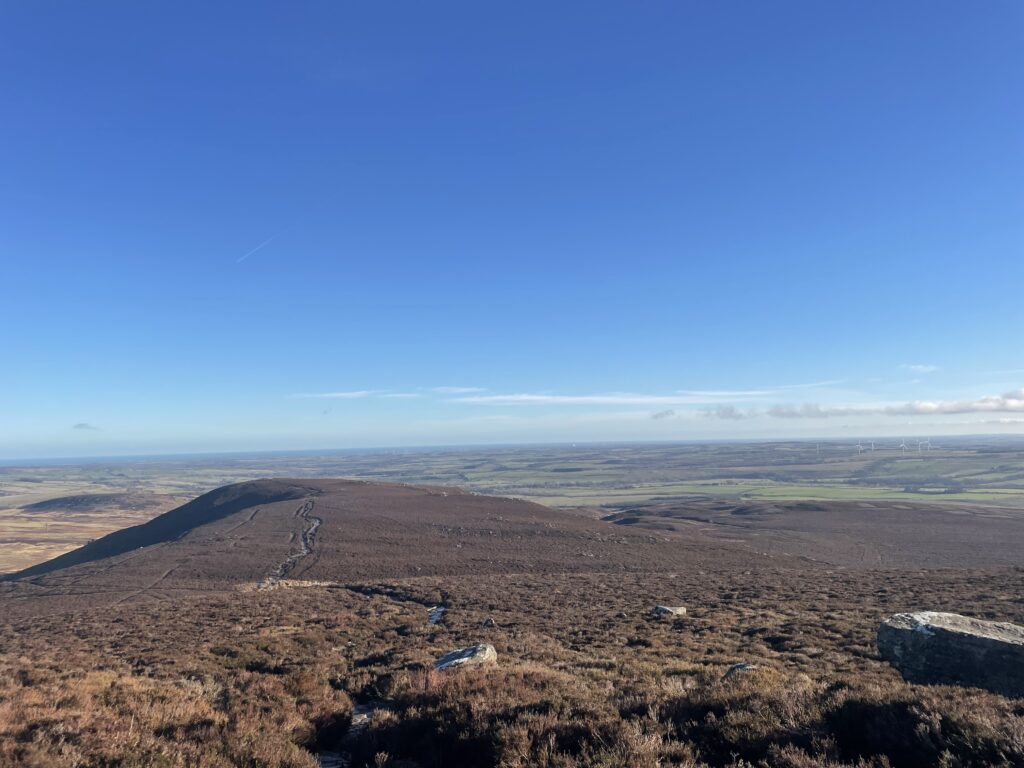
Thompson’s Rock is a mysterious holed stone in the Simonside Hills that aligns perfectly with the Summer Solstice sunset. Created as a prehistoric solar observatory and discovered in 1987 by David Thompson, this 5-tonne rock offers a spectacular light show for a few minutes every June. This review by the CheeringUp.info Retirement Club details what it is, where to find it, and why it is a must-visit.
Thompson’s Rock: Why Is This Ancient Solstice Stone a Must-Visit for Your CheeringUp.info Retirement Club Adventure?
What Is Thompson’s Rock, and Why Does It Matter for the Summer Solstice?
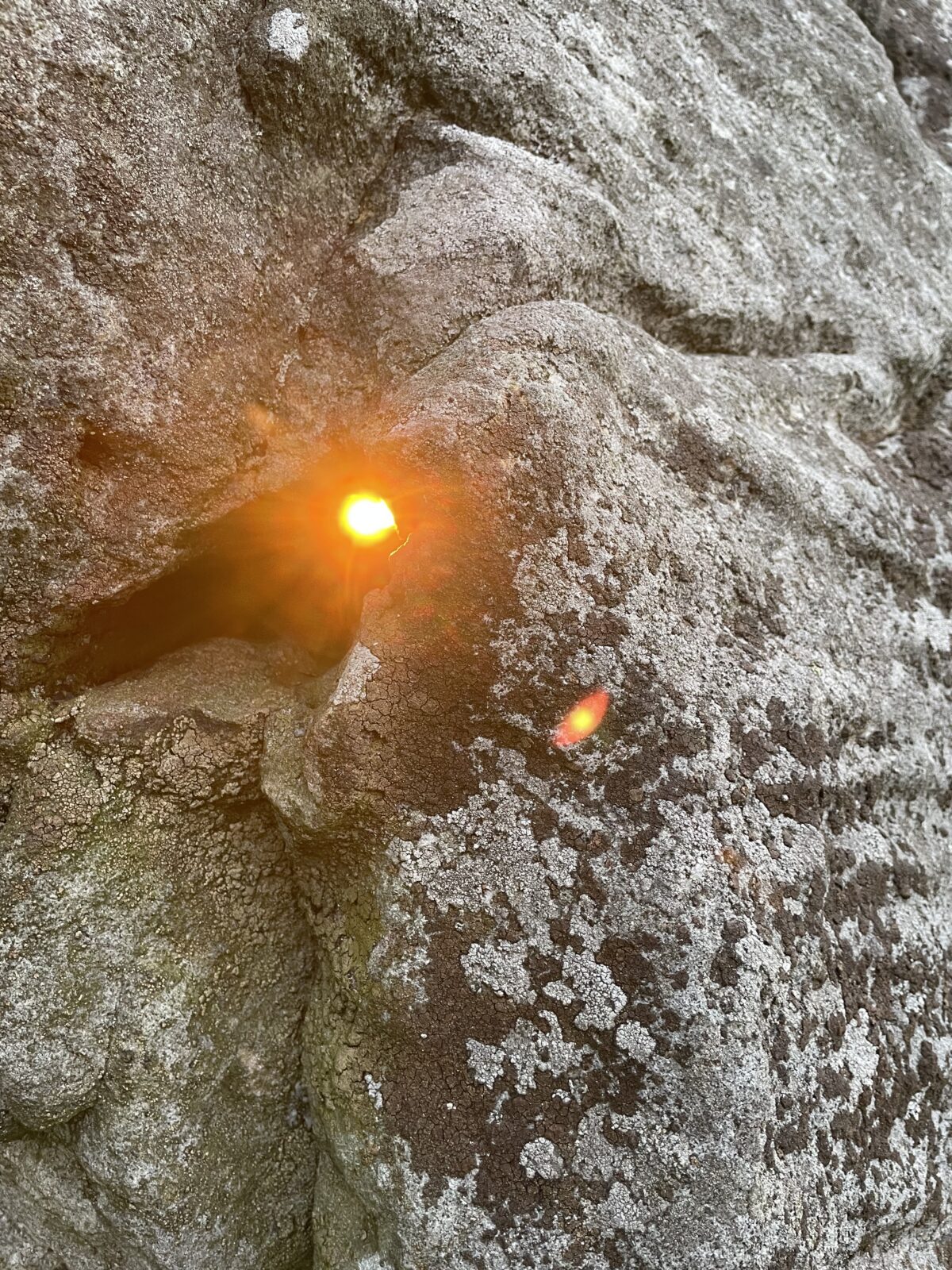
Thompson’s Rock is a fascinating holed stone perched on the slopes of the Simonside Hills in Northumberland that comes alive during the Summer Solstice . This isn’t just a rock; it’s a “Solar Observatory” where the setting sun on the longest day of the year shines perfectly through a man-made or natural hole, creating a spectacular light effect . For the CheeringUp.info Retirement Club, it’s an opportunity to connect with ancient history, marvel at the ingenuity of our ancestors, and experience a unique event that combines walking, archaeology, and astronomy.
Who Created Thompson’s Rock and Why Was It Built?
While it was discovered in 1987 by the late David Thompson, the origin of the hole remains a mystery as it has “never been studied by a qualified archaeologist” . The stone itself is estimated to weigh “4 or 5 tonnes” . The leading theory suggests the hole, whether natural or enhanced, was deliberately positioned to function as a prehistoric calendar, aligning with the “midsummer sunset over Yarnspath Law” . A detailed study by Crispian Oates confirmed that the sight-line through the hole has an “azimuthal alignment of 132.2-312.2° which corresponds with the azimuth of the present winter solstice sunrise and the summer solstice sunset at a latitude of 55° north” . This incredible accuracy suggests it was a vital tool for ancient communities to mark the changing seasons.
Where Is Thompson’s Rock Located?
Thompson’s Rock is located in the Simonside Hills, just inside Northumberland National Park, southwest of the town of Rothbury. It sits specifically on the “lower slopes of the easternmost Simonside Hill, The Beacon” . This hidden gem is off the beaten path and is not signposted, but its secluded location adds to its magic and mystery.
When Is the Best Time to Visit Thompson’s Rock?
The absolute best time to visit is during the Summer Solstice, around June 20th to 21st, to witness the sun shining through the hole . “At the summer solstice sunset, the sun shines through the hole producing the dramatic effect of a bright light in the centre of the stone” . The effect is so precise that the sun shines through the hole for “about 8 minutes” . However, for a quieter, contemplative experience, the days just before or after the solstice are also excellent, as you can still see the alignment. Visiting at any time of year offers a great walk with stunning views over the Northumberland countryside.
How to Find Thompson’s Rock Easily: A Step-by-Step Guide
Finding Thompson’s Rock is straightforward if you know the route. It’s a short walk that is perfect for the CheeringUp.info Retirement Club.
Park at Lordenshaw Car Park: This is the nearest and most convenient starting point . It’s “only 700 metres from car park to stone” .
Follow the Path to Simonside Ridge: From the car park, “head straight up onto the Simonside ridge” .
Take the Right Fork: “Follow the path as it forks to the right” .
Look for the Narrow Heather Path: As you “approach the final ascent for The Beacon, turn right onto a narrow path through the heather” .
Spot the Largest Rock: “Thompson’s Rock is easy to spot, it’s the biggest there” among a group of rocks on the flat area .
Stats and Facts to Back Up the Importance of Thompson’s Rock
Precise Alignment: The hole is aligned to an azimuth of 312.2° for the summer solstice sunset .
Size and Weight: The rock is estimated to weigh between 4 and 5 tonnes .
Length of the Hole: The hole runs for an impressive 150cm (1.5 meters) through the rock .
Viewing Time: The sun shines through the hole for approximately 8 minutes at the solstice .
Age of Surrounding History: The area is steeped in history, with Bronze Age rock art nearby dating back between 6,000 and 3,500 years .
CheeringUp.info Retirement Club encourages you to add this incredible experience to your bucket list. It’s a chance to step back in time, enjoy the great outdoors, and witness a celestial event that has been celebrated for millennia.
Grow your business faster targeting over 55s in UK and those planning for better retirement lifestyle
Imagine waking up to the sound of the North Sea crashing against the shore, or perhaps the gentle rustling of leaves in ancient woodlands. Picture yourself strolling through historic market towns, their honey-coloured stone buildings basking in the golden light. This isn’t a dream; it’s Northumberland. This captivating corner of England, with its dramatic coastline, rolling hills, and vibrant communities, offers a lifestyle that’s hard to beat. But where, exactly, are the jewels in Northumberland’s crown? We’ve curated a list of 21 of the most beautiful towns and villages, offering a glimpse into the unique charm and appeal of each. From bustling hubs to tranquil retreats, there’s something for everyone seeking a life less ordinary. So, if you’re yearning for a change of pace, a connection with nature, or simply a more beautiful place to call home, read on. You might just find your perfect Northumberland escape.
21 Northumberland Gems: Discover England’s Most Beautiful Places to Live
Our Top 21 Northumberland Beauties (in no particular order):
Alnwick: Home to the magnificent Alnwick Castle (of Harry Potter fame!), this historic market town offers a blend of history, culture, and natural beauty.
Bamburgh: Dominated by its imposing castle perched on a rocky outcrop, Bamburgh boasts stunning coastal views and a charming village atmosphere.
Warkworth: With its medieval castle, riverside walks, and sandy beaches nearby, Warkworth is a haven for those seeking tranquility and outdoor pursuits.
Corbridge: This Roman town exudes charm with its stone buildings, independent shops, and the ruins of a Roman fort.
Hexham: A bustling market town with a rich history, Hexham is known for its impressive abbey, vibrant arts scene, and proximity to Hadrian’s Wall.
Morpeth: Located on the River Wansbeck, Morpeth offers a mix of historic architecture, modern amenities, and beautiful parks.
Berwick-upon-Tweed: England’s northernmost town, Berwick boasts impressive Elizabethan walls, a historic bridge, and a thriving arts community.
Seahouses: A charming fishing village with a bustling harbor, Seahouses is the gateway to the Farne Islands, a haven for seabirds and seals.
Beadnell: With its picturesque harbor and sandy beaches, Beadnell is a popular destination for watersports enthusiasts and nature lovers.
Embleton: A small coastal village with a beautiful sandy bay and views of Dunstanburgh Castle, Embleton offers a tranquil escape.
Craster: Famous for its kippers, Craster is a quaint fishing village with a picturesque harbor and dramatic coastal scenery.
Low Newton-by-the-Sea: A charming village with a sandy beach and a microbrewery, Low Newton is a popular spot for walkers and birdwatchers.
Alnmouth: Located at the mouth of the River Aln, Alnmouth offers a mix of sandy beaches, dunes, and a charming village atmosphere.
Rothbury: Nestled in the Coquet Valley, Rothbury is a picturesque town surrounded by stunning countryside, including the Simonside Hills.
Wooler: Known as the “Gateway to the Cheviots,” Wooler is a popular base for hikers and outdoor enthusiasts.
Belford: A historic village with a medieval tower and a range of independent shops, Belford is a convenient stop for those exploring the Northumberland coast.
Longframlington: A charming village with a village green, a duck pond, and a range of local businesses, Longframlington offers a quintessential English village experience.
Wylam: The birthplace of George Stephenson, the “Father of the Railways,” Wylam offers a mix of industrial heritage and riverside walks.
Haltwhistle: Known as the “Centre of Britain,” Haltwhistle is a historic town with a range of shops and services, and a convenient base for exploring Hadrian’s Wall.
Allendale: Nestled in the Allen Valleys, Allendale is a picturesque village known for its traditional New Year’s Eve tar burning ceremony.
Haydon Bridge: Located on the banks of the River South Tyne, Haydon Bridge is a historic village with a Roman fort nearby.
Diving Deeper: Why These Places Are So Special
Now, let’s explore what makes these Northumberland towns and villages so desirable. It’s not just about pretty pictures; it’s about the lifestyle they offer.
Coastal Delights:
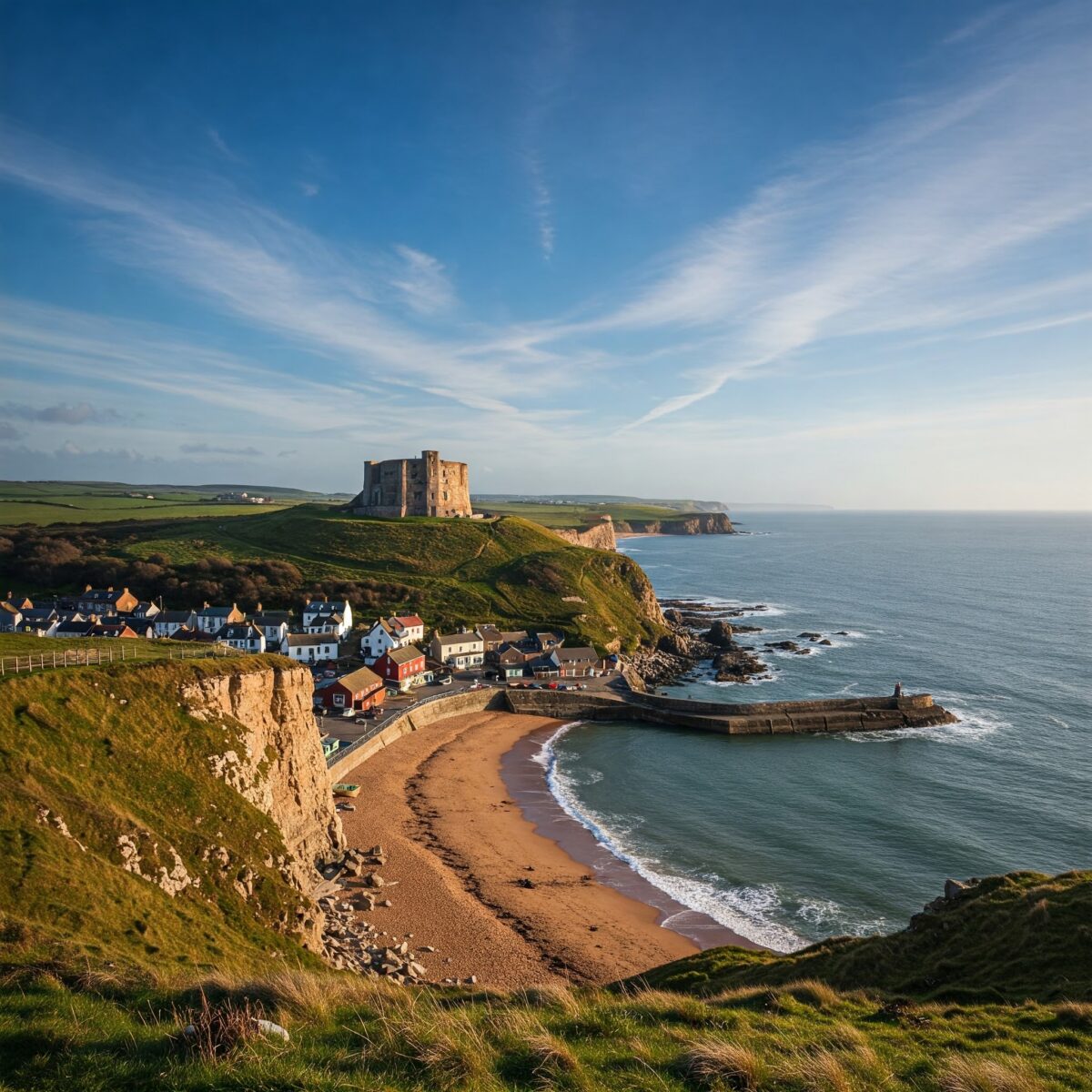
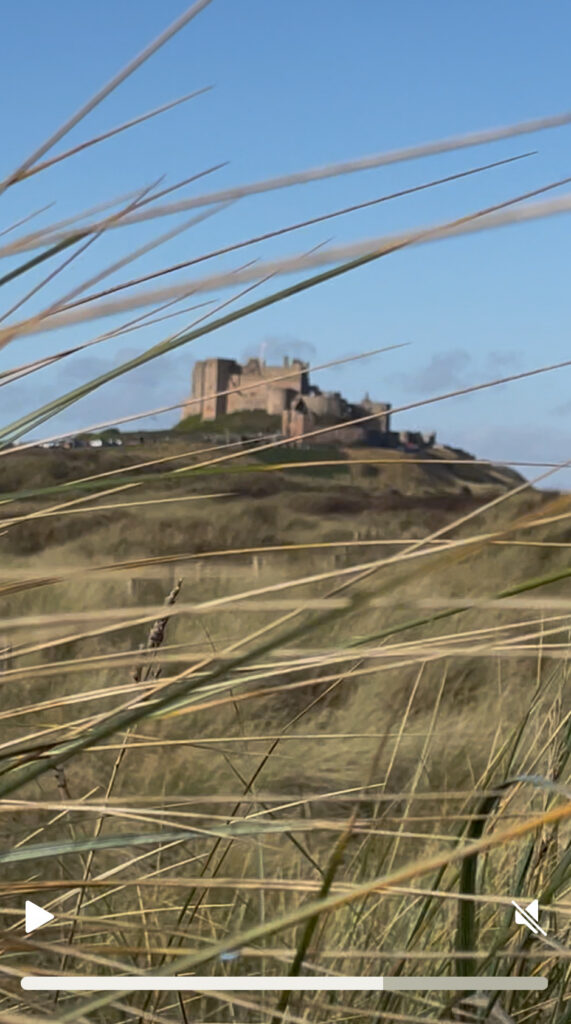
Bamburgh: The majestic Bamburgh Castle dominates the skyline, offering breathtaking views of the coastline and the Farne Islands. The village itself is charming, with traditional stone cottages and a sense of community. Walk along the beach, explore the castle, or take a boat trip to the Farne Islands to see the puffins and seals. This is coastal living at its finest.
Seahouses: This bustling fishing village is the perfect base for exploring the Northumberland coast. Take a boat trip to the Farne Islands, walk along the harbour, or enjoy fresh seafood at one of the local restaurants. The village has a friendly atmosphere, and there’s always something going on.
Beadnell: With its sheltered harbour and sandy beaches, Beadnell is a haven for watersports enthusiasts. Try your hand at windsurfing, kayaking, or paddleboarding, or simply relax on the beach and enjoy the sunshine. The village also has a number of pubs and restaurants, making it a great place to socialise.
Historic Charm:
Alnwick: Home to the magnificent Alnwick Castle, this historic market town is steeped in history. Explore the castle, wander through the charming streets, or visit the Alnwick Garden, a stunning contemporary garden. Alnwick offers a blend of history, culture, and natural beauty.
Corbridge: This Roman town exudes charm with its stone buildings, independent shops, and the ruins of a Roman fort. Explore the fort, browse the shops, or enjoy a meal at one of the local pubs. Corbridge offers a glimpse into Northumberland’s rich history.
Hexham: A bustling market town with a rich history, Hexham is known for its impressive abbey, vibrant arts scene, and proximity to Hadrian’s Wall. Visit the abbey, explore the town’s shops and galleries, or take a walk along Hadrian’s Wall. Hexham offers a mix of history, culture, and outdoor activities.
Countryside Retreats:
Rothbury: Nestled in the Coquet Valley, Rothbury is a picturesque town surrounded by stunning countryside, including the Simonside Hills. Walk in the hills, explore the town’s shops and cafes, or visit the nearby Cragside House and Gardens, a magnificent Victorian mansion. Rothbury offers a tranquil escape from the hustle and bustle of city life.
Wooler: Known as the “Gateway to the Cheviots,” Wooler is a popular base for hikers and outdoor enthusiasts. Explore the Cheviot Hills, visit the nearby Flodden Battlefield, or enjoy a meal at one of the local pubs. Wooler offers a gateway to some of Northumberland’s most stunning scenery.
Longframlington: This charming village offers a quintessential English village experience, with its village green, duck pond, and range of local businesses. Enjoy a pint at the local pub, browse the village shops, or take a walk in the surrounding countryside. Longframlington offers a peaceful and idyllic lifestyle.
Market Town Living:
Morpeth: Located on the River Wansbeck, Morpeth offers a mix of historic architecture, modern amenities, and beautiful parks. Explore the town’s shops and restaurants, visit the William Turner Garden, or take a walk along the river. Morpeth offers a convenient and comfortable lifestyle.
Haltwhistle: Known as the “Centre of Britain,” Haltwhistle is a historic town with a range of shops and services, and a convenient base for exploring Hadrian’s Wall. Visit the Roman fort at Vindolanda, explore the town’s shops, or take a walk along the Hadrian’s Wall Path. Haltwhistle offers a mix of history and convenience.
Hidden Gems:
Embleton: A small coastal village with a beautiful sandy bay and views of Dunstanburgh Castle, Embleton offers a tranquil escape. Walk along the beach, explore the castle ruins, or enjoy a picnic overlooking the sea. Embleton is a hidden gem on the Northumberland coast.
Craster: Famous for its kippers, Craster is a quaint fishing village with a picturesque harbour and dramatic coastal scenery. Walk along the harbor, watch the fishermen at work, or enjoy fresh seafood at one of the local restaurants. Craster offers a taste of traditional Northumberland life.
Low Newton-by-the-Sea: A charming village with a sandy beach and a microbrewery, Low Newton is a popular spot for walkers and birdwatchers. Walk along the beach, explore the dunes, or enjoy a pint at the microbrewery
Alnmouth: Located at the mouth of the River Aln, Alnmouth offers a mix of sandy beaches, dunes, and a charming village atmosphere. Enjoy a walk along the beach, explore the village’s shops and cafes, or try your hand at watersports. Alnmouth offers a relaxed and picturesque coastal lifestyle.
Warkworth: With its medieval castle, riverside walks, and sandy beaches nearby, Warkworth is a haven for those seeking tranquility and outdoor pursuits. Explore the castle, stroll along the river, or relax on the beach. Warkworth offers a peaceful and idyllic setting.
Berwick-upon-Tweed: England’s northernmost town, Berwick boasts impressive Elizabethan walls, a historic bridge, and a thriving arts community. Walk along the walls, explore the town’s historic buildings, or visit the local art galleries. Berwick offers a unique blend of history, culture, and coastal charm.
Belford: A historic village with a medieval tower and a range of independent shops, Belford is a convenient stop for those exploring the Northumberland coast. Browse the local shops, visit the historic tower, or enjoy a meal at one of the village pubs. Belford offers a convenient base for exploring the surrounding area.
Wylam: The birthplace of George Stephenson, the “Father of the Railways,” Wylam offers a mix of industrial heritage and riverside walks. Explore the village’s history, walk along the River Tyne, or enjoy a picnic in the park. Wylam offers a unique glimpse into Northumberland’s industrial past.
Allendale: Nestled in the Allen Valleys, Allendale is a picturesque village known for its traditional New Year’s Eve tar burning ceremony. Explore the village’s charming streets, enjoy a walk in the surrounding countryside, or witness the unique tar burning ceremony. Allendale offers a truly unique cultural experience.
Haydon Bridge: Located on the banks of the River South Tyne, Haydon Bridge is a historic village with a Roman fort nearby. Explore the Roman fort at Housesteads, walk along the river, or enjoy a meal at one of the local pubs. Haydon Bridge offers a mix of history and natural beauty.
Making the Move: Practical Considerations
Beyond the beauty and charm, choosing a place to live involves practicalities. Consider these factors when making your decision:
Commuting: If you plan to work outside of Northumberland, consider the proximity to major cities and transport links. Some towns offer easy access to Newcastle and other urban centres.
Schools: If you have children, research the quality of local schools. Northumberland has a range of excellent primary and secondary schools.
Amenities: Consider your needs in terms of shops, healthcare, and other services. Larger towns like Alnwick and Hexham offer a wider range of amenities, while smaller villages may have limited options.
Property Prices: Property prices vary significantly across Northumberland. Coastal locations and popular towns tend to be more expensive.
Community: Visit the towns and villages you’re considering to get a feel for the community atmosphere. Attend local events, talk to residents, and see if you feel at home.
A Northumberland Life Awaits
Northumberland offers a lifestyle that’s hard to resist. It’s a place where you can escape the stresses of modern life and reconnect with nature, history, and community. Whether you’re seeking a coastal retreat, a historic market town, or a peaceful countryside village, you’re sure to find your perfect escape in this captivating corner of England. So, take the plunge, explore the possibilities, and discover the beauty of Northumberland for yourself. You might just find your dream home.
Most beautiful villages to live in Northumberland with coastal access – people specifically seeking coastal living in beautiful Northumberland villages.
Best market towns in Northumberland for families with young children
Quiet rural villages Northumberland for retirement with good amenities – retirees seeking a peaceful life but still desiring convenient access to essential services.
Affordable charming villages Northumberland near Hadrian’s Wall for hiking
Relocating to Northumberland from London best villages for a change of pace – Londoners looking for a lifestyle change, a desire for a quieter, more rural environment.
#NorthumberlandLife
#NorthumberlandVillages
#BeautifulEngland
#CoastalLiving
#EscapeToTheCountry
Quiet rural villages northumberland for retirement with good amenities
Northumberland is a treasure trove of natural beauty, boasting rugged coastlines, rolling hills, and enchanting forests. Whether you’re a seasoned hiker or a casual stroller, these 12 walks offer something for everyone. Each route includes a starting postcode for convenient parking and step-by-step instructions to guide you along the way.
The 12 Best Walks in Northumberland with Step-by-Step Guides
1. Bamburgh Castle and Beach Walk
Postcode for parking: NE69 7DF
Step-by-Step Guide:
1. Start at the Bamburgh Castle car park. Walk towards the castle entrance, enjoying the stunning view of this historic fortress.
2. Turn left past the castle and follow the path to the sandy beach.
3. Walk north along the beach for approximately 1.5 miles, taking in the expansive views of the North Sea.
4. Turn inland at the dunes and follow the marked trail through the grassy area back towards the village.
5. Complete the loop by heading back to the car park.
1. Park at the Forestry Commission car park near Lordenshaws.
2. Begin your ascent on the clearly marked trail leading through the forest.
3. Reach the first peak, Tosson Hill, for panoramic views of Rothbury and the Coquet Valley.
4. Continue along the ridge to Simonside summit, marked by a trig point.
5. Descend via the looped path through woodland back to the car park.
Simonside View To Northumberland Coast
3. Hadrian’s Wall Walk at Housesteads Fort
Postcode for parking: NE47 6NN
Step-by-Step Guide:
1. Start at the Housesteads Roman Fort visitor center car park.
2. Head uphill to join the Hadrian’s Wall Path.
3. Walk west along the wall for 2 miles, enjoying the well-preserved Roman ruins and dramatic landscapes.
4. Turn back and retrace your steps or take the parallel lower path through open fields to return to the fort.
4. Craster to Dunstanburgh Castle
Dunstanburgh Castle Walk
Postcode for parking: NE66 3TW
Step-by-Step Guide:
1. Park in Craster village and follow the signposted path towards Dunstanburgh Castle.
2. Walk along the coastline, passing rugged cliffs and grazing sheep.
3. Reach Dunstanburgh Castle after 1.5 miles, and explore the ruins if you wish (admission fee applies).
4. Return to Craster via the same coastal path, stopping at the village for local kippers.
Craster Harbour
5. Rothbury Riverside Walk
Postcode for parking: NE65 7QN
Step-by-Step Guide:
1. Park in Rothbury village near the riverside car park.
2. Begin the walk along the River Coquet, heading west on the riverside path.
3. Pass through woodland and enjoy views of the rolling hills.
4. Cross the bridge at Thrum Mill and return along the opposite bank.
5. Finish back at the car park for refreshments in the village.
6. The Cheviot from Langleeford
Postcode for parking: NE71 6RG
Step-by-Step Guide:
1. Park at the roadside near Langleeford Farm.
2. Follow the clear path uphill towards Scald Hill.
3. Continue on the ascent to reach The Cheviot summit, the highest point in Northumberland.
4. Descend via the same path or take the loop trail via Hedgehope Hill for an extended walk.
5. Return to the car park.
7. Holy Island Causeway Walk
Postcode for parking: TD15 2SE
Step-by-Step Guide:
1. Park at the designated Holy Island car park, ensuring you check the safe tide times.
2. Walk along the causeway to the island, enjoying the unique tidal landscape.
3. Explore Lindisfarne Castle and Priory before heading towards the sand dunes.
4. Return via the same route or explore the island’s nature trails before heading back to your car.
8. Warkworth to Amble Circular Walk
Postcode for parking: NE65 0UU
Step-by-Step Guide:
1. Park in Warkworth village near the castle.
2. Walk along the River Coquet heading downstream towards Amble.
3. Cross the pedestrian bridge to reach Amble’s bustling harbor and marina.
4. Follow the coastal path northward back to Warkworth, passing sandy beaches and wildlife.
5. Complete the loop at the car park.
Amble Northumberland Dreams
9. Hareshaw Linn Waterfall Walk
Postcode for parking: NE48 2DA
Step-by-Step Guide:
1. Start at the free car park in Bellingham.
2. Follow the signposted trail through woodland, crossing six bridges over the Hareshaw Burn.
3. Reach Hareshaw Linn waterfall after 1.5 miles and enjoy the serene atmosphere.
4. Return via the same route.
10. Alnmouth to Warkworth Coastal Walk
Postcode for parking: NE66 2RS
Step-by-Step Guide:
1. Park in Alnmouth village near the beach.
2. Head south along the beach towards Warkworth, keeping the River Aln on your left.
3. Cross the dunes and follow the coastal path to Warkworth.
4. Explore Warkworth Castle or village before retracing your steps back to Alnmouth.
11. Kielder Forest Lakeside Way
Postcode for parking: NE48 1ER
Step-by-Step Guide:
1. Park at the Kielder Castle Visitor Centre.
2. Begin the walk along the Lakeside Way, a well-marked 6-mile circular route around Kielder Water.
3. Pass through forests and enjoy stunning lakeside views.
4. Take a break at one of the picnic spots or cafes along the way.
5. Complete the loop back at Kielder Castle.
12. Bolam Lake Country Park Walk
Postcode for parking: NE20 0HE
Step-by-Step Guide:
1. Park at the Bolam Lake car park.
2. Follow the circular path around the lake, taking in the tranquil water and woodland scenery.
3. Look out for wildlife, including red squirrels and various bird species.
4. Extend the walk by exploring the nearby West Wood trails.
5. Return to the car park.
These 12 walks showcase the diverse landscapes and rich history of Northumberland. Whether you’re exploring coastal castles or climbing rugged hills, these routes provide unforgettable experiences. Remember to dress appropriately for the weather, bring plenty of water, and respect the natural environment to make the most of your adventure.
Get help to protect and grow your business faster more cost-effectively
Escape the everyday! Did you know that spending just two hours a week in nature can significantly reduce stress levels? So, lace up your boots, grab your waterproof, and prepare to be amazed. Northumberland’s coastline offers breathtaking beauty and invigorating walks. Five stunning beach walks perfect for a rejuvenating escape. From bracing coastal hikes to gentle strolls, there’s something for everyone. Let’s explore!
1. Cresswell Beach Walk:
This classic Northumberland beach offers a fantastic, flat walk. Park at the main car park and head north towards the iconic Cresswell Pond. This area is a haven for birdwatchers. Pack your binoculars! The walk to the pond and back is roughly 3 miles, ideal for a leisurely afternoon. For maximum benefit, time your walk with the tides. Low tide reveals a vast expanse of sand, perfect for a longer stroll. Don’t forget to check out the local cafes for a post-walk treat!
2. Druridge Bay Walk:
Druridge Bay is a firm favourite, and for good reason. The sweeping sands are simply magnificent. Park at the visitor centre and choose your own adventure. A short walk south takes you to the rocky outcrops, teeming with marine life at low tide. For a longer hike, head north towards the dunes. These provide a more challenging walk, but the views are worth it! I recommend walking barefoot on the sand for a grounding experience. It’s surprisingly therapeutic!
3. Warkworth Beach Walk:
Combine history with coastal beauty at Warkworth. Park near the castle and stroll along the River Coquet towards the beach. This walk is a delightful mix of riverside charm and sea views. The beach itself is a lovely stretch of sand, perfect for a relaxing walk. For extra value, explore Warkworth Castle before or after your walk. It’s a fantastic day out!
4. Amble Links Beach Walk :
Amble Links offers a delightful walk with stunning views of Coquet Island. Park near the harbour and follow the path along the coast. This walk is relatively easy, making it perfect for families. The beach is backed by dunes, providing shelter from the wind. I suggest taking a picnic and enjoying the scenery. Coquet Island is a renowned seabird colony, so keep an eye out for puffins!
5. Seaton Sluice Beach :
This charming coastal village boasts a lovely beach and fascinating history. Park near the harbour and explore the rock pools at low tide. This is a great walk for families with children. The rock pools are full of fascinating creatures. For a longer walk, follow the coastal path south towards Whitley Bay. This section of the coast is incredibly scenic. Don’t miss the chance to explore the historic harbour and the nearby caves!
Explore Northumberland England UK
Read and view more:
1. Best scenic walks with parking in Northumberland
2. Step-by-step walking guides for Northumberland hikes
3. Top Northumberland walking trails for nature lovers
4. Easy circular walks in Northumberland with postcodes
5. Family-friendly Northumberland walks near historical landmarks