Discover the top wellness retreats and regenerative health breaks in the UK tailored for over 55s. Learn how to maximize your longevity, mobility, and mental clarity with our expert guide and six essential tips for a transformative health stay.
Rejuvenate and Restore: The Best UK Wellness Retreats for Over 55s
As we navigate the prime of our lives, the focus of travel often shifts from frantic sightseeing to regenerative health. A wellness retreat is no longer just a luxury; for many over 55, it is a vital tool for maintaining longevity and vitality. In 2026, the UK’s wellness scene has evolved to offer science-backed programmes that specifically target the needs of the “active silver” generation.
Top Wellness & Regenerative Breaks in the UK
1. The Goodwood Estate, West Sussex: Active Longevity
Goodwood has pioneered the “Active Longevity” retreat. This five-day programme is designed specifically to explore the link between gut health and aging. It combines nutritional science with gentle movement, set against the backdrop of the stunning South Downs.
2. Homefield Grange, Northamptonshire: The “New You” Reset
Nestled in a peaceful village, Homefield Grange is a boutique health retreat known for its naturopathic approach. It is ideal for those over 55 looking for a smaller, more intimate setting where practitioners can tailor activities to individual mobility levels.
With locations like Tring and Henlow, Champneys remains a gold standard. Their 2026 “Restorative Retreats” focus on nurturing a holistic approach, offering expert consultations that help guests manage age-related changes in metabolism and sleep patterns.
Focus: Stress management, thermal therapy, and guided scenic walks.
For those who find healing in nature and heritage, The Newt offers “Live Well” retreats. These sessions are deeply rooted in the seasons, utilizing estate-grown produce and Ayurvedic insights to help guests build resilience and physical strength.
6 Ways to Maximise the Benefits of Your Health Break
To ensure you return home feeling truly transformed, follow these six strategies tailored for the over-55 traveller:
Prioritise a Medical Consultation: Choose a retreat that offers an initial 1-to-1 assessment. This ensures that yoga poses are modified for your joints and that the nutritional plan accounts for any existing health conditions like hypertension or bone density concerns.
Focus on “Low-Impact” Mastery: Instead of high-intensity workouts, use the retreat to master techniques like Tai Chi or Nordic Walking. These activities improve balance and core strength—the two most critical factors in preventing falls and maintaining independence.
Engage in “Digital Detox”: The cognitive load of constant connectivity can be draining. Use the retreat as a circuit breaker. Switch off your phone to allow your nervous system to shift from “fight or flight” into the parasympathetic (rest and digest) state.
Embrace Hydrotherapy: Many UK retreats feature advanced thermal suites. Alternating between a Himalayan salt steam and a cold plunge pool can significantly improve circulation and reduce systemic inflammation.
Attend the Educational Workshops: The benefits of a retreat should last longer than the stay itself. Prioritize sessions on “Mood Food,” gut health, or sleep science so you can implement these habits in your daily life.
Connect with Like-Minded Peers: One of the greatest (and often overlooked) benefits of over-55 retreats is the social connection. Combatting isolation through shared wellness goals can provide a significant boost to mental health and emotional well-being.
Best ways to prevent baldness after 55 UK by boosting hair follicle health naturally
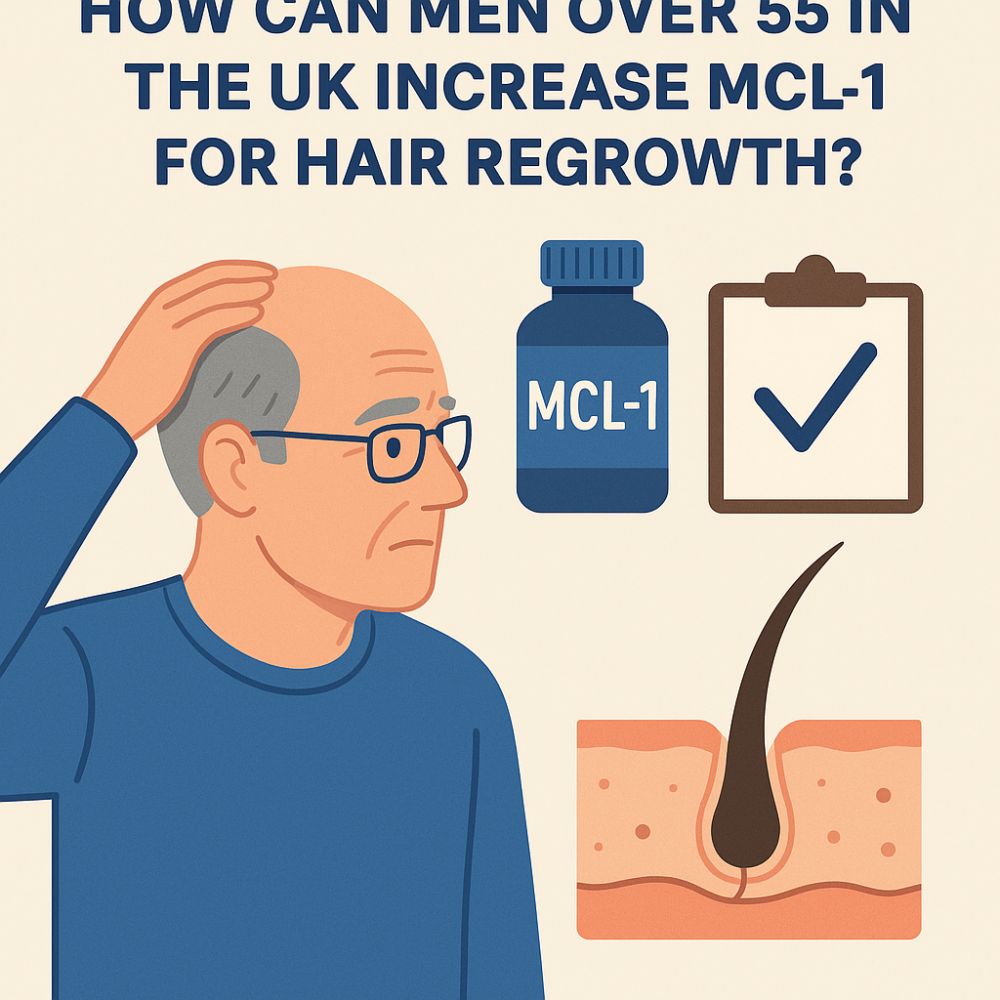
Keeping a Full Head: Boosting MCL-1 for Hair Regrowth After 55
The mirror can be a cruel companion sometimes, can’t it? You might notice a little less on top than there used to be, and perhaps you’ve wondered why it seems to accelerate as the years go by. You’re not alone! In fact, a significant percentage of men over 50 experience noticeable hair thinning. But what if I told you there’s a key player in this process, a tiny cellular guardian called MCL-1, and understanding it could hold the key to keeping those precious locks? Let’s explore this together and see how we can potentially encourage its activity for a fuller, healthier head of hair.
Unpacking MCL-1: Your Hair’s Silent Protector
So, what exactly is MCL-1? It sounds like something out of a sci-fi movie, but it’s actually a crucial protein that resides within our cells. MCL-1 stands for “Myeloid Cell Leukemia sequence 1,” and its primary role is to prevent apoptosis – that’s the scientific term for programmed cell death. Think of it as a cellular bodyguard, constantly working to keep our cells alive and functioning properly.
Now, you might be thinking, “What does this have to do with my hair?” Well, the cells at the base of your hair follicles, the dermal papilla cells, are responsible for hair growth. These cells go through cycles of growth, rest, and shedding. For healthy hair growth, these cycles need to function smoothly. And guess what? MCL-1 plays a vital role in keeping these dermal papilla cells alive and in the growth phase! When MCL-1 levels are sufficient, these cells are more likely to survive and continue producing hair fibers.
Conversely, when MCL-1 levels decline or its function is impaired, these crucial hair-producing cells can prematurely undergo apoptosis, leading to fewer active hair follicles and, consequently, hair thinning and baldness. It’s like having fewer workers on the factory floor – production inevitably slows down.
The Over-55 Factor: Why Hair Loss Can Accelerate
Why do men over 55 often experience more pronounced hair loss? Several factors come into play, and understanding them helps us appreciate why focusing on MCL-1 could be particularly beneficial at this stage of life:
Hormonal Shifts: This is a big one. While the dramatic hormonal changes of menopause are typically associated with women, men also experience hormonal shifts as they age. Specifically, levels of dihydrotestosterone (DHT), a byproduct of testosterone, tend to increase in the scalp. DHT can bind to receptors in hair follicles, causing them to shrink and produce thinner, shorter hairs, eventually leading to follicle miniaturisation and hair loss. It’s a bit like the foundations of a building weakening over time.
Reduced Blood Circulation: As we age, our circulatory system can become less efficient. This means that the scalp may receive less blood flow, which carries vital nutrients and oxygen needed for healthy hair follicle function. Think of it like a garden not getting enough water and fertilizer.
Slower Cell Turnover: The rate at which our cells regenerate naturally slows down as we age. This includes the cells within our hair follicles. With a slower turnover, damaged cells might persist longer, and the production of new, healthy hair cells can be less robust.
Increased Inflammation:Chronic low-grade inflammation can become more prevalent with age. Inflammation in the scalp can disrupt the delicate balance of the hair follicle environment, contributing to hair loss. It’s like having an underlying irritation that prevents things from functioning smoothly.
Genetic Predisposition: Of course, genetics plays a significant role in male pattern baldness (androgenetic alopecia). If your father or grandfather experienced hair loss, you’re more likely to as well. However, even with a genetic predisposition, the rate and extent of hair loss can be influenced by other factors, including cellular health and MCL-1 levels.
Lifestyle Factors: While not exclusive to the over-55 age group, long-term lifestyle factors like chronic stress, poor diet, and certain medications can also contribute to hair loss and may exacerbate age-related declines in cellular function.
Considering these factors, it becomes clear that supporting the health and survival of hair follicle cells, precisely what MCL-1 does, is crucial for maintaining hair density as we age.
Igniting the MCL-1 Spark: Strategies for Enhancement
Now for the exciting part! How can we potentially boost MCL-1 levels or its activity to support hair regrowth and combat baldness? While direct MCL-1 manipulation through readily available means is still an area of ongoing research, several lifestyle and dietary strategies may indirectly influence its levels and promote a healthier scalp environment conducive to hair growth. Remember, consistency is key, and it’s always wise to consult with your GP or a dermatologist before making significant changes to your routine, especially if you have underlying health conditions.
Nourishing from Within: Diet and Supplements – What we eat has a profound impact on our overall health, and our hair is no exception! Certain nutrients are essential for healthy hair follicle function and may indirectly support MCL-1 activity. Protein Power: Hair is primarily made of keratin, a protein. Ensure you’re getting enough high-quality protein in your diet from sources like lean meats, fish, eggs, beans, lentils, and tofu. Adequate protein provides the building blocks for hair growth. Ironclad Support: Iron deficiency is linked to hair loss. Include iron-rich foods like red meat, spinach, lentils, and fortified cereals in your diet. If you suspect you might be low in iron, your doctor can perform a blood test and recommend supplementation if necessary. Zinc for Zest: Zinc is involved in cell growth and repair, including hair follicle function. Good sources include oysters, beef, pumpkin seeds, and chickpeas. Biotin: A Word of Caution: While often touted for hair growth, the evidence supporting biotin supplementation in individuals who are not deficient is limited. Focus on a balanced diet rich in various B vitamins instead. Vitamin D’s Delight: Some studies suggest a link between vitamin D deficiency and hair loss. Sunlight is a primary source, but it can be challenging to get enough, especially in the UK, particularly during winter. Consider vitamin D-rich foods like oily fish, fortified foods, or a supplement after consulting your doctor. Omega-3 Fatty Acids: Found in fatty fish like salmon, mackerel, and sardines, as well as flaxseeds and walnuts, omega-3s have anti-inflammatory properties that could benefit scalp health.
Scalp Care Strategies: Creating a Fertile Ground – A healthy scalp is the foundation for healthy hair growth. These practices can help create an environment where hair follicles thrive:
Gentle Cleansing: Avoid harsh shampoos that can strip the scalp of its natural oils, potentially leading to inflammation and hindering hair growth. Opt for mild, sulfate-free shampoos.

Scalp Massage: Regular scalp massage can improve blood circulation to the hair follicles, delivering essential nutrients and oxygen. You can do this with your fingertips for a few minutes daily while washing your hair or as a standalone practice. It's invigorating!

Topical Treatments (with caution):
Minoxidil: This over-the-counter medication is clinically proven to stimulate hair growth in some individuals. It works by widening blood vessels in the scalp, improving blood flow to the hair follicles. However, it's crucial to follow the instructions carefully and be aware of potential side effects.
Finasteride (prescription only): This medication inhibits the production of DHT. It's highly effective for many men with male pattern baldness but requires a prescription from your doctor due to potential side effects.
Emerging Topical Agents: Research into other topical agents that might influence hair follicle health and potentially MCL-1 pathways is ongoing. Keep an eye on scientific advancements, but be cautious of unproven claims.
Stress Management: Calming the Storm -Chronic stress can wreak havoc on our bodies, including our hair. High stress levels can disrupt hormone balance and increase inflammation, both of which can contribute to hair loss. Incorporating stress-reducing practices into your routine is vital:
Mindfulness and Meditation: Even a few minutes of daily mindfulness or meditation can help calm the nervous system.
Regular Exercise: Physical activity is a fantastic stress reliever and also improves circulation. Find an activity you enjoy, whether it's brisk walking, swimming, gardening, or playing golf.
Adequate Sleep: Aim for 7-9 hours of quality sleep each night. Sleep is crucial for cellular repair and hormonal balance.
Hobbies and Social Connection: Engaging in enjoyable hobbies and spending time with loved ones can significantly reduce stress levels.
The Power of Plants: Exploring Natural Compounds – Some natural compounds found in plants have shown promise in supporting hair growth and potentially influencing cellular pathways involved in hair follicle health. However, more research is often needed in humans to confirm these effects.
Saw Palmetto: This extract from the berries of the saw palmetto tree is sometimes used as a natural DHT blocker. Some studies suggest it may help with hair loss, but more robust research is needed.
Rosemary Oil: Rosemary oil has been shown in some studies to improve hair growth, possibly by increasing blood circulation to the scalp. Dilute it with a carrier oil like coconut or jojoba oil before applying it to your scalp. The aroma is quite pleasant too!
Pumpkin Seed Oil: Some preliminary research suggests that pumpkin seed oil may help with hair regrowth, potentially by inhibiting DHT.
Green Tea Extract: Rich in antioxidants, green tea extract has shown some potential in promoting hair growth in laboratory studies.

Important Note: While natural remedies can be appealing, their effectiveness can vary, and it's crucial to source high-quality products and be aware of potential interactions or sensitivities. Always discuss the use of supplements and herbal remedies with your doctor.
Emerging Therapies: Looking to the Future – The field of hair loss research is constantly evolving, and several promising therapies are being investigated. While not yet mainstream, these offer a glimpse into future possibilities:
Platelet-Rich Plasma (PRP) Therapy: This involves injecting concentrated platelets from your own blood into the scalp. Platelets contain growth factors that may stimulate hair follicle activity.
Low-Level Laser Therapy (LLLT): Also known as red light therapy, LLLT uses low-power lasers to stimulate hair growth. It’s thought to improve blood flow and cellular metabolism in the scalp.
Stem Cell Therapy: Research into using stem cells to regenerate hair follicles is ongoing and holds significant promise for future hair loss treatments
A Holistic Approach: The Best Strategy
Ultimately, the most effective approach to supporting hair regrowth and preventing baldness, especially as we age, is likely a holistic one. This involves:
Adopting a nutrient-rich diet that provides the building blocks for healthy hair.
Practicing good scalp care to create a healthy environment for hair follicles.
Managing stress levels to prevent hormonal imbalances and inflammation.
Considering proven topical treatments like minoxidil if appropriate.
Exploring natural remedies with caution and informed consent.
Staying informed about emerging therapies.
Remember, gentlemen, hair loss is a common concern, but there are proactive steps you can take to potentially slow it down and even encourage regrowth. By understanding the role of factors like MCL-1 and adopting a comprehensive approach to your health and well-being, you’re empowering yourself to maintain a fuller head of hair and a confident outlook for years to come! It’s about nurturing ourselves from the inside out, and that’s a powerful strategy at any age!
Simple Strength Training Exercises for Over 55 to Do Without Equipment. Turn Back the Clock: 9 Bodyweight Exercises for Over 55s
How to Build Muscle After 55 with Bodyweight Exercises: A Beginner’s Guide
Forget the gym, ditch the weights.Strength training isn’t just for twenty-somethings. It’s a powerful tool for anyone looking to improve their health, no matter their age. In fact, for those over 55, strength training can be a game-changer.
Why Strength Training?
Think of your body as a car. Over time, parts wear down. Muscles weaken, bones lose density, and balance can become a challenge. Strength training is like a regular tune-up. It helps rebuild muscle mass, strengthens bones, and improves balance and coordination. This translates to a reduced risk of falls, increased energy levels, better sleep, and even improved mood.
Ready to get started? Here are nine bodyweight exercises you can do anywhere, anytime:
Squats: A classic for a reason. Squats work your legs, glutes, and core. Stand with your feet shoulder-width apart, toes slightly turned out. Lower your body as if you’re sitting in a chair, keeping your back straight. Push back up to the starting position.
Push-ups: A great upper body workout. Start in a plank position, hands slightly wider than shoulder-width apart. Lower your body towards the ground, then push back up. Modify by doing push-ups against a wall or on your knees.
Lunges: A fantastic exercise for improving balance and leg strength. Step forward with one leg, bending both knees to a 90-degree angle. Push back up to the starting position and repeat with the other leg.
Glute Bridges: Strengthen your glutes and hamstrings. Lie on your back with your knees bent and feet flat on the floor. Lift your hips off the ground, squeezing your glutes at the top. Lower your hips back down slowly.
Plank: A core-strengthening powerhouse. Hold your body in a straight line, supported by your forearms and toes. Engage your core to prevent your hips from sagging or arching.
Side Plank: Challenge your core stability. Lie on your side, propped up on your forearm. Lift your hips off the ground, forming a straight line from head to toe. Hold, then repeat on the other side.
Supermans: Strengthen your lower back and glutes. Lie face down on the ground, extending your arms and legs. Simultaneously raise your arms, legs, and chest off the ground, holding for a moment.
Bird-Dogs: Improve balance and core stability. Get on your hands and knees. Extend your right arm and left leg simultaneously, keeping your back straight. Hold for a moment, then return to the starting position and repeat with the opposite arm and leg.
Calf Raises: Strengthen your calves. Stand on the edge of a step or platform, letting your heels hang off the edge. Rise up onto the balls of your feet, then slowly lower your heels back down.
Tips for Success:
Start slow and gradually increase the number of repetitions and sets. Listen to your body and don’t push yourself too hard, especially when starting.
Focus on proper form. Maintaining good form is crucial to prevent injuries and maximise results. Consider watching videos or consulting a fitness professional for guidance.
Make it a habit. Aim for at least two to three strength-training sessions per week.
Consistency is key. The benefits of strength training accumulate over time. Stick with it, and you’ll be amazed at the difference it makes.
Remember, it’s never too late to start. Strength training is an investment in your health and well-being. Embrace the challenge, reap the rewards, and enjoy the feeling of reclaiming your strength and vitality.
Note : always seek professional medical advice before starting new physical fitness programme or new fitness experience if you are in any doubt about your level of fitness or health. Above are tips and should never be considered as medical advice. Your fitness is your responsibility!
Turn Back the Clock: 9 Bodyweight Exercises for Over 55s Cheeringup.info #StrengthTrainingOver55 #FitnessOver55 #BodyweightWorkout #SeniorFitness #HealthyAgeing
Best Bodyweight Exercises for Over 55 at Home to Increase Strength and Balance