Life your best life now each and every day with Cheeringup.info lifestyle tips news reviews and special offers to save time and money
Are you always living in the past or the future? Living with past regrets will only bring you pain. Living for your future will only bring you anxiety about its appearance, or not.
Subscribe to cheeringup.info for free for email alerts to easier life and better living ideas deals and discounts
You will never live in your future. Trouble is you will waste the here and now worrying about something that will probably not happen in the way you want. The only way to live a happier life is to live fully now every single day!
Discover better ways to live well in UK with CheeringupInfo
Read articles and watch live and on demand videos for the latest news opinions and reviews
We all make mistakes. Our past is most probably sprinkled with macro-mistakes and definitely littered with micro-mistakes! Macro-mistakes include the wrong partner, wrong job or wrong investment of money. Micro-mistakes include wrong insurance, wrong restaurant or wrong holiday destination.
Connect with like-minded individuals in your geographical area or the areas of life choices you maybe interested in like sport, arts and culture and hobbies.
Men getting the most out of life in UK
Find the best networking group for your geographical area or lifestyle interests on Cheeringup.info
Womens Network
Research for free the subject matter you are interested in to enhance your life choices.
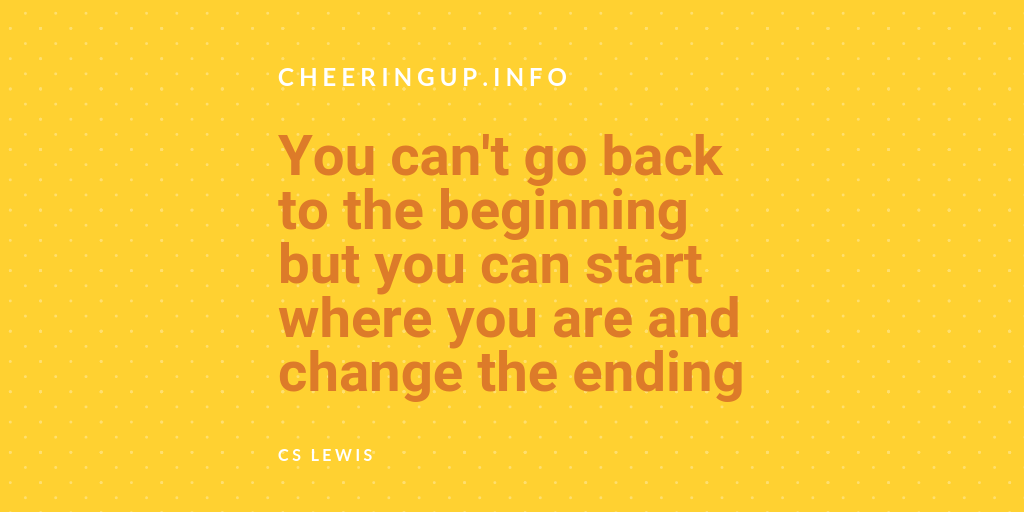
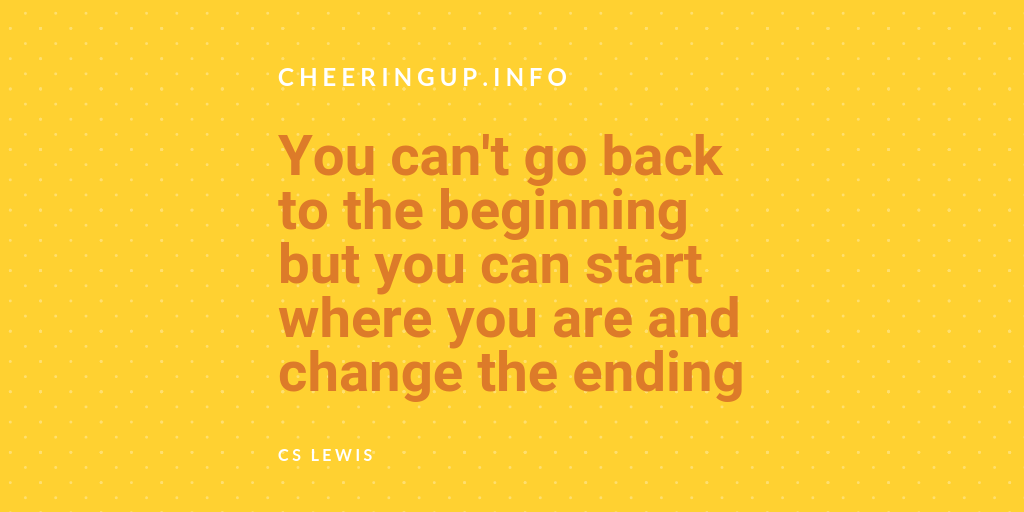
You can’t change your past but you can make today a good day
Each day gives you a new chance to have an amazing life. Each day you you have a choice about whether to be happy or sad about life today. You just have to make today happy. If you decide to be happy just now, in this moment, then the rest of your life you will be happy.
It’s your life and you CAN choose to be happy today and just for today
Make the most of your life
Caring more about yourself is not being selfish. You need to be amazing so you can be amazing in the eyes of other people.
Care about your physical and mental health. If you do not care about yourself why should anyone else.
Read health wellbeing and wellness articles on Cheeringup.Info to inform your best lifestyle improvement decision-making.
Cultivate your connections online and in real world to get help to achieve your life dreams and goals in life.
You will make mistakes if you try to make improvements to your lifestyle.
However are you better off failing to improve your life, or failing to try to improve your life?
Cheeringup.Info
Mistakes you make trying to improve your life are a gift. Mistakes help you to make your life even better than you first thought it could be.
What do you have to offer the world today
Enjoy a better life in UK with Cheeringup.Info
Instead of being anxious about what will happen in your life today, flip it. The world needs your help so what can you offer it today to make it a better place for everyone to live? You decide what you are going to do today to make your life better and as a result make the world a tiny fraction better. The start of every new day is a new beginning. You can choose how you feel at each and every moment.
Focus on what is truly the most important things to making your life better
Turning Dreams Into Life Plan
Stay focused on what you know is right for you. Most people are not that interested in what you do and most of those who are interested are only interested cause they hope you fail!
Take some time to figure out what your dream life looks like. Make sure your dream life is YOUR dream life and not some stereotypical dream life of house job and lifestyle. If you aim for a dream life that is not yours and you achieve it then you will be bitterly disappointed.
Make sure you clearly define what you want in your life. This could start with a clear idea of what you do not want in your life, but should not just be a list of don’t wants. Seems simple but few people have a clear idea of what they want in their life. Most just accept what is in their life without being certain of what their ideal life looks like. Being happy with your lot is great, but with a little tweaking you could improve your lifestyle with very little real expense or even effort.
Subscribe to CheeringupInfo for free alerts to latest lifestyle improvement articles and videos
Subscribe for free alerts to lifestyle improvement articles and videos
Yes have a long-term goal if you want, but don’t fixate on it. Know what you need to do each day to achieve your long-term goal but each day focus on the next step. Breaking your long-term goal into daily actions is less daunting and therefore more manageable more realistic and more pragmatic, thus more achievable. The next step is easier than a giant leap from where you are now to where you want to be.
Subscribe to cheeringup.info for free enter code #TheresMore2LifeThanThis
Not achieving your life goals overnight can be frustrating! Frustration can turn into apathy disillusion and a failure to do the things you need to do every day to achieve your goals. Completing manageable daily actions can give you a sense of achievement that can spur you on past the more difficult days.
Be clear in your life goals and invest in your life with Cheeringup.Info
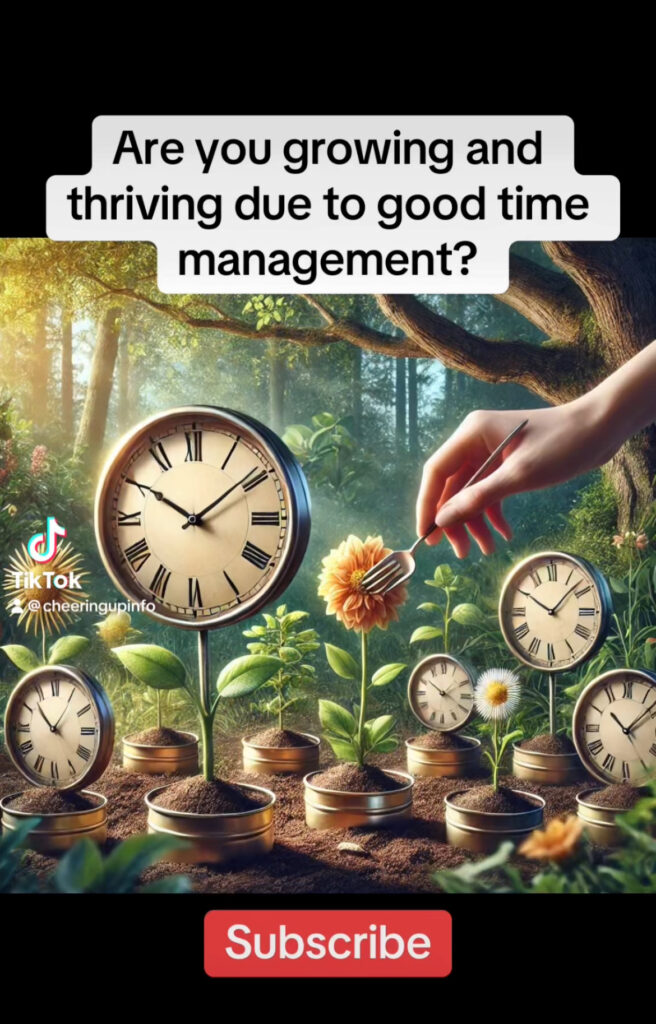
Explaining time minimalism and how can it help you get more done in your life
Time Minimalism: A Guide to Help You Get More Done in Life
In today’s fast-paced world, it’s easy to feel overwhelmed by the sheer amount of things we have to do in a day. With work, family, social life, hobbies, and other responsibilities, our schedules can quickly become jam-packed, leaving us feeling frazzled and stressed. But what if we told you that there’s a way to simplify your life and get more done in the process? That way is called time minimalism.
Do you spend your time or do you invest it? What’s the best time investment you’ve ever made? Share your most rewarding time with us! Cheeringup.info #CheeringupInfo #CheeringupTV #RetirementMagazine #RetirementClub #Retired
Time minimalism is a philosophy that prioritises the use of time to focus on what’s important and eliminate distractions. This approach helps you get more done in less time, by making the most of every moment and maximising your efficiency.
Here are a few ways in which time minimalism can help you get more done in your life:
Focus on the essential: One of the key principles of time minimalism is to focus on what’s essential. This means identifying the tasks and activities that are most important to you, and dedicating your time and energy to them. By doing this, you’ll be able to achieve more in less time and eliminate the distractions that can get in the way.
Prioritise your tasks: When you have a long to-do list, it can be difficult to know where to start. Time minimalism helps you prioritize your tasks by focusing on what’s most important and giving you a clear plan of action. This can help you get more done in less time, and avoid wasting energy on tasks that aren’t crucial to your goals.
Simplify your life: Time minimalism encourages you to simplify your life and eliminate distractions. This means decluttering your physical and digital spaces, reducing commitments, and streamlining your schedule. By doing this, you’ll have more time and energy to focus on the things that are truly important to you.
Be more productive: Time minimalism helps you be more productive by making the most of every moment. By eliminating distractions, focusing on the essential, and simplifying your life, you’ll be able to get more done in less time and feel more fulfilled in the process.
Enjoy life more: Finally, time minimalism helps you enjoy life more by allowing you to focus on the things that matter most to you. By dedicating your time and energy to the things that bring you joy and fulfillment, you’ll be able to live a happier, more fulfilling life.
In conclusion, time minimalism is a philosophy that can help you get more done in your life by simplifying your life, eliminating distractions, and focusing on what’s essential. By adopting this approach, you’ll be able to achieve more in less time, enjoy life more, and live a more fulfilling life.
Time Minimalism: A Guide to Help You Get More Done in Life
Embracing your fears is the first step in conquering them
How do you embrace fear of the unknown
Truly question the reality of your fears and anxiety. Most of our our fear and anxiety is wasted on things or circumstances that never materialise. If you are worrying about things that never happen then you have ruined your present life on your fear of the future. Is your perception of the future based on real likelihood and impact on your life or are you inflating the likely event occurring or the size of the impact on tour life?
Try to stay in the moment. Being preoccupied with your future at the expense of your current life experience is more often pointless. If you can’t stay in the moment, fully examine the likelihood and impact on your life fears and take action now to reduce the likelihood and impact to reduce your perception or reality of your fears. talk to people you trust to get their assessment of your future fears to see if they have more realistic view of your future life risks.
Manage stress of your future life risks now so that you feel more confident in your future.
Money does not solve all of life problem’s but managing money better can make your life easier and better
Personal Finance Magazine UK
Learn to realistically manage your life better
Why embracing fear is important
Your fears and anxiety maybe stopping you enjoying your life to the full. Choosing to not doing something is totally different from fear stopping you do something. Can’t is different from don’t want to. Knowing why you are not doing something may help you to address your fears and anxieties.
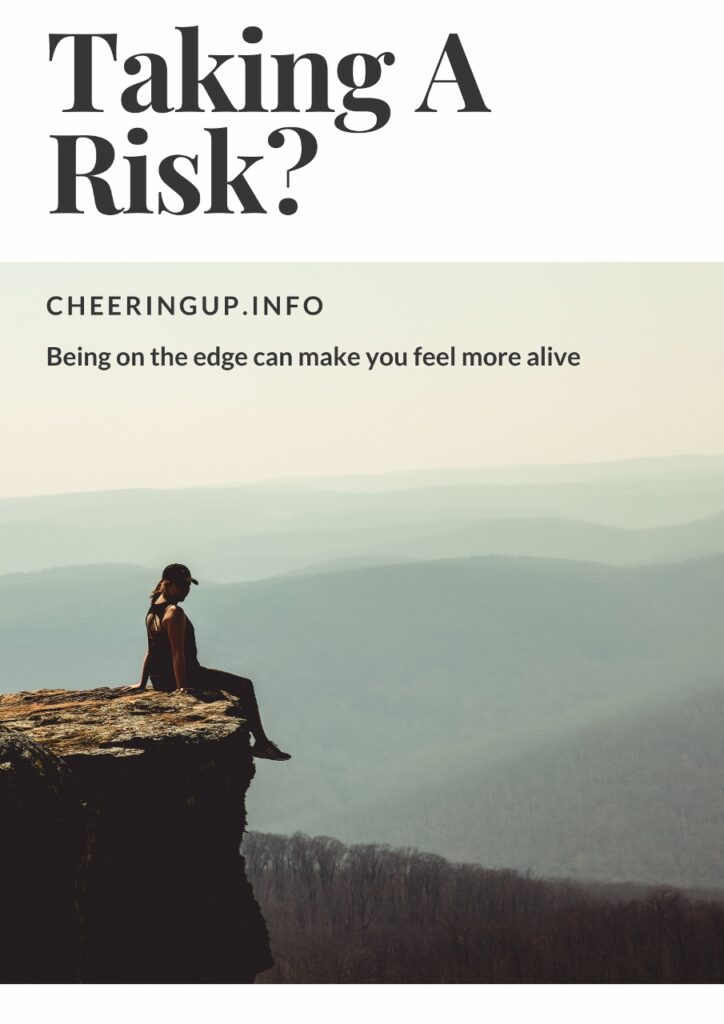
Taking A Risk Can Make Me Feel More Alive
Fear is not bad if based on real risk. Fear can protect us from real life dangers. Fear can help us get ready for real life risks. Realistic fear is not wasted energy. The key is to get real!
How do you overcome fear of change
Accept that change is part of life. Real happiness does not come from zero problems. Happiness comes from the peace of mind that comes from managing and navigating through changes forced or chosen. Even if you fail to overcome problems from life changes, it can be positive. You can learn from a failure to manage a specific change in your life. The longer term impact of failure can become a net positive to your life. Try to be grateful for the positives life changes bring into your life.
Take responsibility for managing the threats and opportunities from changes in your life instead of letting life events wash over you. You may need to be patient for the impact of life changes to show the true impact on your life. Stepping outside of your comfort zone may give you the opportunity to improve your life experiences and improve your lifestyle.
Embracing fear and anxiety
How To Embrace Ageing Positively With CheeringupInfo
Identify and embrace your fears. Letting your fear continue to exist will deepen your fear. Tackling your fears head on will reduce and even eliminate your life fears. Understand the true risk from your fear.
Breathing Exercises To Reduce Anxiety
Breathing exercises are a simple yet effective way to reduce feelings of anxiety quickly. When we’re anxious, our breathing can become shallow and rapid, which can make our anxiety worse. By controlling our breathing, we can calm our nervous system and reduce symptoms of anxiety. Here are some breathing exercises that you can try to help reduce anxiety:
Diaphragmatic Breathing: This exercise focuses on slow, deep breaths from the diaphragm, which is the muscle at the bottom of the lungs. To do this exercise, lie down or sit comfortably with your hands on your stomach. Breathe in slowly through your nose, feeling your stomach rise. Hold for a few seconds and then slowly breathe out through your mouth. Repeat this for 5-10 minutes.
4-7-8 Breathing: This exercise involves inhaling for 4 counts, holding for 7 counts, and exhaling for 8 counts. This slow, controlled breathing can help to reduce feelings of anxiety by calming the nervous system. To do this exercise, sit or lie down comfortably and breathe in slowly for 4 counts, hold for 7 counts, and exhale slowly for 8 counts. Repeat this for 5-10 minutes.
Progressive Muscle Relaxation: This exercise involves tensing and then relaxing different muscle groups to release tension and reduce anxiety. To do this exercise, start by tensing your feet and then relaxing them. Move up to your calves, then your thighs, and so on, until you’ve tensed and relaxed each muscle group in your body.
Belly Breathing: This exercise involves breathing deeply into your abdomen, which can help to calm the nervous system and reduce feelings of anxiety. To do this exercise, sit or lie down comfortably and place your hand on your belly. Breathe in slowly through your nose, feeling your belly rise. Hold for a few seconds and then slowly breathe out through your mouth. Repeat this for 5-10 minutes.
Remember that these exercises can be done anywhere and at any time, making them a convenient and effective way to manage anxiety. It’s important to make them a part of your daily routine to get the best results. If your anxiety is affecting your daily life, it’s best to seek the help of a mental health professional.
In conclusion, breathing exercises are a simple, effective way to reduce feelings of anxiety quickly. By controlling our breathing, we can calm our nervous system and reduce symptoms of anxiety. Try these exercises and see how they can help you manage anxiety in your daily life.
Subscribe to CheeringupInfo for free alerts to latest lifestyle improvement articles and live or ondemand videostreams
Who You Are Now May Not Be All Your Fault But It Is Your Responsibility To Change Your Life
Fear is Temporary, Regret Lasts Forever
Fear is a powerful emotion that can hold us back from taking risks and living our best lives. But it’s important to remember that fear is temporary, while regret can last a lifetime.
Who said fear is temporary but regret lasts forever?
The saying “fear is temporary but regret lasts forever” is often attributed to Dan Skinner, a British comedian and actor. However, the sentiment has been expressed by others throughout history. For example, the Roman philosopher Seneca said, “It is better to suffer once than to fear forever.”
What is the fear of regret called?
The fear of regret is called atychiphobia. It’s a type of anxiety disorder that can cause people to avoid taking risks or making decisions for fear of making the wrong choice.
How do I stop fearing regret?
There are a number of things you can do to overcome the fear of regret. Here are a few tips:
Reframe your thinking. Instead of focusing on the potential negative consequences of taking a risk, focus on the potential positive outcomes. Remind yourself that even if you make a mistake, you can learn from it and move on.
Talk to someone you trust. Talking to a friend, family member, or therapist can help you to process your fears and develop a plan for overcoming them.
Take small steps. If you’re afraid of taking big risks, start by taking small steps. For example, if you’re afraid of public speaking, start by giving a short presentation to a small group of people.
Reward yourself for taking risks. When you take a risk and it pays off, be sure to reward yourself. This will help you to associate taking risks with positive outcomes.
It’s important to remember that everyone experiences fear. The key is to not let fear control your life. By facing your fears head-on, you can live a more fulfilling and rewarding life.
Here are some additional tips for overcoming the fear of regret:
Set realistic goals. When you set unrealistic goals, it’s easy to feel discouraged and give up. Instead, set small, achievable goals that you can build on over time.
Don’t compare yourself to others. Everyone is different and has their own unique journey. Comparing yourself to others will only make you feel worse about yourself.
Focus on the present moment. It’s easy to get caught up in worrying about the future or dwelling on the past. But the only thing you can control is the present moment. So, focus on living in the here and now and enjoying each moment as it comes.
Remember, fear is only temporary. But regret can last a lifetime. So, don’t let fear hold you back from living your best life. Face your fears head-on and don’t be afraid to take risks. You might be surprised at what you’re capable of.
Change The Way You Speak To Yourself And You Can Change Your Life For Better
When you are ready to live a better life we will be here for you
How to fulfil your potential
Believe in your potential to be much better at life. Unwrap the real you. Let others see just how good your best is! Be all you could be. Your salvation is already within you to overcome your life problems.
Put into effect a better version of the current you
Achieve more in your life with help support and lifestyle tips from CheeringupInfo. Have you realised you are better than what you have shown in life so far? Are you ready to carry out changes to make your life better in the UK?
Subscribe to cheeringup.info for free for email alerts to easier life and better living ideas deals and discounts
Are you being honest with yourself about the enjoyment you do or do not derive from your life in the UK?
We investigate wellness and wellbeing for all ages in the UK to help you improve your physical and mental health.
Do not postpone enjoying your life! Are you killing yourself for a job that when you die will quickly be filled? Nobody cares at your work. You will not be missed. Take care of yourself cause your employer will not. Love yourself more. Respect you are not immortal. Your employer knows you are replaceable so you might as well accept this now. When you realise this reality, you will start to make better life decisions for yourself. You will improve your own life starting from today.
If you do not realise how expendable your skills in your job are, one day you may look back at your life and regret you did not prioritise your physical and mental health over your career.
You are going too run out of time. The biggest mistake people make in life is to think you have time! However, the good news is that your best new life can begin as soon as your attitude to your life changes.
Read articles and watch videos for free to inform your lifestyle improvement in the UK. You choose what products or services may help you improve your life now or in future when you retire. If you are 18 or over and live in the UK we can help you be happier healthier and wealthier.
Could you be happier with your life in the UK?
Do you like to use the internet and apps to get the information you need to make better decisions about your life in the UK?
Do you want free tips to help you improve your life in the UK?
If you want free information on how to improve your life subscribe of free to Cheeringup.Info.
Read more lifestyle improvement articles and watch videos live or ondemand online for free
How to make your life happier in UK with Cheeringup.info
Happiness is a state of mind that we all aspire to achieve. However, sometimes it can seem elusive and unattainable. The good news is that there are simple things that you can do every day to boost your happiness levels. In this article, we will discuss easy ways to be happy.
Practice gratitude Gratitude is a powerful tool that can help us shift our focus from what we don’t have to what we do have. Take a few moments every day to reflect on the things that you are grateful for in your life. This can be anything from the roof over your head to the people who love you. By focusing on the positives, you will find that your mood improves, and you feel happier.
Spend time in nature Spending time in nature has been shown to have a positive effect on our mental and emotional well-being. Being surrounded by greenery and fresh air can help reduce stress, boost our mood, and increase our overall sense of well-being. Try to spend at least a few minutes every day outside in nature, whether it’s taking a walk in the park or sitting on a bench in your backyard.
Connect with others Humans are social creatures, and we thrive on connection with others. Make time every day to connect with the people in your life, whether it’s having a conversation with a friend, calling a family member, or even just exchanging a smile with a stranger. When we feel connected to others, we feel happier and more fulfilled.
Practice self-care Self-care is essential for our physical, mental, and emotional well-being. Make time every day to do something that makes you feel good, whether it’s taking a relaxing bath, reading a book, or going for a walk. Taking care of ourselves is not selfish, but rather necessary to maintain a healthy and happy life.
Engage in activities you enjoy Engaging in activities that you enjoy is an easy way to boost your happiness levels. Whether it’s playing a sport, painting, or cooking, doing things that bring us joy can help reduce stress and improve our mood. Make time every week to engage in activities that you enjoy, and you will notice a significant improvement in your overall well-being.
Get enough sleep Sleep is essential for our physical and mental health. When we don’t get enough sleep, we can feel irritable, anxious, and depressed. Aim for at least 7-8 hours of sleep every night, and you will notice a significant improvement in your mood and overall well-being.
Practice mindfulness Mindfulness is the practice of being present in the moment without judgment. When we practice mindfulness, we can reduce stress and anxiety, improve our mood, and increase our overall sense of well-being. Try to practice mindfulness every day, whether it’s through meditation, yoga, or simply taking a few deep breaths.
Volunteer Volunteering is a great way to give back to your community and feel good about yourself. When we help others, we feel a sense of purpose and fulfillment that can boost our mood and overall sense of well-being. Look for volunteer opportunities in your community, whether it’s at a local food bank or animal shelter, and give back in any way that you can.
Practice forgiveness Holding onto grudges and resentment can weigh us down and prevent us from feeling happy. Practice forgiveness every day, whether it’s forgiving yourself for a mistake or forgiving someone who has wronged you. Letting go of negative emotions can help us feel lighter and happier.
Learn something new Learning something new can help us feel more confident and fulfilled. Whether it’s taking a class, learning a new skill, or simply reading a book on a topic that interests you, engaging in new learning experiences can boost our happiness levels. When we challenge ourselves to learn and grow, we feel a sense of accomplishment and fulfillment that can lead to greater happiness.
Laugh more Laughter is often called the best medicine, and for good reason. Laughing has been shown to have a positive effect on our mood and overall well-being. Make time every day to engage in activities that make you laugh, whether it’s watching a funny movie or hanging out with friends who have a great sense of humor.
Focus on the present moment Often, we get caught up in worries about the future or regrets about the past. By focusing on the present moment, we can reduce stress and anxiety and improve our overall sense of well-being. Try to practice mindfulness and focus on the present moment, rather than worrying about what may or may not happen in the future.
Exercise regularly Exercise has been shown to have a positive effect on our physical and mental health. When we exercise, we release endorphins, which are natural feel-good chemicals that can boost our mood and overall sense of well-being. Make time every day to engage in physical activity, whether it’s going for a run, taking a yoga class, or simply going for a walk.
Eat a healthy diet What we eat can have a significant impact on our mood and overall sense of well-being. Aim to eat a healthy and balanced diet that includes plenty of fruits, vegetables, whole grains, and lean protein. Avoid processed foods and sugary drinks, which can contribute to feelings of sluggishness and fatigue.
Practice gratitude journaling In addition to practicing gratitude every day, consider keeping a gratitude journal. Write down three things every day that you are grateful for, and reflect on them throughout the day. This can help shift your focus to the positives in your life and improve your overall sense of well-being.
Happiness is something that we can all achieve with a little bit of effort and mindfulness. By practicing gratitude, spending time in nature, connecting with others, engaging in activities we enjoy, getting enough sleep, practicing mindfulness, volunteering, practicing forgiveness, learning something new, laughing more, focusing on the present moment, exercising regularly, eating a healthy diet, and practicing gratitude journaling, we can boost our happiness levels and lead happier, more fulfilling lives. Start small, and incorporate one or two of these practices into your daily routine, and you will notice a significant improvement in your mood and overall sense of well-being.
Focus on your life today not yesterday or even tomorrow with CheeringupInfo
Subscribe for free to CheeringupInfo and receive lifestyle improvement tips to your inbox including latest deals discounts and special offers
Dwelling on past failures or perceived failures binds you to the past and may be impacting adversely on your enjoyment of present. This can damage your future life. However worrying about the future can create a constant state of unrelenting anxiety and perhaps even cause depression. Planning for your future should be a positive constructive task not a state of anxiety – your future has not happened yet so plan for it with minimal fear worry or anxiety.
Many people imagine life is worse than it really is. Even when life is bad or not running as smoothly as you would like, extracting the best out of a bad situation will make your life at least better if not great.
Taking A Risk Can Make Me Feel More Alive
Taking risks in your life can be frightening but staying where you are now should be more frightening. The benefits of remaining in the security of where are now may need to be dispensed with in return for progression in your life.
You may need to work harder at your life to make it better. If you aspire to be more successful this normally requires hard work. Being more successful may mean more money but not automatically so. More wealth in your life is not always measured in money or financial wealth. More wealth could mean more money and time to do the things in your life you enjoy.
When It Is Time To Die Let Us Not Discover That We Have Never Lived
The Power of Perspective: How to Reframe a Bad Day
We’ve all had those days where everything seems to go wrong. Your alarm doesn’t go off, you spill coffee on your shirt, and then you get stuck in traffic. It’s easy to get caught up in the negativity and let one bad thing lead to another. But what if there was a way to break this cycle and turn a bad day around?
Enter the power of perspective. The way we view a situation can have a huge impact on how we feel about it. By shifting our perspective, we can reframe a bad day and find the silver lining in even the most challenging situations. Here are a few tips for reframing a bad day:
Look for the learning opportunity. When something goes wrong, it can be easy to get frustrated and dwell on the negative. But try to shift your focus to what you can learn from the situation. Maybe you’ll discover a new way of doing things, or maybe you’ll learn to be more prepared for the next time something goes awry.
Practice gratitude. It’s easy to get caught up in the things that are going wrong, but try to focus on the things that are going right. Write down a few things you’re grateful for, no matter how small. This can help shift your focus from the negatives to the positives.
Seek out the good. Look for the small acts of kindness or the moments of joy throughout your day. It could be something as simple as a stranger holding the door open for you or a coworker bringing in donuts. By actively seeking out the good, you’ll start to see more of it in your day.
Put things into perspective. When things are going wrong, it can feel like the world is against you. But try to take a step back and remember that this is just one day, and it will pass. It’s easy to get caught up in the drama, but try to keep things in perspective and remember that it’s just a small blip in the grand scheme of things.
Seek support. If you’re having a particularly tough day, it can be helpful to reach out to someone you trust for support. Whether it’s a friend, family member, or a therapist, having someone to talk to can help you process your feelings and find a way to move forward.
By shifting your perspective, you can reframe a bad day and find the silver lining in even the most challenging situations. Remember, it’s not about ignoring the negative or pretending everything is okay when it’s not. It’s about finding a way to make the best of a tough situation and coming out stronger on the other side.
Read more lifestyle improvement articles and watch Videostreams for free
Live the life you want for yourself in your retirement with CheeringupInfo
How can you improve the last chapter of your life in the UK?
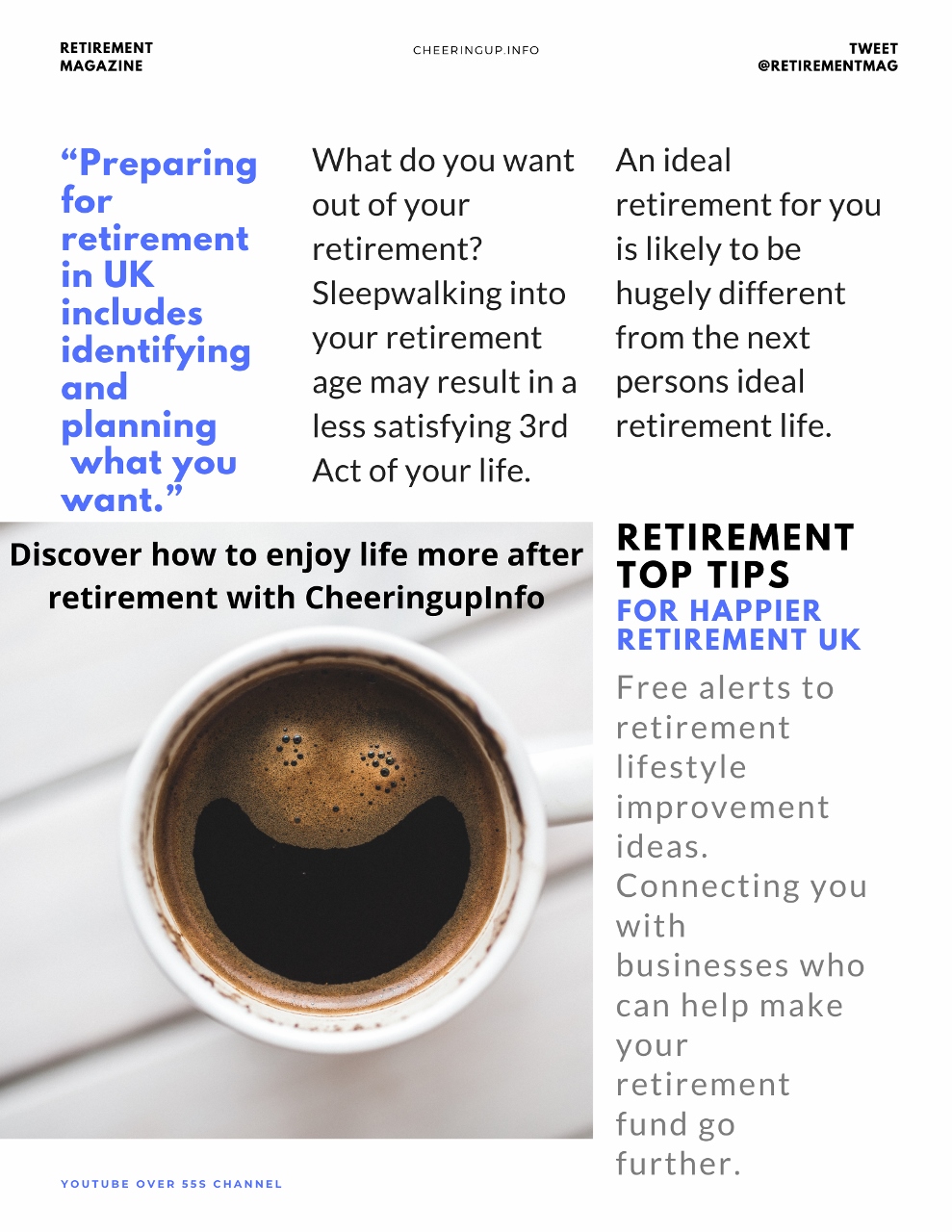
Complete your retirement bucket list more easily. Visit top travel destinations for less. Live every day retirement life at home in UK better. Are you over 55 and living in the UK? Do you want to make the most of your life in retirement in UK and internationally? Do you want to live a good 3rd and final act of your life?
Will you achieve your life goals and dreams? Fulfill your lifelong ambitions? Regrets for not achieving retirement bucket list items are less likely here.
Do not fail to complete your retirement bucket list
Achieve lifelong goals with help from CheeringupInfo.
Common regrets in people before they die
Happiness creates a successful life. Being successful does not necessarily make you happy. There are lots of successful people – in business, work, sport, etc – who are not happy people.
Wished they had led life more true to themselves and not what others expected of them
Wished they had not worked so hard. If you simplify your lifestyle it is possible you do not need as much money as you think you do to live healthier wealthier happier life in retirement
Wished they had the courage to express their feelings more. If it is not said now it may never be said. You could die in the next second so let that knowledge influence your life choices. Life is short.
Wished they had spent more time with friends and family. Do not let people in your life who do not have your best interests in their heart
Wished they had let themselves be happier. Many people do not realise until the end of their life that happiness is a choice. You can only think about one thing at a time. You only have one life and you deserve to think happiness thoughts.
When you have negative thoughts, start thinking about everything you have to be grateful for. Practice gratitude for healthier wealthier happier life.
The biggest mistake you will make in your life is to think you have time. Time is free but it is also priceless. Once time is lost you can never get it back.
Retire Happy
How to Be Happier in Retirement: Unlocking the Five Stages of Retirement
Retirement is a significant milestone in life, offering the opportunity to enjoy newfound freedom and pursue long-awaited dreams. However, the key to a happy retirement lies not only in financial security but also in finding fulfillment and joy in this new chapter. In this article, we will explore what the happiest retirees do, identify the factors that contribute to retirement happiness, delve into the five stages of retirement, and determine the best age to retire for maximum happiness.
What Do the Happiest Retirees Do?
Retirement happiness is not solely dependent on financial well-being; it is about creating a purposeful and satisfying life. Here are some practices that the happiest retirees engage in:
a. Pursue Interests and Hobbies: The happiest retirees often dedicate time to pursue their passions, hobbies, and interests that may have been neglected during their working years. Whether it’s painting, gardening, travelling, or learning a new skill, engaging in activities that bring joy can significantly enhance retirement satisfaction.
b. Maintain Social Connections: Meaningful relationships and social interactions play a crucial role in retirement happiness. The happiest retirees actively cultivate their social networks by joining clubs, volunteer organisations, or participating in community activities. Regular social engagements help combat feelings of loneliness and provide a support system for emotional well-being.
c. Embrace a Healthy Lifestyle: Physical and mental well-being are essential aspects of happiness in retirement. Engaging in regular exercise, adopting a balanced diet, and practicing self-care are all vital for maintaining optimal health. Prioritizing one’s well-being allows retirees to enjoy their newfound freedom to the fullest.
d. Set Realistic Expectations: The happiest retirees have realistic expectations for their retirement years. They understand that retirement is not a constant state of bliss, but rather a phase with its ups and downs. By accepting and adapting to these changes, retirees can navigate challenges more effectively and appreciate the positive aspects of their retirement journey.
What Makes People Happiest in Retirement?
Understanding the factors that contribute to retirement happiness can guide individuals in shaping their own fulfilling retirement experience. Here are some key elements that make people happiest in retirement:
a. Financial Security: While money does not guarantee happiness, having financial stability in retirement alleviates stress and allows individuals to focus on pursuing their passions and interests. Careful financial planning, including saving and investing during working years, can provide a solid foundation for a comfortable retirement.
b. Health and Wellness: Good health is a vital component of retirement happiness. Prioritising physical and mental well-being by adopting a healthy lifestyle and seeking regular healthcare can significantly enhance one’s quality of life during retirement.
c. Meaningful Relationships: Maintaining strong social connections with family, friends, and communities is essential for happiness in retirement. Cultivating meaningful relationships provides emotional support, companionship, and a sense of belonging.
d. Continued Learning and Growth: The happiest retirees embrace lifelong learning and personal growth. Engaging in new activities, pursuing educational opportunities, or acquiring new skills helps retirees stay mentally sharp and provides a sense of purpose and accomplishment.
The Five Stages of Retirement
Retirement is not a singular experience but rather a journey characterised by distinct stages. Understanding these stages can help retirees better navigate the transitions and make the most of their retirement years. The five stages of retirement are as follows:
a. Pre-retirement: This stage occurs before retirement begins and involves planning and preparation. Individuals in this stage assess their financial situation, set retirement goals, and determine their desired lifestyle.
b. Honeymoon Phase: The initial stage of retirement is often filled with excitement, freedom, and a sense of liberation from work-related responsibilities. Retirees may indulge in long-postponed activities, travel, or simply enjoy the relaxation and leisure that retirement offers. It’s a period of exploration and discovery.
c. Disenchantment Phase: At some point, retirees may experience a sense of disillusionment or loss. The initial euphoria may fade, and retirees may realize that retirement is not a constant state of bliss. This stage often involves adjusting to the new routine, finding a sense of purpose, and navigating potential challenges such as identity loss or social isolation.
d. Reorientation Phase: During this stage, retirees begin to adapt and redefine their retirement lifestyle. They explore new interests, engage in volunteer work, or even consider part-time employment. Retirees focus on finding meaning, purpose, and a sense of fulfillment in their daily lives.
e. Retirement Routine Phase: In this final stage, retirees establish a more stable and consistent routine. They have successfully adjusted to retirement, found activities and relationships that bring them joy, and feel a sense of contentment and satisfaction in their day-to-day lives.
Understanding these stages allows retirees to anticipate and proactively address the challenges and opportunities that arise during each phase, leading to a more fulfilling retirement experience overall.
The Best Age to Retire for Happiness
Determining the best age to retire for maximum happiness is a personal decision that depends on various factors, including individual preferences, financial circumstances, and overall well-being. However, research suggests that certain age ranges are associated with higher retirement satisfaction:
a. Early Retirement: Some individuals choose to retire early, typically between the ages of 55 and 64. Early retirement offers the advantage of starting a new chapter in life while still being physically active and enjoying good health. It provides more years to pursue personal interests and spend quality time with loved ones. However, early retirement requires careful financial planning to ensure a secure retirement.
b. Full Retirement Age: The full retirement age, which is typically around 65 to 67, is when individuals become eligible for full Social Security benefits. Many people opt to retire around this age, as it provides a balance between enjoying retirement and maximising financial security. Retiring at this stage allows individuals to benefit from a lifetime of work while still having the energy and health to pursue their passions.
c. Delayed Retirement: Some individuals choose to delay retirement beyond the full retirement age. This may be driven by financial considerations, a desire to continue working, or the enjoyment of their current career. Delayed retirement allows individuals to accumulate more savings, increase Social Security benefits, and maintain a sense of purpose and engagement in the workforce. It can also provide more time to prepare emotionally and mentally for the transition into retirement.
Ultimately, the best age to retire for happiness is subjective and depends on individual circumstances. It is important to consider personal goals, financial readiness, and the overall vision of retirement to make an informed decision.
Retirement is an opportunity for individuals to embrace a new chapter in their lives and find happiness and fulfillment. By following the practices of the happiest retirees, focusing on factors that contribute to retirement happiness, understanding the stages of retirement, and considering the best age to retire, individuals can embark on a journey towards a more joyful and purposeful retirement. Remember, retirement is a unique experience for each individual, and by taking proactive steps, one can make the most of this exciting phase of life.
Discover new healthier better ways to live the lifestyle you want in the UK with cheeringup.info
Cultivating Better Life In UK
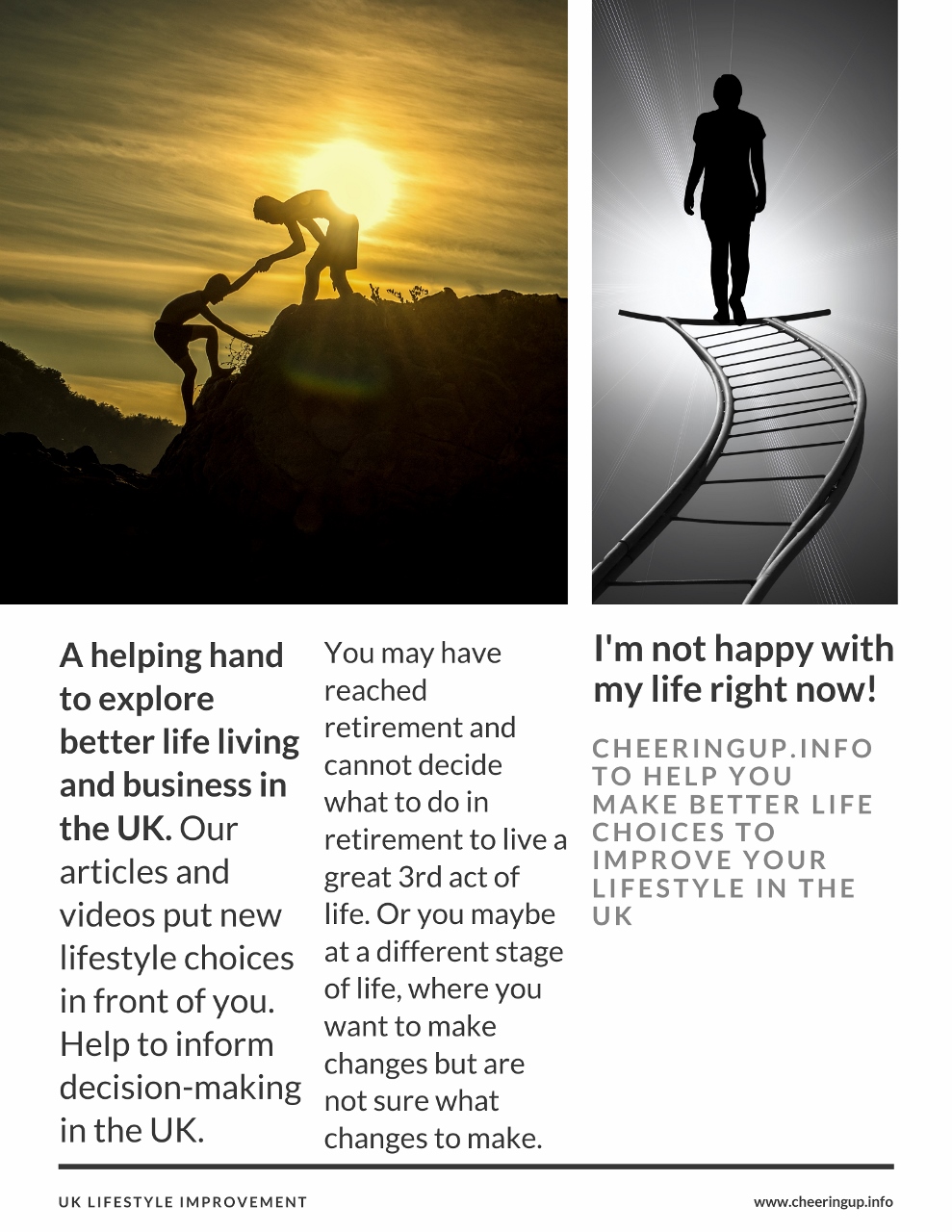
I’m not happy with my life right now. Feelings many people feel from time to time. Sometimes it is just passing life. Other times it may signal walking depression. If you feel you have signs of depression a friend, family or your doctor can help you talk through a plan to tackle a medical condition. However, sometimes being unhappy with life is not a medical condition or a passing momentary thought. It is something that needs tackling with lifestyle changes.
Change your lifestyle to boost your mental and physical health and general wellbeing
Worrying about your life is nonproductive. If it produces anything its just anxiety or even depression if you do not act. Just worrying about life instead of acting to change your life can make you a victim of chance. It can freeze you in hibernation until your luck changes your life. Instead take control of your life.
If you are discontented with your life you maybe waiting a long time if you wait for someone else or luck to change it for you. Depending on someone else to make you happier is risky. You maybe working to their life goals that do not suit your preferences. Working hard to fulfill someone else’s ideal life can make you miserable not depressed.
Waiting for things to happen can mean you are wasting a lot of your precious life. It could result in avoidable misery and unhappiness. Planning and then acting on a better life might in itself make you feel better even if initially your life is not better. Taking control of your life can give you the energy to make your life better. Be the best you can be. It can be comfortable to keep the status quo but could you be happier with a few changes? Have a think for a moment what a better life looks like for you?
Breaking the habit of inaction can unlock many people from feeling miserable even if life is not great at a particular point in time. Just because life for you is miserable now does not mean your life has to be miserable forever. It is easy to wallow in the comfort of feeling miserable about life. If you truly want a better life you can have one but no one can make you feel better but you.
Focusing on the current negatives in your life actually contributes to stress and unhappiness. You may not initially be able to change your life circumstances but you can change how you feel and act to change things for better. This in itself can make you feel better and happier.
It’s okay to feel sad from time to time. Life can throw a curve ball from nowhere that can upset you. It is perhaps impossible to stop some bad things happening. There are many things in your life you can control. Do not worry about the things you cannot control.
Ideas for Your Best Life
Learning how to live your best life is a personal journey that involves self-discovery, growth, and intentional choices. Here are some ideas that can help you on this path:
Set meaningful goals: Identify what truly matters to you and set goals aligned with pyour values and aspirations. Whether they are related to your career, relationships, personal development, or health, clear goals provide direction and purpose.
Cultivate self-awareness: Take time to understand yourself, your strengths, weaknesses, values, and beliefs. Self-awareness allows you to make conscious decisions and live authentically. Practice gratitude: Regularly express appreciation for the positive aspects of your life. Gratitude helps shift your focus to what you have rather than what you lack, fostering a more positive mindset.
Prioritise self-care: Take care of your physical, mental, and emotional well-being. This includes getting enough sleep, eating nourishing foods, exercising regularly, and engaging in activities that bring you joy and relaxation.
Embrace a growth mindset: Adopt a mindset that sees challenges as opportunities for growth and learning. Embrace failure as a stepping stone to success and believe in your ability to improve and achieve your goals.
Foster healthy relationships: Surround yourself with people who support and uplift you. Invest time and energy in cultivating meaningful connections, both with family and friends, as well as with mentors or like-minded individuals. Practice mindfulness: Engage in mindfulness techniques such as meditation or deep breathing exercises. Being present in the moment helps reduce stress, enhance focus, and improve overall well-being.
Learn continuously: Develop a thirst for knowledge and seek opportunities to learn and grow. This could involve reading books, attending workshops, taking courses, or pursuing new hobbies.
Take calculated risks: Stepping outside your comfort zone is necessary for personal growth. Identify calculated risks that align with your goals and values and be willing to embrace new experiences and opportunities.
Live in alignment with your values: Clarify your core values and ensure that your actions and choices are in harmony with them. Living a life aligned with your values brings a sense of fulfillment and authenticity.
Practice resilience: Life is full of ups and downs, so developing resilience is crucial. Cultivate coping mechanisms, bounce back from setbacks, and learn from challenges rather than letting them discourage you.
Give back to others: Find ways to contribute to your community and make a positive impact. Acts of kindness, volunteering, or supporting causes you care about can bring a sense of purpose and fulfillment.
Remember, living your best life is a continuous journey, and it’s important to be patient and kind to yourself along the way.
Advice: Once again if you feel you are walking into depression or have depression now you should seek medical help intervention and support
If it is a general unhappiness with where you are now in life and a desire to explore a better lifestyle tune into us for articles and videos to help you make changes to your life. Your unhappiness may not be medical. Instead your unhappiness is simply a desire for something better.
Create the right fundamental base to build a better fuller life in UK. Find out how to boost your sleep fitness and diet. Be more mindful of and connect with the present moment. Identify the things already in your life you should be grateful for and appreciate them more.
Share your life with others online. Learn how to identify and control feelings of loneliness. Feel better about life in the UK. Chatting online help to banish loneliness.
There is a difference between solitude and loneliness – the first can be pleasurable but the second is often painful.
Solitude and loneliness are two concepts that are often used interchangeably, but they are in fact two distinct experiences. While solitude refers to being alone by choice, loneliness refers to the feelings of isolation and lack of connection that can occur even when surrounded by people.
Solitude is a state in which an individual is free from distractions and is able to focus on their thoughts and emotions. This can be a pleasurable experience, allowing for introspection, reflection and a chance to recharge. Many creative and intellectual pursuits, such as writing, painting, or meditation, often require solitude in order to be truly productive. Solitude can also be a source of strength, helping individuals to become more self-reliant and independent.
In contrast, loneliness is a painful and unpleasant experience that is often characterized by feelings of sadness, hopelessness, and boredom. It is a result of a lack of meaningful social connections and a feeling of disconnection from others. People can feel lonely even when they are surrounded by people, and the experience is often described as feeling disconnected and disconnected from the world around them.
Loneliness is a growing problem in modern society, with many people feeling disconnected and isolated due to the fast-paced and busy lives they lead. This can lead to feelings of depression, anxiety, and even physical illness. It is therefore important for individuals to make an effort to form meaningful social connections, whether through spending time with family and friends, volunteering, or joining clubs and organizations.
Solitude and loneliness are two very different experiences, with solitude being a source of pleasure and reflection, while loneliness is a source of pain and suffering. By understanding the difference between these two experiences and taking steps to form meaningful social connections, individuals can avoid the negative effects of loneliness and instead enjoy the benefits of solitude.
If you are lonely in the evenings weekends or on holidays connect more online
Find out about upcoming online events discussions and webinars to experience a new life online. Interact online to banish loneliness in the UK. Combat loneliness. Overcome feelings of loneliness.
CLICK HERE to subscribe to CheeringupInfo or email editor@cheeringup.info for free email alerts to upcoming online events webinars and discussions.
Promote and market your business on CheeringupInfo for 12 months
Put your products and services in front of new customers already interested in your business offering before your competitors do.
Find out how to promote your business locally and globally. CLICK HERE or email editor@cheeringup.info to find out more entering code #Marketing
Link into your existing sales process direct from CheeringupInfo or use our eCommerce solutions to increase your sales cash flow and profit
Increase the sources of your revenue streams more sustainably. Grow your business faster with CheeringupInfo.
Loneliness is often thought of as a social problem, but it can have significant negative effects on physical health and longevity. While it is natural for individuals to feel lonely at times, chronic loneliness can be dangerous and contribute to various health problems. In this article, we will explore the dangers of loneliness to health and longevity and provide some strategies to combat loneliness.
What is loneliness?
Loneliness is a feeling of sadness or isolation that arises when an individual perceives a lack of social connections or support. It is not necessarily the same as being alone, as individuals can feel lonely even when surrounded by people. Loneliness can be short-term, such as after a break-up, or it can be chronic, persisting for extended periods.
The Dangers of Loneliness
Loneliness can lead to a range of physical and mental health problems. Here are some of the most significant dangers of loneliness:
Cardiovascular disease
Loneliness is a significant risk factor for cardiovascular disease. Individuals who feel lonely have higher levels of stress hormones, which can lead to chronic inflammation, a precursor to many cardiovascular diseases. Chronic loneliness can also contribute to high blood pressure, atherosclerosis, and other cardiovascular problems.
Depression and anxiety
Loneliness can lead to depression and anxiety. When individuals feel isolated, they may become preoccupied with negative thoughts and emotions, leading to depression and anxiety. Chronic loneliness can contribute to other mental health issues, such as substance abuse and personality disorders.
Weakened immune system
Loneliness can weaken the immune system. The stress hormones that are produced in response to loneliness can suppress the immune system, making it more difficult for the body to fight off infections. Chronic loneliness can also contribute to chronic inflammation, which can lead to a range of health problems.
Cognitive decline
Loneliness can contribute to cognitive decline. When individuals feel lonely, they may engage in less social interaction and cognitive stimulation, which can lead to reduced brain function. Chronic loneliness can contribute to the development of dementia and Alzheimer’s disease.
Premature mortality
Loneliness can contribute to premature mortality. Chronic loneliness has been associated with an increased risk of death from all causes, including cardiovascular disease, cancer, and suicide.
How to Combat Loneliness
If you are feeling lonely, there are several strategies you can use to combat loneliness:
Connect with others
One of the most effective ways to combat loneliness is to connect with others. Joining social groups or clubs, volunteering, or participating in hobbies can help individuals build social connections and combat feelings of isolation.
Seek professional help
If you are struggling with chronic loneliness, seeking professional help can be beneficial. Mental health professionals can provide support and guidance to individuals struggling with loneliness and associated mental health problems.
Engage in self-care
Engaging in self-care activities, such as exercise, meditation, and spending time outdoors, can help reduce stress and promote emotional well-being. These activities can also help individuals build self-confidence, which can make it easier to connect with others.
Seek support from loved ones
Talking to loved ones about feelings of loneliness can be helpful. Loved ones can provide emotional support and may be able to offer suggestions for ways to build social connections.
Consider adopting a pet
Pets can provide emotional support and help individuals combat feelings of loneliness. Studies have shown that pet ownership can lead to reduced stress and increased social interaction.
Loneliness is a significant risk factor for physical and mental health problems and can contribute to premature mortality. If you are feeling lonely, it is essential to take steps to combat these feelings. Connecting with others, seeking professional help, engaging in self-care, seeking support from loved ones, and considering pet ownership are all effective strategies to combat loneliness. By taking steps to combat loneliness, individuals can improve