Smartwatches & Fitness Trackers UK: Steps, Sleep, Heart & Falls

CheeringUpInfo Retirement Club recommends smartwatches & fitness trackers like Fitbit, Garmin & Apple Watch for steps, sleep, heart rate & fall detection.

“CheeringupInfo Retirement Club recommends these gadgets and services as part of the solution to the problem of improving and maintaining fitness. With 67.4% of UK adults physically active but 22% still inactive, and average daily steps at just 6,478 against a recommended 7,000, the case for real-time tracking has never been clearer.”‌

What can tracking daily steps actually do for your health?

Tracking daily steps can close the gap between your current activity and the level associated with lower mortality risk. UK adults average 6,478 steps a day, yet The Lancet Public Health now suggests a target of 7,000 steps for adults — a figure only 14% of people are aware of. For those aged 75 and over, physical inactivity rises sharply to 31.6%, and for the 85+ group it reaches 54.4%. A wearable that counts steps makes that shortfall visible every day, turning a vague intention into a measurable behaviour.‌

  • The average Brit takes 6,478 steps daily, leaving a meaningful gap to the 7,000-step threshold linked to better health outcomes.
  • Only 14% of adults know the revised 7,000-step recommendation, meaning most people are tracking against the wrong target without realising it.
  • Physical inactivity among the 75–84 age group stands at 31.6%, and among the 85+ group at 54.4% — the very groups most likely to benefit from gentle, consistent movement.‌63.7% of adults meet the 150-minutes-per-week activity guideline, but that still leaves over a third falling short.

How can a fitness tracker improve sleep quality?

A fitness tracker can improve sleep quality by making your actual sleep duration visible against the NHS-recommended seven to nine hours. The NHS advises adults to get seven to nine hours of sleep per night, with people over 65 needing seven to eight hours, yet the current UK average is just six hours and 30 minutes. That shortfall matters because both the quantity and quality of sleep affect how the body and mind function. Sleep tracking converts a subjective feeling into data you can act on.

  • NHS guidance is clear: adults need 7–9 hours, and the over-65s need 7–8 hours.‌
  • The UK average sleep duration is 6 hours 30 minutes, leaving most adults at least 30–90 minutes short of the minimum recommendation.
  • Sleep is described by NHS clinicians as a “learned behaviour,” meaning tracking patterns is a practical first step towards improving it.‌
  • Regular exercise each day, preferably in the morning, is an NHS-recommended sleep hygiene measure — the same exercise a step tracker encourages.

Why does continuous heart rate monitoring matter?

Continuous heart rate monitoring matters because atrial fibrillation often has no symptoms, yet it is a leading cause of preventable stroke. The British Heart Foundation reports that 1.5 million people in the UK are diagnosed with atrial fibrillation — 1 in 45 people — and an estimated 270,000 more remain undiagnosed and unaware. Someone with AF is five times more likely to have a potentially fatal or life-changing stroke, and AF contributes to one in five strokes. A smartwatch with heart rate monitoring can flag irregular rhythms that would otherwise go unnoticed.‌

  • Diagnosed AF in the UK rose from 1 million in 2013 to over 1.5 million in 2023 — a 50% increase in a decade.‌
  • At least 270,000 people in the UK are living with undiagnosed AF, with no awareness of their heightened stroke risk.‌
  • Undiagnosed AF is found in 1% of the general population and 1.4% of those aged 65 or older.
  • In one smart device study, 75% of patients sought medical attention because of a device alert, often in the absence of symptoms — and AF was detected in 30% of those cases.

What is the value of fall detection for older adults?

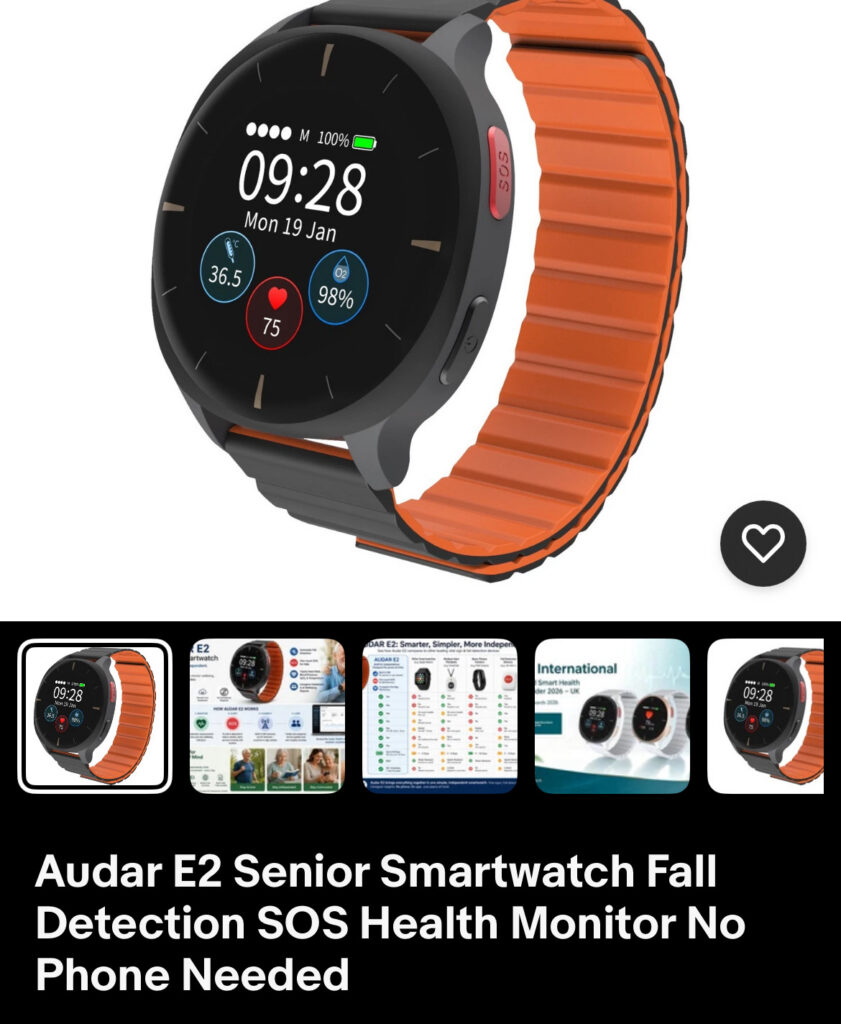
Fall detection has clear value for older adults because falls are the largest cause of emergency hospital admissions for people aged 65 and over. Around 30% of people aged 65 and above — 2.5 million people — and about half of those aged 80 and above will experience a fall at least once a year. In 2024 alone, there were over 284,280 ambulance callouts and 50,000 hospital admissions for fall-related emergencies among over-65s across the NHS. A wearable with fall detection can automatically alert emergency contacts when a fall occurs, reducing the time spent waiting for help.‌

  • 2.5 million people aged 65+ and around half of those aged 80+ fall at least once annually.
  • NHS ambulance services respond to approximately 700,000 emergency calls related to falls among patients aged 65 and over.‌
  • Over 4 million hospital bed days annually in England are attributed to falls among the 65+ population.
  • One fall-prevention technology pilot reduced fall rates by 31%, from 1.85 to 1.28 incidents per resident per month, and was projected to save £1.49 million annually across pilot homes.

Do fitness trackers offer good value for money?

Fitness trackers offer good value for money because peer-reviewed UK research shows they are cost-effective and often dominant compared to pharmaceutical prevention strategies. A 2025 economic evaluation published in BMC Digital Health found that wearable fitness trackers had a 94.8% probability of being cost-effective compared to metformin for preventing type 2 diabetes in the UK population, yielding higher quality-adjusted life years at lower costs. The same study described fitness trackers as “a cost-effective and scalable option for T2D prevention in the UK, offering good value even under conservative assumptions”.‌

  • Wearable fitness trackers were a dominant strategy versus metformin, with an ICER of −£4,451.70 per QALY — meaning they improved health outcomes while reducing costs.‌
  • The probabilistic sensitivity analysis showed a 94.8% probability of cost-effectiveness at the UK willingness-to-pay threshold of £20,000 per QALY.‌
  • Entry-level trackers start at around £33–£49.99, while capable devices like the Fitbit Air start at £84.99 — a one-off cost against years of daily health data.
  • The NHS already uses smart watches in activity reward programmes for type 2 diabetes, recognising them as an efficient delivery mechanism for behaviour change.

Which tracker features should you prioritise?

You should prioritise step counting, sleep tracking, continuous heart rate monitoring, and fall detection if you want a device that addresses the full picture of daily health. These four functions map directly onto the areas where UK public health data shows the greatest gaps: activity shortfalls, sleep deprivation, undiagnosed atrial fibrillation, and preventable falls. Fitbit, Garmin, and Apple Watch each cover these core features across a range of price points, from budget-friendly bands to advanced smartwatches.

  • Step counting with a visible daily target helps close the 6,478-to-7,000 step gap identified in UK data.
  • Sleep tracking against the NHS 7–9 hour guideline makes chronic short sleep measurable and actionable.‌
  • Continuous heart rate monitoring can flag irregular rhythms in a population where 270,000 people are unknowingly living with AF.‌
  • Fall detection provides an automatic safety net for the 30% of over-65s who will experience at least one fall this year.
  • Devices start at £33 and scale to £719, meaning there is a value point for every budget and every level of need.

#TrackYiurHealthUK #CheeringUpInfo #RetirementClub #RetirementMagazine #RetirementTV

Get help to protect and grow your online sales of smartwatches and fitness trackers with CheeringUpInfo

Find out more about growing your sales of smartwatches and fitness trackers with CheeringUpInfo

Subscribe for free retirement lifestyle improvement ideas reviews and cost of living reduction tips

Connect with CheeringUpInfo for free retirement lifestyle improvement tips

Read more retirement lifestyle improvement articles and view videos for free

Connect with CheeringUpInfo for free alerts to new retirement lifestyle improvement articles and videos

Stop scrolling if you’re over 65, or you love someone who is. This is the 5-number health check your wrist can run while you sleep.

CheeringUpInfo Retirement Club recommends these gadgets and services as part of the solution to improving and maintaining fitness.

Here’s the part nobody repeats: the UK average is 6,478 steps a day. The target linked to better health outcomes is 7,000. Only 14% of adults know that. And inactivity isn’t evenly spread — it’s 31.6% among 75–84s and 54.4% among 85+.

  1. Steps: 6,478 average vs 7,000 target. 14% awareness. 31.6% inactivity in 75–84s. 54.4% in 85+.
  2. Sleep: NHS says 7–9 hours for adults, 7–8 for over-65s. UK average is 6 hours 30 minutes. That’s a 30–90 minute shortfall, every night, measurable on a £33 band.
  3. Heart: 1.5 million diagnosed with atrial fibrillation in the UK. 270,000 undiagnosed. AF means 5x higher stroke risk and contributes to 1 in 5 strokes. In one smart device study, 75% of patients sought medical attention because of a device alert — and AF was detected in 30% of those cases.
  4. Falls: 30% of over-65s — 2.5 million people — fall at least once a year. Around half of over-80s do. NHS ambulance services respond to about 700,000 fall-related calls among 65+ patients. Over 4 million hospital bed days annually in England are attributed to falls in that group. One fall-prevention tech pilot cut fall rates 31%, from 1.85 to 1.28 incidents per resident per month, and was projected to save £1.49 million annually.
  5. Cost: Trackers start at £33. Fitbit Air starts at £84.99. A 2025 BMC Digital Health evaluation found wearables had a 94.8% probability of being cost-effective vs metformin for type 2 diabetes prevention in the UK — with an ICER of −£4,451.70 per QALY. Negative cost. Better outcomes. The NHS already uses smart watches in activity reward programmes for type 2 diabetes.

If number 4 didn’t make you check your own wrist, number 5 should make you check your bank balance. A one-off £33–£84.99 against 4 million fall-related bed days and 270,000 silent AF cases is not a gadget purchase. It’s a maths problem.

Email editor@cheeringup.info with subject “TRACKER” and ask for the CheeringUpInfo Retirement Club shortlist for Fitbit, Garmin and Apple Watch. Tell them your age and whether you want step, sleep, heart or fall alerts first. Do it before your next birthday — because the 75–84 inactivity stat is 31.6%, not 3%.

#CheeringUpInfo #TrackYourHealthUK

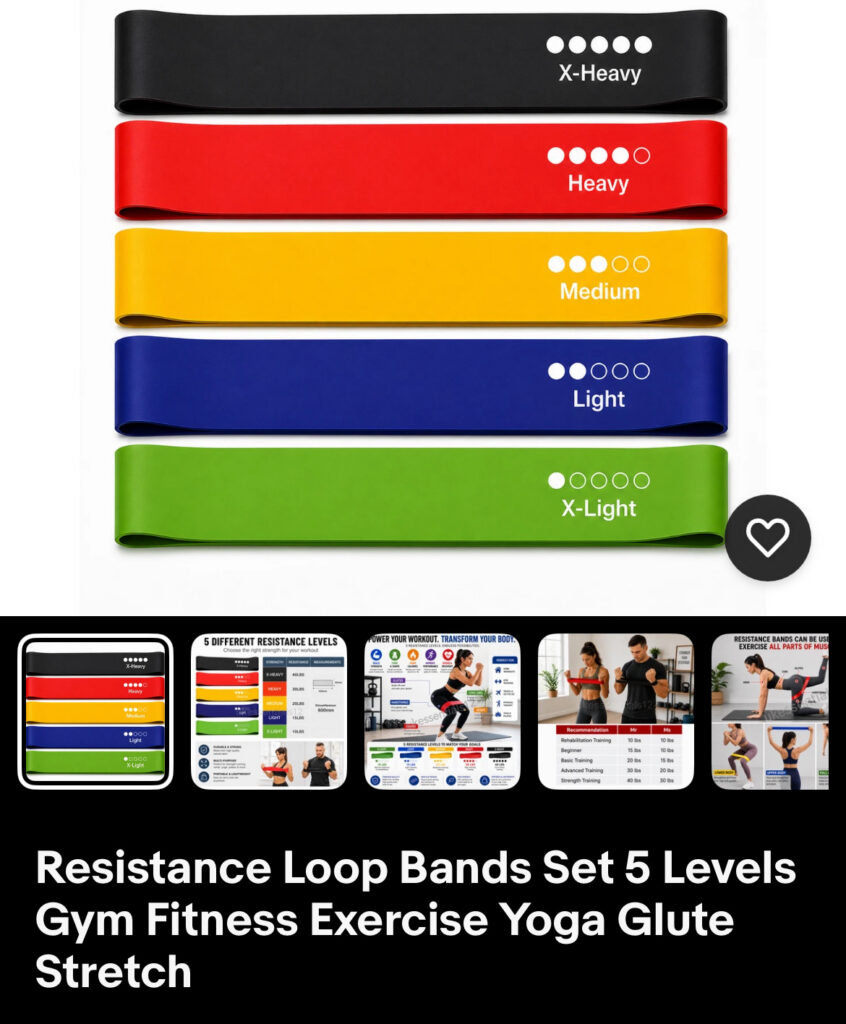
Features Smartwatch and Fitness Trackers UK

Blackview Military Smart Watch for Men (Answer/Make Calls) 1.45″ Fitness Tracker

https://ebay.io/m/YrKrlC

As an eBay Partner, I may be compensated if you
make a purchase

#CheeringUpInfo #TrackYourHealthUK #RetirementClub #RetirementMagazine #RetirementTV

Garden Maintenance Equipment UK | Low-Effort Cordless Tools

Discover cordless leaf blowers, hedge trimmers and mini chainsaws for low-effort, low-strain garden care in the UK. CheeringupInfo Retirement Club uses garden maintenance equipment to make leaf clearing, hedge trimming and end-of-season garden prep easier. Backed by ONS, HTA, RHS and Thrive data.

Your Shop Online for Garden Maintenance Equipment UK: Can Low-Effort Tools Transform Retirement Gardening?

CheeringupInfo Retirement Club recommends garden maintenance equipment to complete leaf clearing, hedge trimming, and end-of-season garden prep more easily — and the data suggests this approach aligns with what UK gardeners over 55 are already doing. The Horticultural Trades Association (HTA) found that “nearly six in ten UK adults (55%) said that they participate in gardening as a hobby,” equivalent to 18.1 million regular gardeners in 2024. Among over-55s, 76% said they enjoy gardening in their free time, rising to 87% for over-75s. With the ONS reporting that 18.6% of the population is aged 65 and over — up from 16.4% in 2011 — the demand for tools that make gardening sustainable in later life has never been clearer.

Why Are Older UK Adults Turning to Low-Effort Garden Maintenance Equipment?

Older UK adults are turning to low-effort garden maintenance equipment because age-related physical changes make traditional tools increasingly difficult to manage. The HTA’s State of the Market report notes that “older consumers have the highest levels of home ownership, are the biggest spenders in garden retail and tend to have the most disposable leisure time”. It also states that “businesses may be able to support with garden products/services that save and take the strain out of physical labour”. Over-55s were the group most likely to use their private garden for growing plants, trees, and flowers (75%) and edible plants (38%). The motivation is there — what has changed is the tooling.

  • HTA 2025: 76% of over-55s enjoy gardening in their free time; 87% of over-75s garden at least occasionally
  • ONS 2021 Census: 18.6% of the UK population is aged 65+, up from 16.4% in 2011
  • HTA State of the Market: Older consumers are the biggest spenders in garden retail and have the most disposable leisure time

What Do Independent Gardening Organisations Say About Health Benefits of Gardening?

Independent gardening organisations say the health benefits of gardening are substantial, measurable, and particularly relevant for older adults. Thrive, the UK’s leading gardening for health charity, reports that 100% of client gardeners were happier or improved their mental wellbeing, 98% improved their physical health, and 97% increased or restored their confidence. Thrive also notes that “engagement with nature and gardening drives behaviours that reduce the risks of dementia, delaying the onset, slowing the decline and reducing social isolation,” and that “gardening activity in older age has also been associated with cognitive benefits over the course of life”. The RHS State of Gardening 2025 found that 77% of gardeners perceive positive impacts on their mental health and 76% on their physical health.

  • Thrive Impact Report 2024/25: 100% happier/improved mental wellbeing; 98% improved physical health; 97% increased confidence
  • Thrive dementia research: Older daily gardeners had a 36% lower risk of developing dementia
  • RHS State of Gardening 2025: 77% of gardeners report positive mental health impacts; 76% report physical health benefits
  • Thrive on physical benefits: “Burning calories, building muscle strength and flexibility, enhancing fine motor skills and dexterity, reduced falls and pain”

How Do Cordless Tools Reduce Physical Strain in UK Gardens?

Cordless tools reduce physical strain in UK gardens by eliminating cords, reducing weight, and cutting the repetitive exertion that traditional garden maintenance demands. The RHS mapped 25.8 million gardens in Great Britain, with the average domestic garden measuring 244m² — nearly the size of a tennis court. Managing that space with hand tools becomes progressively harder with age. Which? testing found that cordless models “perform as well as the high-end models from £130” and are “all lightweight, which makes them easy to use, carry and store”. The Telegraph’s professional gardener tester found the Hawksmoor Cordless Hedge Trimmer (Toolstation, £69.98) to be “a lightweight, budget model that held its own against much pricier competitors” with a 50-minute run time.

  • RHS 2025: Average UK domestic garden is 244m²; 20.6 million domestic gardens across Britain
  • Which? testing: Cordless mowers from £130 perform as well as high-end models; all are lightweight
  • Telegraph tested: £69.98 cordless hedge trimmer “held its own against much pricier competitors”
  • Cordless leaf blower benefit: Lightweight builds (as low as 1.8kg) make them “ideal for extended use and tackling large areas without fatigue”

Why Is Garden Maintenance Equipment Good Value for Money in the UK?

Garden maintenance equipment is good value for money in the UK because independent testing consistently shows that affordable cordless models deliver performance comparable to premium alternatives. Which? states: “Our testing reveals you can buy great corded electric mowers from as little as £75 and cordless models that perform as well as the high-end models from £130”. Natalie Brown, Which? lawn mower expert, advises that “a typical UK home has a small to medium-sized garden under 150 sq.m, which makes spending more than £250 on a new lawn mower unnecessary”. The HTA reported that garden centre sales grew 9% in 2025, “well above the current inflation rate of 3.5%,” indicating that UK consumers are actively investing in garden maintenance. Mini chainsaws are available from around £49.99, with models rated for cutting branches up to 3 inches.

  • Which? expert guidance: Under 150m² garden; cordless models from £130 perform as well as high-end
  • HTA 2025: Garden centre sales up 9%, above 3.5% inflation
  • Mini chainsaw value: Models from £49.99; cut up to 3-inch branches; 5x faster than hand saws
  • Telegraph tested: £69.98 hedge trimmer with 50-minute run time; 51cm blade

How Does Cordless Leaf Blower Equipment Support Low-Effort Leaf Clearing?

Cordless leaf blower equipment supports low-effort leaf clearing by replacing the raking, bending, and bagging that puts strain on backs and joints. UK reviewers describe cordless blowers as “a breeze to quickly whip out of the cupboard to clear the play area in a couple of minutes,” with battery-powered designs that make tidying “incredibly easy”. The Guardian’s 2025 roundup notes that cordless blowers “lift and blow leaves into piles, significantly reducing all that raking”. For CheeringupInfo Retirement Club members managing end-of-season prep, this translates directly into less time bent over and less strain on the lower back.

  • UK reviewer (Mirror): “A breeze to quickly whip out of the cupboard to clear the play area in a couple of minutes”
  • The Guardian 2025: Cordless blowers “significantly reducing all that raking”
  • Currys product data: 1.8kg build; 826 m³/h airflow “helps you shift big piles with less effort”
  • Amazon UK review: “Lightweight… powerful, and surprisingly quiet — a practical all-season tool that keeps outdoor spaces spotless with minimal effort”

How Does Hedge Trimmer Equipment Make Hedge Cutting Easier in UK Gardens?

Hedge trimmer equipment makes hedge cutting easier in UK gardens by combining lightweight design, long battery life, and blade geometry suited to the softer shrubs that dominate domestic boundaries. The Telegraph’s professional gardener tester found the Hawksmoor Cordless Hedge Trimmer’s “long 51cm blade is well-suited to shaping and tidying softer bushes,” with a 50-minute run time only slightly below the 57 minutes of the test’s Best Buy from Worx. The RHS reports that 25.8% of domestic garden space has a canopy of trees and 11% is mainly flower beds — meaning hedges and boundary planting are a significant maintenance commitment. BBC Gardeners’ World awarded Best Buy status to the Webb Eco Mini Pruner for its budget cordless pruning performance, showing that independent validation of affordable equipment is widespread.

  • Telegraph tested: Hawksmoor £69.98; 51cm blade; 50-min run time; “held its own against much pricier competitors”
  • RHS 2025: 25.8% of domestic garden space is tree canopy; 11% flower beds
  • BBC Gardeners’ World: Webb Eco Mini Pruner received Best Buy for budget cordless pruning
  • Thrive on gardening activity: Strengthens muscles, improves co-ordination, dexterity, motor skills and balance

How Does Mini Chainsaw Equipment Help with End-of-Season Garden Prep?

Mini chainsaw equipment helps with end-of-season garden prep by cutting branches up to 3 inches with 5x the speed of traditional hand saws, saving “massive amounts of time and physical effort on heavy duty garden maintenance”. UK reviewers describe mini chainsaws as “my new favourite tool,” with built-in oiler systems that “keep everything running without a hitch”. For CheeringupInfo Retirement Club members tackling autumn pruning, this means fewer repeated sawing motions, less shoulder strain, and faster completion of the jobs that become hardest with age. The HTA specifically identifies garden products that “save and take the strain out of physical labour” as a growth opportunity aligned with an ageing population.

  • Amazon UK review: “5x faster than traditional hand saws, saving you massive amounts of time and physical effort”
  • UK reviewer: “My new favourite tool” — built-in oiler “keeps everything running without a hitch”
  • HTA on ageing population: Garden products that “save and take the strain out of physical labour”
  • Thrive on older gardeners: Gardening provides “a sense of purpose and achievement and can reduce stress and anxiety”

What Do UK Government and ONS Data Say About Green Space and Health?

UK government and ONS data say that access to green space and gardening activity are directly linked to measurable health outcomes and reduced pressure on the NHS. The ONS Census 2021 found that 87% of UK households have a private garden or outdoor space — nearly 30 million households. Natural England’s research indicates that “regular access to greenspace reduces GP visits by 28% and could save the NHS £2.1 billion annually”. The RHS State of Gardening 2025, which uses ONS mid-year population estimates, reports that 41 million UK gardeners engage with growing spaces, and the report has been cited in parliamentary discussions about green space provision in the 1.5 million new homes promised by Government.

  • ONS Census 2021: 87% of UK households have a private garden or outdoor space
  • Natural England: Regular greenspace access reduces GP visits by 28%; potential NHS saving of £2.1 billion annually
  • RHS using ONS data: 41 million UK gardeners; research cited in Government new homes planning
  • HTA on gardening popularity: Gardening is more popular than attending music concerts (24%), cinema (29%) or participating in sport (26%)

Where Can UK Gardeners Find Garden Maintenance Equipment Online?

UK gardeners can find garden maintenance equipment online through specialist retailers and general marketplaces, with cordless leaf blowers, hedge trimmers, and mini chainsaws now widely available at price points that independent testing confirms deliver genuine value. The HTA’s 2025 data shows garden centre sales “finished the year with total sales value 9% ahead of 2024,” suggesting robust consumer confidence in garden spending despite cost pressures. CheeringupInfo Retirement Club’s approach — utilising cordless equipment to complete leaf clearing, hedge trimming, and end-of-season garden prep more easily — sits at the intersection of what the data shows: an ageing population that gardens more than any other age group, independent health evidence that gardening delivers measurable benefits, and independent product testing that confirms affordable cordless tools perform to a standard that supports those benefits.

  • HTA 2025: Garden centre sales 9% ahead of 2024, above 3.5% inflation
  • Which? value finding: Cordless models from £130 “perform as well as the high-end models”
  • Telegraph value finding: £69.98 hedge trimmer rivals models twice the price
  • RHS scale: 25.8 million gardens in Great Britain; 959,800 hectares of cultivated garden space

#GardenMaintenanceEquipmentUK #CheeringupInfoRetirementClub

Get help to protect and grow your garden related business faster with CheeringUpInfo

Find out more about growing your garden maintenance business faster with CheeringUpInfo

Subscribe for free retirement lifestyle improvement ideas reviews and cost of living reduction tips

Connect with CheeringUpInfo for free retirement lifestyle improvement tips

Read more retirement lifestyle improvement articles and view videos for free

Connect with CheeringUpInfo for free alerts to new retirement lifestyle improvement articles and videos

Your back isn’t the problem. Your rake is.

I’m going to prove that with 7 UK numbers. Read #4 — it’s where the maths flips.

  1. ONS Census 2021: 18.6% of the UK is aged 65+. And 87% of UK households have a private garden or outdoor space. That’s not a niche issue. That’s millions of people managing real outdoor space.
  2. HTA 2025: 55% of UK adults garden — around 18.1 million people. Over-55s are the biggest spenders in garden retail. And 87% of over-75s still garden. So the demand isn’t “less gardening”. It’s “gardening with less strain”.
  3. Thrive: 100% of client gardeners reported being happier or improved mental wellbeing. 98% improved physical health. Older daily gardeners had a 36% lower risk of developing dementia. That’s not a lifestyle slogan. That’s a health number.
  4. RHS: The average UK domestic garden is 244m² — nearly a tennis court. There are 25.8 million gardens in Great Britain. And 25.8% of domestic garden space is tree canopy. This is the point where hand tools stop being charming and start being a physical tax.
  5. Which?: Cordless mowers from £130 perform as well as high-end models. And for a typical UK garden under 150m², spending over £250 is unnecessary. If you only remember one line, make it this one: £130 vs £250.
  6. The Telegraph tested: A £69.98 cordless hedge trimmer — 51cm blade, 50-minute run time — “held its own against much pricier competitors”. A £69.98 tool doing what a £150+ tool does is exactly why people argue in the comments.
  7. Mini chainsaw + leaf blower: Mini chainsaws from £49.99 cut branches up to 3 inches and are rated 5x faster than hand saws. Cordless leaf blowers as light as 1.8kg with 826 m³/h airflow reduce all that raking. Stay with me to the 28% line.
  8. Natural England: Regular access to greenspace reduces GP visits by 28% and could save the NHS £2.1 billion annually. Meanwhile HTA reports garden centre sales up 9% in 2025, above 3.5% inflation. The UK is already spending on this. The only question is whether it’s reducing strain or adding to it.

CheeringupInfo Retirement Club recommends garden maintenance equipment to complete leaf clearing, hedge trimming, and end-of-season garden prep more easily.

So before you spend another autumn bent over a rake, bagging leaves, or sawing branches by hand — do the maths on low-effort, low-strain cordless kit.

Email editor@cheeringup.info with the subject line “GARDEN KIT”. Tell us your garden size and the one job that hurts most — raking, hedge cutting, or branch pruning.

#GardenMaintenanceEquipmentUK #CheeringupInfoRetirementClub

Featured Low Maintenance Garden Equipment UK

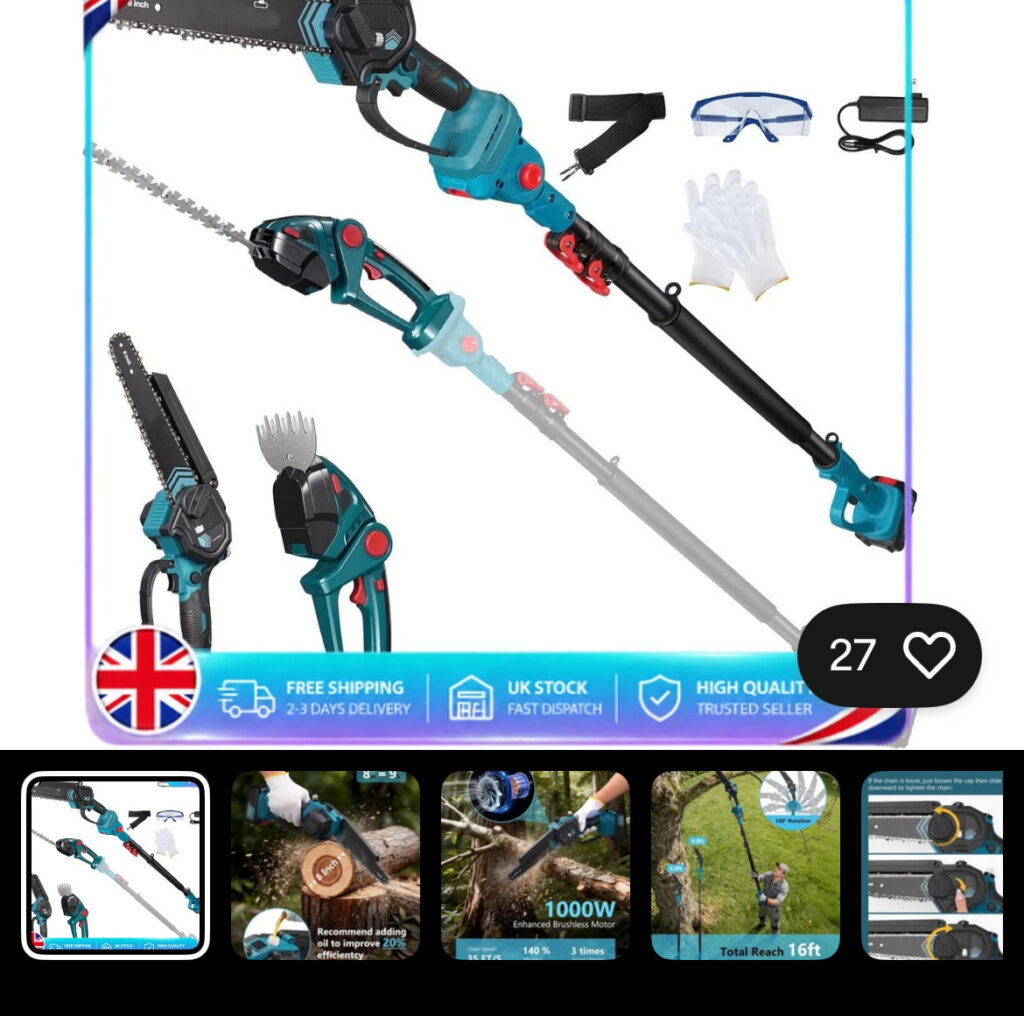
4-in-1 Telescopic Hedge Trimmer Pruning Saw 6 inch Mini Chainsaw w/ 2 Batteries

https://ebay.io/m/PwjoXb

As an eBay Partner, I may be compensated if you
make a purchase

#LowMaintenanceGardening

What Makes You Happy? UK Lifestyle Improvement Guide 2026

What makes you happy? Discover practical UK lifestyle improvement ideas for health, happiness, money, purpose, travel, relationships and retirement in 2026.

What Makes You Happy? The UK Lifestyle Wake-Up Call for 2026

CheeringUpInfo recommends Lifestyle Improvement Club and Retirement Club as part of the solution to the problem of poor lifestyle in the UK. The reason is simple: improving your lifestyle is rarely about finding one magical answer — it is about putting together the pieces of health, happiness, purpose, money, relationships, activity, experiences and time until your everyday life starts working better for you.

“What makes you happy?” may be a much more important question than “How much money do I have?”

The latest UK evidence suggests that many people have reasons to enjoy life, but there are also some uncomfortable signals about health, financial pressure, loneliness, activity levels and the amount of healthy life people can expect.

The question is not whether Britain has problems.

The question is:

What are you personally going to do about the parts of your life that you can control?

What Does the Latest UK Evidence Say About Quality of Life?

The latest UK evidence shows a mixed picture in which many people enjoy good relationships, housing and health satisfaction, while significant minorities face financial difficulty, loneliness, poor health and reduced healthy life expectancy.

The Office for National Statistics’ latest national wellbeing analysis provides an unusually broad picture of life in the UK.

Some figures are encouraging:

  • 85.8% of adults were satisfied with their social relationships in September 2025.
  • 88.6% were satisfied with their accommodation in March 2026.
  • 70.4% reported good or very good health in early 2026.
  • 59.3% were satisfied with how they spent their time in a typical week.
  • 64.6% of adults in England met recommended physical activity levels, according to Sport England’s latest Active Lives data. (Office for National Statistics)

But then come the figures that deserve personal attention.

  • 24.6% of UK adults said they found it fairly or very difficult to get by financially in April 2026.
  • 19.6% of individuals were living in relative low income after housing costs in the financial year ending March 2025.
  • 6.1% of adults reported feeling lonely often or always in April 2026.
  • 24.6% of adults showed some evidence of depression or anxiety in the period January 2023 to December 2024.
  • Healthy life expectancy at birth was 60.7 years for males and 60.9 years for females in 2022–2024. (Office for National Statistics)

That last number deserves a moment’s thought.

Living longer is not necessarily the same as living well for longer.

Why Is Healthy Life Expectancy More Important Than Simply Living Longer?

Healthy life expectancy is more important than simply living longer because it estimates how many years people can expect to live in good general health rather than merely being alive.

ONS estimates that UK healthy life expectancy at birth in 2022–2024 was:

  • 60.7 years for males
  • 60.9 years for females

ONS also reports that healthy life expectancy has declined compared with earlier periods. Male healthy life expectancy was around 62.4 years in 2019–2021, while female healthy life expectancy was around 63.4 years. (Office for National Statistics)

This creates a powerful lifestyle question.

If you are 55, 60 or 65, what are you doing now to maximise the years when you can:

  • walk freely?
  • travel?
  • exercise?
  • pursue hobbies?
  • meet friends?
  • explore new places?
  • learn?
  • work if you want to?
  • enjoy your family?
  • live independently?
  • wake up with something to look forward to?

Your pension may determine some of what you can afford.

Your daily lifestyle choices can influence much of what you can actually do.

Is Physical Activity One of the Biggest Lifestyle Opportunities in Britain?

Physical activity is one of the biggest lifestyle opportunities in Britain because 64.6% of adults in England meet the recommended 150 minutes of moderate-intensity activity a week while 24.7% remain below an average of 30 minutes a week.

Sport England’s latest Active Lives Adult Survey shows:

  • 64.6% — 30.9 million adults — were active, meeting the 150-minute guideline.
  • 10.7% were fairly active, doing between 30 and 149 minutes.
  • 24.7% — 11.8 million adults — were less active, averaging less than 30 minutes a week.
  • Among people aged 75 and over, only 44.3% were active. (Sport England)

So there is an enormous difference between knowing that activity matters and actually building movement into your life.

And lifestyle improvement does not necessarily mean joining a gym.

It can mean:

  • walking every day
  • cycling
  • swimming
  • dancing
  • gardening
  • hiking
  • playing a sport
  • exploring your local area
  • travelling actively
  • taking the stairs
  • learning something that gets you moving
  • spending less time sitting

The objective is not to become an athlete.

The objective is to preserve your ability to live the life you want.

Why Should Over-55s Take Their Health More Seriously?

Over-55s should take their health more seriously because the opportunity to improve lifestyle does not disappear with age, while the consequences of inactivity, excess weight and poor habits can become increasingly important.

Government data show that 64.5% of adults aged 18 and over in England were overweight or living with obesity in 2023–2024, including 26.5% living with obesity. Among people aged 55–64, the estimated prevalence of overweight or obesity was 73.5%, with obesity at 32.5%. (GOV.UK)

These numbers are not a judgement on individuals.

They are a signal.

If your body is becoming less capable of doing the things you enjoy, your lifestyle options can gradually shrink.

That is why healthy ageing is not simply about trying to live longer.

It is about protecting mobility, independence, energy and choice.

Is Money Now Part of the UK Lifestyle Problem?

Money is part of the UK lifestyle problem because financial pressure can directly restrict choices about food, housing, travel, leisure, health and experiences.

The latest ONS data, released on 18 September 2026, found that:

  • 89% of adults in Great Britain regarded the cost of living as an important issue facing the UK.
  • 70% identified the economy as an important issue.
  • 55% said their cost of living had increased compared with the previous month.
  • Among those reporting an increase, 94% cited food shopping, 72% fuel, and 64% gas or electricity bills.
  • 62% were very or somewhat worried about rising living costs. (Office for National Statistics)

This is where lifestyle and money become connected.

Saving money is not necessarily about becoming miserly.

It can be about redirecting money.

For example:

  • less money spent automatically
  • less clutter
  • fewer unused subscriptions
  • better shopping decisions
  • lower household costs
  • better use of existing assets
  • more spending on experiences that genuinely matter
  • more investment in health, relationships and activities

The objective is not simply to have more money.

The objective is to get more life from the money you have.

Could Your Time Be More Valuable Than Your Money?

Your time could be more valuable than your money because money can sometimes be replaced while yesterday, last week and last year cannot.

ONS found that 59.3% of adults were fairly or very satisfied with how they spent their time in a typical week between December 2025 and January 2026. (Office for National Statistics)

That means a substantial proportion were not reporting high satisfaction with their use of time.

Ask yourself:

  • How many hours each week disappear into screens?
  • How much time is spent worrying about things you cannot control?
  • How much time is spent maintaining possessions?
  • How much time is spent doing things you don’t actually enjoy?
  • How much time is spent alone when you would rather have company?
  • How much time is spent saying “I’ll do it one day”?

Retirement can make this question even more important.

Work once imposed structure on your week.

When work disappears, you have to create the structure yourself.

Can Loneliness Damage an Otherwise Comfortable Lifestyle?

Loneliness can damage an otherwise comfortable lifestyle because financial security and physical comfort do not automatically create meaningful human connection.

ONS reports that around 6.1% of adults felt lonely often or always in April 2026, while 87.4% reported having people they could rely on. (Office for National Statistics)

The figures show something important.

Most people have relationships.

But some people can still become disconnected.

Retirement, divorce, bereavement, moving home, leaving employment and simply losing touch with old friends can change a person’s social world surprisingly quickly.

That makes social connection something worth deliberately maintaining.

Consider:

  • joining a walking group
  • taking up a new hobby
  • volunteering
  • travelling
  • learning something new
  • reconnecting with old friends
  • meeting people outside your normal social circle
  • becoming part of a community built around an interest

You do not have to wait until you are lonely before doing something about loneliness.

What Does the 2026 Cost-of-Living Crisis Have to Do With Happiness?

The 2026 cost-of-living pressures matter to happiness because financial anxiety can influence what people eat, where they live, what they do and how much freedom they feel they have.

But there is another side to the story.

ONS found that people were already adapting:

  • 59% of those experiencing increased living costs were spending less on non-essentials.
  • 43% were shopping around more.
  • 38% were reducing spending on food shopping and essentials.
  • Among people aged 50–69, 56% reported shopping around more. (Office for National Statistics)

That suggests something worth considering.

People are not completely powerless.

They are already changing behaviour.

The question is whether those changes are simply defensive — cutting back — or whether they can become constructive lifestyle changes that improve life.

Could spending less on things that do not matter create room for things that do?

Could downsizing reduce maintenance and household costs?

Could a cheaper hobby become more enjoyable than an expensive habit?

Could walking replace some car journeys?

Could local adventures replace some expensive holidays?

Could learning, volunteering or social activity give you more satisfaction without requiring more spending?

Why Has the UK Lifestyle Conversation Become Bigger Than Retirement?

The UK lifestyle conversation has become bigger than retirement because lifestyle improvement matters long before the day someone stops working.

The themes running through the CheeringUp.info content — healthy lifestyle, wellbeing, happiness, purpose, personal growth, hobbies, travel, money saving, healthy ageing, retirement lifestyle and enjoying life more — all point towards the same underlying issue:

What is the life you actually want to live?

You do not need to be retired to ask that question.

You can ask it at:

  • 40
  • 50
  • 55
  • 60
  • 65
  • 70
  • 75

There is no official age at which personal growth stops.

What Happened to the Idea of a “Good Retirement”?

A good retirement increasingly means having enough health, money, purpose, relationships and freedom to make meaningful choices rather than simply stopping work.

Retirement can remove some pressures.

But it can also remove:

  • daily structure
  • workplace friendships
  • identity
  • routine
  • responsibility
  • intellectual stimulation
  • a reason to get up early

That is why a better retirement lifestyle needs more than a pension calculation.

It needs a plan for life.

That might include:

  • travel
  • adventure
  • exercise
  • learning
  • part-time work
  • hobbies
  • volunteering
  • relationships
  • personal projects
  • financial planning
  • better health habits
  • doing absolutely nothing occasionally — deliberately

Perhaps lifestyle improvement is not always about consuming more.

Perhaps it can involve:

  • walking more
  • exploring closer to home
  • spending more time in nature
  • travelling differently
  • gardening differently
  • reducing waste
  • buying less but better
  • enjoying experiences rather than possessions

Sometimes less really can become more.

What Can You Do Today to Improve Your UK Lifestyle?

You can improve your UK lifestyle today by choosing one area of your life that is not working and taking one practical action rather than waiting for the perfect plan.

Start with these questions:

  • Health: What one habit would make me fitter or healthier?
  • Movement: How can I move more this week?
  • Money: What recurring expense no longer adds enough value?
  • Time: What am I doing that I genuinely do not need to do?
  • Purpose: What would give me something to look forward to?
  • Relationships: Who should I contact?
  • Adventure: Where could I go that I have never explored?
  • Learning: What would I enjoy learning?
  • Home: Does my home support the life I want now?
  • Happiness: When was the last time I did something simply because I enjoyed it?
  • Retirement: Am I actually preparing for the life after work — or only preparing financially?

You don’t need to answer all of them today.

But answering even one honestly could change what you do tomorrow.

Why Should You Put the Pieces Together Rather Than Solve One Problem?

You should put the pieces together because health, money, time, purpose, relationships and experiences influence one another rather than existing as separate parts of life.

Think about the chain:

  • Better health can make activity easier.
  • Activity can create social opportunities.
  • Social connection can improve enjoyment.
  • Enjoyment can increase motivation.
  • Better use of time can create room for hobbies.
  • Better spending can create money for experiences.
  • Experiences can create memories.
  • Learning can create purpose.
  • Purpose can make retirement more satisfying.
  • A better lifestyle can make the years ahead feel more valuable.

That is the bigger picture.

Lifestyle improvement is not one decision. It is the cumulative effect of hundreds of small decisions.

What Makes You Happy — And What Are You Going to Do About It?

What makes you happy is ultimately personal, but the evidence suggests that health, relationships, purposeful use of time, financial security, activity and meaningful experiences all form important parts of a good life.

The UK statistics do not tell you what your life should look like.

They cannot tell you what will make you happy.

They can, however, provide some useful warning signs.

Healthy life expectancy is limited.

Millions of adults remain insufficiently active.

A substantial minority struggle financially.

Millions experience health problems.

Some people become lonely.

Many people are not completely satisfied with how they use their time.

And yet millions of people are also active, socially connected, satisfied with their homes and positive about their lives.

So perhaps the real question is not:

“Is Britain a good place to live?”

Perhaps the better question is:

“Am I making the best possible use of the life I have?”

Nobody can answer that question for you.

Your doctor cannot.

Your pension provider cannot.

The Government cannot.

Your employer cannot.

Your family cannot.

Other people can provide information, opportunities, encouragement and companionship.

But you still have to choose what you do with your life.

And perhaps that is the most empowering statistic of all:

your next lifestyle decision has not happened yet.

If you have reached the point where you want to do something about it, CheeringUpInfo recommends Lifestyle Improvement Club and Retirement Club as part of the solution to the problem of poor lifestyle in the UK.

The important thing is not simply joining a club.

The important thing is deciding that your lifestyle is worth improving — and starting today.

#UKLifestyleImprovement #LifeAfter55

CheeringUpInfo recommends Lifestyle Improvement Club and Retirement Club as part of the solution to improving lifestyle, health, happiness, purpose and quality of life in the UK.

What part of your life needs attention first?

Health?

Money?

Relationships?

Fitness?

Purpose?

Time?

Adventure?

Retirement?

Don’t try to change everything tomorrow.

Choose one thing today.

Then build from there.

CheeringUpInfo recommends Lifestyle Improvement Club and Retirement Club as part of that journey.

Get help to protect and grow your business faster with CheeringUpInfo

Find out more about growing your business faster with CheeringUpInfo

Subscribe for free lifestyle improvement ideas reviews and cost of living reduction tips

Connect with CheeringUpInfo for free lifestyle improvement tips

Read more lifestyle improvement articles and view videos for free

Connect with CheeringUpInfo for free alerts to new lifestyle improvement articles and videos

1. How can I improve my lifestyle in the UK?

Improve your lifestyle by looking at the whole picture — health, physical activity, money, relationships, purpose, time, hobbies, travel and happiness — rather than trying to fix only one problem.

2. What makes people happy after 55?

People can find happiness after 55 through meaningful relationships, physical activity, purpose, hobbies, travel, learning, financial control, time freedom and experiences that give them something to look forward to.

3. How can I improve my quality of life after 55?

Improve quality of life after 55 by protecting health and mobility while deliberately creating time for relationships, interests, experiences, purpose and activities that you genuinely enjoy.

4. What makes a good retirement lifestyle?

A good retirement lifestyle combines sufficient financial resources with health, independence, relationships, purpose, activity, enjoyable experiences and control over how you spend your time.

5. How can I stay healthy after 55?

Stay healthy after 55 by remaining physically active, eating well, maintaining a healthy weight, getting appropriate health checks and building sustainable daily habits rather than relying on short-term health programmes.

6. How can I find purpose after retirement?

Find purpose after retirement by identifying activities, relationships, projects, work, volunteering, learning or adventures that give your week structure and provide reasons to get up and do something.

7. How can I enjoy retirement more?

Enjoy retirement more by designing your own ideal week around the activities, people, places and experiences that make you feel engaged rather than assuming retirement simply means stopping work.

8. How can I live better without spending more money?

Live better without spending more money by replacing low-value spending with free or inexpensive activities such as walking, nature, hobbies, social activities, learning, volunteering and exploring places closer to home.

9. How can I avoid loneliness in retirement?

Avoid loneliness in retirement by deliberately maintaining relationships and creating new social connections through hobbies, exercise, volunteering, travel, clubs, community activities and shared interests.

10. What should I do today to improve my lifestyle?

Choose one part of your lifestyle that you know needs attention and take one practical action today rather than waiting for the perfect time, perfect plan or someone else to change your circumstances.

FEATURED ANSWER

How can I improve my lifestyle in the UK?

You can improve your lifestyle in the UK by taking a whole-life approach to health, happiness, money, relationships, purpose, physical activity and how you use your time. Start with one change you can make today and build from there.

What makes you happy?

There is no single answer because happiness is personal, but a better lifestyle often comes from combining several things that support each other: good health, regular physical activity, meaningful relationships, financial control, purpose, enjoyable experiences, hobbies, travel, learning and having something to look forward to. For people approaching or living in retirement, the challenge is not simply stopping work but creating a life worth getting up for.

FAQ SECTION

What is lifestyle improvement?

Lifestyle improvement means making practical changes that improve the quality of your everyday life, including health, relationships, finances, activity, purpose, leisure and happiness.

Is it too late to change your lifestyle after 55?

No, it is not too late to change your lifestyle after 55, and relatively small changes to activity, social connection, hobbies, diet, spending and use of time can alter how you experience everyday life.

What is the best lifestyle after retirement?

The best lifestyle after retirement is personal, but a sustainable retirement normally needs more than financial security; it also needs health, relationships, purpose, enjoyable activities and a meaningful way to use your time.

How much exercise should adults do?

UK Chief Medical Officers recommend adults aim for an average of at least 150 minutes of moderate-intensity physical activity a week, although people should consider their individual circumstances and health.

Why is purpose important in retirement?

Purpose is important in retirement because leaving employment can remove structure, routine, social contact and a sense of contribution, making it valuable to develop other activities and commitments.

Can I improve my lifestyle without spending more?

Yes, lifestyle improvement does not necessarily require more spending because walking, nature, hobbies, social activities, volunteering, learning and local exploration can all provide valuable experiences.

How can I make retirement more exciting?

Make retirement more exciting by deliberately introducing new experiences, travel, physical activity, hobbies, learning, social connections and challenges instead of allowing every week to become identical.

How can I improve my financial wellbeing?

Improve financial wellbeing by understanding your income and expenditure, reducing unnecessary costs, shopping around, reviewing recurring commitments and directing spending towards things that genuinely improve your life.

UK retirement lifestyle, purpose, health and wealth after 55

How to build a happier and more meaningful life

Healthy lifestyle tips for adults in the UK

Retirement lifestyle ideas for over 55s

How to enjoy retirement in the UK

UK retirement advice

Ways to improve your wellbeing

Things you can do to improve your life

Cost-of-living survival ideas

Hobbies and things to do after 55

Healthy ageing in the UK

Retirement lifestyle alternatives

The Person You Are: How to Live the Life of That Person Every Day

Discover the neuroscience-backed secret to becoming your ideal self: act “as if” you already are that person. This post explains how embodying your aspirational identity today—through the psychological principle of “possible selves”—can transform your retirement reality. Join the CheeringUp.info Retirement Club to connect with like-minded individuals on this journey of self-reinvention.

What Is the Person I Am Meant to Become in Retirement?

The person you are meant to become is not a distant stranger waiting in the future; they are a version of you that already exists in your imagination, waiting to be embodied through action. This concept, rooted in the psychological theory of “possible selves,” suggests that your aspirations and fears about the future directly influence your current motivation and behaviour. For those in retirement, this is the perfect opportunity to define and live into that aspirational identity.


Why Should You Live the Life of That Person Every Day, Even If You Aren’t There Yet?

You should live the life of that person every single day because the gap between your current self and your ideal self is bridged by the practice of “acting as if.” The phrase “fake it till you make it” is not about deception; it’s a practical application of neuroplasticity, allowing your brain to rewire itself through consistent behaviour. William James, a highly influential philosopher, noted, “If you want a quality, act ‘as if’ you already had it” . By embodying the confident, engaged retiree you wish to be, you are accelerating that identity integration.

  • Neuroplasticity in Action: Your brain creates new neural pathways when you consistently act in a certain way. The more you show up as your future self, the more natural it becomes .
  • The Feedback Loop: Actions influence emotions as much as emotions influence actions. A forced smile can trigger a happier mood . The physical state of your body can directly impact your mood and cognition; for instance, raising your spine and holding your head up can lead to a boost in self-confidence .
  • Closing the Gap: As one executive coach noted, high performers consciously imagine their ideal future self’s reactions, tone, and attitude before the moment arrives. These future qualities act as an anchor, reducing burnout and increasing joy . One professional who adopted this strategy reported that within a month of consciously presenting as “cool, calm, and collected,” he stopped performing and started being .

How Does the “Possible Selves” Theory Support This Claim?

The “possible selves” theory provides the academic backbone for this mindset, showing that your vision of who you could become is a powerful motivator. According to this theory, individuals are driven to take actions that either move them toward their “ideal self” (a positive image worth pursuing) or away from their “feared self” (a negative image to be avoided) . In the context of retirement, this means that if you want to be an active, connected, and purposeful individual, you must create a vivid, detailed version of that self and take steps to live into it.

Research has found that informal learning accounts for 80% of personal knowledge and skills acquisition . For retirees, this means the vast majority of your growth comes from self-directed activities.

  • Fact 1: Your brain often cannot distinguish between a vividly imagined experience and a real one . This is why visualization is so powerful in rewiring limiting beliefs.
  • Fact 2: The Reticular Activating System (RAS) in your brain filters information based on your goals. When you act “as if,” you engage the RAS to notice opportunities that align with your aspirational identity .
  • Fact 3: According to research on “possible selves,” those who clearly express their future self-images are more inclined to implement the tactics needed to realize their goals .

What Are the Practical Steps to Embodying Your Ideal Retired Self?

Embodying your ideal retired self involves practical, daily habits that reinforce your new identity. You can start by defining three aspirational words that capture your best future self and setting them as reminders on your phone or calendar . This simple habit creates a “check-in” to ensure your actions align with the person you are becoming.

  • Dress the Part: Show up to your day dressed like the person you want to become. As one expert put it, “Energy matters” .
  • Take Brave Action Daily: As Franklin D. Roosevelt famously said, “Do the thing and you will have the power.” Power and confidence follow action, not the other way around . Don’t wait to feel ready; build confidence through momentum.
  • Journal from the Future: Write from the perspective of the version of you who has already “made it.” What are they doing? What do they feel? What are they grateful for? .
  • Use the “Best Possible Self” Exercise: Write for 20 minutes, three days in a row, about what your life will look like in several years if everything goes as well as possible. This has been shown to improve mood for up to three weeks .
  • Make a Pact: Commit to acting enthusiastic for 30 days. Track your mood, relationships, and productivity as enthusiasm goes from something you force to a habit that feels real .

What Role Does the CheeringUp.info Retirement Club Play in This Transformation?

The CheeringUp.info Retirement Club is your community for this transformation, providing a supportive environment to share your journey and find inspiration. Our online retirement club for over-55s in the UK helps you connect with like-minded people who are also actively designing their best retired lives. By engaging with our community, you are “surrounding yourself with evidence” that your vision is achievable .

#ActAsIf #RetirementGoals #CheeringUpClub #RetirementClub #RetirementMagazine

Get help to protect and grow your business faster more cost effectively with CheeringUpInfo

Find out more about CheeringUpInfo targeted marketing to over 55s and those planning for better retirement

Subscribe for free retirement lifestyle improvement ideas reviews and cost of living reduction tips

Connect with CheeringUpInfo for free retirement lifestyle improvement tips

Read more retirement lifestyle improvement articles and view videos for free

Connect with us for free alerts to new retirement lifestyle improvement articles and videos