What makes you happy? Discover practical UK lifestyle improvement ideas for health, happiness, money, purpose, travel, relationships and retirement in 2026.
What Makes You Happy? The UK Lifestyle Wake-Up Call for 2026
CheeringUpInfo recommends Lifestyle Improvement Club and Retirement Club as part of the solution to the problem of poor lifestyle in the UK. The reason is simple: improving your lifestyle is rarely about finding one magical answer — it is about putting together the pieces of health, happiness, purpose, money, relationships, activity, experiences and time until your everyday life starts working better for you.
“What makes you happy?” may be a much more important question than “How much money do I have?”
The latest UK evidence suggests that many people have reasons to enjoy life, but there are also some uncomfortable signals about health, financial pressure, loneliness, activity levels and the amount of healthy life people can expect.
The question is not whether Britain has problems.
The question is:
What are you personally going to do about the parts of your life that you can control?
What Does the Latest UK Evidence Say About Quality of Life?
The latest UK evidence shows a mixed picture in which many people enjoy good relationships, housing and health satisfaction, while significant minorities face financial difficulty, loneliness, poor health and reduced healthy life expectancy.
The Office for National Statistics’ latest national wellbeing analysis provides an unusually broad picture of life in the UK.
Some figures are encouraging:
85.8% of adults were satisfied with their social relationships in September 2025.
88.6% were satisfied with their accommodation in March 2026.
70.4% reported good or very good health in early 2026.
59.3% were satisfied with how they spent their time in a typical week.
64.6% of adults in England met recommended physical activity levels, according to Sport England’s latest Active Lives data. (Office for National Statistics)
But then come the figures that deserve personal attention.
24.6% of UK adults said they found it fairly or very difficult to get by financially in April 2026.
19.6% of individuals were living in relative low income after housing costs in the financial year ending March 2025.
6.1% of adults reported feeling lonely often or always in April 2026.
24.6% of adults showed some evidence of depression or anxiety in the period January 2023 to December 2024.
Healthy life expectancy at birth was 60.7 years for males and 60.9 years for females in 2022–2024. (Office for National Statistics)
That last number deserves a moment’s thought.
Living longer is not necessarily the same as living well for longer.
Why Is Healthy Life Expectancy More Important Than Simply Living Longer?
Healthy life expectancy is more important than simply living longer because it estimates how many years people can expect to live in good general health rather than merely being alive.
ONS estimates that UK healthy life expectancy at birth in 2022–2024 was:
60.7 years for males
60.9 years for females
ONS also reports that healthy life expectancy has declined compared with earlier periods. Male healthy life expectancy was around 62.4 years in 2019–2021, while female healthy life expectancy was around 63.4 years. (Office for National Statistics)
This creates a powerful lifestyle question.
If you are 55, 60 or 65, what are you doing now to maximise the years when you can:
walk freely?
travel?
exercise?
pursue hobbies?
meet friends?
explore new places?
learn?
work if you want to?
enjoy your family?
live independently?
wake up with something to look forward to?
Your pension may determine some of what you can afford.
Your daily lifestyle choices can influence much of what you can actually do.
Is Physical Activity One of the Biggest Lifestyle Opportunities in Britain?
Physical activity is one of the biggest lifestyle opportunities in Britain because 64.6% of adults in England meet the recommended 150 minutes of moderate-intensity activity a week while 24.7% remain below an average of 30 minutes a week.
Sport England’s latest Active Lives Adult Survey shows:
64.6% — 30.9 million adults — were active, meeting the 150-minute guideline.
10.7% were fairly active, doing between 30 and 149 minutes.
24.7% — 11.8 million adults — were less active, averaging less than 30 minutes a week.
Among people aged 75 and over, only 44.3% were active. (Sport England)
So there is an enormous difference between knowing that activity matters and actually building movement into your life.
And lifestyle improvement does not necessarily mean joining a gym.
It can mean:
walking every day
cycling
swimming
dancing
gardening
hiking
playing a sport
exploring your local area
travelling actively
taking the stairs
learning something that gets you moving
spending less time sitting
The objective is not to become an athlete.
The objective is to preserve your ability to live the life you want.
Why Should Over-55s Take Their Health More Seriously?
Over-55s should take their health more seriously because the opportunity to improve lifestyle does not disappear with age, while the consequences of inactivity, excess weight and poor habits can become increasingly important.
Government data show that 64.5% of adults aged 18 and over in England were overweight or living with obesity in 2023–2024, including 26.5% living with obesity. Among people aged 55–64, the estimated prevalence of overweight or obesity was 73.5%, with obesity at 32.5%. (GOV.UK)
These numbers are not a judgement on individuals.
They are a signal.
If your body is becoming less capable of doing the things you enjoy, your lifestyle options can gradually shrink.
That is why healthy ageing is not simply about trying to live longer.
It is about protecting mobility, independence, energy and choice.
Is Money Now Part of the UK Lifestyle Problem?
Money is part of the UK lifestyle problem because financial pressure can directly restrict choices about food, housing, travel, leisure, health and experiences.
The latest ONS data, released on 18 September 2026, found that:
89% of adults in Great Britain regarded the cost of living as an important issue facing the UK.
70% identified the economy as an important issue.
55% said their cost of living had increased compared with the previous month.
Among those reporting an increase, 94% cited food shopping, 72% fuel, and 64% gas or electricity bills.
This is where lifestyle and money become connected.
Saving money is not necessarily about becoming miserly.
It can be about redirecting money.
For example:
less money spent automatically
less clutter
fewer unused subscriptions
better shopping decisions
lower household costs
better use of existing assets
more spending on experiences that genuinely matter
more investment in health, relationships and activities
The objective is not simply to have more money.
The objective is to get more life from the money you have.
Could Your Time Be More Valuable Than Your Money?
Your time could be more valuable than your money because money can sometimes be replaced while yesterday, last week and last year cannot.
ONS found that 59.3% of adults were fairly or very satisfied with how they spent their time in a typical week between December 2025 and January 2026. (Office for National Statistics)
That means a substantial proportion were not reporting high satisfaction with their use of time.
Ask yourself:
How many hours each week disappear into screens?
How much time is spent worrying about things you cannot control?
How much time is spent maintaining possessions?
How much time is spent doing things you don’t actually enjoy?
How much time is spent alone when you would rather have company?
How much time is spent saying “I’ll do it one day”?
Retirement can make this question even more important.
Work once imposed structure on your week.
When work disappears, you have to create the structure yourself.
Can Loneliness Damage an Otherwise Comfortable Lifestyle?
Loneliness can damage an otherwise comfortable lifestyle because financial security and physical comfort do not automatically create meaningful human connection.
ONS reports that around 6.1% of adults felt lonely often or always in April 2026, while 87.4% reported having people they could rely on. (Office for National Statistics)
The figures show something important.
Most people have relationships.
But some people can still become disconnected.
Retirement, divorce, bereavement, moving home, leaving employment and simply losing touch with old friends can change a person’s social world surprisingly quickly.
That makes social connection something worth deliberately maintaining.
Consider:
joining a walking group
taking up a new hobby
volunteering
travelling
learning something new
reconnecting with old friends
meeting people outside your normal social circle
becoming part of a community built around an interest
You do not have to wait until you are lonely before doing something about loneliness.
What Does the 2026 Cost-of-Living Crisis Have to Do With Happiness?
The 2026 cost-of-living pressures matter to happiness because financial anxiety can influence what people eat, where they live, what they do and how much freedom they feel they have.
But there is another side to the story.
ONS found that people were already adapting:
59% of those experiencing increased living costs were spending less on non-essentials.
43% were shopping around more.
38% were reducing spending on food shopping and essentials.
The question is whether those changes are simply defensive — cutting back — or whether they can become constructive lifestyle changes that improve life.
Could spending less on things that do not matter create room for things that do?
Could downsizing reduce maintenance and household costs?
Could a cheaper hobby become more enjoyable than an expensive habit?
Could walking replace some car journeys?
Could local adventures replace some expensive holidays?
Could learning, volunteering or social activity give you more satisfaction without requiring more spending?
Why Has the UK Lifestyle Conversation Become Bigger Than Retirement?
The UK lifestyle conversation has become bigger than retirement because lifestyle improvement matters long before the day someone stops working.
The themes running through the CheeringUp.info content — healthy lifestyle, wellbeing, happiness, purpose, personal growth, hobbies, travel, money saving, healthy ageing, retirement lifestyle and enjoying life more — all point towards the same underlying issue:
What is the life you actually want to live?
You do not need to be retired to ask that question.
You can ask it at:
40
50
55
60
65
70
75
There is no official age at which personal growth stops.
What Happened to the Idea of a “Good Retirement”?
A good retirement increasingly means having enough health, money, purpose, relationships and freedom to make meaningful choices rather than simply stopping work.
Retirement can remove some pressures.
But it can also remove:
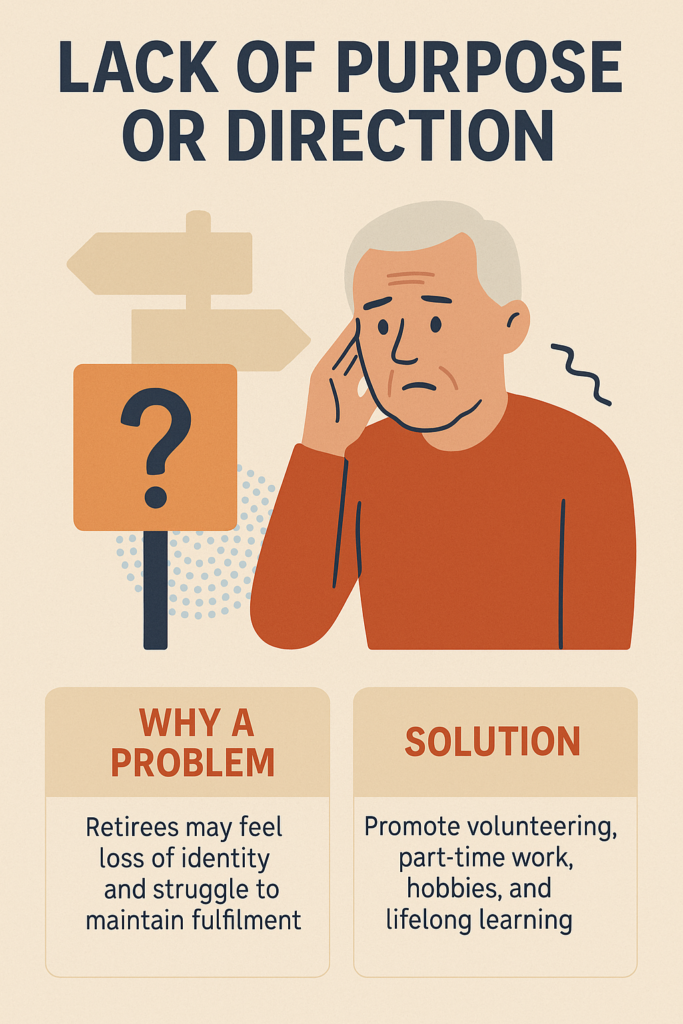
daily structure
workplace friendships
identity
routine
responsibility
intellectual stimulation
a reason to get up early
That is why a better retirement lifestyle needs more than a pension calculation.
Perhaps lifestyle improvement is not always about consuming more.
Perhaps it can involve:
walking more
exploring closer to home
spending more time in nature
travelling differently
gardening differently
reducing waste
buying less but better
enjoying experiences rather than possessions
Sometimes less really can become more.
What Can You Do Today to Improve Your UK Lifestyle?
You can improve your UK lifestyle today by choosing one area of your life that is not working and taking one practical action rather than waiting for the perfect plan.
Start with these questions:
Health: What one habit would make me fitter or healthier?
Movement: How can I move more this week?
Money: What recurring expense no longer adds enough value?
Time: What am I doing that I genuinely do not need to do?
Purpose: What would give me something to look forward to?
Relationships: Who should I contact?
Adventure: Where could I go that I have never explored?
Learning: What would I enjoy learning?
Home: Does my home support the life I want now?
Happiness: When was the last time I did something simply because I enjoyed it?
Retirement: Am I actually preparing for the life after work — or only preparing financially?
You don’t need to answer all of them today.
But answering even one honestly could change what you do tomorrow.
Why Should You Put the Pieces Together Rather Than Solve One Problem?
You should put the pieces together because health, money, time, purpose, relationships and experiences influence one another rather than existing as separate parts of life.
Think about the chain:
Better health can make activity easier.
Activity can create social opportunities.
Social connection can improve enjoyment.
Enjoyment can increase motivation.
Better use of time can create room for hobbies.
Better spending can create money for experiences.
Experiences can create memories.
Learning can create purpose.
Purpose can make retirement more satisfying.
A better lifestyle can make the years ahead feel more valuable.
That is the bigger picture.
Lifestyle improvement is not one decision. It is the cumulative effect of hundreds of small decisions.
What Makes You Happy — And What Are You Going to Do About It?
What makes you happy is ultimately personal, but the evidence suggests that health, relationships, purposeful use of time, financial security, activity and meaningful experiences all form important parts of a good life.
The UK statistics do not tell you what your life should look like.
They cannot tell you what will make you happy.
They can, however, provide some useful warning signs.
Healthy life expectancy is limited.
Millions of adults remain insufficiently active.
A substantial minority struggle financially.
Millions experience health problems.
Some people become lonely.
Many people are not completely satisfied with how they use their time.
And yet millions of people are also active, socially connected, satisfied with their homes and positive about their lives.
So perhaps the real question is not:
“Is Britain a good place to live?”
Perhaps the better question is:
“Am I making the best possible use of the life I have?”
Nobody can answer that question for you.
Your doctor cannot.
Your pension provider cannot.
The Government cannot.
Your employer cannot.
Your family cannot.
Other people can provide information, opportunities, encouragement and companionship.
But you still have to choose what you do with your life.
And perhaps that is the most empowering statistic of all:
your next lifestyle decision has not happened yet.
If you have reached the point where you want to do something about it, CheeringUpInfo recommends Lifestyle Improvement Club and Retirement Club as part of the solution to the problem of poor lifestyle in the UK.
The important thing is not simply joining a club.
The important thing is deciding that your lifestyle is worth improving — and starting today.
#UKLifestyleImprovement #LifeAfter55
CheeringUpInfo recommends Lifestyle Improvement Club and Retirement Club as part of the solution to improving lifestyle, health, happiness, purpose and quality of life in the UK.
What part of your life needs attention first?
Health?
Money?
Relationships?
Fitness?
Purpose?
Time?
Adventure?
Retirement?
Don’t try to change everything tomorrow.
Choose one thing today.
Then build from there.
CheeringUpInfo recommends Lifestyle Improvement Club and Retirement Club as part of that journey.
Get help to protect and grow your business faster with CheeringUpInfo
Improve your lifestyle by looking at the whole picture — health, physical activity, money, relationships, purpose, time, hobbies, travel and happiness — rather than trying to fix only one problem.
2. What makes people happy after 55?
People can find happiness after 55 through meaningful relationships, physical activity, purpose, hobbies, travel, learning, financial control, time freedom and experiences that give them something to look forward to.
3. How can I improve my quality of life after 55?
Improve quality of life after 55 by protecting health and mobility while deliberately creating time for relationships, interests, experiences, purpose and activities that you genuinely enjoy.
4. What makes a good retirement lifestyle?
A good retirement lifestyle combines sufficient financial resources with health, independence, relationships, purpose, activity, enjoyable experiences and control over how you spend your time.
5. How can I stay healthy after 55?
Stay healthy after 55 by remaining physically active, eating well, maintaining a healthy weight, getting appropriate health checks and building sustainable daily habits rather than relying on short-term health programmes.
6. How can I find purpose after retirement?
Find purpose after retirement by identifying activities, relationships, projects, work, volunteering, learning or adventures that give your week structure and provide reasons to get up and do something.
7. How can I enjoy retirement more?
Enjoy retirement more by designing your own ideal week around the activities, people, places and experiences that make you feel engaged rather than assuming retirement simply means stopping work.
8. How can I live better without spending more money?
Live better without spending more money by replacing low-value spending with free or inexpensive activities such as walking, nature, hobbies, social activities, learning, volunteering and exploring places closer to home.
9. How can I avoid loneliness in retirement?
Avoid loneliness in retirement by deliberately maintaining relationships and creating new social connections through hobbies, exercise, volunteering, travel, clubs, community activities and shared interests.
10. What should I do today to improve my lifestyle?
Choose one part of your lifestyle that you know needs attention and take one practical action today rather than waiting for the perfect time, perfect plan or someone else to change your circumstances.
FEATURED ANSWER
How can I improve my lifestyle in the UK?
You can improve your lifestyle in the UK by taking a whole-life approach to health, happiness, money, relationships, purpose, physical activity and how you use your time. Start with one change you can make today and build from there.
What makes you happy?
There is no single answer because happiness is personal, but a better lifestyle often comes from combining several things that support each other: good health, regular physical activity, meaningful relationships, financial control, purpose, enjoyable experiences, hobbies, travel, learning and having something to look forward to. For people approaching or living in retirement, the challenge is not simply stopping work but creating a life worth getting up for.
FAQ SECTION
What is lifestyle improvement?
Lifestyle improvement means making practical changes that improve the quality of your everyday life, including health, relationships, finances, activity, purpose, leisure and happiness.
Is it too late to change your lifestyle after 55?
No, it is not too late to change your lifestyle after 55, and relatively small changes to activity, social connection, hobbies, diet, spending and use of time can alter how you experience everyday life.
What is the best lifestyle after retirement?
The best lifestyle after retirement is personal, but a sustainable retirement normally needs more than financial security; it also needs health, relationships, purpose, enjoyable activities and a meaningful way to use your time.
How much exercise should adults do?
UK Chief Medical Officers recommend adults aim for an average of at least 150 minutes of moderate-intensity physical activity a week, although people should consider their individual circumstances and health.
Why is purpose important in retirement?
Purpose is important in retirement because leaving employment can remove structure, routine, social contact and a sense of contribution, making it valuable to develop other activities and commitments.
Can I improve my lifestyle without spending more?
Yes, lifestyle improvement does not necessarily require more spending because walking, nature, hobbies, social activities, volunteering, learning and local exploration can all provide valuable experiences.
How can I make retirement more exciting?
Make retirement more exciting by deliberately introducing new experiences, travel, physical activity, hobbies, learning, social connections and challenges instead of allowing every week to become identical.
How can I improve my financial wellbeing?
Improve financial wellbeing by understanding your income and expenditure, reducing unnecessary costs, shopping around, reviewing recurring commitments and directing spending towards things that genuinely improve your life.
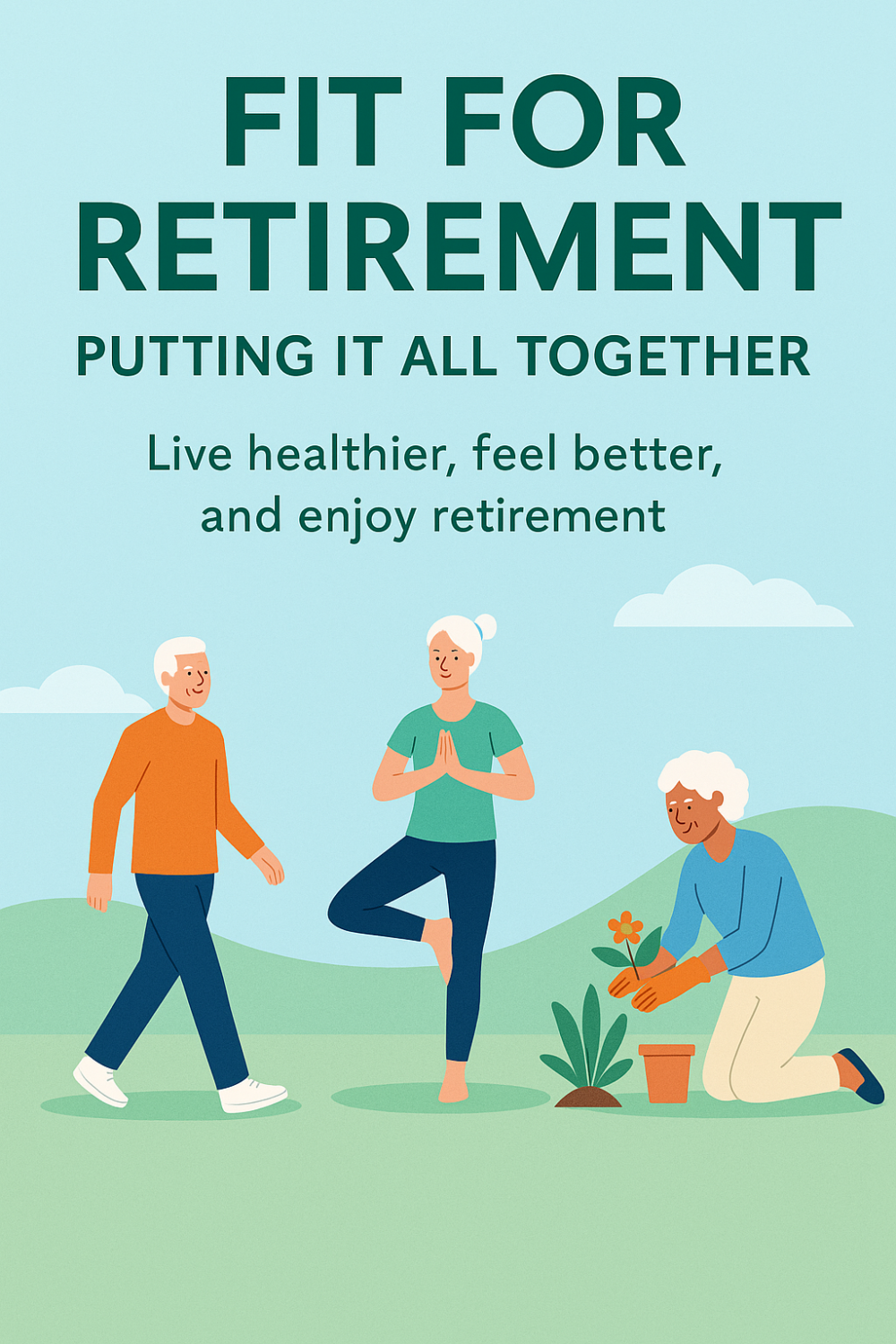
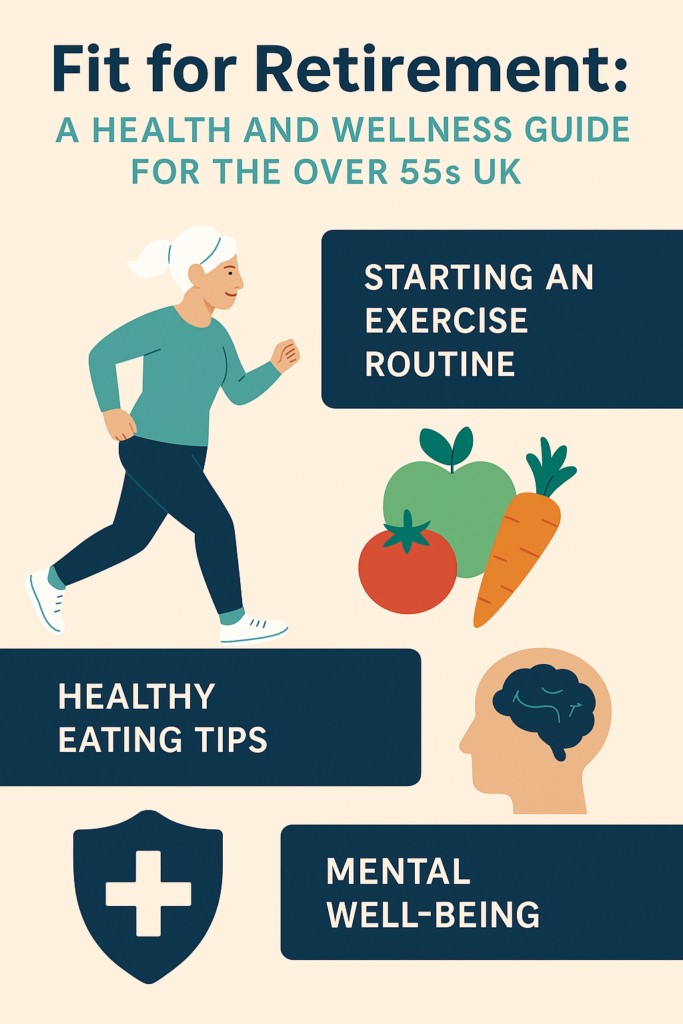
Fit for Retirement: A Health and Wellness Guide for the Over 55s UK
Is your essential roadmap to thriving in your later years.
Packed with practical advice, 2025 updates, and UK-specific tips, this ebook helps you boost your physical, mental, and emotional well-being after 55. Whether you’re newly retired or planning ahead, this guide empowers you to stay active, eat better, manage stress, and embrace a more fulfilling lifestyle.
Join thousands of readers improving their quality of life—this isn’t just about living longer, it’s about living better.
Perfect for over 55s ready to make the most of every moment.
Take the first step toward a healthier, happier retirement! Purchasing ebook now grants you discount on Retirement Club One-Off Lifetime Membership giving additional retirement lifestyle improvement exclusive content.
Chapter 1: Introduction – Why Health and Wellness Matters After 55
A New Chapter, A New Opportunity
Reaching the age of 55 marks a powerful transition. It’s a stage where life experience, wisdom, and independence intersect with new questions about the future. For many in the UK, 55 is a gateway to retirement planning, downsizing, or finally pursuing long-postponed passions. But it’s also a critical turning point for health and wellness.
People are living longer than ever. According to the Office for National Statistics (ONS), life expectancy in the UK is now over 79 for men and 83 for women. Many can expect to live well into their 90s. The question then becomes: how will those later years look? Will they be spent managing illness and fatigue — or filled with energy, engagement, and enjoyment?
The difference lies in choices made today. That’s where this guide begins.
⸻
The Reality of Health After 55 in the UK
As of 2025, over 22 million people in the UK are aged 50 or older, with those over 55 representing a significant and growing segment of the population. While many over 55 enjoy good health, this is also the age when risks of chronic conditions like type 2 diabetes, high blood pressure, arthritis, and cardiovascular disease start to increase.
The NHS continues to promote healthy aging initiatives, but waiting until problems arise is a reactive approach. The truth is: preventing decline is far easier than reversing it.
Many issues that are often written off as “just aging” — fatigue, brain fog, aches and pains — are frequently the result of poor lifestyle choices that can be changed.
⸻
Why Health and Wellness Should Be a Priority Now
1. Health is Freedom
When you’re in your 30s or 40s, it’s easy to take your body for granted. But after 55, even minor issues can limit what you can do, where you can go, and how you experience the world.
Good health gives you choices — the choice to travel, take care of grandchildren, enjoy hobbies, or start a second career. Without it, those options shrink rapidly.
2. It’s Not Too Late
There’s a common myth that lifestyle changes after a certain age are too little, too late. Nothing could be further from the truth.
Research shows that even small changes after age 55 — like walking more, eating more vegetables, or getting better sleep — can dramatically reduce the risk of chronic disease and even reverse some early signs of decline.
One study published in The Lancet Healthy Longevity in 2024 showed that people aged 55–70 who increased their physical activity to just 150 minutes per week reduced their risk of premature death by 32%, regardless of previous habits.
3. Modern Medicine Meets Preventative Living
The NHS continues to advance in diagnostics, early screenings, and medications. But the biggest shift in 2025 is the focus on lifestyle medicine — using behaviour, not just pills, as the front line of health care.
From social prescribing to wellness coaching on the NHS, the UK is moving toward empowering individuals to take control of their own health.
⸻
What Is “Wellness” Anyway?
The word “wellness” gets thrown around a lot — but what does it actually mean?
True wellness is not just the absence of disease. It’s the presence of energy, purpose, emotional strength, social connection, and the ability to enjoy life. It’s:
• Having the stamina to walk the Scottish Highlands.
• Having the mental focus to learn something new.
• Having the emotional peace to enjoy relationships.
In this guide, health and wellness include the following dimensions:
• Preventative Care: screenings, medical checkups, medications where needed.
• Social Wellness: friendships, community, sense of belonging.
• Purposeful Living: goals, passions, new directions in retirement.
⸻
Understanding the Risks (and How to Beat Them)
Here are some of the top health issues facing people over 55 in the UK — and why a wellness approach can help prevent or manage them.
1. Cardiovascular Disease
• Affects 1 in 5 people aged 55+.
• Linked to high blood pressure, poor diet, inactivity, and stress.
• Lifestyle changes (exercise, diet, stress reduction) are first-line prevention.
2. Type 2 Diabetes
• Increasing rapidly in people over 55.
• Often reversible with weight loss, dietary changes, and more movement.
3. Arthritis and Joint Pain
• Common but not inevitable.
• Anti-inflammatory diets, movement, and strength training help maintain mobility.
4. Dementia and Cognitive Decline
• UK studies (2023–2024) show brain plasticity remains high into our 70s.
• Mental stimulation, healthy fats, sleep, and social engagement all reduce risk.
5. Loneliness and Mental Health
• A silent epidemic, especially among over-55s who live alone or are retired.
• Wellness strategies include joining clubs, volunteering, or pursuing group hobbies.
⸻
Retirement Is Not the End — It’s a Launchpad
For some, the word “retirement” signals slowing down. But for a growing number of over 55s, it’s an opportunity to reinvent, reconnect, and recharge.
Whether you’re planning to retire soon, are already retired, or are still working part-time, your 50s, 60s, and 70s can be some of the most energetic and fulfilling years — but only if your health supports the life you want.
⸻
What This Book Will Help You Achieve
This book is your roadmap to living stronger, longer, and happier. You’ll discover:
• How to eat for energy and longevity without expensive diets.
• Fitness tips tailored to older bodies (and busy schedules).
• Mental wellness practices that reduce stress and improve memory.
• Preventative health steps that work within the NHS system.
• Daily routines that enhance quality of life without overwhelming change.
Each chapter includes practical tips, checklists, and real-life examples from across the UK — from active retirees in Cornwall to healthy walkers in the Highlands.
⸻
Your Next Step
Don’t worry about changing everything overnight. This journey isn’t about perfection. It’s about progress.
Chapter by chapter, we’ll build a sustainable, realistic approach to health and wellness that suits your goals, your schedule, and your body — starting with understanding the unique ways your body changes after 55.
⸻
Next Up: Chapter 2 – Understanding the Aging Body and Mind
Chapter 2: Understanding the Aging Body and Mind
A Time of Transition — Not Decline
Aging doesn’t mean decline. It means change. And with change comes opportunity. For people over 55 in the UK, understanding what’s actually happening in the body and mind during this stage of life is critical to staying in control.
Too often, older adults are led to believe that gaining weight, feeling tired, losing strength, or becoming forgetful are just part of “getting old.” But many of these changes are not inevitable. They are symptoms of outdated habits or neglect — not the passage of time itself.
This chapter will explore the real science of aging as we know it in 2025, and show you how knowledge is power when it comes to health.
What Happens to the Body After 55?
Everyone ages differently, depending on genetics, lifestyle, and environment. But certain physiological changes are common after 55:
1. Muscle Mass Declines (Sarcopenia)
After age 50, people typically lose about 1–2% of muscle mass per year unless they actively work to maintain it.
Why it matters: Less muscle means less strength, balance, and mobility — and a slower metabolism.
What helps: Resistance training (even bodyweight), protein-rich diets, and staying active daily.
2. Bone Density Reduces
This is especially true for post-menopausal women due to declining oestrogen levels. Osteopenia and osteoporosis increase fracture risk.
What helps: Weight-bearing exercise (like walking or dancing), calcium and vitamin D, and regular bone density scans.
3. Metabolism Slows
As we age, our bodies need fewer calories, but not fewer nutrients. This can lead to weight gain, particularly around the middle.
What helps: Mindful eating, strength training to boost resting metabolism, and avoiding processed sugar.
4. Joint Flexibility and Cartilage Decrease
Arthritis becomes more common after 55, particularly in the knees, hips, and hands.
What helps: Stretching, anti-inflammatory foods (like oily fish and leafy greens), and low-impact movement (like swimming or yoga).
5. Vision, Hearing, and Balance Can Change
These are subtle changes that affect daily confidence and safety.
What helps: Regular eye and hearing tests, balance exercises (like tai chi), and environment adaptations at home.
The Ageing Brain: What to Expect and How to Protect It
The brain does change as we age, but not always in the way people expect. Forgetting names occasionally? Normal. Losing interest in new things or withdrawing from others? Not normal.
Common Changes After 55:
Processing speed slows slightly — reaction times are longer.
Multitasking becomes harder — but focusing on one thing at a time improves.
Recall (retrieving information) slows down — but recognition stays strong.
Emotional regulation often improves — older adults tend to be calmer.
Cognitive Decline Is Not Inevitable
According to a 2024 Alzheimer’s Research UK report, lifestyle factors play a greater role in dementia risk than genetics.
What helps:
Regular physical activity.
Brain challenges (puzzles, learning languages or instruments).
Some men experience lower libido, energy, or mood changes.
What helps:
Strength training and cardiovascular exercise.
Healthy fats and sleep.
GP consultations for blood tests if symptoms are significant.
Psychological Transitions After 55
While the body shifts, so does your sense of self.
1. Retirement Identity Shift
Many struggle with the transition from work to retirement. The sudden absence of routine or purpose can lead to low mood or anxiety.
Solution: Build a new identity based on what you value, not what you used to do. That could be volunteering, mentoring, or learning.
2. Dealing with Loss
Bereavement, health scares, or caring for a partner are more likely to occur after 55. These life events can cause emotional and physical strain.
Solution: Seek support early. Local NHS services and charities like Age UK and Cruse Bereavement Care offer help.
3. Rediscovering Purpose
This can be one of the most fulfilling psychological changes. With fewer responsibilities, many over 55s rediscover hobbies, passions, or social causes.
The Role of Sleep and Recovery in Ageing Well
Sleep quality often declines after 55 due to hormonal changes, stress, or medical conditions.
Trouble falling asleep.
Waking frequently.
Feeling tired despite hours in bed.
Why it matters: Poor sleep is linked to increased risks of heart disease, obesity, diabetes, and dementia.
What helps:
Consistent sleep schedule.
Limiting screen time in the evening.
Avoiding caffeine and alcohol late in the day.
Creating a calm bedtime routine.
Your Body, Your Story — Take Control
Many people over 55 feel betrayed by their bodies. But the reality is, your body is still capable of growth, healing, and strength. You simply need to give it the right environment.
Understanding these natural changes means you can respond proactively, not reactively. You don’t need to accept weakness, stiffness, or tiredness as your new normal.
Instead, embrace this chapter as a time to adapt and invest in yourself.
Coming Up Next
In Chapter 3, we’ll get practical with what to eat to fuel your body after 55 — without giving up the pleasure of food.
Chapter 3: Nutrition for Longevity and Energy
Why Food Becomes Even More Important After 55
As we age, our nutritional needs change — not because we need less, but because we need better. After 55, every meal becomes an opportunity to prevent illness, boost energy, protect your brain, and support your immune system.
According to the NHS and the British Dietetic Association (2025), older adults in the UK are increasingly at risk of “hidden hunger” — eating enough calories, but lacking vital nutrients. This chapter explores how to eat for vitality, manage common age-related challenges, and enjoy food as a source of well-being, not just fuel.
The Core Goals of Nutrition After 55
Your ideal diet at this stage should aim to:
Preserve muscle and support bone strength.
Maintain a healthy weight while reducing belly fat.
Support cognitive function and heart health.
Aid digestion and reduce inflammation.
Boost energy levels and immune response.
And it must do all this while still being enjoyable, realistic, and affordable.
The Essentials: What Your Body Needs More Of
1. Protein
After 55, protein is critical to protect muscle mass and bone density.
Target: 1.0 to 1.2 grams per kilogram of body weight daily.
Best sources: Eggs, poultry, fish, tofu, lentils, beans, Greek yoghurt, milk, and lean red meat.
Quick Tip: Spread your protein across meals. Don’t save it all for dinner.
2. Fibre
Digestion slows with age. Fibre supports regular bowel movements and helps lower cholesterol.
Target: At least 30g per day.
Best sources: Oats, whole grains, fruits (especially berries and apples), vegetables, legumes, nuts, and seeds.
Quick Tip: Increase fibre slowly and drink more water to avoid bloating.
3. Healthy Fats
The right fats reduce inflammation and support brain health.
Best sources: Olive oil, avocado, oily fish (like salmon, mackerel, sardines), walnuts, and flaxseeds.
Avoid trans fats and reduce saturated fats (like those in pastries and processed meats).
4. Calcium and Vitamin D
Essential for bone health, especially post-menopause.
Vitamin D: The UK government recommends all adults over 55 take a 10 mcg supplement daily from October to March.
5. B Vitamins and Omega-3s
B12: Needed for energy and nerve function. Absorption decreases with age. Found in meat, dairy, and fortified cereals.
Omega-3s: Found in oily fish, flaxseeds, walnuts — crucial for heart and brain health.
Consider: Supplements if your intake is low, especially for B12 and Omega-3s.
What to Limit or Avoid
Refined sugar: Linked to weight gain, insulin resistance, and inflammation.
Highly processed foods: These often contain hidden salt, sugar, and unhealthy fats.
Too much alcohol: Affects sleep, liver, and mood. The NHS recommends no more than 14 units per week — ideally spread out over 3+ days.
Sample One-Day Meal Plan for Over 55s (UK)
Breakfast:
Porridge made with semi-skimmed milk or fortified oat milk
Topped with berries, ground flaxseed, and a spoon of Greek yoghurt
Mid-Morning Snack:
A boiled egg and a handful of cherry tomatoes
Lunch:
Grilled salmon salad with rocket, avocado, chickpeas, and olive oil dressing
Whole grain bread on the side
Afternoon Snack:
A small handful of unsalted nuts
A cup of green tea
Dinner:
Stir-fry with chicken breast or tofu, broccoli, carrots, and brown rice
Flavoured with ginger, garlic, and sesame oil
Evening:
Herbal tea and a square of 70% dark chocolate
Managing Common Challenges After 55
Slower Digestion?
Eat smaller meals more frequently.
Add probiotics (e.g., kefir or yoghurt).
Increase daily walking.
Poor Appetite?
Add herbs, spices, and citrus to boost taste.
Eat nutrient-dense mini-meals (like soup with lentils or smoothies with protein powder).
Budget Concerns?
Buy frozen fruits and vegetables.
Use tinned fish (like sardines) for omega-3s.
Batch-cook meals and freeze portions.
Staying Hydrated
Hydration is often overlooked but becomes more vital after 55. Even mild dehydration can cause fatigue and confusion in older adults.
Aim: 6–8 glasses of water a day.
Also count: herbal teas, milk, and soups.
Watch out: Relying on thirst alone may not be enough. Make it a habit.
Joyful Eating: Your Relationship with Food
Food is more than nutrition — it’s also emotional, social, and cultural. In 2025, there’s a shift toward mindful eating, where meals are savoured, not rushed.
Eat without screens.
Focus on flavour and texture.
Share meals with others when possible.
Mindful eating improves digestion, reduces overeating, and makes meals more fulfilling.
Summary: Eat Well, Age Better
You don’t need to follow fads or cut out food groups. Instead, aim for balance, variety, and consistency. Your 55+ body will thank you with more energy, stronger bones, and a clearer mind.
Eating well is not about discipline — it’s about self-respect and future-proofing your lifestyle.
Coming Up Next
In Chapter 4, we’ll move from the kitchen to the gym, park, or living room — wherever you prefer to move — and explore how to stay fit and active safely after 55.
Chapter 4: Staying Active — Exercise That Works for Over 55s
Why Movement Matters More Than Ever
After 55, physical activity isn’t just about looking good — it’s about maintaining independence, preventing illness, and enhancing quality of life. According to the NHS and UK Active (2025), just 30 minutes of moderate activity most days can:
Reduce your risk of heart disease, stroke, type 2 diabetes, and cancer
Improve balance and flexibility, reducing falls
Enhance memory, mood, and mental health
Protect joints and bones
Help maintain a healthy weight
Exercise truly is medicine — and it’s never too late to start.
Common Myths About Exercise Over 55
“I’m too old to start now.”
Wrong. Studies show that people starting exercise in their 60s or even 70s gain major health improvements.
“Exercise is too risky for me.”
With proper guidance and warm-up routines, exercise reduces injury and fall risk — it doesn’t increase it.
“I have arthritis or chronic pain — I can’t move much.”
Gentle, low-impact movement like swimming, tai chi, or walking can actually reduce stiffness and pain.
The 4 Pillars of Fitness for Over 55s
1. Cardiovascular Exercise
(for heart and lungs)
Goal: 150 minutes of moderate-intensity cardio per week (e.g., brisk walking, cycling, dancing)
Great options:
Brisk walks in the park or along coastal paths
Cycling on flat terrain
Swimming or aqua aerobics
Dancing (in a class or at home with music)
Gardening or active housework
2. Strength Training
(to protect muscle and bones)
Goal: 2 days per week of resistance exercises
Why it matters:
After age 50, we lose 1–2% of muscle mass per year if we don’t train. Resistance training helps:
Tip: You don’t need a gym. Strength training can be done at home in under 30 minutes.
3. Flexibility and Balance
(to stay agile and safe)
Goal: Stretching or mobility exercises 3–5 times per week
Top choices:
Yoga (especially classes designed for seniors)
Tai Chi (proven to improve balance and reduce falls)
Daily stretching routine after waking or before bed
Try this 3-minute routine:
Neck rolls
Shoulder shrugs
Gentle hamstring stretch
Standing calf stretch
Ankle circles
4. Everyday Functional Movement
Not all activity needs to feel like “exercise.” Walking up stairs, playing with grandchildren, doing the shopping — it all adds up.
Tip: Use a pedometer or fitness app to track steps. Aim for 6,000–8,000 steps a day (adjust to your ability).
Home vs. Gym vs. Outdoors
Home: Great for convenience. Try YouTube workouts for over 55s or NHS Fitness Studio online.
Gym: Provides structure and equipment. Look for classes tailored to your age group — many gyms now offer “Active 55” or “Forever Fit” sessions.
Outdoors: Walking groups, hiking, golf, or community park fitness classes offer movement plus fresh air and social contact.
Overcoming Common Barriers
“I Don’t Have Time”
Start small — even 10 minutes a day is beneficial. Build up gradually. Habit is more important than intensity.
“I’m Not Motivated”
Try exercising with a friend or joining a group. Put exercise into your schedule like an appointment. Use music, podcasts, or audiobooks to make it more fun.
“It’s Raining — Again”
Welcome to the UK! Invest in good waterproofs and shoes. Or do home-based routines when weather blocks your usual walk.
Real-Life Examples: Active Over 55s in the UK
Pam, 62, from Devon
Started doing seated strength workouts on YouTube during lockdown and now lifts light weights twice a week — “My knees feel better, and I sleep more deeply.”
George, 70, from Manchester
Joined a local walking football club. “I get my heart pumping, and I’ve made new mates. Best decision I’ve made since retiring.”
Sheena, 58, from Fife
Practices yoga 4 times a week to ease arthritis. “My joints are more flexible, and it’s helped my mental health too.”
Staying Safe: Exercise Tips for Over 55s
Warm up and cool down properly
Wear suitable, supportive footwear
Stay hydrated
Know your limits — if something hurts, stop
Talk to your GP if starting from a sedentary lifestyle or managing a health condition
Summary: Move Your Way, Every Day
You don’t have to run marathons or join a bootcamp. But daily movement — tailored to you — is non-negotiable for aging well. The key is consistency, enjoyment, and listening to your body.
Exercise in your 50s, 60s, 70s and beyond isn’t about performance — it’s about freedom.
Coming Up Next
In Chapter 5, we explore the mind-body connection and why mental wellness is just as essential as physical fitness after 55.
Chapter 5: Mental Wellness and Emotional Health Over 55
Why Mental Health Matters More As We Age
After 55, our lives shift in many ways — careers slow down, families evolve, and bodies change. While much of the focus tends to fall on physical health, mental and emotional wellness is equally crucial. In fact, the World Health Organization (2025) reports that one in four people over 60 experiences mental health challenges, often in silence.
Good mental health isn’t just about avoiding depression or anxiety. It’s about resilience, emotional balance, purpose, and social connection — key pillars of a fulfilling retirement.
Common Mental Health Challenges After 55
Understanding what to look out for is the first step to improving your mental wellness.
1. Loneliness and Social Isolation
Over 50% of people over 55 in the UK report feeling lonely at least some of the time (Age UK, 2025).
Retirement, bereavement, or children moving away can shrink social circles.
Solution: Reconnect intentionally. Join hobby groups, volunteer, or explore digital communities.
2. Depression
Often underdiagnosed in older adults, symptoms can include low mood, loss of interest, fatigue, and sleep issues. It’s not a normal part of aging — and it’s treatable.
Solution: Seek help early. Talk to your GP or explore NHS talking therapy services.
3. Anxiety
Worries about health, finances, or the future can fuel anxiety in later life.
Solution: Grounding techniques, breathwork, and structured routine can help. Cognitive Behavioural Therapy (CBT) is highly effective.
Strengthening Your Mind in Daily Life
1. Stay Connected
People with strong social ties are 40% less likely to develop cognitive decline.
Make regular phone or video calls with family and friends.
Join in-person clubs (like U3A, walking groups, or Men’s Sheds).
Consider volunteering — helping others boosts your own wellbeing.
2. Keep Learning
Mental stimulation maintains brain plasticity and slows cognitive decline.
Learn a new language or musical instrument
Try a new creative hobby — photography, painting, or crafting
Use apps like Lumosity or do puzzles and crosswords regularly
Tip: Adult learning classes are widely available across the UK and often discounted for over 55s.
3. Mindfulness and Meditation
Practicing mindfulness just 10 minutes a day reduces stress, enhances sleep, and improves focus.
Try this basic practice:
Sit comfortably with your eyes closed.
Focus on your breathing — the sensation of air entering and leaving your nose.
When your mind wanders (it will), gently bring it back to your breath.
Apps like Headspace, Calm, and Balance now offer free or reduced rates for seniors.
The Power of Purpose
Studies show that people who feel a sense of purpose live longer and healthier lives. After retirement, this purpose may shift — but it’s still essential.
Ask yourself:
What makes me feel useful?
What do I enjoy doing so much that I lose track of time?
How can I give back to others or share my experience?
Ideas:
Mentoring younger professionals
Starting a blog, podcast, or photo journal
Helping in your community or faith group
Emotional Fitness: Building Resilience
Emotional resilience is your ability to bounce back from challenges. Like physical strength, it can be built with practice.
Strategies:
Reframe negative thoughts
Practice gratitude (e.g., writing 3 things you’re thankful for daily)
Accept what you can’t control — and take action where you can
Prioritise rest and healthy boundaries
Sleep, Mood, and the Mind
Sleep patterns can change after 55 — often resulting in lighter or shorter sleep.
Better sleep improves memory, mood, and emotional stability.
Real Voices: Emotional Wellness Stories
Eileen, 66, from Newcastle
“I started journaling every morning after my partner died. It helped me feel heard — even just by myself.”
Rob, 72, from Kent
“I joined a book club and learned more about life in a few months than I did in years. Talking with others makes a difference.”
Naz, 59, from Birmingham
“Yoga helped me manage anxiety. I breathe more calmly now, even in stressful situations.”
Summary: A Healthier Mind for a Better Life
Mental and emotional wellbeing is not a luxury — it’s foundational. Prioritising it in your 50s, 60s and beyond is an investment in the years ahead. Whether through stronger relationships, new skills, or greater peace of mind, taking care of your mental health will make every other part of your life richer.
Coming Up Next
In Chapter 6, we’ll explore how your social life and support network shape your health, happiness, and how well you age.
Chapter 6: The Role of Social Connections in a Healthy Retirement
The Surprising Health Power of Friendship
In 2025, studies by Public Health England and Age UK reinforce what many instinctively know: social connections are as vital to your health as diet and exercise. In fact, being socially isolated can be as harmful as smoking 15 cigarettes a day.
As we get older, maintaining friendships and support networks becomes more than a pleasure — it becomes a lifesaving strategy for better health, mental sharpness, and longevity.
Why Social Bonds Are Critical After 55
Mental Health: Strong social ties reduce the risk of depression and anxiety.
Cognitive Health: Regular interaction helps keep the brain active and responsive.
Physical Health: Those with a solid social network tend to recover more quickly from illness and are more likely to stay physically active.
Longer Life: A 2025 study by the UK Centre for Ageing Better found that older adults with rich social lives live, on average, 7 years longer than those who are isolated.
Common Social Challenges After Retirement
Retirement often brings a loss of daily interaction — no more chats with colleagues, team meetings, or work events. Add to that:
Children moving away
Loss of a partner or close friends
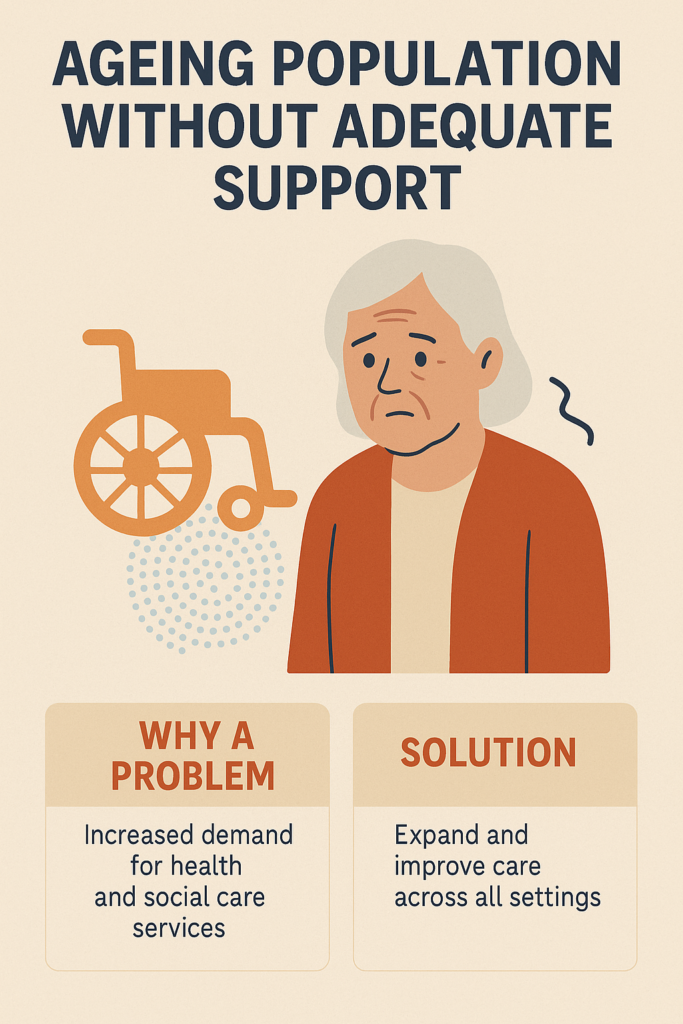
Limited mobility or transport options
Feeling “out of place” in younger social settings
It’s easy to unintentionally drift into isolation.
Rebuilding and Expanding Your Social Network
The good news: You can actively grow and strengthen your support system at any age.
1. Rekindle Old Friendships
Reach out to friends you may have lost touch with. A quick message or call can rekindle a valuable connection.
2. Join Local Groups
Look for community centres, hobby groups, or clubs in your area. Options include:
U3A (University of the Third Age)
Walking clubs or Ramblers groups
Faith-based groups
Choirs, knitting circles, art classes
3. Volunteer
Helping others is a powerful way to meet people and gain purpose. Explore opportunities via:
Markets, exhibitions, open mic nights, and social meetups can break up routine and lead to meaningful interactions.
Digital Connection Counts Too
In today’s world, being digitally connected is often the gateway to staying socially connected.
Video chats with distant friends and family
Facebook groups or local online forums (e.g., Nextdoor, Meetup.com)
Online clubs (virtual book clubs, exercise classes, hobby groups)
Not confident online? Free training is available via libraries and community digital inclusion schemes.
Real-Life Examples of Social Wellness
Jean, 67, from Liverpool
“I joined a local photography club. I’d never picked up a camera before retirement, and now I’ve got a new hobby and a new group of mates.”
Colin, 71, from Somerset
“I felt lonely after my wife passed. Volunteering at the community café gave me a reason to get up in the morning — and a new social circle.”
Mira, 58, from London
“I created a WhatsApp group for neighbours over 50. We swap advice, recipes, and meet once a week for a walk.”
Practical Steps to Strengthen Social Wellness
Make one social plan per week — coffee, phone call, or meet-up
Smile and start conversations — even small talk builds rapport
Be open to friendships with different age groups
Say “yes” more often to invitations, even if you’re unsure
Create regular traditions — a monthly lunch or shared walk builds momentum
Summary: We’re Healthier Together
You don’t need a huge social circle — just a few meaningful connections can transform your retirement. Prioritising people, conversation, and connection is as powerful for your health as any pill, superfood, or workout.
Coming Up Next
In Chapter 7, we turn to an essential topic: Nutrition After 55 — Fueling a Long, Healthy Life.
Chapter 7: Nutrition After 55 — Fueling a Long, Healthy Life
Why Nutrition Becomes Even More Important With Age
After 55, your body’s needs begin to change. You may need fewer calories but more nutrients to maintain energy, strength, and good health. A balanced diet helps prevent illness, manage chronic conditions, and improve how you feel day to day.
In 2025, NHS guidelines emphasise nutrient-dense meals that support bone health, heart function, brain performance, and digestion — all crucial for ageing well.
Common Nutritional Challenges Over 55
Slower metabolism: You may burn fewer calories, but your body still needs key nutrients.
Changes in appetite: Hormones and medications can affect hunger levels or taste preferences.
Dental issues: Difficulty chewing or swallowing can reduce food variety.
Absorption issues: Some nutrients (like B12, calcium, and vitamin D) are harder for older bodies to absorb.
Ignoring these challenges can lead to fatigue, weakened immunity, bone loss, and cognitive decline.
The Building Blocks of a Healthy Over-55 Diet
1. Protein: Muscle Maintenance and Repair
Supports muscle mass, immune function, and recovery
Aim for: lean meat, fish, eggs, legumes, tofu, and dairy
Example: Add a boiled egg or cottage cheese to your salad.
2. Fibre: Gut Health and Cholesterol Control
Supports digestion and reduces constipation risk
Aim for: whole grains, beans, fruit, veg, nuts, and seeds
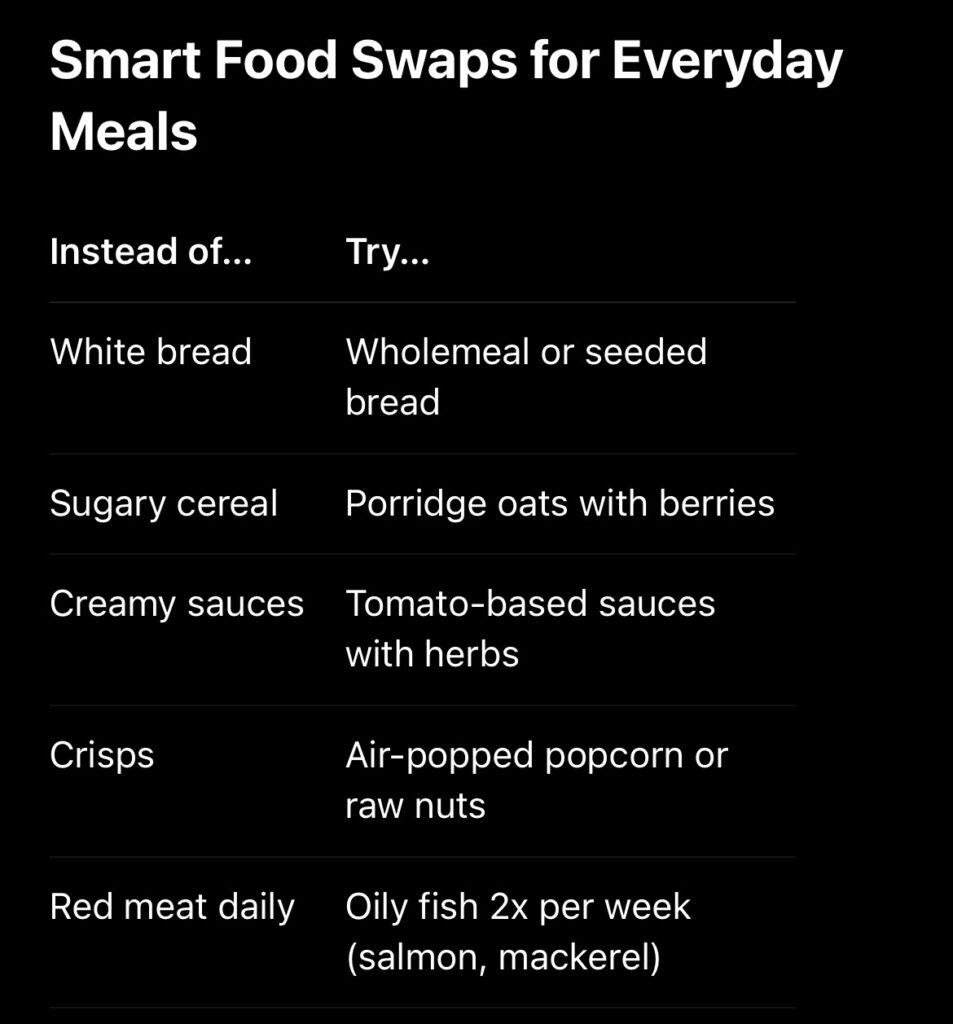
Example: Switch to wholemeal bread or oats for breakfast.
3. Calcium and Vitamin D: Strong Bones and Teeth
Vital to prevent osteoporosis and fractures
Aim for: milk, cheese, yoghurt, leafy greens, fortified foods, and safe sunlight exposure (10–20 mins daily)
Tip: Over-65s should consider a daily 10 microgram Vitamin D supplement, especially in winter.
4. Healthy Fats: Brain and Heart Support
Opt for unsaturated fats from avocados, oily fish, olives, seeds, and nuts
Limit saturated fats (butter, cream, fatty meats)
Example: Snack on a handful of almonds instead of biscuits.
5. Hydration: Energy and Digestion
Older adults often don’t feel thirsty but still need at least 6–8 glasses of fluid per day
Water, herbal teas, and soups all count
The UK’s Eatwell Guide for Over 55s (2025 Adaptation)
The Eatwell Guide provides a visual breakdown of what your daily plate should look like:
1/3 fruit and veg
1/3 whole grains and starchy carbs
1/6 protein (plant or animal-based)
1/6 dairy or calcium-rich alternatives
Small amounts of healthy fats
Tip: Portion sizes matter more than ever. Use smaller plates and be mindful when eating.
Batch cooking: Make soups, stews, and casseroles in bulk
Frozen veg: Just as nutritious and cuts prep time
Cook once, eat twice: Roast extra veggies for next day’s salad or soup
Example day of eating:
Breakfast: Porridge with banana and walnuts
Lunch: Grilled chicken and avocado salad with wholemeal roll
Snack: Apple with peanut butter
Dinner: Baked salmon, new potatoes, steamed broccoli
Hydration: Herbal tea, water, low-fat milk
Nutrition Myths for Over 55s — Busted
“I need fewer nutrients because I eat less.” You need more nutrient-rich foods, not fewer.
“Supplements replace food.” Supplements should only top up gaps in your diet — not be the main source.
“Eating healthy is expensive.” Frozen veg, tinned fish, beans, and seasonal produce are affordable and nutritious.
Special Dietary Considerations
Diabetes: Focus on slow-release carbs and limit sugar
High blood pressure: Reduce salt and processed foods
Arthritis: Anti-inflammatory foods like oily fish, berries, and turmeric can help
High cholesterol: Increase soluble fibre and cut down on trans fats
Speak with your GP or a registered dietitian for personalised advice.
Real Stories: Nutrition That Transforms
Gillian, 60, from Glasgow
“I cut down on sugar and added more protein. Within weeks, I had more energy and fewer cravings.”
Martin, 68, from Bath
“My knees ached constantly. Since I started adding oily fish and turmeric to my meals, the inflammation’s gone down.”
Summary: Eat Well to Age Well
Eating healthily after 55 isn’t about restriction — it’s about nourishing your body for vitality. With the right choices, food becomes a powerful tool for living longer, moving better, and feeling your best every day.
Coming Up Next
In Chapter 8, we’ll explore Staying Active: Tailored Fitness for Over 55s, including practical ways to move more and reduce injury risk.
Chapter 8: Staying Active — Tailored Fitness for Over 55s
Why Movement Matters More After 55
As we age, physical activity becomes less about performance and more about preservation — of independence, strength, balance, and quality of life. The 2025 NHS guidelines stress that being active is one of the most important things you can do to maintain your health and mobility.
Regular movement helps to:
Lower the risk of heart disease, stroke, and type 2 diabetes
Improve mental health and reduce depression or anxiety
Boost bone strength and prevent falls
Maintain flexibility, joint mobility, and coordination
Preserve muscle mass, aiding independence into your 70s, 80s, and beyond
You don’t need to become a gym addict. Small, consistent activity adds up — and it’s never too late to start.
How Much Exercise Should Over 55s Get?
According to 2025 NHS and World Health Organization recommendations:
Local leisure centres and councils offer reduced-cost classes for older adults
Summary: Motion is Medicine
Movement is one of the most powerful ways to protect your health after 55. It’s not about hitting the gym — it’s about building a routine that keeps you active, mobile, and confident in your body for years to come.
Even better, exercise often leads to more social connections, improved sleep, and a brighter mood — a true lifestyle win.
Coming Up Next
In Chapter 9, we’ll focus on another core area of wellness: Sleep and Stress — Resetting Your Mind and Body for Better Living.
Chapter 9: Sleep and Stress — Resetting Your Mind and Body for Better Living
Why Sleep and Stress Management Are Crucial After 55
As we age, our ability to bounce back from poor sleep or prolonged stress declines. Sleep becomes lighter, more fragmented, and stress can hit harder — especially in retirement, post-career transitions, or during caregiving responsibilities.
In 2025, NHS research continues to show that poor sleep and unmanaged stress in over 55s contribute to:
Weakened immune systems
Increased risk of heart disease and stroke
Weight gain and type 2 diabetes
Memory problems and slower cognitive performance
Anxiety, depression, and emotional burnout
Mastering sleep and managing stress aren’t luxuries — they’re essentials for a healthy, longer, and more fulfilling life.
How Sleep Changes After 55
You might notice:
Waking up more often at night
Trouble falling asleep or staying asleep
Feeling less rested even after 7–8 hours
Earlier bedtimes and wake-ups (circadian rhythm shifts)
These changes are normal, but quality sleep is still vital for brain function, hormone regulation, cell repair, and mood stability.
How Much Sleep Do You Need?
Most over 55s need 7 to 9 hours of good-quality sleep per night. But consistency matters more than duration. Poor sleep over time increases the risk of chronic illnesses.
Tips for Better Sleep — The 2025 Sleep Hygiene Guide
1. Stick to a Sleep Schedule
Go to bed and wake up at the same time daily — even on weekends
2. Create a Sleep-Friendly Bedroom
Keep the room dark, quiet, and cool (16–18°C ideal)
Invest in blackout curtains and earplugs if needed
Use your bed for sleep and intimacy only — avoid TV or work
3. Wind Down Properly
Avoid screens 1 hour before bed (blue light disrupts melatonin)
Try gentle stretching, reading, or warm baths
4. Watch What You Eat and Drink
Avoid caffeine after 2pm and limit alcohol
Eat lighter in the evening; spicy or heavy meals can disrupt sleep
5. Limit Daytime Naps
If needed, nap for no more than 30 minutes, before 3pm
Natural Sleep Aids for Over 55s
Herbal teas: Chamomile, valerian root, or lemon balm
Magnesium-rich foods: Almonds, spinach, bananas
Melatonin supplements: Use only if recommended by a GP
Note: Always speak with a doctor before starting supplements, especially if you’re on medication.
Understanding Stress After 55
Later life brings different stress triggers:
Retirement uncertainty
Financial or health worries
Loss of loved ones
Caring for ageing parents or grandchildren
Loneliness or identity shifts
Unmanaged stress can cause inflammation, raise blood pressure, impair memory, and contribute to burnout.
Practical Stress Management Techniques
1. Mindfulness and Meditation
Try guided sessions via Calm, Headspace, or free NHS audio practices
Just 10 minutes per day can reduce anxiety and improve focus
2. Deep Breathing and Relaxation
Try the 4-7-8 method: Inhale 4 seconds, hold 7, exhale 8
Mind (mental health charity): Free guides on stress relief
SilverCloud: Free online CBT for NHS patients in some areas
Age UK Befriending Services: For loneliness and emotional support
Summary: Rest and Reset for Wellness
Great sleep and healthy stress management are cornerstones of wellness after 55. Together, they improve your energy, emotional resilience, physical health, and outlook on life. Prioritising sleep and emotional balance is not selfish — it’s sustainable self-care.
Coming Up Next
In Chapter 10, we’ll conclude your wellness journey with Putting It All Together — Your Personal Wellness Plan for Retirement and Beyond.
Chapter 10: Putting It All Together — Your Personal Wellness Plan for Retirement and Beyond
Why You Need a Wellness Plan
Crossing into your 50s, 60s, or 70s doesn’t mean slowing down — it means living smarter, healthier, and more intentionally. A personal wellness plan gives you a sense of purpose, structure, and confidence. It’s your road map to staying fit for retirement — physically, mentally, and emotionally.
You’ve now explored the key pillars of health in this book:
Mindset and purpose
Nutrition
Movement
Sleep
Stress management
Preventative healthcare
Social connection
Now it’s time to put it all into action in a plan that suits you.
What a Good Wellness Plan Includes
A strong personal health and wellness plan covers:
Daily health habits
Weekly and monthly goals
Check-ins and adjustments
Support and motivation systems
Flexibility for real life
It’s not about perfection — it’s about progress. Consistency over intensity.
Step 1: Set SMART Wellness Goals
Make goals that are:
Specific: “Walk for 20 minutes a day”
Measurable: “Eat five servings of veg daily”
Achievable: “Try yoga twice a week”
Realistic: “Reduce sugar intake by half in one month”
Time-based: “Lose 4 lbs in 8 weeks, not 2 stone in 1”
Example SMART Goal:
“I will do 10 minutes of strength exercises every Monday, Wednesday, and Friday for the next 6 weeks.”
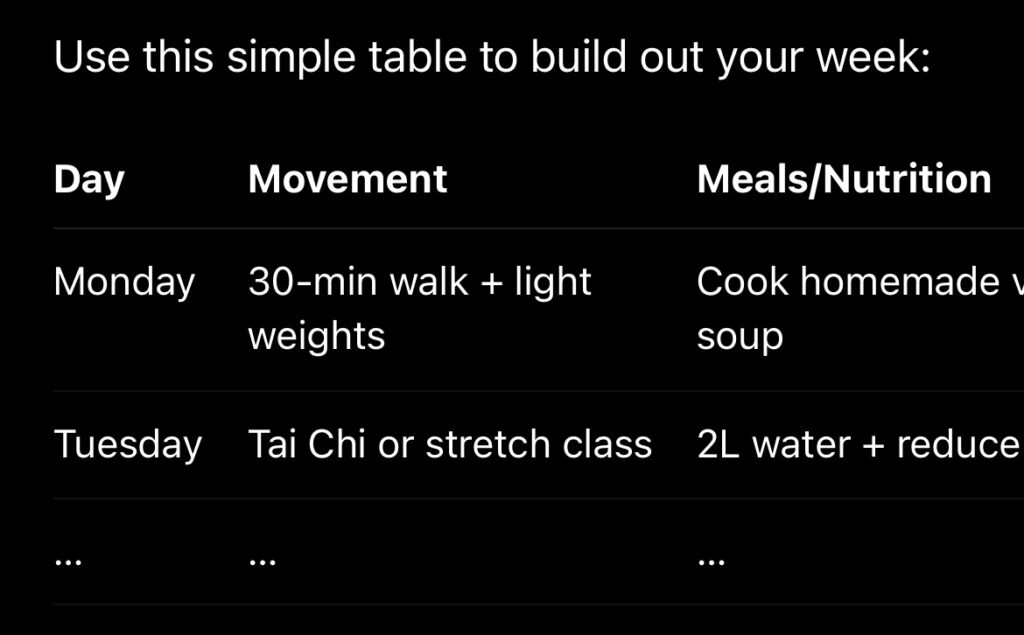
Step 2: Build Your Weekly Wellness Routine
Build Your Weekly Wellness Routine
Keep it visual — use a whiteboard, calendar app, or printable tracker.
Step 3: Make Health Checks Part of Your Plan
Stay proactive with:
Annual GP health checks (blood pressure, cholesterol, glucose)
Routine eye, dental, and hearing tests
Screenings: breast, bowel, prostate
Keep vaccinations (e.g. flu, shingles) up to date
Tip: Book reminders in your calendar now for the year ahead.
Step 4: Create a Support Network
Buddy up with a friend or spouse
Join online or local wellness communities (e.g. U3A, Silverfit, walking clubs)
Consider professional guidance from a nutritionist, personal trainer, or counsellor if needed
Tell friends and family what you’re doing — they can help keep you accountable
Step 5: Track Your Progress — and Celebrate It
Use a journal, habit tracker, or free app like MyFitnessPal or Wellness Coach UK
Reflect weekly: What went well? What felt hard? What needs adjusting?
Celebrate small wins — a new recipe tried, 5,000 steps reached, stress levels reduced
Remember: Improvement beats perfection every time.
Sample Personal Wellness Plan Template (Feel Free to Copy)
Name: _________________________
Start Date: ____________________
Top 3 Priorities:
Daily Habits to Build:
Weekly Goals:
Monthly Health Check-in:
Weight/BMI
Energy levels
Sleep quality
Mood tracker
GP visits?
What If You Fall Off Track?
That’s OK. Life happens — illness, travel, family challenges. What matters is that you:
Pause, reflect, and restart without guilt
Adjust your goals if they feel too hard
Remind yourself why you’re doing this: to live longer, live better, and enjoy retirement to the fullest
You are the author of your own health story — and every day is a new page.
Final Words: Fit for Retirement, Fit for Life
This guide wasn’t just about diet or fitness tips. It’s about empowerment.
You now understand:
Why wellness matters more after 55
How small daily actions can lead to lifelong transformation
How to take control of your health journey with practical tools
That it’s never too late to feel your best — inside and out
Whether you’re 56 or 76, your retirement years can be the healthiest, happiest, and most fulfilling yet.
So here’s to you — for taking the first steps. Now take the next one.
Printable Affirmation Cards – UK English spelling and tone.
Chapter 12: Conclusion: Embracing the Healthiest Years of Your Life
Retirement is not the end of the road—it’s the beginning of a new chapter. For many in the UK over the age of 55, this is a time of reflection, freedom, and opportunity. But to make the most of this stage in life, health and wellness must be the foundation.
This chapter pulls together the key lessons from the book and encourages you to see retirement not just as a slowing down, but as a powerful invitation to revive, reimagine, and reclaim the healthiest years of your life.
The Transition Mindset: Retirement as Reinvention
When people talk about retirement, the conversation often revolves around finances and logistics—pensions, housing, downsizing. Yet, the more transformative aspect of retirement is identity. Who are you now that the 9-to-5 is gone? What will your days look like? How will you spend your energy?
These questions are not existential burdens—they’re springboards to self-renewal. Embracing a positive mindset around retirement is key to seeing it not as an end, but as a reinvention.
This period can become your time to:
Pursue new interests
Rekindle old passions
Travel to dream destinations
Volunteer your time and expertise
Start a small business or community project
Reconnect with family and friends in meaningful ways
Each of these endeavours is enriched when you are physically healthy, mentally sharp, emotionally strong, and socially connected.
Why Health and Wellness Matter More Than Ever
In the UK, people are living longer than ever before, but there’s a stark difference between lifespan and healthspan. The goal is not simply to add years to your life, but life to your years.
Common health issues such as arthritis, cardiovascular disease, diabetes, cognitive decline, and depression disproportionately affect people over 55. But here’s the key: many of these are preventable or manageable through changes in diet, physical activity, social engagement, and mental health support.
Health in retirement is not about chasing perfection. It’s about creating a balanced, sustainable lifestyle that helps you enjoy the richness of life with less pain, more mobility, greater energy, and renewed purpose.
The Eight Pillars of Wellness in Retirement
Throughout this guide, we explored eight core areas of health and wellness that matter most after 55. Let’s briefly revisit each one and highlight practical steps you can continue to take:
1. Nutrition
Fuel your body with whole, nutrient-dense foods. The Mediterranean diet, rich in vegetables, fruits, lean proteins, and healthy fats, remains a top recommendation for longevity.
Key habits:
Plan weekly meals to reduce reliance on processed foods
Reduce added sugars and salt intake
Stay hydrated, especially with water and herbal teas
Consider supplements (e.g., Vitamin D, B12) with GP guidance
2. Physical Activity
Movement keeps you mobile, independent, and resilient. Whether it’s walking, cycling, swimming, or strength training, consistent activity pays dividends.
Key habits:
Aim for 150 minutes of moderate aerobic activity weekly
Add resistance exercises twice a week to maintain muscle mass
Incorporate balance and flexibility exercises like tai chi or yoga
3. Preventative Healthcare
Don’t wait for problems—prevent them. Use your NHS check-ups and screenings to catch issues early.
Key habits:
Book regular GP visits and follow recommended screenings
Manage medications properly and review them annually
Track blood pressure, cholesterol, and blood sugar if at risk
4. Mental Health
Mental wellness is as vital as physical wellness. Retirement can bring unexpected emotional shifts, including loneliness or a loss of structure.
Key habits:
Establish a daily routine to create purpose
Try mindfulness, meditation, or journaling
Don’t hesitate to seek professional help or join support groups
5. Social Wellbeing
Isolation is a serious health risk. Staying connected can improve your mood, memory, and even your immune system.
Key habits:
Join a club or group aligned with your interests
Volunteer or mentor to maintain a sense of purpose
Make socialising a regular part of your week
6. Chronic Condition Management
Many over 55s live with long-term health conditions—but that doesn’t mean life has to stop.
Key habits:
Follow treatment plans and communicate regularly with healthcare providers
Track symptoms and maintain a health journal
Educate yourself about your condition to feel more in control
7. Home Environment
A safe, supportive, and energising home can reduce stress and physical strain.
Key habits:
Declutter and create easy-to-navigate living spaces
Install assistive devices if needed (e.g., grab rails)
Make your environment inspiring with light, plants, or music
8. Sleep and Stress Management
Restorative sleep and stress control help your body reset and protect your mental clarity.
Key habits:
Stick to a consistent sleep schedule
Limit screens before bedtime
Practice relaxation techniques daily
Creating Your Personal Wellness Plan
With all this information, it’s time to turn knowledge into action. The best plan is one that is:
Personalised: Adapted to your interests, lifestyle, and health history
Flexible: Able to change as your needs and circumstances shift
Enjoyable: Built around activities and routines you like (so you stick with them)
Tips for Building Your Plan:
Start Small: Pick one area (like walking daily) and build from there.
Track Progress: Keep a wellness journal or use a health app.
Celebrate Wins: Acknowledge every step forward—big or small.
Stay Curious: Try new activities, foods, or classes.
Be Kind to Yourself: Progress is not linear. Setbacks happen. Keep going.
Inspiring Examples: Real-Life Wellness After 55
Across the UK, many over 55s are reshaping what retirement looks like. Here are just a few examples:
Sandra, 67 from Cornwall: Took up open-water swimming and now leads a group for others her age.
David, 72 from Birmingham: Joined a community garden and found it helped both his physical mobility and mood.
Linda and Pete, 60s from Glasgow: Downsized, bought electric bikes, and now spend weekends cycling to historic sites.
Mark, 59 from London: Attended his first mindfulness class after retiring and now teaches meditation at a local centre.
Their secret? They didn’t aim for perfection. They simply started with what they enjoyed and built consistency around it.
What Will Your Health Legacy Be?
One of the most powerful motivators in retirement is the desire to leave a positive legacy. For many, that includes being a healthy role model for children, grandchildren, friends, or even their community.
What if your legacy was not just financial, but vibrant living? What if you could be the one who shows others that life after 55 can be the healthiest, most fulfilling part of the journey?
It starts with commitment. It starts with a single step. It starts with you.
Final Thoughts
Your body, your mind, and your spirit are your lifelong companions. Retirement is your chance to nurture them all. While ageing brings challenges, it also brings clarity and the freedom to shape your lifestyle like never before.
The best years of your life might just be ahead. With awareness, intention, and the guidance in this book, you now have the tools to live them fully.
So breathe deeply. Step forward boldly. And welcome the healthiest, happiest, most empowered version of yourself.
Get help to target your products or services at over 55s UK seeking to improve their retirement or retirement planning for your business growth in UK
The hidden costs of job inertia in the current UK market
The hum of anxiety, the quiet dread. It’s a feeling many know too well. The UK job market in 2025 is a landscape of shifting sands. You feel it, don’t you? “Better the devil you know,” they say. But what if the devil you know is slowly draining your life? Consider this: a recent study found that 72% of professionals are experiencing increased job-related stress due to economic uncertainty. That’s a staggering number. It’s not just about a paycheck. It’s about your life. It’s about your happiness, your health, your very well-being. Are you trading your potential for the illusion of stability? I know I’ve been there. Let’s explore how to break free. Let’s talk about the opportunity cost of staying put. Let’s talk about building a life you love. Welcome to your guide to navigating the 2025 UK job market and reclaiming your potential.
Are You Staying in Your Job Because of Uncertainty in the Marketplace?
The year is 2025. The UK job market is a complex tapestry woven with threads of technological disruption, economic fluctuations, and evolving workplace dynamics. Many professionals find themselves in a state of limbo, clinging to their current positions, not out of passion or fulfillment, but out of fear. This fear is rooted in the pervasive uncertainty that characterises the current economic climate. But what is the true cost of this inertia?
The Illusion of Security
The allure of a steady paycheck and familiar routine can be powerful. It provides a sense of security, a buffer against the unknown. However, this perceived security often comes at a steep price. When you stay in a job that no longer aligns with your aspirations, you stagnate. Your skills become outdated. Your passion wanes. You become a cog in a machine, rather than a driver of your own destiny.
Opportunity Cost: The Hidden Price Tag
The concept of opportunity cost is fundamental to understanding the true impact of staying in a stagnant job. It’s not just about the money you’re leaving on the table. It’s about the experiences you’re missing, the skills you’re not developing, and the potential you’re not realising.
Lifestyle: Are you sacrificing your dreams of travel, a better work-life balance, or a more fulfilling career? Are you missing out on precious moments with loved ones because you’re chained to a job that offers no joy?
Happiness: Job satisfaction is intrinsically linked to overall happiness. When you’re unhappy at work, it bleeds into every aspect of your life. Are you settling for mediocrity when you could be thriving?
Health: Chronic stress from a dissatisfying job can take a toll on your physical and mental health. Are you experiencing burnout, anxiety, or depression? Are you neglecting your well-being in the pursuit of a paycheck?
Wealth: In a dynamic job market, staying put can mean falling behind. Are you missing out on opportunities for career advancement and higher earning potential? Are you limiting your financial growth and jeopardising your long-term security?
Review of the UK Job Marketplace in 2025
To understand the opportunity cost of inaction, it’s essential to grasp the current state of the UK job market. Several key trends are shaping the landscape:
Technological Disruption: Artificial intelligence (AI), automation, and digital transformation are reshaping industries and creating new job roles while rendering others obsolete. The rise of remote work and the gig economy is changing the traditional employment model.
Economic Uncertainty: Global economic fluctuations, inflation, and political instability are creating a volatile job market. Companies are hesitant to make long-term commitments, leading to increased job insecurity.
Skills Gap: There’s a growing mismatch between the skills employers need and the skills workers possess. This skills gap is particularly pronounced in sectors like technology, healthcare, and green energy.
Emphasis on Soft Skills: In an increasingly automated world, soft skills like communication, critical thinking, and emotional intelligence are becoming more valuable than ever.
Focus on Sustainability: Companies are increasingly prioritising sustainability and environmental responsibility, creating new opportunities in green jobs and sustainable industries.
The Rise of Flexible Working: Employees are demanding greater flexibility in their work arrangements, and companies are adapting to accommodate these demands.
Impact on Different Sectors
Technology: The tech sector is booming, with high demand for software engineers, data scientists, and cybersecurity professionals. However, rapid technological advancements require continuous learning and adaptation.
Healthcare: The healthcare sector is facing increasing demand due to an ageing population and advancements in medical technology. There’s a shortage of nurses, doctors, and other healthcare professionals.
Green Energy: The transition to a sustainable economy is creating new opportunities in renewable energy, energy efficiency, and environmental management.
Finance: The finance sector is undergoing significant transformation due to digitalisation and regulatory changes. There’s a growing demand for professionals with skills in fintech, data analytics, and risk management.
Creative Industries: The creative industries are experiencing growth, driven by the demand for digital content and entertainment. However, competition is fierce, and professionals need to be highly skilled and adaptable.
9 Ways to Overcome Uncertainty in the UK Job Marketplace to Increase the Chances of Developing a Secure Career Development in 2025
Navigating the uncertainty of the 2025 UK job market requires a proactive and strategic approach. Here are nine actionable steps to take:
Embrace Lifelong Learning: The skills gap is a reality. Invest in your professional development by acquiring new skills and staying up-to-date with industry trends. Take online courses, attend workshops, and pursue certifications. Focus on skills that are in high demand, such as data analysis, AI, and digital marketing.
Build a Strong Network: Networking is crucial for career advancement. Attend industry events, join professional organisations, and connect with people on LinkedIn. Build genuine relationships and seek out mentors who can provide guidance and support.
Develop Transferable Skills: Focus on developing skills that are applicable across different industries and job roles. These include communication, problem-solving, critical thinking, and adaptability. These skills will make you more resilient in a changing job market.
Embrace Flexibility and Adaptability: Be open to new opportunities and willing to adapt to changing circumstances. Consider flexible work arrangements, such as remote work or freelance projects. Be prepared to pivot your career if necessary.
Build a Strong Online Presence: Your online presence is your professional brand. Create a compelling LinkedIn profile, showcase your skills and accomplishments, and engage with industry content. Consider building a personal website or blog to demonstrate your expertise.
Explore Emerging Industries: Identify industries that are experiencing growth and invest in the skills needed to succeed in those sectors. Consider opportunities in green energy, AI, and healthcare.
Prioritise Mental and Physical Well-being: Job uncertainty can be stressful. Prioritise your mental and physical health by practicing self-care, managing stress, and maintaining a healthy work-life balance.
Financial Planning: Create a financial safety net. Have a contingency fund that will allow you to navigate periods of unemployment or career transition. Plan your finances with a long term view.
Seek Professional Guidance: Consider working with a career coach or mentor who can provide personalised guidance and support. They can help you identify your strengths, develop a career plan, and navigate the job market.
Join CheeringUp.info Lifestyle Improvement Club
Are you ready to take control of your career and create a life you love? I believe you are. You deserve more than just a job. You deserve a fulfilling career and a vibrant life. That’s why I created CheeringUp.info Lifestyle Improvement Club.
We are a community of like-minded professionals who are committed to personal and professional growth. We provide the resources, support, and inspiration you need to navigate the challenges of the modern job market and achieve your goals.
What We Offer:
Exclusive Content: Access to in-depth articles, videos, and podcasts on career development, personal growth, and well-being.
Live Workshops and Webinars: Learn from industry experts and gain practical skills to enhance your career.
Networking Opportunities: Connect with a supportive community of professionals and build valuable relationships.
Personalized Coaching: Receive one-on-one coaching to help you achieve your specific career goals.
Resource Library: Access to a wealth of resources, including templates, checklists, and guides.
Community Forums: Engage in discussions, share experiences, and receive support from fellow members.
Why Join Lifestyle Improvement Club?
Gain Clarity: Define your career goals and develop a clear roadmap for success.
Build Confidence: Overcome self-doubt and develop the confidence to pursue your dreams.
Expand Your Network: Connect with a community of professionals and build valuable relationships.
Enhance Your Skills: Acquire new skills and stay ahead of the curve in a rapidly changing job market.
Improve Your Well-being: Prioritise your mental and physical health and create a balanced and fulfilling life.
Don’t let uncertainty hold you back. Take the first step towards a brighter future. Join CheeringUp.info Lifestyle Improvement Club today! Visit CheeringUp.info
Imagine a creature defying the very laws of physics. Picture a portly fellow, with wings the size of teaspoons, buzzing past you with an audacity that borders on mockery. This, my friends, is the bumblebee. Science, in all its wisdom, tells us this shouldn’t be possible. The bumblebee’s body is simply too heavy, its wings too small, to generate enough lift for sustained flight. Yet, here they are, flitting about gardens and meadows, a living testament to the power of defying limitations.
The facts are often more complicated – both for bumblebee’s and humans! What you want in your life and business is far from impossible. If you are flexible, and can adapt, you will find a way eventually to build the life and business you want for yourself.
You can redefine your life for greater success if you want to make changes to your life or business – and enact change! Don’t seek perfection. Simply take control of your life or business with one little change each and every day.
The Bumblebee’s Defiance: How to Fly Without Wings (and Achieve the Impossible in Your Business)
This, dear reader, is a metaphor waiting to happen. Just like the bumblebee, we too can achieve the seemingly impossible in our lives and businesses. We can overcome seemingly insurmountable obstacles and soar to new heights. But how? Here are 9 actionable tips, inspired by the bumblebee’s audacious flight, to help you take control and improve your life in the UK:
1. Embrace the Power of Small, Consistent Efforts: The bumblebee doesn’t attempt a single, herculean flight. Instead, it beats its wings rapidly, hundreds of times per second. Similarly, in business and life, small, consistent efforts are key. Set achievable daily or weekly goals and celebrate each win.
2. Reimagine Your Approach: The bumblebee doesn’t follow the textbook definition of flight. It doesn’t need to. Neither do you. Think outside the box in your business. Is there a new marketing strategy, a different target audience, or a novel product offering that could propel you forward?
3. Leverage Technology Like a Bumblebee’s Wing: Technology is a powerful tool in the modern business landscape. Utilise online marketing platforms, social media, and data analytics to gain insights, connect with customers, and optimise your operations.
4. Prioritise Rest and Recovery: No bumblebee can sustain its frenetic flight without breaks. Likewise, you need to prioritise rest and relaxation. Schedule downtime, delegate tasks, and avoid burnout. A well-rested leader makes better decisions.
5. Build a Strong Support Network: Bumblebees often navigate by following the scent trails of their fellow bees. Surround yourself with positive, supportive people who believe in you and your business. Mentors, colleagues, and a strong network can be invaluable assets.
6. Celebrate Experimentation: The bumblebee may have defied the known laws of aerodynamics, but it didn’t get there by following the rules. Don’t be afraid to experiment with new ideas in your business. Test different marketing strategies, pilot innovative products, and embrace a culture of calculated risk-taking.
7. Find Your Flow State: There’s a reason the bumblebee appears so effortless in its flight. It has likely entered a state of “flow,” where actions become automatic and effortless. Identify what puts you in this flow state in your business and create an environment that fosters it.
8. Fuel Your Body and Mind for Success: The bumblebee gets its energy from nectar, a potent source of fuel. Ensure you’re giving yourself the physical and mental fuel you need to succeed. Eat healthy, exercise regularly, and prioritise sleep.
9. Celebrate the Journey, Not Just the Destination: The bumblebee’s flight isn’t just about reaching a destination; it’s about the journey itself. Enjoy the process of building your business, celebrate small wins, and learn from setbacks.
These tips, inspired by the bumblebee’s defiance, can help you overcome limitations and achieve extraordinary things in your business and life. But where do you begin?
Calling All Business Leaders: Supercharge Your Success with Targeted Advertising!
Are you a business leader in the UK looking to take your enterprise to the next level? Here’s your chance to reach a highly engaged audience of like-minded professionals seeking to improve their lives. Advertise your business in this very magazine, the official publication of the Cheeringup.info Lifestyle Improvement Club!
Join the Cheeringup.info Lifestyle Improvement Club: Unlock Your Full Potential!
Feeling stuck in a rut? Longing for a life filled with purpose and fulfillment? Join the Cheeringup.info Lifestyle Improvement Club, a vibrant community dedicated to helping individuals in the UK unlock their full potential. Gain access to exclusive content, expert advice, workshops, and a supportive network of individuals on a similar journey.
Invest in Yourself Today with a One-Time Membership Fee!
The bumblebee reminds us that the impossible is possible. With the right tools, mindset, and community support, you too can soar to new heights. Don’t wait! Sign up for a one-time membership fee to the Cheeringup.info Lifestyle Improvement Club today and start your journey toward a happier, more fulfilling life.
Additional resources for the Cheeringup.info Lifestyle Improvement Club:
About the Cheeringup.info Lifestyle Improvement Club:
The Cheeringup.info Lifestyle Improvement Club is a community dedicated to helping people in the UK live happier, healthier, and more fulfilling lives. We offer a variety of resources, including:
Exclusive content: Access to articles, videos, and other resources on a variety of topics related to personal and professional development.
Expert advice: Guidance from experts in the fields of health, wellness, business, and personal finance.
Workshops and events: Opportunities to learn from and connect with other members of the community.
Supportive network: A community of like-minded individuals who are all working to improve their lives.
We believe that everyone has the potential to achieve their goals and live a fulfilling life. We are here to support you on your journey.
Join the Cheeringup.info Lifestyle Improvement Club today and start living your best life!
Get help to protect and grow your business faster with CheeringupInfo
How Bumblebees Fly Despite Aerodynamics: A Scientific Perspective
The flight of the bumblebee has long fascinated scientists and the general public alike. There’s a persistent myth that, according to the laws of aerodynamics, bumblebees shouldn’t be able to fly. But not only do they fly, they do so with remarkable agility and efficiency. Let’s explore the science behind this seemingly impossible feat.
The Myth of Impossible Flight
The notion that bumblebees shouldn’t be able to fly originated in the 1930s when early aerodynamic models tried to explain insect flight using principles designed for airplanes. These models assumed that bumblebee wings operated like fixed-wing aircraft, which rely on smooth airflow and specific lift-to-drag ratios to stay airborne. When scientists calculated the lift generated by a bumblebee’s small wings relative to its large body, they concluded that flight was impossible.
However, this misunderstanding stemmed from oversimplifying the mechanics of bumblebee flight. In reality, insect flight relies on entirely different principles.
The Unique Mechanics of Bumblebee Flight
Unlike airplanes, bumblebees (and most other insects) achieve flight through rapid, complex wing movements that generate lift and thrust. Here’s how it works:
1. Wing Motion and Stroke Pattern
Bumblebees flap their wings in a figure-eight pattern, which is far more dynamic than the up-and-down motion one might imagine. This motion creates vortices—small whirlwinds of air—that produce lift. The wings sweep back and forth at an angle that maximizes the generation of these vortices.
2. Wing Flexibility
Bumblebee wings are not rigid like airplane wings. They are flexible, allowing them to twist and adjust to optimize lift during each stroke. This adaptability is crucial for maintaining flight at low speeds or hovering over flowers.
3. High Wingbeat Frequency
Bumblebees beat their wings approximately 130-240 times per second. This high frequency compensates for their relatively small wing size, ensuring they generate enough lift to support their weight.
4. Asynchronous Flight Muscles
Bumblebees have specialized flight muscles that do not contract with each individual nerve impulse. Instead, these “asynchronous” muscles can beat at a much higher frequency than their nervous system signals. This efficiency allows them to sustain their rapid wingbeats for long periods without exhausting energy reserves.
5. Low Reynolds Numbers
Bumblebee flight occurs in a realm of aerodynamics governed by low Reynolds numbers, where the effects of air viscosity dominate. At this scale, airflow around their wings behaves differently than at the scale of an airplane wing. The bumblebee’s wing movements exploit these unique airflow dynamics to generate lift effectively.
Energy Efficiency: Not as Inefficient as You Think
Despite their small wings and hefty bodies, bumblebees are surprisingly efficient flyers. They can carry loads of nectar and pollen up to half their body weight while maintaining flight. Their energy efficiency comes from their ability to adjust wingbeat amplitude and frequency depending on the task at hand.
The Broader Implications of Bumblebee Flight
The study of bumblebee flight has inspired advancements in fields like robotics and aeronautics. For instance, micro aerial vehicles (MAVs), which are used for tasks like search-and-rescue missions or environmental monitoring, often mimic the flight mechanics of insects. Understanding how bumblebees achieve lift has also provided insights into improving energy efficiency in mechanical flight systems.
Conclusion
The mystery of how bumblebees fly isn’t a defiance of aerodynamics—it’s a testament to the complexity and elegance of nature. By moving beyond simplistic models and embracing the nuanced science of insect flight, researchers have uncovered the ingenious adaptations that allow bumblebees to soar. Far from impossible, their flight exemplifies the remarkable interplay between biology and physics.
So, the next time you see a bumblebee buzzing from flower to flower, remember: it’s not breaking the laws of aerodynamics—it’s redefining them.
Make your money go further to improve your lifestyle in UK
Use Best Price before you buy a product or service in the UK
Live and OnDemand review of the best prices for products and services in UK. Read articles and watch videostream on your smartphone tablet pc or TV. Take a look at our best prices guide.
The Best Price tool helps inform your buying decision before you buy. Get the best price you can on CheeringupTV. Will you grab a bargain today? To help answer this question compare our Best Price with prices elsewhere on the internet or on the High Street.