Over 55s UK: 12 Retirement Cost of Living Solutions | CheeringUp.info

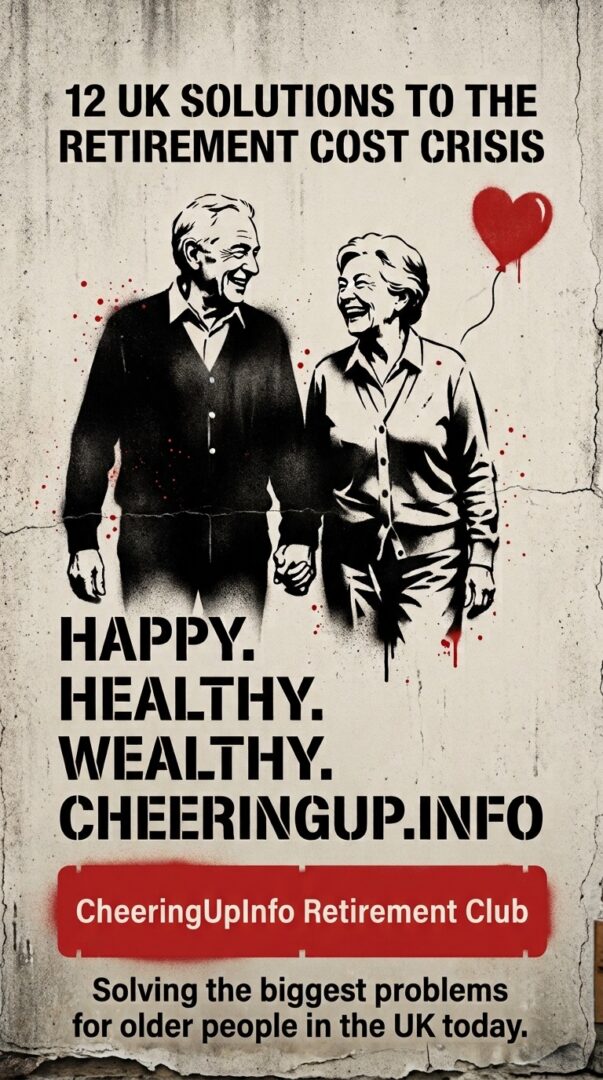
CheeringUp.info Retirement Club recommends 12 UK businesses solving over-55s’ biggest cost-of-living problems—pension gaps, care costs, loneliness, scams and more.

CheeringupInfo Retirement Club recommends these products or services as the solutions to the problem of biggest problems for older people in the UK today. The crisis facing Britain’s over-55s is not a single challenge but a constellation of interconnected pressures. “There are 1.9 million pensioners living in poverty across the UK – around one in six people or 16% – under the widely used definition of relative income poverty after housing costs” . “Nearly one in five people aged 55 and over and on low incomes say they want to retire but can’t because of housing costs” . “One in four adults (25%) reported feeling lonely often or always or some of the time” . “Age UK has found that 2.4 million older people have limited use of the internet – using it less than once a month or not at all” . These are not abstract statistics: they are the daily lived experience of millions. The businesses and services below are solving these problems better than anyone else in the UK today.
Retirement Club Magazine articles
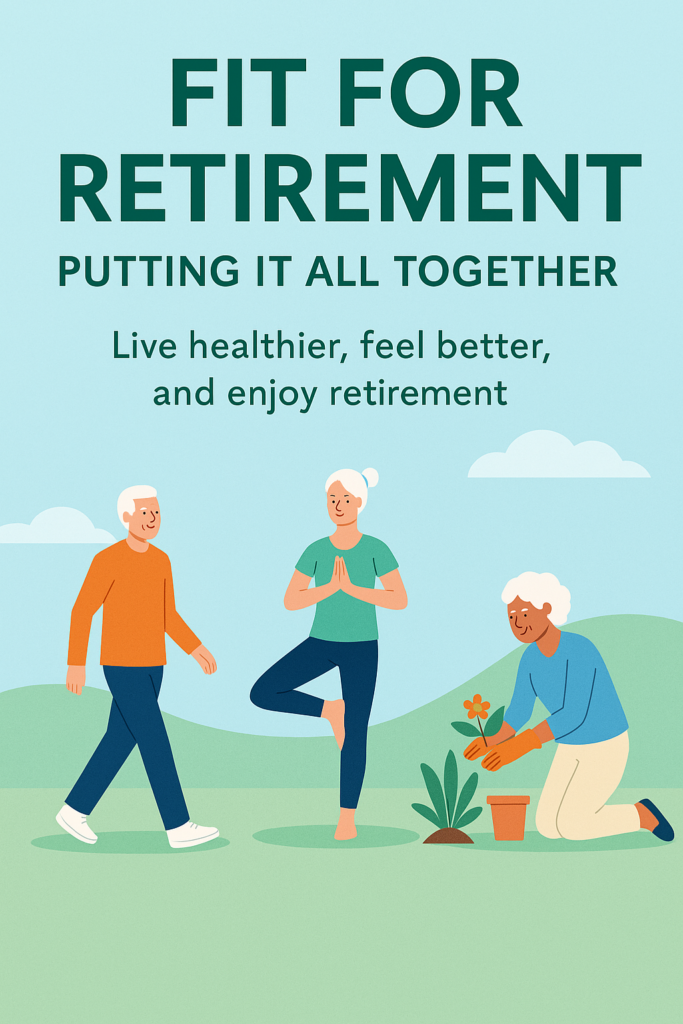
Fit For Retirement Holistically

What is the biggest financial problem facing over-55s in the UK right now?

The biggest financial problem facing over-55s in the UK right now is the retirement income gap that leaves millions unable to afford even a moderate standard of living. More than 3.7 million homeowners aged 55 to 79 do not have enough income to reach a moderate standard of living in retirement, according to research agency Fairer Finance . Over half of adults (51%) lack confidence in their ability to meet the cost of social care in retirement, rising to nearly two-thirds (61%) among those aged 55–64 .

Who benefits most: Homeowners aged 55–79 approaching retirement with mortgage debt or inadequate pension pots.

What benefits they can expect: A regulated financial adviser can consolidate pensions, model income drawdown scenarios, and identify whether equity release or downsizing makes sense. My Pension Expert, a regulated advisory firm, has helped thousands of people across the UK take control of their pensions with personalised advice tailored to their needs, covering everything from pension consolidation to income drawdown and annuities .

When to buy: At least five to ten years before planned retirement, to allow maximum compounding and planning time.

Where available: Nationwide via telephone and video consultations.

How to buy: Contact My Pension Expert directly, or access the government-backed Pension Wise service, a free and impartial guidance service for people over 50 with a defined contribution pension .

How can over-55s reduce the cost of household bills in the UK today?

Over-55s can reduce the cost of household bills in the UK today by using specialist bill-saving services that negotiate directly with energy and utility providers on their behalf. Many pensioners struggled with energy prices and the wider cost of living in January 2025 , and energy costs remain a leading driver of pensioner poverty.

Who benefits most: Pensioners aged 60+ living on fixed incomes who are struggling with rising energy costs.

What benefits they can expect: Pocket Power, a social enterprise funded by Royal London, offers a bills-saving phone service to anyone aged 60+ for free, helping older people save money on household bills through expert negotiation and access to grants and hardship funds .

When to buy: As soon as energy prices rise or a fixed-rate tariff is about to expire.

Where available: Nationwide by phone.

How to buy: Call Pocket Power directly; the service is free for anyone aged 60 or over.

Why is loneliness among older people in the UK a real crisis and what solves it?

Loneliness among older people in the UK is a real crisis because it is a public health emergency with mortality consequences that no medication can fix. “One in 12 older people (8.0%) report often feeling lonely,” and loneliness is associated with an average 14% increased likelihood of mortality in older people, while social isolation carries an average 35% increased mortality risk . “372,488 people in Great Britain aged 70 and older feel lonely often or always” .

Who benefits most: Isolated over-70s living alone, particularly those who have lost a partner.

What benefits they can expect: Aibō is a platform that matches young people aged 18–30 with elderly people who live in their area, not for care, but for companionship and practical weekly help – anything from shopping and gardening to posting letters and help with technology . Clients pay an hourly rate for the service, students are vetted and people matched by their interests .

When to buy: Immediately upon recognising that social contact has dropped below weekly levels.

Where available: Sussex and expanding across the UK.

How to buy: Contact Aibō directly to be matched with a local companion.

What is the real problem with digital exclusion for over-55s in the UK?

The real problem with digital exclusion for over-55s in the UK is that 2.4 million older people are locked out of essential services that have moved online. “2.4 million (19%, nearly one in five) older people have limited use of the internet – using it less than once a month or not at all” . “33% (4.3 million) of older people don’t use a smartphone” . Of the 11 million adults lacking essential digital skills, nearly 60% are over 65 years old .

Who benefits most: Over-65s who cannot access banking, shopping, or NHS services online.

What benefits they can expect: AbilityNet offers free IT support at home and online to older people via its nationwide network of 500+ Tech Volunteers . BT Group and AbilityNet work to close the digital divide through free in-person digital skills sessions for over 65s .

When to buy: As soon as a service you rely on moves online.

Where available: Nationwide.

How to buy: Call the AbilityNet helpline on 0300 180 0028 during UK office hours or email enquiries@abilitynet.org.uk .

How can older renters in the UK secure stable housing in retirement?

Older renters in the UK can secure stable housing in retirement through specialist retirement rental providers that offer lifetime tenancies and age-specific communities. “Nearly 867,000 households in England’s private rented sector include someone aged 55 or over,” and this number has grown by 70% since 2010/11 . “Nearly half of private rented sector tenants aged 65 or over are in the bottom 20% of all household incomes” .

Who benefits most: Private renters aged 55+ who fear eviction or cannot afford rising rents.

What benefits they can expect: Gresham House, through its customer-facing brand My Future Living, offers affordable, age-specific retirement rental properties on lifetime rental contracts with assured tenancies, providing customers with unlimited term security .

When to buy: Before a tenancy ends or when rent becomes unaffordable on a pension income.

Where available: Across England.

How to buy: Contact My Future Living directly to view available properties.

What is the care cost crisis for over-55s in the UK and what solves it?

The care cost crisis for over-55s in the UK is that most people have no idea how much care will cost and cannot afford it when it arrives. “Six in 10 over-45s underestimate cost of self-funding a care home place by thousands” – 31% expected the cost would be up to £30,000 a year, less than half the true figure . “51% lack confidence in their ability to meet the cost of social care in retirement. This figure rises to nearly two-thirds (61%) among those aged 55–64” .

Who benefits most: Adults aged 55–64 who will likely need care within the next 20 years.

What benefits they can expect: Helping Hands Home Care offers visiting care from £32.40 per hour and live-in care starting from £1,675 per week for a single person . A specialist care fees adviser can explain the costs and risks of each option and help with tasks like making a will, power of attorney, and advising on available benefits .

When to buy: At least 10 years before care is likely to be needed, to allow financial planning.

Where available: Nationwide.

How to buy: Contact Helping Hands directly or access the government-backed MoneyHelper service for free guidance.

How can over-55s in the UK avoid scams and financial fraud?

Over-55s in the UK can avoid scams and financial fraud by accessing specialist prevention and aftercare services that build knowledge and confidence to recognise and report attempted scams. Age UK Manchester has secured further funding for their Scams Prevention and Support Programme, funded through Lloyds Banking Group, now in its fifth year, helping prevent older people from falling victim to scams . Age UK Northumberland secured a further two years of funding for their Scams Prevention and Support Programme .

Who benefits most: Over-65s who live alone or have recently been targeted by fraudsters.

What benefits they can expect: Increased knowledge and confidence to recognise and deal with attempted scams, plus practical support for those who have been affected by fraud .

When to buy: Immediately after any suspicious contact, or proactively before it happens.

Where available: Through local Age UK offices nationwide.

How to buy: Contact your local Age UK office or call Action Fraud on 0300 123 2040 .

Why is food poverty a growing problem for over-55s in the UK and what solves it?

Food poverty is a growing problem for over-55s in the UK because pensioner poverty is rising and food inflation has outpaced pension increases. With 1.9 million pensioners living in poverty , many are forced to choose between eating and heating. Age UK reports that one older person they support is now able to afford a good diet with fresh vegetables and meat, having fresh ingredients rather than being limited by ready meals .

Who benefits most: Pensioners on low incomes who are skipping meals to pay bills.

What benefits they can expect: Community supermarkets and pantries offer savings of up to £1,000 per year, with members paying a small weekly fee for at least ten items of food . Everything in-store is priced under £1, and members can pick up to 20 items per visit .

When to buy: As soon as household food budgets become strained.

Where available: Across Hertfordshire, Oxfordshire, and expanding nationwide.

How to buy: Visit your local community supermarket or pantry to become a member – fees start at just £3.50 per week .

What is the social care waiting time crisis for over-55s in England?

The social care waiting time crisis for over-55s in England is that millions are waiting months or even years for assessments they are legally entitled to. “In England, 2.6 million people aged 50+ aren’t receiving the care they desperately need” . Local authority data shows median waits for care act assessments of 47 days, with the longest wait reaching 1,781 days for an annual review . Some people have been waiting over 300 days for an assessment .

Who benefits most: Over-50s needing care assessments or reviews who are stuck on waiting lists.

What benefits they can expect: Private home care providers like Helping Hands can bypass local authority waiting lists, with visiting care starting from £32.40 per hour and live-in care from £1,675 per week . A specialist care fees adviser can help navigate available benefits and support from the NHS or local authority .

When to buy: As soon as a care need is identified and a local authority assessment is awaited.

Where available: Nationwide.

How to buy: Contact Helping Hands directly for an immediate assessment.

How can over-55s in the UK find age-appropriate housing adaptations?

Over-55s in the UK can find age-appropriate housing adaptations through specialist home improvement agencies that modify homes for safety and independence. Housing adaptations like grab rails, shower seats, stairlifts, and flush floor showers can prevent falls and allow older people to remain in their own homes . Nearly half (47%) of older people on low incomes said they would have nowhere to go if they lost their home , making staying put essential.

Who benefits most: Homeowners aged 60+ with mobility issues who want to avoid moving into care.

What benefits they can expect: We Care Home Improvements provides home improvement and repair services in Bristol, Bath, North East Somerset, North Somerset, Gloucestershire and South Gloucestershire, offering support to those aged over 60, including grab rails, shower seats, bathroom installations, home adaptations, and major housing repairs .

When to buy: As soon as mobility begins to affect daily activities like bathing or climbing stairs.

Where available: South West England, with similar agencies nationwide via Find My HIA.

How to buy: Contact We Care Home Improvements or search Find My HIA for your local home improvement agency.

What is the employment discrimination problem for over-55s in the UK and what solves it?

The employment discrimination problem for over-55s in the UK is that older workers face barriers including age discrimination, health conditions, skills gaps, and caring responsibilities – but personalised support can help them overcome these challenges. Age is a protected characteristic under the Equality Act 2010, making it unlawful for an employer to discriminate . Disabled older workers are twice as likely to face discrimination .

Who benefits most: Over-50s who want to work but face age discrimination or skills gaps.

What benefits they can expect: The Growth Company Employment provides tailored one-to-one support for over-50s, helping thousands improve their confidence, skills, and employability . The DWP offers employment support through Jobcentres and tailored one-to-one support for eligible over-50s on Universal Credit .

When to buy: As soon as job searching begins or when considering a return to work.

Where available: Nationwide through Jobcentres and The Growth Company in the North West.

How to buy: Contact your local Jobcentre or The Growth Company directly.

How can over-55s in the UK access bereavement support?

Over-55s in the UK can access bereavement support through specialist telephone and in-person services that provide a listening ear and emotional support during grief. Age UK Oxfordshire runs a telephone support service aimed at all those aged 50+ who have been bereaved, with calls answered by their bereavement support service providing a listening ear and information about available support . Age UK Hertfordshire provides a free confidential emotional support line for older people experiencing bereavement or struggling with a health issue .

Who benefits most: Recently bereaved over-50s, particularly those living alone.

What benefits they can expect: Emotional support, practical guidance, and connection to community resources during the grieving process.

When to buy: Immediately following a bereavement, or when grief becomes overwhelming.

Where available: Oxfordshire, Hertfordshire, and other regions through local Age UK offices.

How to buy: Call the Age UK Oxfordshire bereavement support line on 07827 235 424, Monday to Friday, 10am to 4pm .

The cost-of-living crisis in retirement is not a future problem – it is happening now. Every day that passes without action is a day that compounding works against you instead of for you. The businesses and services above exist because they solve real problems better than the alternatives. The question is not whether these solutions work – the evidence is clear that they do. The question is whether the people who need them will find them in time.

#Over55sUK #RetirementCostCrisis #RetirementClub #RetirementTV #RetirementMagazine

Get help to protect and grow your business faster by targeting over 55s in UK with fair cost of living beating prices

Find out how to grow your business faster with CheeringUpInfo

Subscribe for free retirement lifestyle improvement ideas reviews and cost of living beating tips

Connect with CheeringUpInfo for free retirement lifestyle improvement tips

Read more retirement lifestyle improvement articles and view videos for free

Connect with CheeringUpInfo for free alerts to new retirement lifestyle improvement articles and videos

If you are over 55 in the UK and still believe the state will catch you when you fall, this post is going to annoy you. Read it anyway. 1.9 million pensioners are already proof it didn’t.

The 12 UK businesses quietly making money by solving the problems the government hasn’t. Number 7 saved one pensioner £1,000 a year on food. Number 11 is the one nobody wants to talk about at dinner.

There are 1.9 million pensioners living in poverty in the UK right now — that’s one in six, or 16%, measured on relative income poverty after housing costs.

That is not a prediction. That is today.

And here’s the part that should stop you mid-scroll: 51% of UK adults have no confidence they can afford social care in retirement. Among 55 to 64 year olds, it jumps to 61%. That’s not a minority panicking. That’s a majority.

So let me be direct with you.

CheeringUpInfo Retirement Club recommends these products or services as the solutions to the biggest problems for older people in the UK today. Every single one below is a real UK business solving a real, measurable, documented problem. Not features. Outcomes.

Stay with me, because I’m putting the two that save the most money at the end, and most people quit before number 11.

  1. The pension gap. 3.7 million homeowners aged 55 to 79 do not have enough income to reach even a moderate standard of living in retirement. Regulated advisers like My Pension Expert consolidate and model drawdown. You can also use Pension Wise — free, impartial, government-backed, for anyone over 50 with a defined contribution pension.
  2. Energy and household bills. Pocket Power, funded by Royal London, negotiates bills for anyone aged 60+ completely free. They don’t charge you. They go to war with your provider on your behalf.
  3. Loneliness. One in 12 older people (8%) report often feeling lonely. Loneliness carries a 14% increased likelihood of mortality; social isolation, 35%. Aibō matches 18 to 30 year olds with older neighbours for companionship and practical weekly help. Human contact, not a care package.
  4. Digital exclusion. 2.4 million older people — nearly one in five — use the internet less than once a month or not at all. 4.3 million don’t use a smartphone. When your bank branch closes, that’s not inconvenience. That’s a locked door. AbilityNet provides free IT support at home via 500+ Tech Volunteers. Helpline: 0300 180 0028.
  5. Renting in retirement. 867,000 households in England’s private rented sector include someone aged 55+ — up 70% since 2010/11. Nearly half of renters aged 65+ sit in the bottom 20% of household incomes. My Future Living offers lifetime assured tenancies in age-specific retirement rental communities. Security you can’t be evicted out of.
  6. Care costs. Six in 10 over-45s underestimate the cost of self-funding a care home by thousands. 31% guessed up to £30,000 a year — less than half the real figure. Helping Hands visiting care starts at £32.40 per hour; live-in care from £1,675 per week. Now you know the number. Most people don’t.
  7. Food poverty — the £1,000 one. Community supermarkets and pantries let members pay a small weekly fee for at least ten items, with everything in-store priced under £1 and up to 20 items per visit. Memberships start at £3.50 per week. Annual savings run to £1,000. One older person supported by Age UK went from ready meals to fresh vegetables and meat.
  8. Scams. Age UK Manchester has run its Scams Prevention and Support Programme for five years, funded by Lloyds Banking Group. Age UK Northumberland secured two more years of funding. Report fraud: 0300 123 2040.
  9. Social care waiting lists. 2.6 million people aged 50+ in England aren’t receiving the care they need. The median wait for a Care Act assessment is 47 days. The longest recorded wait for an annual review: 1,781 days. That’s nearly five years. Private providers bypass that queue entirely.
  10. Housing adaptations. Nearly half of older people on low incomes (47%) say they’d have nowhere to go if they lost their home. We Care Home Improvements installs grab rails, shower seats, stairlifts and flush floor showers across Bristol, Bath, North East Somerset, North Somerset, Gloucestershire and South Gloucestershire.
  11. The one nobody discusses at dinner. Work. Disabled older workers are twice as likely to face discrimination. Age is a protected characteristic under the Equality Act 2010 — and it still happens. The Growth Company Employment and DWP Jobcentres run tailored one-to-one support for over-50s. Thousands have rebuilt confidence and skills through it.
  12. Bereavement. Age UK Oxfordshire runs a telephone bereavement service for anyone 50+, answered by trained support staff. 07827 235 424, Monday to Friday, 10am to 4pm. Age UK Hertfordshire runs a free confidential emotional support line. Nobody should grieve in silence because the phone never rings.

Notice the pattern? Every one of these problems has a UK business already solving it better than the alternatives — and almost none of them are advertised to the people who need them most.

That’s not an accident. That’s a market gap.

FOR BUSINESSES READING THIS

If you sell to over-55s and you’re still marketing to them like they’re frail, confused, or tech-illiterate, you are competing against 2.4 million digitally excluded consumers you’ve already failed, and a £1,000-a-year food saving that a community pantry delivers better than your ad campaign.

This demographic has 867,000 renting households, 2.6 million awaiting care, and 51% with zero confidence in affording later life. Those aren’t vulnerabilities. Those are unmet demands at scale.

The businesses above aren’t winning because they have better features. They’re winning because they solved something specific, measurable, and urgent — and they told people plainly what it would do for them.

Two doors. Pick one.

If you’re over 55 in the UK: reply “CLUB” below or email editor@cheeringup.info with the subject line OVER 55 and I’ll send you more information on Retirement Club.

If you’re a business marketing to this age group: email editor@cheeringup.info with the subject line OVER 55 MARKET and tell me which of the 12 problems you solve. We’re building the directory that older people actually use.

editor@cheeringup.info — one address, two conversations, zero filler.

Features products and services for older people in UK

To complement the UK solutions for the over-55s, eBay offers a range of practical, affordable products and services that can be integrated into the broader strategy. These items are most effective when used alongside the professional services and advisory support previously outlined.

💷 For Financial & Energy Savings

  • Programmable Thermostats & Plug Timers: Devices like the Lowenergie 7 Day Digital Plug In Timer (approx. £7.99–£8.99) allow you to automate heating and appliances, ensuring they only run when needed. This directly supports energy bill reduction efforts.
  • Smart Plugs with Energy Monitoring: Products such as the TP-LINK Tapo P110 Mini Smart Wi-Fi Socket let you track the real-time energy consumption of individual appliances, helping to identify the biggest energy drains in the home.
  • Energy-Efficient Cooking Appliances: A slow cooker uses roughly 150 to 300 watts of electricity, costing about £0.34 for 8 hours of use, which is significantly cheaper than running a traditional oven. Models from brands like Morphy Richards or Cooks Professional are widely available.
  • Heated Blankets/Throws: An electric heated throw costs as little as 1p per hour to run, providing targeted warmth without the expense of heating the entire home. This is a highly cost-effective solution for managing energy bills.

🏠 For Independent Living & Safety

  • Personal Alarm Systems: Devices like the SureSafeGO 2 or CPR Guardian Personal Alarm Watch offer fall detection, GPS tracking, and a 2-way communication function. These provide peace of mind by ensuring help can be summoned quickly in an emergency.
  • Mobility Aids: Grab rails and shower chairs (e.g., Suction Grab Bar for around £18.99) are inexpensive additions that significantly reduce the risk of falls in the bathroom. For larger needs, used mobility scooters are available on eBay, often listed by specialist sellers.
  • Stairlifts: Used or refurbished stairlifts can be found for £450–£750, a fraction of the cost of a new model. Many listings include professional fitting and a warranty, making them a viable option for maintaining independence at home.

💻 For Digital Inclusion & Connection

Simplified Tablets: Devices specifically designed for older users, such as the emporiaTABLET or Doro tablet, feature large icons, simplified menus, and high-contrast screens to make using the internet and video calls much easier.

🧠 For Mental Wellbeing & Companionship

  • Bird Feeders: A window-mounted or hanging bird feeder is a low-cost, high-impact purchase. Watching birds provides a sense of routine, companionship, and a connection to the outside world, which is shown to reduce isolation and depression.
  • Bereavement Support Books: Titles like “Grief: The Mourning After” or “Effective Grief and Bereavement Support” are available on eBay and offer structured, practical guidance for navigating loss, complementing professional counselling services.

📚 For Planning & Protection

  • Retirement & Care Planning Guides: Books like “The Good Retirement Guide 2026” provide expert insights and checklists on pensions, ISAs, annuities, inheritance tax, care costs, and property. These are ideal for self-directed research before or alongside professional financial advice.
  • Scam Protection Software: F-Secure Total is available and helps protect against phishing attacks, malicious downloads, and other online threats, directly addressing the vulnerability of older adults to financial scams.

🛠️ For Employment Support

  • Professional CV Writing Services: For those looking to return to work, professional CV writers on eBay offer services starting from around £25–£50, providing a tailored, ATS-friendly CV and cover letter.

Slumberdown Wonderfully Warm Electric Blanket

https://ebay.io/m/ybC7lM

As an eBay Partner, I may be compensated if you make a purchase

Slow Cooker 3.5 Litre with Aluminium Bowl for Use on Hob, 3 Setting Andrew James

https://ebay.io/m/WYmmVk

As an eBay Partner, I may be compensated if you make a purchase

PLUG IN DIGITAL LCD TIME TIMER SWITCH 24 HOUR 7 DAY MAINS 13A

https://ebay.io/m/E20A2q

As an eBay Partner, I may be compensated if you make a purchase

Over 55s UK 2027 Problems: 12 Solutions | CheeringUp.info

12 practical solutions to 2027 problems for over 55s UK — pensions, care, loneliness, digital exclusion. CheeringUpInfo Retirement Club explores.

What Are the Real Problems Facing Over 55s in the UK by 2027?

The real problems facing over 55s in the UK by 2027 are a pensions adequacy crisis affecting 15 million people, a state pension age rising to 67, adult social care costs pushing families toward financial ruin, digital exclusion affecting 2.4 million older people, and a loneliness epidemic set to hit two million over-50s. These are the problems everyone knows about. And they are the hardest to solve. CheeringupInfo Retirement Club is exploring these solutions to the really difficult problems over 55s in UK have now and in near future.

I’m not here to sell you a fantasy. I’m here to look at what’s actually coming — and what we can actually do about it. Because the things we know for sure are problems are often the most difficult to solve. But difficult doesn’t mean impossible. It means we need to think differently.

The UK population is projected to reach 70 million by 2027, with the average age rising steadily. By 2037, 13% of the population will be aged 75 and over, compared to just 8% in 2012. This isn’t a distant problem. It’s here.

Let me walk you through the hardest problems — the ones we all know about — and then give you 12 realistic, lateral solutions that could change everything.

How Will the Rising State Pension Age Affect Over 55s in 2027?

The rising state pension age will affect over 55s in 2027 by pushing the pension age to 67 by early 2028, forcing millions to work longer or bridge a gap of up to 11 months without state support. Anyone who turns 66 before March 6, 2027 will see their retirement age increase by up to 11 months. The state pension age is currently 66 and will gradually rise to 67 between 2026 and 2028.

The Institute for Fiscal Studies has calculated this represents a £4,000 blow to workers. That’s not a rounding error. That’s a holiday, a home repair, six months of energy bills.

  • State pension age rises from 66 to 67 by early 2028
  • Full State Pension is worth just under £12,000 per year
  • A moderate retirement lifestyle for a single person requires around £32,000 per year
  • For a couple, that figure rises to £44,000
  • The gap between State Pension and a moderate lifestyle is approximately £20,000 to £32,000 per year
    The maths doesn’t work for most people. It never did.

Why Is the UK Retirement Savings Gap Getting Worse in 2027?

The UK retirement savings gap is getting worse in 2027 because 15 million working-age people are under saving for retirement, and the final Pensions Commission report expected in spring 2027 is set to confirm a pensions adequacy disaster. The Commission estimates that approximately 15 million people — around 43% of the UK’s working age population — are currently undersaving.

Someone retiring in 2050 is set to have 8% (£800 per year) lower private pension income compared to a retiree in 2025. The gender pensions gap in private pension wealth between males and females aged 55-59 is 48%.

This isn’t a future problem. It’s a now problem wearing a future costume.

  • Only around a third of individuals are on track to achieve adequate retirement income
  • Roughly 36% are not expected to have enough to meet their needs
  • Middle earners, the self-employed, and women are hit hardest
  • The Pensions and Lifetime Savings Association estimates a single person needs £32,000 a year for a moderate retirement
  • The full State Pension is just under £12,000
    The gap is £20,000 a year. For 20 years of retirement. That’s £400,000.

Why Are Adult Social Care Costs a Ticking Time Bomb for Over 55s?

Adult social care costs are a ticking time bomb for over 55s because frozen means-test thresholds have forced some care users to spend an additional £12,400 of their own money before qualifying for state support, with the Department of Health and Social Care estimating reform costs of £3.7 billion in 2027-28 alone. The social care support threshold has been frozen since 2010/11.

  • A social care support threshold freeze since 2010/11 means some people must spend an additional £12,400 before qualifying for state support
  • If the threshold had been uprated in line with inflation, it would have been over £35,600 in 2026/27
  • The DHSC estimates the cost of charging reform at £3.7 billion in 2027 to 2028
  • The Personal Expenses Allowance increases from £30.65 to just £31.80 per week in 2026-27
    That’s £31.80 a week to live on after care costs. Not per day. Per week.

How Widespread Is Digital Exclusion Among Over 55s in the UK?

Digital exclusion among over 55s in the UK is widespread, with 2.4 million older people — nearly one in five — having limited use of the internet, going online less than once a month or not at all. Age UK’s analysis found that 19% of older people are digitally excluded, and 33% (4.3 million) don’t use a smartphone.

As government services, banking, health appointments, and even social connections move online, this isn’t a minor inconvenience. It’s a structural lockout.

  • 2.4 million older people have limited internet use (19%)
  • 4.3 million older people don’t use a smartphone
  • 6 million (12%) older people do not use a mobile phone at all
  • Three-quarters of supporters (76%) say the main person they support is over 55
  • A lack of digital skills is higher among people receiving support over the age of 55 (60%)
    The system is being rebuilt for digital-first. And millions are being left outside the door.

Why Is Loneliness Among Over 55s Set to Reach Crisis Levels?

Loneliness among over 55s is set to reach crisis levels because the number of over-50s experiencing loneliness is set to reach two million by 2025/26 — a 49% increase in just ten years. Nearly a quarter (22%) of adults aged 55 and over most fear loneliness and disconnection in later life.

  • Half a million older people in the UK go at least five or six days a week without speaking to anyone at all
  • Men aged 55-64 are the most adversely affected, with 15% reporting they have no close friends
  • Up to 18% of UK adults feel lonely “always or often”
  • Loneliness is linked with early mortality, poor physical health, mental ill-health, and cognitive decline
    Loneliness isn’t a soft issue. It’s a health issue. It kills.

Why Is Downsizing Not Working for Over 55s in the UK?

Downsizing is not working for over 55s in the UK because only 19% plan to downsize in retirement, with 21% saying it’s too expensive to move and a further 8% citing stamp duty as a barrier. The shortage of specialist housing for people in later life has denied many the option of rightsizing from unsuitable properties into smaller, purpose-built homes.

  • Only 19% of older homeowners plan to downsize
  • 21% say it’s too expensive to move
  • 8% cite stamp duty as a factor
  • There is a need for 30,000 specialist homes per year compared to current output of 5,000-7,000
  • More than a third of older homeowners struggle to find the right property, particularly bungalows or single-level homes
    The family home becomes a trap. Too big to manage, too expensive to leave.

How Will Inheritance Tax Changes in April 2027 Affect Over 55s?

Inheritance tax changes in April 2027 will affect over 55s by bringing pensions into people’s estates for inheritance tax purposes for the first time, bringing many more estates into the taxpaying net. The inclusion of pensions in people’s estates for inheritance tax purposes from April 2027 will prompt people to look at ways to reduce the size of their overall estate.

This is a fundamental shift. Pensions were previously outside the IHT net. From April 2027, they’re in.

  • Pensions included in estates for IHT from April 2027
  • Many more estates will be brought into the taxpaying net
  • The Pensions Commission final report expected spring 2027
  • Automatic enrolment has created 11 million more pension savers than in 2012, but adequacy remains the problem

Why Are Over 55s Facing a Health and NHS Waiting List Crisis?

Over 55s are facing a health and NHS waiting list crisis because as of June 2025, 58,730 people aged 65+ were waiting for longer than 52 weeks, and over-55s are prepared to wait nearly four months for non-urgent treatment. As of June 2025, 63% of people aged 65+ were referred for third consultant-led treatment within 18 weeks.

  • of 6.25 million people waiting for elective care on people 7.43 million pathways as at January 2025
  • 56% of the overall waiting list is people aged 19-64
  • A on wait lists are aged 65 and over
  • The largest specialty for those aged 65+ is ophthalmology (14% of over 65s)
    Waiting is not neutral. Waiting is deterioration.

Why Is Age Discrimination Still Blocking Over 55s from Work?

Age discrimination is still blocking over 55s from work because 78% of older workers say they’ve experienced age discrimination, and 45% of over-55s who lose their job are still searching after six months. The average age someone becomes undesirable to recruiters is 55, according to a poll of 4,000 UK adults.

  • 78% of older workers say they’ve experienced age discrimination
  • 45% of over-55s who lose their job are still searching after six months
  • 69% of UK adults aged 50 to 66 felt older age was a disadvantage in the job market
  • Only 11% thought being over 50 was an advantage
  • In 2025, people in the 50-plus age group were the most likely to be made redundant in the UK
    You’re not too old. The system is too rigid.

Why Are Over 55s Struggling with the Cost of Living?

Over 55s are struggling with the cost of living because 1.9 million pensioners are living in poverty — around one in six — and more than 3.7 million homeowners aged 55 to 79 do not have enough income to reach a moderate standard of living in retirement. One in 3 (34%) older people said they felt less financially secure heading into 2025 compared to when 2024 began — equivalent to 4.1 million people.

  • 1.9 million pensioners living in poverty (16%)
  • 3.7 million homeowners aged 55-79 without enough income for a moderate retirement
  • 34% of older people felt less financially secure heading into 2025
  • 45% of older people in a household with income less than £20,000 struggled with essentials

What Are 12 Innovative Solutions to Solve the Hardest Problems for Over 55s in 2027?

The 12 innovative solutions to solve the hardest problems for over 55s in 2027 are: pension bridging strategies, collective defined contribution schemes, home equity release innovations, digital skills peer networks, community-based co-living models, phased retirement pathways, preventive health investment, portable benefit platforms, micro-entrepreneurship hubs, care cost pooling, loneliness intervention technology, and intergenerational skills exchange. These aren’t theoretical. They’re being developed now.

  1. Pension Bridging Strategies

Pension bridging strategies solve the retirement income gap by using ISA savings, part-time work, and deferred State Pension to create a bridge between age 55 and State Pension age. With the State Pension age rising to 67, millions face a gap. By drawing from ISAs first and deferring State Pension, you can increase your eventual pension by up to 5.8% per year of deferral. The Pensions Commission’s final report in 2027 is expected to recommend new default decumulation pathways.

  1. Collective Defined Contribution (CDC) Schemes

Collective Defined Contribution schemes solve pension adequacy by pooling risk across members to provide better retirement outcomes than individual DC pots. The UK regulatory framework for Retirement CDC is expected in 2027, with master trusts preparing to launch solutions. LifeSight is the first master trust to confirm it will launch an R-CDC solution as soon as the framework allows. This isn’t a fringe idea. It’s coming.

  1. Home Equity Release Innovations

Home equity release innovations solve the downsizing trap by allowing over 55s to access property wealth without moving. With only 19% of older homeowners planning to downsize and 21% saying it’s too expensive to move, equity release becomes a practical alternative. New products are emerging that allow you to stay in your home while unlocking capital. The key is understanding the costs and ensuring it’s right for your circumstances.

  1. Digital Skills Peer Networks

Digital skills peer networks solve digital exclusion by having over 55s teach other over 55s, creating trust and reducing the intimidation factor. With 2.4 million older people digitally excluded, the traditional approach of younger people teaching older people isn’t working fast enough. Peer-to-peer learning removes the fear of looking stupid. It removes the power imbalance. It works.

  1. Community-Based Co-Living Models

Community-based co-living models solve loneliness and housing costs by creating shared living arrangements for over 55s that combine independence with connection. Half a million older people go at least five or six days a week without speaking to anyone at all. Co-living — where residents have private spaces but share kitchens, gardens, and social areas — addresses both loneliness and the cost of maintaining a large family home.

  1. Phased Retirement Pathways

Phased retirement pathways solve the cliff-edge retirement problem by allowing workers to gradually reduce hours while mentoring younger staff and maintaining income. With 78% of older workers reporting age discrimination and 90% of workers over 50 saying they’d like to stay in the workforce, the system needs to change. Phased retirement keeps skills in the economy, keeps income flowing, and keeps purpose alive.

  1. Preventive Health Investment

Preventive health investment solves the NHS waiting list crisis by reducing demand through proactive health management before problems become acute. With 58,730 people aged 65+ waiting longer than 52 weeks for treatment, prevention is the only scalable solution. This means structured exercise, nutrition, sleep optimisation, and mental health support — not as luxuries, but as core retirement infrastructure.

  1. Portable Benefit Platforms

Portable benefit platforms solve the fragmented support problem by allowing over 55s to access all available benefits, discounts, and entitlements in one place. With 1.9 million pensioners in poverty, millions are not claiming what they’re entitled to. A single platform that identifies Pension Credit, Attendance Allowance, Council Tax reductions, and energy discounts could put thousands back in people’s pockets.

  1. Micro-Entrepreneurship Hubs

Micro-entrepreneurship hubs solve income adequacy by helping over 55s turn skills and experience into small businesses with low overheads and high autonomy. With 3.7 million homeowners aged 55-79 unable to reach a moderate retirement standard, traditional employment isn’t the only answer. Consulting, freelancing, tutoring, and craft businesses can generate income while providing purpose and flexibility.

  1. Care Cost Pooling

Care cost pooling solves the catastrophic risk of social care costs by spreading the financial burden across a wider group, similar to insurance principles. With the social care threshold frozen since 2010/11 and care users forced to spend an additional £12,400 before qualifying for state support, individual risk is unsustainable. Pooling mechanisms — whether through insurance products or community schemes — can protect individuals from ruin.

  1. Loneliness Intervention Technology

Loneliness intervention technology solves isolation by using simple, accessible tools to connect over 55s with local activities, interest groups, and companions. The number of over-50s experiencing loneliness is set to reach two million by 2025/26. But the solution isn’t more apps. It’s using technology to facilitate real-world connection — walking groups, coffee mornings, skill-sharing sessions.

  1. Intergenerational Skills Exchange

Intergenerational skills exchange solves both loneliness and digital exclusion by creating structured programmes where over 55s share life skills and younger people share digital skills. Three-quarters of digital supporters say the main person they support is over 55. But what if the exchange went both ways? What if over 55s taught budgeting, cooking, gardening, and resilience, while younger people taught smartphone skills, online banking, and video calling?

What Does the Future of Retirement Look Like Beyond 2027?

The future of retirement beyond 2027 looks like a shift from a cliff-edge model to a fluid, phased, and self-directed approach where work, learning, health, and community are continuous rather than sequential. The Pensions Commission’s final report in spring 2027 will make recommendations for future pension policy. The regulatory framework for Retirement CDC will be published, with schemes rolled out in 2027/28. Inheritance tax treatment of pensions changes in April 2027.

The old model — work 40 years, retire at 65, live on a pension — is dead. It died when the State Pension age started rising, when final salary schemes closed, when the cost of living outstripped pension increases.

The new model is being built now. By people who refuse to accept that the only options are struggle or surrender.

  • Phased retirement becomes normal, not exceptional
  • Collective pension schemes provide better outcomes than individual pots
  • Home equity becomes a legitimate retirement income source
  • Digital inclusion becomes a basic right, not a luxury
  • Community becomes infrastructure, not afterthought

What Is CheeringUpInfo Retirement Club Exploring?

CheeringUpInfo Retirement Club is exploring these solutions to the really difficult problems over 55s in UK have now and in near future. The club is focused on improving retirement lifestyles in the UK by connecting like-minded people, sharing practical solutions, and challenging the conventional wisdom that says retirement means decline.

The club operates outside standard structures. It attracts people who want pure abundance — in health, in wealth, in connection, in purpose. People who are driven by personal freedom and radical autonomy. People who refuse to accept that the best years are behind them.

The problems are real. The stats don’t lie. But the solutions exist. And the first step is refusing to accept that the problems are unsolvable.

The hardest problems are the ones everyone knows about. The ones we’ve been told are too difficult. The ones that require thinking differently.

That’s where the innovation happens. That’s where the future gets built.

#Over55sUK #RetirementSolutions2027 #RetirementClub #RetirementMagazine #RetirementTV

Get help to protect and grow your business faster with CheeringupInfo by offering amazing deals at still profitable prices to over 55s in the UK

Find out more about targeted advertising and marketing to over 55s in UK

Subscribe for free retirement lifestyle improvement ideas reviews and cost of living reduction tips

Connect with CheeringUpInfo for free retirement lifestyle improvement tips

Read more retirement lifestyle improvement articles and view videos for free

Connect with CheeringUpInfo for free alerts to new retirement lifestyle improvement articles and videos

Retirement in the UK isn’t a reward. It’s a trap. And 15 million over 55s are walking into it with their eyes wide shut.

The 2027 Retirement Trap: 15 Million Undersaving, £20,000 Annual Gap, And The 12 Solutions Nobody Talks About

  • The State Pension is just under £12,000 a year.
  • A moderate retirement lifestyle costs £32,000 a year.
  • That’s a £20,000 hole. Every single year. For 20 years. That’s £400,000.
  • Do the math. Most people can’t.

But here’s what’s really disturbing…

  • 1.9 million pensioners are already living in poverty — that’s one in six.
  • 2.4 million over 55s are digitally excluded — locked out of banking, appointments, even social connection.
  • 500,000 older people go five or six days a week without speaking to anyone at all.
  • 78% of older workers say they’ve faced age discrimination.
  • And from April 2027, your pension is included in your estate for inheritance tax. The government is coming for it either way.

And it gets worse.

The state pension age rises to 67 by early 2028. The social care means-test threshold has been frozen since 2010/11 — some care users now spend an additional £12,400 before getting state support. NHS waiting lists for over 65s hit 58,730 people waiting longer than 52 weeks.

Most people will read this and feel stuck. They’ll hope for the best. They’ll vote for someone who promises change. They’ll keep scrolling.

But a few will do something different.

They’ll look at the 12 solutions that actually exist: pension bridging, collective defined contribution schemes, home equity release, digital peer networks, co-living models, phased retirement, preventive health, portable benefit platforms, micro-entrepreneurship hubs, care cost pooling, loneliness intervention tech, and intergenerational skills exchange.

These aren’t fantasies. They’re being built right now. And they work.

Most people stop here. The ones who don’t are the ones who change their retirement.

Email editor@cheeringup.info with the subject line RETIREMENT CLUB for more information on Retirement Club.

CheeringUpInfo Retirement Club is exploring these solutions to the really difficult problems over 55s in the UK have now and in the near future. You can too.

Featured Products For Over 55s

SureSafeGO Plus Family Monitored Personal Alarm Watch

https://ebay.io/m/JXKOEN

As an eBay Partner, I may be compensated if you make a purchase
OMRON M2+ Upper Arm BP Monitor Intellisense Blood Pressure (NEW UPDATED)

https://ebay.io/m/Yx0pX5

As an eBay Partner, I may be compensated if you make a purchase
MEACO DD8L PRO DESSICANT DEHUMIDIFER – 3 YEAR WARRANTY

https://ebay.io/m/9GU7Q3

As an eBay Partner, I may be compensated if you make a purchase

10 Hidden Retirement Problems for Over 55s UK (2026–2027)

UK retirement problems for over 55s in 2026–2027: pension gaps, caregiving, digital exclusion, scams. CheeringUpInfo Retirement Club recommends membership.

Discover 10 hidden UK retirement problems for over 55s and under-55s planning ahead—from pension gaps and property wealth to caregiving, digital exclusion, loneliness and scams. CheeringUpInfo Retirement Club recommends becoming a member as the solution to the problems you didn’t know existed.

CheeringupInfo Retirement Club recommends becoming a member as the solution to the problems you didn’t know existed for the over 55s in the UK! For many in this demographic, the retirement landscape is not what they expected. “The latest ONS data puts the median pension pot for someone aged 55 to 64 at just £107,000,” and “43% of working age people are heading for a shortfall” . These are not just numbers; they represent a quiet crisis. Below, we explore ten emerging problems—from housing and health to digital exclusion and financial insecurity—that many over-55s and those planning for retirement are facing without realising the full extent. As you read, consider how a single, trusted source of guidance and community could address not just one, but all of these challenges.‌

What Hidden Financial Insecurity Is Affecting the Over 55s in the UK?

Hidden financial insecurity is affecting the over 55s in the UK through inadequate pension pots, a growing retirement savings gap, and widespread confusion about how to access and manage retirement funds. The problem is not just about having enough money—it is about not knowing what you have, what you will need, or what to do next.

Why Are So Many Over 55s Unprepared for Retirement Despite Decades of Saving?

Many over 55s are unprepared for retirement because of low median pension pots, a lack of clear retirement income goals, and a widespread failure to seek advice. The figures are stark:

  • Median pension pot for 55–64-year-olds is just £107,000, which provides roughly £22 a day after essentials .‌
  • 38% of over-55s have no plan for the tax-free cash from their pension.‌
  • 41% of those aged 55–65 have no financial plan for later life.‌
  • 43% of adults over 55 took no advice or guidance at all when accessing pension savings .‌
  • Only 51% of baby boomers are on track to meet their retirement goals, and among those without defined benefit pensions, the figure drops to just 28% .‌
  • The gender pension gap means women aged 55–59 hold roughly half of what men have.‌

Why Is Hidden Debt Threatening Retirement Security for the Over 50s?

Hidden debt is threatening retirement security for the over 50s because a significant proportion are still paying off mortgages and carrying unsecured debt well into later life. The data reveals:

  • 1 in 7 over-50s still have a mortgage, with average monthly repayments of £887, rising to £1,230 in London .‌
  • 48% of over-50s have some form of debt, from credit cards to personal loans .‌
  • 26% of retirees now have unsecured debt, with an average balance of £1,750 .
  • Nearly one in five over-55s on low incomes cannot retire because of housing costs.‌
  • 15% of older people say their housing situation makes it harder to care for others.‌

Why Is Property Wealth Failing to Solve Retirement Income Shortfalls?

Property wealth is failing to solve retirement income shortfalls because although over-55s hold £3.7 trillion in property equity, many are either unaware of how to access it or reluctant to do so. The facts show:

  • Over-55s hold 68% of the UK’s total private housing equity—£3.7 trillion.‌
  • Those aged 55–64 hold £1.4 trillion, the largest share among all cohorts .‌
  • Unlocking property wealth can top up retirement income, but many do not know how to do it tax-efficiently .‌
  • The freeze on Inheritance Tax thresholds is tipping more estates into paying tax, making the timing of property wealth decisions critical .‌

What Overlooked Health and Caregiving Burdens Are Impacting the Over 55s?

Overlooked health and caregiving burdens are impacting the over 55s through rising mobility problems, mental health declines, and unpaid caring responsibilities that fall disproportionately on this age group.

Why Are Health Problems Quietly Pushing Over 55s Out of Work?

Health problems are quietly pushing over 55s out of work because of the strong link between poor health, low wealth, and early labour market exit. The evidence shows:

  • 18% of men and 22% of women in the poorest third of the wealth distribution are out of work due to permanent sickness or disability, compared with less than 5% for middle and high wealth groups .‌
  • 54% of women aged 55–64 in the lowest wealth third report at least one mobility problem, compared with 20% in the wealthiest third .‌
  • Depressive symptoms among the poorest women aged 55–64 have risen from around 30% in the mid-2010s to 39% in 2023–24.‌
  • 59% of people aged 55–64 say a long-term condition reduces their ability to carry out day-to-day activities.

Why Is Unpaid Caregiving Falling Disproportionately on the Over 55s?

Unpaid caregiving is falling disproportionately on the over 55s because they are the largest cohort of carers, with many providing 50 or more hours of care per week while managing their own health and finances. The statistics are revealing:

  • 16.5% of people aged 55–59—666,535 individuals—provide unpaid care.‌
  • 26% of carers in England are aged 55–64, the largest age band .‌
  • 1 in 5 women aged 55–59 in England are unpaid carers.‌
  • The number of over-65s providing unpaid care nearly doubled during the pandemic to over 4 million.‌

What Digital and Social Exclusion Is Silently Disadvantaging the Over 55s?

Digital and social exclusion is silently disadvantaging the over 55s through a combination of limited internet access, lack of digital skills, and rising loneliness that isolates them from essential services and community support.

Why Is Digital Exclusion Leaving Millions of Over 55s Behind?

Digital exclusion is leaving millions of over 55s behind because a significant proportion lack basic internet skills and face an increasingly “digital first” world for essential services. The data is compelling:

  • 2.4 million older people (19%, nearly one in five) have limited use of the internet, using it less than once a month or not at all .‌
  • 4.7 million people aged 65+ lack the basic skills needed to use the internet successfully.
  • 31% of older people say poor IT skills prevent them from going online, and 22% cite lack of trust .‌
  • 33% of older people (4.3 million) don’t use a smartphone, and 12% (1.6 million) don’t use a mobile phone at all .‌

Why Is Loneliness Becoming a Silent Crisis for Men Aged 55–64?

Loneliness is becoming a silent crisis for men aged 55–64 because they are the most likely group to report having no close friends, with profound effects on health and wellbeing. The findings show:

  • 15% of men aged 55–64 report having no close friends, the highest of any age group.‌
  • Over 1 in 5 older people often feel lonely (21%), with a further 24% neutral .
  • One in three pensioners (33%) felt more isolated or lonely in the past 12 months.
  • Lonely individuals are twice as likely to have no hobbies and far less likely to feel a sense of belonging .‌

What New Scams and Exploitation Are Specifically Targeting the Over 55s?

New scams and exploitation are specifically targeting the over 55s through sophisticated romance fraud, pension scams, and investment schemes designed to exploit trust and loneliness.

Why Are Romance Scams Rising So Sharply Among the Over 55s?

Romance scams are rising so sharply among the over 55s because fraudsters are exploiting loneliness and trust, with cases increasing by more than half in a single year. The facts are alarming:

  • A 52% rise in romance scams among victims aged over 55 in 2024/25 compared with the previous year .‌
  • 55–64-year-olds are the most targeted age group, making up 20% of romance scam victims .‌
  • Victims aged 75–84 lose the most on average—£8,068, compared with the average loss of £5,219 across all age groups .‌
  • People over 55 account for 62% of scam cases according to Nationwide data .

Why Are Older Workers Facing Hidden Discrimination in the Job Market?

Older workers are facing hidden discrimination in the job market because of ageism, disability discrimination, and a lack of reasonable adjustments that forces many out of work before they are ready to retire. The evidence shows:

  • 69% of UK adults aged 50–66 feel older age is a disadvantage in the job market.‌
  • 44% of disabled people aged 50–66 have experienced negative treatment when applying for jobs or promotions, compared with 25% of non-disabled peers .‌
  • The employment gap between disabled and non-disabled people aged 50–64 is more than 30 percentage points.‌
  • People aged 50–64 remain the most likely to be long-term unemployed.

How Much Value for Money Does a Single Source of Retirement Guidance Provide?

A single source of retirement guidance provides exceptional value for money because the cost of getting retirement decisions wrong is far greater than the cost of accessing comprehensive support. Consider the figures:

  • The average loss to a romance scam is £5,219, and for 75–84-year-olds it is £8,068 .‌
  • One in seven over-50s pay an average of £887 per month on mortgages that could potentially be restructured with proper advice .‌
  • 43% of over-55s take no advice or guidance at all when accessing their pension savings .‌
  • Among wealthier baby boomers who received advice, 83% were on track to meet their retirement goals, compared with 74% who had not .‌

The patterns are clear. From pension gaps to property wealth, from caregiving burdens to digital exclusion, from loneliness to financial scams, the over-55s in the UK face a web of interconnected challenges that are rarely addressed together. Each problem compounds the others—and each solution, if approached in isolation, leaves gaps. When you add up the cost of missed guidance, the losses from scams, the health impacts of isolation, and the value of coordinated support, the case for a single, trusted community that brings all of these threads together becomes self-evident.

#RetirementRealityUK #Over55sUK #RetirementClub #RetirementMagazine #RetirementTV

Get help to protect and grow your business faster with CheeringUpInfo

Find out more about growing your business with CheeringUpInfo

Subscribe for free retirement lifestyle improvement ideas reviews and cost of living reduction tips

Connect with CheeringUpInfo for free retirement lifestyle improvement tips

Read more retirement lifestyle improvement articles and view videos for free

Connect with CheeringUpInfo for free alerts to new retirement lifestyle improvement articles and videos

Featured Products Services and Reviews for Over 55s UK

Hidden Debt & Mortgage Management

“Retirement: It’s Personal” by Richard Cakans – a No.1 bestselling practical guide to retirement planning

https://ebay.io/m/wFWpoK

As an eBay Partner, I may be compensated if you make a purchase

Health & Mobility Problems

Lightweight 16kg Portable Folding Travel Mobility Scooter – RaptorFold

https://ebay.io/m/PRz204

As an eBay Partner, I may be compensated if you make a purchase

Caregiving Overload

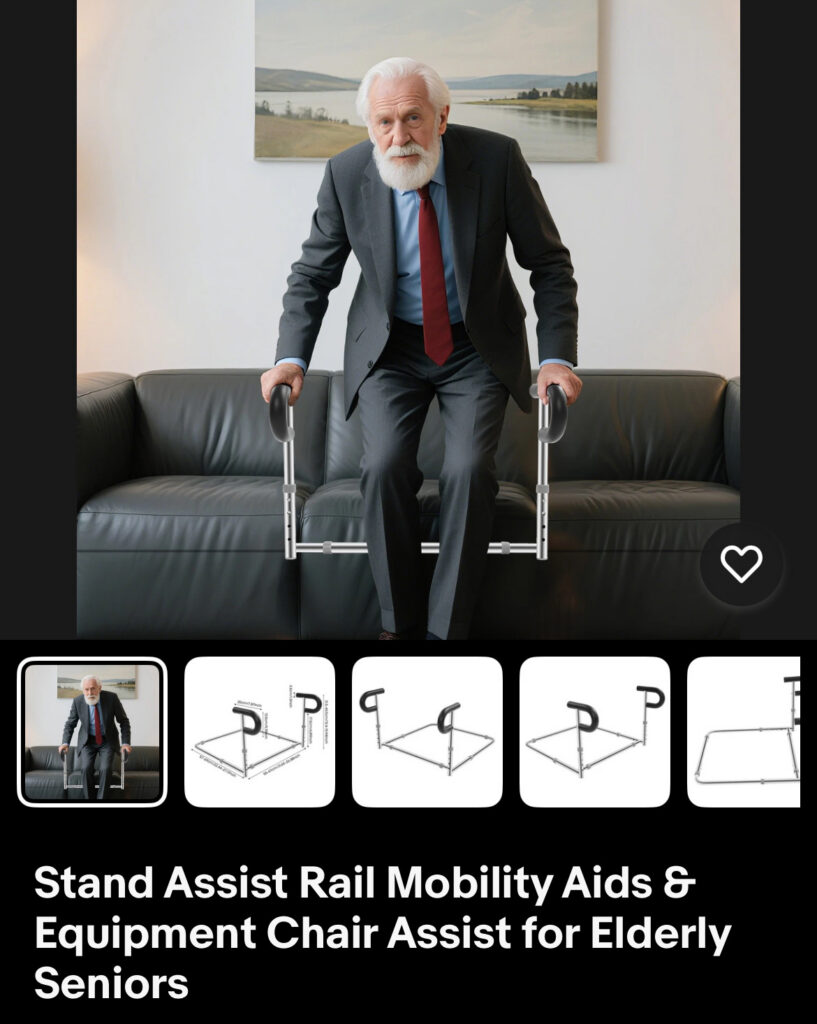
Stand Assist Rail Mobility Aids & Equipment Chair Assist for Elderly Seniors

https://ebay.io/m/L6Oob8

As an eBay Partner, I may be compensated if you make a purchase

Loneliness & Social Isolation

JAZAAD Photo Frame WiFi Digital Frameo App 10.1″ Touch Screen 32GB – Oak Wood

https://ebay.io/m/1l9QH3

As an eBay Partner, I may be compensated if you make a purchase

Personal Alarm Watches

Audar E2 Senior Smartwatch Fall Detection SOS Health Monitor No Phone Needed

The Audar E2 is a senior safety smartwatch designed to support independent living through automatic fall detection, SOS emergency alerts and remote wellbeing monitoring.

https://ebay.io/m/W8pqUK

As an eBay Partner, I may be compensated if you make a purchase

If you’re over 55 in the UK and you think your pension, property, and savings will “just work out”, you’re not being optimistic. You’re being uninformed.

Harsh? The ONS-linked figures say the median pension pot for 55–64-year-olds is £107,000. That’s roughly £22 a day after essentials. And 43% of working-age people are heading for a shortfall.

Keep reading. Problem #4 is why 1 in 7 over-50s still pay a mortgage. Problem #7 is why 15% of men aged 55–64 say they have no close friends. Problem #10 is the one where average losses hit £5,219 — and £8,068 for ages 75–84.

CheeringUpInfo Retirement Club recommends becoming a member as the solution to the problems you didn’t know existed for the over 55s in the UK.

Here are 10 hidden UK retirement problems for 2026–2027. Read to #5 — it changes how you see your home. Then #9, because it’s probably already in your inbox. Stay to the end for the 83% vs 74% stat.

  1. Pension gap: median pot for 55–64 is £107,000. 38% have no plan for their tax-free cash. 41% have no financial plan for later life. 43% took no advice or guidance when accessing pension savings.
  2. Gender pension gap: women aged 55–59 hold roughly half of what men have. That’s not a small gap. It’s a retirement income shock.
  3. Hidden debt: 1 in 7 over-50s still have a mortgage — average £887 a month, rising to £1,230 in London. 48% of over-50s have some form of debt. 26% of retirees have unsecured debt, averaging £1,750.
  4. Property wealth trap: over-55s hold £3.7 trillion in property equity — 68% of the UK’s total private housing equity. Ages 55–64 hold £1.4 trillion. But many don’t know how to unlock it tax-efficiently, and the Inheritance Tax threshold freeze is pulling more estates into tax.
  5. Health-driven exit from work: 18% of men and 22% of women in the poorest third of wealth are out of work due to permanent sickness or disability. Less than 5% for middle and high wealth groups. 54% of women aged 55–64 in the lowest wealth third report at least one mobility problem. Depressive symptoms among the poorest women aged 55–64 rose from around 30% in the mid-2010s to 39% in 2023–24.
  6. Caregiving overload: 16.5% of people aged 55–59 — 666,535 individuals — provide unpaid care. 26% of carers in England are aged 55–64, the largest age band. 1 in 5 women aged 55–59 in England are unpaid carers. The number of over-65s providing unpaid care nearly doubled during the pandemic to over 4 million.
  7. Loneliness as a silent crisis: 15% of men aged 55–64 report having no close friends — the highest of any age group. Over 1 in 5 older people often feel lonely (21%). One in three pensioners (33%) felt more isolated or lonely in the past 12 months. Lonely individuals are twice as likely to have no hobbies.
  8. Digital exclusion: 2.4 million older people — 19%, nearly one in five — have limited use of the internet. 4.7 million people aged 65+ lack basic internet skills. 31% say poor IT skills stop them going online. 33% don’t use a smartphone. 12% don’t use a mobile phone at all.
  9. Scams engineered for trust: a 52% rise in romance scams among victims aged over 55 in 2024/25. 55–64-year-olds are the most targeted age group — 20% of victims. Ages 75–84 lose the most on average: £8,068. Average loss across all ages: £5,219. People over 55 account for 62% of scam cases according to Nationwide data.
  10. Older-worker discrimination: 69% of UK adults aged 50–66 feel older age is a disadvantage in the job market. 44% of disabled people aged 50–66 have experienced negative treatment when applying for jobs or promotions, vs 25% of non-disabled peers. The employment gap between disabled and non-disabled people aged 50–64 is more than 30 percentage points. People aged 50–64 remain the most likely to be long-term unemployed.

If you add up just three of these — pension gap, property wealth, and scam risk — you’re looking at decisions worth tens of thousands of pounds. Get one wrong and it can cost more than a year of retirement income. Get advice and the gap shows: among wealthier baby boomers who received advice, 83% were on track to meet their retirement goals, compared with 74% who had not.

That’s not a product pitch. That’s a pattern. The problems are connected. The solutions need to be connected too.

Email editor@cheeringup.info for more information on Retirement Club.

#RetirementRealityUK #Over55sUK

The Person You Are: How to Live the Life of That Person Every Day

Discover the neuroscience-backed secret to becoming your ideal self: act “as if” you already are that person. This post explains how embodying your aspirational identity today—through the psychological principle of “possible selves”—can transform your retirement reality. Join the CheeringUp.info Retirement Club to connect with like-minded individuals on this journey of self-reinvention.

What Is the Person I Am Meant to Become in Retirement?

The person you are meant to become is not a distant stranger waiting in the future; they are a version of you that already exists in your imagination, waiting to be embodied through action. This concept, rooted in the psychological theory of “possible selves,” suggests that your aspirations and fears about the future directly influence your current motivation and behaviour. For those in retirement, this is the perfect opportunity to define and live into that aspirational identity.


Why Should You Live the Life of That Person Every Day, Even If You Aren’t There Yet?

You should live the life of that person every single day because the gap between your current self and your ideal self is bridged by the practice of “acting as if.” The phrase “fake it till you make it” is not about deception; it’s a practical application of neuroplasticity, allowing your brain to rewire itself through consistent behaviour. William James, a highly influential philosopher, noted, “If you want a quality, act ‘as if’ you already had it” . By embodying the confident, engaged retiree you wish to be, you are accelerating that identity integration.

  • Neuroplasticity in Action: Your brain creates new neural pathways when you consistently act in a certain way. The more you show up as your future self, the more natural it becomes .
  • The Feedback Loop: Actions influence emotions as much as emotions influence actions. A forced smile can trigger a happier mood . The physical state of your body can directly impact your mood and cognition; for instance, raising your spine and holding your head up can lead to a boost in self-confidence .
  • Closing the Gap: As one executive coach noted, high performers consciously imagine their ideal future self’s reactions, tone, and attitude before the moment arrives. These future qualities act as an anchor, reducing burnout and increasing joy . One professional who adopted this strategy reported that within a month of consciously presenting as “cool, calm, and collected,” he stopped performing and started being .

How Does the “Possible Selves” Theory Support This Claim?

The “possible selves” theory provides the academic backbone for this mindset, showing that your vision of who you could become is a powerful motivator. According to this theory, individuals are driven to take actions that either move them toward their “ideal self” (a positive image worth pursuing) or away from their “feared self” (a negative image to be avoided) . In the context of retirement, this means that if you want to be an active, connected, and purposeful individual, you must create a vivid, detailed version of that self and take steps to live into it.

Research has found that informal learning accounts for 80% of personal knowledge and skills acquisition . For retirees, this means the vast majority of your growth comes from self-directed activities.

  • Fact 1: Your brain often cannot distinguish between a vividly imagined experience and a real one . This is why visualization is so powerful in rewiring limiting beliefs.
  • Fact 2: The Reticular Activating System (RAS) in your brain filters information based on your goals. When you act “as if,” you engage the RAS to notice opportunities that align with your aspirational identity .
  • Fact 3: According to research on “possible selves,” those who clearly express their future self-images are more inclined to implement the tactics needed to realize their goals .

What Are the Practical Steps to Embodying Your Ideal Retired Self?

Embodying your ideal retired self involves practical, daily habits that reinforce your new identity. You can start by defining three aspirational words that capture your best future self and setting them as reminders on your phone or calendar . This simple habit creates a “check-in” to ensure your actions align with the person you are becoming.

  • Dress the Part: Show up to your day dressed like the person you want to become. As one expert put it, “Energy matters” .
  • Take Brave Action Daily: As Franklin D. Roosevelt famously said, “Do the thing and you will have the power.” Power and confidence follow action, not the other way around . Don’t wait to feel ready; build confidence through momentum.
  • Journal from the Future: Write from the perspective of the version of you who has already “made it.” What are they doing? What do they feel? What are they grateful for? .
  • Use the “Best Possible Self” Exercise: Write for 20 minutes, three days in a row, about what your life will look like in several years if everything goes as well as possible. This has been shown to improve mood for up to three weeks .
  • Make a Pact: Commit to acting enthusiastic for 30 days. Track your mood, relationships, and productivity as enthusiasm goes from something you force to a habit that feels real .

What Role Does the CheeringUp.info Retirement Club Play in This Transformation?

The CheeringUp.info Retirement Club is your community for this transformation, providing a supportive environment to share your journey and find inspiration. Our online retirement club for over-55s in the UK helps you connect with like-minded people who are also actively designing their best retired lives. By engaging with our community, you are “surrounding yourself with evidence” that your vision is achievable .

#ActAsIf #RetirementGoals #CheeringUpClub #RetirementClub #RetirementMagazine

Get help to protect and grow your business faster more cost effectively with CheeringUpInfo

Find out more about CheeringUpInfo targeted marketing to over 55s and those planning for better retirement

Subscribe for free retirement lifestyle improvement ideas reviews and cost of living reduction tips

Connect with CheeringUpInfo for free retirement lifestyle improvement tips

Read more retirement lifestyle improvement articles and view videos for free

Connect with us for free alerts to new retirement lifestyle improvement articles and videos

How to start a profitable online side business UK for seniors in semi retirement eBook

Online ventures and side hustles for those over 55 in UK

The Golden Years, Tarnished Dreams? Reclaiming Your Retirement Amidst the UK Cost of Living Crisis

The headlines scream it: “Inflation Soars!”, “Pensioners Face Poverty!”, “Cost of Living Bites Hardest for Over 55s!” It’s enough to make your carefully planned retirement feel like it’s dissolving before your very eyes. In 2025, the relentless surge in the UK cost of living isn’t just a news story; it’s a stark reality reshaping the dreams of countless individuals over 55. The comfortable lifestyle you envisioned, the travel plans, the financial security – all feel increasingly out of reach as inflation relentlessly chips away at your hard-earned savings.

UK cost of living squeezing your retirement? Discover how to launch a PROFITABLE online side hustle! This eBook provides actionable steps & inspiring ideas for the over 55s in semi-retirement to boost income & live better. Unlock your potential & thrive! #UKRetirementSideHustle #Over55BizUK

Retirement Club Magazine articles for over 55s lifestyle improvement UK
Online Ventures and Side Hustles Over 55s UK

But what if I told you this isn’t the end of the story? What if there’s a way to not just survive, but thrive in your semi-retirement?

This isn’t about pulling rabbits out of hats or some get-rich-quick scheme. This is about tapping into your wealth of experience, your unique skills, and the opportunities that the modern world presents to forge a new path – a side hustle that not only boosts your income but also injects purpose, passion, and a renewed sense of control into your life.

This eBook is your guide. We’ll delve into the stark realities of the UK’s cost of living crisis and its disproportionate impact on the over 55s. But more importantly, we’ll explore the exciting possibilities of creating your own side hustle – a venture tailored to your strengths and aspirations, designed to enhance your financial well-being and enrich your semi-retirement years.

Forget the image of a struggling retiree. Embrace the potential of a vibrant, fulfilling later life where you call the shots. Let’s embark on this journey together and discover how you can take control and build a brighter future, starting right now.

Part 1: The Crushing Reality – Understanding the UK Cost of Living Crisis and Its Impact on the Over 55s

The air crackles with anxiety when the topic of finances arises, doesn’t it? Especially for those in their pre or early retirement years. The Office for National Statistics ONS has been criticised by UK parliamentarians for being grossly inaccurate. We all know the reality that UK inflation is higher than the ONS want us to believe! This isn’t just about slightly more expensive groceries; it’s a fundamental erosion of purchasing power that dramatically alters the landscape of retirement living.

Retirement Club Magazine articles on over 55s UK lifestyle improvement tips reviews and money saving ideas
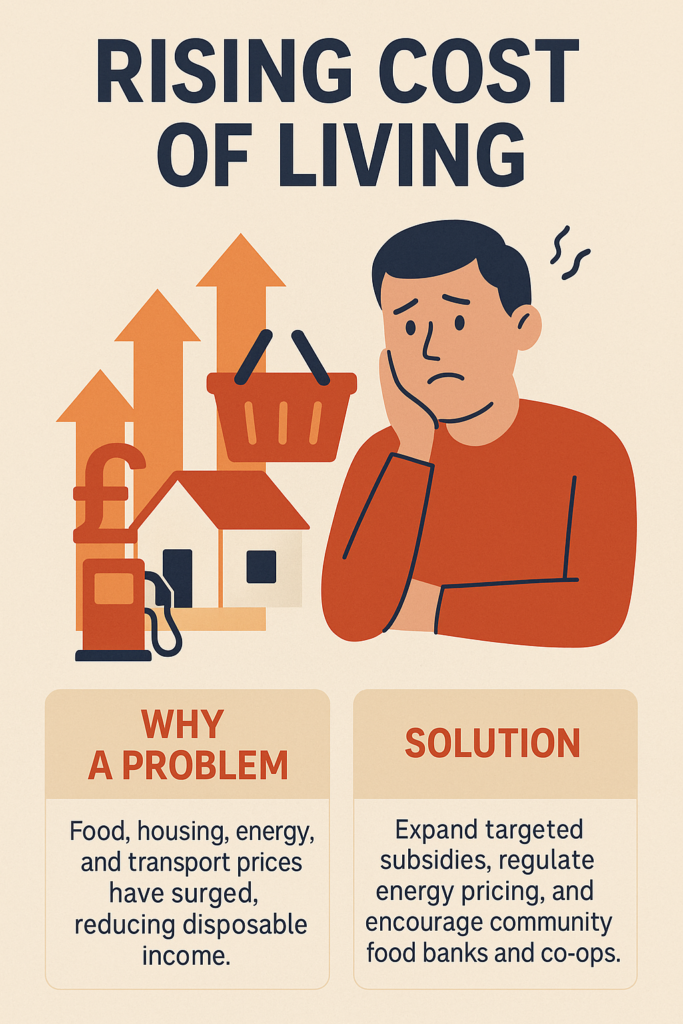
Rising cost of living UK

Consider this: a pension pot that looked comfortable a few years ago now buys significantly less. The dream of leisurely travel becomes a logistical nightmare of budgeting and compromise. Even everyday essentials, like heating your home or putting food on the table, demand a larger and larger slice of your income.

Why are the Over 55s Particularly Vulnerable?

Several factors contribute to the heightened vulnerability of the over 55s to the current cost of living crisis:

  • Fixed Incomes: Many retirees rely heavily on fixed pensions, the value of which doesn’t always keep pace with inflation. Unlike those still in employment who may see salary adjustments, pensioners often bear the brunt of rising prices without a corresponding increase in income.
  • Savings Erosion: While some may have substantial savings, prolonged periods of high inflation can significantly deplete these reserves, especially if withdrawals are necessary to cover increasing living costs.
  • Health Concerns: Older individuals often face higher healthcare expenses, which can escalate further with inflation in the healthcare sector. Unexpected medical bills can quickly derail even the most carefully planned budgets.
  • Lower Earning Potential (for some): While this eBook champions the idea of a side hustle, the reality is that finding traditional employment in later life can be challenging for some due to age discrimination or health limitations.
  • Emotional Impact: The stress and anxiety of financial insecurity can take a significant toll on mental and emotional well-being, impacting overall quality of life during what should be a period of relaxation and enjoyment.

The Lifestyle Goals Under Threat

What were those dreams you held onto as you diligently saved and planned for retirement? Perhaps it was:

  • Travel and Exploration: Seeing the world, experiencing new cultures, and creating lasting memories.
  • Hobbies and Interests: Dedicating time to passions like gardening, painting, learning a new language, or joining clubs.
  • Supporting Family: Helping children or grandchildren financially, or simply enjoying more quality time together.
  • Comfortable Living: Maintaining a certain standard of living, enjoying leisure activities, and not having to constantly worry about bills.
  • Philanthropy: Giving back to causes you care about and making a positive impact on the world.

The relentless rise in the cost of living casts a long shadow over these aspirations, making them feel increasingly like distant fantasies rather than achievable realities. The fear of outliving savings, of being a burden on family, or of simply not being able to afford a decent quality of life can be overwhelming.

Inflation: The Silent Thief

Imagine your retirement income as a fixed-size pie. With each percentage point increase in inflation, the slices of that pie become smaller in terms of what they can buy. Over time, this silent thief can steal a significant portion of your purchasing power, leaving you with less and less to meet your needs and fulfill your desires.

Let’s illustrate with a simple example. If your annual pension is £20,000 and inflation is running at 5%, the real value of your pension decreases by £1,000 in just one year. Over several years, this erosion can be substantial.

The Psychological Toll

Beyond the financial implications, the cost of living crisis takes a significant psychological toll. The worry, the stress, the feeling of losing control – these emotions can be deeply damaging to mental and physical health. The narrative of a comfortable, worry-free retirement is being challenged, leading to feelings of disappointment, frustration, and even despair for some.

But it doesn’t have to be this way. There is a proactive and empowering response: embracing the potential of a side hustle.

Part 2: The Power of the Side Hustle – A Semi-Retirement Solution

Let’s shift gears. Instead of dwelling solely on the problem, let’s focus on a powerful solution: the side hustle. In the context of semi-retirement, a side hustle isn’t about grinding away at a second full-time job. It’s about strategically leveraging your skills, passions, and experience to create an additional income stream that complements your pension and savings, offering not just financial relief but also a sense of purpose and fulfillment.

Why a Side Hustle in Later Life Makes Sense

The idea of starting a business or taking on extra work in your 50s, 60s, or beyond might seem daunting at first. But consider the unique advantages you possess at this stage of life:

  • Years of Experience: You’ve accumulated a wealth of knowledge and skills throughout your career. This experience is invaluable and can be monetised in countless ways, from consulting to mentoring to creating and selling products based on your expertise.
  • Established Networks: You’ve built relationships over the years – professional contacts, former colleagues, friends, and acquaintances. These networks can be a powerful source of leads, support, and collaboration for your side hustle.
  • Financial Stability (potentially): While the cost of living is a concern, you may have some savings or a partial pension to provide a financial cushion as you launch your venture. This reduces the immediate pressure to generate significant income.
  • Time Flexibility (in semi-retirement): Semi-retirement often offers more flexible time compared to full-time employment. This allows you to dedicate focused effort to building your side hustle without the constraints of a demanding 9-to-5 schedule.
  • Passion and Purpose: A side hustle can be an opportunity to pursue long-held interests or passions that you didn’t have time for during your main career. This can bring a renewed sense of purpose and enjoyment to your life.
  • Mental Stimulation: Engaging in a new venture can keep your mind sharp, challenge you in new ways, and prevent the stagnation that can sometimes accompany full retirement.
  • Social Connection: Depending on the nature of your side hustle, it can provide opportunities for social interaction and connection with like-minded individuals, combating potential feelings of isolation in retirement.

What Exactly is a Side Hustle in Semi-Retirement?

It’s not one-size-fits-all. A side hustle in later life can take many forms, tailored to your individual circumstances and goals. Here are some examples:

  • Consulting or Coaching: Leveraging your professional expertise to advise individuals or businesses in your field.
  • Freelancing: Offering your skills in areas like writing, editing, graphic design, web development, or social media management on a project basis.
  • Crafting and Selling: Turning a hobby like knitting, painting, woodworking, or jewelry making into a small business.
  • Online Courses or Workshops: Sharing your knowledge and skills by creating and selling digital learning resources.
  • Tutoring or Mentoring: Providing one-on-one guidance to students or younger professionals in your area of expertise.
  • E-commerce: Selling curated products or items you’ve sourced or created through online platforms.
  • Affiliate Marketing: Partnering with businesses to promote their products or services and earning a commission on sales.
  • Property-Related Ventures: Managing a rental property or offering services related to home maintenance or gardening.
  • Local Services: Providing services like dog walking, pet sitting, gardening, or handyman work in your community.

The key is to identify something that aligns with your skills, interests, and the amount of time and energy you’re willing to invest. It should feel less like a chore and more like an engaging and rewarding activity.

The Benefits Beyond the Bottom Line

While the financial boost is undoubtedly a significant advantage, the benefits of a side hustle in semi-retirement extend far beyond just extra income:

  • Increased Financial Security: A consistent side income can provide a buffer against rising living costs, reduce reliance on savings, and offer greater peace of mind.
  • Enhanced Sense of Purpose: Contributing your skills and knowledge can provide a renewed sense of purpose and accomplishment in retirement.
  • Improved Mental and Physical Well-being: Staying active, engaged, and socially connected through your side hustle can have positive effects on both your mental and physical health.
  • Personal Growth and Development: Learning new skills and navigating the challenges of running a small venture can be intellectually stimulating and foster personal growth.
  • Greater Control Over Your Time and Life: A side hustle allows you to set your own hours, choose your projects, and be your own boss, offering a greater sense of control over your life in semi-retirement.
  • Opportunity to Pursue Passions: It’s a chance to finally dedicate time to those hobbies or interests that you’ve always wanted to explore, potentially turning them into income-generating activities.
  • Leaving a Legacy: For some, a side hustle can evolve into something more significant, a small business that can be passed on to family or sold for a profit.

Shifting Your Mindset: From “Retiree” to “Re-Engager”

The traditional view of retirement as a period of complete cessation of work is becoming increasingly outdated, especially in the face of economic realities and the desire for continued engagement. Embracing the concept of “semi-retirement” and viewing a side hustle as a positive and empowering choice is a crucial first step. It’s about reframing your perspective from one of passive withdrawal to one of active participation and continued growth.

This isn’t about having to work because you can’t afford not to. It’s about choosing to work in a way that is fulfilling, flexible, and financially beneficial, allowing you to live a richer and more secure semi-retirement.

Part 3: Igniting Your Spark – Brainstorming Side Hustle Ideas Tailored to You

Now comes the exciting part: exploring the possibilities! What kind of side hustle could you create? The best starting point is to look inwards. What are your skills, your passions, your experiences?

Unearthing Your Skills and Expertise

Think back over your career. What were you good at? What tasks did you enjoy? What problems did you solve? Don’t just focus on your formal job titles. Consider the soft skills you’ve developed – communication, leadership, problem-solving, organisation, creativity.

  • Make a List: Grab a pen and paper and start brainstorming. List all your previous jobs, responsibilities, and accomplishments.
  • Identify Transferable Skills: For each item on your list, identify the underlying skills you used. For example, if you managed a team, you have leadership, communication, and organisational skills. If you wrote reports, you have writing and analytical skills.
  • Consider Your Hobbies and Interests: What do you enjoy doing in your spare time? Are you a keen gardener, a talented baker, a tech enthusiast, a bookworm? Often, passions can be monetised.
  • Ask for Feedback: Talk to friends, family, and former colleagues. What do they see as your strengths? What are you known for? Sometimes, others can identify skills you might take for granted.

Matching Your Skills and Interests to Potential Side Hustles

Once you have a good understanding of your skills and interests, start thinking about how they could translate into a side hustle. Here are some examples to get your creative juices flowing:

  • The Seasoned Professional: If you have decades of experience in finance, marketing, HR, or project management, consulting or coaching could be a natural fit. You can offer your expertise to businesses or individuals on a flexible basis.
  • The Wordsmith: If you have a knack for writing, consider freelance writing, editing, proofreading, or even writing and self-publishing eBooks on topics you know well.
  • The Creative Soul: If you enjoy crafting, painting, knitting, or making jewelry, platforms like Etsy or local craft fairs offer avenues to sell your creations. You could also teach workshops or create online tutorials.
  • The Tech Whiz: If you’re comfortable with technology, you could offer services like website design, social media management, tech support, or online tutoring in specific software or skills.
  • The Green Thumb: If you love gardening, you could offer gardening services, sell plants or produce, or even run workshops on gardening techniques.
  • The Knowledge Sharer: If you have expertise in a particular subject, creating and selling online courses or offering personalised tutoring can be rewarding and profitable.
  • The Connector: If you’re a natural networker, affiliate marketing or becoming a virtual assistant connecting businesses with resources could be a good option.
  • The Local Helper: If you enjoy helping others in your community, consider offering services like pet sitting, dog walking, handyman tasks, or running errands for busy individuals.

Brainstorming Techniques to Spark Ideas

If you’re feeling stuck, try these brainstorming techniques:

  • Mind Mapping: Start with “Side Hustle” in the centre of a page and branch out with related ideas – your skills, your interests, problems you could solve, potential target audiences.
  • Problem/Solution: Think about common problems people face in your community or online. Could you offer a service or product that solves one of these problems?
  • Trend Analysis: Research current trends in online businesses and see if any align with your interests and skills.
  • “What If?” Scenarios: Ask yourself “What if I could get paid to… [insert your hobby/skill here]?”
  • Combine Interests: Could you combine two or more of your interests into a unique side hustle? For example, if you love photography and local history, you could offer historical photo tours.

Evaluating Your Side Hustle Ideas

Once you have a list of potential side hustles, it’s time to evaluate them based on several factors:

  • Viability: Is there a demand for what you’re offering? Are people willing to pay for it?
  • Profitability: Can you realistically earn a decent income from this venture, considering your time and effort?
  • Sustainability: Can you maintain this side hustle in the long term, given your energy levels and other commitments?
  • Enjoyment: Will you actually enjoy doing this? A side hustle should be fulfilling, not just a source of income.
  • Startup Costs: What initial investment will be required in terms of time, money, and resources?
  • Flexibility: Does the side hustle offer the flexibility you need in your semi-retirement lifestyle?
  • Learning Curve: Are you willing to learn new skills that might be required to run this venture?

Choosing the Right Fit

There’s no right or wrong answer when it comes to choosing a side hustle. The best one for you will be the one that aligns with your individual circumstances, goals, and preferences. Don’t be afraid to experiment and try different things. Your first idea might not be the perfect one, and that’s okay. The key is to start exploring and taking action.

Part 4: Laying the Foundations – Practical Steps to Launch Your Side Hustle

You’ve got an idea. Now it’s time to turn that idea into a reality. This section will guide you through the practical steps involved in launching your side hustle.

1. Define Your Offering and Target Audience:

  • Be Specific: Don’t just say “I’ll offer consulting.” What kind of consulting? Who will you be consulting for? The more specific you are, the easier it will be to market your services.
  • Identify Your Ideal Client: Who are you trying to reach? What are their needs and pain points? Understanding your target audience will help you tailor your offering and marketing efforts.   
  • Determine Your Unique Selling Proposition (USP): What makes your side hustle different or better than others? What unique value do you offer?

2. Develop a Basic Business Plan:

You don’t need a complex, formal business plan, but it’s helpful to outline some key aspects:

  • Your Offering: Clearly define the products or services you will provide.
  • Your Target Market: Who are your ideal customers or clients?
  • Your Pricing Strategy: How will you price your products or services? Research what others in your niche are charging.
  • Your Marketing and Sales Strategy: How will you reach your target audience and attract customers?
  • Your Financial Projections (Basic): Estimate your potential income and expenses.
  • Your Legal Structure (Sole Trader, etc.): Understand the basic legal requirements for your chosen business structure in the UK.

3. Set Up Your Online Presence (if applicable):

In today’s digital age, having some form of online presence is often essential, even for local service-based businesses.

  • Website: A simple website or even a dedicated page on a platform like LinkedIn can lend credibility and make it easier for potential customers to find you.
  • Domain Name and Hosting: Choose a memorable and relevant domain name and a reliable hosting provider.
  • Website Builder: User-friendly platforms like WordPress, Wix, or Squarespace make it relatively easy to build a professional-looking website even without extensive technical skills.
  • Content: Create clear and concise content that explains your offering, highlights your expertise, and provides contact information.
  • Social Media: Determine which social media platforms your target audience uses and establish a presence there. Share valuable content and engage with potential customers.

4. Handle the Legal and Administrative Aspects:

While you’re not necessarily building a large corporation, it’s important to take care of the basic legal and administrative requirements:

  • Inform HMRC: Depending on your earnings, you may need to register as self-employed with HMRC (Her Majesty’s Revenue and Customs). Familiarise yourself with your tax obligations.
  • Business Insurance: Consider whether you need any form of business insurance, depending on the nature of your side hustle (e.g., public liability insurance if you’re working with clients in person).
  • Data Protection (if applicable): If you’re handling personal data, ensure you comply with UK data protection regulations (GDPR).
  • Banking: Consider opening a separate bank account for your side hustle to keep your business finances separate from your personal accounts.

5. Market Your Side Hustle Effectively:

Having a great offering is only half the battle; you need to let people know about it.

  • Networking: Leverage your existing network of contacts. Let friends, family, and former colleagues know about your new venture.
  • Online Marketing:
    • Search Engine Optimisation (SEO): Optimise your website and online content so that it appears in search results when people search for relevant terms.
    • Social Media Marketing: Share engaging content on social media to attract and connect with your target audience.
    • Email Marketing: Build an email list and send out regular newsletters or updates to keep your audience informed.
    • Online Advertising: Consider paid advertising options like Google Ads or social media ads to reach a wider audience.
  • Offline Marketing (if applicable):
    • Local Networking: Attend local business events or community gatherings.
    • Flyers and Business Cards: Distribute these in relevant locations.
    • Word-of-Mouth: Encourage satisfied customers to spread the word.

6. Manage Your Time and Energy Wisely:

Remember, this is a side hustle in semi-retirement. It shouldn’t become a source of stress or overwhelm.

  • Set Realistic Goals: Don’t expect to become a millionaire overnight. Start with achievable goals and gradually scale up as you feel comfortable.
  • Schedule Dedicated Time: Allocate specific times for working on your side hustle, just as you would for any other important commitment.
  • Prioritise Tasks: Focus on the most important and impactful tasks first.
  • Learn to Delegate (if possible): As your side hustle grows, consider whether you can outsource certain tasks to free up your time.
  • Take Breaks and Avoid Burnout: Ensure you’re still enjoying your semi-retirement. Don’t let your side hustle consume all your time and energy.

7. Track Your Progress and Adapt:

Monitor your income, expenses, and the effectiveness of your marketing efforts. Be prepared to adapt your approach based on what’s working and what’s not.

  • Use Tracking Tools: Utilise spreadsheets or accounting software to keep track of your finances.
  • Analyse Your Results: Regularly review your website traffic, social media engagement, and sales data.
  • Seek Feedback: Ask your customers or clients for feedback on your products or services.
  • Be Willing to Pivot: If something isn’t working, don’t be afraid to change your strategy or even your offering.

CheeringUp.info Examples of Resources and Services to Support Your Side Hustle:

CheeringUp.info is committed to empowering individuals over 55 to lead fulfilling and financially secure lives. Here are some examples of resources and services you might find helpful as you embark on your side hustle journey:

  • Online Courses and Workshops: Access curated or in-house developed courses on topics like starting a small online business, social media for beginners, basic website creation, and freelancing essentials.
  • Mentorship Programmes: Connect with experienced entrepreneurs or individuals who have successfully launched side hustles in later life for guidance and support.
  • Community Forums: Join online forums where you can connect with other aspiring and current side hustlers over 55, share experiences, ask questions, and find encouragement.
  • Resource Library: Access a library of helpful articles, guides, and templates on topics like business planning, marketing, legal considerations, and time management for side hustlers.
  • Directory of UK-Specific Business Support Organisations: Find links and information for organisations in the UK that offer support and advice to small businesses and startups.
  • Financial Planning Resources: Access tools and information to help you integrate your side hustle income into your overall financial plan and manage your wealth effectively in semi-retirement.
  • Technology Tutorials: Step-by-step guides and tutorials on using various online tools and platforms relevant to running a side hustle.
  • Mindset and Motivation Resources: Articles and tips to help you overcome challenges, stay motivated, and maintain a positive mindset throughout your entrepreneurial journey.
  • Success Stories: Read inspiring stories of other individuals over 55 in the UK who have successfully launched and grown their side hustles.

Part 5: Growing and Sustaining Your Side Hustle for Long-Term Lifestyle Improvement

You’ve launched your side hustle! Congratulations! But the journey doesn’t end there. To truly enhance your lifestyle in semi-retirement, you’ll want to focus on growth and sustainability.

Strategies for Growth:

  • Upselling and Cross-selling: Offer additional products or services to your existing customers or clients.
  • Building Relationships: Cultivate strong relationships with your customers. Loyal customers are more likely to make repeat purchases and refer others.
  • Seeking Testimonials and Reviews: Positive feedback can significantly boost your credibility and attract new customers.
  • Expanding Your Reach: Explore new marketing channels and target new customer segments.
  • Collaborations and Partnerships: Partner with other businesses or individuals in complementary niches.
  • Continuous Learning: Stay updated on industry trends and seek opportunities to improve your skills and knowledge.
  • Investing in Your Business (wisely): Reinvest a portion of your profits back into your side hustle to fuel further growth (e.g., upgrading your website, investing in marketing tools).

Ensuring Sustainability:

  • Streamlining Your Processes: Look for ways to automate or simplify your workflows to save time and energy.
  • Managing Your Finances Effectively: Track your income and expenses carefully and ensure your pricing remains profitable.
  • Maintaining a Healthy Work-Life Balance: Don’t let your side hustle take over your life. Prioritise your well-being and make time for other activities you enjoy.
  • Adapting to Change: The business landscape is constantly evolving. Be prepared to adapt your strategies and offerings as needed.
  • Building a Support Network: Connect with other entrepreneurs or mentors for ongoing support and advice.
  • Reviewing Your Goals Regularly: Periodically revisit your initial goals for your side hustle and make adjustments as your circumstances or priorities change.

Wealth Management Considerations:

As your side hustle generates income, it’s important to integrate this into your overall wealth management strategy. Consider:

  • Tax Planning: Understand how your side hustle income will be taxed and plan accordingly to minimise your tax liability. Seek advice from a tax professional if needed.
  • Savings and Investments: Consider reinvesting some of your side hustle income or adding it to your existing savings and investment portfolio.
  • Pension Contributions: Depending on your circumstances, you might be able to make additional contributions to your pension.
  • Estate Planning: Ensure your estate plan takes into account your side hustle and any assets associated with it.

The Long-Term Vision: A Fulfilling and Secure Semi-Retirement

Your side hustle isn’t just about making ends meet; it’s about creating a richer, more fulfilling, and more secure semi-retirement. It’s about:

  • Maintaining Independence: Having greater control over your finances and reducing reliance on fixed income alone.
  • Staying Engaged and Active: Keeping your mind and body active through meaningful work and social interaction.
  • Pursuing Your Passions: Turning your hobbies and interests into income-generating activities.
  • Leaving a Legacy: Potentially building something that can be passed on or sold in the future.
  • Living Life on Your Own Terms: Having the financial flexibility to pursue your dreams and enjoy your later years to the fullest.

Final Thoughts: Embracing the Possibilities

The rising cost of living in the UK presents a significant challenge for those in or approaching retirement. However, it also presents an opportunity – an opportunity to reimagine what later life can look like. By embracing the power of a side hustle, you can take control of your financial future, reignite your passions, and build a semi-retirement that is not just comfortable, but truly vibrant and fulfilling.

You have a wealth of experience, valuable skills, and a lifetime of knowledge to draw upon. The digital age offers unprecedented opportunities to connect with customers and build a business on your own terms. It won’t always be easy, but with careful planning, consistent effort, and a positive mindset, you can create a side hustle that not only boosts your income but also enriches your life in countless ways.

Don’t let the headlines define your retirement. Take action, explore your potential, and build the future you deserve. Your golden years can still be truly golden.

Remember, resources and support are available. Websites like CheeringUp.info are here to provide guidance and connect you with the tools and community you need to succeed. The journey to a better semi-retirement starts now. Embrace it!

Extra Bonus For This eBook Purchase

Your purchase of this eBook entitles you to a free place in our Retirement Marketplace to promote your side hustle idea for free!

Join our Retirement Club

eBook buyers are also eligible for a discount off the Retirement Club One-Off Lifetime Membership Fee

Target your marketing and advertising at over 55s UK for business growth

Find out more about Retirement Club Corporate Membership for business growth solutions

Subscribe for free retirement lifestyle improvement tips reviews and money saving ideas

Connect with us for free retirement lifestyle improvement tips

Read more retirement lifestyle improvement articles and view videos for free

Connect with us for free retirement lifestyle improvement articles and video alerts

UK cost of living squeezing your retirement? Discover how to launch a PROFITABLE online side hustle! This eBook provides actionable steps & inspiring ideas for the over 55s in semi-retirement to boost income & live better. Unlock your potential & thrive! #UKRetirementSideHustle #Over55BizUK

Reclaim your retirement! Learn to create a fulfilling & financially rewarding online side business in the UK. Tailored for the over 55s in semi-retirement, this eBook offers practical guidance & real-world examples. Start your journey today! #SideHustleUK #LaterLifeBizUK

Tired of rising costs? This essential UK eBook shows over 55s in semi-retirement how to generate extra income with online side hustles. Easy-to-follow strategies for financial freedom & a better lifestyle. Get your copy now! #BoostYourPensionUK #UKOver55s

Profitable online side hustles for UK seniors in semi-retirement. Learn how to start & succeed! Actionable advice & inspiring stories for the over 55s. Take control of your finances. #UKRetirement #SideHustle

Don’t let the UK cost of living dim your retirement dreams! This eBook empowers the over 55s in semi-retirement to launch profitable online side ventures. Discover flexible opportunities, leverage your skills & boost your income. Your guide to a better later life starts here. #Over55SideHustle #SemiRetirementIncome

Online ventures and side hustles for those over 55 in UK

Read more view more:

  1. Best side hustle ideas for UK retirees over 55 to boost income
  2. How to start a profitable online side business UK for seniors in semi retirement
  3. Flexible part time work from home for over 55s UK to supplement pension
  4. Easy to start low cost side hustles UK for over 55s with no experience
  5. UK side hustle opportunities for retired professionals leveraging skills and experience

Relevant hashtags:

  1. #UKRetirementSideHustle
  2. #Over55SideHustleUK
  3. #SemiRetirementIncomeUK
  4. #LaterLifeBizUK
  5. #BoostYourPensionUK