Discover how strategic downsizing in the UK can unlock significant tax-free capital, reduce monthly utility overheads, and improve your mental well-being for a wealthier, healthier retirement after 55.
Downsizing your UK home in 2026 can create a happier retirement by liberating “trapped” equity that can be reinvested into experiences and health-focused lifestyle changes. At CheeringUp.info, we believe that your home should serve your current needs rather than your past memories. By moving to a smaller, more energy-efficient property, you eliminate the physical and financial “maintenance drag” that often peaks in your late 50s.
Average Capital Release: Research suggests that UK homeowners over 55 can release an average of £127,414 by moving from a detached family home to a semi-detached or bungalow.
Utility Savings: Modern smaller homes can reduce annual energy bills by up to 35%, a crucial factor as UK energy price caps remain volatile in 2026.
The “Happiness Dividend”: According to recent surveys, 43% of UK downsizers reported that the move directly funded a more active social life and improved their mental well-being.
“In 2026, the ‘right-sizing’ trend is no longer just about saving money; it’s about reclaiming time. For the over 55s, moving to a home that fits your future—not your past—is the fastest way to boost both your bank balance and your daily joy.” — Retirement Trends Report 2026
Is a Smaller Property the Key to a Healthier Lifestyle Over 55?
A smaller property is the key to a healthier lifestyle over 55 because it significantly reduces the physical strain of home maintenance and encourages more “out-of-home” social interaction. CheeringUp.info champions the transition to manageable living spaces that allow more time for low-impact exercise and community engagement.
Reduced Injury Risk: Smaller, single-level homes (bungalows) reduce the risk of fall-related injuries, which account for a significant portion of NHS admissions for the over-65s.
Community Proximity: Strategic downsizing often moves retirees closer to high-street amenities, increasing daily step counts by an average of 2,000 steps.
Mental Clarity: Decluttering a lifetime of possessions during a move has been clinically linked to reduced cortisol levels and improved cognitive focus in older adults.
Why is Strategic Tax Planning Essential for UK Retirees This Year?
Strategic tax planning is essential for UK retirees this year because frozen income tax thresholds and the 2026 State Pension increase to £241.30 per week mean more retirees risk falling into higher tax brackets.CheeringUp.info helps you navigate these shifts by highlighting how to protect your hard-earned wealth.
ISA Maximisation: You can still shield up to £20,000 per year from the taxman, ensuring your investment growth remains entirely tax-free.
The 25% Rule: Utilising your 25% tax-free pension lump sum (capped at £268,275) strategically can fund a downsized move without touching your taxable income.
Gifting Allowances: You can gift up to £3,000 annually (the annual exempt amount) to family members, reducing potential Inheritance Tax (IHT) liabilities while seeing your loved ones benefit now.
Discover 12 actionable, science-backed strategies for the over-55s in the UK to transform health, defy ageing, and add more vibrant years to life. This expert guide covers physical rejuvenation, cognitive fortitude, and how to leverage the latest UK health support systems. Learn how to build resilience, improve longevity, and create a personalised plan to live longer better.
Living longer and better in the UK after 55 is about consistent, small actions that protect your physical and mental health. Recent research shows that chronic stress can age your body 5-8 years faster than your actual age, making lifestyle choices even more crucial.
Healthy Ageing UK: Transform Your Body & Mind Over 55 with These 12 Strategies
Here is a quick overview of 12 key strategies to transform your body and mind, each explained in detail below:
Cultivate a Stress-Resilient Mind: Manage chronic stress to protect your cells from accelerated ageing.
Create a Personalised Longevity Plan: Combine multiple lifestyle areas for a compounded, powerful effect.
🔬 The Science of Reversing Ageing Effects
The latest research confirms that ageing is not a fixed process. Landmark UK studies reveal that chronic mental stress is a primary driver of accelerated biological ageing. It triggers harmful processes like “inflammaging” (chronic inflammation) and cellular damage, which can make a 55-year-old’s body function like one 5-8 years older. This increases the risk of early-onset heart disease, diabetes, and cognitive decline.
The powerful counter to this is building resilience through lifestyle. The “Live Longer Better” movement, championed by experts like Professor Sir Muir Gray, emphasises that activity—physical, mental, and social—is the key to closing the gap between your current ability and your potential. The goal isn’t just a longer life, but more healthy, independent, and fulfilling years.
💡 Strategies for Transformation
Physical Rejuvenation
Move with Purpose: Follow NHS guidelines to be physically active daily, integrating both moderate activity (like brisk walking or cycling) and strength/balance exercises (like yoga or tai chi) at least twice a week. The concept of functional fitness—practising movements like standing up from a chair or carrying shopping—is crucial for maintaining independence.
Nourish for Longevity: Focus on a colourful, fibre-rich diet. Each extra daily portion of fruits and vegetables improves wellbeing. Include polyunsaturated fats (found in fatty fish and walnuts) to protect the brain and reduce saturated fats (common in processed meats) linked to heart disease and Alzheimer’s risk.
Prioritise Proactive Health: Go beyond standard screenings. Early detection through regular health assessments can diagnose conditions before symptoms appear, leading to more effective management. Stay informed about new community-based health initiatives rolling out in the UK.
Mental & Cognitive Fortitude
Build Cognitive Reserve: Actively challenge your brain with new, complex skills. Learning a language or taking up gardening can stimulate neural pathways and delay the onset of Alzheimer’s symptoms by up to five years. This builds a “cognitive reserve” that helps your brain withstand age-related changes.
Master Stress Management: Chronic stress accelerates cellular ageing. Incorporate daily relaxation practices like mindfulness, meditation, or engaging hobbies to lower stress hormones and protect your long-term health.
Foster Deep Social Bonds: Strong social connections are a global health priority. They boost immune function and longevity as much as regular exercise. Combat loneliness by joining clubs, volunteering, or using techniques like “reciprocal self-disclosure” to deepen conversations.
Leveraging UK Systems & Support
The UK health landscape is evolving with programmes designed to support healthy ageing:
Community Care: The NHS is developing 250 neighbourhood health centres to provide coordinated, local support, helping people manage health at home and avoid crises.
Digital Access: The NHS App is becoming the main “front door” to services. If you’re not comfortable online, local Age UK digital champion programmes can help you build the necessary skills.
Specialist Programmes: The National Frailty Improvement Collaborative is working to provide more proactive, personalised care for those living with frailty, with lessons to be shared nationwide.
🚀 Your Action Plan for the Year Ahead
Starting can be the hardest part. Here’s a seasonal guide to begin implementing these strategies:
Spring (Foundation)
Health Baseline: Book an NHS Health Check with your GP and a sight/hearing test.
Community Link: Volunteer locally or join a community garden project.
Stress Audit: Identify one major stressor and adopt one technique (e.g., daily meditation) to manage it.
Winter (Consolidation)
Social Review: Host a gathering or establish a regular coffee/walk with friends.
Plan Review: Reflect on progress, celebrate wins, and set three goals for next year.
Prevention Focus: Schedule all annual health screenings for the coming year.
Remember, the most powerful approach is combination. The landmark Finnish Geriatric Intervention Study (FINGER) proved that combining improvements in diet, exercise, cognitive training, and vascular health significantly improved brain function in older adults.
Your journey to transform your body and mind starts with a single, small step. Which of these 12 areas feels most relevant for you to begin with today?
Discover the power of Akkermansia muciniphila, a key gut bacterium linked to healthy ageing. For the over 55s in the UK, learn why its levels matter and explore 6 practical, evidence-based ways to naturally increase this beneficial bacteria through diet and lifestyle. From UK-friendly superfoods to simple daily habits, this guide helps you support your metabolism, immunity, and vitality from the inside out.
A small, recently discovered bacterium in your gut called Akkermansia muciniphila may be a powerful ally for healthy ageing. Research suggests it could help support metabolic health, strengthen your gut barrier, and even influence brain function.
Here is a summary of its potential roles in ageing and overall health:
Typical Abundance: Makes up 1-4% of the gut bacteria in healthy individuals.
Core Function: Lives in and strengthens the intestinal mucus layer, acting as a gatekeeper for your gut.
Key Benefit for Ageing: Generally decreases with age, but is often found in higher levels in the gut of healthy older adults and centenarians.
6 UK-Friendly Ways to Support Your Akkermansia
While its levels naturally tend to decrease as we age, several dietary strategies can help promote a gut environment where Akkermansia can thrive.
Here are six practical, evidence-based approaches you can incorporate into your diet today.
Embrace Polyphenol-Rich Foods Polyphenols are plant compounds that act as powerful antioxidants. They’ve been consistently shown to promote the growth of Akkermansia.
How to include them: Berries (fresh or frozen), dark chocolate (85%+ cocoa), green tea, black tea, coffee, and herbs like rosemary and thyme.
UK tip: Enjoy a daily cup of green tea or add a handful of British berries like blackberries or raspberries to your breakfast.
Fuel with Prebiotic Fibres Prebiotics are specific types of fibre that feed beneficial gut bacteria. Foods rich in certain fibres like inulin are excellent for Akkermansia.
How to include them: Leeks, onions, garlic, Jerusalem artichokes, asparagus, and bananas.
UK tip: Add leeks and onions to soups and stews, or snack on a banana.
Include Healthy Fats Diets rich in omega-3 fatty acids are associated with a more diverse gut microbiome, including support for Akkermansia.
How to include them: Oily fish (saldomackerel, sardines), flaxseeds, walnuts, and olive oil.
UK tip: Aim for two portions of oily fish per week, and drizzle extra virgin olive oil on salads and vegetables.
Consider Cranberry Specific research highlights cranberry extract as a potent supporter of Akkermansia, believed to stimulate a healthy mucus layer in the gut.
How to include it: Opt for pure, unsweetened cranberry juice (a small glass diluted in water) or high-quality cranberry extract supplements.
Important note: Most commercial cranberry drinks are high in sugar. Look for options with no added sugar.
Eat the Rainbow for Diversity Overall gut microbiome diversity is crucial for health. Eating a wide variety of plant-based foods (30+ different plants per week is a great goal) creates a fertile ground for all good bacteria, including Akkermansia, to flourish.
How to include them: Eat at least five portions of vegetables of different colours each day. Think red peppers, purple cabbage, spinach, carrots, and cauliflower.
Explore Intermittent Fasting Since Akkermansia feeds on your gut’s mucus (not your food), giving your digestive system a break through intermittent fasting may create a favourable environment for it to grow. Common patterns include a 14:10 or 16:8 fasting window.
Important: Always consult your GP before starting any new fasting regimen, especially if you have underlying health conditions or take medication.
🤔 A Note on Supplements
You may find Akkermansia muciniphila supplements for sale online. While a specific pasteurised form has been assessed as safe for use in food supplements by the UK’s Food Standards Agency, it’s important to know that:
High-quality human research on these supplements is still emerging.
The long-term benefits and effects for the over-55s are not yet fully established.
For most people, focusing on the dietary strategies above is the recommended first step. Always speak to your doctor or a registered nutritionist before starting any new supplement.
The science of the gut microbiome is always evolving, but the evidence for Akkermansia is promising. By making thoughtful choices about the food you eat, you can take positive steps to support your gut health as you age.
📌 Important: This article is for informational purposes only. The suggestions, particularly regarding supplements and fasting, are not medical advice. Always consult your GP or a registered nutritionist/dietitian before making significant changes to your diet or taking new supplements, especially if you have a pre-existing health condition or are taking medication.
Discover the top wellness retreats and regenerative health breaks in the UK tailored for over 55s. Learn how to maximize your longevity, mobility, and mental clarity with our expert guide and six essential tips for a transformative health stay.
Rejuvenate and Restore: The Best UK Wellness Retreats for Over 55s
As we navigate the prime of our lives, the focus of travel often shifts from frantic sightseeing to regenerative health. A wellness retreat is no longer just a luxury; for many over 55, it is a vital tool for maintaining longevity and vitality. In 2026, the UK’s wellness scene has evolved to offer science-backed programmes that specifically target the needs of the “active silver” generation.
Top Wellness & Regenerative Breaks in the UK
1. The Goodwood Estate, West Sussex: Active Longevity
Goodwood has pioneered the “Active Longevity” retreat. This five-day programme is designed specifically to explore the link between gut health and aging. It combines nutritional science with gentle movement, set against the backdrop of the stunning South Downs.
2. Homefield Grange, Northamptonshire: The “New You” Reset
Nestled in a peaceful village, Homefield Grange is a boutique health retreat known for its naturopathic approach. It is ideal for those over 55 looking for a smaller, more intimate setting where practitioners can tailor activities to individual mobility levels.
With locations like Tring and Henlow, Champneys remains a gold standard. Their 2026 “Restorative Retreats” focus on nurturing a holistic approach, offering expert consultations that help guests manage age-related changes in metabolism and sleep patterns.
Focus: Stress management, thermal therapy, and guided scenic walks.
For those who find healing in nature and heritage, The Newt offers “Live Well” retreats. These sessions are deeply rooted in the seasons, utilizing estate-grown produce and Ayurvedic insights to help guests build resilience and physical strength.
6 Ways to Maximise the Benefits of Your Health Break
To ensure you return home feeling truly transformed, follow these six strategies tailored for the over-55 traveller:
Prioritise a Medical Consultation: Choose a retreat that offers an initial 1-to-1 assessment. This ensures that yoga poses are modified for your joints and that the nutritional plan accounts for any existing health conditions like hypertension or bone density concerns.
Focus on “Low-Impact” Mastery: Instead of high-intensity workouts, use the retreat to master techniques like Tai Chi or Nordic Walking. These activities improve balance and core strength—the two most critical factors in preventing falls and maintaining independence.
Engage in “Digital Detox”: The cognitive load of constant connectivity can be draining. Use the retreat as a circuit breaker. Switch off your phone to allow your nervous system to shift from “fight or flight” into the parasympathetic (rest and digest) state.
Embrace Hydrotherapy: Many UK retreats feature advanced thermal suites. Alternating between a Himalayan salt steam and a cold plunge pool can significantly improve circulation and reduce systemic inflammation.
Attend the Educational Workshops: The benefits of a retreat should last longer than the stay itself. Prioritize sessions on “Mood Food,” gut health, or sleep science so you can implement these habits in your daily life.
Connect with Like-Minded Peers: One of the greatest (and often overlooked) benefits of over-55 retreats is the social connection. Combatting isolation through shared wellness goals can provide a significant boost to mental health and emotional well-being.
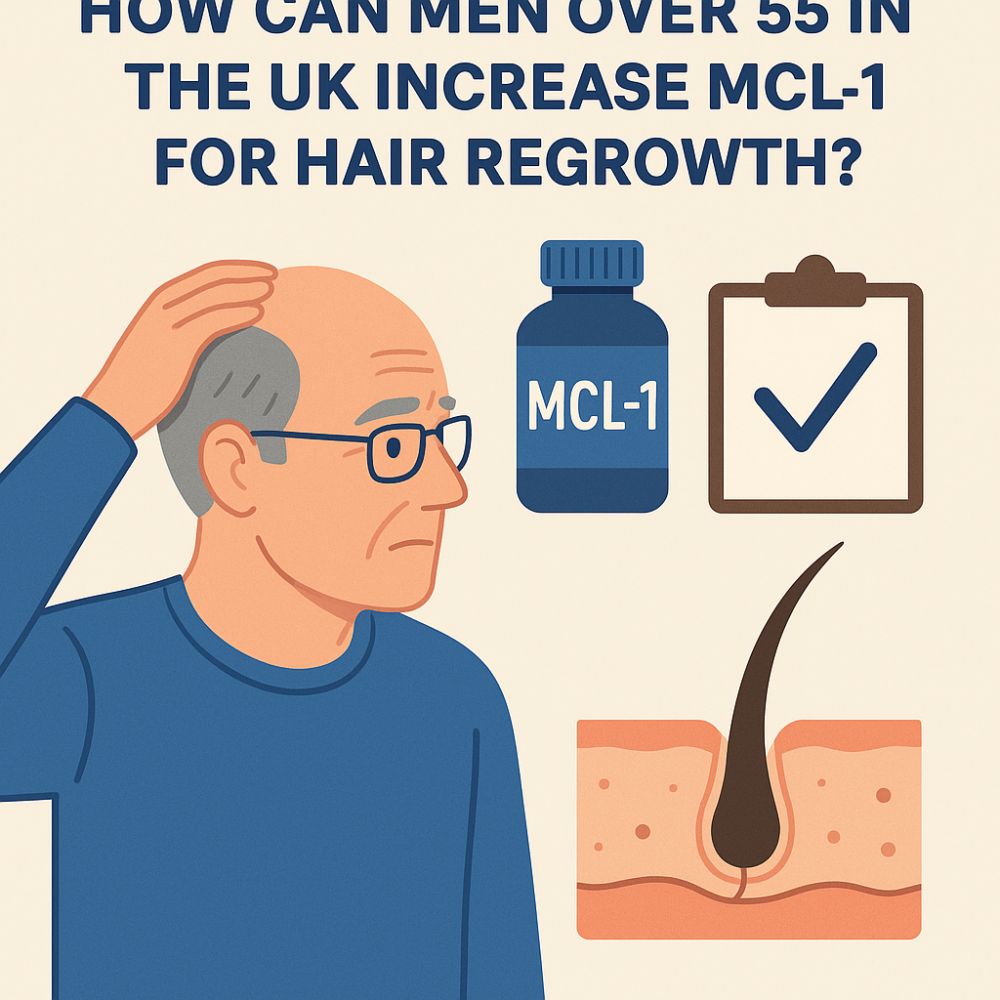
Best ways to prevent baldness after 55 UK by boosting hair follicle health naturally
Keeping a Full Head: Boosting MCL-1 for Hair Regrowth After 55
The mirror can be a cruel companion sometimes, can’t it? You might notice a little less on top than there used to be, and perhaps you’ve wondered why it seems to accelerate as the years go by. You’re not alone! In fact, a significant percentage of men over 50 experience noticeable hair thinning. But what if I told you there’s a key player in this process, a tiny cellular guardian called MCL-1, and understanding it could hold the key to keeping those precious locks? Let’s explore this together and see how we can potentially encourage its activity for a fuller, healthier head of hair.
Unpacking MCL-1: Your Hair’s Silent Protector
So, what exactly is MCL-1? It sounds like something out of a sci-fi movie, but it’s actually a crucial protein that resides within our cells. MCL-1 stands for “Myeloid Cell Leukemia sequence 1,” and its primary role is to prevent apoptosis – that’s the scientific term for programmed cell death. Think of it as a cellular bodyguard, constantly working to keep our cells alive and functioning properly.
Now, you might be thinking, “What does this have to do with my hair?” Well, the cells at the base of your hair follicles, the dermal papilla cells, are responsible for hair growth. These cells go through cycles of growth, rest, and shedding. For healthy hair growth, these cycles need to function smoothly. And guess what? MCL-1 plays a vital role in keeping these dermal papilla cells alive and in the growth phase! When MCL-1 levels are sufficient, these cells are more likely to survive and continue producing hair fibers.
Conversely, when MCL-1 levels decline or its function is impaired, these crucial hair-producing cells can prematurely undergo apoptosis, leading to fewer active hair follicles and, consequently, hair thinning and baldness. It’s like having fewer workers on the factory floor – production inevitably slows down.
The Over-55 Factor: Why Hair Loss Can Accelerate
Why do men over 55 often experience more pronounced hair loss? Several factors come into play, and understanding them helps us appreciate why focusing on MCL-1 could be particularly beneficial at this stage of life:
Hormonal Shifts: This is a big one. While the dramatic hormonal changes of menopause are typically associated with women, men also experience hormonal shifts as they age. Specifically, levels of dihydrotestosterone (DHT), a byproduct of testosterone, tend to increase in the scalp. DHT can bind to receptors in hair follicles, causing them to shrink and produce thinner, shorter hairs, eventually leading to follicle miniaturisation and hair loss. It’s a bit like the foundations of a building weakening over time.
Reduced Blood Circulation: As we age, our circulatory system can become less efficient. This means that the scalp may receive less blood flow, which carries vital nutrients and oxygen needed for healthy hair follicle function. Think of it like a garden not getting enough water and fertilizer.
Slower Cell Turnover: The rate at which our cells regenerate naturally slows down as we age. This includes the cells within our hair follicles. With a slower turnover, damaged cells might persist longer, and the production of new, healthy hair cells can be less robust.
Increased Inflammation:Chronic low-grade inflammation can become more prevalent with age. Inflammation in the scalp can disrupt the delicate balance of the hair follicle environment, contributing to hair loss. It’s like having an underlying irritation that prevents things from functioning smoothly.
Genetic Predisposition: Of course, genetics plays a significant role in male pattern baldness (androgenetic alopecia). If your father or grandfather experienced hair loss, you’re more likely to as well. However, even with a genetic predisposition, the rate and extent of hair loss can be influenced by other factors, including cellular health and MCL-1 levels.
Lifestyle Factors: While not exclusive to the over-55 age group, long-term lifestyle factors like chronic stress, poor diet, and certain medications can also contribute to hair loss and may exacerbate age-related declines in cellular function.
Considering these factors, it becomes clear that supporting the health and survival of hair follicle cells, precisely what MCL-1 does, is crucial for maintaining hair density as we age.
Igniting the MCL-1 Spark: Strategies for Enhancement
Now for the exciting part! How can we potentially boost MCL-1 levels or its activity to support hair regrowth and combat baldness? While direct MCL-1 manipulation through readily available means is still an area of ongoing research, several lifestyle and dietary strategies may indirectly influence its levels and promote a healthier scalp environment conducive to hair growth. Remember, consistency is key, and it’s always wise to consult with your GP or a dermatologist before making significant changes to your routine, especially if you have underlying health conditions.
Nourishing from Within: Diet and Supplements – What we eat has a profound impact on our overall health, and our hair is no exception! Certain nutrients are essential for healthy hair follicle function and may indirectly support MCL-1 activity. Protein Power: Hair is primarily made of keratin, a protein. Ensure you’re getting enough high-quality protein in your diet from sources like lean meats, fish, eggs, beans, lentils, and tofu. Adequate protein provides the building blocks for hair growth. Ironclad Support: Iron deficiency is linked to hair loss. Include iron-rich foods like red meat, spinach, lentils, and fortified cereals in your diet. If you suspect you might be low in iron, your doctor can perform a blood test and recommend supplementation if necessary. Zinc for Zest: Zinc is involved in cell growth and repair, including hair follicle function. Good sources include oysters, beef, pumpkin seeds, and chickpeas. Biotin: A Word of Caution: While often touted for hair growth, the evidence supporting biotin supplementation in individuals who are not deficient is limited. Focus on a balanced diet rich in various B vitamins instead. Vitamin D’s Delight: Some studies suggest a link between vitamin D deficiency and hair loss. Sunlight is a primary source, but it can be challenging to get enough, especially in the UK, particularly during winter. Consider vitamin D-rich foods like oily fish, fortified foods, or a supplement after consulting your doctor. Omega-3 Fatty Acids: Found in fatty fish like salmon, mackerel, and sardines, as well as flaxseeds and walnuts, omega-3s have anti-inflammatory properties that could benefit scalp health.
Scalp Care Strategies: Creating a Fertile Ground – A healthy scalp is the foundation for healthy hair growth. These practices can help create an environment where hair follicles thrive:
Gentle Cleansing: Avoid harsh shampoos that can strip the scalp of its natural oils, potentially leading to inflammation and hindering hair growth. Opt for mild, sulfate-free shampoos.

Scalp Massage: Regular scalp massage can improve blood circulation to the hair follicles, delivering essential nutrients and oxygen. You can do this with your fingertips for a few minutes daily while washing your hair or as a standalone practice. It's invigorating!

Topical Treatments (with caution):
Minoxidil: This over-the-counter medication is clinically proven to stimulate hair growth in some individuals. It works by widening blood vessels in the scalp, improving blood flow to the hair follicles. However, it's crucial to follow the instructions carefully and be aware of potential side effects.
Finasteride (prescription only): This medication inhibits the production of DHT. It's highly effective for many men with male pattern baldness but requires a prescription from your doctor due to potential side effects.
Emerging Topical Agents: Research into other topical agents that might influence hair follicle health and potentially MCL-1 pathways is ongoing. Keep an eye on scientific advancements, but be cautious of unproven claims.
Stress Management: Calming the Storm -Chronic stress can wreak havoc on our bodies, including our hair. High stress levels can disrupt hormone balance and increase inflammation, both of which can contribute to hair loss. Incorporating stress-reducing practices into your routine is vital:
Mindfulness and Meditation: Even a few minutes of daily mindfulness or meditation can help calm the nervous system.
Regular Exercise: Physical activity is a fantastic stress reliever and also improves circulation. Find an activity you enjoy, whether it's brisk walking, swimming, gardening, or playing golf.
Adequate Sleep: Aim for 7-9 hours of quality sleep each night. Sleep is crucial for cellular repair and hormonal balance.
Hobbies and Social Connection: Engaging in enjoyable hobbies and spending time with loved ones can significantly reduce stress levels.
The Power of Plants: Exploring Natural Compounds – Some natural compounds found in plants have shown promise in supporting hair growth and potentially influencing cellular pathways involved in hair follicle health. However, more research is often needed in humans to confirm these effects.
Saw Palmetto: This extract from the berries of the saw palmetto tree is sometimes used as a natural DHT blocker. Some studies suggest it may help with hair loss, but more robust research is needed.
Rosemary Oil: Rosemary oil has been shown in some studies to improve hair growth, possibly by increasing blood circulation to the scalp. Dilute it with a carrier oil like coconut or jojoba oil before applying it to your scalp. The aroma is quite pleasant too!
Pumpkin Seed Oil: Some preliminary research suggests that pumpkin seed oil may help with hair regrowth, potentially by inhibiting DHT.
Green Tea Extract: Rich in antioxidants, green tea extract has shown some potential in promoting hair growth in laboratory studies.

Important Note: While natural remedies can be appealing, their effectiveness can vary, and it's crucial to source high-quality products and be aware of potential interactions or sensitivities. Always discuss the use of supplements and herbal remedies with your doctor.
Emerging Therapies: Looking to the Future – The field of hair loss research is constantly evolving, and several promising therapies are being investigated. While not yet mainstream, these offer a glimpse into future possibilities:
Platelet-Rich Plasma (PRP) Therapy: This involves injecting concentrated platelets from your own blood into the scalp. Platelets contain growth factors that may stimulate hair follicle activity.
Low-Level Laser Therapy (LLLT): Also known as red light therapy, LLLT uses low-power lasers to stimulate hair growth. It’s thought to improve blood flow and cellular metabolism in the scalp.
Stem Cell Therapy: Research into using stem cells to regenerate hair follicles is ongoing and holds significant promise for future hair loss treatments
A Holistic Approach: The Best Strategy
Ultimately, the most effective approach to supporting hair regrowth and preventing baldness, especially as we age, is likely a holistic one. This involves:
Adopting a nutrient-rich diet that provides the building blocks for healthy hair.
Practicing good scalp care to create a healthy environment for hair follicles.
Managing stress levels to prevent hormonal imbalances and inflammation.
Considering proven topical treatments like minoxidil if appropriate.
Exploring natural remedies with caution and informed consent.
Staying informed about emerging therapies.
Remember, gentlemen, hair loss is a common concern, but there are proactive steps you can take to potentially slow it down and even encourage regrowth. By understanding the role of factors like MCL-1 and adopting a comprehensive approach to your health and well-being, you’re empowering yourself to maintain a fuller head of hair and a confident outlook for years to come! It’s about nurturing ourselves from the inside out, and that’s a powerful strategy at any age!
Are you looking for practical applications of gerontology to improve and extend your life?
The Age of Flourishing: Mastering Longevity After 55 in the UK
Imagine a life where your later years are not defined by decline, but by vibrant health, profound purpose, and boundless joy. You’re not just existing, you’re thriving! It’s a vision many of us hold dear, isn’t it? But how do we turn this dream into reality? The answer lies in a fascinating field of study: gerontology. It’s not just about adding years to your life, but life to your years. Let’s dive deep into how you, the astute and discerning reader, can harness the power of gerontology to live a longer, healthier, and more fulfilling life right here in the UK.
Gerontology: The Science of Ageing, Redefined.
Gerontology, at its core, is the scientific study of ageing. It’s a multidisciplinary field, encompassing biology, psychology, sociology, and medicine. It explores the physical, mental, and social changes that occur as we grow older. Gerontologists aren’t just concerned with the problems associated with ageing. They’re dedicated to understanding the processes that contribute to healthy ageing, and how to optimise our lives in our later years. It’s not about fighting ageing, but about understanding it, working with it, and ultimately, mastering it.
Gerontology moves beyond mere longevity. It delves into the quality of life, focusing on enhancing well-being and independence. It’s about creating environments and systems that support older adults to live full and active lives. Consider this: a gerontologist might study the impact of social isolation on cognitive decline, or they might develop new exercise programmes tailored to the specific needs of older adults. They might also design assistive technologies that enable greater independence. It’s a complex and nuanced field, one that’s constantly evolving as we gain new insights into the ageing process.
For us, here in the UK, gerontology provides a framework for understanding and addressing the unique challenges and opportunities of ageing. It helps us navigate the complexities of our healthcare system, our social services, and our communities. It empowers us to make informed decisions about our own health and well-being. And, crucially, it gives us the tools to create a society that values and supports its older members.
So, how can you, an individual seeking to maximise your potential after 55, practically apply the principles of gerontology? Let’s explore nine actionable strategies, tailored to the UK context, that will help you live longer and better.
1. Embrace Lifelong Learning: Keep Your Mind Sharp and Engaged.
Cognitive decline is a concern for many as they age. However, research consistently shows that lifelong learning can help maintain cognitive function and even improve it. It’s not about going back to university, although that’s certainly an option! It’s about engaging in activities that challenge your mind and stimulate your curiosity.
In the UK, we have a wealth of opportunities for lifelong learning. The University of the Third Age (U3A) offers a vast range of courses and activities, from history and literature to arts and crafts. It’s a fantastic way to learn new skills, meet new people, and stay mentally active. Consider taking a local adult education course. Many local councils offer affordable classes on a wide range of subjects. Or, explore online learning platforms. Sites like FutureLearn and Coursera offer courses from leading universities around the world.
Don’t underestimate the power of reading. Read widely and regularly. Join a book club. Engage in stimulating conversations with friends and family. Learn a new language. Play brain-training games and puzzles. Crosswords, Sudoku, and strategy games can help keep your mind sharp. Embrace new technologies. Learn how to use a tablet or smartphone. Explore the internet. It’s a vast resource of information and entertainment.
Actionable Steps:
Join a U3A group: Find a group near you and explore their course offerings.
Enrol in a local adult education course: Check your local council’s website for information on available courses.
Read regularly: Set aside time each day for reading.
Engage in brain-training activities: Play puzzles and games.
Learn a new language: Use apps like Duolingo or Babbel.
Explore new technologies: Take a class on using a tablet or smartphone.
2. Prioritise Physical Activity: Move Your Body, Nourish Your Soul.
Physical activity is crucial for maintaining health and independence as we age. It strengthens our bones and muscles, improves our cardiovascular health, and boosts our mood. Gerontology research shows that regular exercise can reduce the risk of chronic diseases, improve cognitive function, and even increase lifespan.
The UK offers a wealth of opportunities for physical activity. Walking is a fantastic way to stay active. Explore the beautiful parks and countryside that the UK has to offer. Join a walking group. Many local organisations offer guided walks for older adults. Swimming is another excellent option. It’s gentle on the joints and provides a full-body workout. Consider joining a local swimming pool.
Yoga and Pilates are great for improving flexibility, balance, and strength. Many studios offer classes specifically for older adults. Tai chi is a gentle form of exercise that promotes balance and coordination. It’s also beneficial for reducing stress. Garden! The simple act of tending to a garden can keep you in very good physical condition.
Don’t underestimate the power of everyday activities. Walking to the shops, doing housework, and playing with grandchildren can all contribute to your overall activity level. Aim for at least 150 minutes of moderate-intensity exercise per week, spread out over several days. But, listen to your body. Modify your activities as needed. And, most importantly, find activities that you enjoy!
Actionable Steps:
Join a walking group: Find a group near you and explore local walking routes.
Go swimming: Check out your local swimming pool for classes and open swim times.
Try yoga or Pilates: Find a studio that offers classes for older adults.
Learn tai chi: Look for classes in your area.
Garden regularly: Spend time outdoors tending to your plants.
Incorporate physical activity into your daily routine: Walk to the shops, do housework, play with grandchildren.
Aim for 150 minutes of moderate-intensity exercise per week: Spread it out over several days.
3. Cultivate Social Connections: Build Your Network, Strengthen Your Bonds.
Social isolation and loneliness are significant concerns for older adults. Gerontology research consistently highlights the importance of social connections for physical and mental health. Maintaining strong social relationships can reduce the risk of depression, improve cognitive function, and even increase lifespan.
The UK offers many opportunities to connect with others. Join a local community group. There are groups for all interests, from gardening and knitting to history and politics. Volunteer your time. Giving back to your community can be a rewarding way to connect with others. Join a social club or organisation. Many organisations cater to older adults, offering social events and activities. Stay in touch with friends and family. Make an effort to connect regularly. Use technology to stay connected with loved ones who live far away. Join a local church or faith-based organisation. These organisations often offer social activities and support groups.
Don’t underestimate the power of simple interactions. Strike up conversations with people you meet in your daily life. Smile and be friendly. Make eye contact. Small acts of kindness can go a long way in building social connections. Consider getting a pet. Pets can provide companionship and reduce feelings of loneliness.
Actionable Steps:
Join a local community group: Explore groups in your area that align with your interests.
Volunteer your time: Find volunteer opportunities through organisations like Age UK or the Royal Voluntary Service.
Join a social club or organisation: Check out organisations like the Women’s Institute or the Rotary Club.
Stay in touch with friends and family: Make an effort to connect regularly.
Use technology to stay connected: Use video calls, social media, and email.
Join a church or faith-based organisation: Explore local organisations.
Interact with people in your daily life: Strike up conversations and be friendly.
Consider getting a pet: Research the benefits of pet ownership.
4. Nurture Your Nutritional Needs: Fuel Your Body, Optimise Your Health.
A healthy diet is essential for maintaining health and preventing chronic diseases. As we age, our nutritional needs change. We may need fewer calories, but we still need plenty of nutrients. Gerontology research emphasises the importance of a balanced diet rich in fruits, vegetables, whole grains, and lean protein.
The UK offers a wealth of fresh produce and healthy food options. Take advantage of local farmers’ markets and farm shops. Cook your own meals whenever possible. It’s a great way to control what you eat and ensure that you’re getting the nutrients you need. Limit your intake of processed foods, sugary drinks, and saturated fats.
Pay attention to your vitamin and mineral intake. As we age, our bodies may have difficulty absorbing certain nutrients. Talk to your doctor about whether you need supplements. Stay hydrated. Drink plenty of water throughout the day. It is easy to become dehydrated when we get older.
Consider seeking advice from a registered dietitian. A dietitian can help you create a meal plan that meets your specific nutritional needs.
Actionable Steps:
Eat a balanced diet: Focus on fruits, vegetables, whole grains, and lean protein.
Take advantage of local farmers’ markets and farm shops: Buy fresh, seasonal produce.
Cook your own meals: Control what you eat and ensure you’re getting the nutrients you need.
Pay attention to your vitamin and mineral intake: Talk to your doctor about supplements.
Stay hydrated: Drink plenty of water.
Consider seeking advice from a registered dietitian: Create a personalised meal plan.
5. Prioritise Sleep Quality: Rest Your Mind, Restore Your Body.
Sleep is crucial for maintaining physical and mental health. As we age, our sleep patterns may change. We may find it more difficult to fall asleep or stay asleep. But getting enough quality sleep is essential for optimal health. Gerontology research highlights the importance of good sleep hygiene for older adults.
The UK offers many resources to help you improve your sleep. Create a relaxing bedtime routine. Go to bed and wake up at the same time each day, even on weekends. Create a comfortable sleep environment. Make sure your bedroom is dark, quiet, and cool. Avoid caffeine and alcohol before bed. These substances can interfere with sleep.
If you’re having trouble sleeping, talk to your doctor. They can help identify any underlying medical conditions or recommend sleep aids. Consider using a sleep tracking app. There are many apps available that can help you monitor your sleep patterns and identify areas for improvement.
Don’t underestimate the importance of daytime activities. Get regular exercise and spend time outdoors. Exposure to sunlight can help regulate your sleep-wake cycle.
Actionable Steps:
Create a relaxing bedtime routine: Establish a regular routine to wind down before bed.
Go to bed and wake up at the same time each day: Maintain a consistent sleep schedule.
Create a comfortable sleep environment: Make sure your bedroom is dark, quiet, and cool.
Avoid caffeine and alcohol before bed: These substances can interfere with sleep.
Talk to your doctor if you’re having trouble sleeping: They can help identify any underlying conditions.
Consider using a sleep tracking app: Monitor your sleep patterns.
Get regular exercise and spend time outdoors: Exposure to sunlight can help regulate your sleep.
6. Manage Stress Effectively: Find Your Calm, Embrace Your Peace.
Stress is a normal part of life, but chronic stress can have a detrimental impact on our health. As we age, managing stress becomes even more crucial. Gerontology research emphasises the importance of stress reduction techniques for promoting healthy ageing.
The UK offers a variety of resources to help you manage stress. Practice mindfulness and meditation. There are many apps and online resources available to guide you. Try yoga or tai chi. These practices can help reduce stress and promote relaxation. Spend time in nature. The UK has many beautiful parks and gardens to explore. Engage in hobbies and activities that you enjoy. Make time for activities that bring you joy and relaxation.
Don’t underestimate the power of social support. Talking to friends and family can help you manage stress. Seek professional help if needed. There are many therapists and counsellors in the UK who specialise in stress management.
Consider joining a support group. Connecting with others who are experiencing similar challenges can be helpful.
Actionable Steps:
Practice mindfulness and meditation: Use apps like Headspace or Calm.
Try yoga or tai chi: Find classes in your area.
Spend time in nature: Explore local parks and gardens.
Engage in hobbies and activities that you enjoy: Make time for your passions.
Talk to friends and family: Seek social support.
Seek professional help if needed: Consider therapy or counselling.
Join a support group: Connect with others who are experiencing similar challenges.
7. Prioritise Regular Health Check-ups: Stay Proactive, Stay Informed.
Regular health check-ups are essential for maintaining health and preventing chronic diseases. As we age, our risk of developing certain health conditions increases. Gerontology research highlights the importance of preventative care for older adults.
The NHS offers a range of health check-ups and screenings for older adults. Take advantage of these services. Schedule regular appointments with your GP. Discuss any health concerns you may have. Get regular eye and dental check-ups. These are essential for maintaining overall health.
Don’t underestimate the importance of self-monitoring. Learn how to check your blood pressure and blood sugar. Keep track of your weight and any changes in your health.
Consider using health tracking apps. There are many apps available that can help you monitor your health and track your progress.
Actionable Steps:
Schedule regular appointments with your GP: Discuss any health concerns.
Get regular eye and dental check-ups: Maintain overall health.
Take advantage of NHS health check-ups and screenings: Be proactive about your health.
Learn how to check your blood pressure and blood sugar: Monitor your health at home.
Keep track of your weight and any changes in your health: Be aware of your body.
Consider using health tracking apps: Monitor your health and track your progress.
8. Plan for Your Future: Secure Your Stability, Embrace Your Independence.
Planning for the future is essential for maintaining financial and emotional security. As we age, it’s important to consider our long-term needs and make plans for our future. Gerontology research emphasises the importance of financial planning and estate planning for older adults.
The UK offers a range of resources to help you plan for your future. Seek financial advice. A financial adviser can help you create a plan for your retirement. Make a will. An estate planning solicitor can help you create a will that reflects your wishes. Consider your housing options. Explore options for downsizing or moving to a retirement community.
Don’t underestimate the importance of having a support network. Identify people who can help you with practical tasks and emotional support.
Consider creating an advance care plan. This document outlines your wishes for your future healthcare.
Actionable Steps:
Seek financial advice: Create a retirement plan.
Make a will: Plan your estate.
Consider your housing options: Explore downsizing or retirement communities.
Identify your support network: Build a network of people who can help you.
Create an advance care plan: Outline your wishes for future healthcare.
9. Find Purpose and Meaning: Discover Your Passion, Define Your Legacy.
Having a sense of purpose and meaning is essential for well-being and longevity. As we age, it’s important to find activities that give us a sense of purpose and contribute to our overall well-being. Gerontology research highlights the importance of finding meaning in later life.
The UK offers a range of opportunities to find purpose and meaning. Volunteer your time. Giving back to your community can be a rewarding way to find purpose. Pursue your passions. Engage in activities that you enjoy. Learn new skills. Lifelong learning can provide a sense of purpose and accomplishment.
Don’t underestimate the power of reflection. Take time to reflect on your life and your values. Identify what’s important to you.
Consider writing your life story. Sharing your experiences can be a meaningful way to connect with others.
Actionable Steps:
Volunteer your time: Find opportunities to give back to your community.
Pursue your passions: Engage in activities that you enjoy.
Learn new skills: Embrace lifelong learning.
Reflect on your life and your values: Identify what’s important to you.
Write your life story: Share your experiences.
The Age of Flourishing: A Call to Action.
Living well in your later years is not just a dream, it’s an achievable goal. By embracing the principles of gerontology, you can take control of your health and well-being, and create a life that is full of purpose, joy, and vitality. The UK offers a wealth of resources and opportunities to support you on this journey.
It’s about more than just surviving. It’s about thriving. It’s about embracing the age of flourishing. It’s about living your best life, every single day. So, take action. Start today. Invest in your health, cultivate your relationships, and find your purpose. The best is yet to come!
Discover the untapped potential of the UK’s over-55 market. Learn why this demographic represents a goldmine for businesses and how to effectively target them. Explore strategies to build brand loyalty, leverage their spending power, and create lasting customer relationships. Join the Cheeringup.info Retirement Club to connect with this valuable audience and gain a competitive edge.
Unveiling the Silver Lining: Why Targeting Over-55s is a Golden Opportunity for UK Businesses
In the ever-evolving landscape of online marketing, a demographic often overlooked holds immense potential – the UK’s over-55 population. As an expert in online marketing, I’m here to reveal why targeting this age group is a strategic move for savvy businesses and a fantastic opportunity for consumers aged 55 and above.
Why Over-55s are a Consumer Powerhouse:
Financial Security: This demographic boasts significant financial strength. Often debt-free and with accumulated assets, they have greater disposable income, making them ideal customers for premium products and services.
Brand Loyalty: This age group is known for brand loyalty. They tend to stick with trusted brands, offering businesses a stable customer base and fostering long-term relationships.
Increased Leisure Time: Retirement or flexible working schedules create more free time for over-55s. This translates to increased spending on travel, hobbies, entertainment, and self-care, presenting opportunities for businesses catering to leisure activities.
Tech-Savvy and Online: Don’t underestimate the digital prowess of this generation. Over-55s are actively using the internet for research, shopping, and social connection, making them readily accessible through online marketing strategies.
Discerning Consumers: This age group values quality, experience, and reliability. Businesses that focus on providing exceptional customer service and high-quality products will resonate with this audience.
Beyond Demographics: Reasons Why Over-55s are Ideal Customers:
Decision-Makers with Influence: This age group often controls household finances and influences family spending decisions. Businesses targeting families or multigenerational products can benefit by connecting with this influential audience.
Cheeringup.info Retirement Club: A Bridge Between Businesses and Over-55 Consumers
At Cheeringup.info Retirement Club, we understand the unique needs and desires of the over-55 demographic in the UK.We provide a vibrant online platform that connects businesses seeking this valuable audience with mature consumers eager for new opportunities and connections.
Benefits for Businesses Targeting Over-55s:
Targeted Audience: Reach a dedicated online community of engaged and active over-55 consumers.
Brand Awareness: Increase your brand visibility and build trust with a loyal audience.
Direct Communication: Engage directly with potential customers through targeted advertising and promotions.
Consumer Insights: Gain valuable insights into the preferences and needs of this growing consumer segment.
Benefits for Over-55 Consumers:
Discover New Products and Services: Explore a vast array of products and services specifically geared towards your interests and needs.
Connect with Like-Minded Individuals: Join a vibrant online community of active and engaged over-55s to share experiences and build new connections.
Access Exclusive Offers and Deals: Benefit from exclusive discounts, promotions, and member-only benefits.
Stay Informed and Engaged: Receive valuable information and updates on topics relevant to over-55s, such as travel, health, and finance.
Join the Cheeringup.info Retirement Club Today!
Whether you’re a business leader looking to connect with an influential and financially secure market, or an over-55 consumer seeking new experiences and connections, the Cheeringup.info Retirement Club offers a valuable platform. Join us and unlock a world of opportunities!
Businesses targeting over-55s: Sign up today to showcase your brand and connect with a dedicated customer base.
Over-55 consumers: Embark on a new chapter of opportunities and connections.
Together, let’s bridge the gap between businesses and this dynamic demographic. The Cheeringup.info Retirement Club is your gateway to a thriving online community and a wealth of exciting possibilities.