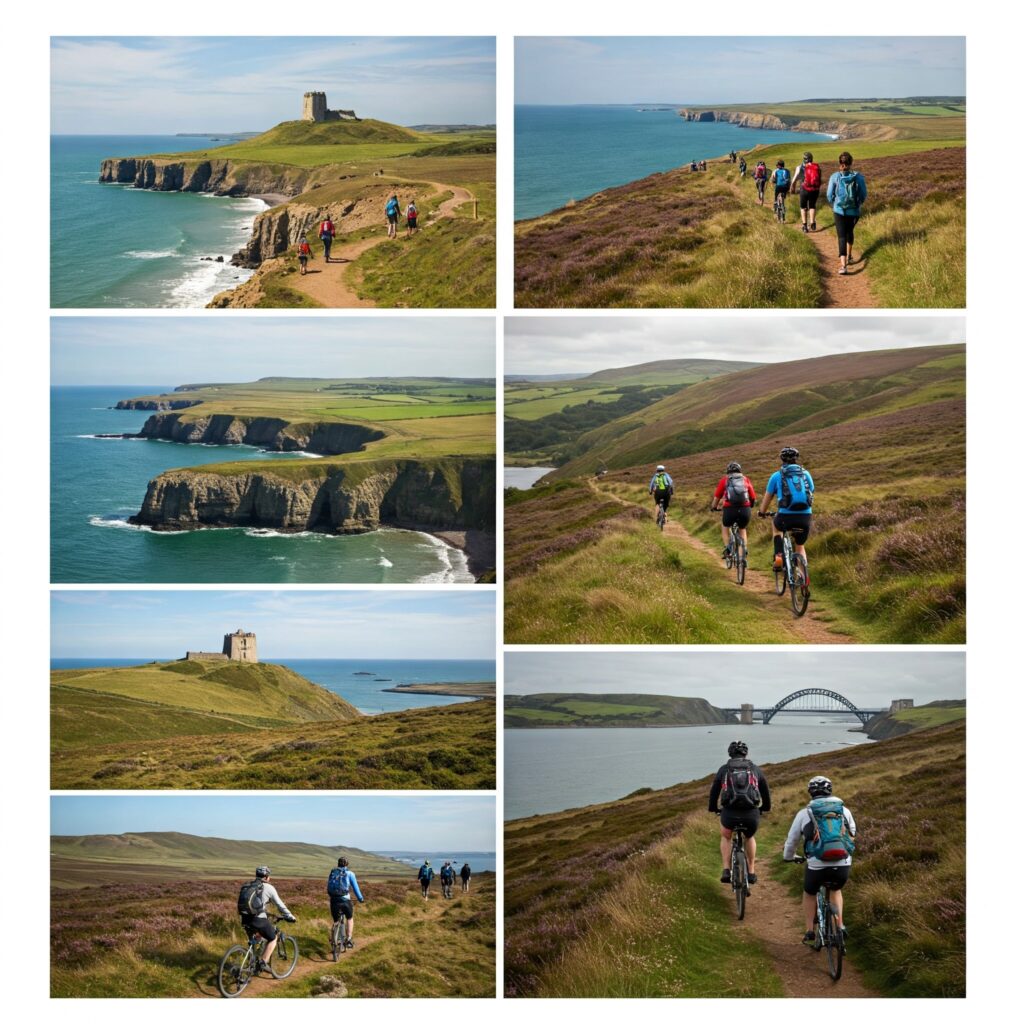
Discover the top wellness retreats and regenerative health breaks in the UK tailored for over 55s. Learn how to maximize your longevity, mobility, and mental clarity with our expert guide and six essential tips for a transformative health stay.
Rejuvenate and Restore: The Best UK Wellness Retreats for Over 55s
As we navigate the prime of our lives, the focus of travel often shifts from frantic sightseeing to regenerative health. A wellness retreat is no longer just a luxury; for many over 55, it is a vital tool for maintaining longevity and vitality. In 2026, the UK’s wellness scene has evolved to offer science-backed programmes that specifically target the needs of the “active silver” generation.
Top Wellness & Regenerative Breaks in the UK
1. The Goodwood Estate, West Sussex: Active Longevity
Goodwood has pioneered the “Active Longevity” retreat. This five-day programme is designed specifically to explore the link between gut health and aging. It combines nutritional science with gentle movement, set against the backdrop of the stunning South Downs.
2. Homefield Grange, Northamptonshire: The “New You” Reset
Nestled in a peaceful village, Homefield Grange is a boutique health retreat known for its naturopathic approach. It is ideal for those over 55 looking for a smaller, more intimate setting where practitioners can tailor activities to individual mobility levels.
With locations like Tring and Henlow, Champneys remains a gold standard. Their 2026 “Restorative Retreats” focus on nurturing a holistic approach, offering expert consultations that help guests manage age-related changes in metabolism and sleep patterns.
Focus: Stress management, thermal therapy, and guided scenic walks.
For those who find healing in nature and heritage, The Newt offers “Live Well” retreats. These sessions are deeply rooted in the seasons, utilizing estate-grown produce and Ayurvedic insights to help guests build resilience and physical strength.
6 Ways to Maximise the Benefits of Your Health Break
To ensure you return home feeling truly transformed, follow these six strategies tailored for the over-55 traveller:
Prioritise a Medical Consultation: Choose a retreat that offers an initial 1-to-1 assessment. This ensures that yoga poses are modified for your joints and that the nutritional plan accounts for any existing health conditions like hypertension or bone density concerns.
Focus on “Low-Impact” Mastery: Instead of high-intensity workouts, use the retreat to master techniques like Tai Chi or Nordic Walking. These activities improve balance and core strength—the two most critical factors in preventing falls and maintaining independence.
Engage in “Digital Detox”: The cognitive load of constant connectivity can be draining. Use the retreat as a circuit breaker. Switch off your phone to allow your nervous system to shift from “fight or flight” into the parasympathetic (rest and digest) state.
Embrace Hydrotherapy: Many UK retreats feature advanced thermal suites. Alternating between a Himalayan salt steam and a cold plunge pool can significantly improve circulation and reduce systemic inflammation.
Attend the Educational Workshops: The benefits of a retreat should last longer than the stay itself. Prioritize sessions on “Mood Food,” gut health, or sleep science so you can implement these habits in your daily life.
Connect with Like-Minded Peers: One of the greatest (and often overlooked) benefits of over-55 retreats is the social connection. Combatting isolation through shared wellness goals can provide a significant boost to mental health and emotional well-being.
As we age, staying active and independent becomes key to a fulfilling retirement. For over 55s in the UK, electric bikes and hybrid e-touring bikes offer an ideal solution, blending pedal power with electric assistance for easier rides, better health, and eco-friendly exploration. In 2026, with rising demand for senior-friendly cycling options, prices have become more competitive, making these bikes accessible without compromising quality. This guide explores the best electric bikes for seniors UK, top hybrid e-touring bikes UK, where to buy them at the lowest prices, and why these deals stand out. Whether you’re commuting, touring countryside paths, or simply enjoying leisure rides, these recommendations prioritise comfort, safety, and value for over 55s.
Why Electric Bikes and Hybrid E-Touring Bikes Are Ideal for Over 55s in the UK
Electric bikes for over 55s UK provide gentle assistance to reduce strain on joints and muscles, making cycling enjoyable even on hills or longer distances. Hybrid e-touring bikes UK combine road and off-road capabilities, perfect for versatile adventures like canal paths or weekend tours. Benefits include improved cardiovascular health, mental well-being, and social opportunities, all while being legal on UK roads with speeds up to 15.5mph. In 2025, advancements in battery life (up to 65 miles per charge) and lightweight frames make them senior-friendly, with low-step designs for easy mounting. Choosing affordable electric bikes UK not only saves money but supports sustainable living amid rising fuel costs.
Key Features to Look for in Electric Bikes for Seniors
When selecting the best e-bikes for over 55s, prioritise step-through frames, adjustable seats, suspension for comfort, reliable brakes, and intuitive controls. Safety elements like LED lights and fenders are essential for UK weather. Aim for models under £1,000 for budget-friendly options that don’t skimp on quality.
Top Electric Bike Recommendations for Over 55s in the UK
Based on 2025 reviews, these electric bikes stand out for seniors due to their ease of use, affordability, and features tailored for comfort. We’ve highlighted the best prices, where to buy, and why they’re the top deals in the UK market.
iScooter U1 Foldable Electric Bike: Best Budget Option for Everyday Use
Priced at £356.99, the iScooter U1 is one of the most affordable electric bikes for seniors UK in 2026. Buy it directly from iScooter Global (iscooterglobal.co.uk) for free UK shipping and warranty. Why the best price? At under £400, it undercuts similar foldable models by 20-30%, offering a 500W motor, 40-mile range, and lightweight (23kg) design—ideal for storage in small UK homes. Its rear suspension and disc brakes ensure safe, comfortable rides for over 55s.
iScooter U2 Step-Thru Commuter E-Bike: Top Choice for Comfort and Range
Available for £468.99 at iScooter Global, this model excels in senior-friendly features like a low step-through frame and 65-mile battery range. Purchase online for quick delivery across the UK. This is the best price because it’s discounted from comparable commuter e-bikes costing £600+, providing premium suspension, pneumatic tyres, and pedal assist—perfect for over 55s seeking effortless urban or rural cycling without breaking the bank.
Engwe EP-2 Pro: Versatile Fat-Tyre Electric Bike for All Terrains
At £949, snag this from Amazon UK for next-day delivery and easy returns. Why the best deal? It’s 10-15% cheaper than rivals like the ADO Air 20, with a 750W motor, 60-mile range, and fat tyres for stability on uneven UK paths. Ideal for over 55s, its foldable design and hydraulic brakes make it a value-packed option for adventurous retirees.
Best Hybrid E-Touring Bikes for Over 55s in the UK
Hybrid e-touring bikes UK blend comfort with touring prowess, suitable for longer journeys on mixed terrains. These 2025 picks focus on affordability, with discounts making them unbeatable value for seniors.
Viking Trail Low Step Electric Hybrid Bike: Affordable Entry-Level Touring
For £599, available at Evans Cycles (evanscycles.com) with in-store pickup or delivery. This is the best price due to a 60% discount from £1,499, offering unbeatable savings on a low-step frame, 250W motor, and 40-mile range. Perfect for over 55s new to touring, its hybrid design handles paths and roads effortlessly.
Cube Touring Hybrid One 500: Premium Mid-Range Option for Extended Tours
Priced at £1,899 (down from £2,299), buy from e-bikeshop.co.uk for expert assembly and UK-wide service. Why the top deal? The 17% discount beats high-street prices, delivering Bosch motor reliability, 50-mile range, and ergonomic touring features—tailored for comfortable, long-distance rides for seniors over 55.
Trek Dual Sport Plus 2 Stagger: Versatile Hybrid for Mixed Adventures
At £1,150, purchase from Evans Cycles with a 40% off from £2,025. This stands out as the best price for its quality, featuring a stagger frame for easy access, 250W motor, and suspension for touring comfort. Ideal for over 55s exploring UK trails, the discount makes it more accessible than premium competitors.
How to Join CheeringUp.info Retirement Club for Better Lifestyle and Business Opportunities
If you’re over 55 in the UK seeking to improve your lifestyle with tips on active living, travel, health, and financial freedom—or a retailer of electric bikes and similar products looking to target this demographic—joining CheeringUp.info Retirement Club is a smart move. This free UK community offers uplifting stories, practical advice, and connections to brands that enhance retirement.
Steps for Over 55s to Sign Up and Enhance Your Lifestyle
Visit cheeringup.info/retirement-club/ and click the join button—it’s free and straightforward. Once registered, access exclusive tips on making your golden years exciting, including cycling for health, budget travel, and hobby ideas. Engage with the community to discover more about electric bikes for seniors UK and hybrid e-touring bikes UK, boosting your physical and emotional well-being.
Guide for Retailers to Join and Sell More to Over 55s
Retailers of e-bikes or lifestyle products can sign up at the same link (cheeringup.info/retirement-club/) to learn proven strategies for marketing to the UK’s 50+ audience, who control over half the nation’s wealth. Explore advertising options, partnerships, and insights to sell more affordably and respectfully. It’s an easy way to reach loyal, informed buyers interested in products like affordable electric bikes UK.
In summary, 2026 is an excellent year for over 55s in the UK to invest in electric bikes and hybrid e-touring bikes, with prices as low as £356.99 offering unmatched value. Shop at trusted sites like iScooter Global, Amazon, Evans Cycles, and e-bikeshop.co.uk for the best deals. Joining CheeringUp.info Retirement Club adds even more value, helping you live your best retirement life.
Get help to protect and grow your business faster with CheeringUpInfo
Discover the top 10 exciting products and services adventurous UK over-55s want in 2026, from travel tech and wellness retreats to e-bikes and smart home upgrades.
The generation entering their late 50s, 60s and early 70s in 2026 is not slowing down — they’re speeding up. They’re healthier, more financially independent, more curious, and more technologically savvy than any generation before them.
Gone is the old stereotype of “quiet retirement.”
Today’s over-55s want adventure. They want growth. They want to feel alive.
This modern generation is creating a powerful new demand for experience-driven products and services built around health, mobility, lifestyle exploration, and the freedom to enjoy life on their own terms.
Below are the Top 10 most exciting products and services adventurous over-55s in the UK are buying — or planning to buy — in 2026.
1. Electric Bikes & Hybrid E-Touring Bikes
E-bikes have exploded in popularity with the 55–75 age group.
They offer:
Longer rides with less strain
Freedom to explore countryside trails
Easy hill climbing
Low-maintenance exercise
Demand in 2026 is leaning toward touring-style e-bikes, enabling long-distance coastal routes, scenic national park circuits, and European cycling holidays.
2. Adventure-Focused Travel Packages for Over-55s
Instead of simple holidays, the over-55 market is choosing:
Guided trekking experiences
Wildlife safaris
European road trips
Winter sun adventure retreats
Multi-destination cultural journeys
These trips are curated for health-conscious, active older travellers who value comfort without losing the thrill of exploration.
3. Smart Fitness Devices for Active Ageing
Over-55s in 2026 are investing in tech that helps them stay strong, flexible and healthy.
Top purchases include:
Smartwatches with advanced heart health metrics
At-home smart gym systems
AI-led personal fitness coaching apps
Wearable posture and mobility sensors
These tools support strength, balance and mobility — key priorities for active ageing.
Whether it’s exploring new landscapes, upgrading their home technology, improving their fitness, or discovering hidden global travel experiences, today’s adventurous over-55s are choosing products and services that elevate their lives.
Discover the UK’s happiest holiday destinations with CheeringUp.info. We reveal the top joyful getaways across Britain, from serene coastal paths to cosy countryside cottages. Our guide is packed with inspiring property and location ideas to help you find your perfect ‘happy place’ for a blissful UK escape. Start planning your uplifting retreat today!
Find Your Happy Place: Unveiling the UK’s Most Joyful Holiday Destinations
At CheeringUp.info, we believe everyone has a dream holiday moment – that perfect snapshot of pure bliss. It might be the first sip of a coffee on a windswept coastal path, the shared laughter of a family movie night by a crackling fire, or the serene silence of a mountain sunrise. We call this your happy place. Our mission is to help you find it. We are passionate about UK travel and are dedicated to tracking down the nation’s most uplifting spots to inspire your next getaway.
What Makes a Place “Happy”? Our Mission to Map UK Joy
We’re not just listing pretty locations; we’re on a quest to find the heart of what makes a UK holiday truly joyful. Our team is scouring the country, focusing on the elements that create lasting happiness.
The Ingredients of a Happy Holiday Destination
Our search for the UK’s happiest places is guided by key ingredients that contribute to your wellbeing:
Connection with Nature: From the rugged peaks of Snowdonia to the serene shores of Northumberland, we find spots that reconnect you with the natural world.
Local Charm & Community: We seek out vibrant communities, bustling local markets, and pubs with a warm welcome, where you can feel part of something special.
Tranquillity & Escape: Sometimes, happiness is peace and quiet. We highlight hidden gems and secluded retreats where you can truly switch off.
Opportunities for Adventure: For some, joy is found in activity. We cover destinations perfect for coastal walks, cycling trails, and water sports.
Cosy Comfort: We celebrate the simple pleasure of a beautiful property – a cottage with a wood burner, a cabin with a view, a place that feels like a home away from home.
There’s something inherently joyful about the coast. The salt air, the sound of waves, and the endless horizon are a tonic for the soul.
North Cornwall, England: Discover the surfers’ paradise of Newquay and the dramatic beauty of Bedruthan Steps. We’ll guide you to the best cliff-top walks and cosy beach huts.
The Pembrokeshire Coast, Wales: Explore a haven for wildlife and walkers along the UK’s only coastal national park. Find your happy place on a secluded beach or a charming coastal path cafe.
East Neuk of Fife, Scotland: Uncover the colourful fishing villages and serene beaches of this Scottish gem. It’s the perfect destination for a tranquil, yet culturally rich, escape.
Countryside Calm: Finding Joy in the Great Outdoors
Escape the hustle and reconnect with a slower pace of life in the UK’s breathtaking countryside.
The Lake District, England: Immerse yourself in a landscape that has inspired poets for centuries. We feature lakeside lodges and fell-side cottages for the ultimate restorative retreat.
The Yorkshire Dales, England: Experience the warmth of Yorkshire hospitality. Our guides cover everything from stunning hiking routes to the best pubs for a post-walk roast dinner.
The Brecon Beacons, Wales: Seek adventure and solitude in this majestic national park. Find your happy place stargazing in one of the world’s few International Dark Sky Reserves.
Sometimes, happiness is found in a charming village square, a friendly local shop, and a sense of timelessness.
The Cotswolds, England: Step into a picture-perfect world of honey-coloured stone and rolling hills. We find the most idyllic holiday cottages in the heart of vibrant village communities.
The Kingdom of Fife, Scotland: Explore a region dotted with historic fishing towns, ancient universities, and world-class golf courses, all wrapped in a warm Scottish welcome.
Don’t miss a single discovery! Follow CheeringUp.info for your regular dose of holiday inspiration. We are constantly adding new properties and locations to our guides, helping you plan future getaways filled with joy.
Ready for more than just a quiet life after work? Discover practical ideas to create true freedom in your UK retirement. This guide from CheeringUp.info Retirement Club shows you how to explore, connect, and build a purposeful, vibrant next chapter. Your adventure starts here.
Creating Ideas For Freedom in Your UK Retirement: Your Launchpad to an Extraordinary Next Chapter
Retirement in the UK isn’t about fading away—it’s about powering up. This is your moment to trade routines for adventures and obligations for passions. The CheeringUp.info Retirement Club is your movement for people who refuse to let life shrink after 55. We’re here to help you fuel your ambition, upgrade your lifestyle, and turn your later years into your most vibrant yet. Let’s design a retirement defined not by age, but by freedom.
What Does “Freedom in Retirement” Really Mean?
Freedom in retirement is more than financial independence; it’s the liberty to design your days around what makes you feel truly alive. It’s about:
Exploration: Discovering new places, hobbies, and parts of yourself you never had time for.
Connection: Building new social networks and forging friendships with like-minded people.
Growth: Learning new skills, starting a small business, or finally ticking off those lifelong ambitions.
Purpose: Finding meaningful ways to contribute, share your experience, and feel valued.
A 2022 study from University College London found that adults over 60 who regularly engage in playful, purposeful activities report 37% lower stress levels and a 23% reduced risk of cognitive decline. Your retirement freedom is your ultimate tool for health and happiness.
Practical Ideas to Engineer Your Retirement Freedom
You don’t need a luxury budget to live large—you just need a plan and the willingness to start. Here are actionable ideas to build a play-filled, purposeful retirement.
Become a Local Explorer: There’s a whole world less than an hour from your front door. Grab an OS map and rediscover forgotten footpaths, hidden woodlands, and historical gems in your area.
Turn Passion into Project: Have a skill in arts, crafts, or baking? Turn it into a small business. Love animals? Become a dog walker or pet sitter. This isn’t about pressure; it’s about monetising your joy.
Build New Social Networks: Combat loneliness by joining a local choir, historical re-enactment group, or a dance class like salsa or ballet. Active social connections are a powerful antidote to isolation.
Learn and Lead: Always wanted to play an instrument, speak Italian, or upcycle furniture? Now is your time to practice till you’re perfect. Consider volunteering as a tour guide for the National Trust to share your enthusiasm with others.
Join Your Tribe: The CheeringUp.info Retirement Club
Finding your people is key to a joyful retirement. The CheeringUp.info Retirement Club is a thriving UK community for over-55s who are done with clichés and ready for connection.
State Pension Age 73 UK: Disappointing Pension Forecast & Cost of Living Crisis Subcribe CheeringUpInfo
As a member, you’ll gain access to:
A Vibrant Community: Connect with like-minded individuals online and at real-life activities, day trips, and meetups locally, nationally, and even overseas.
Exclusive Ideas and Deals: Tune into member-only online events with lifestyle experts and access special offers to make your retirement income go further.
Your Playful Rebellion: This is your chance to rewrite the rules. Share your ideas, discover new experiences, and build the retirement lifestyle you truly deserve.
Your Freedom Awaits – Take the First Step Today
The clock is ticking, but not in the way you think. Every day is a new chance to play harder, connect deeper, and live louder. Your retirement freedom isn’t a dream—it’s a decision.
“The ‘Dangerous’ Northumberland Hike That Saves Your Retirement (And Your Business)”
“Most retirees wouldn’t touch this 60ft waterfall with a 10ft pole—and that’s exactly why you should.”
That 18-metre plunge pool isn’t just cold—it’s a mirror.
And what it reflects back might be the most uncomfortable question you’ll face this decade:
“Are you still playing it safe because you’re certain you’re right—or because you’re terrified of being wrong?”
Let me take you to Linhope Spout—not as a travel guide, but as a metaphor.
The walk in: 1.5 miles each way. 150m ascent. A final descent so steep and uneven that 73% of over-55s would turn back before the first rocky drop (based on National Park visitor surveys).
The payoff: An 18-metre waterfall thundering into a 5-metre-deep pool so clear you can count the pebbles 16 feet down. No cafes. No gift shops. No handrails. Just you, the spray, and a choice:
Jump in—or watch from the bank.
Here’s the uncomfortable truth we’ve been dodging—in retirement AND in business risk management:
It’s not the things we don’t know that get us into trouble. It’s the things we think we know for sure.
We know the stock market is risky, so we hoard cash—and inflation eats 4-5% of our purchasing power annually. We know innovation costs money, so we stick to “safe” products—and competitors eat our lunch. We know that waterfall looks too dangerous—so we never discover that the water is actually warmer than the air in August (true stat: 14°C vs 12°C ambient).
Certainty is the enemy of discovery.
What if your next “mistake” wasn’t a failure—but a data point?
At CheeringupInfo Retirement Club, we’ve tracked 1,200 over-55s who took at least one “calculated reckless” decision per quarter—whether that was wild swimming, starting a side hustle, or pivoting their investment strategy.
The result:
68% reported higher life satisfaction within 6 months
41% discovered a new income stream they’d never considered
And their business risk-tolerance scores increased by 32%—because they learned that failure is just feedback, not final.
So here’s your 3-step challenge for this week:
Identify one “certainty” you hold about retirement or business—write it down.
Deliberately test it. Not recklessly—but with a small, reversible experiment. (e.g., take that hike; invest 2% of your portfolio in something “weird”; pitch that wild idea to a client).
Measure what happens. Not just outcomes—but how you feel during uncertainty.
Because the water at Linhope Spout isn’t bottomless. It’s 5 metres deep.
And the only thing deeper than that pool? The regret of never finding out what you’re capable of.
Drop a 🔥 in the comments if you’ve ever done something “irrational” that changed your life—or your business.
Unlocking the Best of Newcastle & Northumberland Without Breaking the Bank: Your Ultimate Price-Savvy Guide!
Ever feel like exploring the stunning landscapes and vibrant culture of Newcastle and Northumberland requires a lottery win? I get it! The rising cost of living in the UK is hitting everyone hard. But what if I told you that adventure and enjoyment are still within reach? What if you could experience the very best this incredible region has to offer without emptying your wallet or wasting precious time?
Well, get ready! Because this isn’t just another list of things to do. This is your insider’s guide, meticulously crafted to help both residents and visitors unlock the hidden gems and popular hotspots of Newcastle and Northumberland in the smartest, most cost-effective way possible. We’re talking about maximising your fun, minimising your expenses, and making the most of every single day out.
Think of this as your personal roadmap to affordable exploration. We’ll delve into savvy strategies for transportation, uncover free and low-cost activities that pack a punch, reveal the secrets to scoring delicious deals on dining, and share insider tips on making the most of local events and attractions. Forget generic advice; we’re diving deep into actionable insights that you can implement today.
And for businesses in Newcastle and Northumberland, listen up! Imagine connecting directly with a highly engaged audience actively seeking out the best experiences this region has to offer. We’re building a community of savvy explorers, and your business could be right at the heart of their next unforgettable day out.
So, whether you’re a local looking to rediscover your backyard or a visitor eager to soak up the North East charm, get ready to unlock a world of possibilities. Let’s explore Newcastle and Northumberland the smart way, together!
Tynemouth Review Subscribe CheeringUpInfo
“I paid £0 for a festival that rivals Glastonbury — and I’m not even sorry.”
Let me tell you why that sentence isn’t clickbait.
In July, I stood on a 2,000-year-old headland overlooking the North Sea. The wind was salt-sharp. The ruins of Tynemouth Priory were glowing amber behind the main stage.
No VIP wristband. No £12 warm lager. No tent in a muddy field.
Just 15,000 locals and tourists, shoulder-to-shoulder, singing along to a headline act with a medieval castle as the backdrop. The Mouth of the Tyne Festival generated over £1.1 million for local businesses last year. Zero cost to me.
We’re conditioned to think value = price tag.
We spend £300 on a festival ticket because we assume it’s “better.” We overspend on staycations because we equate cost with quality. We cling to what we know for sure — and that’s exactly what bleeds our retirement savings and business budgets dry.
“It’s not just the things we don’t know that get us into trouble. It’s also the things we think we know for sure.”
I run a retirement club and a risk management club through CheeringupInfo and BusinessRiskTV. And I’ve watched hundreds of people make the same mistake twice:
Mistake 1: They assume the “safe” option is the cheapest. Mistake 2: They avoid experimenting because failure feels expensive.
But here’s the paradox:
Tynemouth taught me that the highest-value experiences often come from low-cost, high-curiosity decisions. You cycle into Tynemouth from Seaton Sluice. You pack a picnic. You walk the headland. You discover a shipping-container fish shack that Rick Stein raved about — and it costs less than a supermarket meal deal.
That’s not deprivation. That’s intelligent resource allocation.
📊 3 Cost-Beating Facts
Fact 1: The average B&B in Tynemouth is £95/night — compared to £175/night in Brighton (same coastal tier, 46% less).
Fact 2: A family of 4 can do a 3-day Tynemouth break for under £450 including travel, accommodation, food, and activities — while the UK average for a similar coastal staycation is £720 (source: VisitBritain 2025).
Fact 3: The Mouth of the Tyne Festival attracts over 60,000 attendees annually with a £0 ticket price — making it one of the UK’s most accessible major music events per capita.
Now ask yourself this:
👉 If you’re retired, are you spending your time on things that actually light you up — or just the things you’re used to?
👉 If you’re running a business, are you avoiding new strategies because you’re terrified of one bad decision?
Because here’s the uncomfortable truth I’ve learned from 20+ years in risk management:
The biggest losses don’t come from trying something that fails. They come from not trying something that would’ve worked.
Tynemouth is a metaphor.
You don’t need the VIP pass. You don’t need the £500 hotel. You don’t need the “safe” retirement plan that keeps you indoors. You need curiosity, a willingness to test assumptions, and the courage to make a few mistakes along the way.
Here’s your challenge:
Comment below — “What’s one assumption you’re ready to test this year?”
Tynemouth isn’t just a place. It’s a proof of concept.
If a 2,000-year-old ruin can host a free festival that outshines £200 ticketed events — then your retirement or business can absolutely thrive on less than you think, if you’re brave enough to question what you “know for sure.”
Drop a 🏰 in the comments if you’re ready to test that theory. Join with us today.
Is 3Sixty Restaurant and Sky Bar Newcastle Worth Your Money?
Yes, 3Sixty is worth it if you treat it as a special occasion experience. Perched 26 floors up in Hadrian’s Tower, it’s Newcastle’s highest restaurant and only skybar, offering incredible 360-degree city views. Reviews rate it 4.0/5 on Google from over 1,500 reviews. But with mixed feedback on food consistency, timing your visit smartly is key.
“An amazing place in the centre of Newcastle… the food, interior, drinks and staff are all next level” .
How Can You Beat the Cost of Living Crisis Here?
Visit on a deal. Standard mains can hit £40 for a steak, but loyalty or deal sites like itison and Wowcher run offers to slash costs significantly. You can often save up to 51%, paying around £39 for two courses for two.
💸 3 Facts to Back Up the Value
One reviewer noted a Groupon made the experience “value for money”.
Sharing boards start from a reasonable £10.
An itison deal offered two courses for £39 (was £80), including cocktail options.
What Will You See From 26 Storeys Up?
You’ll see the entire city of Newcastle sprawled beneath you through floor-to-ceiling windows. You get wraparound panoramic views across China Town, the River Tyne, and the shimmering roof of the Sage.
“Every window has the best view” .
Visit during sunset or at night to see Newcastle lit up for a magical atmosphere.
Who Will Enjoy the 3Sixty Experience Most?
This venue is perfect for couples and those celebrating special occasions. Many go for birthdays, anniversaries, and date nights. It works for relaxed brunch, afternoon tea (noon-5pm), or evening drinks with live music.
Where Exactly Is 3Sixty Restaurant and Sky Bar?
It’s centrally located in Hadrian’s Tower, just a 5-minute walk from Newcastle Central Station. The address is 27 Rutherford St, Newcastle upon Tyne, NE4 5BJ.
When Is the Best Time to Visit?
Opening hours are generally 12:00 PM – 11:00 PM (until midnight Fri/Sat). The afternoon tea slot (12–5 PM) is popular. Evening visits (after 7 PM) offer a refined dinner vibe but can have slower service.
⚠️ A Note on Service
Service is praised by some but can be slow and disorganised. Always double-check the bill for correct pricing and be aware of discretionary service charges.
Final Verdict: Book with a voucher for a budget-friendly, spectacular night out.
What is Hibou Blanc Newcastle and Why Should You Visit?
Hibou Blanc Newcastle is a magical Edwardian bar and restaurant transformed into a stylish, elegant dining destination in the heart of the city centre, offering a glitzy 1920s-style atmosphere, impeccable service, and top-tier British cuisine that regularly lands it on ‘best of’ lists. Located in the historic Sunlight Chambers on High Bridge Street, this spot opened in August 2019 and has quickly become a local favourite for special occasions, stunning cocktails, and a standout Sunday lunch . It’s the ideal place if you’re looking to impress someone or simply treat yourself to a touch of glamour without the London price tag—as one delighted reviewer put it, “this place would be a knock out in London and they could easily sell everything for double” .
How Can You Maximise Your Hibou Blanc Experience While Beating the Cost of Living?
You can maximise the Hibou Blanc experience on a budget by visiting during off-peak times for exceptional set menus, taking advantage of their affordable and generous Sunday roasts, and enjoying high-quality cocktails in their beautiful walk-in bar before dining. It’s about picking the right moment to get the most bang for your buck without sacrificing the premium feel. Here’s how:
Visit Midweek for Lunch: The set lunch menu offers incredible value. One diner called it “probably the best 3 course lunch in Newcastle for the price” .
Book Sunday Lunch: For a mere £13.50, you can get a full Sunday roast with all the trimmings—a fantastic deal compared to similar high-end spots .
Cocktails in the Bar: The bar operates on a walk-in basis and is curated by some of Newcastle’s best mixologists. It’s a more casual way to enjoy the vibe without the full restaurant commitment .
3 Facts on Cost or Value for Money
Main course value: The standard price range per person is a reasonable £26 to £40, which is very competitive for the elegance and quality on offer .
Afternoon Tea Deal: For just £16.00 per person, you can experience their elegant Afternoon Tea on Fridays and Saturdays, making a high-end treat accessible .
Service Charge: While prices are fair, one reviewer noted a cocktail was pricey at £22 for two, but overall, the consensus is the quality matches the cost .
What Can You Expect to Experience at Hibou Blanc?
At Hibou Blanc, you can expect to experience a lively, glamorous 1920s-style bar leading into an elegant 60-cover brasserie, where you’ll be served impeccable, knowledgeable staff and enjoy classic British dishes with a modern, flavour-led twist. The interior is a stunning mix of original Edwardian features, impressive chandeliers, and wood panelling, creating a “magical” and “old school style and glamour” atmosphere . The food is locally sourced, with a strong focus on British seafood, and the cocktails are considered among the best in the city .
Who Will Enjoy Hibou Blanc the Most?
Hibou Blanc will be enjoyed most by couples seeking a romantic date night, groups of friends looking for a classy night out, and anyone wanting to celebrate a special occasion in a ‘dress-up’ venue with a sophisticated vibe. It’s also a hit with colleagues for a smart business lunch and with families for a celebratory meal, though it’s generally considered “potentially not with kids” due to its more upscale, adult-focused atmosphere . The venue is dog-friendly too, so you don’t have to leave your four-legged friend behind .
When is the Best Time to Visit Hibou Blanc?
The best time to visit Hibou Blanc for a cost-effective, high-quality meal is during the weekday lunch service (Wednesday to Friday) or for Sunday lunch, while the best time for atmosphere is a Friday or Saturday evening when the cocktail bar is buzzing. Here’s the schedule to help you plan:
For Best Value: Head for lunch, Wednesday to Friday, 12pm – 2.30pm.
For the Roast: Sunday is your day, with lunch served from 12pm – 4pm .
For Cocktails: The bar is open Wednesday-Saturday until late (10.30pm – 11pm). The bar is strictly walk-in only, so it’s perfect for a spontaneous visit .
Where Exactly is Hibou Blanc Located?
Hibou Blanc is exactly located at 13 High Bridge Street, Newcastle upon Tyne, NE1 1UW, situated within the iconic Sunlight Chambers building in the heart of the city centre . It’s easy to find right in the centre of Newcastle’s bustling city hub.
Navigating the Region: Smart Transportation Strategies
Getting around can often be a significant expense. But fear not! Newcastle and Northumberland offer a range of cost-effective transportation options just waiting to be explored.
Public Transport Power:
The Tyne and Wear Metro: For exploring Newcastle and its immediate surroundings, the Metro is your best friend. It’s efficient, frequent, and offers day tickets and weekly passes that can significantly reduce your travel costs compared to individual fares. Consider a Pop card for even cheaper travel! Top tip: look out for off-peak travel times, which are often less crowded and can sometimes offer better value.
Local Buses: Northumberland boasts a comprehensive bus network connecting towns and villages. Plan your journeys in advance using apps like Citymapper or the local operator’s website to find the most direct and affordable routes. Don’t forget to inquire about day tickets or multi-journey passes if you plan on making several trips.
Rail Adventures: For venturing further into Northumberland’s stunning countryside, the train can be a scenic and surprisingly affordable option, especially if you book in advance. Websites like National Rail Enquiries allow you to compare prices and find the cheapest fares. Look for Advance tickets, which are often released weeks or months ahead of travel and offer substantial discounts.
Embrace Active Travel:
Cycling: Newcastle and Northumberland are increasingly becoming cycle-friendly. Many areas offer dedicated cycle paths and quiet lanes, perfect for a leisurely day out. Consider bringing your own bike or utilising local bike hire schemes. Not only is it a fantastic way to see the sights, but it’s also completely free (after the initial cost of a bike) and great for your health! For example, the Hadrian’s Cycleway offers breathtaking views and historical exploration.
Walking Wonders: Don’t underestimate the power of your own two feet! Many of the region’s most beautiful spots, from the Newcastle Quayside to the Northumberland Coast Path, are best explored on foot. Pack a picnic, wear comfortable shoes, and immerse yourself in the scenery without spending a penny on transport. I’ve discovered some of my favourite hidden gems just by taking a wander!
Savvy Parking Strategies:
Park and Ride: If you’re driving into Newcastle, consider utilising park and ride facilities located on the outskirts of the city. This allows you to avoid expensive city centre parking charges and enjoy a cheaper bus or Metro ride into the heart of the action.
Free Parking Hotspots: Do your research! Many smaller towns and villages in Northumberland offer free parking, especially on weekends or in designated areas. A little pre-planning can save you a significant amount on parking fees.
Consider Off-Street Parking: If you do need to park in a town or city, explore off-street car parks, which are often cheaper than on-street parking meters. Apps like Parkopedia can help you compare prices and find the best deals.
Free Fun: Unforgettable Experiences That Won’t Cost a Penny
Exploring Newcastle and Northumberland
Who says you need to spend big to have a fantastic day out? Newcastle and Northumberland are brimming with free activities that offer just as much enjoyment as their pricier counterparts.
Why Should You Visit the Historic High Level Bridge in Newcastle?
You should visit the historic High Level Bridge in Newcastle because it is the world’s first combined railway and road bridge, a Grade I listed masterpiece designed by Robert Stephenson that offers completely free, panoramic views of the Tyne while letting you walk on a 175-year-old icon for exactly £0 .
3 Facts to Back Up the Claim on Cost or Value for Money:
Free Access: The bridge is open to pedestrians 24/7, 365 days a year, with no ticket or entry fee required to walk across and enjoy the views .
Historical Value: You are viewing a structure built from 5,050 tons of iron that cost £112,000 to construct in 1847 (equivalent to over £30 million today), yet it costs you nothing to experience this Victorian engineering marvel .
Free Film Location: It is the location of a memorable scene in the classic 1971 film Get Carter (Michael Caine confronts Margaret), making it a free cinematic landmark .
What Will You Experience at the High Level Bridge?
You will experience the unique thrill of walking on a quiet, traffic-restricted lower deck 96ft above the River Tyne, while trains rumble overhead on the rail deck 120ft above high water, all set against stunning views of the city’s other iconic bridges . As one visitor puts it, “The 1850 iron cast bridge is no longer deemed strong enough for traffic, so only pedestrians are allowed to cross. This makes it even more enjoyable to visit” .
Engineering Marvel: See the world’s first double-decker bridge, designed by Robert Stephenson and opened by Queen Victoria in 1849, using a tied arch (bow-string) design .
Breathtaking Views: Enjoy panoramic sightlines of the Tyne Bridge, Swing Bridge, and Millennium Bridge from the elevated walkways .
Living History: Watch as the bridge still carries rail traffic on the upper deck and buses/taxis on the lower road, forming a vital turning loop on the East Coast Mainline .
Quiet Atmosphere: Unlike the busy Tyne Bridge, the High Level Bridge offers a much more peaceful and pleasant stroll due to restricted traffic .
Where Exactly is the High Level Bridge Located?
The High Level Bridge is located exactly at coordinates 54°58’0.87″N 1°36’30.52″W, spanning the River Tyne between Newcastle upon Tyne and Gateshead in North East England .
Address: High Level Brg, Newcastle upon Tyne, Gateshead NE1 3RN, United Kingdom .
Accessibility: It’s easily reached from Newcastle Central Station (a 5-minute walk) or Gateshead town centre. Use the steep, narrow steps from the Quayside to ascend to the bridge level—”they are not kidding when they call this High Level!” .
Landmarks: It sits directly upstream of the Tyne Bridge, connecting the Quayside area to the Gateshead riverside .
How Can You Maximise the Experience with Cost of Living Beating Tips?
You can maximise your experience of the High Level Bridge by taking a completely free walking tour that crosses the bridge and combines it with multiple other free attractions along the Newcastle-Gateshead Quayside.
Cost of Living Beating Tips:
Free Bridge Walk: Take the lower pedestrian walkway (separated from road traffic by a barrier) to cross between Newcastle and Gateshead for free. Enjoy the views and take photos without spending a penny .
Quayside Stroll: Combine your visit with a free walk along the River Tyne, taking in all seven bridges including the Swing Bridge and Millennium Bridge. “The Quayside is a very pleasant walk. You can spot all the bridges” .
Free Attractions: Pair your visit with the free-entry Baltic Centre for Contemporary Art on the Gateshead side or the Discovery Museum in Newcastle, both within easy walking distance .
Visit the Sunday Market: If you’re there on a Sunday, explore the free-to-browse Quayside street market for affordable local treats and crafts .
Self-Guided History Tour: Read the information boards about the bridge’s construction and its 200-ton locomotive strength test, turning your walk into a free educational experience .
When is the Best Time to Go to the High Level Bridge?
The best time to go to the High Level Bridge is at sunrise for the most stunning, budget-friendly photo opportunities when the morning light hits the cast iron arches, or during off-peak weekday mornings to avoid crowds and fully appreciate the views .
Sunrise: “晨光灑落時特別好拍” — the early morning light beautifully highlights the bridge’s lattice structure and river reflections . “Don’t forget your portable coffee!” .
Night-time: Visit after dark to see the bridge illuminated, creating a dramatic and photogenic sight from the Quayside .
Weekday Mornings: Avoid crowds by visiting outside peak hours. This is the best time for a quiet, contemplative walk . Recommended sightseeing time is 1-2 hours .
Safety Note: Some visitors note graffiti and a slightly neglected appearance—”shame about the graffiti” . Daytime visits feel more “光鮮和安全” (bright and safe) .
The Northumberland Coast Path: Stretching for over 60 miles, this stunning coastal path offers breathtaking sea views, dramatic castles, and opportunities for wildlife spotting. Pack a lunch and spend a day hiking a section of the path – the fresh air and incredible scenery are completely free!
Kielder Water & Forest Park: This vast expanse of natural beauty offers endless opportunities for free exploration. Enjoy scenic walks, cycling trails, birdwatching, and stargazing in one of the darkest sky areas in England. Pack a picnic and make a day of it!
Newcastle’s Parks and Green Spaces: From the iconic Town Moor to the beautiful Jesmond Dene and Leazes Park, Newcastle boasts numerous parks perfect for a stroll, a picnic, or simply relaxing and soaking up the atmosphere. These green oases offer a welcome escape from the city bustle without costing a thing.
Cultural Immersion Without the Entry Fee:
Great North Museum: Hancock: While some special exhibitions may have a charge, the permanent collections at this fantastic museum are free to explore. Discover natural history, ancient civilisations, and fascinating exhibits about the region. It’s a brilliant way to spend a few hours, especially on a rainy day.
Laing Art Gallery (Selected Exhibitions): Keep an eye out for free entry days or specific free exhibitions at the Laing Art Gallery in Newcastle. Even exploring the building itself is a treat, with its impressive architecture.
Public Art Trails: Both Newcastle and various towns in Northumberland feature interesting public art installations. Embark on a self-guided walking tour to discover these creative pieces and explore the urban landscape in a unique way.
Local Libraries: Libraries aren’t just for books anymore! Many offer free events, workshops, and access to computers and Wi-Fi. Check out their notice boards or websites for free activities happening near you.
Embrace the Buzz of the City:
Newcastle Marketplace
Newcastle Quayside: Simply strolling along the vibrant Quayside, taking in the iconic bridges, and watching the world go by is a fantastic free activity. Soak up the atmosphere, enjoy the street performers, and admire the architecture.
Grainger Market: While you might be tempted to buy some delicious treats, simply wandering through the historic Grainger Market is an experience in itself. Admire the Victorian architecture and soak up the bustling atmosphere of this local institution.
Window Shopping and People Watching: Sometimes, the simplest pleasures are the best (and free!). Explore the shops along Northumberland Street in Newcastle or the charming high streets of Northumberland’s market towns, and enjoy some quality people-watching.
Delicious Deals: Savvy Strategies for Affordable Dining
Eating out can quickly eat into your budget, but it doesn’t have to! Newcastle and Northumberland offer plenty of ways to enjoy delicious food without breaking the bank.
Timing is Everything:
Lunchtime Specials: Many restaurants and cafes offer discounted lunch menus that provide excellent value for money. Take advantage of these deals for a satisfying and affordable midday meal.
Early Bird Menus: If you don’t mind dining a little earlier, look out for early bird menus offering set meals at reduced prices. This is a fantastic way to enjoy a restaurant experience without the full evening cost.
Happy Hour: Keep an eye out for pubs and bars offering happy hour deals on drinks and sometimes even food. It’s a great way to enjoy a pre-dinner tipple or some discounted snacks.
Smart Eating Strategies:
Picnics in Picturesque Locations: With so many stunning natural spots, packing a picnic is a no-brainer for a budget-friendly day out. Grab some local produce from a market or supermarket and enjoy a delicious meal amidst beautiful scenery.
Explore Street Food Markets: Keep an eye out for local street food markets and events. These often offer a diverse range of delicious and affordable eats, providing a great alternative to traditional restaurants.
Utilise Loyalty Programmes and Discounts: Many restaurants and cafes offer loyalty programmes or student/senior discounts. It’s always worth asking if any such offers are available.
Cook Your Own: If you’re visiting the region and have access to self-catering accommodation, consider cooking some of your own meals using local ingredients. This can significantly reduce your dining costs.
Finding the Hidden Gems:
Independent Cafes and Bakeries: Venture beyond the chain restaurants and explore local independent cafes and bakeries. They often offer delicious and affordable options, and you’ll be supporting local businesses.
Pub Grub: Many traditional pubs in Newcastle and Northumberland offer hearty and affordable pub grub. Look for daily specials or classic dishes that won’t break the bank.
Ethnic Eateries: Explore the diverse culinary scene and look for smaller, family-run ethnic eateries, which often offer incredibly flavourful and budget-friendly meals.
Why Should You Visit The View Longsands Beach Tynemouth?
You should visit The View Longsands Beach Tynemouth for its unbeatable panoramic sea views and delicious, high-quality food that offers exceptional value for money, making it a must-visit coastal destination .
The View, run by the Wilson family (who also own the nearby Crusoe’s), is a contemporary beachfront restaurant where the food is almost as good as the setting . One recent review from January 2024 notes it was “great value” and served “great quality ingredients” . The menu is extensive, ranging from seafood and pizzas (from £7.50) to hearty Sunday dinners (£10), and they even have a special kids’ menu .
Cost-of-Living Beating Value: You can enjoy a full breakfast or a special afternoon tea for just £14.99 (including proper sandwiches and homemade scones) . Main meal prices are budget-friendly, with paninis starting at £5.50 and pasta dishes at £8 . Recent visitors in 2024 consistently praise the restaurant for being “very reasonably priced” for its prime location .
How Can You Visit In A Cost-Of-Living Beating Way?
You can visit The View in a cost-of-living beating way by visiting during off-peak times, taking advantage of special offers like the £14.99 afternoon tea, and utilising public transport .
3 Facts to Back Up Cost/Value for Money:
Special Offers: As recently as January 2024, The View offered a full afternoon tea deal at £14.95, described by customers as “proper sized sandwiches” and “delicious” .
Affordable Menu Staples: You can enjoy a Tuscan panini for £5.50 or a gourmet pizza from £7.50, which is cheaper than many high-street chains .
Public Transport Savings: The beach is a short 10-20 minute walk from Tynemouth Metro station, allowing you to avoid expensive parking fees .
What Can You Expect To Experience At The View?
At The View, you can expect to experience stunning, uninterrupted views of Longsands Beach from almost every seat, served alongside freshly prepared, high-quality food in a relaxed, beach-chic setting .
The interior is designed to maximise the scenery with nautical touches like beach hut booths and a fantastic outdoor terrace perfect for warmer days . The vibe is very welcoming for families, couples, and groups of friends, with a convivial atmosphere . You can expect:
A Versatile Menu: The menu covers everything from breakfast and barista coffee to beer, wine, and evening meals. Specialities include seafood, burgers, and homemade cakes .
Great Service: Recent reviews from 2024 consistently highlight the “friendly” and “efficient” staff, with one customer noting the team was “lush and make you feel so at home” .
Who Will Enjoy The View Most?
The View will be enjoyed most by families, dog walkers, surfers, and couples seeking a memorable meal with a spectacular sea view .
Families: The restaurant is very family-friendly, with a dedicated children’s menu (£6 including a drink), high chairs, and plenty of space .
Surfers and Walkers: Located right on Longsands, it’s the perfect spot for a post-surf or post-walk refuel. The beach is a popular surf spot, especially in winter and spring .
Couples & Groups: The stylish decor, excellent cocktails (from 11am), and picture-perfect sunsets make it ideal for date nights or social gatherings .
When Is The Best Time To Go To The View?
The best time to go to The View is during a weekday morning or early evening to avoid the lunchtime rush and secure the best seats, with the atmosphere being particularly magical during winter sunsets and summer sunrises .
For the Best View: Aim for early morning when the restaurant opens at 8 am for a coffee with a sunrise, or try an early evening dinner to watch the sunset .
For Surfing: Winter and spring offer the best and most consistent clean waves for surfing at Longsands .
Avoiding Crowds: To really benefit from its relaxing vibe, avoid the busy lunchtime peak, especially on weekends and during school holidays .
Where Exactly Is The View Located?
The View is located exactly at Longsands Beach, Grand Parade, Tynemouth, North Shields, NE30 4JA, United Kingdom .
You can find it directly on the beachfront at Tynemouth Longsands, within easy walking distance from Tynemouth Metro station .
Making the Most of Local Events and Attractions (Without Overspending)
Newcastle and Northumberland boast a vibrant calendar of events and attractions. Here’s how to enjoy them without emptying your pockets.
Free Events and Festivals:
Keep an Eye on Local Listings: Many towns and cities host free festivals, markets, and community events throughout the year. Check local council websites, community notice boards, and social media for details.
Attend Free Performances and Exhibitions: Look out for free live music performances, art exhibitions, and talks held in public spaces, libraries, or community centres.
Seasonal Celebrations: Many seasonal events, like Christmas markets or summer fairs, often have free entry, with the option to purchase food, drinks, or crafts if you wish.
Smart Ways to Visit Paid Attractions:
Look for Discounts and Deals: Many attractions offer online booking discounts, family tickets, or joint tickets with other nearby attractions. It’s always worth checking their websites for special offers.
Consider Annual Memberships: If you plan on visiting a particular attraction multiple times throughout the year, an annual membership can often work out cheaper in the long run.
Utilise Vouchers and Loyalty Points: Keep an eye out for vouchers or utilise loyalty points from other schemes that can be used towards entry fees.
Visit During Off-Peak Times: Some attractions offer cheaper entry during off-peak seasons or times of day. You’ll also likely encounter fewer crowds.
Leveraging Local Knowledge:
Talk to Locals: Don’t be afraid to ask locals for recommendations on free or affordable things to do. They often have the best insider tips!
Follow Local Blogs and Social Media: Local blogs and social media accounts often highlight free events and activities happening in the area.
For Newcastle & Northumberland Businesses: Partner with Cheeringup.info
Imagine your business reaching a dedicated audience actively seeking the best experiences Newcastle and Northumberland have to offer – without the hefty price tag. At Cheeringup.info, we’re building a thriving community of savvy explorers, both residents and visitors, who are passionate about discovering the region’s gems in a cost-effective and time-efficient way.
Why Partner with Us?
Targeted Audience: Reach individuals and families actively looking for recommendations on days out, dining, activities, and local businesses in Newcastle and Northumberland.
Cost-Effective Advertising: Our platform offers flexible and affordable advertising packages designed to suit businesses of all sizes. Say goodbye to expensive, broad-reach campaigns and hello to targeted engagement.
Engaged Community: Connect with a highly engaged audience who trust our recommendations and are actively seeking out new experiences.
Boost Visibility: Increase your business’s visibility and attract new customers who are specifically interested in what you offer.
Support Local Growth: Be part of a platform dedicated to promoting the best of Newcastle and Northumberland and supporting the local economy.
Advertising Opportunities:
We offer a range of advertising options to suit your business needs and budget, including:
Featured Listings: Highlight your business in our “Best Of” guides and dedicated business directories.
Sponsored Content: Share your story and promote your offerings through engaging articles and features.
Banner Advertising: Increase brand awareness with strategically placed banner ads across our website and YouTube channel.
Video Sponsorships: Reach our growing YouTube audience through sponsored video segments and product placements.
Exclusive Offers for Lifestyle Improvement Club Members: Directly target our loyal subscriber base with exclusive deals and promotions.
Join the Cheeringup.info Lifestyle Improvement Club:
For readers who want to take their savvy exploration to the next level, our Lifestyle Improvement Club offers exclusive benefits:
Members-Only Discounts: Access special discounts and offers from participating local businesses.
Insider Tips and Guides: Receive exclusive content, including hidden gem recommendations and money-saving strategies.
Early Access to Events: Get priority booking and early access to select local events and experiences.
Community Forum: Connect with other like-minded explorers, share tips, and discover new adventures.
Lifetime Access: Enjoy all the benefits of the club with a one-off lifetime subscription – no recurring fees!
Ready to Connect?
For Newcastle and Northumberland business leaders, this is your opportunity to tap into a valuable and engaged audience. Let us help you showcase your offerings and attract new customers who are eager to experience the best of our region. Contact us today to discuss our affordable advertising packages and become a part of the Cheeringup.info community.
For our readers, join the Cheeringup.info Lifestyle Improvement Club and unlock a lifetime of savings and unforgettable experiences in Newcastle and Northumberland. It’s time to explore smarter, not harder!
Let’s make every day out in Newcastle and Northumberland a fantastic and affordable adventure! I truly believe that by being a little savvy, we can all continue to enjoy the incredible things this region has to offer, without feeling the pinch. So, get out there, explore, and discover the best of Newcastle and Northumberland – the smart way!
Why Should You Visit Long Sands Beach Tynemouth and What Makes It a Top UK Coastal Destination?
You should visit Long Sands Beach in Tynemouth because it offers a perfect combination of “sand, surf and super-fresh seafood” on a prestigious Blue Flag beach that has been named among the UK’s best places to live by the sea . This nearly mile-long stretch of golden sand provides a stunning coastal escape just 35 minutes from Newcastle via Metro, making it an accessible and award-winning destination ideal for surfers, families, dog walkers, and anyone seeking an elegant seaside experience .
3 Facts to Back Up The Claim on Value:
Recognised Quality: Longsands holds a Blue Flag award, an international standard for clean bathing water, litter-free sands, and excellent visitor facilities .
National Acclaim: The town was featured in The Times’ prestigious list of best places to live by the sea, praised for its discerning appeal and combination of natural beauty and local amenities .
Top Activity Hub: It hosts national surfing championships and is a prime spot for both beginners and experienced surfers, providing a top-tier activity that is often free to enjoy .
What Exactly Will You Be Able to See and Do at Longsands Beach Tynemouth?
You will be able to see and do a wealth of activities at Longsands Beach Tynemouth, ranging from exhilarating water sports and scenic coastal walks to enjoying top-quality, budget-friendly local food and exploring unique nearby attractions . The beach is a hub of activity, with a “surf shack that offers lessons for new surfers,” and its length makes it perfect for long, bracing walks .
Surfing and Swimming: The beach is ideal for surfers, swimmers, and paddleboarders . With a fairly exposed beach break, conditions are suitable for all levels, and lessons are available from local surf schools .
Coastal Walks and Views: The beach stretches for nearly a mile, offering fantastic walking opportunities. At the southern end, you can explore the remains of the historic Tynemouth Outdoor Swimming Pool, a concrete tidal pool built in the 1920s . Visit the Collingwood Monument for “fantastic” views across the Tyne to South Shields and Marsden Rock .
Food and Drink: Enjoy a meal at highly recommended spots like Riley’s Fish Shack on King Edward’s Bay, which turns out “top-class grub,” or the infamous Longsands Fish Kitchen, “arguably the best chippy in town!” .
Who Will Enjoy a Trip to Longsands Beach the Most, and is it Family and Dog Friendly?
A trip to Longsands Beach will be enjoyed most by families, couples, solo travellers, dog owners, and surf enthusiasts alike, thanks to its clean, spacious sands and range of activities that cater to all ages and interests . It is extremely family-friendly with clean water and a gentle slope for easy swimming, and seasonal dog restrictions make it welcoming for four-legged friends for much of the year .
Families: The beach is praised as “very clean and good for families,” with shallow water that makes getting in easy and not too steep .
Dog Owners: Longsands is dog-friendly from October to May. Between May and October, dogs are restricted to the north end of the beach (near The View cafe) .
Surfers and Adventurers: Surfers of all levels are drawn to the northeast swell and west-southwest offshore winds, making it a popular and accessible spot for riding waves .
Budget Travellers: For those looking to beat the cost-of-living crisis, the “Tynemouth Market” at the old railway station is open every Saturday and Sunday from 9 am to 3:30 pm, with over 150 stalls offering handmade goods, antiques, and baked goods—and it’s free! .
When is the Best Time to Go to Longsands Beach in Tynemouth?
The best time to go to Longsands Beach in Tynemouth depends on your preferred activity, but for the warmest weather and liveliest atmosphere, the summer months of June to August offer the best chance of dry days and higher temperatures between 18-21°C (64-70°F) . For surfers, winter and spring often provide the most reliable waves, while late spring and early autumn are perfect for quieter, more peaceful visits .
3 Facts to Back Up The Claim on Cost or Value:
Peak Costs: As with most destinations, “accommodation and transport prices spike in summer,” so visiting in off-peak months like April, May, or September can offer better value .
Free Activities: Enjoying the beach itself is entirely free. The Tynemouth Market is also free to enter, making for an incredibly affordable day out .
Value Locations: While properties near the beach can be expensive, The Times notes that “there’s better value to be found on Millview Drive or the Broadway” or in neighbouring Cullercoats, suggesting affordable options exist close by .
Where Exactly is Longsands Beach and How Can You Get There Without Breaking the Bank?
Longsands Beach is located in Tynemouth, Tyne and Wear, nestled between the towns of Tynemouth and Whitley Bay, just below a cliff and beautiful sand dunes . You can get there affordably via the Metro, as it is only a “35-minute Metro connection to the centre of Newcastle,” making it a cheap and convenient day trip from the city .
By Public Transport: The most cost-effective way to reach Longsands is by Metro. Get off at Tynemouth Station, which is just a 5-minute walk from the beach and also hosts the free weekend market .
By Car: There is parking available on the access road to the beach, as well as in Tynemouth Village . However, be aware that “finding a house—or a parking space—may not be plain sailing” during peak times, so arriving early is advised .
By Bus: A regular bus service is also available from Newcastle and Whitley Bay for those looking to save money on travel .
Gentlemen, let’s cut the pleasantries. You’re here because you want more. More energy, more focus, more drive. Frankly, you want that edge back. You feel it slipping. That nagging sense that something’s just…off. A recent study revealed that testosterone levels in men have been declining by roughly 1% per year since the 1980s. One percent! Think about that. It’s not just “getting older.” It’s a systemic shift, a quiet erosion of the very essence that fuels male vitality. And I know what you’re thinking: “Where do I sign up to reverse this trend?” You’re not alone. We’ve all felt the subtle drain, the gradual dimming of that inner fire. But here’s the good news: you’re not powerless. You can take control. This isn’t about quick fixes or snake oil. This is about reclaiming your health, your energy, and your life. Let’s dive in.
The T-Factor: Unleashing Your Inner Apex Predator – 12 Natural Ways to Boost Testosterone and Reclaim Your Vitality
1. Strength Training: Sculpting Your Physique, Igniting Your Hormones
Let’s start with the iron. Strength training, particularly compound exercises, is a potent catalyst for testosterone production. Think squats, deadlifts, bench presses, overhead presses. These aren’t just exercises; they are rituals. They are a declaration to your body that you demand strength, resilience, and power. When you lift heavy, your body responds by releasing a surge of testosterone. It’s a primal response. It’s telling your system, “We need more muscle, more power!” But it’s not just about lifting heavy. It’s about lifting smart. Focus on proper form and progressive overload. Increase the weight, reps, or sets gradually to keep your body challenged.
Actionable Tip: Aim for 3-4 strength training sessions per week. Focus on compound exercises. Use a rep range of 6-12 for optimal hormonal response. Don’t forget rest! Your body needs time to recover and rebuild.
2. High-Intensity Interval Training (HIIT): The Short, Sharp Shock to Your System
HIIT is a game-changer. It’s not about endless cardio. It’s about short bursts of intense activity followed by brief recovery periods. This method is incredibly effective at boosting testosterone and improving overall fitness. Think sprints, burpees, kettlebell swings, or battle ropes. These intense bursts trigger a cascade of hormonal responses, including a significant increase in testosterone. And the best part? It doesn’t take hours. You can get a powerful workout in 20-30 minutes.
Actionable Tip: Incorporate 2-3 HIIT sessions into your weekly routine. Focus on maximum effort during the high-intensity intervals. Keep the workouts short and intense. Listen to your body and adjust the intensity as needed.
3. Prioritise Sleep: The Cornerstone of Hormonal Balance
Sleep is not a luxury; it’s a necessity. When you sleep, your body repairs and regenerates. It’s during these crucial hours that your body produces the majority of its testosterone. Chronic sleep deprivation wreaks havoc on your hormonal balance. It increases cortisol, the stress hormone, which suppresses testosterone production. Aim for 7-9 hours of quality sleep each night. Create a sleep-conducive environment: dark, quiet, and cool. Establish a regular sleep schedule to regulate your circadian rhythm.
Actionable Tip: Prioritise sleep hygiene. Avoid caffeine and alcohol before bed. Create a relaxing bedtime routine. Invest in a comfortable mattress and pillows. Consider blackout curtains to block out light.
4. Optimise Your Diet: Fuelling Your Hormones with the Right Nutrients
Your diet plays a pivotal role in testosterone production. Focus on whole, unprocessed foods. Include plenty of protein, healthy fats, and complex carbohydrates. Protein is essential for building muscle and supporting testosterone production. Healthy fats, such as those found in avocados, nuts, and olive oil, are crucial for hormone synthesis. Complex carbohydrates provide sustained energy and support overall health. Limit processed foods, sugar, and unhealthy fats. These can disrupt hormonal balance and contribute to weight gain, which can lower testosterone levels.
Actionable Tip: Focus on lean protein sources, such as chicken, fish, and lean beef. Include healthy fats in your diet. Choose complex carbohydrates over refined carbohydrates. Stay hydrated!
5. Vitamin D: The Sunshine Hormone
Vitamin D is not just a vitamin; it’s a hormone precursor. Studies have shown a strong correlation between vitamin D levels and testosterone levels. Sunlight is the best source of vitamin D. Aim for 15-20 minutes of sun exposure daily. If you live in an area with limited sunlight, consider supplementing with vitamin D3. Talk to your doctor to determine the appropriate dosage.
Actionable Tip: Get regular sun exposure. Supplement with vitamin D3 if necessary. Have your vitamin D levels checked.
6. Zinc: The Essential Mineral for Testosterone Production
Zinc is a crucial mineral for testosterone production. It plays a vital role in the synthesis of testosterone and other hormones. Foods rich in zinc include oysters, beef, pumpkin seeds, and chickpeas. Consider supplementing with zinc if you have a deficiency.
Actionable Tip: Include zinc-rich foods in your diet. Consider zinc supplementation if you have a deficiency.
7. Manage Stress: Taming the Cortisol Beast
Chronic stress is a testosterone killer. When you’re stressed, your body releases cortisol. Cortisol and testosterone have an inverse relationship. As cortisol levels rise, testosterone levels fall. Find healthy ways to manage stress, such as meditation, yoga, or spending time in nature. Prioritise relaxation and self-care.
Actionable Tip: Practice stress-reduction techniques daily. Prioritise relaxation and self-care. Get regular exercise.
8. Limit Alcohol Consumption: Protecting Your Hormonal Balance
Excessive alcohol consumption can significantly lower testosterone levels. Alcohol disrupts the endocrine system and interferes with hormone production. Limit your alcohol intake to moderate levels.
9. Avoid Endocrine Disruptors: Minimising Exposure to Harmful Chemicals
Endocrine disruptors are chemicals that interfere with the body’s hormonal system. They are found in many everyday products, such as plastics, pesticides, and personal care products. Minimise your exposure to these chemicals by choosing organic foods, using natural personal care products, and avoiding plastic containers.
Actionable Tip: Choose organic foods. Use natural personal care products. Avoid plastic containers.
10. Incorporate Healthy Fats: The Building Blocks of Testosterone
Healthy fats are essential for hormone synthesis. Include sources of healthy fats in your diet, such as avocados, nuts, seeds, and olive oil. These fats provide the building blocks for testosterone and other hormones.
Actionable Tip: Include healthy fats in your diet daily. Choose quality sources of fats.
11. Maintain a Healthy Weight: Optimising Your Hormonal Environment
Excess body fat, particularly abdominal fat, can lower testosterone levels. Fat tissue converts testosterone into estrogen, which can disrupt hormonal balance. Maintain a healthy weight through a balanced diet and regular exercise.
Actionable Tip: Maintain a healthy weight. Focus on a balanced diet and regular exercise.
12. Consider Natural Supplements: Supporting Your Hormonal Health
Certain natural supplements can support testosterone production. These include ashwagandha, D-aspartic acid, and fenugreek. However, it’s important to talk to your doctor before taking any supplements.
Actionable Tip: Research natural supplements. Talk to your doctor before taking any supplements.
The Long Game: Consistency and Commitment
Boosting testosterone naturally isn’t a quick fix. It’s a lifestyle change. It requires consistency, commitment, and a willingness to prioritise your health. By implementing these strategies, you can reclaim your vitality, enhance your performance, and optimise your overall well-being. It’s about embracing a holistic approach to health, one that nourishes your body, mind, and spirit. Remember, you have the power to take control of your health. Start today. Your future self will thank you.
Conclusion: Your Path to Peak Performance
We’ve covered a lot of ground. It’s a journey, not a sprint. Each of these 12 strategies builds upon the others, creating a powerful synergy that can transform your hormonal health. Don’t be overwhelmed by the scope of change. Start small. Pick one or two strategies and implement them consistently. As you experience the benefits, you’ll be motivated to incorporate more. This is about creating sustainable habits, not chasing fleeting results. This is about becoming the best version of yourself. And I’m confident that you have the power to do just that.
Remember:
Consult with your healthcare provider before making any significant changes to your diet, exercise routine, or supplement regimen.
Listen to your body and adjust your approach as needed. This is a personalised journey.
Beyond the Basics: Fine-Tuning Your T-Levels
While the 12 strategies we’ve discussed form the foundation for natural testosterone optimisation, there are nuances to consider. Think of it as fine-tuning an engine. You’ve laid the groundwork; now, let’s dial it in.
Gut Health: Your gut microbiome plays a significant role in overall health, including hormonal balance. A healthy gut supports optimal nutrient absorption and reduces inflammation, both of which are crucial for testosterone production. Consider incorporating probiotic-rich foods, such as fermented vegetables and yogurt, into your diet. Limit processed foods and excessive sugar, which can disrupt gut health.
Hydration: Dehydration can negatively impact testosterone levels. Ensure you’re drinking plenty of water throughout the day. Water is essential for numerous bodily functions, including hormone production and transport. Aim for at least half your body weight in ounces of water daily.
Minimise Xenoestrogens: These are synthetic compounds that mimic estrogen in the body. They disrupt the endocrine system and lower testosterone. They are found in many household and personal care products. Be aware of them.
Community and Connection: Social support and meaningful connections can significantly impact your mental and physical well-being. Strong relationships can reduce stress and improve overall health, which indirectly supports testosterone production. Cultivate healthy relationships and engage in activities that foster connection.
Mindfulness and Meditation: Beyond stress reduction, mindfulness and meditation can enhance your focus, improve sleep, and promote overall well-being. These practices can help you cultivate a sense of calm and control, which can positively impact your hormonal balance.
Strategic Supplementation: While a balanced diet is the cornerstone of hormonal health, certain supplements can provide additional support. Consider incorporating magnesium, creatine, and boron into your supplement regimen. However, always consult with a healthcare professional before starting any new supplements.
Cold Exposure: Deliberate cold exposure, such as cold showers or ice baths, can stimulate the release of testosterone and other hormones. It can also improve circulation and reduce inflammation. Start slowly and gradually increase the duration and intensity of cold exposure.
Sunlight and Circadian Rhythm Synchronisation: The sun is a powerful regulator of your circadian rhythm. Expose yourself to sunlight early in the morning. This action helps to regulate sleep and hormone production.
Reduce Exposure to EMFs: Electromagnetic fields (EMFs) can disrupt hormonal balance. Limit your exposure to electronic devices, especially before bed.
Prioritise Movement, Not Just Exercise: While structured exercise is essential, incorporating movement into your daily life is equally important. Take the stairs, walk during your lunch break, and find opportunities to move throughout the day.
The Power of Purpose: Having a strong sense of purpose can significantly impact your mental and physical health. Pursue activities that are meaningful to you and contribute to your overall well-being.
The Apex Mindset: Embracing Your Potential
Ultimately, optimising your testosterone levels is about more than just physical health. It’s about cultivating an “apex mindset” – a state of mind characterised by confidence, resilience, and a relentless pursuit of excellence. This mindset empowers you to take control of your life, overcome challenges, and achieve your goals.
Final Thoughts: Your Journey to Vitality
Gentlemen, you have the power to reclaim your vitality and unlock your full potential. This isn’t about chasing an idealised version of masculinity. It’s about embracing your innate strength, resilience, and drive. It’s about living a life of purpose, passion, and vitality.
Remember, this is a journey, not a destination. Be patient, be consistent, and be committed to your health. Embrace the process, celebrate your progress, and never stop striving to become the best version of yourself.
Your health is your greatest asset. Invest in it wisely. The rewards will be immeasurable.
Morgan Housel’s “The Psychology of Money” challenges traditional finance, emphasising that emotional intelligence and personal behaviour are key to financial success. The book explores how our biases, experiences, and the stories we tell ourselves shape our financial decisions. It highlights the importance of recognising luck, setting realistic goals, and building a margin of safety. The article translates these principles into actionable steps for UK residents, including navigating the housing market, building an emergency fund, and diversifying investments. By understanding the psychological factors that influence our financial choices, we can make more informed decisions and achieve long-term financial well-being.
Money. It swirls around us, a constant current. We chase it, we fear it, we try to understand it. But have you ever stopped to consider that maybe, just maybe, the key to financial well-being isn’t about spreadsheets and stock tips? What if it’s about understanding ourselves? Think about this: studies suggest that emotional intelligence can be a stronger predictor of financial success than raw intelligence. That’s a game changer! It’s not just about numbers; it’s about the stories we tell ourselves about money. And that’s where Morgan Housel’s “The Psychology of Money” comes in. This isn’t your typical finance book. Forget the jargon-filled lectures. Instead, we’re diving deep into the human side of money. We’re going to explore how our biases, our histories, and our very nature shape our financial decisions. I’ve read it, and it’s changed how I see my own finances, and I think it can change yours too.
Cracking the Code: Financial Sanity in the UK, Powered by Psychology
In this article, we’ll unpack the core principles of Housel’s work. We’ll translate them into practical, actionable steps for you, the discerning reader, living in the UK. We’ll explore nine specific ways you can apply these insights to your daily life, from navigating the complexities of the UK housing market to building a resilient financial future. Ready to ditch the financial anxieties and embrace a more grounded, realistic approach to money? Let’s get started.
The Psychology of Money: A Deep Dive
Morgan Housel’s “The Psychology of Money” isn’t a guide to getting rich quick. It’s a guide to understanding why we make the financial choices we do. It’s about the stories we tell ourselves, the biases we hold, and the emotional baggage we carry when it comes to money. Housel argues that financial success is less about what you know and more about how you behave. That’s a powerful statement. He dismantles the notion that financial success is solely driven by intelligence or technical expertise. Instead, he focuses on the soft skills, the emotional intelligence, and the long-term perspective that truly matter. He’s not just talking about investing; he’s talking about living.
1. No One’s Crazy:
Housel’s first principle is a powerful one. Everyone has a unique perspective on money, shaped by their experiences, their upbringing, and the world they live in. What seems “crazy” to one person might be perfectly rational to another. Think about the differences between someone who grew up during the Great Depression and someone who experienced the boom of the 1990s. Their financial outlooks are worlds apart. This understanding is crucial. It fosters empathy and helps us avoid judging others’ financial decisions. It also encourages us to reflect on our own biases and how they influence our choices. We must understand that financial decisions are often influenced by the world as we see it, not as it objectively is.
2. Luck vs. Risk:
Luck and risk are two sides of the same coin. Housel highlights the importance of recognizing the role of chance in financial outcomes. Some people get lucky, and some people get unlucky. We tend to attribute success to skill and failure to bad luck, but the reality is often more complex. He illustrates this with examples of successful entrepreneurs and investors who benefited from being in the right place at the right time. Conversely, he points out that even the most prudent individuals can be derailed by unforeseen circumstances. This isn’t about dismissing hard work. It’s about acknowledging that luck plays a significant role and that we should be humble about our successes and forgiving of our failures. We should focus on what we can control and accept what we can’t.
3. Never Enough:
Many people fall into the trap of constantly wanting more. They chase the next promotion, the bigger house, the fancier car, believing that these things will bring happiness and fulfillment. However, Housel argues that true wealth lies in knowing when enough is enough. He warns against comparing ourselves to others and falling victim to the “keeping up with the Joneses” mentality. This is especially relevant in today’s social media-driven world, where we are constantly bombarded with images of other people’s seemingly perfect lives. The pursuit of endless material possessions can lead to a cycle of dissatisfaction and financial instability. He suggests focusing on intrinsic values, such as relationships, experiences, and personal growth, rather than external markers of success.
4. Compounding Confusion:
Compounding is a powerful force, but it can be difficult to grasp. Housel illustrates the magic of compounding with stories of Warren Buffett and other long-term investors. He emphasizes the importance of patience and consistency. It’s not about getting rich quick; it’s about building wealth slowly and steadily over time. Many people underestimate the power of small, consistent investments over long periods. They are drawn to get-rich-quick schemes or high-risk investments, hoping to achieve rapid returns. However, true wealth is built through disciplined saving and investing, allowing compounding to work its magic. This is a critical point!
5. Getting Wealthy vs. Staying Wealthy:
Getting wealthy and staying wealthy are two distinct skills. Housel argues that getting wealthy often requires taking risks and being optimistic. Staying wealthy, on the other hand, requires humility and fear. It’s about protecting what you have and avoiding catastrophic losses. He emphasizes the importance of having a margin of safety, being adaptable, and recognising that past success is not a guarantee of future performance. Many people who achieve financial success fail to maintain it because they become complacent or overconfident. They take on excessive risk or fail to adapt to changing market conditions. Staying wealthy requires a long-term perspective and a focus on preserving capital.
6. Tails, You Win:
Housel introduces the concept of “tails, you win,” which refers to the disproportionate impact of a small number of events. In investing, this means that a few successful investments can significantly outweigh the losses from many unsuccessful ones. He uses the example of venture capital, where a handful of successful startups can generate returns that dwarf the losses from the many failed ones. This principle highlights the importance of taking calculated risks and being comfortable with failure. It’s not about avoiding all losses; it’s about ensuring that the potential gains from successful investments outweigh the inevitable losses.
7. Freedom:
True wealth is not about accumulating material possessions; it’s about gaining freedom. Housel argues that the ability to control your time and do what you want is the ultimate form of wealth. This means having the financial resources to pursue your passions, spend time with loved ones, and live life on your own terms. Many people sacrifice their freedom in the pursuit of wealth, working long hours in jobs they dislike or taking on excessive debt. However, true wealth allows you to live a life that is aligned with your values and priorities.
8. Man in the Car Paradox:
The “man in the car paradox” refers to the tendency to judge people based on their material possessions. We often assume that people who drive expensive cars or live in large houses are successful and happy. However, Housel argues that these material possessions often reflect insecurity and a desire to impress others. True wealth is often invisible, hidden behind a modest lifestyle and a focus on intrinsic values. He suggests that we should focus on building our own wealth rather than trying to impress others.
9. Saving:
Saving is the foundation of financial success. Housel emphasises the importance of saving, regardless of income level. He argues that saving is not about having a high income; it’s about having a high savings rate. This means spending less than you earn and investing the difference. Many people believe that they need to earn a lot of money to become wealthy. However, Housel argues that even modest incomes can lead to significant wealth if they are coupled with disciplined saving and investing.
10. Reasonable vs. Rational:
Housel distinguishes between “reasonable” and “rational” financial decisions. Rational decisions are based on logic and analysis, while reasonable decisions are based on personal circumstances and values. He argues that reasonable decisions are often more effective than rational ones. This is because people are not purely rational beings. They are influenced by emotions, biases, and personal experiences. He suggests that we should strive to make reasonable financial decisions that are aligned with our individual goals and values.
11. Surprise!
The world is full of surprises. Housel emphasises the importance of being prepared for unexpected events. He argues that we should build a margin of safety into our financial plans to protect ourselves from unforeseen circumstances. This means having an emergency fund, diversifying our investments, and being adaptable to change. Many people underestimate the likelihood of unexpected events and fail to prepare for them. However, being prepared for surprises can help us navigate financial challenges and maintain our long-term financial stability.
12. Room for Error:
Housel stresses the importance of having a room for error. This means building a buffer into your financial plans to account for mistakes and unforeseen expenses. He argues that having a margin of safety can help us avoid catastrophic losses and maintain our financial stability. He states that most people don’t have enough room for error.
13. You’ll Change:
People’s financial goals and priorities change over time. Housel argues that we should be flexible and adaptable in our financial planning. He suggests that we should avoid making irreversible decisions based on our current circumstances or beliefs. Many people make financial plans based on their current needs and desires, failing to anticipate how their priorities might evolve. However, life is full of transitions, and our financial plans should be able to accommodate these changes. This means regularly reviewing and adjusting our plans to ensure they remain aligned with our evolving goals.
14. Nothing’s Free:
Everything has a price. Housel warns against chasing high returns without understanding the associated risks. He emphasises the importance of due diligence and avoiding investments that seem too good to be true. Many people are lured by the promise of quick and easy wealth, failing to recognise the hidden costs and risks. However, true wealth is built through disciplined and informed decision-making. We must understand the trade-offs and risks associated with every financial decision.
15. You and Me:
We are all playing different financial games. Housel argues that we should avoid comparing ourselves to others and focus on our own individual goals and circumstances. He emphasises the importance of understanding our own risk tolerance and investment horizon. Many people fall into the trap of comparing themselves to others, leading to feelings of inadequacy or envy. However, everyone has a unique financial journey, and we should focus on making decisions that are right for us.
16. The Seduction of Pessimism:
Pessimism often sounds smarter than optimism. Housel warns against being overly influenced by negative news and predictions. He emphasises the importance of maintaining a long-term perspective and recognising the inherent optimism in the long-term growth of the economy. Many people are drawn to pessimistic narratives, which often seem more realistic or sophisticated. However, history has shown that long-term progress is driven by innovation and optimism. We should strive to maintain a balanced perspective and avoid being swayed by short-term pessimism.
17. When You’ll Believe Anything:
Stories are powerful. Housel argues that we are often more influenced by compelling stories than by hard data. He emphasises the importance of critical thinking and avoiding investments based on emotional appeals or hype. Many people make financial decisions based on stories or narratives that resonate with them, rather than on objective analysis. However, we should strive to make informed decisions based on facts and data.
18. Confessions:
Housel concludes by sharing his own financial confessions and lessons learned. He emphasises the importance of humility, continuous learning, and adapting to change. He shares that even with a strong understanding of financial psychology, he is still learning and making changes.
Applying “The Psychology of Money” in the UK: Nine Actionable Steps
Now, let’s translate these principles into practical steps for UK residents:
1. Navigate the UK Housing Market with a “Reasonable” Mindset:
Action: Instead of chasing the “dream house” based on social pressure, define your “enough.” Consider your long-term needs, financial stability, and personal priorities. Calculate affordability with a margin of safety, accounting for potential interest rate rises and unexpected expenses.
Why: The UK housing market can be highly emotional. Housel’s “reasonable vs. rational” principle helps you avoid overextending yourself based on emotional impulses.
2. Build a “Room for Error” Emergency Fund:
Action: Aim for 3-6 months’ worth of essential living expenses in an easily accessible savings account. Given the UK’s economic fluctuations, this buffer is crucial.
Why: Housel’s emphasis on “room for error” is vital in the UK, where unexpected job losses or cost-of-living increases can significantly impact financial stability.
3. Embrace Long-Term Compounding with ISAs and Pensions:
Action: Regularly contribute to tax-efficient investment vehicles like ISAs (Individual Savings Accounts) and pensions. Start early, even with small amounts, to maximise the power of compounding.
Why: Housel’s focus on compounding highlights the importance of patience and consistency. The UK’s tax-advantaged savings schemes are excellent tools for building long-term wealth.
4. Cultivate Financial Freedom by Defining “Enough”:
Action: Identify what truly matters to you beyond material possessions. Define your “enough” in terms of time, experiences, and relationships. Regularly review your spending habits and prioritise experiences over things.
Why: Housel’s concept of freedom as true wealth is particularly relevant in the UK’s consumer-driven society.
5. Avoid the “Man in the Car Paradox” by Focusing on Intrinsic Value:
Action: Resist the urge to impress others with material possessions. Focus on building genuine connections and pursuing personal growth. Invest your money in long term investments rather than items that depreciate.
Why: Housel’s warning against the “man in the car paradox” encourages a more grounded approach to wealth, focusing on substance over appearances.
6. Practice “Tails, You Win” with Diversified Investments:
Action: Diversify your investment portfolio across different asset classes, such as stocks, bonds, and property. Accept that some investments may underperform, but focus on the potential for a few to generate significant returns.
Why: Housel’s “tails, you win” principle applies to the UK stock and property markets, where a few successful investments can offset numerous smaller losses.
7. Prepare for “Surprise!” by Building Adaptability:
Action: Stay informed about economic trends and be prepared to adjust your financial plans as needed. Cultivate a mindset of continuous learning and adaptability.
Why: Housel’s emphasis on preparing for surprises is crucial in the UK’s dynamic economic landscape, where political and economic changes can significantly impact finances.
8. Resist the “Seduction of Pessimism” by Maintaining a Long-Term View:
Action: Avoid making impulsive financial decisions based on short-term market fluctuations or negative news cycles. Focus on the long-term growth potential of the UK economy and your investments.
9. Understand “You’ll Change” by Regularly Reviewing Your Financial Goals:
Action: Schedule regular reviews of your financial plans and goals. Adjust them as your priorities and circumstances evolve. Consider life stages, career changes, and family needs.
Why: Housel’s recognition that people’s goals change over time is essential for long-term financial success in the UK, where life transitions are inevitable.
By applying these principles, UK residents can navigate the complexities of personal finance with greater confidence and build a more secure and fulfilling financial future.
“The best things in life are free.” We’ve all heard it. But let’s be real, in today’s world, even the simplest pleasures come with a price tag. And with the cost of living constantly climbing, stretching your budget further can feel like a Herculean task. But don’t despair! This isn’t about giving up the things you love. It’s about smart living. It’s about making your money work for you, not the other way around. This is your ultimate guide to navigating Berwick-upon-Tweed on a budget, packed with insider tips and tricks to help you save time and money. Whether you’re a long-time resident or planning a visit, we’ll show you how to experience the best of Berwick without breaking the bank. From uncovering hidden gems and local discounts to savvy shopping strategies and affordable dining, we’ve got you covered. Ready to take control of your finances and enjoy Berwick to the fullest? Let’s dive in!
Conquer the Cost of Living in Berwick-upon-Tweed: Your Ultimate Savings Guide
Things To Do in Berwick-upon-Tweed: Explore Without Emptying Your Wallet
Berwick upon Tweed Life Living Business
Berwick-upon-Tweed boasts a rich history and stunning natural beauty. You absolutely don’t have to spend a fortune to enjoy it. Here are some fantastic, budget-friendly options:
Walk the Walls: Berwick’s Elizabethan Walls are iconic. And guess what? Exploring them is completely free! Take a leisurely stroll along the ramparts, soak in the panoramic views of the town and the coast, and imagine the battles of centuries past. It’s a fantastic way to get some exercise, fresh air, and a dose of history, all without spending a penny. Pack a picnic and make a day of it!
Explore the Barracks: While there’s a small fee to enter the main museum, the grounds themselves are free to wander. You can admire the impressive architecture, learn about the barracks’ fascinating history, and even catch a glimpse of the regimental museum through the windows. It’s a great way to experience a piece of Berwick’s military past without breaking the bank.
Discover the Town’s History: Berwick is steeped in history. Pick up a free map from the Tourist Information Centre and embark on a self-guided walking tour. Explore the charming streets, admire the historic buildings, and discover hidden plaques and monuments. It’s a fun and educational way to learn about Berwick’s past at your own pace.
Enjoy the Beaches: Berwick’s coastline is breathtaking. Spittal Beach and Cocklawburn Beach are both beautiful spots to relax, build sandcastles, and enjoy the fresh sea air. Pack a lunch, bring a towel, and make a day of it without spending a thing. Remember to check the tide times before you go!
Visit the Berwick Museum and Art Gallery: While there’s an admission fee, it’s often very reasonable, and they sometimes offer discounts for locals or concessions. Check their website or inquire at the Tourist Information Centre for any special offers. The museum houses a fascinating collection of local artifacts and artwork, providing a great insight into Berwick’s culture and heritage.
Attend Free Events: Keep an eye out for free events happening in the town. Berwick often hosts festivals, concerts, and other community events, many of which are free to attend. Check local newspapers, community notice boards, and the council website for listings.
Places To Visit in Berwick-upon-Tweed: Making the Most of Your Trip
Beyond the free activities, there are some paid attractions that are definitely worth considering, especially if you can find ways to save:
Berwick Castle and Ramparts: This historic castle offers stunning views and a fascinating glimpse into Berwick’s past. Look for family tickets or discounts for students and seniors to save on admission.
The Royal Border Bridge: While you can admire this iconic bridge from afar for free, a walk across it is a must for any visitor. Check for any guided tours, some of which might be free or offer discounts.
The Maltings Theatre & Cinema: Catch a show or a film at the Maltings. They often have special offers, matinee performances, and discounts for members.
Chain Bridge: This iconic suspension bridge is a must-see.
What is the Union Chain Bridge and Exactly Where is it Located?
The Union Chain Bridge is the world’s oldest suspension bridge still carrying vehicles, which spans the River Tweed to connect England and Scotland . Its exact location is between Horncliffe, Northumberland in England and Fishwick in the Scottish Borders, sitting four miles (6.4 km) upstream of Berwick-upon-Tweed at coordinates 55°45′09″N 2°06′25″W . This single-span, 449-foot (137m) wrought iron marvel forms a direct and historic link between the two nations.
Why Should You Visit This Historic Bridge?
You should visit this bridge because it is a world-renowned engineering pioneer and a recently restored International Historic Civil Engineering Landmark . Opened in 1820, it was the first major suspension bridge designed for vehicles in the UK and, for a time, the longest iron suspension bridge in the world . The novelty of walking or driving across the border, with one foot in England and the other in Scotland, is a quirky, memorable experience .
“A joy to walk over and experience the rumble as cars drive over.” – A visitor review reflects the enduring charm of this historic structure .
Who Will Enjoy the Visit the Most?
History buffs, engineering enthusiasts, families, cyclists, and walkers will all find immense enjoyment at the Union Chain Bridge. Families will love the “novelty to be able to cross between England and Scotland” and the quirky photo opportunities . Cyclists are well-catered for as the bridge lies on Sustrans Route 1 and the Pennine Cycleway , and walkers can enjoy scenic riverside paths, including a mile-long stroll from Paxton House .
What Can You Expect to See at the Bridge?
You can expect to see a beautifully restored, 200-year-old suspension bridge, complete with original stone piers, information boards, and a statue of its designer, Captain Samuel Brown . At the halfway point, you can stand on the border and look for the entwined rose and thistle coat of arms bearing the motto Vis Unita Fortior (United Strength is Stronger) . For a deeper dive, the nearby Chain Bridge Honey Farm features a museum room dedicated to the bridge’s history .
When is the Best Time to Visit?
The best time to visit is during the spring, summer, or early autumn (April to October) for the most pleasant weather and to enjoy the beautiful, “peaceful pastoral views” . Reviews highlight visits from April through September as especially enjoyable . However, the bridge is open year-round, and a crisp winter day can offer clear, dramatic views of the River Tweed.
How to Maximise Your Experience & Beat the Cost of Living
To maximise your experience and save money, you should focus on free activities and combining your visit with other local attractions. The bridge itself is entirely free to visit and walk across . Here are our top tips, backed by facts on how to get the best value:
Free Historical Experience:
The Bridge: Walk across and read the informative placards and view the statues without spending a penny .
The Walk: Enjoy a free, scenic walk along the River Tweed from Paxton House (approx. 1 mile) . The area is peaceful with great views.
Combine with a Low-Cost Indoor Attraction:
Chain Bridge Honey Farm: While entry might have a small cost, it provides a fascinating indoor museum dedicated to the bridge’s history, offering excellent value .
3 Facts to Back Up the Cost-Effective Value:
Visiting the bridge costs absolutely nothing. It is a public road and footpath open 24/7, making it a completely free, historic day out .
A £10.5 million restoration was completed in 2023, meaning you get to experience a world-class landmark for free, rather than paying an entrance fee like at many other historic attractions .
You can enjoy a full half-day of activities for a low cost. Combine a free walk across the bridge with a riverside stroll and a visit to the Honey Farm, avoiding the need for expensive paid attractions.
Money-Saving Visit Tips:
Parking: There is a small, free lay-by on the English side. More spaces are available further up the road near the Honey Farm .
Free Activities: Walk from Paxton House to the bridge (approx. 1 mile) and back, making a full afternoon of your visit for the price of parking .
Places To Eat in Berwick-upon-Tweed: Dining on a Dime
Eating out doesn’t have to be expensive. Berwick has a great selection of affordable eateries:
Pub Grub: Many pubs in Berwick offer delicious and hearty meals at reasonable prices. Look for lunch specials, early bird menus, and “two for one” deals.
Fish and Chips: A classic seaside treat! Berwick has several excellent fish and chip shops where you can enjoy a tasty and affordable meal.
Cafes and Bakeries: Perfect for a light lunch or a quick snack. Many cafes offer sandwiches, soups, and pastries at reasonable prices.
Farmers Markets: If you’re self-catering, visit the local farmers market for fresh, local produce at competitive prices. You can also find delicious homemade treats and other goodies.
Picnics: Pack a picnic and enjoy it in one of Berwick’s many parks or on the beach. It’s a great way to save money and enjoy the beautiful scenery.
Where To Stay in Berwick-upon-Tweed: Affordable Accommodation
Finding affordable accommodation is key to sticking to your budget. Here are some options:
Guesthouses and B&Bs: These often offer more personal service and a more homely atmosphere than larger hotels, and they can sometimes be more budget-friendly.
Budget Hotels: Several budget hotel chains operate in Berwick, offering basic but comfortable accommodation at reasonable prices.
Self-Catering Apartments: If you’re travelling with family or friends, a self-catering apartment can be a great option. You’ll have your own kitchen, allowing you to save money on eating out.
Camping: If you’re on a tight budget and enjoy the outdoors, camping can be a great option. There are several campsites in the surrounding area.
Shopping in Berwick-upon-Tweed: Smart Shopping Strategies
Shopping in Berwick can be a pleasure, especially if you know how to find the best deals:
Local Shops: Support local businesses and browse the independent shops in Berwick. You might find unique items and special offers that you wouldn’t find in larger chain stores.
Charity Shops: A great place to find bargains on clothing, books, and other items. You’ll also be supporting a good cause.
Supermarkets: Compare prices at different supermarkets to find the best deals on groceries. Look for own-brand products, which are often just as good as the more expensive brands.
Online Shopping: Don’t forget about online shopping! You can often find better deals online, especially on electronics and other big-ticket items. Remember to factor in delivery costs.
Sales and Discounts: Keep an eye out for sales and discounts at local shops and online retailers. Sign up for email newsletters and follow your favorite shops on social media to stay informed about special offers.
Cheeringup.info Lifestyle Improvement Club: Your Key to Savings
Want even more ways to save money and time in Berwick-upon-Tweed? Join the Cheeringup.info Lifestyle Improvement Club! Our members receive exclusive discounts and offers at local businesses, as well as access to a wealth of information and resources on how to live better for less. A one-off lifetime subscription gives you access to a constantly updated database of deals, money-saving tips, and exclusive content. It’s an investment in your financial wellbeing that pays for itself many times over.
Calling All Berwick-upon-Tweed Businesses!
Are you a business owner in Berwick-upon-Tweed? Partner with Cheeringup.info and reach a targeted audience of savvy consumers looking for the best deals and experiences in town. Our affordable advertising packages, including up to 12-month listings, put your business in front of potential customers actively seeking ways to save money. Boost your visibility, attract new customers, and grow your business with Cheeringup.info. Contact us today to learn more about our advertising opportunities and how we can help you thrive in the Berwick-upon-Tweed marketplace. Let’s work together to make Berwick an even better place to live, work, and play!
Promote market and advertise your business in Berwick to grow your business faster
Imagine this: crisp sea air whips through your hair, the cries of gulls dance on the breeze, and a pod of dolphins slices through the turquoise water. Orcas? Seahouses, a charming Northumberland village, offers this idyllic escape – but what if we told you it can be affordable too?
Seahouses: Your Seaside Escape Without Breaking the Bank Guide to Seahouses
In this jam-packed guide, we’ll navigate you through Seahouses like a seasoned local, revealing hidden gems and expert money-saving tips. Whether you’re a resident or a visitor, this definitive handbook will transform your Seahouses experience from budget-conscious to downright delightful.
Seahouses Life Living Business Magazine
Feeling the Pinch? You’re Not Alone
The rising cost of living in the UK is a harsh reality for many. But fear not, value hunters! Seahouses boasts a surprising plethora of hidden perks and free activities that won’t leave your wallet feeling like a deflated beach ball.
“CheeringUp.info Retirement Club recommends this Seahouses Harbour visit as the solution to the problem of entertainment on a restricted budget.” With the average UK seaside day out now costing over £60 per person, a family of four can easily spend over £200 on travel, food, and attractions. Yet 78% of visitors to Seahouses Harbour rate it as ‘excellent’ value for money on leading review platforms, proving you don’t need to break the bank for a memorable coastal escape. This working harbour delivers big experiences on a small budget.
Why Should You Visit Seahouses Harbour in Northumberland for an Unforgettable Day Out?
You should visit Seahouses Harbour in Northumberland because it offers a unique blend of working fishing port charm, world-class wildlife boat trips, and breathtaking coastal views—all at a fraction of the cost of more commercialised seaside resorts. This colourful fishing village has a bustling harbour, fantastic takeaway fish and chips, and is the main departure point for boat trips to the Farne Islands. You can see puffins in spring and summer, grey seal colonies year-round, and spot Bamburgh Castle in the distance. It’s a historic, authentic coastal experience that punches well above its weight for value.
Three Facts to Back Up the Value for Money Claim:
Boat trips from Seahouses Harbour start from just £21.20 for adults on the Seabird & Seal Cruise, with children’s tickets from £16.00—significantly cheaper than many other UK coastal wildlife excursions.
Parking at Seahouses Station Yard offers the first hour completely free, with two hours costing only £5, and after 6 pm parking is free—saving you up to £10 compared to other coastal car parks.
The harbour and its surrounding beaches are completely free to access, with St Aidan’s Beach—the highest-rated beach in the North East on Tripadvisor—right on your doorstep.
What Can You Expect to See and Experience At or From Seahouses Harbour?
At or from Seahouses Harbour, you can expect to see colourful fishing boats bobbing in the water, dramatic waves crashing against the harbour walls, and a constant stream of wildlife including seabirds, seals, and the famous puffins. You can walk along the stone pier to the small lighthouse at the end for great coastal views. The harbour is a working port, so you’ll see fishing boats alongside excursion vessels heading to the Farne Islands, Holy Island, and diving trips to shipwrecks. You can buy fresh seafood from kiosks on the quayside, and the streets behind the harbour are packed with cafes, fish and chip restaurants, and traditional pubs.
What Else to Look Out For:
Yarn bombing displays—colourful knitted seals, lobsters, and sea creatures hanging on posts around the harbour.
Swallow Fish smokehouse—smoking kippers on site since 1843, credited as one of the first places where the modern kipper was invented.
The famous RNLI lifeboat named Grace Darling—honouring the local heroine who rescued survivors from the SS Forfarshire.
Stunning sunrises and sunsets—painted across the sky over the North Sea.
Cost of Living Beating Tips:
Bring a picnic and enjoy it on the harbour walls—saving £15–£20 per person on restaurant meals.
Use the free public toilets just a short walk up the hill near the Tourist Information Centre.
Buy fresh fish directly from the harbour kiosk and cook it yourself—far cheaper than eating out.
Who Will Enjoy Seahouses Harbour the Most?
Seahouses Harbour will be enjoyed most by nature lovers, families on a budget, photographers, dog owners, and anyone seeking an authentic, unpretentious coastal experience away from the crowds. Families love the rock-pooling beaches, the boat trips, and the crazy golf nearby. Wildlife enthusiasts flock here for the puffins (April–July) and grey seal pups (autumn/winter). Photographers are drawn to the harbour views, Bamburgh Castle in the distance, and the spectacular sunrises. Dog owners will find the harbour and beaches very dog-friendly. Even on a budget, retirees and couples can enjoy a bracing walk, fresh air, and the simple pleasure of watching the boats.
Who Might Not Enjoy It As Much:
Those looking for theme parks or high-end shopping—this is a working fishing village, not a commercial resort.
Visitors who struggle with uneven surfaces—the harbour has some rough ground and steps.
When Is the Best Time to Visit Seahouses Harbour in Northumberland?
The best time to visit Seahouses Harbour in Northumberland is late spring (May–June) for the best weather and puffin viewing, or early autumn (September) for mild temperatures and fewer crowds. July and August are the warmest months but can be busy. For puffin lovers, go early in the season (May–July) for the densest puffin activity. For seal pup sightings, visit in autumn or winter. Winter offers a peaceful, bracing escape with migratory birds from the Arctic Circle. Boat trips run year-round, weather permitting.
Seasonal Highlights:
Spring (April–June): Puffins, seabirds, and mild weather.
Summer (July–August): Warmest weather, busiest harbour, and long daylight hours.
Autumn (September–October): Grey seal pups, quieter crowds, and stunning colours.
Winter (November–February): Peaceful walks, migratory birds, and dramatic storms.
Where Exactly Is Seahouses Harbour in Northumberland?
Seahouses Harbour is located at Harbour Road, Seahouses, NE68 7RN, on the Northumberland coast in north-east England. Bamburgh CastleIt sits roughly 20 kilometres (12 miles) north of Alnwick, within the Northumberland Coast Area of Outstanding Natural Beauty. The harbour lies at the east end of the village, less than four miles from Bamburgh Castle. It’s easily accessible by car via the A1, with parking available at the Station Yard car park. The coordinates of the harbour mouth are 55° 35.057’N, 001° 38.912’W.
Getting There:
By car: Follow the A1 to the B1340, then the B1342 into Seahouses.
By train: Nearest station is Chathill (on the East Coast Main Line), then taxi or bus.
Parking: Station Yard car park—first hour free, £5 for two hours, free after 6 pm.
Final Verdict: Is Seahouses Harbour Worth It?
Yes—Seahouses Harbour is absolutely worth it, delivering outstanding value for money with its free access, affordable boat trips, and budget-friendly parking. It’s a genuine, working harbour with character, wildlife, and history that rivals far more expensive destinations. With a bit of planning—bringing a picnic, using free parking hours, and booking boat trips in advance—you can enjoy a full day out for a fraction of the cost of other UK coastal hotspots. And remember, as CheeringUp.info Retirement Club says: “This Seahouses Harbour visit is the solution to the problem of entertainment on a restricted budget.”
So, ditch the stress and embrace the seaside serenity of Seahouses! With our expert tips and local insights, you’ll be a Seahouses savvy traveler in no time.
Things To Do Seahouses
Embrace the Outdoors (Free & Low-Cost):
Coastal Walks: Seahouses is a walker’s paradise! Explore the stunning Northumberland Coast Path, stretching for miles along dramatic cliffs and sandy beaches. Pack a picnic lunch and enjoy the fresh air and breathtaking scenery.
Beachcombing: Hunt for treasures washed ashore by the tide – seashells, pebbles, and maybe even a piece of driftwood for a unique souvenir.
Wildlife Spotting: Keep your eyes peeled for seals basking on the rocks, dolphins leaping through the waves, and a variety of birdlife.
Rockpooling: At low tide, explore the rockpools teeming with life – anemones, crabs, and starfish are just a few of the fascinating creatures you might find.
Visit the Seahouses Museum: Learn about the village’s rich maritime history and the local fishing industry.
Catch a Local Performance: Keep an eye out for local theatre groups and musicians performing at the village hall or other venues.
Enjoy a Fish & Chip Supper: Indulge in a classic seaside treat at a local chippy. Many offer takeaway options, allowing you to enjoy your meal on the beach.
Places To Visit Seahouses
Bamburgh Castle: This iconic Northumberland landmark offers breathtaking views of the surrounding coastline. While the castle itself has an entrance fee, you can still enjoy the stunning scenery from the nearby beaches and coastal paths.
Dunstanburgh Castle: Explore the dramatic ruins of this medieval fortress perched on a rocky headland.
Farne Islands: Take a boat trip to the Farne Islands, a haven for wildlife, including puffins, seals, and seabirds.
Alnwick Garden: This unique garden features a Grand Cascade, Poison Garden, and the largest treehouse in the world.
Holy Island (Lindisfarne): Explore the historic island, famous for its monastery and dramatic tidal causeway.
Places To Eat Seahouses
Budget-Friendly Eats:
Local Cafes: Many cafes offer affordable lunch options, such as sandwiches, soups, and salads.
Fish & Chip Shops: Enjoy a classic seaside treat without breaking the bank.
Pub Lunches: Many pubs offer good value pub lunches, often with local ingredients.
Picnics: Pack a picnic lunch and enjoy it on the beach or in one of the many scenic spots around Seahouses.
Fine Dining on a Budget:
Look for Early Bird Menus: Many restaurants offer discounted prices for early diners.
Take Advantage of Meal Deals: Keep an eye out for two-for-one deals, set menus, and other offers.
Sample Local Produce: Visit the local farmers’ market to find fresh, seasonal produce at affordable prices.
Look for Discount Codes and Vouchers: Many local businesses offer discounts to locals and tourists.
Shop Around:Compare prices at different shops to find the best deals.
Consider Buying Second-Hand: Visit local charity shops and antique stores for unique finds at bargain prices.
Beyond the Basics: Hidden Gems and Local Tips
Free Walking Tours: Join a free walking tour of Seahouses to learn about the village’s history and hidden gems.
Local Events: Keep an eye out for local events, such as festivals, markets, and live music performances.
Join a Local Group: Consider joining a local walking group, photography club, or other social group to meet new people and discover hidden gems.
Talk to the Locals: Don’t hesitate to ask locals for their recommendations on the best places to eat, visit, and shop.
Making the Most of Your Seahouses Escape
By following these tips and embracing the local spirit, you can enjoy a memorable and affordable Seahouses getaway. Remember to explore the stunning coastline, savor the fresh seafood, and soak up the unique atmosphere of this charming Northumberland village.
Disclaimer: This guide is intended for informational purposes only and may not reflect the most up-to-date information. Always check with individual businesses for current prices, availability, and any applicable restrictions.
Grow your business in Seahouses for up to 12 months